一般的な旅行ガイド: ブドウの木の隠れた中心部
モルドバはヨーロッパ最後の秘密のひとつであり、何よりも本物を求める好奇心旺盛な旅行者にとっての目的地です。ここはワインによって定義される土地であり、ワイナリーは単なる建物ではなく、数百キロメートルにわたって伸びる地下都市です。崖からぶら下がっているように見える修道院が点在する起伏に富んだ風景が、ゆったりとした旅へと誘います。この国の歴史は、首都キシナウのソビエト建築と沿ドニエストルの異常な存在に明らかです。しかし、モルドバの真の富はその人々と、あらゆる食事をパーティーに、あらゆる訪問者を友人に変えるおもてなしにあります。正直な味、生きた伝統、そして有名なワインと同じくらい温かい心を持った国を探索する準備をしましょう。
資本
キシナウ
人口
2.512.799
言語
Rumano
ユネスコ世界遺産
1
旅行指数
実際のデータに基づく 0 ~ 100 のスコア
モルドバのベスト
ユニークな体験
地下ワイン都市を巡る
ミレシュティ ミチ ワイナリー (世界最大のワイン コレクションとしてギネス記録を保持) やクリコヴァを訪れるのは、ユニークな体験です。これらのかつての石灰岩鉱山は、ブドウの品種にちなんで名付けられた通りがある本格的な地下都市になりました。車または電車で移動し、豪華な客室でのテイスティングで最高潮に達します。
オルヘイウル ヴェキ コンプレックスを探索する
この壮大な考古学複合体は、モルドバを最も象徴する場所です。ラウト川の隣の岩だらけの谷に位置し、さまざまな文明の痕跡が残っていますが、最大の魅力は、13 世紀に石灰岩の岩場で発掘され、今も修道士が住んでいる正教会の修道院です。崖からの景色は印象的です。
トランスニストリアへタイムスリップ
ドニエストル川を渡って沿ドニエストル共和国を自称する国に入るのは、非現実的な体験です。首都ティラスポリは、レーニン像、ソ連政府の建物、独自の通貨があり、ソ連のタイムカプセルのようです。それは、公式には存在しない政治的実体への興味深い旅です。
全国ワインデーを祝う
10 月の最初の週末、キシナウは盛大な国民の祝日の中心地となります。この国の主要なワイナリーが中央広場に出店して試飲を提供する一方、民族音楽、ダンス、伝統的な屋台が信じられないほどのお祭りの雰囲気を作り出しています。
ソロカ要塞を訪問
この完全に保存された中世の要塞は、ウクライナとの国境を示すドニエストル川のほとりに立っています。歴史的重要性に加えて、ソロカはモルドバの「非公式のジプシーの首都」としても知られています。要塞の上の丘の上には、ジプシーエリートの派手で折衷的な邸宅が見えます。
田舎の家に泊まる (「ペンシウネ」)
最も本物のモルドバを体験するには、「ペンシウネ」または田舎の家に滞在するのが最良の選択肢の 1 つです。伝説的な地元のおもてなしを直接体験し、園芸産物を使ったおいしい自家製料理を楽しみ、毎日の田舎のアクティビティに参加することができます。
肥沃な大地の味
モルドバの美食は、その歴史と土地を忠実に反映しており、力強く、美味しく、寛大です。ルーマニア料理、ロシア料理、ウクライナ料理、バルカン料理の強い影響を受けており、肥沃な畑で採れた新鮮な食材をベースにしています。トウモロコシ、野菜、乳製品、肉は、魂のこもった家庭料理の主役です。
食品としてのワイン
ワインは単なる飲み物ではなく、食と文化に欠かせないものです。ほとんどすべての田舎の家族は自家製ワイン (「ヴァン・デ・カサ」) を作ります。モルドバではワインなしの食事はほとんど考えられません。
ネイチャーズ パントリー
料理は季節に左右されます。新鮮な野菜、果物、ハーブ、ピクルスを使用することが不可欠です。各家族は、冬の間に食糧を確保するために、夏と秋に保存食(「ムラトゥリ」と「ザクスカ」)を準備します。
象徴的な料理
ポレンタ
卓越した国民食。イタリアのポレンタに似たトウモロコシ粉のポレンタで、多くの料理のベースとして使用されます。伝統的には、「ブランザ」(塩漬けした羊のチーズ)、「スマンタナ」(サワークリーム)、そして多くの場合、ポークシチュー(「トチャナ」)を添えて提供されます。
パイ
揚げたり焼いたりしたエンパナーダやケーキはどこにでもあります。チーズ、ジャガイモ、キャベツを詰めた塩味のものや、カボチャやチェリーを入れた甘いものもあります。一日中いつでも完璧な前菜です。
ぬいぐるみ
キャベツまたはブドウの葉のロールに、豚ひき肉、米、野菜を混ぜたものを詰めたもの。何時間もかけて煮込むので、家族のお祝い事には欠かせない一品です。
ジュース
軽くて香り高いチキンスープは、万病に効くと考えられています。自家製の鶏肉と細麺(「タイシェイ デ カサ」)で作られ、「ボルシュ アクル」(酸味のある小麦ふすまの液体)が加えられ、独特の風味が生まれます。
ナスのサラダ
ローストして砕いたナスを油、玉ねぎ、場合によってはマヨネーズと混ぜたサラダまたはクリーミーなパテ。パンと一緒に冷やして提供され、非常に人気のあるスターター (「ザクスカ」) です。
ミートボール
大きくてジューシーなミートボール。通常は揚げられます。他のバージョンとは異なり、ジャガイモやパン粉が混合物に含まれていることが多く、非常に柔らかくなります。それらは非常に一般的なホッとする食べ物です。
代表的な飲み物
ワイン (ヴァン)
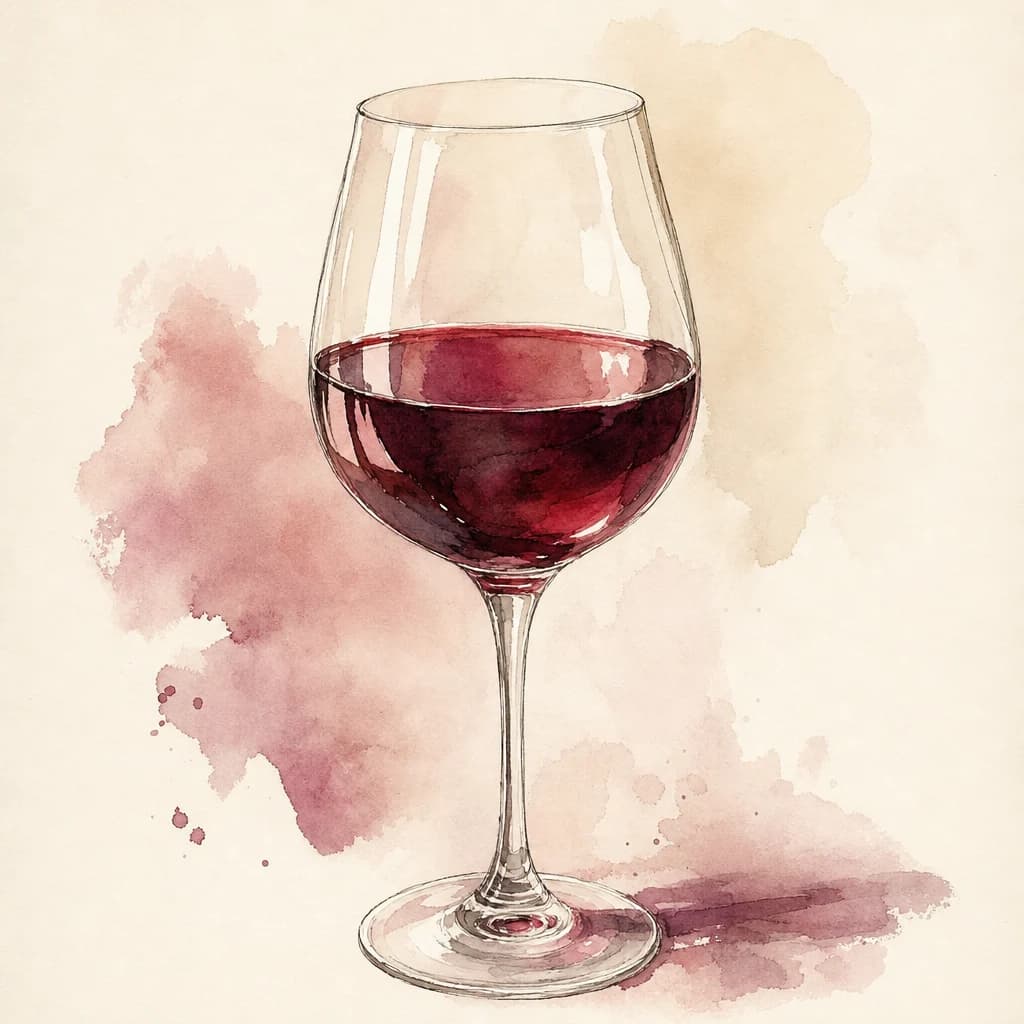
国民的飲み物。モルドバは、国際品種とフェテアスカ アルバ、フェテアスカ ネアグラ、ララ ネアグラなどの固有のブドウの両方のワインで有名です。
神聖な
これは、国内で最も高く評価されている蒸留酒の 1 つであるブランデーまたはコニャックの地元の名前です。ティラスポリのクヴィントなどのワイナリーは、その品質の高さで有名です。
梅ブランデー
バルカン ラキアに似た強力な自家製ブランデー。主にプラムから作られますが、リンゴやアプリコットからも作られます。それは田舎における歓迎の象徴です。
コンポート
特にご家庭で大人気のノンアルコール飲料です。新鮮な果物またはドライフルーツ(サクランボ、アプリコット、リンゴなど)を砂糖と一緒に煮ることによって調製されます。夏は冷たく、冬は温かくお召し上がりいただけます。
伝統的なデザート
クルミ入りプルーン
伝統的でエレガントなデザート。種の入ったプルーンにクルミの半分を詰めたもので、その上にサワークリーム(「smântână」)を添えることがよくあります。
焼いてます
イースターやクリスマスなどの大きな祝日に用意される、パネットーネに似たスポンジ状の編み込んだ甘いパンです。ナッツ、ココア、またはトルコ菓子を詰めることもできます。
イースター
伝統的なイースターケーキ。甘い生地のベースに、甘いフレッシュチーズ (「brânză de vaci」)、レーズン、香りを混ぜ合わせた丸いケーキです。
ググシュチャの帽子
冬の帽子を思わせるとても独創的なケーキです。チェリーを詰めた薄く巻いたクレープをピラミッド型に重ね、サワークリームとおろしチョコレートで覆いました。
テーマ別の見どころ
モルドバの富は、そのユニークな体験と本物の雰囲気にあります。次に、さまざまなトピックを通じてこの国を探索し、そのさまざまな側面を発見することをお勧めします。
緑の首都: キシナウ
キシナウ (キシナウ) は驚くほど緑豊かな都市で、公園や広い並木通りがたくさんあります。その建築は、19 世紀のエレガントな建物とソ連時代の記念碑的な建造物が混在しています。凱旋門、正教大聖堂、活気のある中央市場は必見です。
ワインルートとアグロツーリズム
モルドバはワイン愛好家にとって天国です。巨大なクリコヴァ ワイナリーやミレシュティ ミーチ ワイナリーに加え、プルカリ、カステル ミミ、アスコーニなどの魅力的なブティック ワイナリーが数多くあり、テイスティング、質の高いレストラン、宿泊施設を提供しています。その多くはキシナウから日帰り旅行で訪れることができます。
修道院と精神性
この国には、非常に美しい飛び地に正教会の修道院が点在しています。象徴的なオルヘイウル ヴェキに加えて、ドニエストル川の隣に位置し、部分的に岩を切り開いたティポヴァ修道院とサハルナ修道院も、小道や滝があり、深い平和な雰囲気を提供しています。カプリアーナ修道院は、最も古く、最も重要な修道院の 1 つです。
ソ連の遺産と沿ドニエストルの異常事態
最近の歴史に興味がある人にとって、モルドバは魅力的な目的地です。独自の国境、通貨、そして未承認の政府がある沿ドニエストルへの旅は、ソ連の生きた遺物に浸ることとなります。キシナウでは、国会議事堂や放棄されたサーカスなどの建物がその過去の証人です。
田舎で多文化な北部
国の北部では、異なるビジョンが提供されます。ソロカでは、中世の要塞やジプシーの丘を訪れることができます。この地域には、ウクライナ人やロシアの古儀式派などの少数民族が住む村があり、旅に文化の多様性が加わります。
旅行のヒント
スケジュール
営業時間は他のヨーロッパ諸国と同様、午前 9 時から午後 6 時までです。キシナウのスーパーマーケットとショッピング センターは営業時間が長くなります。地方ではお店の営業時間が短縮される場合があります。
社内輸送
都市間を移動する最も一般的で安価な方法は、「rutieră」(複数形:「rutiere」)として知られるミニバスです。バスは満員になるとバス停(「アウトガラ」)から出発します。キシナウの主な公共交通機関はトロリーバスです。鉄道網は限られており、遅いです。
言語
公用語はルーマニア語です。ロシア語も広く話されており、特に古い世代に理解されています。英語は若者の間やキシナウの観光分野で普及しつつありますが、地方ではその使用が限られています。
ヒント
チップは義務ではありませんが、一般的な習慣となっており、非常に感謝されます。レストランでは、サービスがよかった場合、会計総額の 5% から 10% を残すのが通例です。
このガイドは、ヨーロッパで最も本格的だがあまり知られていない目的地の 1 つを発見するための単なる招待状です。モルドバはワインのようにゆっくりと味わいたい国です。乾杯するたびに、「マーマリガ」の一皿ごとに、田舎の家での会話ごとに、あなたはこの心地よい土地の魂に近づくことでしょう。ぜひ隅々まで探索して、その隠された魅力に驚かれてください。ドラムパン! (良い旅を!)
読み込み中かもしれません...
Explore Regions of モルドバ
Discover the most beautiful regions and plan your perfect trip
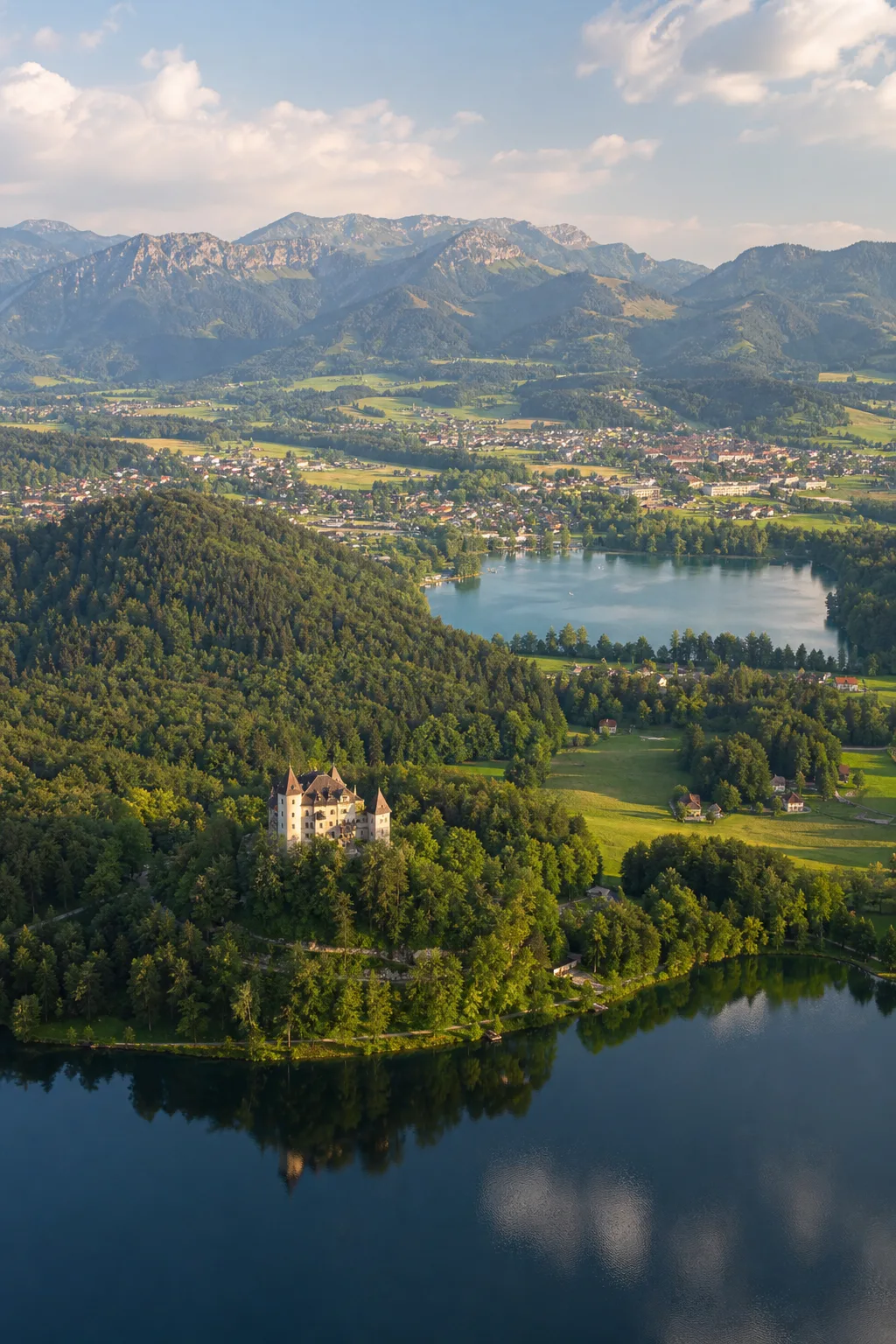
Center & Chișinău
Center & Chișinău offers distinctive landscapes, culture and experiences in モルドバ.
Gagauzia
Gagauzia offers distinctive landscapes, culture and experiences in モルドバ.
North
North offers distinctive landscapes, culture and experiences in モルドバ.
South
South offers distinctive landscapes, culture and experiences in モルドバ.
旅行プランナー
完璧な旅程を作成する
充電...
あなたの旅行者のプロフィール
あなたの旅行スタイルを見つけてください
充電...