宛先を読み込んでいます...
宛先を読み込んでいます...
宛先を読み込んでいます...
宛先を読み込んでいます...
宛先を読み込んでいます...
宛先を読み込んでいます...
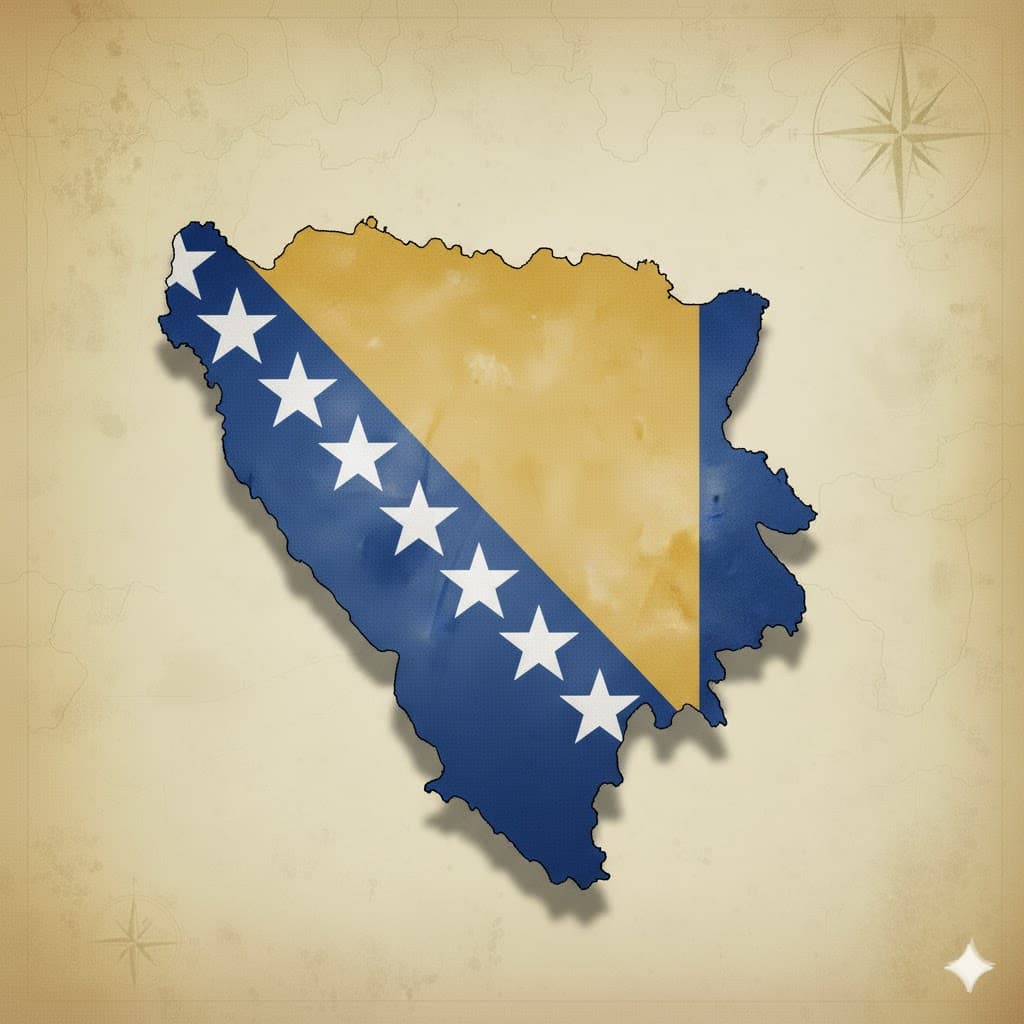
Descubre cómo visitar Bosnia and Herzegovina con poco presupuesto sin sacrificar la experiencia.
Bosnia and Herzegovina is a heart-shaped country in the heart of the Balkans, known for its mountainous landscapes, emerald rivers like the Neretva, and a complex history that fuses Ottoman, Austro-Hungarian, and Slavic influences. It is a land of resilience, whose culture and cities reflect a past of coexistence, conflict and rebirth.

追加費用をかけずにBosnia and Herzegovinaを発見する
Bosnia and Herzegovina is a heart-shaped country in the heart of the Balkans, known for its mountainous landscapes, emerald rivers like the Neretva, and a complex history that fuses Ottoman, Austro-Hungarian, and Slavic influences. It is a land of resilience, whose culture and cities reflect a past of coexistence, conflict and rebirth.
Currency: The official currency is the Bosnian Convertible Mark (BAM or KM). It has a fixed exchange rate with the euro (1 EUR = 1.95583 BAM). Euros are accepted in many tourist places, but it is advisable to use the local currency to get better prices.
Internal Transportation: The bus network is the most efficient and widespread way to travel between cities. Trains are less frequent but can be very scenic, such as the route from Sarajevo to Mostar. Renting a car gives more flexibility to explore rural areas.
Language: The official languages are Bosnian, Serbian and Croatian, which are mutually intelligible. In tourist areas, especially among young people, it is common to find people who speak English. German is also relatively widely spoken.
Tips: Tipping is not mandatory, but is appreciated for good service. In restaurants, it is common to round up the bill or leave 10%. For tour guides and taxi drivers, it is also a welcome gesture.
歴史、詳細な旅程、実践的なヒント、必要なすべての情報が記載された完全なガイドをご覧ください。
完全なガイドを見るThe official currency is the Bosnian Convertible Mark (BAM or KM). It has a fixed exchange rate with the euro (1 EUR = 1.95583 BAM). Euros are accepted in many tourist places, but it is advisable to use the local currency to get better prices.
The bus network is the most efficient and widespread way to travel between cities. Trains are less frequent but can be very scenic, such as the route from Sarajevo to Mostar. Renting a car gives more flexibility to explore rural areas.
The official languages are Bosnian, Serbian and Croatian, which are mutually intelligible. In tourist areas, especially among young people, it is common to find people who speak English. German is also relatively widely spoken.