일반 여행 가이드: 발칸 반도의 젊은 심장
코소보는 여러 면에서 발칸 반도에서 가장 비밀이 유지된 곳입니다. 유럽에서 가장 젊은 국가인 이 나라는 루고바 협곡(Rugova Canyon)의 드라마틱한 봉우리부터 수백 년 된 수도원이 있는 고요한 계곡까지 예상치 못한 자연의 아름다움을 지닌 땅입니다. 오스만 제국의 석조 '쿨라'부터 유고슬라비아 시대 건축물과 최근 독립을 기념하는 기념물에 이르기까지 이곳의 역사는 곳곳에서 뚜렷이 드러납니다. 그러나 이 모든 것 외에도 코소보는 믿을 수 없을 정도로 친절하고 낙관적이며 세계에 문화, 요리법 및 흔들리지 않는 미래 정신을 보여주고 싶어하는 국민으로 정의되는 국가입니다. 놀랄 준비를 하세요.
수도
프리스티나
인구
1.800.000
언어
SQ
유네스코 문화유산
4
여행지수
0~100의 실제 데이터를 기반으로 한 점수
코소보의 최고
독특한 경험
일몰 때 프리즈렌 요새(Prizren Fortress) 등반
프리즈렌 구시가지의 가파른 거리를 통과하여 요새(Kalaja)에 도달하는 것은 꼭 해야 할 경험입니다. 빨간 지붕, 비스트리카 강, 시난 파샤 모스크의 첨탑이 있는 도시의 탁 트인 전망은 특히 해질녘에 기도하는 동안 장관을 이룹니다.
루고바 협곡 하이킹
페자(Peć) 마을 바로 외곽에는 인상적인 루고바 협곡(Rugova Canyon)이 있습니다. 하이킹 코스, 페라타를 통한 아름다운 '철 협곡', 탐험할 수 있는 동굴, 유명한 '발칸 봉우리' 국경 횡단 경로의 일부인 산악 풍경이 있는 이곳은 모험을 사랑하는 사람들의 천국입니다.
프리슈티나의 마키아토 문화에 푹 빠져보세요
프리슈티나는 유럽에서 가장 활기찬 커피 문화 중 하나를 보유하고 있습니다. 테라스와 디자이너 카페에는 늘 젊은이들로 가득하다. 마끼아또를 주문하고 도시의 분주함을 바라보며 오후를 보내는 것은 수도의 에너지와 낙천주의를 연결하는 가장 좋은 방법입니다.
세르비아 정교회 수도원(유네스코) 방문
세르비아 중세 수도원을 탐험하는 것은 다른 시간으로 여행하는 것과 같습니다. 놀라운 프레스코화가 있는 비소키 데차니 수도원(Visoki Dečani Monastery), 세르비아 교회의 영적 중심지인 페치 총대주교청, 프리슈티나 근처에 있는 그라차니차 수도원(Gračanica Monastery)은 평화의 오아시스이자 비잔틴 예술의 걸작입니다.
'NEWBORN' 기념비 사진 촬영
2008년 코소보 독립 선언일에 공개된 프리슈티나의 이 상징적인 기념물은 코소보의 살아있는 상징입니다. 매년 광복절이 되면 당대의 사회적, 정치적 문제를 반영하는 새로운 예술적 디자인으로 외관이 변화됩니다.
전통 'Kulla'를 발견해보세요
'쿨라스'는 알바니아 건축의 전형적인 요새화된 석탑 주택입니다. Peja의 Haxhi Zeka의 Kulla 또는 Dečani 지역의 Kulla와 같은 일부는 복원되어 방문할 수 있으며, 지역의 가족 생활과 전통에 대한 흥미로운 통찰력을 제공합니다.
살기 좋은 땅의 맛
코소보 요리는 알바니아, 세르비아, 터키, 발칸의 영향이 맛있고 강력하게 혼합되어 있습니다. 가정식 요리의 정수인 고품질 유제품, 육류(특히 쇠고기와 양고기), 신선한 야채, 맛있는 페이스트리를 기반으로 합니다. 항상 아낌없이 나누어 먹는 요리입니다.
오븐의 문화('푸라')
빵집과 제과점('푸르라')은 어디에나 존재하며 일상생활의 필수적인 부분입니다. 갓 구운 빵인 '피타'와 '플리자'가 이곳에서 구워집니다. 갓 구운 빵의 향기가 온종일 거리에 스며듭니다.
'플리야' 의식
'Flija'는 단순한 요리가 아닌 사교 행사입니다. 이런 종류의 크레이프나 도우 라자냐는 불씨로 덮인 금속 뚜껑('sač') 아래 야외에서 몇 시간 동안 층층이 요리되며, 인내심과 여러 사람의 협력이 필요합니다.
대표적인 요리
플릭스
가장 상징적인 요리. 크레이프 같은 반죽의 얇은 층을 크림 또는 '카즈막' 층과 번갈아 가며 위에서부터 천천히 조리합니다. 손으로 직접 먹는 명절 음식이다.
케바파/플예스카비차
'ćevapi'의 로컬 버전입니다. 다진 고기를 구운 작은 롤이나 버거로, 양파와 때로는 아즈바르(고추장)와 함께 납작한 빵('레핀자') 위에 얹어 먹습니다.
타베 프리즈레니 / 타베 코시
점토 냄비('tavë')에 야채와 함께 구운 양고기 또는 쇠고기 요리입니다. 'Tavë Kosi'는 요거트와 계란을 맨 위에 올려 일종의 풍미 있는 수플레를 만드는 유명한 버전입니다.
피타 / 바이렉
매우 얇은 필로 반죽 페이스트리. 고기가 들어간 'byrek'은 매우 인기가 높지만 'sirnica'(치즈), 'zeljanica'(시금치) 및 'krompiruša'(감자)도 인기가 높습니다. 완벽한 아침 식사 또는 간식입니다.
사르마
다진 고기와 쌀로 채워진 신 양배추 또는 포도 잎 롤. 특히 겨울이나 축하 행사에 먹는 풍성한 요리입니다.
파술리
걸쭉하고 풍미 가득한 콩 스튜로, 종종 훈제 고기나 소시지와 함께 조리됩니다. 발칸 가정요리의 대표 요리이다.
전형적인 음료
마키아토
전통은 아니지만 마끼아또는 코소보 젊은이들의 비공식 음료입니다. 커피의 품질과 바리스타의 실력은 국가적 자부심의 원천입니다.
라키자
강력한 발칸 과일 브랜디. 가장 흔한 것은 포도('루시') 또는 자두이며, 종종 집에서 만듭니다. 환영의 표시로 한 모금씩 마신다.
보자
옥수수와 밀가루를 섞어 발효시킨 음료로 새콤달콤한 맛과 걸쭉한 농도가 특징입니다. 매우 상쾌한 전통 음료입니다.
달레 / 아이란
요거트, 물, 소금을 베이스로 한 음료로, 강한 구운 고기 요리와 잘 어울립니다.
테마별 볼거리
코소보의 부는 역사적 유산, 생생한 현재, 깨끗한 자연이 매력적으로 혼합되어 있다는 점에 있습니다. 다음으로, 다양한 주제를 통해 해당 국가를 탐험해 보시기 바랍니다.
영혼이 있는 도시: 프리즈렌(Prizren)과 자코바(Gjakova)
프리즈렌(Prizren)은 강둑과 인상적인 요새 아래 완벽하게 보존된 오스만 도시인 이 나라의 문화적 보석입니다. 재건 후 Gjakova는 장인과 카페로 가득한 발칸 반도에서 가장 오래되고 가장 긴 시장을 자랑합니다.
프리스티나: 변화의 수도
수도는 새로운 코소보의 엔진이다. 여기서는 상징적인 NEWBORN 기념물, 마더 테레사 대성당, 논쟁의 여지가 있는 국립 도서관, 빌 클린턴 동상, 그리고 이 지역에서 비교할 수 없는 카페와 바를 발견할 수 있습니다.
세계유산: 중세 수도원
코소보 여행은 유네스코 세르비아 정교회 수도원을 방문하지 않고는 완료되지 않습니다. 비소키 데차니(Visoki Dečani), 페치(Peć) 총대주교, 그라차니차(Gračanica), 레비사 성모 교회(Church of Our Lady of Ljeviša)는 헤아릴 수 없을 만큼 가치가 있는 예술적, 역사적 증거물입니다.
야생의 자연: 산과 협곡
서부 코소보는 모험가들의 천국입니다. 루고바 협곡(Rugova Canyon)을 진원지로 하는 저주받은 산맥(Prokletije)에서는 하이킹, 등반, 아름다운 고산 풍경을 즐길 수 있습니다. 미루샤 폭포와 가디메 대리석 동굴은 또 다른 자연의 경이로움입니다.
최근 역사와 기억
20세기의 역사는 이 나라에 깊은 영향을 미쳤습니다. 프레카즈(Prekaz)의 아뎀 자샤리 기념단지(Adem Jashari Memorial Complex)를 방문하거나 마을과 도시의 기념물을 관찰하는 것만으로도 최근의 갈등과 독립을 향한 길을 이해하는 데 도움이 됩니다.
여행 팁
통화
코소보는 유로존에 가입하지 않았음에도 불구하고 유로(€)를 사실상의 통화로 사용합니다. 이는 유럽 방문객들의 여행을 훨씬 더 쉽게 만듭니다. 특히 시골 지역에서는 현금이 여전히 매우 유용합니다.
내부 운송
버스 네트워크는 전국을 여행하는 가장 실용적이고 경제적인 방법입니다. 모든 주요 도시와 마을 사이에는 빈번하고 저렴한 연결편이 있습니다. 관광을 위한 기능적인 여객 열차 네트워크가 없습니다.
언어
공식 언어는 알바니아어와 세르비아어입니다. 알바니아어가 주요 언어이며 알바니아 전역에서 사용됩니다. 영어는 젊은이들 사이에서 매우 흔하므로 도시에서는 의사소통이 놀라울 정도로 쉽습니다.
팁
팁을 주는 것은 필수는 아니지만 일반적인 관행이 되었으며 항상 큰 감사를 드립니다. 레스토랑이나 카페에서는 청구서를 반올림하거나 좋은 서비스를 위해 10%를 남겨두는 것이 적절한 행동입니다.
이 가이드는 유럽에서 가장 젊고 역동적인 목적지 중 하나에 대한 소개일 뿐입니다. 코소보는 호기심 많은 여행자에게 진정성, 자연의 아름다움, 그리고 무엇보다도 국민의 믿을 수 없을 만큼 따뜻함을 선사하는 나라입니다. 열린 마음으로 탐구하고 건설 과정에서 국가의 에너지를 발견하시기 바랍니다. 잘 지내세요! (좋은 여행 되세요!)
로딩 중일지도...
Explore Regions of 코소보
Discover the most beautiful regions and plan your perfect trip
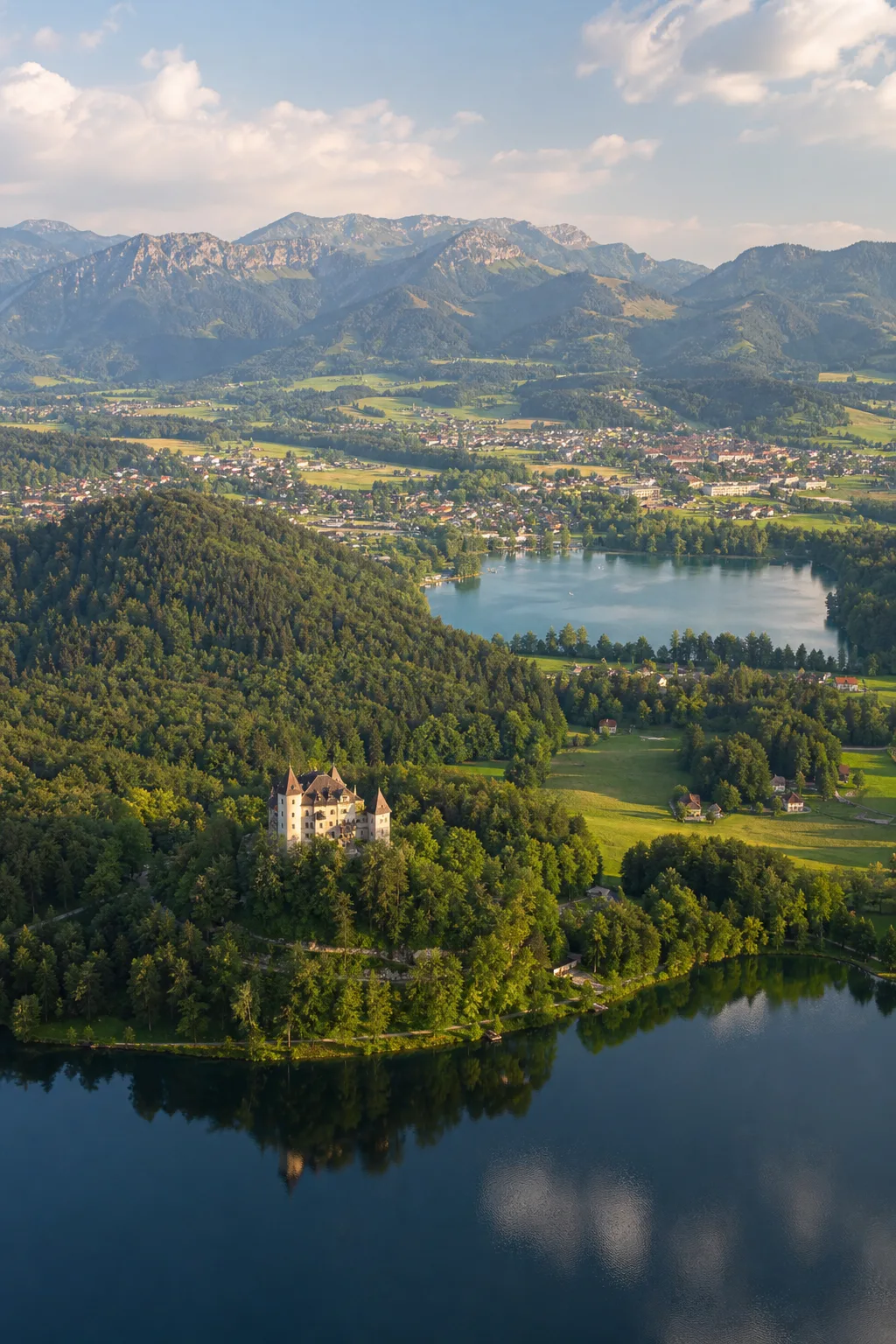
District of Ferizaj
District of Ferizaj offers distinctive landscapes, culture and experiences in 코소보.
District of Gjakova
District of Gjakova offers distinctive landscapes, culture and experiences in 코소보.
District of Gjilan
District of Gjilan offers distinctive landscapes, culture and experiences in 코소보.
District of Mitrovica
District of Mitrovica offers distinctive landscapes, culture and experiences in 코소보.
여행 플래너
완벽한 여행 일정 만들기
충전 중...
여행자 프로필
당신의 여행 스타일을 찾아보세요
충전 중...