대상 로드 중...
대상 로드 중...
대상 로드 중...
대상 로드 중...
대상 로드 중...
대상 로드 중...

Conoce la conectividad, el coste y la vida cotidiana para nómadas digitales en Zebu.
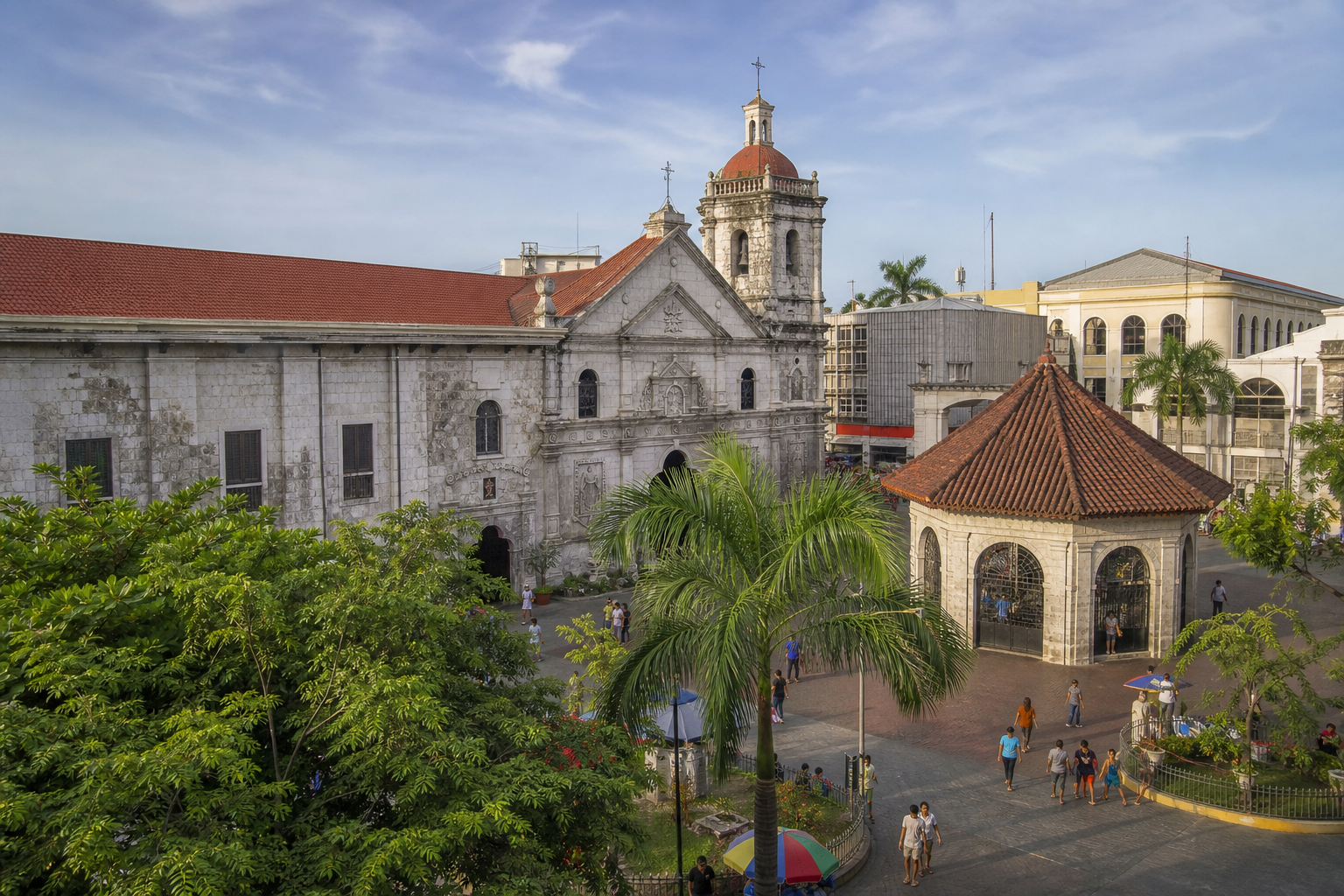
Cebu is a historic and major city on the island of Cebu, located in the Visayas archipelago in the Philippines. It is known as the first Spanish city established in the Philippines, founded in 1565 by Miguel López de Legazpi. Cebu stands out for its cultural, historical and economic importance in the country, being a vibrant urban center with a significant population that combines ancient traditions with modern development. Geographically, Cebu is situated on a strategic island in the center of the Philippines, making it a key point for trade and tourism. The city has a rich Spanish colonial heritage visible in its monuments and architecture, such as the Basilica Menor del Santo Niño, and is famous for being the place where Ferdinand Magellan landed in 1521. In addition, Cebu is a major economic and tourist center, with beaches, historical sites and a unique local culture that mixes indigenous, Spanish and modern influences. Its urban and metropolitan population exceeds one million inhabitants, consolidating it as one of the largest and most dynamic cities in the country.
Cebu is increasingly popular among digital nomads for its connectivity and cost of living, although infrastructure can improve.
디지털 노마드 점수: 78/100
Visiting Cebu is relatively inexpensive compared to other Asian cities. Costs vary depending on the type of traveler, but in general it offers affordable options for backpackers, middle-class travelers and luxury tourists.
Cebu City Public WiFi
Cebu City has launched free public WiFi hotspots in iconic locations such as Plaza Sugbo (in front of City Hall and Basilica del Santo Niño) and Plaza Independencia, with plans to expand to all 80 barangays (districts) of the city, including mountainous areas, during 2025. Access is free for up to two hours in these areas, mainly designed for tourists and students. The network is already available in at least 26 public schools and coverage is expected to progressively improve. Speed and stability may vary depending on the influx of users, especially in massive events. To access, simply search for the 'Cebu City Public WiFi' network on your device within the coverage radius of the installed access points.
In Cebu, the major mobile operators are Globe Telecom, Smart Communications (PLDT), and DITO Telecommunity. It is recommended to purchase a local SIM card in Cebu for better data rates and coverage, available at airports, shopping malls and official stores of the operators.
더 많은 비용을 들이지 않고 Zebu를 발견하세요
Strong value for money. You can travel comfortably without a high budget.
카테고리별 점수
Cebu is increasingly popular among digital nomads for its connectivity and cost of living, although infrastructure can improve.
Strong value for money. You can travel comfortably without a high budget.
Public transportation in Cebu is functional but can be chaotic and inefficient at peak times.
Visit Olango Island for bird watching or explore lesser-known waterfalls like Tumalog.
Avoid typhoon season (June to November); The months from January to May are ideal for tourism.
Cebuano is the main language, but English is widely spoken; learn basic greetings like 'Kumusta' (hello).
Greet with a smile and respect; Avoid showing anger in public and respect religious traditions.
Cebu has quality private hospitals such as Chong Hua; For emergencies, go to recognized centers.
Pharmacies like Mercury Drug are open late; They carry basic medications and advice.
Cebu is relatively safe for tourists if you apply common sense; Avoid deserted and poorly lit areas, especially at night.
Avoid peripheral neighborhoods with high poverty and avoid busy streets after dark to minimize the risk of assaults and robberies.