대상 로드 중...
대상 로드 중...
대상 로드 중...
대상 로드 중...
대상 로드 중...
대상 로드 중...

Conoce la conectividad, el coste y la vida cotidiana para nómadas digitales en Istanbul.
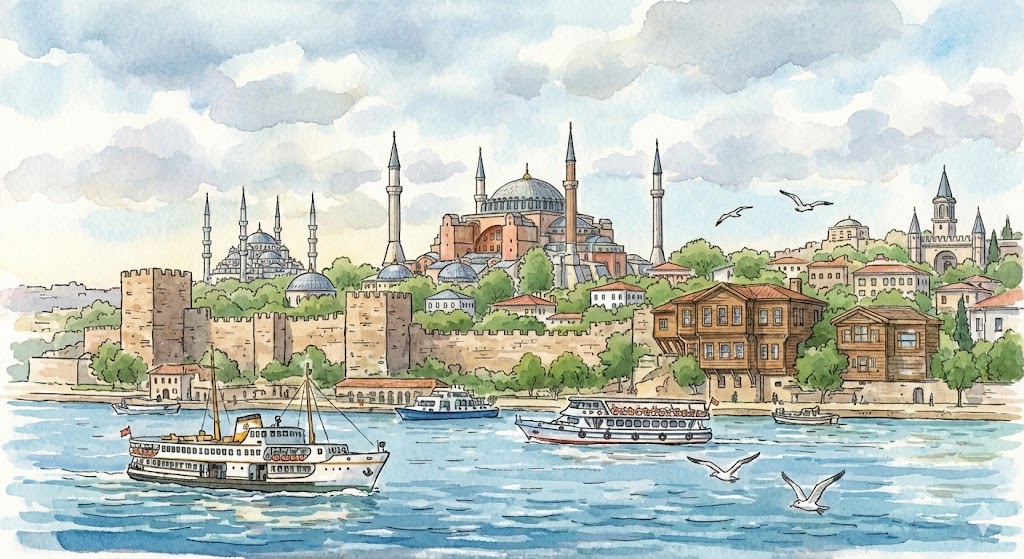
Istanbul, the majestic metropolis that straddles two continents, is a melting pot of history, culture and energy. Former capital of the Roman, Byzantine and Ottoman empires, its streets are home to breathtaking monuments, such as the iconic Hagia Sophia, the Blue Mosque and Topkapi Palace. The Bosphorus Strait, its aquatic soul, separates Europe and Asia, uniting at the same time a glorious past with a vibrant and cosmopolitan present.
A very attractive destination for nomads due to its low cost of living, its incredible cultural offer and its vibrant social life.
디지털 노마드 점수: 85/100
Offers great value. It is more affordable than the main capitals of Western Europe. Food and transportation are cheap; tickets and alcohol, more expensive.
İBB WiFi
The municipal network offers free Wi-Fi in many squares, parks and on public transport, although registration is required. Most cafes, restaurants and hotels have their own Wi-Fi.
Buying a tourist SIM (Turkcell, Vodafone, Türk Telekom) at the airport is the easiest option. It is highly recommended to have data and use maps or transportation apps.
더 많은 비용을 들이지 않고 Istanbul를 발견하세요
Strong value for money. You can travel comfortably without a high budget.
카테고리별 점수
A very attractive destination for nomads due to its low cost of living, its incredible cultural offer and its vibrant social life.
Strong value for money. You can travel comfortably without a high budget.
An excellent, integrated and affordable public transport system including metro, tram, bus, funicular and, most importantly, ferries.
For an authentic Turkish bath experience, avoid the more touristy hamams and look for a historic one like the one in Çemberlitaş or Kılıç Ali Paşa. It is a cultural and relaxing experience.
Most tourists stay on the European side. Take a ferry to Kadıköy or Üsküdar to discover a more relaxed atmosphere, incredible markets and real local life.
To enter a mosque, women must cover their heads, shoulders and knees. Men must wear long pants. In the most touristy mosques they usually lend scarves ('hijabs') and skirts.
Tea ('çay') is a symbol of hospitality. If a salesperson in a store offers you tea while you look at their products, accept it. It is a gesture of kindness, not an obligation to purchase.
Although the tap water is chlorinated, most locals and all tourists drink bottled water to avoid stomach problems.
Many public baths, even in mosques, have a fee (a small amount). They are usually a mix of Western-style toilets and Turkish-style latrines.
A shoeshine boy will 'accidentally' drop his brush in front of you. If you pick him up, he will insist on cleaning your shoes for free and then demand an exorbitant amount from you. Ignore him and keep walking.
Always use official yellow taxis and demand that they put the meter on. It is better to use apps like BiTaksi or Uber (which works with local taxis) to avoid problems.