Cargando destino...
Cargando destino...
Cargando destino...
Cargando destino...
Cargando destino...
Cargando destino...

Sumérgete en la rica historia y cultura de Madagascar a través de sus museos y monumentos.
Madagascar is a gigantic and unusual island nation located in the Indian Ocean, off the eastern coast of Africa. Separated from the continent more than 80 million years ago, it has developed a unique ecosystem on the planet where more than 80% of its flora and fauna is endemic. It stands out worldwide for housing all the wild species of lemurs, six of the eight species of baobabs on Earth, the sharp limestone cathedrals of the Tsingy de Bemaraha (UNESCO), red sandstone canyons in Isalo and paradisiacal islands of white sand and coral beds such as Nosy Be and Île Sainte-Marie.
TripMatches · Recordar · Planificar
¿Ya has estado o todavía te gustaría ir? Elige y te llevamos directo a la acción.
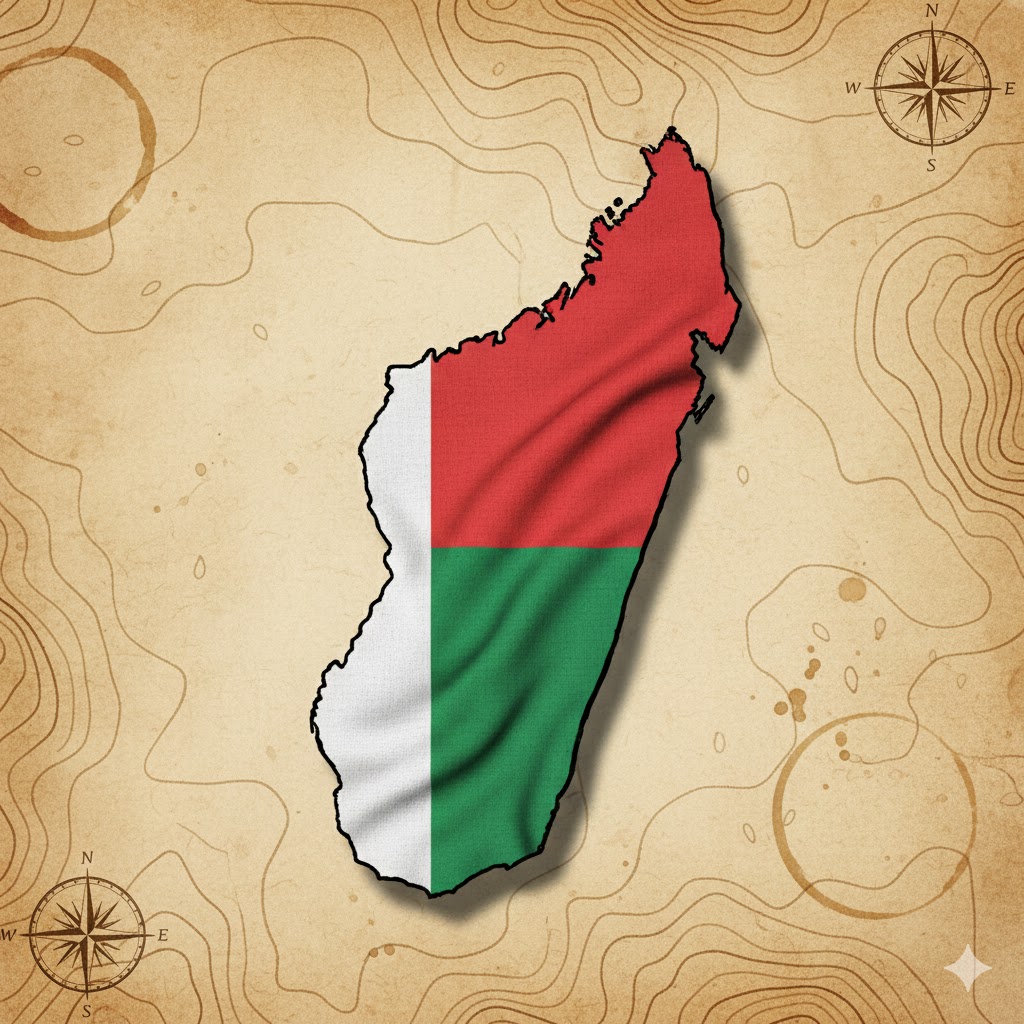
Descubre la rica historia, arte y tradiciones de Madagascar
Madagascar is a gigantic and unusual island nation located in the Indian Ocean, off the eastern coast of Africa. Separated from the continent more than 80 million years ago, it has developed a unique ecosystem on the planet where more than 80% of its flora and fauna is endemic. It stands out worldwide for housing all the wild species of lemurs, six of the eight species of baobabs on Earth, the sharp limestone cathedrals of the Tsingy de Bemaraha (UNESCO), red sandstone canyons in Isalo and paradisiacal islands of white sand and coral beds such as Nosy Be and Île Sainte-Marie.
Located near Morondava, the Avenue of the Baobabs is one of the most photographed natural monuments in Africa. A stretch of dirt track flanked by dozens of monumental baobabs of the species *Adansonia grandidieri* that are more than 800 years old and up to 30 meters high. As evening falls, the cylindrical silhouettes of the wooden giants silhouetted against a sky lit in shades of purple, gold and orange create a visual spectacle of surreal beauty.
The Tsingy de Bemaraha (UNESCO World Heritage Site) are a colossal geological forest of karst limestone sculpted by water and wind into razor-sharp vertical pinnacles. Equipped with a harness and carabiners via via ferrata, the journey runs through walkways suspended over abysses, underground caves and breathtaking viewpoints where Decken's lemurs and rare birds of prey live.
The Andasibe-Mantadia National Park protects one of the richest tropical rainforests on the island. Walking at dawn through dense bamboo forests, tree ferns and wild orchids allows you to hear the soulful, piercing howl of the Indri indri (the world's largest living lemur), a song similar to that of a siren or whale that echoes for miles through the morning fog.
Isalo displays a spectacular Jurassic landscape of eroded red and yellow sandstone plateaus, deep gorges and palm groves reminiscent of a Wild West canyon. Walking routes lead to the 'Piscine Naturelle' (a pool of crystal-clear water fed by a waterfall and shaded by pandanus palms), canyons where troops of ring-tailed lemurs (*maki catta*) leap, and the 'Fenêtre de l'Isalo' at sunset.
Nosy Be, the 'Perfume Island' (named for its extensive plantations of Ylang-Ylang flower, vanilla and sugar cane), is the epicenter of Malagasy marine life. From its port you can access idyllic satellite islands: Nosy Komba (the island of the black lemurs), Nosy Tanikely (a protected marine reserve ideal for snorkeling among hawksbill turtles and parrotfish) and the pristine white sand banks of Nosy Iranja.
Off the eastern coast, the long, tranquil Île Sainte-Marie (Nosy Boraha) combines a legendary history as a former haven for 17th-century pirates (with its pirate cemetery of tombstones engraved with skulls) with one of the largest breeding sanctuaries for humpback whales on the planet, which flock to its calm waters in their thousands between July and September to give birth and court with acrobatic leaps.
Descubre la guía completa con historia, itinerarios detallados, consejos prácticos y toda la información que necesitas.
Ver guía completaIn Malagasy culture, the 'Fady' are sacred prohibitions and taboos dictated by the ancestors that vary according to each region, forest or village (for example: not pointing at graves with the outstretched index finger, not taking certain foods such as pork to sacred places or not touching certain species of lemurs or chameleons). It is essential to always respect the instructions of the local guide so as not to offend the beliefs of the communities.
Distances in Madagascar are not measured in kilometers but in hours. Except for the paved RN7, many of the roads and tracks (such as the access to Tsingy de Bemaraha or the west coast) are in poor condition and require crossings by barge. For safety and comfort, the general rule for travelers is to rent a 4x4 all-terrain vehicle, which necessarily includes an experienced local driver-guide.
The official currency is the Malagasy Ariary (MGA). International credit cards are only accepted in high-end hotels in Antananarivo and Nosy Be. In the rest of the country, to pay for local hotels, entrance fees to national parks (MNP), roadside restaurants and tips to wildlife trackers, it is mandatory to have plenty of cash in Ariary (obtained by exchanging Euros or withdrawing from bank ATMs such as BNI or BMOI in major cities).
TripMatches · Recordar · Planificar
¿Ya has estado o todavía te gustaría ir? Elige y te llevamos directo a la acción.
Accede a la ficha completa: atracciones, clima, gastronomía, eventos y mucho más.
Descubrir este destino a fondo