Cargando destino...
Cargando destino...
Cargando destino...
Cargando destino...
Cargando destino...
Cargando destino...
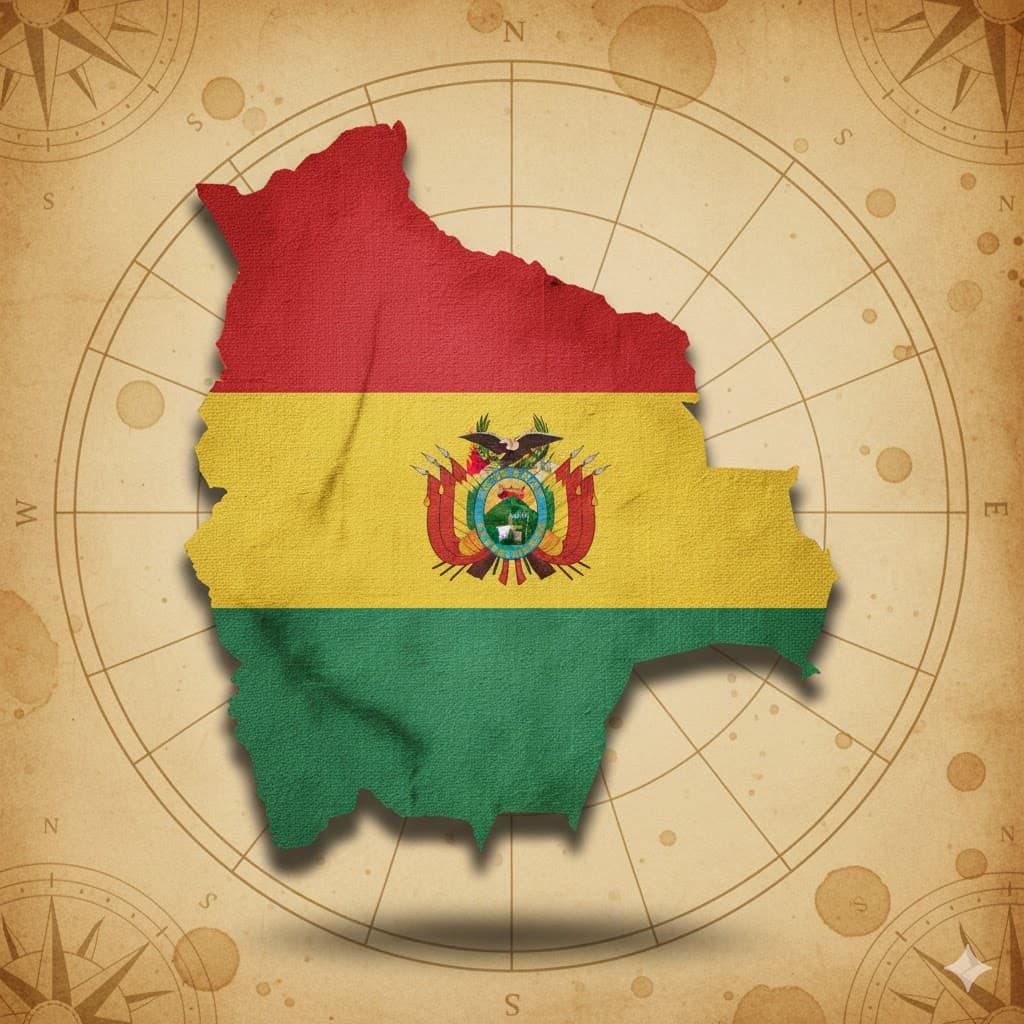
Sumérgete en la rica historia y cultura de Bolivia a través de sus museos y monumentos.
Bolivia is a country of extreme geographical and cultural contrasts. From the snow-capped peaks of the Andes and the infinite mirror of the Salar de Uyuni to the tropical plains of the Amazon, it offers one of the most authentic and least explored travel experiences on the continent.
TripMatches · Recordar · Planificar
¿Ya has estado o todavía te gustaría ir? Elige y te llevamos directo a la acción.

Descubre la rica historia, arte y tradiciones de Bolivia
Bolivia is a country of extreme geographical and cultural contrasts. From the snow-capped peaks of the Andes and the infinite mirror of the Salar de Uyuni to the tropical plains of the Amazon, it offers one of the most authentic and least explored travel experiences on the continent.
It is the definitive experience in Bolivia. With more than 10,000 km², this salt desert offers surreal landscapes. In the rainy season (January-March), a thin layer of water turns it into the largest mirror in the world, while in the dry season, the floor of white salt hexagons seems infinite. The visit usually includes Incahuasi Island, full of giant cacti, and colorful lagoons populated by flamingos.
La Paz has the longest and highest urban cable car network in the world. It's not just transportation, it's a constant viewpoint. Traveling along the red, yellow or silver lines allows you to observe the impossible geography of the city, from the mansions in the south to the markets of El Alto, with the majestic snow-capped Illimani always watching in the background.
At 3,812 meters above sea level, Titicaca is the highest navigable lake in the world. From Copacabana, we leave for the Isla del Sol, considered the birthplace of the Inca Empire. Walking along its pre-Hispanic trails, without cars and surrounded by deep blue waters, is a spiritual experience and absolute peace.
For adrenaline lovers, the mountain bike descent from the Andean peaks (La Cumbre, 4,700 meters above sea level) to the Yungas jungle (Yolosa, 1,200 meters above sea level) is unmissable. Several ecological levels are crossed, going from glacial cold to tropical heat between waterfalls and dizzying cliffs.
In the Santa Cruz lowlands, these missions are the only ones in South America that were not destroyed after the expulsion of the Jesuits. Its carved wooden churches are jewels of the mestizo baroque and remain the center of community life, where indigenous baroque music still resonates in international festivals.
In the heart of La Paz, this market is the center of traditional medicine and Andean rituals. Here you can find amulets, medicinal herbs and the famous llama fetuses used in offerings to Pachamama (Mother Earth). It is a fascinating window into contemporary Bolivian spirituality.
Descubre la guía completa con historia, itinerarios detallados, consejos prácticos y toda la información que necesitas.
Ver guía completaMany areas of Bolivia are above 3,500 meters. It is vital to acclimatize, drink plenty of water, avoid alcohol the first few days and try coca tea, a very effective natural remedy.
Interdepartmental buses ('fletas') are the main means of getting around. For long distances, 'sleeper' buses are recommended. In the cities, minibuses and trufis are common, but the cable car in La Paz is the most comfortable option.
The official currency is the Boliviano (BOB). Although hotels and large restaurants accept cards, it is essential to carry cash in small bills for markets, transport and rural towns.
TripMatches · Recordar · Planificar
¿Ya has estado o todavía te gustaría ir? Elige y te llevamos directo a la acción.
Accede a la ficha completa: atracciones, clima, gastronomía, eventos y mucho más.
Descubrir este destino a fondo