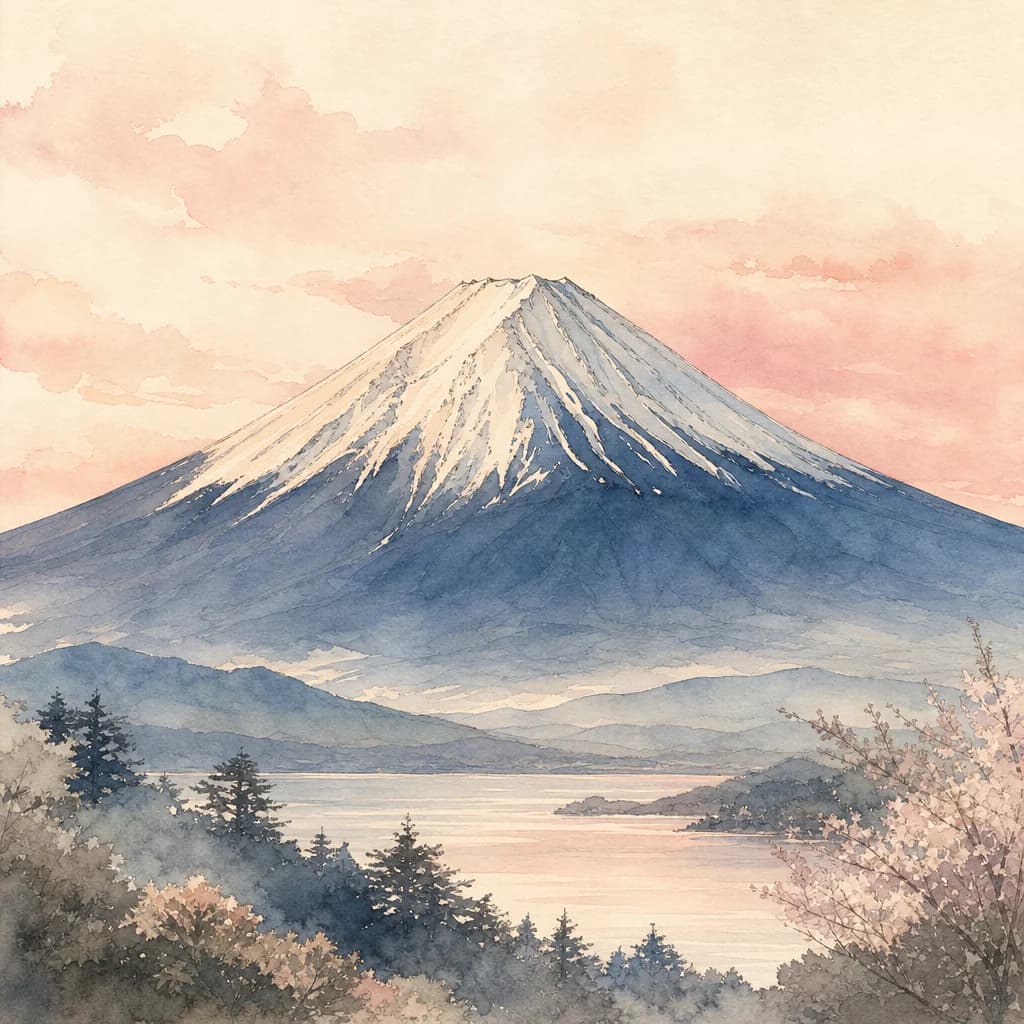
Hakone

A famous mountain and hot spring enclave at the foot of Mount Fuji, renowned for its ancient onsen, Lake Ashi, steaming valleys and open-air museums.

2 days

About Hakone

About Hakone - Culture, History & Character

City Description

Hakone, set in the mountainous Kanagawa Prefecture within Fuji-Hakone-Izu National Park, is Japan's quintessential hot spring retreat. Famous for its panoramic views of Mount Fuji reflected in the waters of Lake Ashi, its active volcanic valleys such as Owakudani, a centuries-old network of onsen springs and world-class art museums set within nature, this town balances the mystique of the old feudal post roads with the sophistication of contemporary wellness.
Country
Japan
Region
Kanto
Highlights
16+ Attractions

Highlights

Mount Fuji

Historic Fujiya Hotel

Population

Approximately 11,000 inhabitants (receives more than 20 million visitors a year)

Languages

Japanese

Japanese is the official language. Thanks to its long-standing international tourism tradition, signage on transport, at ticket counters and in museums has excellent support in English, Chinese and Korean. At traditional family-run ryokans, service is usually very attentive, though supported by translation apps.

History of Hakone

Explore the fascinating past of Hakone and discover how it has developed over the centuries.

Historical Journey

Ancient Period

Since the Nara and Heian periods, the springs of Hakone were revered by ascetic hermits and members of the imperial court for their therapeutic virtues. Hakone Shrine, founded in the year 757 on the slopes of Mount Komagatake, was a crucial center of devotion for influential military leaders such as Minamoto no Yoritomo.

Development Period

During the Edo period (1603-1867), Hakone became the most demanding and strategic mountain pass on the famed Tokaido route linking Kyoto with Edo (present-day Tokyo). The Tokugawa Shogunate set up the strict Hakone Sekisho checkpoint to monitor weapons smuggling and the movement of people, while the seven original hot spring villages (Hakone Nanayu) flourished.

Modern Period

In the late 19th and early 20th centuries, Western diplomats and dignitaries established landmark hotels such as the Fujiya Hotel in Miyanoshita, establishing Hakone as a cosmopolitan spa resort. Today, its sophisticated integrated circular transport system and cutting-edge museum offering make it an international benchmark for nature and cultural leisure.

Historical Timeline

The historical timeline shows the key moments that have defined the development of Hakone through the centuries.

City Scores

City Scores

Discover what makes this city special with our comprehensive scoring system

Safety

Excellent
99100

Practically nonexistent crime rates and one of the safest rural areas in the world.

Click to view analysis
About:

Practically nonexistent crime rates and one of the safest rural areas in the world.

Advantages:
  • Absolute public safety at any hour and in any corner of the municipality.
  • Extremely efficient mountain rescue and civil protection services.
  • Very high likelihood of recovering any lost item or documents left on trains or in shops.
Challenges:
  • Medical caution at Owakudani: people with asthma, respiratory or heart conditions should limit exposure to volcanic gases.
Walkability

Good
75100

Magnificent for hiking and local walking routes, but the distances between valleys require using transport.

Click to view analysis
About:

Magnificent for hiking and local walking routes, but the distances between valleys require using transport.

Advantages:
  • Beautiful historic cobbled stretches such as the old Tokaido road to walk among groves.
  • Flat, very pleasant areas for strolling around Moto-Hakone, Hakone-machi and Gora Park.
  • Marked hiking trails of different levels that climb Mount Kintoki or skirt the lake.
Challenges:
  • Alpine terrain with steep slopes that makes walking between different mountain towns impractical.

Public Transport

Excellent
96100

One of the most famous, efficient and scenic multimodal mountain circuits on the planet.

Click to view analysis
About:

One of the most famous, efficient and scenic multimodal mountain circuits on the planet.

Advantages:
  • The Odakyu Romancecar train connects Tokyo (Shinjuku) with Hakone-Yumoto directly, quickly and with panoramic views.
  • An interconnected circular network: Tozan rack railway, Gora funicular, Owakudani cable car and lake boats.
  • A comprehensive 'Hakone Freepass' that unifies access to all operators in the area without single tickets.
Challenges:
  • Mountain buses can experience considerable traffic jams on autumn weekends.
  • The cable car may temporarily suspend service because of strong winds or unforeseen volcanic emissions.

Affordability

Good
62100

Excellent logistical value through integrated tourist passes, but high prices for traditional lodging and select dining.

Click to view analysis
About:

Excellent logistical value through integrated tourist passes, but high prices for traditional lodging and select dining.

Advantages:
  • The Hakone Freepass ticket includes unlimited rides on eight different transport systems and museum discounts.
  • Free access to natural viewpoints, old Tokaido routes and mountain trails.
  • Affordable casual food options (mountain soba, tofu katsu, onsen manju) at the train stations.
Challenges:
  • Traditional ryokans with private open-air baths charge very high prices per night.
  • Private art museums charge admission fees noticeably above the Japanese average.

Nightlife

Poor
35100

Practically nonexistent; life after sunset centers exclusively on the quiet of the ryokan interior.

Click to view analysis
About:

Practically nonexistent; life after sunset centers exclusively on the quiet of the ryokan interior.

Advantages:
  • Soaking in the rotenburo (open-air baths) under the stars in the middle of the forest.
  • Unhurried ceremonial kaiseki dinners and regional sake tastings in the privacy of your room.
  • Total acoustic tranquility for resting.
Challenges:
  • From 6:30 or 7:00 p.m. the streets are deserted and shops and cafes shut up for the night.
  • No clubs, discos or concert halls.

Art & Culture

Excellent
94100

One of the most concentrated and prestigious districts of modern art and Eastern fine arts museums in East Asia.

Click to view analysis
About:

One of the most concentrated and prestigious districts of modern art and Eastern fine arts museums in East Asia.

Advantages:
  • Hakone Open-Air Museum: Japan's first open-air art museum, with sculptures by Rodin, Moore and a landmark Picasso pavilion.
  • Okada Museum of Art and Pola Museum with exceptional collections of European Impressionism and Eastern dynastic ceramics.
  • A centuries-old craft tradition of geometric wood marquetry (Hakone Yosegi-zaiku).
Challenges:
  • The museums are scattered across different valleys and hills, requiring planned trips by bus or mountain train.

Food Scene

Excellent
88100

Mountain cuisine based on pure mineral waters: handmade soba, silky tofu, lake trout and haute kaiseki cuisine.

Click to view analysis
About:

Mountain cuisine based on pure mineral waters: handmade soba, silky tofu, lake trout and haute kaiseki cuisine.

Advantages:
  • The seasonal kaiseki experience served at the ryokans is one of the gastronomic peaks of the country.
  • Renowned local specialties: Tofu Katsu-ni, soba noodles with grated yam (tororo) and the famous Kuro-tamago of Owakudani.
  • Freshwater fish from Lake Ashi (wakasagi) fried in crispy tempura.
Challenges:
  • Most restaurants close very early in the evening (around 5:00 or 6:00 p.m.), making dinner dependent on your hotel.
  • Strictly vegetarian options are hard to find spontaneously without a prior reservation.

Shopping

Good
77100

Geared toward top-level traditional crafts, regional gourmet food and large nearby outlets.

Click to view analysis
About:

Geared toward top-level traditional crafts, regional gourmet food and large nearby outlets.

Advantages:
  • Secret boxes and geometric marquetry crafts of Hakone Yosegi-zaiku, recognized as a Traditional Cultural Property.
  • Gourmet souvenir galleries: mineral water cookies, Odawara kamaboko fish paste and umeboshi plums.
  • Direct bus connection to Gotemba Premium Outlets, Japan's largest luxury brand shopping complex.
Challenges:
  • Few conventional fashion stores or urban chains in the mountain town centers.

Weather

Excellent
82100

A refreshing, seasonal mountain climate, with crisp winters ideal for onsen and frequent fog in summer.

Click to view analysis
About:

A refreshing, seasonal mountain climate, with crisp winters ideal for onsen and frequent fog in summer.

Advantages:
  • Summers without the stifling heat of Tokyo's coastal plains.
  • Long autumns with ideal temperatures for walking and dreamlike scenery.
  • Dry winters with clear skies and the best chance of seeing Mount Fuji.
Challenges:
  • Rainy and typhoon season in summer/early autumn with episodes of heavy rainfall.
  • Frequent morning fog banks on Lake Ashi that can hide the silhouette of the volcanoes.

Tourist Friendly

Excellent
95100

Mature tourist infrastructure, perfectly signposted and with extensive experience in international hospitality.

Click to view analysis
About:

Mature tourist infrastructure, perfectly signposted and with extensive experience in international hospitality.

Advantages:
  • Outstanding tourist information centers at Hakone-Yumoto and Odawara stations with multilingual staff.
  • 'Hakone Baggage Service' luggage transport that sends your suitcases directly from the station to the ryokan.
  • Digitized route maps and transport information accessible in multiple languages.
Challenges:
  • High concentrations of tourists at iconic spots (such as the water torii) cause lines to take photos.

Family Friendly

Excellent
92100

An extraordinary destination for all ages thanks to the variety of fun transport and interactive parks.

Click to view analysis
About:

An extraordinary destination for all ages thanks to the variety of fun transport and interactive parks.

Advantages:
  • The circular route combines zigzagging rack railways, cable cars and full-scale pirate ships on the lake.
  • The Hakone Kowakien Yunessun hot spring complex lets families bathe in themed pools in swimsuits.
  • The Open-Air Museum has interactive sculptures and mazes designed for children.
Challenges:
  • Moving strollers on the cable car or the steep stairs of traditional shrines takes physical effort.

LGBTQ+ Friendly

Excellent
80100

A safe, serene and highly discreet environment typical of Japanese hot spring towns.

Click to view analysis
About:

A safe, serene and highly discreet environment typical of Japanese hot spring towns.

Advantages:
  • Absolute safety and hospitable, professional service free of discrimination.
  • Widely available private family hot spring baths (kashikiri-buro) at ryokans for couples.
  • A relaxed tourist atmosphere that respects travelers' privacy.
Challenges:
  • No commercial LGBTQ+ venues or community offerings in the municipality.

Local Friendly

Excellent
89100

A centuries-old tradition of 'omotenashi' courtesy toward travelers and pilgrims from all over the world.

Click to view analysis
About:

A centuries-old tradition of 'omotenashi' courtesy toward travelers and pilgrims from all over the world.

Advantages:
  • Transport, retail and hospitality staff who are highly patient and used to multilingual interaction.
  • A local community proud of its natural surroundings and its woodcraft.
  • Volunteer guides at the main stations always ready to help with connections.
Challenges:
  • During peak hours on crowded transport, logistical haste can take some warmth out of interpersonal contact.

Natural Beauty

Excellent
99100

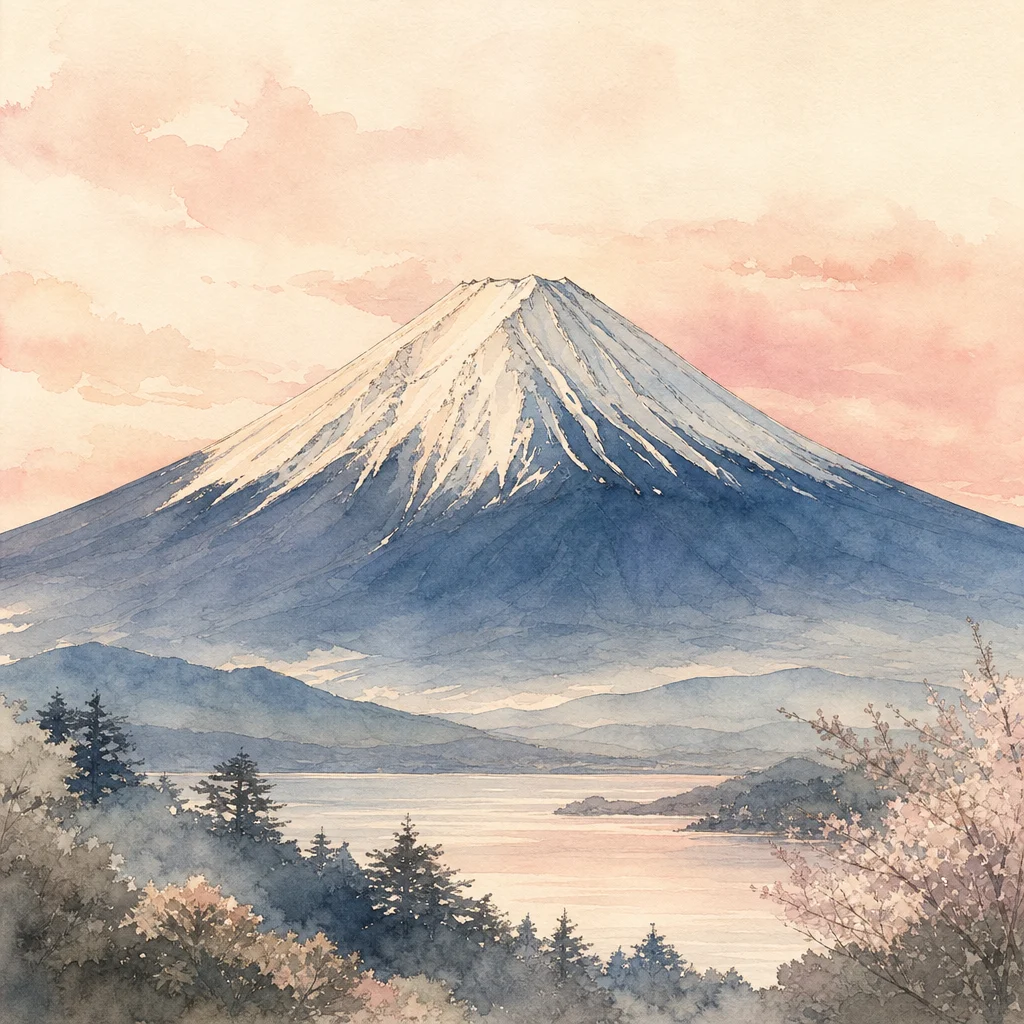
A sublime volcanic landscape tapestry crowned by direct views of the iconic cone of Mount Fuji.

Click to view analysis
About:

A sublime volcanic landscape tapestry crowned by direct views of the iconic cone of Mount Fuji.

Advantages:
  • Unforgettable panoramic views of Mount Fuji over the calm waters of Lake Ashi.
  • The awe-inspiring lunar landscape and sulfur fumaroles of the Owakudani volcanic crater.
  • Mountain rivers, crystal-clear waterfalls (Chisuji, Tamadare) and dense deciduous vegetation that changes with each season.
Challenges:
  • Mount Fuji is elusive on cloudy or humid days, easily hiding behind the mist.

Architecture

Excellent
86100

A fascinating coexistence of the traditional sukiya style of tea houses, pioneering Western modernist landmarks and museums integrated into the forest.

Click to view analysis
About:

A fascinating coexistence of the traditional sukiya style of tea houses, pioneering Western modernist landmarks and museums integrated into the forest.

Advantages:
  • The Fujiya Hotel is a foundational gem of Meiji hotel architecture that blends Shinto and colonial elements.
  • Pola Museum of Art: an underground contemporary masterpiece that minimizes its visual impact on the beech forest.
  • Century-old tea pavilions and traditional ryokan inns with handcrafted wooden joinery without nails.
Challenges:
  • Certain hotel blocks built in the 1970s and 1980s clash with the rustic mountain aesthetic.

Historical Significance

Excellent
93100

A key border crossing of samurai-era Japan and an ancient religious pilgrimage site.

Click to view analysis
About:

A key border crossing of samurai-era Japan and an ancient religious pilgrimage site.

Advantages:
  • Hakone Sekisho faithfully preserves and recreates the gates and rooms of the 17th-century shogunate inspection post.
  • Authentic cobbled stretches of the feudal Tokaido route (Sugi-Namiki and Edo-era roads).
  • Hakone Shrine treasures more than twelve centuries of uninterrupted military and spiritual worship.
Challenges:
  • Several historic buildings are meticulous reconstructions based on original plans after suffering earthquakes or fires.

Green Spaces

Excellent
98100

The whole region is a protected green lung within Fuji-Hakone-Izu National Park.

Click to view analysis
About:

The whole region is a protected green lung within Fuji-Hakone-Izu National Park.

Advantages:
  • Leafy forests of ancient Japanese cedars lining the old Tokaido road.
  • Vast golden meadows of susuki grass on the Sengokuhara plain.
  • Historic landscape gardens such as Onshi-Hakone Park and Gora Park.
Challenges:
  • Certain stretches of mountain trail may be temporarily closed after torrential rains because of landslides.

Cleanliness

Excellent
97100

Outstanding cleanliness backed by the strict protection of its national park and spa culture.

Click to view analysis
About:

Outstanding cleanliness backed by the strict protection of its national park and spa culture.

Advantages:
  • Forest trails, hot spring facilities and mountain stations in immaculate hygienic condition.
  • Crystal-clear waters in Lake Ashi and rigorous environmental management of emissions in the natural park.
  • First-rate public restrooms at every stop on the tourist circuit.
Challenges:
  • The volcanic valley of Owakudani has a strong, natural smell of sulfur gases typical of geothermal fumaroles.

Startup Scene

Fair
40100

A token focus on ecotourism, sustainably designed hospitality and small craft initiatives.

Click to view analysis
About:

A token focus on ecotourism, sustainably designed hospitality and small craft initiatives.

Advantages:
  • New micro-brewery craft beer projects (Gora Brewery) and boutique renovation of century-old inns.
  • Emergence of eco-resort spaces and executive corporate retreats.
Challenges:
  • It is not a tech entrepreneurship hub and has no venture capital infrastructure.

Digital Nomad Friendly

Good
68100

Ideal for creative retreats away from it all or brief focused stays, but not geared toward long-term nomads.

Click to view analysis
About:

Ideal for creative retreats away from it all or brief focused stays, but not geared toward long-term nomads.

Advantages:
  • Fiber-optic connection and good 5G mobile coverage in nearly all hotels and town centers.
  • A natural, quiet setting that boosts calm productivity.
  • Direct fast train connection with Shinjuku (Tokyo) in just 75-80 minutes.
Challenges:
  • Scarcity of formal coworking spaces and cafes designed for long computer-work days.
  • High daily cost of living and lodging for medium- or long-stay nomad budgets.

Overall City Score

Comprehensive assessment of this destination

91/ 100

Weather & Climate

Descubre las mejores épocas para visitar Hakone y qué esperar durante todo el año.

Monthly Temperatures

January

Max8°
Min-2°

February

Max9°
Min-1°

March

Max12°
Min2°

April

Max17°
Min7°

May

Max21°
Min12°

June

Max23°
Min16°

July

Max27°
Min21°

August

Max28°
Min22°

September

Max24°
Min18°

October

Max19°
Min12°

November

Max15°
Min6°

December

Max10°
Min0°

Legend

Best Months
Hot Months
Cold Months
Rainy Periods

Weather Summary

A refreshing, seasonal mountain climate, with crisp winters ideal for onsen and frequent fog in summer.

Weather Tips

Summers without the stifling heat of Tokyo's coastal plains.

Long autumns with ideal temperatures for walking and dreamlike scenery.

Dry winters with clear skies and the best chance of seeing Mount Fuji.

Rainy and typhoon season in summer/early autumn with episodes of heavy rainfall.

Frequent morning fog banks on Lake Ashi that can hide the silhouette of the volcanoes.

Because of the altitude (between 100 and 1,000 meters depending on the area), temperatures are usually 4 to 7°C lower than in central Tokyo.

Winter and late autumn are the most reliable periods for spotting Mount Fuji, since in the summer months haze and clouds tend to cover the summit from midday onward.

Overview

Spring

Cool, pleasant temperatures. Cherry blossoms (sakura) bloom in stages according to altitude, starting in Yumoto and ending at Lake Ashi and Gora.

More Information

Summer

Summers considerably cooler and breezier than in Tokyo thanks to the alpine elevation, with intensely green wooded slopes and lakeside festivals.

More Information

Autumn

The most spectacular season for scenery: autumn colors (momiji) in museum gardens and the golden glow of susuki grass in Sengokuhara.

More Information

Winter

Cold and dry with possible snowfall at higher elevations. It has the highest rate of clear days, with crisp, flawless visibility of snow-capped Mount Fuji from the viewpoints.

More Information

Presupuesto y Compras

Plan your expenses and discover the best shopping areas

Budget Planning

Daily spending per person

A mid-to-high-range destination. Visiting on a day trip is affordable with transport passes, but staying overnight at a top-tier ryokan with hot spring baths and a kaiseki dinner requires a comfortable budget.

Budget Travel

45-65€

per day

Mid-Range Travel

110-200€

per day

Luxury Travel

320€+

per day

Guía de Compras

Best Areas

Traditional Woodcraft & Puzzle Boxes

3 areas

Hatajuku (the original village of the Yosegi-zaiku master craftsmen)

Clic para ver detalles

Hakone-Yumoto shopping streets

Clic para ver detalles

Lake Ashi craft shops

Clic para ver detalles

Local Gourmet Delicacies & Onsen Sweets

3 areas

Yumoto Shotengai shopping avenue (hot 'onsen manju' cakes and candied chestnuts)

Clic para ver detalles

Owakudani Station (Kuro-tamago and derived sweets)

Clic para ver detalles

Historic pastry shops in Miyanoshita

Clic para ver detalles

Museum Boutiques & Design Gifts

3 areas

Hakone Open-Air Museum design shop

Clic para ver detalles

Pola Museum of Art boutique

Clic para ver detalles

Okada Museum print and ceramics shop

Clic para ver detalles

Designer Fashion Outlets

1 area

Gotemba Premium Outlets (reachable by direct bus from Sengokuhara and Gora)

Clic para ver detalles

Points of Interest

Explore the most fascinating places this city has to offer

Mount Fuji
UNESCO

Historic Fujiya Hotel

A legendary hotel founded in 1878 in Miyanoshita that hosted celebrities such as Charlie Chaplin and John Lennon; it combines Buddhist pagoda roofs, dragon carvings and an elegant Japanese garden with hot spring baths.

Architecture

Hakone Shrine (Hakone-jinja) and the Peace Torii

An ancient Shinto shrine founded in 757 hidden among giant cedars; its iconic vermilion torii ('Heiwa no Torii') rises directly from the waters of Lake Ashi.

Landmark

Owakudani Volcanic Valley

The active crater formed after Mount Hakone's last eruption some 3,000 years ago, famous for its steaming sulfur fumaroles and its black eggs boiled in volcanic waters.

Landmark

Lake Ashi (Ashinoko)

A crater lake formed in the caldera of Mount Hakone, famous for its themed pirate ship cruises and the reflection of Mount Fuji in its crystal-clear waters on clear days.

Viewpoint

Hakone Open-Air Museum (Chokoku-no-mori)

Japan's first open-air museum, with more than 120 monumental sculptures by artists such as Henry Moore and Joan Miró across gardens, the 'Symphonic Sculpture' stained-glass tower and a Picasso pavilion.

Museum

Pola Museum of Art

A spectacular building half-buried in a forest of century-old beech trees in Sengokuhara, displaying masterpieces by Monet, Renoir, Cézanne and Picasso alongside contemporary Japanese masters.

Museum

Hakone Historic Checkpoint (Sekisho)

A faithful archaeological reconstruction of the Tokugawa shogunate customs post that controlled the passage of weapons and travelers along the Tokaido route for more than two and a half centuries.

Landmark

Sengokuhara Susuki Meadow

A vast hillside on the slopes of Mount Daigatake covered in Japanese plume grass (susuki), which turns a dazzling golden color in autumn, with a central path running through it.

Park

Hakone Tozan Mountain Railway

Japan's oldest mountain train, which overcomes gradients of 80 per mille through zigzag switchbacks, crossing spectacular iron bridges and tunnels lined with blooming hydrangeas.

Landmark

Okada Museum of Art

An impressive five-story private museum opened in 2013 that displays ancient Japanese, Chinese and Korean ceramics, folding screens and paintings, with a colossal exterior mural of the Gods of Wind and Thunder.

Museum

Onshi-Hakone Park

The former summer retreat residence of the imperial family on a peninsula jutting into Lake Ashi, with meticulously kept gardens and viewpoints looking straight at Mount Fuji.

Park

Choan-ji Temple

A tranquil Soto sect Zen temple in Sengokuhara famous for its hundreds of stone statues of the 'Gohyaku Rakan' (disciples of the Buddha), each with a unique facial expression carved amid the forest moss.

Architecture

Hakone Kowakien Yunessun

A hot spring theme park with a play area where swimsuits are required to soak in pools of red wine, coffee, green tea and sake, ideal for families and groups.

Landmark

Hakone Ropeway

An aerial gondola line that crosses over the steaming Owakudani canyon at a height of 130 meters, offering direct panoramas of Mount Fuji and Sagami Bay.

Viewpoint

Gora Park

An elegant terraced French-style garden with a monumental central fountain, tropical botanical greenhouses and traditional glassblowing and ceramics workshops.

Park

Old Tokaido Road and Cedar Avenue (Sugi-namiki)

A preserved stretch with the original cobblestones laid in 1680, flanked by more than 400 giant cedars planted by order of the Shogunate to protect travelers from sun and snow.

Landmark

Discover every corner of Hakone!

Sponsored links by GetYourGuide for your convenience

Day Trips

Discover fascinating destinations near Hakone perfect for day getaways

Approx. 15 minutes by train from Hakone-Yumoto.

Odawara and Its Feudal Castle

Samurai history, feudal architecture and seafood.

A reconstructed fortress of the Hojo clan with a moat and cherry trees, an interactive samurai museum and famous seafood in its lively fishing port.

Approx. 45 minutes on the Odakyu Highway Bus from Sengokuhara.

Gotemba & Gotemba Premium Outlets

High-end shopping, clear views of Fuji.

One of the largest top-brand outlet shopping centers on the continent, at the foot of Mount Fuji's eastern slope.

Approx. 1 hour 15 minutes by direct bus or car.

Fuji Five Lakes (Lake Kawaguchiko)

Iconic Fuji photography, alpine lakes and hiking.

A day trip to the northern side of Mount Fuji, famous for the Chureito Pagoda, riverside cycling routes and kimono museums.

Approx. 30 minutes by Shinkansen or the Tokaido Line from Odawara.

Izu Peninsula (Atami and Ito)

Coast, seaside onsen, seafood and botanical gardens.

A rugged maritime coastline with saltwater hot springs overlooking the Pacific Ocean, plum gardens and freshly caught seafood.

Approx. 1 hour by JR train from Odawara.

Kamakura & Enoshima Island

Buddhist heritage, medieval history, temples and beach.

The 12th-century warrior capital with its colossal bronze Great Buddha (Daibutsu), bamboo Zen temples and coastal shrines overlooking the bay.

Explore Neighborhoods

Discover the unique character and charm of each city district.

Hakone-Yumoto

The lively gateway to the valley, full of shopping streets with snack stalls, century-old hot spring baths and the train terminal.

Gora

An elegant hillside mountain town dotted with modern designer ryokans, European-style parks and craft museums.

Moto-Hakone & Hakone-machi

The historic and spiritual epicenter beside Lake Ashi, with Hakone Shrine, the Sekisho checkpoint and pirate ship piers.

Sengokuhara

An open, serene plateau with a bohemian atmosphere, famous for its golden susuki grass meadows and top-tier contemporary art museums.

Miyanoshita

A stately, nostalgic district from the late 19th century, with antique shops, historic bakeries and Meiji architecture.

Kowakudani

A lush, leafy valley known for its modern hot spring resorts, mineral water parks and natural waterfalls.

Seasonal Experiences

Discover the best experiences and activities for each time of year

Hanami at Miyagino and Lake Ashi Cherry Blossoms

Early to mid-April

Hundreds of Yoshino cherry trees bloom along the banks of the Hayakawa River in Miyagino, with spectacular night illuminations reflected in the water. Blooming at the higher elevations beside Lake Ashi lasts until the end of the month.

Fireworks and Torii Yaki Festival at Lake Ashi

Late July and Early August (Kosui Matsuri Week)

Ancient Shinto ceremonies in honor of the nine-headed dragon deity (Kuzuryu). Hundreds of floating 'toro nagashi' lanterns and the ritual burning of torii-shaped structures over the water accompany dazzling fireworks displays.

Momiji Splendor and Golden Susuki Landscape

November

The red foliage of maples colors the gardens of the Hakone Museum of Art in Gora and Onshi-Hakone Park. At the same time, the susuki grass fields of Sengokuhara turn a bright golden hue, rippling in the autumn wind.

Crystal-Clear Fuji Views and Snowy Onsen

December to February

The cold, dry winter air clears the atmosphere, offering the most majestic and sharp panorama of Mount Fuji in its white mantle. Soaking in a hot rotenburo surrounded by snow is the season's crowning experience.

Festivals & Local Celebrations

Experience the vibrant culture and traditions of this city through its unique festivals

January 2 and 3

Hakone Ekiden

The legendary Tokyo-Hakone-Tokyo university stage relay race. Millions of spectators follow the runners' epic climb and descent of the mountain passes on television or from the roadside.

July 31 to August 5

Kosui Matsuri (Lake Festival) and Summer Festival Week

A set of festivals honoring the deities of Lake Ashi with ritual offerings of red rice, parades of portable shrines (mikoshi) and nightly fireworks every day.

August 16

Gora Daimonji Yaki

A traditional end-of-Obon spectacle in which a colossal Chinese character 'Dai' (great) carved into the slope of Mount Myojogatake is set ablaze, combined with fireworks.

November 3 (Culture Day)

Hakone Daimyo Gyoretsu

An impressive historical reenactment of the procession of feudal lords (daimyo) marching through the streets of Yumoto accompanied by armed samurai, archers, courtesans and traditional musicians in period costume.

Traveler Tips

Essential advice and local insights to make your trip memorable and safe

Safety Tips

  1. Caution with Volcanic Gases at Owakudani

    The fumaroles emit natural sulfur dioxide. Authorities advise people with asthma, heart conditions or pregnant women not to remain exposed for long periods at the outdoor viewpoints.

  2. Curves and Driving on Mountain Roads

    The roads are narrow and steep; if you take a bus or rental car, beware of motion sickness from the winding route and of ice on the road in winter.

  3. Well-Planned Hiking Routes

    If you walk the forest stretches of the old Tokaido, wear grippy boots: the original 17th-century stones can be extremely slippery with moisture or moss.

Before you go

Quick answers to plan your trip with confidence

About 2 days covers the essentials. Add 1–2 days for neighborhoods or day trips.
Mid-range is around 110-200€ per person per day (stay, food, local transport). See the budget section for ranges.
A solid starting area is Hakone-Yumoto. Compare neighborhoods and hotels on this page.
Buy the official Odakyu pass (2 or 3 days) at Shinjuku or Odawara: it more than pays for itself against tickets for the rack railway, funicular, cable car, pirate ship and the extensive Tozan bus network.
Family-friendliness rated 92/100. It usually works well for family trips.
Safety rated 99/100. The fumaroles emit natural sulfur dioxide. Authorities advise people with asthma, heart conditions or pregnant women not to remain exposed for long periods at the outdoor viewpoints.

Ready to visit Hakone?

Plan your perfect trip with our personalized recommendations and local insights.

Plan my trip