Kamakura

Birthplace of the samurai shogunate and of Japanese Zen Buddhism, famous for its open-air Great Buddha, ancient temples and beaches with views of Mount Fuji.

2 days

About Kamakura

About Kamakura - Culture, History & Character

City Description

Kamakura, nestled between leafy wooded hills and the waters of Sagami Bay, is one of Japan's most fascinating historic cities. Former seat of the country's first military shogunate in the late 12th century, the town preserves an extraordinary concentration of venerable Zen temples, Shinto shrines hidden in the forest, the emblematic bronze Great Buddha and a vibrant coastal culture connected by the nostalgic Enoden train.
Country
Japan
Region
Kanagawa
Highlights
16+ Attractions

Highlights

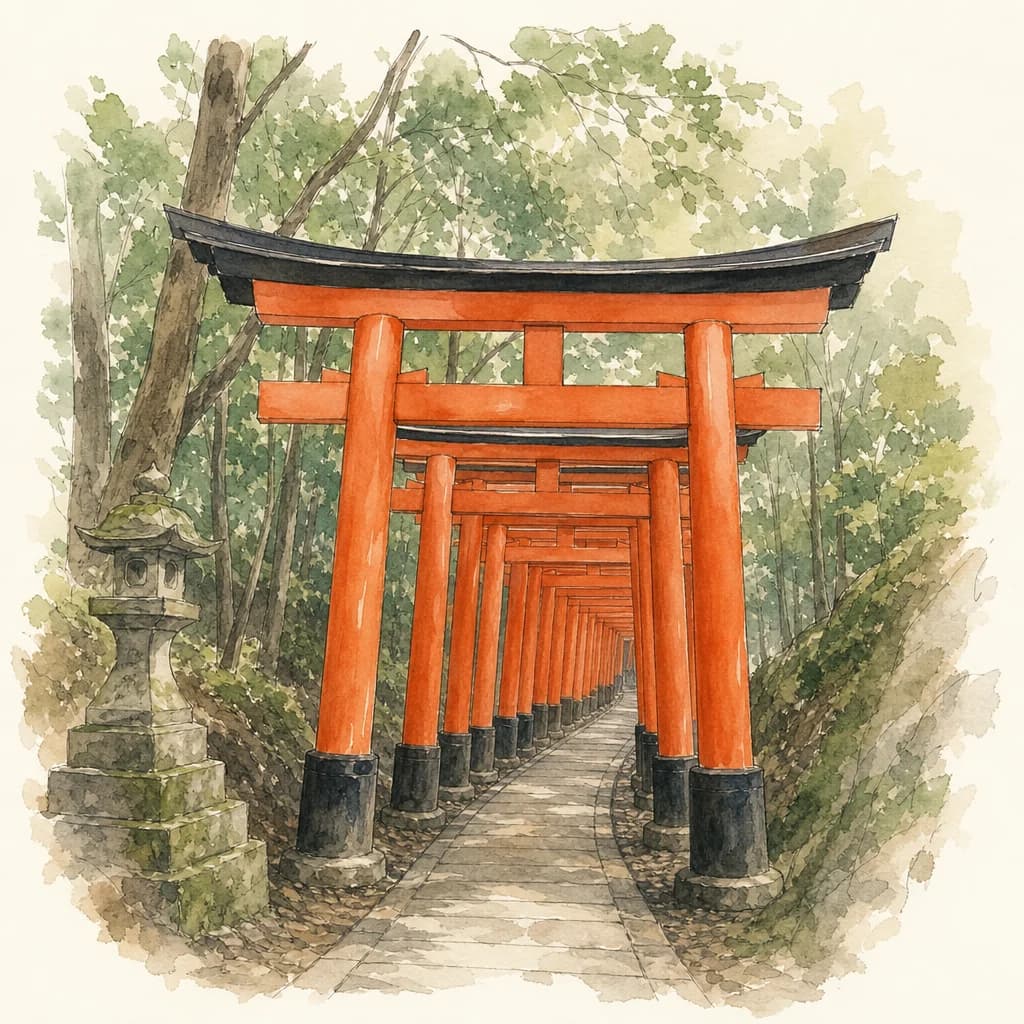
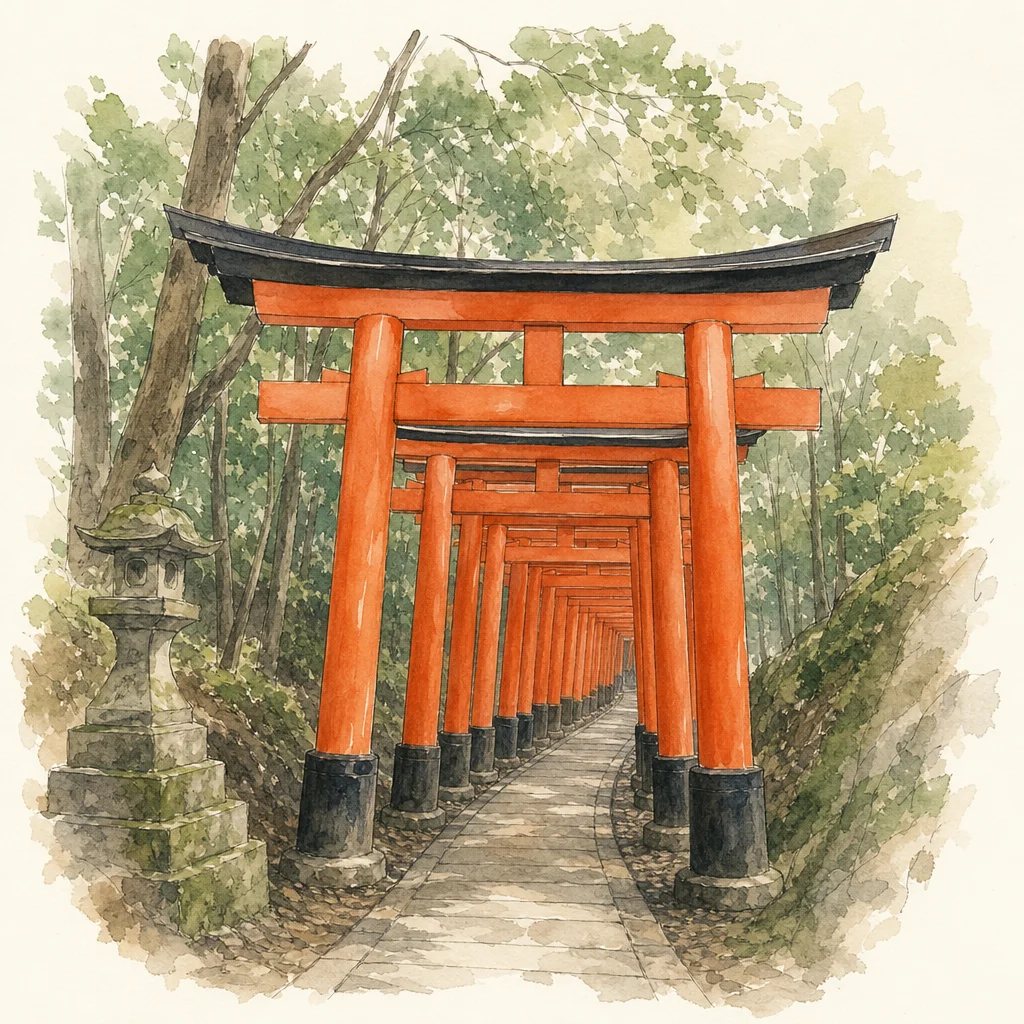
Fushimi Inari Shrine

Sasuke Inari Shrine

Population

Approximately 172,000 inhabitants

Languages

Japanese

Japanese is the lingua franca. At the main stations (Kamakura, Kita-Kamakura, Hase) and major temples there are brochures and signage in English. Using a phone translation app is a great help in small shops and local stalls.

History of Kamakura

Explore the fascinating past of Kamakura and discover how it has developed over the centuries.

Historical Journey

Ancient Period

During the late Heian period, Kamakura's strategic natural location, protected on three sides by steep hills and open only to the sea, made it a natural military stronghold. In 1192, Minamoto no Yoritomo established the Kamakura shogunate (bakufu) here, shifting the center of political power away from the imperial court in Kyoto and ushering in the era of samurai rule.

Development Period

Under the patronage of the Minamoto and Hojo clans, the city flourished as the epicenter of the introduction and consolidation of Zen Buddhism in Japan, with the great monasteries of the 'Five Mountains of Kamakura' (Gozan) founded and the colossal Great Buddha of Kotoku-in erected in 1252. Although the shogunate fell in 1333 and political primacy returned to the west, Kamakura retained its spiritual and monastic importance.

Modern Period

In the late 19th and early 20th centuries, with the arrival of the railway, Kamakura was reborn as the favorite seaside retreat of writers, artists and the Tokyo aristocracy. Today it is a heritage-protected city that combines cultural and spiritual tourism with the relaxed atmosphere of surfers, specialty cafes and hiking routes.

Historical Timeline

The historical timeline shows the key moments that have defined the development of Kamakura through the centuries.

City Scores

City Scores

Discover what makes this city special with our comprehensive scoring system

Safety

Excellent
99100

One of the safest destinations in all of Japan; common crimes are practically unheard of and you can move around at any hour without worry.

Click to view analysis
About:

One of the safest destinations in all of Japan; common crimes are practically unheard of and you can move around at any hour without worry.

Advantages:
  • Almost no crime in all urban areas, trails and coasts.
  • Guaranteed safety for solo travelers, seniors and families with children.
Challenges:
  • Watch out on beaches and at viewpoints for black kites ('tonbi', birds of prey) that swoop down to snatch food from your hands.
Walkability

Excellent
94100

One of the best cities in Japan to explore on foot via historic boulevards, quiet alleys and wooded mountain trails.

Click to view analysis
About:

One of the best cities in Japan to explore on foot via historic boulevards, quiet alleys and wooded mountain trails.

Advantages:
  • Dankazura Avenue is a raised central pedestrian promenade flanked by cherry trees and lanterns.
  • The chance to connect the main temples via natural hiking routes (Kiridoshi).
  • Little vehicle traffic in the inner neighborhoods and temple access streets.
Challenges:
  • Some side roads lack marked sidewalks, requiring attention to passing local vehicles.

Public Transport

Excellent
91100

Fast rail access from Tokyo on the JR lines and unforgettable coastal connectivity via the Enoden electric railway.

Click to view analysis
About:

Fast rail access from Tokyo on the JR lines and unforgettable coastal connectivity via the Enoden electric railway.

Advantages:
  • Direct JR Shonan-Shinjuku and JR Yokosuka train connections from Shibuya, Shinjuku or Tokyo Station in under 60 minutes.
  • The Enoden line is a scenic spectacle in itself, skirting cliffs and residential streets.
  • Full integration with rechargeable transport cards (Suica, Pasmo, Icoca).
Challenges:
  • On sunny, blossom-season weekends, Enoden cars suffer severe overcrowding and long lines to reach the platforms.

Affordability

Good
75100

Moderately affordable; monument visits and street food are very cheap, though local lodging has limited and highly sought-after options.

Click to view analysis
About:

Moderately affordable; monument visits and street food are very cheap, though local lodging has limited and highly sought-after options.

Advantages:
  • Admission to the vast majority of temples and shrines ranges from 200 to 600 yen.
  • High-quality street food and traditional midday set menus at popular prices.
Challenges:
  • Limited hotel capacity, which drives up overnight stays on weekends and in high season.
  • Single Enoden train tickets add up if you make multiple consecutive stops.

Nightlife

Fair
45100

Practically nonexistent in terms of nightclubs or dance venues; nightlife is limited to unhurried dinners at izakayas and local bars by the station.

Click to view analysis
About:

Practically nonexistent in terms of nightclubs or dance venues; nightlife is limited to unhurried dinners at izakayas and local bars by the station.

Advantages:
  • Seasonal fish izakayas and very cozy craft breweries near Kamakura Station.
  • Absolute nighttime peace and quiet, ideal for resting.
Challenges:
  • Temples close their gates at 4:30-5:00 p.m. and most Komachi shops shut at 6:00 p.m.
  • Dark streets with no activity after 9:00 p.m.

Art & Culture

Excellent
95100

Formative epicenter of Zen Buddhism and the bushido warrior spirit, birthplace of the art of Kamakura-bori lacquerwork and medieval Buddhist sculpture.

Click to view analysis
About:

Formative epicenter of Zen Buddhism and the bushido warrior spirit, birthplace of the art of Kamakura-bori lacquerwork and medieval Buddhist sculpture.

Advantages:
  • The bronze Great Buddha (Daibutsu) is a sculptural pinnacle of the Kamakura period.
  • Active monasteries that maintain Zazen meditation practice open to visitors.
  • A strong tradition of wood-carving crafts with natural lacquer (Kamakura-bori).
Challenges:
  • Local art museums are small compared with those in Tokyo.
  • Certain temple pavilions and treasures open to the public only on specific festivals of the year.

Food Scene

Excellent
89100

A culinary fusion of vegetarian Buddhist temple cuisine (Shojin Ryori), produce from Kamakura's own gardens and fresh whitebait from the bay.

Click to view analysis
About:

A culinary fusion of vegetarian Buddhist temple cuisine (Shojin Ryori), produce from Kamakura's own gardens and fresh whitebait from the bay.

Advantages:
  • Must-try signature dish: Shirasu-don (rice topped with fresh or boiled whitebait).
  • High culinary reputation for fresh local vegetables ('Kamakura Yasai').
  • Plenty of stalls selling traditional Japanese confectionery (wagashi), intense matcha ice cream and Hato Sable butter cookies.
Challenges:
  • Fresh shirasu fishing is subject to seasonal bans and sea weather conditions.
  • The most acclaimed restaurants have long lines and often close as soon as they sell out, around 3:00 p.m.

Shopping

Excellent
83100

An exceptional destination for buying traditional lacquered wood crafts, designer ceramics, century-old Japanese sweets and bohemian clothing.

Click to view analysis
About:

An exceptional destination for buying traditional lacquered wood crafts, designer ceramics, century-old Japanese sweets and bohemian clothing.

Advantages:
  • Komachi-dori brings together more than 200 shops of food, gifts and themed sweets.
  • Boutiques of Kamakura-bori carved wood objects with centuries of craft tradition.
  • Coastal design shops, surf accessories and souvenirs in Hase and Yuigahama.
Challenges:
  • Few department stores or international fashion brands (for which you must go to Yokohama or Tokyo).

Weather

Excellent
86100

A temperate coastal climate with dry, sunny winters and lively seaside summers, tempered by humid summer heat.

Click to view analysis
About:

A temperate coastal climate with dry, sunny winters and lively seaside summers, tempered by humid summer heat.

Advantages:
  • Mild winters with clear skies and few freezing days.
  • Shoulder seasons (April-May and October-November) with idyllic temperatures for walking.
Challenges:
  • July and August bring high humidity that demands constant hydration.
  • Exposure to strong coastal winds and sporadic typhoons in September and October.

Tourist Friendly

Excellent
90100

Excellent readiness to welcome visitors from all over the world, with bilingual information points, pedestrian walkways and signposted access.

Click to view analysis
About:

Excellent readiness to welcome visitors from all over the world, with bilingual information points, pedestrian walkways and signposted access.

Advantages:
  • A very efficient tourist office with multilingual maps at the east exit of Kamakura Station.
  • Closeness between the main monumental attractions and ease of getting around on foot.
Challenges:
  • Overtourism concentrated around Hase and Kamakura stations at spring and autumn peak hours.

Family Friendly

Excellent
88100

An excellent family destination that combines the visual magic of the Great Buddha, rides on the picturesque Enoden coastal train and open beaches for playing in the sand.

Click to view analysis
About:

An excellent family destination that combines the visual magic of the Great Buddha, rides on the picturesque Enoden coastal train and open beaches for playing in the sand.

Advantages:
  • The scenic ride on the retro Enoden train fascinates children of all ages.
  • Beaches such as Yuigahama are flat, wide and safe for strolling and relaxing.
  • The hollow interior of the Great Buddha can be visited from the inside for a token fee.
Challenges:
  • Weekend crowds on Komachi Street and the Enoden platforms can be overwhelming with strollers.
  • Several temples have long stretches of uneven stone stairways that are not very accessible.

LGBTQ+ Friendly

Good
76100

A calm, respectful and safe atmosphere; Kamakura has local partnership certification ordinances but no dedicated nightlife venues.

Click to view analysis
About:

A calm, respectful and safe atmosphere; Kamakura has local partnership certification ordinances but no dedicated nightlife venues.

Advantages:
  • A completely safe, civic environment free of visible discrimination.
  • A pioneering municipality in Kanagawa Prefecture in issuing partnership certificates for same-sex couples.
Challenges:
  • No community scene or bars specifically aimed at the LGBTQ+ community.

Local Friendly

Excellent
83100

A hospitable and friendly community, used to visitors from all over the world though protective of the tranquility of its residential alleys.

Click to view analysis
About:

A hospitable and friendly community, used to visitors from all over the world though protective of the tranquility of its residential alleys.

Advantages:
  • Courteous, attentive service at temples, craft shops and family-run cafes.
  • A relaxed, laid-back seaside atmosphere in coastal neighborhoods such as Hase and Yuigahama.
Challenges:
  • Some resident fatigue due to visitors who eat while walking through narrow streets or block crosswalks to photograph trains.

Natural Beauty

Excellent
93100

A harmonious blend of green mountain ranges, hydrangea-covered ravines and coasts with panoramic views of Mount Fuji over the sea.

Click to view analysis
About:

A harmonious blend of green mountain ranges, hydrangea-covered ravines and coasts with panoramic views of Mount Fuji over the sea.

Advantages:
  • Memorable sunsets on Shichirigahama beach with the silhouette of Mount Fuji and Enoshima Island in the background.
  • A permanent contrast between lush temperate vegetation and open sea coasts.
Challenges:
  • The beach sands are a dark volcanic shade, neither golden nor Caribbean.

Architecture

Excellent
93100

An open-air sanctuary of samurai wooden monastic architecture, monumental Sanmon gates and temples integrated into the rocky terrain.

Click to view analysis
About:

An open-air sanctuary of samurai wooden monastic architecture, monumental Sanmon gates and temples integrated into the rocky terrain.

Advantages:
  • Home to the best examples of classic Zen complexes in Japan (Kencho-ji and Engaku-ji).
  • Centuries-old Japanese cypress structures and cedar-bark roofs preserved in forested settings.
  • Early 20th-century residential architecture in Japanese modernist style and Western villas.
Challenges:
  • Many original historic buildings were rebuilt after fires and feudal-era earthquakes.
  • The original wooden temple tower that sheltered the Great Buddha was swept away by a tsunami in 1498 and never rebuilt.

Historical Significance

Excellent
98100

One of the undisputed nerve centers of Japanese history, seat of the samurai government that redefined the laws and spirituality of the archipelago.

Click to view analysis
About:

One of the undisputed nerve centers of Japanese history, seat of the samurai government that redefined the laws and spirituality of the archipelago.

Advantages:
  • Birthplace of the first hereditary feudal shogunate in Japanese history (1192-1333).
  • Origin center of Rinzai Zen Buddhism and starting point of the main devotional schools of the medieval era.
  • Preservation of the seven historic fortified mountain passes or gorges (Kiridoshi).
Challenges:
  • Most of the Hojo clan's former defensive palaces no longer stand.

Green Spaces

Excellent
96100

A privileged green enclave with hills carpeted in primary forest, moss gardens, bamboo groves and ancient natural trails.

Click to view analysis
About:

A privileged green enclave with hills carpeted in primary forest, moss gardens, bamboo groves and ancient natural trails.

Advantages:
  • The famous bamboo grove of Hokoku-ji Temple.
  • A network of historic hiking trails ('Kamakura Kiridoshi') carved directly into ridges of volcanic rock.
  • Zen rock and sand gardens meticulously integrated with the surrounding nature.
Challenges:
  • Mountain trails can become slippery and muddy after rain.

Cleanliness

Excellent
96100

Outstanding cleanliness throughout the municipality, with carefully tended monastic gardens and beaches with active community conservation crews.

Click to view analysis
About:

Outstanding cleanliness throughout the municipality, with carefully tended monastic gardens and beaches with active community conservation crews.

Advantages:
  • Temple grounds, moss gardens and paths are impeccable at all times.
  • Well-equipped public restrooms at stations and key points.
Challenges:
  • No trash cans on shopping streets and beaches, so you must carry your own waste.

Startup Scene

Fair
52100

An emerging hub of small creative agencies, eco-design studios and food microbusinesses drawn by the quality of life.

Click to view analysis
About:

An emerging hub of small creative agencies, eco-design studios and food microbusinesses drawn by the quality of life.

Advantages:
  • Draws digital entrepreneurs fleeing the whirl of Tokyo in search of well-being and sustainability.
  • Immediate geographic proximity to the tech ecosystem of Tokyo and Yokohama.
Challenges:
  • Lack of corporate infrastructure, venture capital accelerators or significant tech events.

Digital Nomad Friendly

Good
68100

A quiet, peaceful town for short stays of disconnecting and remote work, but without a dense nomad ecosystem.

Click to view analysis
About:

A quiet, peaceful town for short stays of disconnecting and remote work, but without a dense nomad ecosystem.

Advantages:
  • A serene environment that encourages focus by the sea or surrounded by greenery.
  • Excellent fiber-optic connection and proximity to Tokyo by direct train for occasional meetings.
Challenges:
  • Very limited supply of formal coworking spaces.
  • Almost no nighttime social or commercial life after 6:00 p.m.

Overall City Score

Comprehensive assessment of this destination

89/ 100

Weather & Climate

Descubre las mejores épocas para visitar Kamakura y qué esperar durante todo el año.

Monthly Temperatures

January

Max10°
Min2°

February

Max11°
Min3°

March

Max14°
Min6°

April

Max19°
Min10°

May

Max23°
Min15°

June

Max26°
Min19°

July

Max29°
Min23°

August

Max31°
Min24°

September

Max28°
Min21°

October

Max22°
Min15°

November

Max17°
Min9°

December

Max12°
Min4°

Legend

Best Months
Hot Months
Cold Months
Rainy Periods

Weather Summary

A temperate coastal climate with dry, sunny winters and lively seaside summers, tempered by humid summer heat.

Weather Tips

Mild winters with clear skies and few freezing days.

Shoulder seasons (April-May and October-November) with idyllic temperatures for walking.

July and August bring high humidity that demands constant hydration.

Exposure to strong coastal winds and sporadic typhoons in September and October.

The sea breeze softens extreme temperatures in both winter and summer compared with inland Tokyo.

June is the peak of the rainy season (tsuyu), coinciding with the highest crowds at hydrangea temples such as Meigetsu-in and Hase-dera.

Overview

Spring

Mild temperatures and cherry trees in bloom at Dankazura and the temple grounds, ideal for exploring the historic trails.

More Information

Summer

Warm and humid; June stands out for the visual spectacle of blooming hydrangeas (ajisai), and July/August for the beach atmosphere at Yuigahama.

More Information

Autumn

Cool weather and crisp days with a spectacular change in the color of maple leaves (koyo) at the Zen temples during November.

More Information

Winter

Cold, dry and very bright. It offers the best chances of glimpsing snow-capped Mount Fuji from the Shichirigahama coast.

More Information

Presupuesto y Compras

Plan your expenses and discover the best shopping areas

Budget Planning

Daily spending per person

Accessible for a day trip from Tokyo, with temple admissions at very low prices (between 2 and 5 euros). Weekend lodging at ryokans or coastal boutique villas costs more.

Budget Travel

30-50€

per day

Mid-Range Travel

70-130€

per day

Luxury Travel

220€+

per day

Guía de Compras

Best Areas

Traditional Crafts & Lacquerware

2 areas

Komachi-dori (Kamakura-bori workshops)

Clic para ver detalles

Streets adjacent to Hase-dera (traditional ceramics and fans)

Clic para ver detalles

Local Confectionery & Sweets

2 areas

Toshimaya Flagship Store (dove-shaped Hato Sable cookies)

Clic para ver detalles

Komachi-dori (red bean sweets, matcha ice cream and grilled mochi)

Clic para ver detalles

Lifestyle, Surfing & Beachwear

2 areas

Yuigahama waterfront promenade

Clic para ver detalles

Shichirigahama Avenue (coastal boutiques and vintage clothing)

Clic para ver detalles

Antiques & Incense

2 areas

Wakamiya Oji (shops selling liturgical incense and Edo-period antiques)

Clic para ver detalles

Kita-Kamakura temple shops

Clic para ver detalles

Local Gourmet Markets

2 areas

Kamakura Farmers Market (Kamakura Shi-Nogyo Kyodo Kumiai - fresh 'Kamakura Yasai' vegetables)

Clic para ver detalles

Dried fish stalls at Koshigoe harbor

Clic para ver detalles

Points of Interest

Explore the most fascinating places this city has to offer

Fushimi Inari Shrine

Sasuke Inari Shrine

A shrine dedicated to the god of success and agriculture, reached through a tunnel of red torii gates amid moss and hundreds of fox statuettes.

Landmark

Great Buddha of Kamakura (Kotoku-in)

Kamakura's supreme monument; a colossal 11.4-meter, 121-ton bronze statue of Amida Buddha, erected outdoors in 1252 and open to visit on the inside.

Landmark

Hase-dera Temple

A temple perched on a coastal hillside, famous for its imposing golden eleven-headed Kannon statue, its thousands of Jizo figurines and its terrace with views of the bay.

Landmark

Tsurugaoka Hachimangu Shrine

The spiritual and historic heart of the Minamoto clan, founded by Yoritomo in 1180; a majestic Shinto complex preceded by lotus ponds and vermilion bridges.

Landmark

Hokoku-ji Temple (The Bamboo Temple)

Famous for its lush grove of more than 2,000 moso bamboo stalks, where you can sip frothy matcha green tea while listening to the whisper of the wind.

Park

Kencho-ji Temple

Kamakura's oldest Zen temple and first of the Five Great Mountains, with solemn wooden pavilions, century-old juniper trees and a Zen garden founded in 1253.

Architecture

Engaku-ji Temple

A Zen monastery founded in 1282 at the exit of Kita-Kamakura Station to honor those who fell in the Mongol invasions, housing the Shariden hall (National Treasure).

Architecture

Meigetsu-in Temple (Ajisai-dera)

Known as the hydrangea temple for its thousands of blue flowers in June and its iconic circular window 'Satori no Mado' that frames the inner garden.

Park

Zeniarai Benten Shrine

A mystical Shinto-Buddhist shrine set inside a natural cave where worshippers wash their coins and banknotes in sacred spring water to multiply their fortune.

Landmark

Komachi-dori Shopping Street

A pedestrian boulevard that starts beside Kamakura Station, packed with street food stalls, themed cafes, craft shops and souvenir stores.

Market

Enoshima Electric Railway (Enoden)

A century-old railway line of green-and-cream trains that winds past neighborhood houses and runs along the beach with views of Enoshima Island and Mount Fuji.

Landmark

Yuigahama Beach

Kamakura's longest and liveliest beach, a favorite of surfers and swimmers in summer and perfect for strolling by the ocean the rest of the year.

Landmark

Shichirigahama Beach

An open coast with one of Japan's most famous panoramic views, combining Pacific waves, Enoshima Island and the conical silhouette of Mount Fuji at sunset.

Viewpoint

Dankazura Avenue

A raised stone pedestrian promenade in the middle of Wakamiya Oji Avenue, lined with hundreds of cherry trees and stone lamps leading to Tsurugaoka Hachimangu.

Landmark

Kuzuharaoka-Daibutsu Hiking Trail

A 3-km natural trail that runs along the wooded mountain ridges connecting Kita-Kamakura with the vicinity of the Great Buddha, passing shrines and viewpoints.

Park

Jomyoji Temple

The fifth of Kamakura's Five Zen Mountains; notable for its serene atmosphere, its copper roof and its traditional tea pavilion facing a white gravel garden.

Architecture

Discover every corner of Kamakura!

Sponsored links by GetYourGuide for your convenience

Day Trips

Discover fascinating destinations near Kamakura perfect for day getaways

Approx. 25 minutes aboard the Enoden train.

Enoshima Island

Sea views, lighthouses, island shrines, sunsets over Mount Fuji.

A small coastal island connected by bridge, with shrines dedicated to the goddess Benten, natural sea grottoes (Iwaya), botanical gardens, the Sea Candle lighthouse and fresh seafood.

Approx. 20-25 minutes by direct train on the JR Yokosuka or Shonan-Shinjuku lines.

Yokohama

Chinese cuisine, cutting-edge architecture, shopping, evening strolls.

Japan's second-largest city; a modern port city with the country's largest Chinatown, the futuristic Minato Mirai 21 district and waterfront promenades.

Approx. 1 hour 15 minutes combining the JR Tokaido train to Odawara and the Hakone Tozan line.

Hakone and Lake Ashi

Traditional onsen, active volcanoes, contemporary art museums, nature.

A mountain region famous for its hot springs (onsen), Lake Ashi with its cruise boats, the iconic floating torii of Hakone Shrine and views of Mount Fuji.

Approx. 45 minutes by JR Yokosuka train and Keikyu bus.

Miura Peninsula and Misaki

Seafood cuisine, fresh tuna, rugged coasts, tranquility.

The southern tip of Kanagawa, known for its fishing port specializing in world-class tuna (Misaki Maguro), rugged lighthouses and pristine cliffs.

Explore Neighborhoods

Discover the unique character and charm of each city district.

Central Kamakura & Komachi

Dynamic, historic and commercial; a meeting point of trains, craft shops, cafes and the grand avenue to the shrine.

Kita-Kamakura

Quiet, mystical and wooded; a refuge of the great Zen monasteries, tea houses and silent residential alleys.

Hase

Monumental and bohemian; a coastal neighborhood that shelters the Great Buddha, Hase-dera Temple and charming local craft shops.

Yuigahama & Zaimokuza

Coastal, laid-back and surfy; cozy hostels, surf schools, sea breeze and casual beachfront restaurants.

Shichirigahama & Koshigoe

Scenic and relaxed; seaside promenades with views of Fuji, a Californian-Japanese vibe and cafes with ocean terraces.

Seasonal Experiences

Discover the best experiences and activities for each time of year

Hanami at Dankazura and the Temples

Spring (Late March - Early April)

The pedestrian Dankazura avenue becomes a white-and-pink tunnel of cherry blossoms that leads to Tsurugaoka Hachimangu. Temples such as Kencho-ji and Kotoku-in offer superb photographic compositions.

The Hydrangea (Ajisai) Trail

Early Summer (June - Early July)

Kamakura is transformed into Japan's hydrangea capital. Thousands of blooms in shades of blue and violet carpet the slopes of Meigetsu-in and the landscaped viewpoint of Hase-dera, coinciding with the tsuyu rains.

Momiji and Autumn Foliage in Kita-Kamakura

Autumn (Mid-November - Early December)

The deep valleys of Kita-Kamakura blaze in red and copper tones. The temples Engaku-ji and Choju-ji and the Tenen trail provide unforgettable walks among Japanese maple leaves fallen on the moss.

Winter Views of Mount Fuji over the Bay

Winter (December - February)

The frosty, crisp days of winter clear the coastal atmosphere. The beaches of Yuigahama, Inamuragasaki and Shichirigahama offer crystal-clear views of the snow-capped silhouette of Mount Fuji outlined against the sunset sky.

Festivals & Local Celebrations

Experience the vibrant culture and traditions of this city through its unique festivals

Second to third Sunday of April

Kamakura Matsuri

The city's big festival week centered on Tsurugaoka Hachimangu, famous for the performance of the medieval dance 'Shizuka no Mai' and the samurai mounted archery tournaments (Yabusame).

Early August

Bonbori Matsuri

A magical night festival at Tsurugaoka Hachimangu where hundreds of paper lanterns (bonbori) hand-painted by renowned artists and illustrators light up the shrine's paths.

September 16

Yabusame Shinji

A samurai military tradition with more than 800 years of ritual rigor in which archers at full gallop, dressed in feudal armor, shoot traditional bows at three successive wooden targets.

Mid-July

Kamakura Fireworks Festival

A pyrotechnic show over the waters of Yuigahama Bay, with the exclusive launch of water fireworks thrown from boats that burst at sea level.

Traveler Tips

Essential advice and local insights to make your trip memorable and safe

Safety Tips

  1. Beware of Black Kites ('Tonbi')

    On Yuigahama and Shichirigahama beaches, local raptors swoop down to snatch food or snacks straight out of passersby's hands.

  2. Slippery Trails

    The hill hiking trails have steps made of roots and clay that can become extremely slippery after rain; shoes with good grip are recommended.

  3. Complete Security for Your Belongings

    Crime is virtually nonexistent. If you forget or lose something, go to the station's Koban (police box), where items are usually returned intact.

Before you go

Quick answers to plan your trip with confidence

About 2 days covers the essentials. Add 1–2 days for neighborhoods or day trips.
Mid-range is around 70-130€ per person per day (stay, food, local transport). See the budget section for ranges.
A solid starting area is Central Kamakura & Komachi. Compare neighborhoods and hotels on this page.
The JR Yokosuka and JR Shonan-Shinjuku lines connect Tokyo's central stations (Shinjuku, Shibuya, Tokyo Station) with Kamakura in 55 minutes without transfers.
Family-friendliness rated 88/100. It usually works well for family trips.
Safety rated 99/100. On Yuigahama and Shichirigahama beaches, local raptors swoop down to snatch food or snacks straight out of passersby's hands.

Ready to visit Kamakura?

Plan your perfect trip with our personalized recommendations and local insights.

Plan my trip