Fira

An iconic capital suspended above the volcanic cliffs of Santorini, famous for its Cycladic architecture, its sunsets and its endless views of the caldera.

About Fira

About Fira - Culture, History & Character

City Description

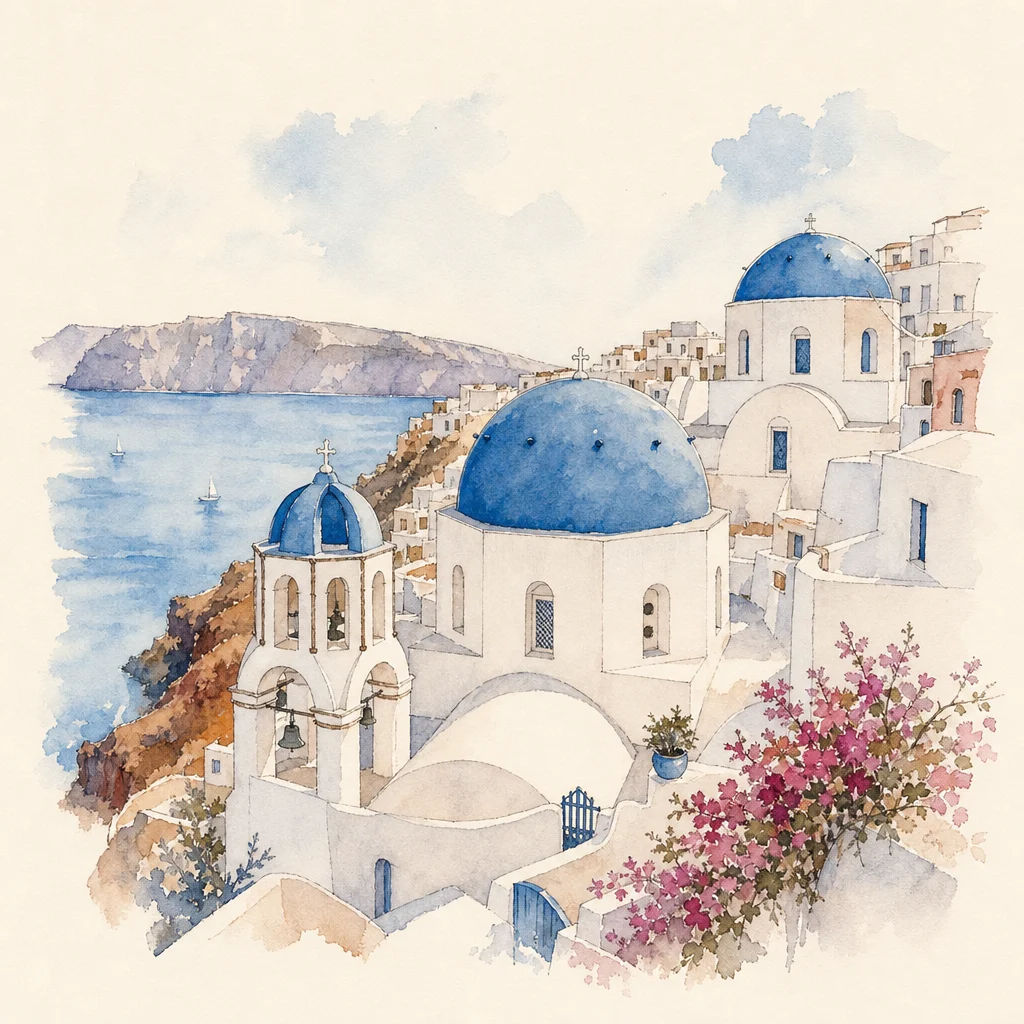
Fira, the capital of Santorini, rises spectacularly above the cliffs of the volcanic caldera at more than 260 meters in height. With its labyrinthine pedestrian alleys, spotless whitewashed houses, blue domes and churches of Orthodox and Venetian heritage, Fira is the nerve center, cultural and commercial heart of the island, offering some of the most breathtaking views of the Aegean Sea on the planet.
Country
Greece
Region
South Aegean
Highlights
10+ Attractions

Highlights

Oia Santorini

Santorini Cable Car

Population

Approximately 1,600 inhabitants (Fira urban core), 15,500 inhabitants (island of Santorini)

Languages

Greek

Greek is the official language. Given the cosmopolitan, tourist-oriented profile of the destination, English is spoken with complete fluency in practically all establishments, restaurants and agencies.

History of Fira

Explore the fascinating past of Fira and discover how it has developed over the centuries.

Historical Journey

Ancient Period

Santorini was home to one of the most advanced civilizations of the Bronze Age (Akrotiri), buried by the Minoan eruption in the 17th century BC. In the Archaic and Classical periods, the settlement of Thera flourished on the heights of Mesa Vouno, leaving a rich Hellenistic and Roman legacy.

Development Period

Fira established itself as the island's capital in the late 18th and early 19th centuries, when the inhabitants abandoned the medieval fortress of Skaros (Imerovigli) because of continual earthquakes. During the Venetian and Ottoman centuries, the town developed its distinctive Catholic quarter and a prosperous merchant fleet.

Modern Period

After the destructive earthquake of 1956 that devastated much of its traditional cave homes, the town was rebuilt respecting vernacular Cycladic architecture and became a global tourist landmark that today combines exclusivity, history and avant-garde.

Historical Timeline

The historical timeline shows the key moments that have defined the development of Fira through the centuries.

City Scores

City Scores

Discover what makes this city special with our comprehensive scoring system

Safety

Excellent
94100

An extraordinarily peaceful destination with virtually nonexistent violent crime rates.

Click to view analysis
About:

An extraordinarily peaceful destination with virtually nonexistent violent crime rates.

Advantages:
  • Total safety for strolling at any time of day or night.
  • A calm community environment where locals and tourists coexist serenely.
Challenges:
  • Caution is required against carelessness and petty theft at moments of large crowds.
  • Risk of falls or slips on steep polished-marble pavements.
Walkability

Good
75100

The old town is fully pedestrian and a visual delight, but its terrain demands good physical shape.

Click to view analysis
About:

The old town is fully pedestrian and a visual delight, but its terrain demands good physical shape.

Advantages:
  • The whole caldera edge and the shopping center are free of vehicle traffic.
  • An uninterrupted scenic pedestrian walk connecting Fira with Firostefani and Imerovigli.
Challenges:
  • Constant elevation changes with steep stairways that can be tiring in the heat.
  • Cobbled pavements and steps that are slippery with unsuitable footwear.

Public Transport

Good
75100

Fira acts as the central bus terminal for the whole island, making radial connections to any town and beach easy.

Click to view analysis
About:

Fira acts as the central bus terminal for the whole island, making radial connections to any town and beach easy.

Advantages:
  • The KTEL network connects Fira directly with Oia, Kamari, Perissa, the airport and the ports.
  • Inexpensive bus tickets, paid in cash on board.
  • The cable car connects the old port with the top in just 3 minutes.
Challenges:
  • There is no guided transport or metro; buses suffer delays from summer traffic.
  • Long queues at the central station at peak summer evening hours.

Affordability

Fair
42100

High prices driven by the exclusivity of the caldera; you need to book in advance and move away from the cliff to keep costs down.

Click to view analysis
About:

High prices driven by the exclusivity of the caldera; you need to book in advance and move away from the cliff to keep costs down.

Advantages:
  • Quality street food (souvlaki, gyros and pitas) very cheap in the center.
  • The local bus (KTEL) offers very low fares for traveling around the whole island.
Challenges:
  • Caldera-front accommodation at very high 'premium' rates.
  • Restaurants and panoramic terraces with prices inflated by location.

Nightlife

Excellent
85100

The epicenter of Santorini's nightlife, with refined cocktail bars on the cliff and lively dance clubs.

Click to view analysis
About:

The epicenter of Santorini's nightlife, with refined cocktail bars on the cliff and lively dance clubs.

Advantages:
  • Varied options to start with a cocktail at sunset and continue into the small hours at nightclubs.
  • A cosmopolitan atmosphere with an international crowd from all over the world.
Challenges:
  • High prices for drinks and mixed drinks at venues on the cliff.
  • A reduced and very limited offering during the winter season.

Art & Culture

Good
78100

Excellent archaeological heritage and small local art galleries, though without the breadth of the major mainland capitals.

Click to view analysis
About:

Excellent archaeological heritage and small local art galleries, though without the breadth of the major mainland capitals.

Advantages:
  • Home to two archaeological museums of enormous historical relevance for the Aegean.
  • Classical music events in heritage venues during high season.
Challenges:
  • Small cultural venues with concentrated collections.
  • Opening hours are reduced in low season.

Food Scene

Excellent
88100

Cycladic volcanic cuisine with unique flavors and a wide range of options from traditional tavernas to fine dining.

Click to view analysis
About:

Cycladic volcanic cuisine with unique flavors and a wide range of options from traditional tavernas to fine dining.

Advantages:
  • Exceptional local ingredients: Santorini cherry tomatoes, fava, capers and Assyrtiko wine.
  • Memorable local dishes such as tomatokeftedes (tomato fritters) and fresh fish.
  • Award-winning signature restaurants with views of the Aegean Sea.
Challenges:
  • A substantial price difference between terraces with caldera views and neighborhood tavernas.

Shopping

Excellent
83100

Vibrant shopping that brings together handmade gold jewelry, Mediterranean linen fashion, Greek ceramics and volcanic gourmet products.

Click to view analysis
About:

Vibrant shopping that brings together handmade gold jewelry, Mediterranean linen fashion, Greek ceramics and volcanic gourmet products.

Advantages:
  • Renowned for its high-end jewelers on Ypapantis Street ('Gold Street').
  • An abundance of boutiques by Greek designers and cosmetics made with lava ash.
Challenges:
  • Repetitive conventional souvenir shops in the busiest stretches.
  • Higher prices than on mainland Greece for equivalent items.

Weather

Excellent
90100

A sunny, dry climate typical of the Cyclades archipelago, with more than 300 days of sunshine a year.

Click to view analysis
About:

A sunny, dry climate typical of the Cyclades archipelago, with more than 300 days of sunshine a year.

Advantages:
  • Practically no rainfall between June and August.
  • The summer wind moderates the perceived temperature on the hottest days.
Challenges:
  • Strong gusts of wind that can affect boat trips or flights on certain days.
  • Nighttime humidity and cold winds in the winter months.

Tourist Friendly

Excellent
95100

Infrastructure fully adapted and ready to host international tourism at every level.

Click to view analysis
About:

Infrastructure fully adapted and ready to host international tourism at every level.

Advantages:
  • English is widely used in shops, transport and restaurants.
  • An excellent range of guided excursions, wine tastings, boat rentals and tours.
Challenges:
  • The influx of mass cruise tourism can temporarily overwhelm the pedestrian arteries.

Family Friendly

Good
68100

Appealing for traveling with children because of the boat trips and the cable car, but impractical for strollers due to stairs and slopes.

Click to view analysis
About:

Appealing for traveling with children because of the boat trips and the cable car, but impractical for strollers due to stairs and slopes.

Advantages:
  • Fun attractions such as the cable car to the port and excursions to the volcano.
  • A local Greek culture that is extremely warm and welcoming to families.
Challenges:
  • Hundreds of steep steps and cobblestones that make comfortable use of strollers impossible.
  • Sharp drops that require constant supervision at the viewpoints.

LGBTQ+ Friendly

Excellent
86100

A cosmopolitan, relaxed and respectful atmosphere, where diversity is widely accepted across the tourism offering.

Click to view analysis
About:

A cosmopolitan, relaxed and respectful atmosphere, where diversity is widely accepted across the tourism offering.

Advantages:
  • A hospitable and safe atmosphere for couples and travelers of every group.
  • Cocktail bars and inclusive terraces with a festive, relaxed vibe.
Challenges:
  • It has no nightlife scene exclusively aimed at an LGBTQ+ audience like its neighbor Mykonos.

Local Friendly

Good
74100

Traditional Greek hospitality (philoxenia) endures, although the volume of summer tourism causes some fatigue among residents.

Click to view analysis
About:

Traditional Greek hospitality (philoxenia) endures, although the volume of summer tourism causes some fatigue among residents.

Advantages:
  • Warm, friendly treatment in small family shops, bakeries and tavernas.
  • A genuine willingness to guide visitors on island traditions.
Challenges:
  • A faster pace and more impersonal service in venues with the highest cruise-ship turnover.

Natural Beauty

Excellent
100100

One of the most imposing and recognizable geological landscapes on Earth: a volcanic caldera flooded by the Aegean Sea.

Click to view analysis
About:

One of the most imposing and recognizable geological landscapes on Earth: a volcanic caldera flooded by the Aegean Sea.

Advantages:
  • 360-degree views over the lava islets of Nea Kameni and Thirasia.
  • Spectacular sunsets with constantly shifting colors over the sea and the crags.
Challenges:
  • The urban areas with the best panoramic views can get crowded for sunset photos.

Architecture

Excellent
96100

The absolute benchmark of vernacular Cycladic architecture: cave houses (yposkafa), blue domes and Venetian neoclassical mansions.

Click to view analysis
About:

The absolute benchmark of vernacular Cycladic architecture: cave houses (yposkafa), blue domes and Venetian neoclassical mansions.

Advantages:
  • Unbeatable organic integration of the buildings into the volcanic cliffs.
  • Photogenic contrasts between the white of the lime, the dark volcanic rock and the blue of the sea.
  • A singular coexistence of Baroque bell towers and traditional Orthodox chapels.
Challenges:
  • Proliferation of infinity pools and modern tourist additions in protected areas.

Historical Significance

Excellent
92100

Safeguards the remains of one of the most momentous volcanic catastrophes of Antiquity and the prehistoric Cycladic boom.

Click to view analysis
About:

Safeguards the remains of one of the most momentous volcanic catastrophes of Antiquity and the prehistoric Cycladic boom.

Advantages:
  • The Museum of Prehistoric Thera houses the original finds from the legendary Akrotiri.
  • A living testimony to human adaptation to volcanism and Aegean defensive architecture.
Challenges:
  • The in-situ archaeological site of Akrotiri is about 12 km south of Fira.

Green Spaces

Fair
40100

A purely volcanic and arid landscape, with little urban vegetation and no large wooded public parks.

Click to view analysis
About:

A purely volcanic and arid landscape, with little urban vegetation and no large wooded public parks.

Advantages:
  • A feeling of immersion in a unique, rugged mineral environment.
  • Private Mediterranean gardens with bougainvillea that add color to the alleys.
Challenges:
  • A lack of parks or wooded areas with natural shade in the town center.
  • A feeling of concentrated heat on the pavement in the middle hours of summer.

Cleanliness

Excellent
82100

Good upkeep and constant whitewashing in the main alleys, with collection challenges at peak hours.

Click to view analysis
About:

Good upkeep and constant whitewashing in the main alleys, with collection challenges at peak hours.

Advantages:
  • Residents and businesses whitewash and clean their facades and stairs regularly.
  • Well-kept central pedestrian areas free of visible litter.
Challenges:
  • Overflowing bins when cruise ships disembark simultaneously.
  • Complex waste management because of the stepped terrain of the slope.

Startup Scene

Poor
38100

An economy given over almost entirely to tourism, hospitality, viticulture and maritime transport.

Click to view analysis
About:

An economy given over almost entirely to tourism, hospitality, viticulture and maritime transport.

Advantages:
  • Occasional entrepreneurial opportunities linked to sustainable tourism, experiences and wine tourism.
  • Growing interest from digital nomads in stays during spring and autumn.
Challenges:
  • No tech business fabric or venture capital investor ecosystem.

Digital Nomad Friendly

Good
65100

Appealing for its scenic beauty, but limited by the high cost of rent and the seasonality of services in winter.

Click to view analysis
About:

Appealing for its scenic beauty, but limited by the high cost of rent and the seasonality of services in winter.

Advantages:
  • Good 5G coverage and fiber optic present in most cafés and hotels.
  • Quality of life and inspiring settings for remote work in the shoulder months.
Challenges:
  • Medium-stay rentals almost prohibitive between May and October.
  • No established formal coworking spaces in the municipality.

Overall City Score

Comprehensive assessment of this destination

88/ 100

Weather & Climate

Descubre las mejores épocas para visitar Fira y qué esperar durante todo el año.

Monthly Temperatures

January

Max14°
Min9°

February

Max14°
Min9°

March

Max16°
Min10°

April

Max19°
Min12°

May

Max23°
Min16°

June

Max27°
Min20°

July

Max29°
Min23°

August

Max29°
Min23°

September

Max26°
Min20°

October

Max23°
Min16°

November

Max18°
Min13°

December

Max15°
Min10°

Legend

Best Months
Hot Months
Cold Months
Rainy Periods

Weather Summary

A sunny, dry climate typical of the Cyclades archipelago, with more than 300 days of sunshine a year.

Weather Tips

Practically no rainfall between June and August.

The summer wind moderates the perceived temperature on the hottest days.

Strong gusts of wind that can affect boat trips or flights on certain days.

Nighttime humidity and cold winds in the winter months.

Mild but constantly windy winters and dry, very bright summers, periodically tempered by the Meltemi winds.

May to June and September to October are the optimal months to enjoy the surroundings without the extreme crowds of July and August.

Overview

Spring

Very pleasant temperatures, clear skies and fewer cruise ships. Ideal for walking.

More Information

Summer

Very sunny and hot, with a constant north breeze (the Meltemi wind) and a high concentration of visitors.

More Information

Autumn

The sea stays warm, the heat eases and the sunsets over the caldera shine in clean golden tones.

More Information

Winter

Cool, humid and windy. Much of the hotel and summer leisure infrastructure goes on pause.

More Information

Presupuesto y Compras

Plan your expenses and discover the best shopping areas

Budget Planning

Daily spending per person

A mid-to-high-range destination. Establishments with direct views of the caldera edge carry a notable surcharge compared with those on interior streets.

Budget Travel

50-70€

per day

Mid-Range Travel

120-220€

per day

Luxury Travel

350€+

per day

Guía de Compras

Best Areas

Luxury & Fine Jewelry

2 areas

Ypapantis Street (known as 'Gold Street')

Clic para ver detalles

Upper Caldera Walk

Clic para ver detalles

Boutique & Greek Resort Wear

2 areas

25th of March Street (25is Martiou)

Clic para ver detalles

Pedestrian alleys between the Cathedral and the cable car station

Clic para ver detalles

Local Volcanic Wine & Delicacies

2 areas

Gourmet shops and wine shops on Theotokopoulou Square

Clic para ver detalles

Specialized wine shops along the way to Firostefani

Clic para ver detalles

Art Galleries & Handcrafted Ceramics

2 areas

Surroundings of the Megaro Gyzi Cultural Center

Clic para ver detalles

Catholic Quarter of Fira

Clic para ver detalles

Traditional Souvenirs & Mati Crafts

2 areas

Pedestrian axes of the town center

Clic para ver detalles

Access road to the Cable Car

Clic para ver detalles

Points of Interest

Explore the most fascinating places this city has to offer

Oia Santorini

Santorini Cable Car

It connects Fira with the Old Port, overcoming a 220-meter drop in just 3 minutes and offering unrivaled panoramic views of the caldera.

Landmark

Museum of Prehistoric Thera

It houses the extraordinary archaeological treasures discovered at Akrotiri, including the famous Minoan frescoes, polychrome pottery and the golden ibex figurine.

Museum

Orthodox Metropolitan Cathedral

An imposing whitewashed church with a majestic dome and bell tower, decorated inside with elaborate frescoes by the local painter Christoforos Asimis.

Architecture

Three Bells of Fira (Panagia Theoskepasti)

The most photographed blue-domed church with a three-arch bell tower in Santorini, the universal symbol of the island's postcards.

Landmark

Old Port of Fira (Gialos)

The picturesque historic port at the foot of the cliff, the departure point for traditional boats to the Nea Kameni volcano and the hot springs.

Landmark

Archaeological Museum of Thera

It displays pieces ranging from the Archaic period to the Roman era, including marble sculptures, Doric inscriptions and geometric amphorae.

Museum

Catholic Cathedral of Saint John the Baptist

The center of the Catholic community in Fira's historic Venetian quarter, with an elegant Baroque facade in peach and light blue tones and a striking bell tower.

Architecture

Megaro Gyzi Cultural Center

Housed in a stately 17th-century mansion that survived the earthquake, it exhibits antique engravings, historic maps and photographs of prewar Fira.

Museum

Caldera Walk

A paved pedestrian path that runs along the cliff edge toward Firostefani and Imerovigli, offering uninterrupted views of the sea and the sunsets.

Viewpoint

Karavolades Stairs (588 steps)

The historic winding stone stairway linking the town with the coastal port, a popular challenge for active walkers.

Landmark

Discover every corner of Fira!

Sponsored links by GetYourGuide for your convenience

Day Trips

Discover fascinating destinations near Fira perfect for day getaways

Approx. 20-25 minutes by KTEL bus or car.

Oia

Photography, sunsets, designer shopping, gastronomy.

The emblematic village at the northern tip, famous for its windmills, the ruins of the Venetian castle and the most celebrated sunset in Greece.

Approx. 25 minutes by direct bus from Fira.

Akrotiri Archaeological Site and Red Beach

Archaeology, ancient history, unique geological landscapes.

The 'Pompeii of the Aegean,' a sophisticated Minoan city protected under a bioclimatic roof, complemented by the reddish volcanic cliffs of nearby Red Beach.

Approx. 15-20 minutes by traditional boat.

Volcanic Islets of Nea Kameni and Palea Kameni

Adventure, geology, marine nature.

A boat trip departing from the Old Port to climb to the active black-lava crater and bathe in the sulfurous marine hot springs.

Approx. 20 minutes by KTEL bus.

Black Sand Beaches: Kamari and Perissa

Beach day, relaxation, families, Mediterranean food.

Long coasts of volcanic sand and dark pebbles, with a seafront promenade, water sports, straw umbrellas and excellent seaside tavernas.

Approx. 25-30 minutes on foot along the caldera trail or 5 minutes by bus.

Imerovigli and the Skaros Rock

Light hiking, panoramic views, Venetian history.

Known as 'the balcony of the Aegean' for its great height; from there the trail leaves for the impressive rock mass of Skaros, the island's former medieval fortress.

Explore Neighborhoods

Discover the unique character and charm of each city district.

Caldera Front

Panoramic, exclusive and dynamic, full of boutique hotels with pools, signature restaurants and viewpoints.

Catholic Quarter (Frankish Quarter)

Quiet, aristocratic and reminiscent of Venice, characterized by historic convents and peaceful alleys.

Theotokopoulou Square and Shopping Streets

The town's bustling everyday epicenter, with transport stops, Greek pastry shops, cafés and stores.

Kato Fira (East / Lower Zone)

Residential, authentic and flat, with car parks, supermarkets and local life away from the cruise crowds.

Firostefani

The natural continuation of Fira to the north; it offers a calmer, more romantic atmosphere with the same sublime views.

Seasonal Experiences

Discover the best experiences and activities for each time of year

Ifestia Festival (Volcano Festival)

Mid-September

A major cultural commemoration in which the eruption of the volcano is symbolically recreated through a colossal synchronized fireworks show over the caldera, accompanied by classical music concerts and live orchestras.

Greek Orthodox Easter (Pascha)

Spring (April - May, according to the Julian calendar)

The island's deepest religious and traditional festival. It includes solemn processions lit by thousands of candles on the night of Good Friday, fireworks at midnight on Holy Saturday and the traditional family feast of spit-roasted lamb.

Grape Harvest and Assyrtiko Wine Route

August - Early September

The harvest season for the native grape in age-old vineyards pruned in a low basket shape ('kouloura') to withstand the wind. An ideal occasion to taste fresh musts and wines in the historic 'kanaves' (traditional excavated wineries).

Festivals & Local Celebrations

Experience the vibrant culture and traditions of this city through its unique festivals

Third week of September

Ifestia Festival

A tribute to the island's volcanic origin with concerts, art events and an imposing fireworks show over the Aegean Sea.

First two weeks of September

Santorini International Music Festival

An annual event that brings together classical music virtuosos, soloists and internationally renowned orchestras at the Nomikos Conference Center.

August 29

Patron Saint Festival of Saint John the Baptist

A celebration of the Catholic diocese in the historic quarter, with a solemn mass and community festivities with traditional music.

August 15

Feast of the Dormition of the Virgin (Dekapentavgoustos)

The great summer celebration in Greece; churches fill with worshippers and popular festivals ('panigiria') are organized with food and dancing.

Traveler Tips

Essential advice and local insights to make your trip memorable and safe

Safety Tips

  1. Shoes with Good Grip

    The cobblestones and marble slabs of the alleys are highly polished by continuous foot traffic and are extremely slippery; avoid smooth soles or heels.

  2. Respect the Roofs and Domes

    Climbing onto the roofs or domes of churches to take photos is strictly forbidden and penalized. Besides the physical risk of collapse, it shows a lack of respect for sacred heritage.

  3. Caution with Quads and Scooters

    If you rent an ATV or moped to explore the island, be extremely cautious: the roads have sharp bends, crosswinds and heavy coach traffic in summer.

  4. Watch Your Belongings at Cruise-Ship Times

    In the mornings, when groups of cruise passengers disembark, keep bags and backpacks closed in the narrow stretches where pedestrian jams form.

Before you go

Quick answers to plan your trip with confidence

About 3 days covers the essentials. Add 1–2 days for neighborhoods or day trips.
Mid-range is around 120-220€ per person per day (stay, food, local transport). See the budget section for ranges.
A solid starting area is Caldera Front. Compare neighborhoods and hotels on this page.
To travel by public transport around Santorini there are no circular lines between villages: almost all trips begin or end at Fira's central bus station.
Family-friendliness rated 68/100. It usually works well for family trips.
Safety rated 94/100. The cobblestones and marble slabs of the alleys are highly polished by continuous foot traffic and are extremely slippery; avoid smooth soles or heels.

Ready to visit Fira?

Plan your perfect trip with our personalized recommendations and local insights.

Plan my trip