Kalambaka

A base town at the foot of the titanic stone pinnacles of Meteora, famous for its suspended Orthodox monasteries, hiking trails and legendary sunsets.

About Kalambaka

About Kalambaka - Culture, History & Character

City Description

Kalambaka and the neighboring traditional village of Kastraki lie at the foot of the colossal sandstone columns of Meteora, one of the most awe-inspiring geological and spiritual landscapes on the planet. Crowned by Byzantine monasteries suspended between earth and sky, these two towns combine an ideal hotel base with ancient hermit trails, hearty mountain cuisine and magical sunsets over the Thessaly plain.
Country
Greece
Region
Thessaly
Highlights
14+ Attractions

Highlights

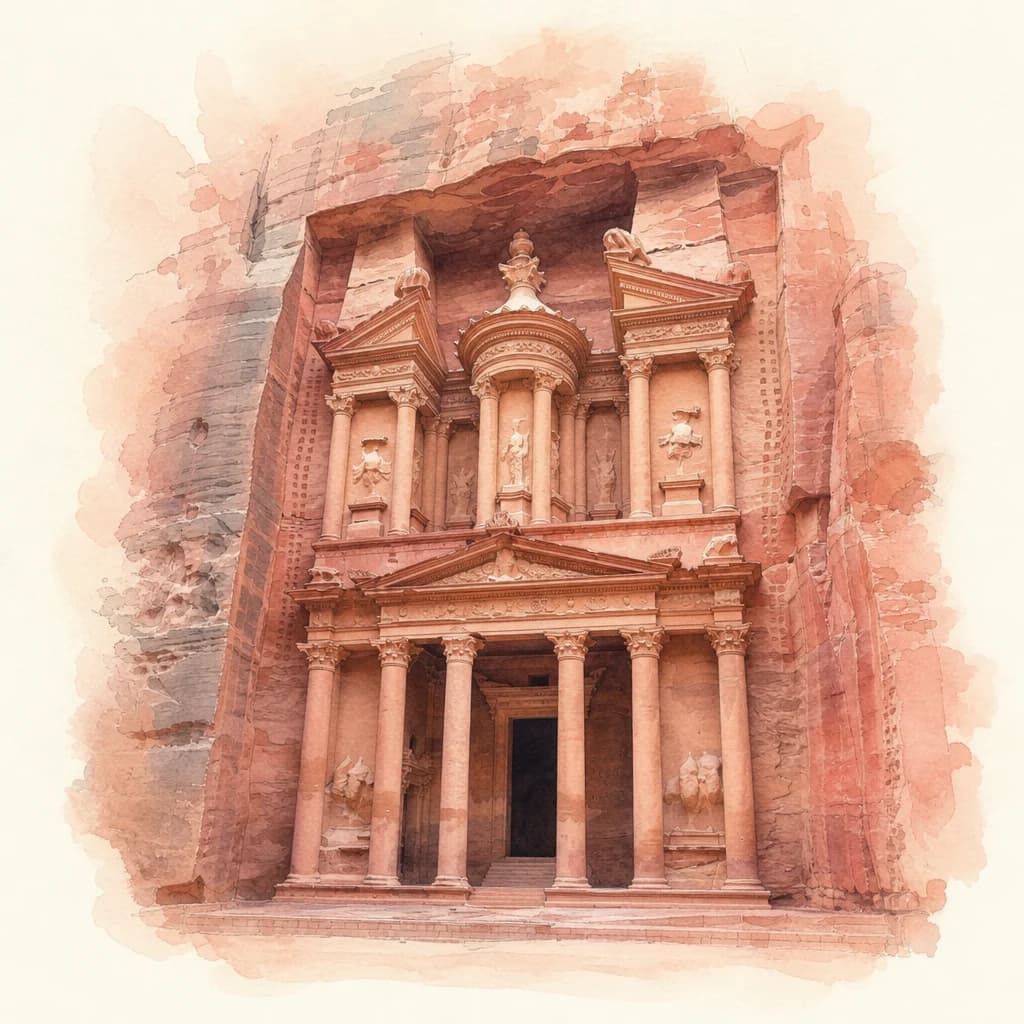
Petra

Psaropetra Panoramic Viewpoint

Petra

Theopetra Cave

Population

Approximately 8,500 (Kalambaka town), 1,200 (Kastraki), 21,000 (Meteora municipality)

Languages

Greek

Modern Greek is the official language. English is widely and fluently spoken in hotels, restaurants, tourist offices and monasteries.

History of Kalambaka

Explore the fascinating past of Kalambaka and discover how it has developed over the centuries.

Historical Journey

Ancient Period

Known in antiquity as Aiginion, it was a strategic stronghold of Thessaly fortified by the Macedonians and cited by Roman historians such as Livy. From the 9th century AD, Christian ascetics began to inhabit the hollows and caves in the vertical walls of Meteora in search of absolute spiritual isolation.

Development Period

In the 14th century, St. Athanasios the Meteorite founded the Monastery of the Great Meteoron on the highest rock, inaugurating a monastic community that came to have 24 active monasteries. These complexes served as an impregnable bulwark to preserve the Orthodox faith, Hellenic letters and Byzantine art in the face of Ottoman incursions.

Modern Period

Despite suffering heavy bombing and fires during the Nazi occupation in the Second World War, Kalambaka rose again and modernized its infrastructure. The inscription of Meteora in 1988 as a UNESCO World Heritage Site (under the dual category of cultural and natural property) established Kalambaka and Kastraki as an essential destination on the Greek mainland circuit.

Historical Timeline

The historical timeline shows the key moments that have defined the development of Kalambaka through the centuries.

City Scores

City Scores

Discover what makes this city special with our comprehensive scoring system

Safety

Excellent
98100

An extraordinarily peaceful and safe community with practically zero crime rates.

Click to view analysis
About:

An extraordinarily peaceful and safe community with practically zero crime rates.

Advantages:
  • An absolute sense of calm strolling at night in any corner of Kalambaka or Kastraki.
  • Pickpocket risk is practically nonexistent compared with large capitals.
Challenges:
  • Risk of accidental falls at natural viewpoints if you go past safe areas to take photos.
  • Watch out for traffic on the winding ring road around the monasteries.
Walkability

Good
76100

Both Kalambaka and Kastraki are very accessible on foot on level ground, but climbing up to the monasteries demands good physical fitness.

Click to view analysis
About:

Both Kalambaka and Kastraki are very accessible on foot on level ground, but climbing up to the monasteries demands good physical fitness.

Advantages:
  • The town center of Kalambaka and the village of Kastraki are easily explored on foot.
  • Ancient cobbled pedestrian routes linking Kastraki with the lower monasteries.
  • The evening walk through the alleys of Kastraki in the shadow of the rocks is magical.
Challenges:
  • The elevation gain from Kalambaka to the Great Meteoron exceeds 350 meters of continuous climbing.
  • The road between monasteries has bends with no dedicated shoulder for pedestrians.

Public Transport

Good
68100

A historic railway station and reliable KTEL lines, but with internal transport to the monasteries subject to seasonal frequencies.

Click to view analysis
About:

A historic railway station and reliable KTEL lines, but with internal transport to the monasteries subject to seasonal frequencies.

Advantages:
  • Kalambaka railway terminal with direct links, or with a change at Paleofarsalos, to Athens and Thessaloniki.
  • Frequent KTEL buses between Kalambaka and Trikala.
  • A municipal shuttle bus that goes up to the monasteries in high season.
Challenges:
  • The local bus between Kalambaka and the monasteries has few services a day in the low season and winter.
  • Getting around on foot between all the monasteries in a single day is exhausting without a car, taxi or e-bike.

Affordability

Excellent
85100

One of the most affordable cultural destinations in mainland Greece relative to its heritage status.

Click to view analysis
About:

One of the most affordable cultural destinations in mainland Greece relative to its heritage status.

Advantages:
  • Very low entrance fee to the monasteries (about €3 per site).
  • Local tavernas with generous portions of meat and stews at very moderate prices.
  • A varied range of family guesthouses and affordable hostels.
Challenges:
  • Organized panoramic minibus excursions can make the trip more expensive if you do not have your own vehicle.
  • Supplements at accommodations with direct views of the rock cliffs.

Nightlife

Fair
50100

Calm and contemplative; nightlife revolves around long dinners, café terraces and wine tavernas.

Click to view analysis
About:

Calm and contemplative; nightlife revolves around long dinners, café terraces and wine tavernas.

Advantages:
  • Pleasant cocktail bar and café terraces along Trikalon Street with views of the illuminated rocks.
  • Lively tavernas with Greek folk music on weekends in Kastraki and Kalambaka.
Challenges:
  • No discos or late-night clubs.
  • Activity drops noticeably after midnight on weekdays.

Art & Culture

Excellent
94100

A first-rate epicenter of Orthodox monasticism, sacred Byzantine iconography and mystical traditions.

Click to view analysis
About:

A first-rate epicenter of Orthodox monasticism, sacred Byzantine iconography and mystical traditions.

Advantages:
  • Invaluable monastic libraries with illuminated manuscripts, codices and medieval relics.
  • Frescoes and carved wooden iconostases of incalculable artistic value.
  • Fascinating themed museums of geology, mushrooms and natural history.
Challenges:
  • Strict, rotating visiting hours at the monasteries that demand meticulous planning.

Food Scene

Excellent
87100

Mountain and traditional Thessalian cuisine focused on grilled meats, flaky savory pies and wild mushrooms.

Click to view analysis
About:

Mountain and traditional Thessalian cuisine focused on grilled meats, flaky savory pies and wild mushrooms.

Advantages:
  • Famous Trikala sausages flavored with leek and mountain herbs.
  • Casserole lamb stews, 'kleftiko', 'kontosouvli' and aged goat cheeses.
  • Innovative dishes based on local mushrooms and truffles foraged in the Pindus forests.
  • 'Tsipouro' culture served with a variety of mezze plates.
Challenges:
  • Practically no contemporary international cuisine on offer.
  • Few vegetarian options beyond traditional salads and spinach pies (spanakopita).

Shopping

Good
75100

Main focus on certified Byzantine iconography, mountain mushroom products and regional gastronomic delights.

Click to view analysis
About:

Main focus on certified Byzantine iconography, mountain mushroom products and regional gastronomic delights.

Advantages:
  • Workshops where religious icons are hand-painted using sacred Byzantine egg tempera techniques.
  • Gourmet shops specializing in dried mushrooms, truffle oils and Meteora forest honey.
  • Sale of traditional Farsala 'halvas' and craft liqueurs.
Challenges:
  • Proliferation of souvenir shops with crucifixes and plastic souvenirs on the main street.

Weather

Excellent
81100

A continental climate with well-defined seasons: sublime springs and autumns versus hot summers and cold winters.

Click to view analysis
About:

A continental climate with well-defined seasons: sublime springs and autumns versus hot summers and cold winters.

Advantages:
  • Clear autumns with fantastic golden light and mild temperatures.
  • Cool springs ideal for hiking through the forests.
  • Frequent clear skies for most of the year.
Challenges:
  • Peaks of intense heat in July and August as it lies on a continental plain sheltered from the sea breeze.
  • Frequent frosts and showers in the winter months.

Tourist Friendly

Excellent
94100

Decades of experience welcoming travelers and pilgrims of all nationalities with well-established services.

Click to view analysis
About:

Decades of experience welcoming travelers and pilgrims of all nationalities with well-established services.

Advantages:
  • Excellent road and trail signage to reach viewpoints and monasteries.
  • Very well-prepared local agencies offering sunrise tours, sunset tours and guided visits.
  • Hours and dress code information well communicated on tourism websites and at reception desks.
Challenges:
  • Monasteries packed with organized tour bus groups between 10:30 am and 1:30 pm.

Family Friendly

Excellent
80100

An unforgettable experience for children drawn to fantastic landscapes, stone staircases and legends of medieval pulleys.

Click to view analysis
About:

An unforgettable experience for children drawn to fantastic landscapes, stone staircases and legends of medieval pulleys.

Advantages:
  • A fairy-tale landscape that looks straight out of a fantasy film.
  • The Mushroom Museum and the Geological Museum fascinate the little ones.
  • Safe streets and very quiet children's playgrounds in Kalambaka.
Challenges:
  • Climbing up to the monasteries means tackling hundreds of steep steps, impossible with baby strollers.
  • Extra caution is a must at viewpoints and rocky precipices without continuous railings.

LGBTQ+ Friendly

Good
68100

A safe and hospitable destination, set within a rural community deeply tied to Orthodox ecclesiastical traditions.

Click to view analysis
About:

A safe and hospitable destination, set within a rural community deeply tied to Orthodox ecclesiastical traditions.

Advantages:
  • Polite, respectful and professional treatment in all tourist establishments.
  • Zero conflict or security incidents for travelers of any background.
Challenges:
  • Total absence of nightlife or community spaces specifically for LGBTQ+ people.
  • The monastic setting demands strict discretion in dress and public behavior.

Local Friendly

Excellent
93100

Warm inland hospitality (philoxenia), characterized by genuine friendliness and pride in their land.

Click to view analysis
About:

Warm inland hospitality (philoxenia), characterized by genuine friendliness and pride in their land.

Advantages:
  • Guesthouse and taverna owners who offer hiking tips, maps and coffee with family warmth.
  • A serene neighborhood atmosphere free from the rush or wear of mass island tourism.
Challenges:
  • Somewhat more austere or reserved treatment inside the monasteries from cloistered monastic staff.

Natural Beauty

Excellent
100100

One of the most spectacular geological wonders on the planet, a stone forest that defies every human scale.

Click to view analysis
About:

One of the most spectacular geological wonders on the planet, a stone forest that defies every human scale.

Advantages:
  • Vertical conglomerate and sandstone formations rising up to 400 meters above the valley.
  • Dazzling sunsets where the stone takes on coppery and violet hues.
  • Endless panoramic views over the Pindus mountains and the Thessaly plain.
Challenges:
  • A sense of vertigo on narrow trails and rocky platforms for people with acrophobia.

Architecture

Excellent
98100

A feat of construction and spirituality where late Byzantine architecture blends organically with impossible geological spires.

Click to view analysis
About:

A feat of construction and spirituality where late Byzantine architecture blends organically with impossible geological spires.

Advantages:
  • Gravity-defying monasteries crowning crags with vertical drops of up to 400 meters.
  • Wonderful post-Byzantine frescoes of the Cretan School (such as those by Theophanes the Cretan at St. Nicholas Anapausas).
  • Rustic stone-and-tile traditional architecture in the alleys of Kastraki.
Challenges:
  • The layout of modern Kalambaka is functional and lacks great civil architectural monumentality outside its Byzantine basilica.

Historical Significance

Excellent
97100

One of the most significant spiritual sanctuaries of Orthodox Christendom and guardian of the Byzantine heritage.

Click to view analysis
About:

One of the most significant spiritual sanctuaries of Orthodox Christendom and guardian of the Byzantine heritage.

Advantages:
  • Centuries-long survival of monastic communities in extreme topographic conditions.
  • A refuge for ecclesiastical learning and sacred treasures during the Ottoman occupation.
  • Presence of the Theopetra Cave, with traces of human presence dating back more than 130,000 years.
Challenges:
  • Of the 24 original historic monasteries, only 6 remain inhabited and open to visitors.

Green Spaces

Excellent
95100

Immediate immersion in nature: a forest of rock surrounded by lush stands of oaks, chestnuts and riverbanks.

Click to view analysis
About:

Immediate immersion in nature: a forest of rock surrounded by lush stands of oaks, chestnuts and riverbanks.

Advantages:
  • A network of historic trails for walking among deciduous forests and colossal cliffs.
  • Proximity to the Peneus River and the foothills of the Pindus National Park.
  • Pure mountain air with no industrial pollution.
Challenges:
  • The town of Kalambaka has few formal landscaped green areas.

Cleanliness

Excellent
90100

Natural surroundings and urban areas that are extremely clean, well kept and respected by locals and monastic communities.

Click to view analysis
About:

Natural surroundings and urban areas that are extremely clean, well kept and respected by locals and monastic communities.

Advantages:
  • Monastic complexes and panoramic viewpoints maintained with rigor and impeccable hygiene.
  • Pedestrian streets and squares in Kalambaka and Kastraki free of accumulated dirt.
Challenges:
  • Occasional cigarette butts and plastic bottles on unmarked trails after busy weekends.

Startup Scene

Poor
18100

A traditional economy dominated by tourist hospitality, Thessalian agriculture and ecclesiastical services.

Click to view analysis
About:

A traditional economy dominated by tourist hospitality, Thessalian agriculture and ecclesiastical services.

Advantages:
  • Innovative active tourism projects (classic climbing, GPS-guided e-bike routes) and mushroom tourism.
Challenges:
  • Complete lack of tech infrastructure or digital business incubators.

Digital Nomad Friendly

Good
62100

A quiet, safe setting with an excellent quality of life for creative retreats, but with a technical offering geared toward the conventional traveler.

Click to view analysis
About:

A quiet, safe setting with an excellent quality of life for creative retreats, but with a technical offering geared toward the conventional traveler.

Advantages:
  • Very competitive monthly housing prices in the low season.
  • Good 4G/5G connectivity and fiber optic in most central cafés in Kalambaka.
  • An atmosphere of disconnection and absolute peace.
Challenges:
  • No formal coworking spaces.
  • Small digital nomad community and limited social life on weekdays out of season.

Overall City Score

Comprehensive assessment of this destination

89/ 100

Weather & Climate

Descubre las mejores épocas para visitar Kalambaka y qué esperar durante todo el año.

Monthly Temperatures

January

Max9°
Min1°

February

Max11°
Min2°

March

Max15°
Min4°

April

Max19°
Min8°

May

Max25°
Min12°

June

Max30°
Min17°

July

Max33°
Min20°

August

Max33°
Min20°

September

Max28°
Min15°

October

Max21°
Min11°

November

Max15°
Min6°

December

Max10°
Min2°

Legend

Best Months
Hot Months
Cold Months
Rainy Periods

Weather Summary

A continental climate with well-defined seasons: sublime springs and autumns versus hot summers and cold winters.

Weather Tips

Clear autumns with fantastic golden light and mild temperatures.

Cool springs ideal for hiking through the forests.

Frequent clear skies for most of the year.

Peaks of intense heat in July and August as it lies on a continental plain sheltered from the sea breeze.

Frequent frosts and showers in the winter months.

As an inland valley surrounded by mountain massifs, day-night temperature swings are pronounced and the midday summer heat is dry and harsh.

April, May, September and October are the months with the best temperature and light conditions for photographers and walkers.

Overview

Spring

Ideal weather with green fields, full streams and wildflowers at the foot of the rocks; the most comfortable time for climbing stairways and hiking.

More Information

Summer

Very hot, dry days with the sun beating down on the bare rock; it is essential to get up early and leave monument visits for first thing.

More Information

Autumn

Deciduous forests tinged with gold and copper, mystical-looking morning mists and very pleasant temperatures.

More Information

Winter

Cold winters with occasional snow dressing the rock summits; an atmosphere of awe-inspiring calm and lit fireplaces in the tavernas.

More Information

Presupuesto y Compras

Plan your expenses and discover the best shopping areas

Budget Planning

Daily spending per person

Noticeably more affordable than Athens and the Aegean islands. Excellent value for money in overnight stays and traditional Thessalian cuisine.

Budget Travel

32-48€

per day

Mid-Range Travel

70-125€

per day

Luxury Travel

180€+

per day

Guía de Compras

Best Areas

Byzantine Hand-Painted Icons

2 areas

Artisan workshops on the Kalambaka-Kastraki road

Clic para ver detalles

Shops of the monasteries themselves (Great Meteoron and St. Stephen)

Clic para ver detalles

Wild Mushrooms & Truffle Products

2 areas

Gourmet shop of the Natural History Museum (Kalambaka)

Clic para ver detalles

Traditional product stores on Trikalon Street

Clic para ver detalles

Regional Mountain Tea, Honey & Herbs

2 areas

Local farmers' stalls at the viewpoints

Clic para ver detalles

Grocery stores in Kastraki

Clic para ver detalles

Handcrafted Wood Carvings

1 area

Traditional cabinetmaking workshops at the southern entrance to Kalambaka

Clic para ver detalles

Points of Interest

Explore the most fascinating places this city has to offer

Petra

Psaropetra Panoramic Viewpoint

The main viewpoint on the ring road offering the most famous panorama of Meteora, with four monasteries silhouetted against the horizon.

Viewpoint
Petra

Theopetra Cave

A prehistoric site just a few kilometers away where the oldest defensive wall built by humans was found, along with uninterrupted Paleolithic and Neolithic occupation layers.

Landmark

Monastery of the Great Meteoron (Megalo Meteoro)

The oldest, largest and highest monastery of Meteora, founded in the 14th century by St. Athanasios on the imposing 'Platys Lithos' rock at 613 meters above sea level.

Architecture

Varlaam Monastery

The second-largest monastery, famous for its katholikon decorated with frescoes by Frangos Kastellanos, its old system for hoisting monks, and a gigantic 12,000-liter oak barrel.

Architecture

Rousanou Monastery (St. Barbara)

A women's monastery built on a lower vertical spire, surrounded by lush vegetation and reached via a photogenic stone bridge.

Architecture

Holy Trinity Monastery (Agia Triada)

The monastery with the most dramatic and impregnable silhouette, perched on a solitary pillar with 140 steps carved into the rock; famous for appearing in a James Bond film.

Architecture

Monastery of St. Stephen (Agios Stefanos)

A women's monastery easily reached via a flat bridge (no steep stairs), with privileged panoramic views over the rooftops of Kalambaka.

Architecture

Monastery of St. Nicholas Anapausas

The first monastery on the route from Kastraki, built vertically on a narrow rock and famous for the sublime 1527 frescoes painted by Theophanes the Cretan.

Architecture

Byzantine Basilica of the Dormition of the Virgin

An ecclesiastical jewel of the 10th-11th centuries built in the upper part of Kalambaka on Roman foundations; it has a unique freestanding marble pulpit in the center of the nave and ancient frescoes.

Architecture

Traditional Village of Kastraki

A picturesque village of traditional Thessalian architecture rising directly in the crevices between the rocks of Meteora, with stone mansions, tavernas and pedestrian alleys.

Landmark

Meteora Natural History and Mushroom Museum

An original, interactive museum in Kalambaka with wildlife dioramas and a complete collection of hyperrealistic sculptures of native mushrooms, with a product tasting at the end.

Museum

Rock Hermitages of Badovas and St. Anthony

Ancient hermit cells embedded in rock cavities on several levels of wood and stone, reached by quiet trails between Kastraki and Kalambaka.

Landmark

Meteora Geological Museum

Housed in the former communal school of Kastraki, it explains with models and scientific panels the geological mystery of how the delta of the Tertiary sea sculpted these pillars.

Museum

Upper Quarter of Sopotos

The oldest and steepest part of Kalambaka, right at the foot of the immense vertical wall of the Agia rock; a labyrinth of fresh-water fountains and mountain calm.

Landmark

Discover every corner of Kalambaka!

Sponsored links by GetYourGuide for your convenience

Day Trips

Discover fascinating destinations near Kalambaka perfect for day getaways

Approx. 55 minutes by car on the Egnatia Odos motorway.

Metsovo

Mountain villages, mountain gastronomy, wine tastings and alpine architecture.

A charming alpine town of traditional Vlach architecture in the Pindus massif, famous for its smoked cheeses (Metsovone), wineries and woodcraft.

Approx. 20-25 minutes by car, train or KTEL bus.

Trikala

Relaxed urban life, riverside walks, tavernas and medieval castles.

A prosperous district capital crossed by the Litheos River, with its Byzantine castle, the historic Varousi quarter, the Manavika taverna district and its urban cycling network.

Approx. 1 hour 15 minutes by car.

Lake Plastira

Nature, outdoor activities, photography and disconnecting.

A spectacular mountain lake surrounded by dense pine forests and snowy peaks, often nicknamed the 'Little Switzerland' of Greece, with kayak routes and natural viewpoints.

Approx. 35 minutes by car.

Pyli Stone Bridge and Palaiokarya Waterfalls

Postcard photography, traditional stone architecture and riverside walks.

A monumental ensemble integrated into nature that combines the Ottoman arched bridge of Pyli (1503) with the impressive bridge and double waterfall of Palaiokarya.

Approx. 2 hours by car to the northwest.

Vikos Gorge and the Villages of Zagori (Zagorochoria)

Advanced hiking, wild landscapes and traditional stone architecture.

One of the deepest gorges in the world and a labyrinth of protected limestone villages linked by historic pointed-arch bridges.

Explore Neighborhoods

Discover the unique character and charm of each city district.

Kalambaka Center (Dimarchiou Square and Trikalon Street)

Dynamic, convenient and commercial; the hub of city services, cafés, pastry shops and functional hotels.

Kastraki

Rustic, tranquil and extremely picturesque; set into the rock itself, ideal for those seeking peace and a traditional village atmosphere.

Sopotos (Upper Old Town of Kalambaka)

Old, steep and quiet; it preserves the medieval memory of the town around the Byzantine basilica with sweeping views.

Railway Station District

Practical and uncluttered; the arrival point for trains from Athens and home to car and e-bike rental agencies.

Seasonal Experiences

Discover the best experiences and activities for each time of year

Orthodox Easter at the Monasteries

Spring (April or May depending on the liturgical calendar)

One of the deepest spiritual experiences in Greece. Attend the midnight Resurrection vigil at St. Stephen or the Great Meteoron, lit only by candles on the crags, followed by the traditional Sunday feast of roast lamb.

Mushroom Foraging and Autumn Truffle Hunting

Autumn (October - November)

Guided outings through the oak forests surrounding the rocks, accompanied by dogs trained to locate black truffles, ending with the preparation of a wild risotto outdoors beneath the cliffs.

White Meteora: The Charm of Snow

Winter (January - February)

Watch the dark sandstone pinnacles covered in a silent blanket of snow, then take refuge in the wood-fired tavernas of Kastraki with meat stews and carafes of Thessalian red wine.

Festivals & Local Celebrations

Experience the vibrant culture and traditions of this city through its unique festivals

October

Meteora Mushroom Festival

A major annual gathering in Kalambaka with scientific talks, botanical foraging outings in the forest and free public tastings of dishes made with wild mushrooms.

First weekend of March

Meteora Trail Run

A demanding mountain race that follows the medieval cobbled paths and the bases of the rock cliffs, gathering international runners.

August 15

Feast of the Dormition of the Virgin

Patron saint festival at the Byzantine basilica of Kalambaka with a procession of icons through the Sopotos quarter and a folk banquet afterward in the squares.

Traveler Tips

Essential advice and local insights to make your trip memorable and safe

Safety Tips

  1. Extreme Caution at Cliff Edges

    Many natural viewpoints and scenic rocks (such as Psaropetra or the Kastraki outcrops) have no protective fences; do not approach the edges to take photos of yourself on windy days.

  2. Hiking Footwear with Grip

    The steps carved into the sandstone at the monasteries are polished by centuries of traffic and slip easily, especially with morning dew or rain.

Before you go

Quick answers to plan your trip with confidence

About 3 days covers the essentials. Add 1–2 days for neighborhoods or day trips.
Mid-range is around 70-125€ per person per day (stay, food, local transport). See the budget section for ranges.
A solid starting area is Kalambaka Center (Dimarchiou Square and Trikalon Street). Compare neighborhoods and hotels on this page.
Kalambaka station is the end of the railway line. Check Hellenic Train services (usually with a quick change at Paleofarsalos).
Family-friendliness rated 80/100. It usually works well for family trips.
Safety rated 98/100. Many natural viewpoints and scenic rocks (such as Psaropetra or the Kastraki outcrops) have no protective fences; do not approach the edges to take photos of yourself on windy days.

Ready to visit Kalambaka?

Plan your perfect trip with our personalized recommendations and local insights.

Plan my trip