Preparing the experience...
Lombardy is the economic engine of Italy and a region of astonishing sophistication and diversity. It is a land where the peaks of the Alps give way to rolling hills and the most glamorous lakes in the country, finally extending across the fertile Po plain. Its capital, Milan, is a vibrant metropolis, a nerve center for finance, fashion and design that sets global trends. But beyond Milan, Lombardy treasures cities of art such as Renaissance Mantua, historic Brescia and charming Bergamo with its walled upper city. The region is a melting pot of history, from the cave paintings of Val Camonica to Roman villas and medieval castles. Traveling through Lombardy is enjoying an aperitif at the Navigli in Milan, sailing through the blue waters of Lake Como, exploring the vineyards of Franciacorta or marveling at the genius of Leonardo da Vinci.
Descubre las ciudades más fascinantes de Lombardy

Milan estará disponible próximamente con información completa y detallada.
Brescia estará disponible próximamente con información completa y detallada.
Monza estará disponible próximamente con información completa y detallada.
Bergamo estará disponible próximamente con información completa y detallada.
Lombardy hosts world-class events ranging from fashion and design to food festivals celebrating its rich local products and historical re-enactments that bring its cities to life.
February/March (Fall/Winter) and September/October (Spring/Summer).
One of the 'Big Four' fashion weeks in the world. The city becomes a global catwalk, attracting designers, models and celebrities from all over the planet.
April.
The most important international design and furniture fair. During that week, the entire city bustles with events, installations and exhibitions in the so-called 'Fuorisalone'.
Mid November.
A sweet festival dedicated to nougat, the star product of Cremona. The streets are filled with stalls, tastings, shows and a historical recreation of the wedding between Bianca Maria Visconti and Francesco Sforza, where according to legend nougat was served for the first time.
Around December 7 (St. Ambrose's Day).
The most traditional Christmas market in Milan, held near the Sforzesco Castle. His name means 'Oh, how pretty!' and there you can find crafts, antiques and typical sweets.
Mid August.
An ancient fair that hosts the international gathering of the 'Madonnari', artists who create impressive works of sacred art with chalk on the pavement of the sanctuary square.
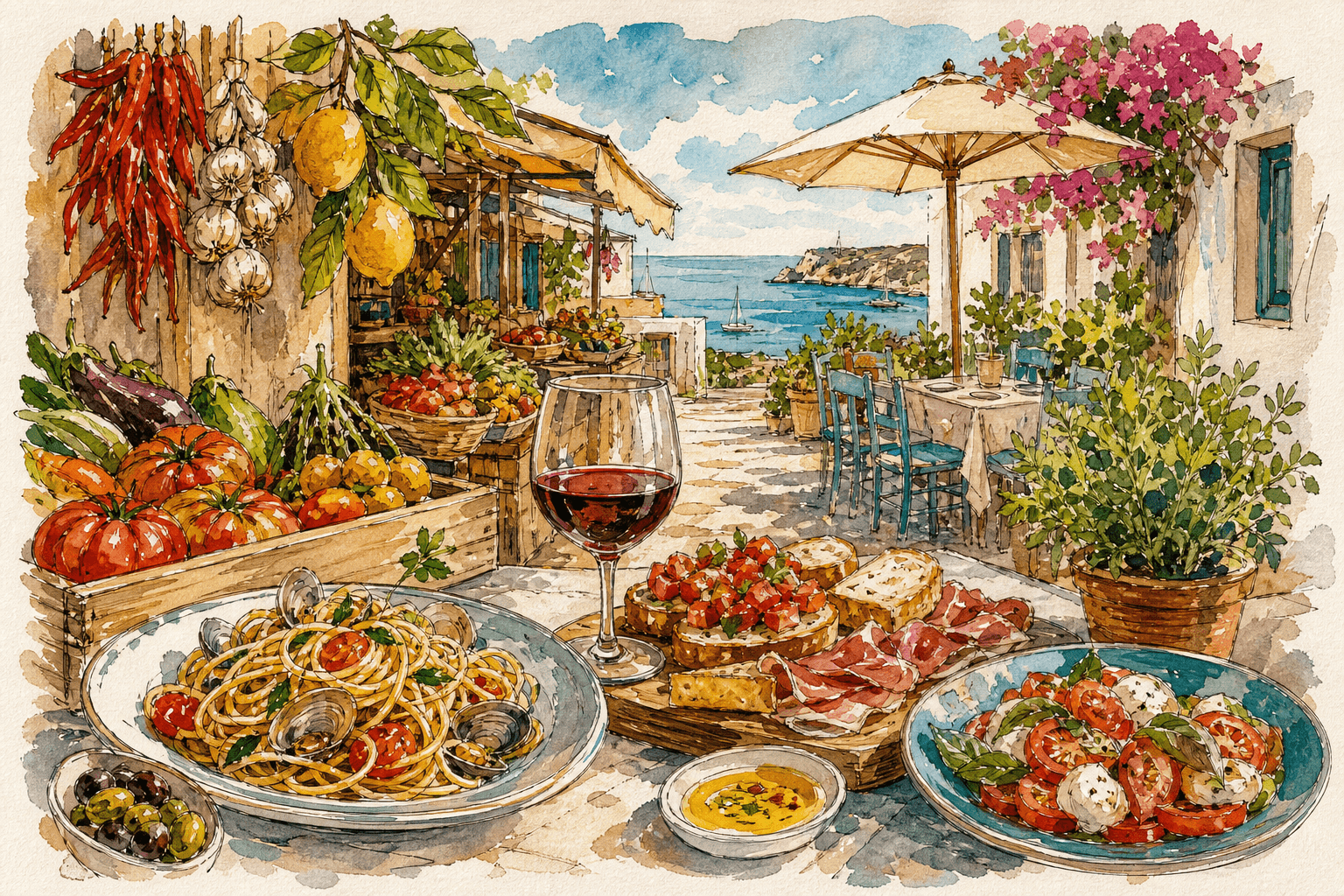
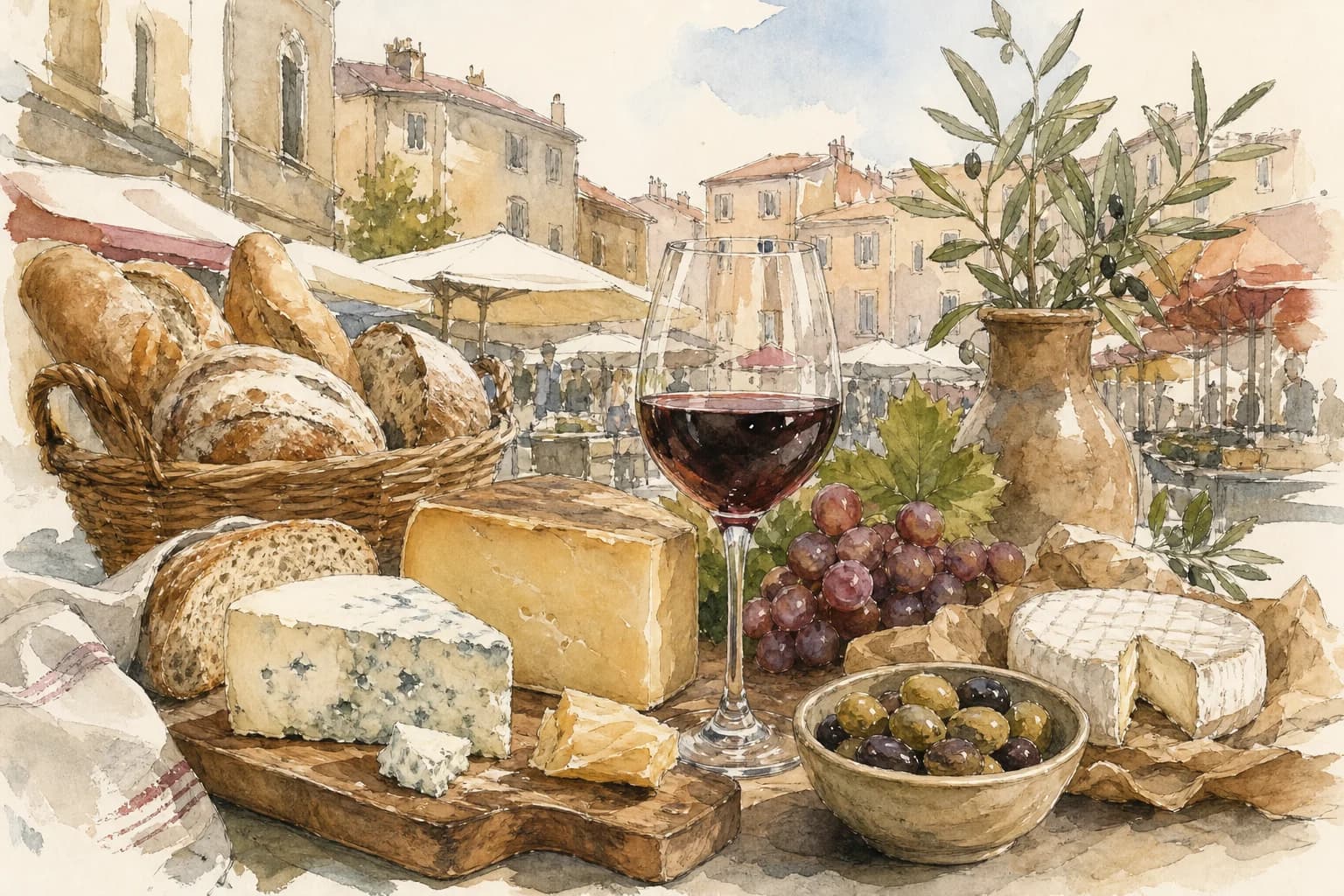
Lombard gastronomy is rich and varied, influenced by its geography. It is characterized by the use of rice, butter, polenta and beef. It is a cuisine of strong flavors and comforting dishes, very different from the Mediterranean.
The most emblematic dish of Milan. A creamy risotto with an intense yellow color thanks to saffron, often served as an accompaniment to ossobuco.
Veal shank cut into thick slices and simmered with vegetables, white wine and broth. It is traditionally served with risotto alla milanese or polenta.
A bone-in veal cutlet, breaded and fried in butter until golden and crispy. It is the precursor of the Milanese.
A historic staple throughout northern Italy. It can be served soft as a side dish, or cold and sliced for roasting or frying. Valtellina's 'Polenta Taragna' mixes corn and buckwheat flour with cheese.
A rustic buckwheat pasta, similar to short tagliatelle, cooked with potatoes, collard greens, garlic and plenty of melted Valtellina Casera cheese.
Air-cured beef, lean and delicate in flavor. It is served in thin slices with a drizzle of olive oil, lemon juice, pepper and Parmesan flakes.
Typical stuffed pasta from Mantua. The filling is a surprising mix of pumpkin, amaretti cookies, mostarda and cheese, which gives it a sweet and sour flavor.
The most prestigious classical method sparkling wine in Italy. Made primarily from Chardonnay and Pinot Noir grapes, it is Italy's answer to Champagne.
Red wines made from Nebbiolo grapes (locally called Chiavennasca) grown on heroic terraces on the slopes of the Alps.
A cocktail born by mistake in Milan. The gin in the classic Negroni is replaced by sparkling wine (prosecco or franciacorta), along with Campari and sweet vermouth.
The famous bitter red aperitif, an essential ingredient in cocktails such as the Negroni or the Americano. Its headquarters are in Milan.
The iconic tall, dome-shaped sponge cake, filled with candied fruit and raisins. Originally from Milan, it is the Christmas sweet par excellence throughout Italy.
A hard and crumbly cake from Mantua, made with corn flour and almonds. Its name means 'that crumbles', and it is traditionally eaten by breaking it with your fists.
Although it is a cheese, it is often served as a dessert, especially the 'dolce' (sweet) variety, accompanied by pears, figs or honey.
Crispy bitter almond cookies, originating from the city of Saronno. They are often used to make the Disaronno liqueur.
It houses in its refectory one of the most famous works of art in the world, painted by Leonardo da Vinci.
One of the largest collections of prehistoric rock engravings in the world, the first site recognized by UNESCO in Italy.
They represent two aspects of Renaissance urban planning: Mantua as the evolution of an existing city and Sabbioneta as a new 'ideal city'.
Groups of chapels from the 16th-17th century with a high spiritual and artistic value, integrated into the landscape. In Lombardy there are those of Varese and Ossuccio.
A spectacular train line shared with Switzerland that crosses the Alps, a masterpiece of engineering.
It includes the monastic complex of San Salvatore-Santa Giulia in Brescia and the archaeological area of Castelseprio.
An exceptionally preserved example of a 19th century 'company town'.
The walls of Bergamo are part of this transnational site.
Remains of Bronze Age and Neolithic stilt settlements, with 10 sites in Lombardy.
Spring (April-May) and Autumn (September-October) are the best times, with mild, pleasant weather and fewer crowds than summer. Spring is ideal for seeing lakes in bloom, while autumn offers beautiful colors and harvest festivals. Summer (June-August) is hot and humid, especially on the plains, but it is the peak season on the lakes. Winter is cold and often gray in the cities, but it is perfect for snow sports in the Alps and enjoying the Christmas markets.
Booking a ticket to see 'The Last Supper' by Leonardo da Vinci must be done several months in advance, as they sell out very quickly. Driving in large city centers such as Milan is restricted by Limited Traffic Zones (ZTL); It is better to use public transportation. The region is a major business center, so hotels in Milan can be expensive, especially during big trade shows like Fashion Week or the Salone del Mobile.
Start planning your perfect trip to this amazing region