Skip to contentSkip to menuGo to filters
TripMatches Logo

TripMatches

HomeDestinationsTravel typesForum
TripMatches Logo
TripMatches

Discover your perfect travel companion

Quick Links

  • About Us
  • Careers
  • Destinations
  • Travel Blog
  • Trip Matching

Support & Help

  • FAQ
  • Contact Us
  • Privacy Policy
  • Terms & Conditions
  • Cookie Policy

© 2026 TripMatches. All rights reserved.

Made with❤️for travelers

Loading... Asturias

Preparing the experience...

Loading information...
Loading statistics...
Exploring cities...
Finding adventures...
Discovering flavors...
Preparing useful info...
Preparing your trip...

Discover Asturias

Asturias is a natural paradise where the green of the mountains meets the wild blue of the Cantabrian Sea. It is a land of character, forged by a mining past and an Indian legacy that is reflected in its architecture. Its motto, 'Asturias, Natural Paradise', is not an exaggeration: from the majestic peaks of the Picos de Europa to its more than 200 beaches and coves hidden between cliffs, nature is the protagonist. It is the cradle of the Kingdom of Asturias, with pre-Romanesque art unique in the world. But Asturias is also flavor: that of a strong fabada, that of a powerful Cabrales cheese, and above all, that of the social ritual of pouring and sharing 'culines' of cider. Visiting Asturias means breathing fresh air, eating your fill and discovering a landscape that moves you with its virgin beauty.

Picos de Europa and Lakes of Covadonga
Cider Route
Fishing towns (Cudillero, Lastres)
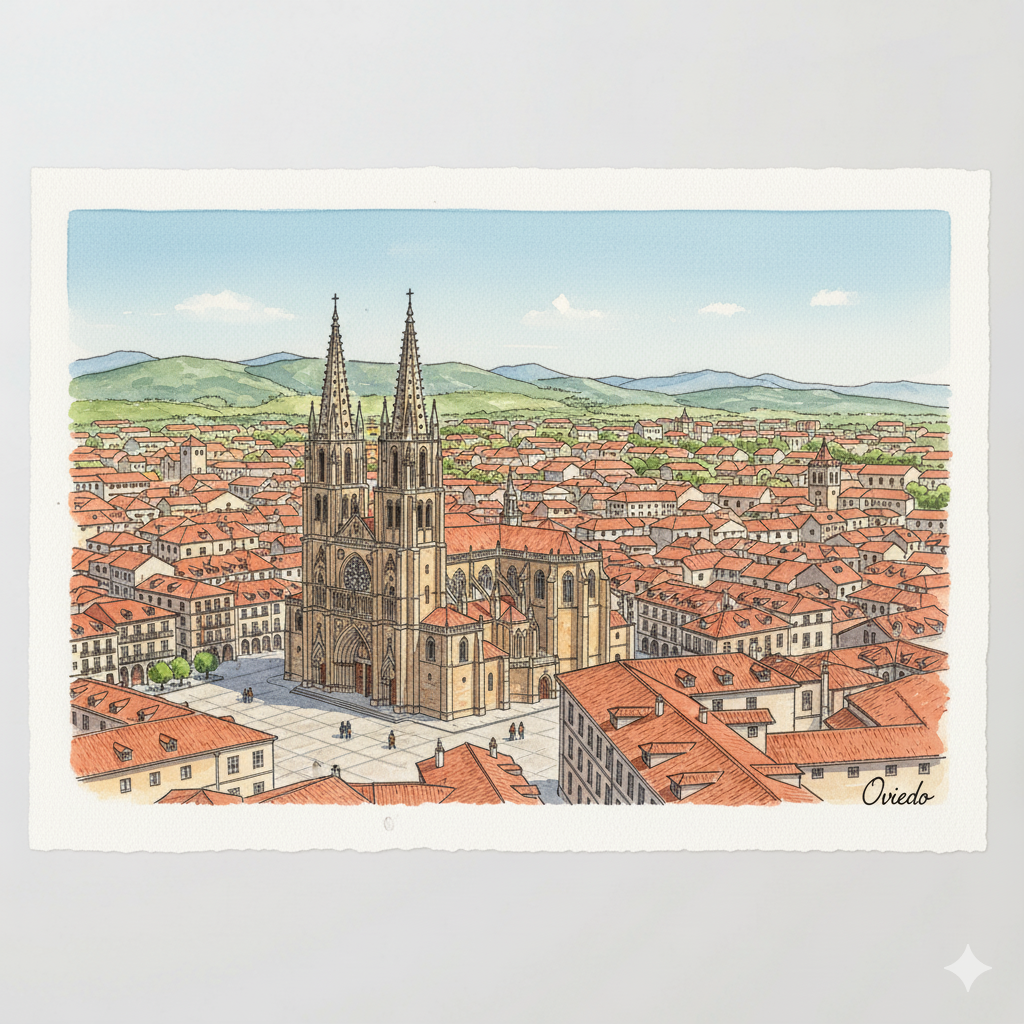
Oviedo and the Pre-Romanesque
Gijón and San Lorenzo Beach
Descent of the Sella
Asturian Cheeses
Bear Trail

Languages

SpanishAsturian (bable, with protected status but not official)

General Information

Basic Data

Capital:
Oviedo
Area:
10,604 km²
Population:
1,004,686

Climate

Type:
Oceanic
Summer Temp:
21°C
Winter Temp:
9°C
Best months:
June, July, August, September

regionalMetricsTitle
analysisSystemTitle
analysisSystemDescription

indicesInfo.travel_cost_index.name

50%
indicesInfo.travel_cost_index.name: 50/100
indicesInfo.travel_cost_index.description

indicesInfo.safety_index.name

92%
indicesInfo.safety_index.name: 92/100
indicesInfo.safety_index.description

indicesInfo.tourism_index.name

78%
indicesInfo.tourism_index.name: 78/100
indicesInfo.tourism_index.description

indicesInfo.internet_index.name

75%
indicesInfo.internet_index.name: 75/100
indicesInfo.internet_index.description

indicesInfo.environment_index.name

94%
indicesInfo.environment_index.name: 94/100
indicesInfo.environment_index.description

indicesInfo.kindness_index.name

85%
indicesInfo.kindness_index.name: 85/100
indicesInfo.kindness_index.description

indicesInfo.transport_index.name

72%
indicesInfo.transport_index.name: 72/100
indicesInfo.transport_index.description

indicesInfo.climate_index.name

74%
indicesInfo.climate_index.name: 74/100
indicesInfo.climate_index.description

indicesInfo.natural_beauty_index.name

95%
indicesInfo.natural_beauty_index.name: 95/100
indicesInfo.natural_beauty_index.description

indicesInfo.gastronomy_index.name

89%
indicesInfo.gastronomy_index.name: 89/100
indicesInfo.gastronomy_index.description

indicesInfo.nightlife_index.name

68%
indicesInfo.nightlife_index.name: 68/100
indicesInfo.nightlife_index.description

indicesInfo.family_friendly_index.name

85%
indicesInfo.family_friendly_index.name: 85/100
indicesInfo.family_friendly_index.description

qualityScale

excellent
80-100
good
60-79
regular
40-59
poor
0-39

Major Cities

Descubre las ciudades más fascinantes de Asturias

⏳ Próximamente

Gijón

Asturias

Gijón estará disponible próximamente con información completa y detallada.

Información básica
⏳ Próximamente

Oviedo

Asturias

Oviedo estará disponible próximamente con información completa y detallada.

Información básica
⏳ Próximamente

Avilés

Asturias

Avilés estará disponible próximamente con información completa y detallada.

Información básica

What to Do

Culture & Architecture

Oviedo, the Stately Capital: Stroll through its well-kept historic center, admire the Cathedral of San Salvador (a must-visit for pilgrims on the Primitive Way) and discover the jewels of Asturian Pre-Romanesque Art (World Heritage Site) on Mount Naranco: Santa María del Naranco and San Miguel de Lillo.Gijón, the City Open to the Sea: Tour the iconic Playa de San Lorenzo and its promenade ('the Wall'), climb the Cerro de Santa Catalina to see Chillida's 'Praise of the Horizon', and get lost in the old fishing neighborhood of Cimavilla.Postcard Fishing Towns: Discover the magic of the fishing towns on the coast. Cudillero, with its amphitheater of colorful houses hanging over the port; Lastres, famous for its steep slopes and for being the setting for the series 'Doctor Mateo'; and Llanes, with its historic center and its San Pedro promenade over the cliffs.Indiana Architecture: Look for the 'Casonas de Indianos', elegant mansions built by the Asturians who emigrated to America and made their fortune. They are especially abundant in eastern Asturias, in towns such as Llanes, Ribadesella or Colombres.

Nature & Adventure

Picos de Europa, the Heart of the Mountain: Enter the National Park. Drive up to the spectacular Lakes of Covadonga (Enol and Ercina), a glacial landscape of overwhelming beauty. Visit the Royal Site of Covadonga, cradle of the Reconquista.The Descent of the Sella by Canoe: One of the most famous and fun experiences in Asturias. Rent a canoe and go down the Sella River between Arriondas and Ribadesella, enjoying the landscape and stopping at the river beaches. No previous experience is required.The Bear Path: Travel by bicycle or on foot this greenway that follows the route of an old mining railway. It is a flat and spectacular route that goes through tunnels and gorges, and where you can see Paca and Molina, two Cantabrian bears in a fenced enclosure.Wild and Spectacular Beaches: Discover some of the most impressive beaches in Spain. Playa del Silencio (Cudillero), a natural shell surrounded by cliffs; Gulpiyuri Beach (Llanes), a small inland beach connected to the sea below the rocks; or Playa de Torimbia, a spectacular sandy area.

Family & Parks

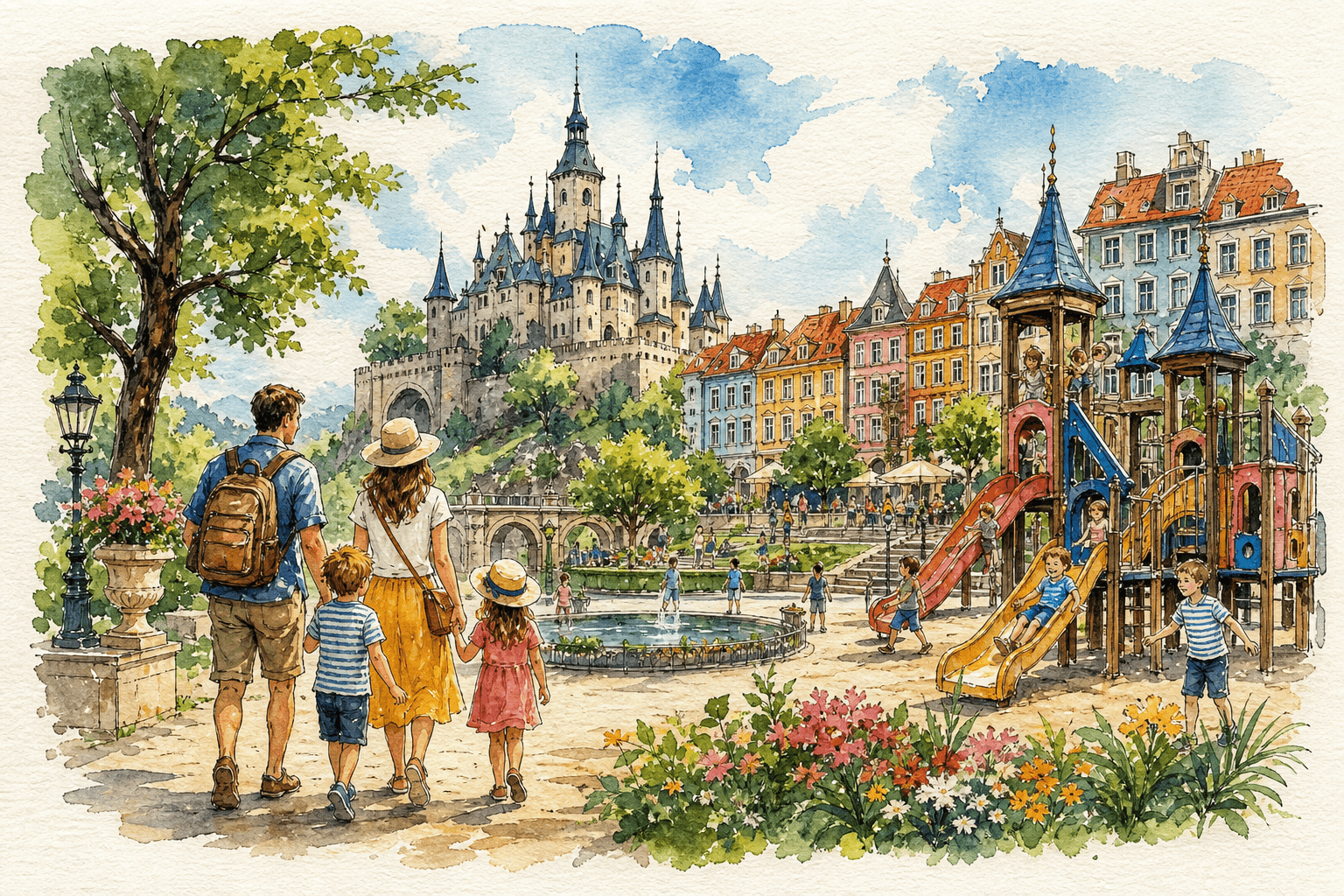
Jurassic Museum of Asturias (MUJA): An impressive museum for its architecture in the shape of a dinosaur footprint and its very complete collection of fossils and replicas. Ideal to go with children, it is located on the 'Dinosaur Coast'.Gijón Aquarium: A tour of 60 aquariums that show the flora and fauna of the world's seas, with special attention to the Cantabrian Sea.Parque de la Vida (Luarca): A scientific dissemination center that combines a planetarium with exhibitions about the animal world and the history of the Earth, with a giant squid as one of its stars.

Day Trips

The Cider Route: Immerse yourself in the culture of cider. Visit a 'llagar' (cider cellar) to learn about the production process and, above all, visit the cider houses on Calle Gascona in Oviedo or the Cimavilla neighborhood in Gijón to learn how to pour and enjoy the atmosphere.Mining Region: Travel to the industrial heart of Asturias. Visit the Museum of Mining and Industry (MUMI) in El Entrego, where you can go down to an image mine, and the Samuño Valley Mining Ecomuseum, which includes a tour on an authentic mining train.Exemplary Town of Asiegu (Cabrales): Discover a town that has known how to keep its traditions alive. Take a guided tour to see its cheese factory, its bread mill and its 'pumarada' (apple plantation), all with spectacular views of the Picos de Europa.

Festivals and Events

The festivals in Asturias ('fiestes de prau') are popular outdoor celebrations, with orchestras, food, drink and a very family atmosphere. In addition, the Descent of the Sella and Asturias Day in America are unique events.

International Descent of the Sella (Canoe Festival)

First Saturday in August.

The most famous festival in Asturias. An international canoeing competition between Arriondas and Ribadesella that is accompanied by a gigantic and colorful party on the river bank. The 'river train' and the floods of people encourage canoeists.

Asturias Day in Gijón and America Day in Asturias (Oviedo)

First days of August (Gijón) and September 19 (Oviedo).

Two large parades of floats, folk groups and music bands. The one in Oviedo is a tribute to Asturian emigrants in America, with the participation of representations from Latin American countries.

Nava Cider Festival

Second weekend of July.

The great party in honor of the Asturian drink. Nava becomes the world capital of cider, with free tastings, the international cider competition and an unparalleled festive atmosphere.

Avilés Carnival (Antroxu)

February.

One of the most famous carnivals in northern Spain, known for its Galiana International and Fluvial Descent, a fun and original cavalcade of gadgets that descends a street full of foam.

Local Gastronomy

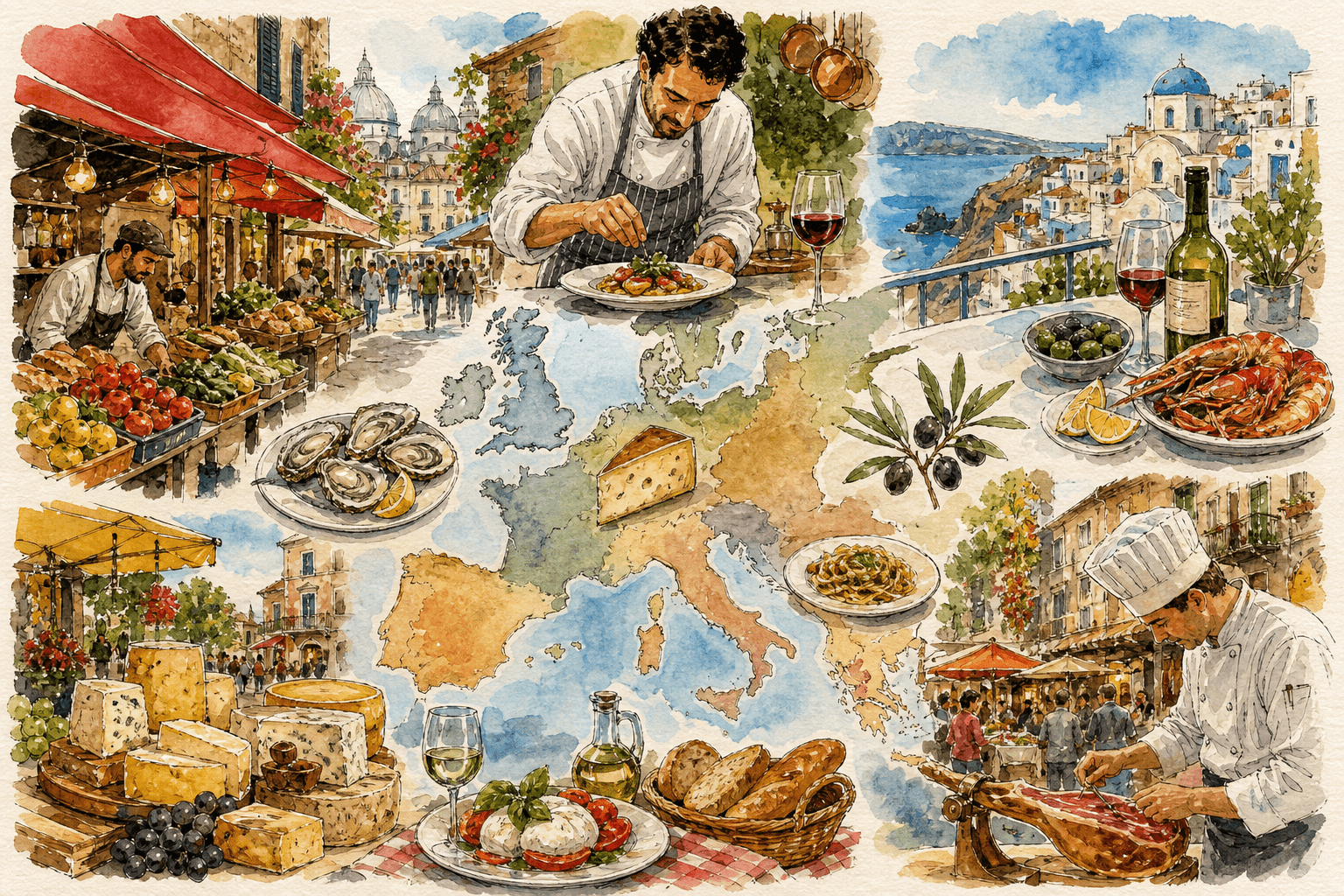
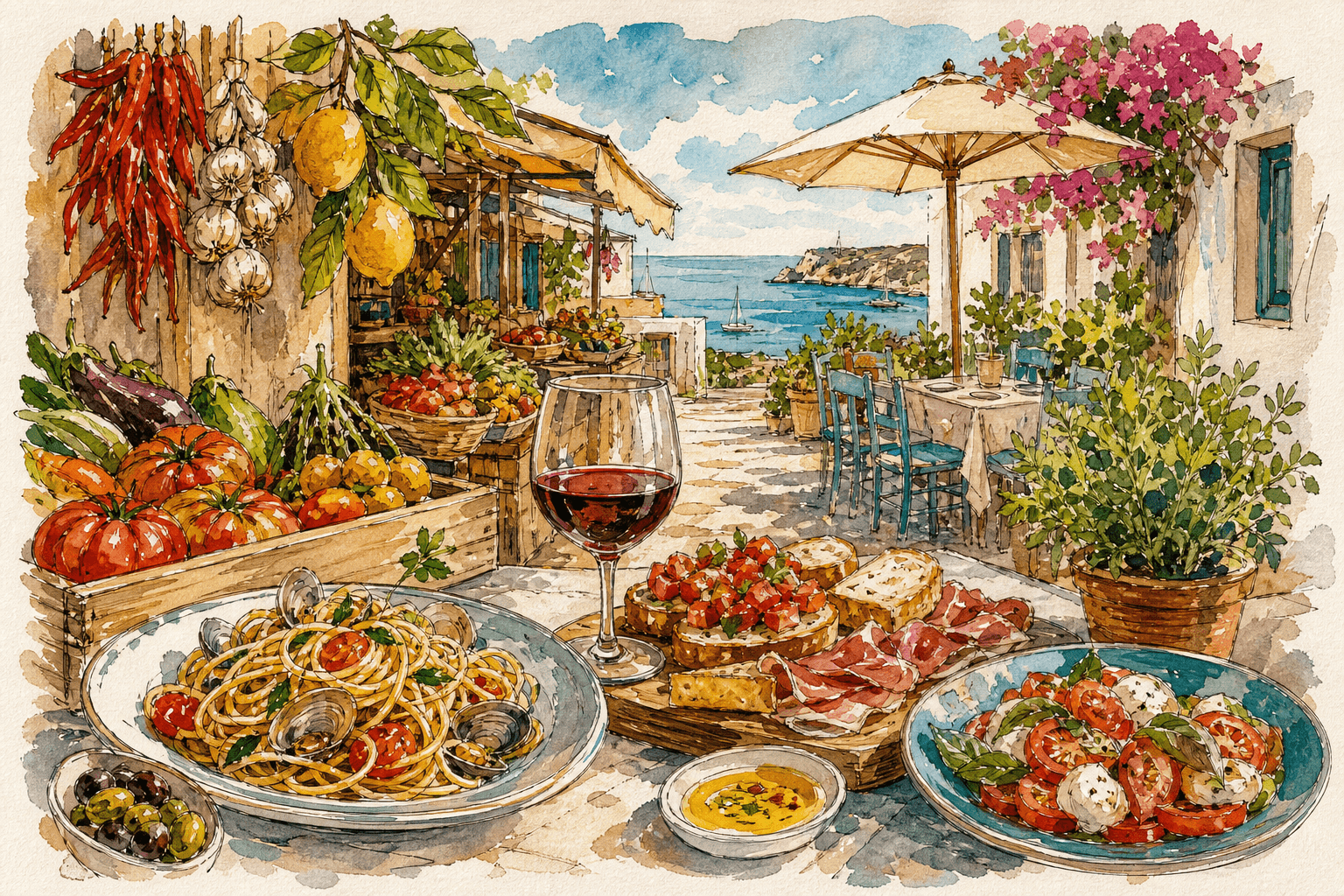
Asturian gastronomy is generous, powerful and full of products. It is the cuisine of the spoon, of slow stews and authentic flavors. The sacred trilogy is fabada, cheeses and cider, but its pantry is immense, from Cantabrian fish and seafood to the exceptional Asturian veal.

Regional Specialties

Asturian Fabada

The most emblematic dish. A powerful and delicious stew of 'farm beans' (a large, buttery white bean) slowly cooked with its 'compango': chorizo, Asturian blood sausage and bacon.

Cachopo

A hearty dish that has gained enormous fame. Two large breaded Asturian beef fillets, stuffed with serrano ham and cheese. Its size is usually a challenge for the diner.

Asturian Cheeses

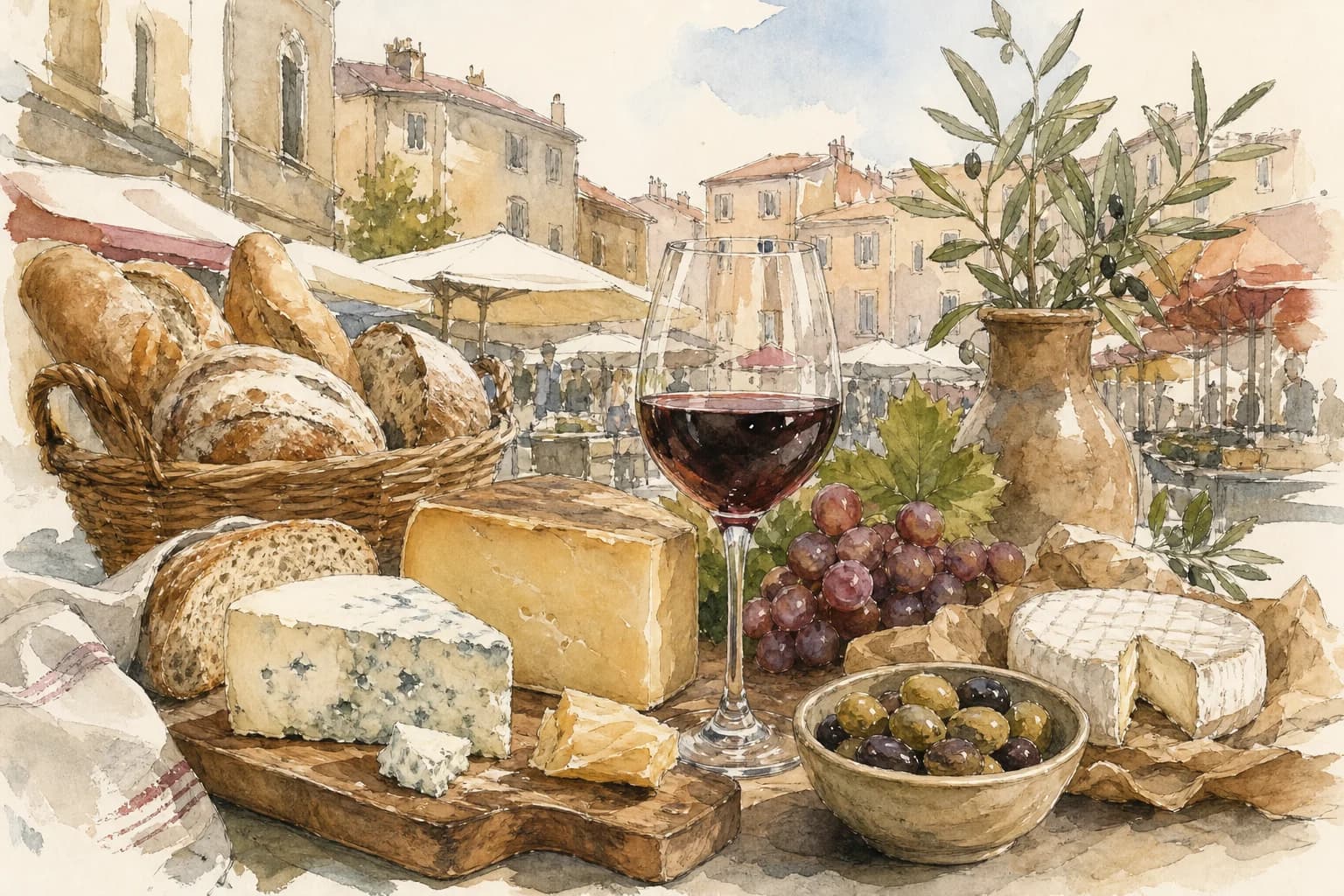
Asturias is the largest cheese producing area in Europe. There are more than 40 varieties. You can't miss Cabrales, a powerful and spicy blue cheese matured in natural caves; the Gamonéu, smoked and with a spicy touch; or the creamy Afuega'l Pitu.

Fish and Seafood from the Cantabrian Sea

The quality of the product is exceptional. Try pixín (monkfish), hake with cider, or oricios (sea urchins) in season. The scorpionfish pie is a delicious starter.

Asturian Pot

First cousin of the factory. A cabbage stew with beans and potatoes, also accompanied by its compango. A traditional dish from winter cuisine.

Chorizo ​​with cider

A simple and irresistible appetizer. Quality Asturian chorizos cooked slowly in natural cider until the sauce reduces and is infused with flavor.

Typical Drinks

Natural Cider

The Asturian drink par excellence. It is a fermented apple cider, without added carbonation. The ritual of 'escanciado' (serving it from above to oxygenate it) is essential and is drunk in 'culines' (small quantities).

Cangas Wine

A Protected Designation of Origin that represents the wine tradition of the Asturian mountains. They are heroic wines, grown on steep slopes, mainly from native red varieties.

Sweet Treats

Rice pudding

Although it is made throughout Spain, Asturian is especially famous for its creaminess. It is cooked very slowly and served with a layer of burnt sugar on top, like a crème brûlée.

Casadielles

A typical fried dessert of the carnival. A fried wheat flour dough filled with a mixture of ground walnuts, sugar and anise.

Frixuelos

The Asturian version of crêpes. Thin dough of milk, egg and flour that is fried and served sprinkled with sugar or filled with cream or chocolate.

Tocinillo de Cielo de Grado

An intense and delicious sweet made from caramelized egg yolk and sugar, with a great tradition in the town of Grado.

Practical Information

UNESCO Sites

Monuments of Oviedo and the Kingdom of Asturias

A set of churches and pre-Romanesque buildings unique in the world, such as Santa María del Naranco or San Julián de los Prados.

Caminos de Santiago de Compostela (Primitive Way and Coastal Way)

The Camino Primitivo, which starts from Oviedo, is the first and oldest Jacobean pilgrimage route.

Caves with Paleolithic Rock Art

Several Asturian caves, such as Tito Bustillo in Ribadesella, are part of this complex, with important prehistoric paintings and engravings.

Biosphere Reserves

Asturias has 7 Biosphere Reserves, including the Picos de Europa and Muniellos, the largest oak forest in Spain, which demonstrates its incalculable natural value.

Best Time to Visit

Summer (July and August) is the most popular time, with the best weather to enjoy the coast and the parties. Spring and autumn are ideal for rural tourism, hiking and enjoying the landscape with spectacular colors and fewer people. Winter is for those who are not afraid of rain and cold, and seek tranquility and spoon-fed cuisine.

Travel Warnings

The weather is very variable, even in summer. It is always advisable to carry a raincoat. Many mountain and coastal roads are narrow and winding, so drive with caution. To go up to the Covadonga Lakes in high season, access by private car is restricted and it is mandatory to use authorized buses.

Ready to Explore?

Start planning your perfect trip to this amazing region