Preparing the experience...
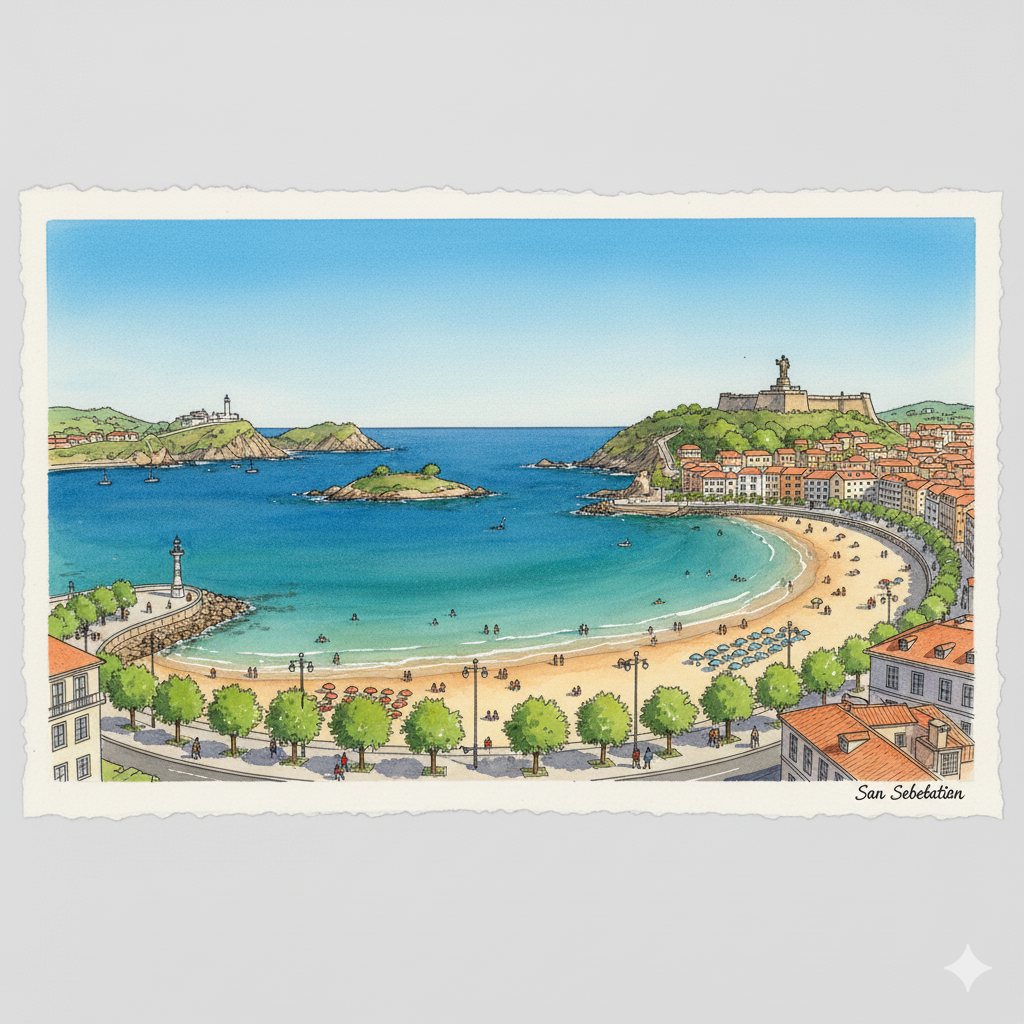
The Basque Country, or Euskadi, is a land of powerful contrasts and an unmistakable identity. It is a region that overlooks the Cantabrian Sea with a rugged and wild coastline, dotted with charming fishing villages and beaches that are paradise for surfers. Towards the interior, the intense green of its valleys and mountains hides traditional farmhouses ('baserris') and a deeply rooted culture. Its cities are an example of transformation and avant-garde: Bilbao has gone from being an industrial engine to a world reference for art with the Guggenheim Museum, while San Sebastián (Donostia) is the undisputed capital of haute cuisine, a gastronomic Eden where 'pintxos' are a way of life. Visiting Euskadi is discovering an ancient culture, a language (Basque) that is a linguistic treasure and a passion for food that can be felt in every bar and restaurant.
Descubre las ciudades más fascinantes de The Basque Country

Bilbao estará disponible próximamente con información completa y detallada.

San Sebastián estará disponible próximamente con información completa y detallada.

Vitoria-Gasteiz estará disponible próximamente con información completa y detallada.
Getxo estará disponible próximamente con información completa y detallada.
The Basque festivals ('jaiak') are an explosion of culture, rural sports and popular participation. The 'Aste Nagusia' (Big Week) of its capitals is the best example.
August.
The great summer parties. For nine days, the cities are filled with concerts, fireworks (the San Sebastián competition is very famous), street theater and an unbeatable festive atmosphere. The character of Marijaia is the icon of the Bilbao festival.
January 20.
For 24 hours, the city resounds to the sound of drums. Companies of adults and children, dressed as cooks and soldiers, parade playing non-stop to celebrate the day of their patron saint, San Sebastian.
From August 4 to 9.
The festivities of the Basque capital start with the spectacular 'Bajada de Celedón', a doll that descends with an umbrella from the church bell tower to a balcony, where it is incarnated as a person to start the party.
September.
One of the most prestigious film festivals in the world. For a week, movie stars walk through the city, which becomes the epicenter of the seventh art.
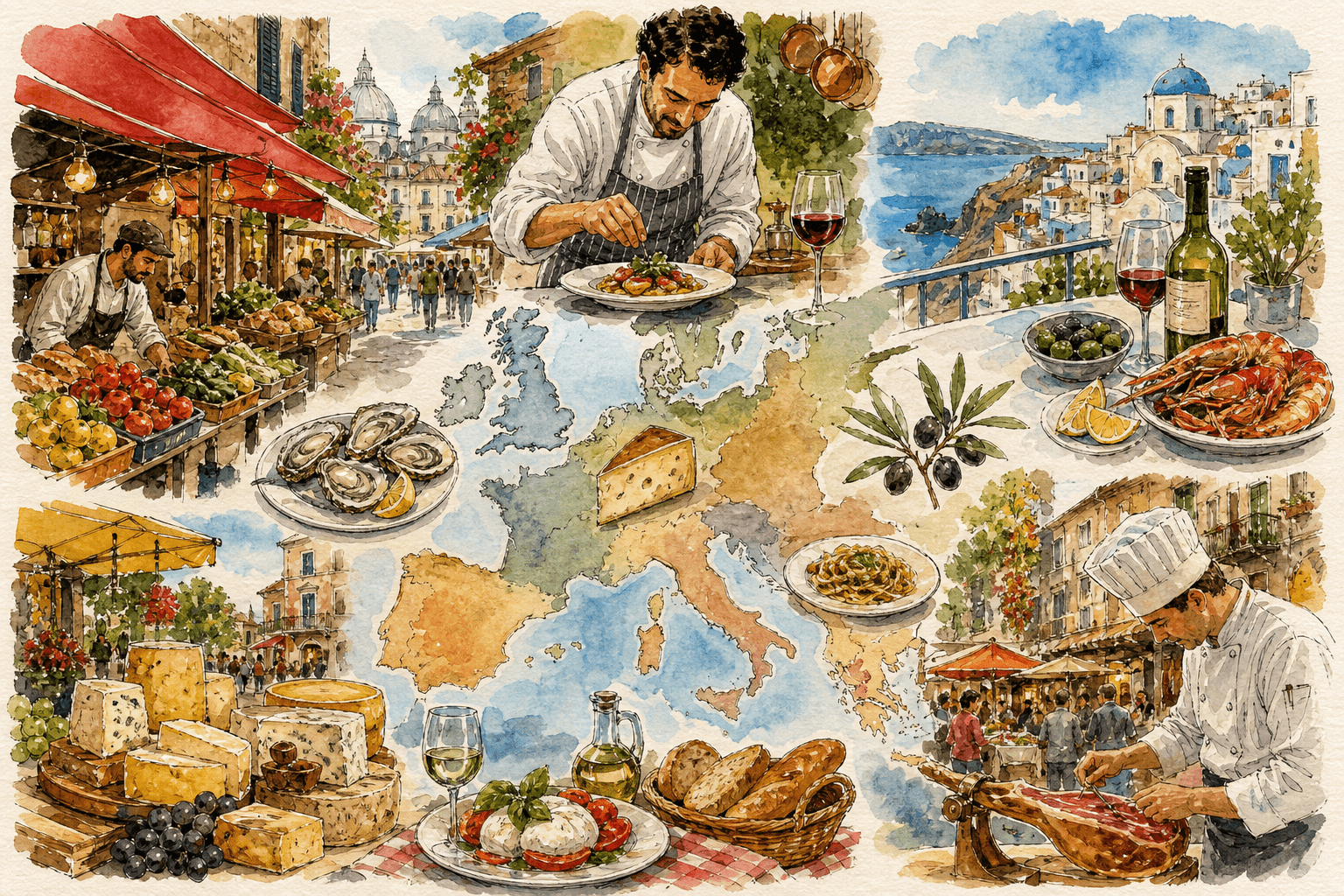
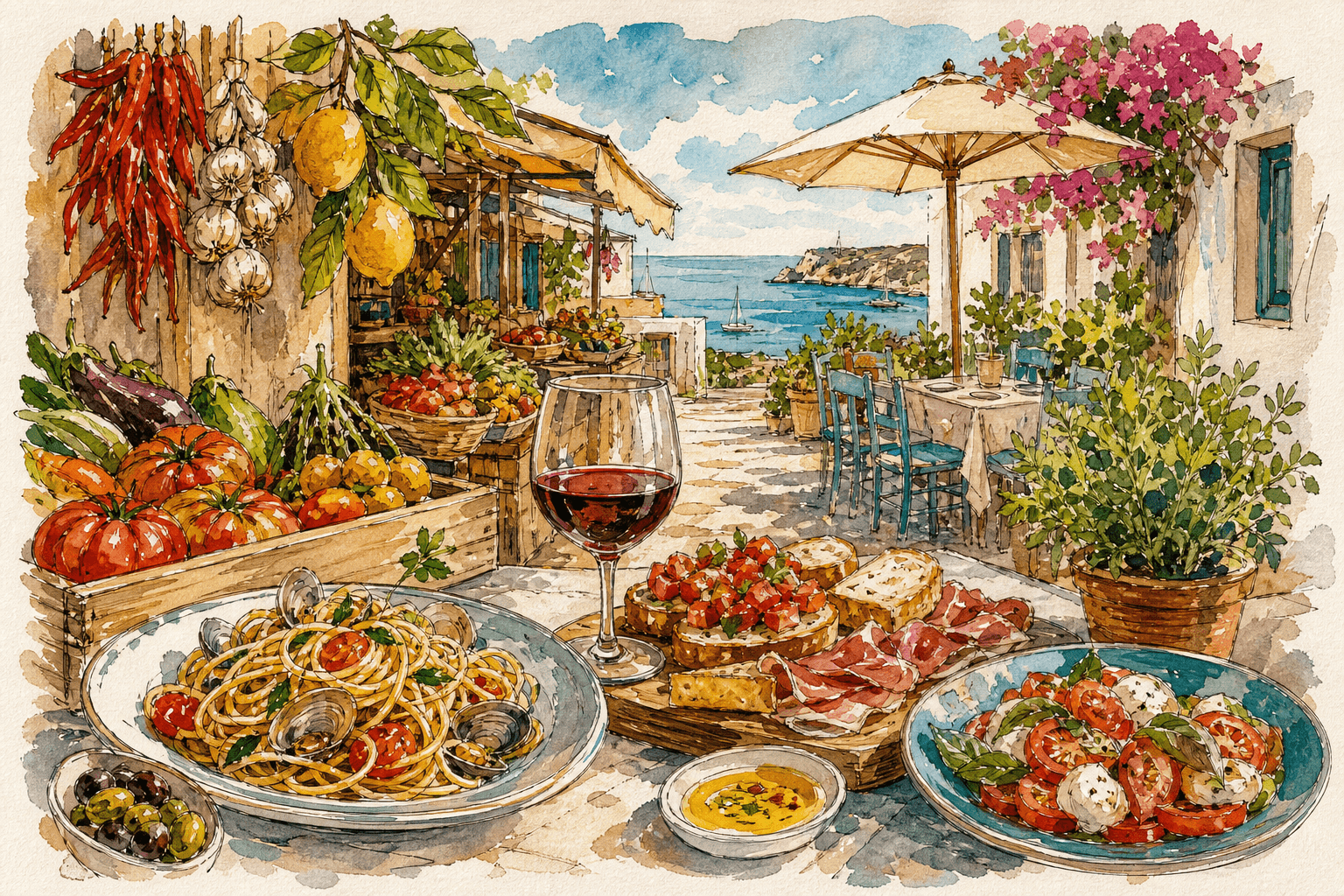
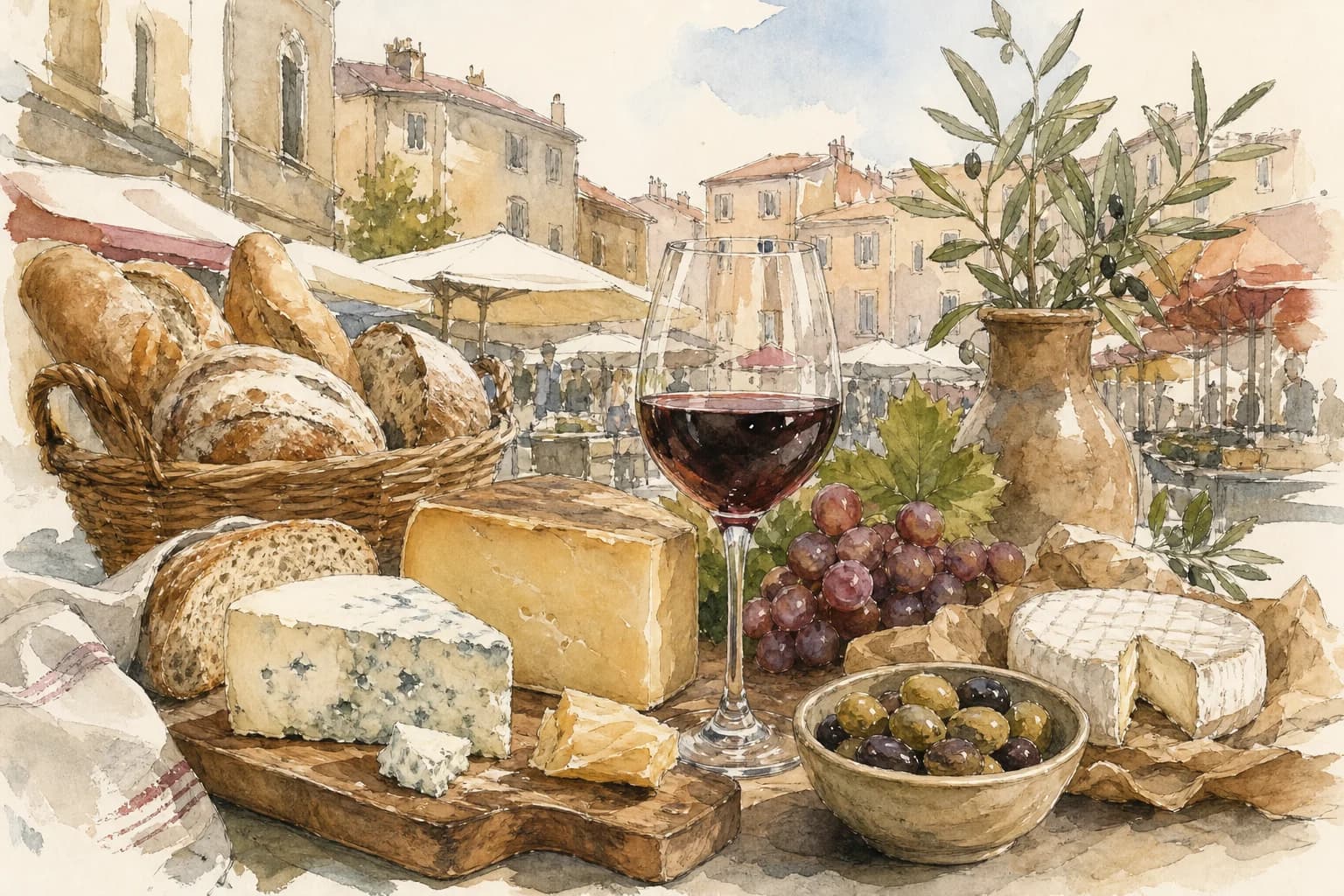
Gastronomy is the cornerstone of Basque culture. From haute cuisine (Euskadi is one of the regions with the most Michelin stars in the world) to the 'pintxo' culture, eating here is a social experience and an art. The quality of the raw material, both from the sea and the land, is non-negotiable.
The Basque version of tapas, but elevated to the category of miniature haute cuisine. They are displayed on the bars of the bars. From the classic 'Gilda' (olive, chilli and anchovy) to incredibly elaborate creations. The tradition is to go from bar to bar ('txikiteo') trying several.
Two masterful ways to prepare cod. The 'pil-pil' is cooked over low heat in olive oil, binding the fish gelatin into an emulsion. The 'Vizcaína' style is accompanied by a red sauce made with chorizo pepper.
A powerful and tasty seafood stew. A stew of northern albacore with potatoes, pepper and onion, traditional on fishing boats ('arrantzales').
The temple of carnivores. A large and thick old beef chop, matured and cooked on the grill until it is sealed on the outside and red on the inside. Typical of cider houses.
A small, buttery black bean, famous for its quality. They are cooked slowly and traditionally served with their 'sacraments': cabbage, blood sausage and Ibarra chillies.
An iconic dish of Basque cuisine. Slices of hake cooked in a sauce based on garlic, parsley and fish broth, often accompanied by clams and asparagus.
The Basque wine par excellence. A young, fruity white wine, with a slight acidity and often with a small needle (bubble). It is served by pouring it from a certain height to release its aromas.
Different from other ciders, it is drier and more acidic. Tradition dictates drinking it directly from the enormous barrels ('kupelas') shouting 'txotx!' in the cider houses ('sagardotegiak').
The southern part of the Basque Country belongs to the prestigious D.O.Ca. Rioja. This subarea is famous for its elegant red wines with great aging capacity, with wineries with avant-garde architecture.
Although its origins are humble and linked to popular festivals, this mixture of red wine and cola is an icon of Basque youth culture and is consumed massively at any celebration.
A rustic and delicious cake. A buttery pastry that is traditionally filled with custard or sometimes black cherry jam.
It means 'sweet' in Basque. A typical dessert from Vitoria that is assembled in layers: cream, sponge cake, pastry cream and a layer of caramelized sugar on top.
A traditional dessert from San Sebastián. A puff pastry cake filled with pastry cream and covered with almonds. Served warm.
A simple and natural dessert. Curdled sheep's milk due to the effect of rennet, which was traditionally obtained from thistle. It is served cold and is usually accompanied with honey or nuts.
Known as the Suspension Bridge, it is an icon of the Industrial Revolution and the world's first ferry bridge, still in operation.
Several Basque caves (Ekain, Santimamiñe, Altxerri) are part of this complex, with important prehistoric cave paintings.
Both the Coastal Route and the Inland Route cross Euskadi, with important milestones and a rich heritage associated with the pilgrimage.
Recognized as a World Important Agricultural Heritage System (GIAHS) by the FAO, a unique salt landscape in the world.
Summer (June-September) is the most popular time, with mild and pleasant temperatures, ideal for enjoying the coast and the parties. Spring and autumn are perfect for urban and gastronomic tourism, with fewer people and beautiful light. Winter is colder and rainier, but ideal for living experiences such as the cider season ('txotx') and enjoying spoon-fed cuisine.
The weather in the Basque Country is very variable and can change quickly. It is advisable to always carry an umbrella or a raincoat, even in summer ('sirimiri' is a fine, constant rain). Parking in the center of San Sebastián and Bilbao can be very complicated and expensive; It is preferable to use public transportation. To eat pintxos, the usual thing is to order at the bar and eat standing up, moving from one bar to another.
Start planning your perfect trip to this amazing region