Preparing the experience...
Cantabria is a green jewel on the Cantabrian coast, a territory that condenses an incredible variety of landscapes in a small space. It is a land that lives facing the sea, with a coastline of more than 200 kilometers dotted with spectacular beaches, fishing villages and imposing cliffs. But when you turn your back on the Cantabrian Sea, the landscape rises sharply towards the majestic peaks of the Picos de Europa. Cantabria is a journey to the origins of art, the cradle of the cave paintings of Altamira, the 'Sistine Chapel' of Paleolithic art. It is a region of leafy valleys and meadows, of mountain houses made of stone and wood, and of honest gastronomy that fuses the best of the sea and the mountains. Visiting Cantabria is discovering towns that seem frozen in time, breathing the pure air of its natural parks and feeling the strength of a landscape that has shaped a noble and welcoming character.
Descubre las ciudades más fascinantes de Cantabria

Santander estará disponible próximamente con información completa y detallada.
Torrelavega estará disponible próximamente con información completa y detallada.
Castro Urdiales estará disponible próximamente con información completa y detallada.
Camargo estará disponible próximamente con información completa y detallada.
The festivals in Cantabria are closely linked to the sea, mountain traditions and historical recreations, with a very popular and participatory character.
Last weekend of August and first of September.
One of the most spectacular historical recreations in Spain. Thousands of people dressed in period clothing recreate the battles between the Cantabrian tribes and the Roman legions, with camps, parades and performances.
Second Sunday after Easter.
A colorful maritime procession. The image of the virgin is taken in procession through the town and embarked on a decorated fishing boat that travels the estuary accompanied by the entire local fleet sounding its sirens.
Around July 25 (Santiago).
The great festival of the Cantabrian capital. Concerts, fair booths, shows and fireworks. It coincides with the Santiago bullfighting fair and has a very lively atmosphere both day and night.
First Friday in July.
A spectacular night party declared of National Tourist Interest. A parade of artistic floats, magnificently illuminated and decorated with white tissue paper, accompanied by parades and fireworks.
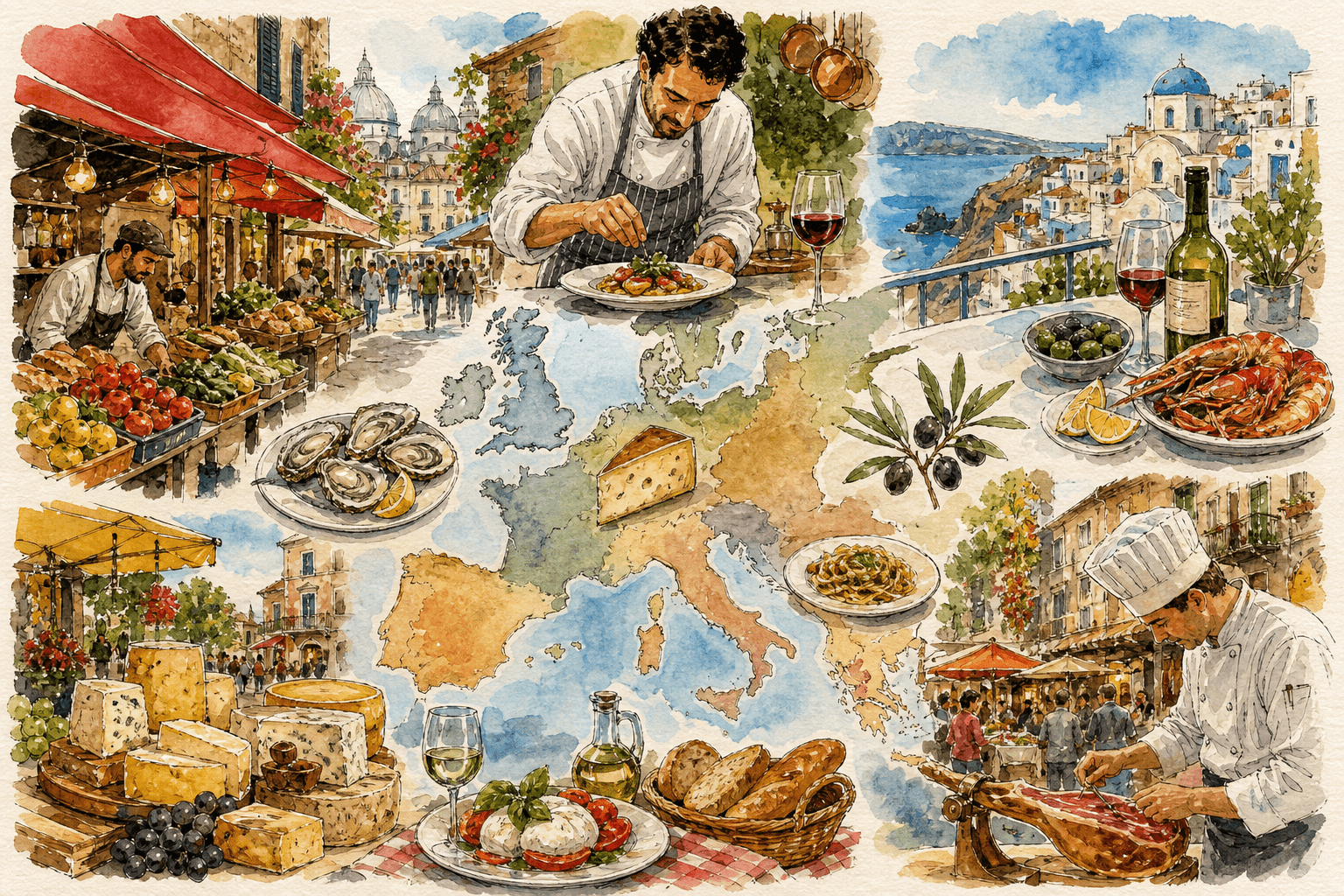
Cantabrian gastronomy is a perfect reflection of its landscape: a pantry of sea and mountains. It is a cuisine of products, with fish and shellfish of the highest quality, excellent meats from the inland valleys and powerful, artisan cheeses.
The spoon dish par excellence, cousin of the Galician pot and the Asturian fabada. Unlike others, its base is not chickpeas, but white beans and cabbage, accompanied by its 'compango' of chorizo, ribs, blood sausage and bacon.
Considered the best in the world. Cantabrian bocarte fillets made by hand, with just the right amount of salt and an unmistakable color and texture. A delicacy.
The most popular tapa or portion in Cantabria, especially on Sundays at vermouth time. Battered and fried squid strips. The quality and the frying point make the difference.
The quality of the fish is exceptional. Try the northern tuna in 'sorropotún' or 'marmita', the hake in green sauce or a wild sea bass in salt.
The native breed of cow from Cantabria, raised in the mountains. A tasty meat with character, ideal for stews or grilled.
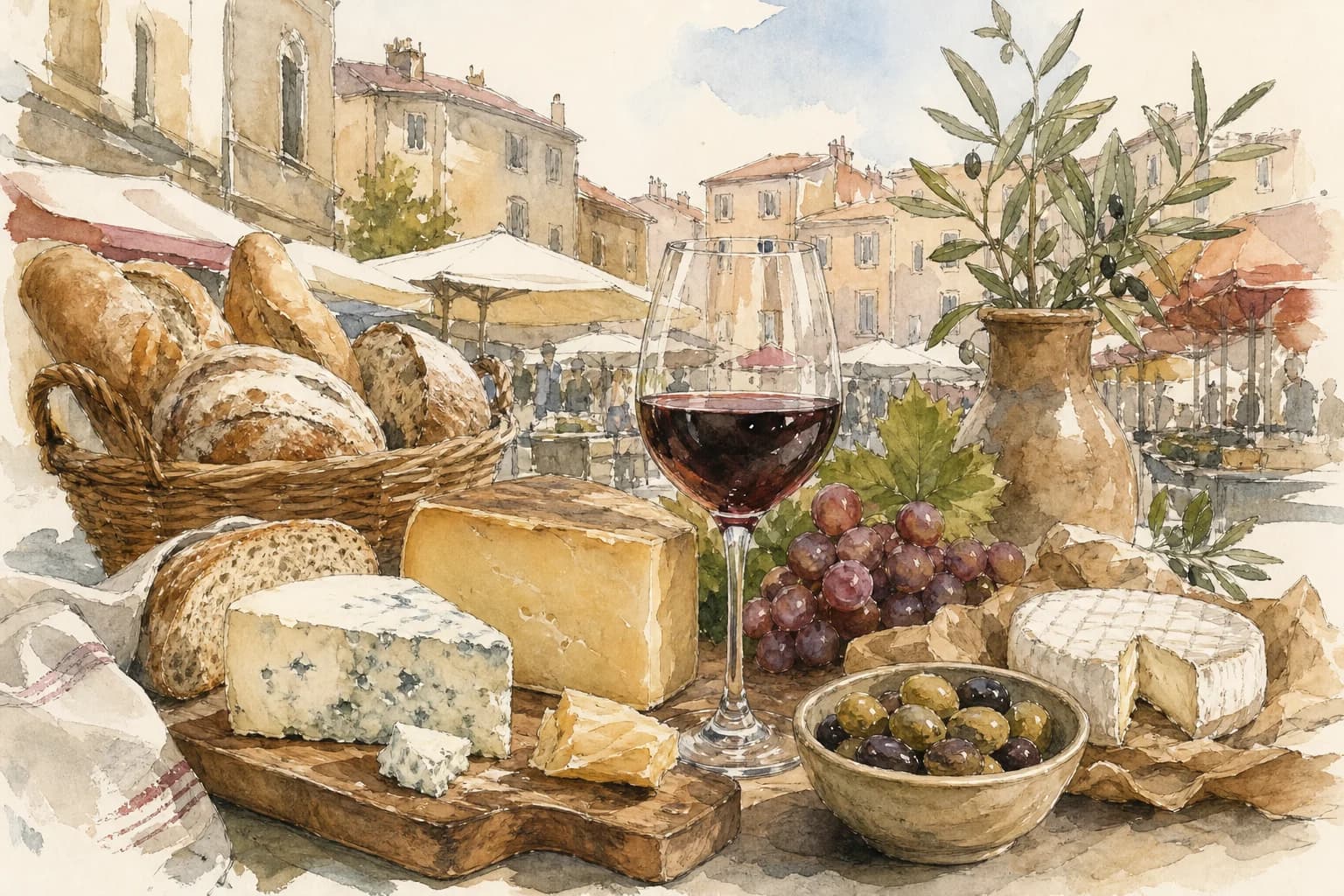
A region with a great cheese tradition. Highlights include Picón Bejes-Tresviso Cheese, a powerful blue cheese similar to Cabrales; the Quesucos de Liébana, small and with a varied flavor; or the cream cheese from Cantabria.
A high quality spirit distilled in the Liébana region, in the Picos de Europa. It is taken alone, in its herbal version, or as a base for 'port tea', a hot tea drink.
Cantabria is recovering its wine tradition with fresh, Atlantic white wines, made with grapes such as Albariño and Godello. They are perfect for seafood and fish from the region.
The most famous sweet. An incredibly juicy and buttery rectangular cake, with an unmistakable flavor. A product with Protected Geographical Indication.
The other great sweet of the Pasiegos Valleys. A dense and creamy dessert, halfway between a pudding and a flan, made with fresh curdled cow's milk, butter, flour and sugar.
A thin and crispy puff pastry sweet in the shape of a tie or bow tie, covered with a sugar and almond glaze.
Traditional desserts shared with neighboring regions. Frisuelos are the local version of crêpes, and leche frita is a fried milk cream coated in sugar and cinnamon.
Cantabria is a world power in rock art. In addition to Altamira, nine other Cantabrian caves (El Castillo, Covalanas, La Garma...) are part of this World Heritage site.
Two pilgrimage routes cross Cantabria. The Lebaniego Way is its own route that takes pilgrims to the Monastery of Santo Toribio.
Summer (end of June to beginning of September) is the best time, with pleasant temperatures and the greatest number of hours of sunshine to enjoy the coast and the mountains. Spring and autumn are ideal for rural and cultural tourism, with spectacular landscapes and fewer crowds. Winter is cool and humid, but perfect for a gastronomic getaway and enjoying the tranquility.
The weather is very variable, the saying 'in Cantabria you can experience all four seasons in one day' is famous. It is always useful to carry a raincoat. To access the Altamira Neocave, it is highly recommended to buy tickets online in advance, especially in high season. Access to some beaches and natural areas can be complicated due to narrow roads, it is recommended to drive calmly.
Start planning your perfect trip to this amazing region