Preparing the experience...
Castilla-La Mancha is the heart of Cervantes' Spain, a land immortalized in the pages of 'Don Quixote'. It is a region of flat horizons and immense skies, where the silhouette of windmills against the evening sun evokes adventures of noblemen and giants. Its historic capital, Toledo, the 'City of Three Cultures', is a labyrinth of history where Christians, Muslims and Jews coexisted. Cuenca defies gravity with its famous Hanging Houses on the edge of a cliff. But Castilla-La Mancha is also the freshness of the Lagunas de Ruidera, the forests of the Montes de Toledo and the largest area of vineyards in the world. Visiting this land is following in the footsteps of Don Quixote, discovering cities that are authentic open-air museums and enjoying robust and authentic gastronomy, born from the land.
Descubre las ciudades más fascinantes de Castile-La Mancha

Albacete estará disponible próximamente con información completa y detallada.

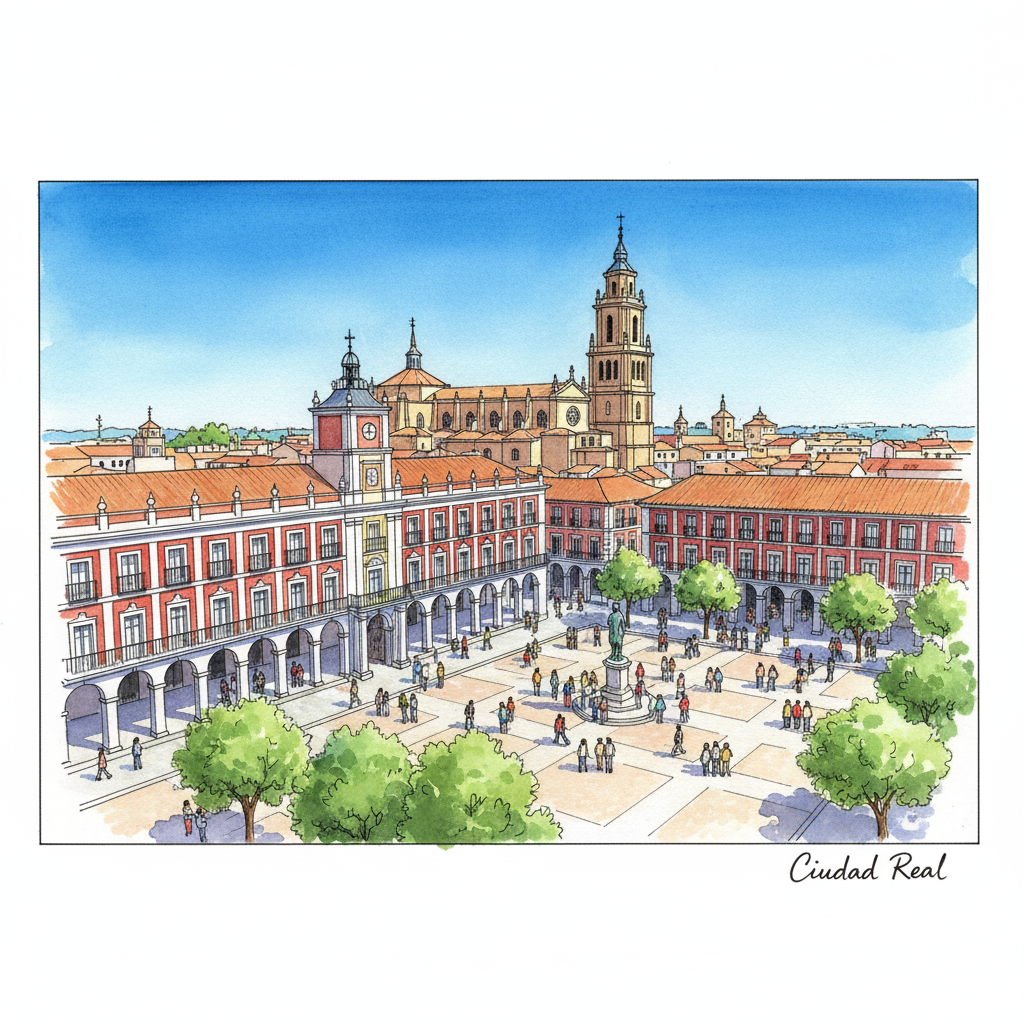
Ciudad Real estará disponible próximamente con información completa y detallada.

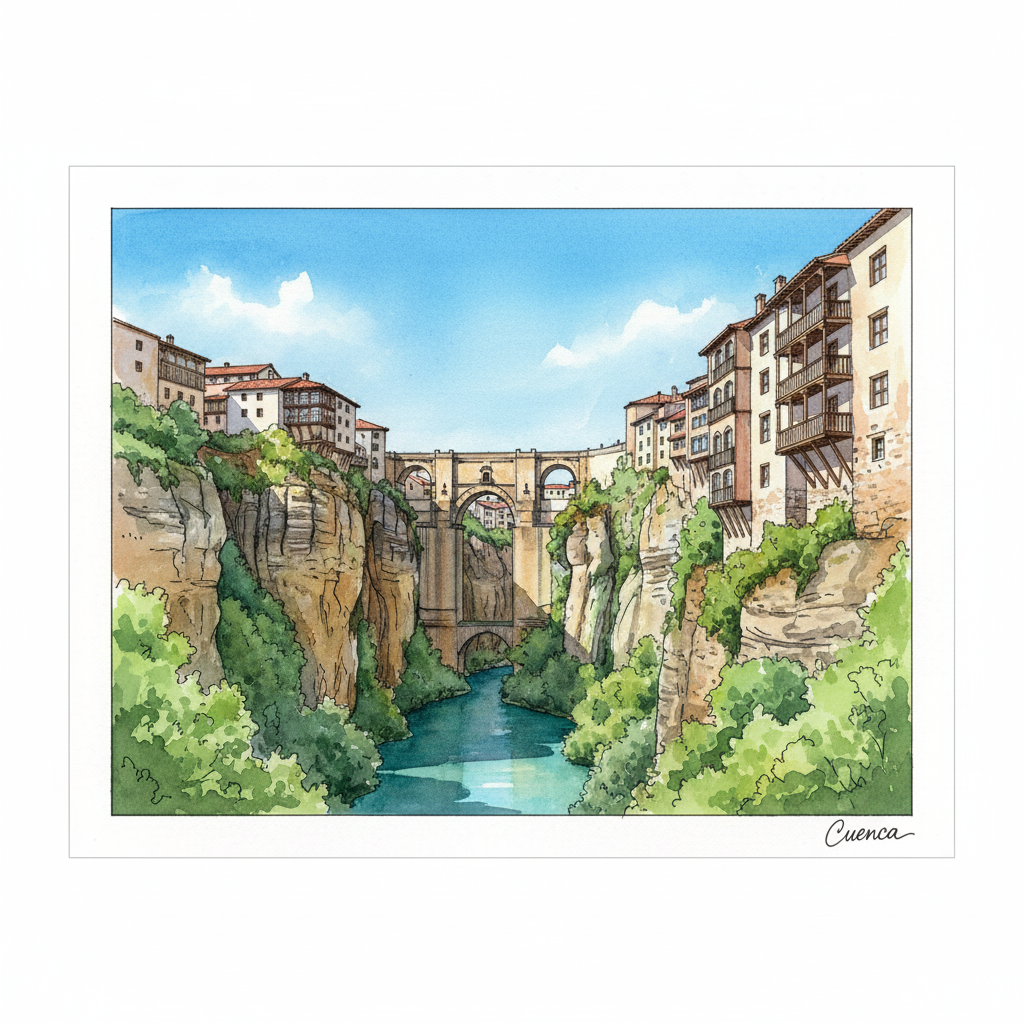
Cuenca estará disponible próximamente con información completa y detallada.

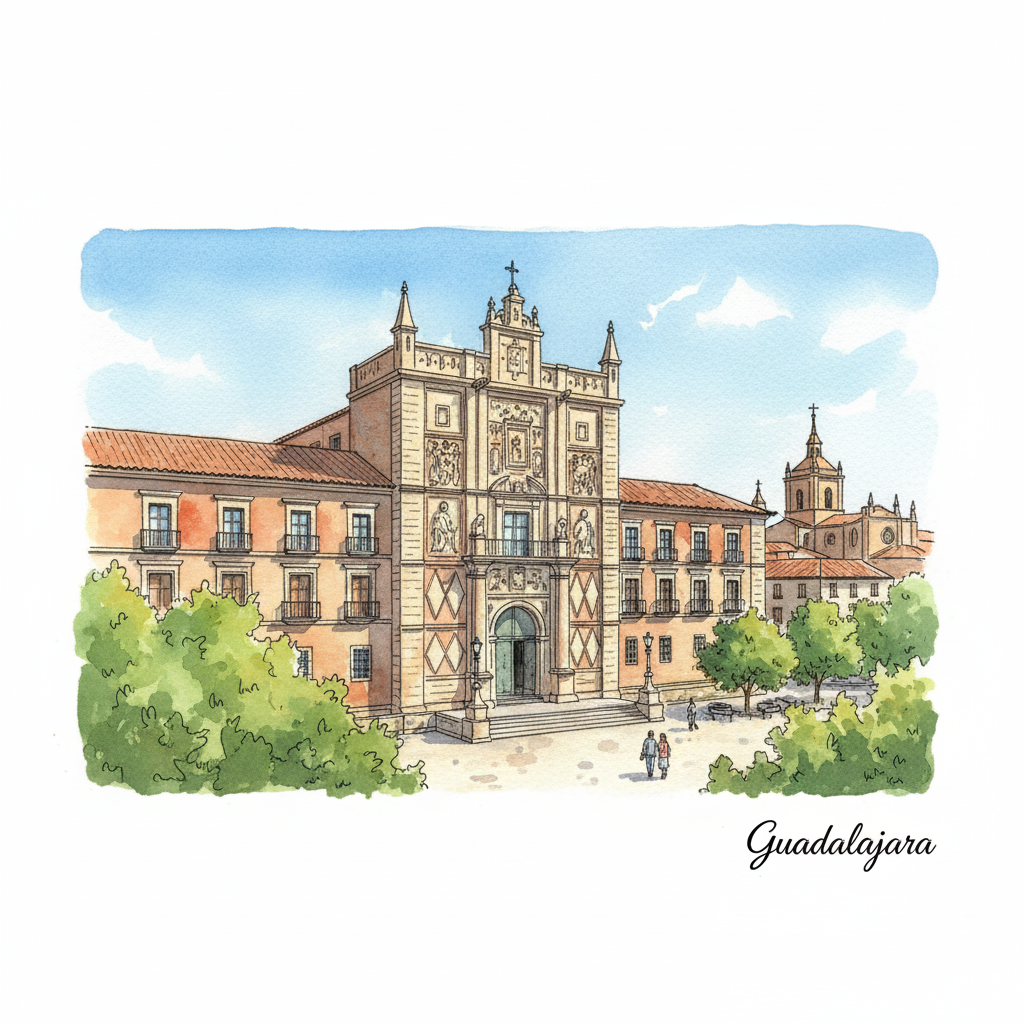
Guadalajara estará disponible próximamente con información completa y detallada.

Toledo estará disponible próximamente con información completa y detallada.
The festivals in Castilla-La Mancha are deeply rooted in religious tradition, history and popular folklore.
End of May or beginning of June.
Declared of International Tourist Interest. The streets of Toledo are decorated with enormous tapestries, awnings, flowers and aromatic herbs for the solemn procession of the Blessed Sacrament in the spectacular Custody of Arfe. The atmosphere is unique.
Easter week.
Famous for its austere and emotional processions that run through the steep streets of the old town. The 'Turbas' concert, in the 'Camino del Calvario' procession in the early hours of Good Friday, is an overwhelming and unique moment.
July.
The most important event in the world with the theater of the Spanish Golden Age. The performances in the historic Corral de Comedias are an unforgettable experience.
From September 7 to 17.
Declared of International Tourist Interest. One of the oldest and liveliest fairs in Spain, held in a unique 18th century fairground, known as 'la Sartén'.
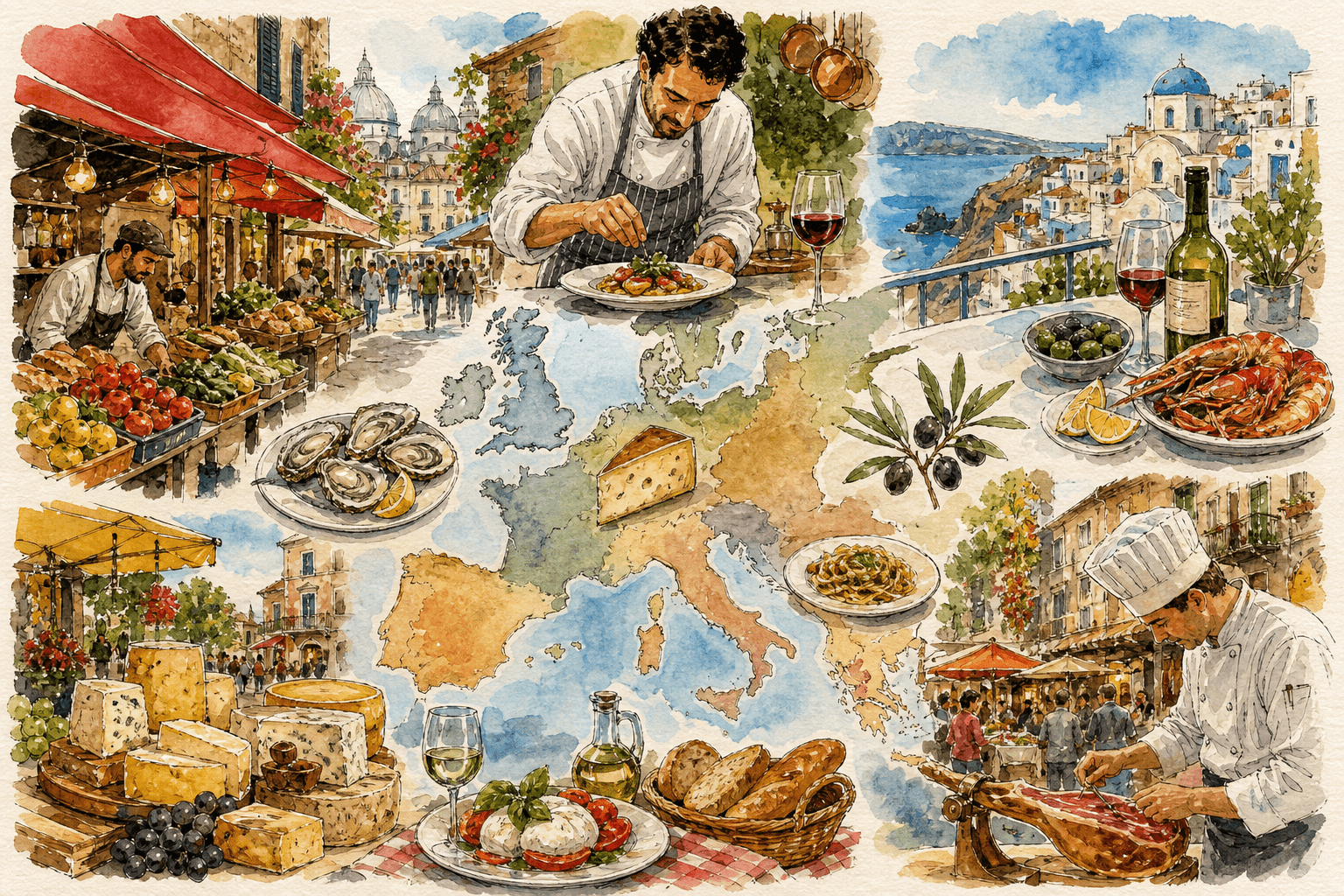
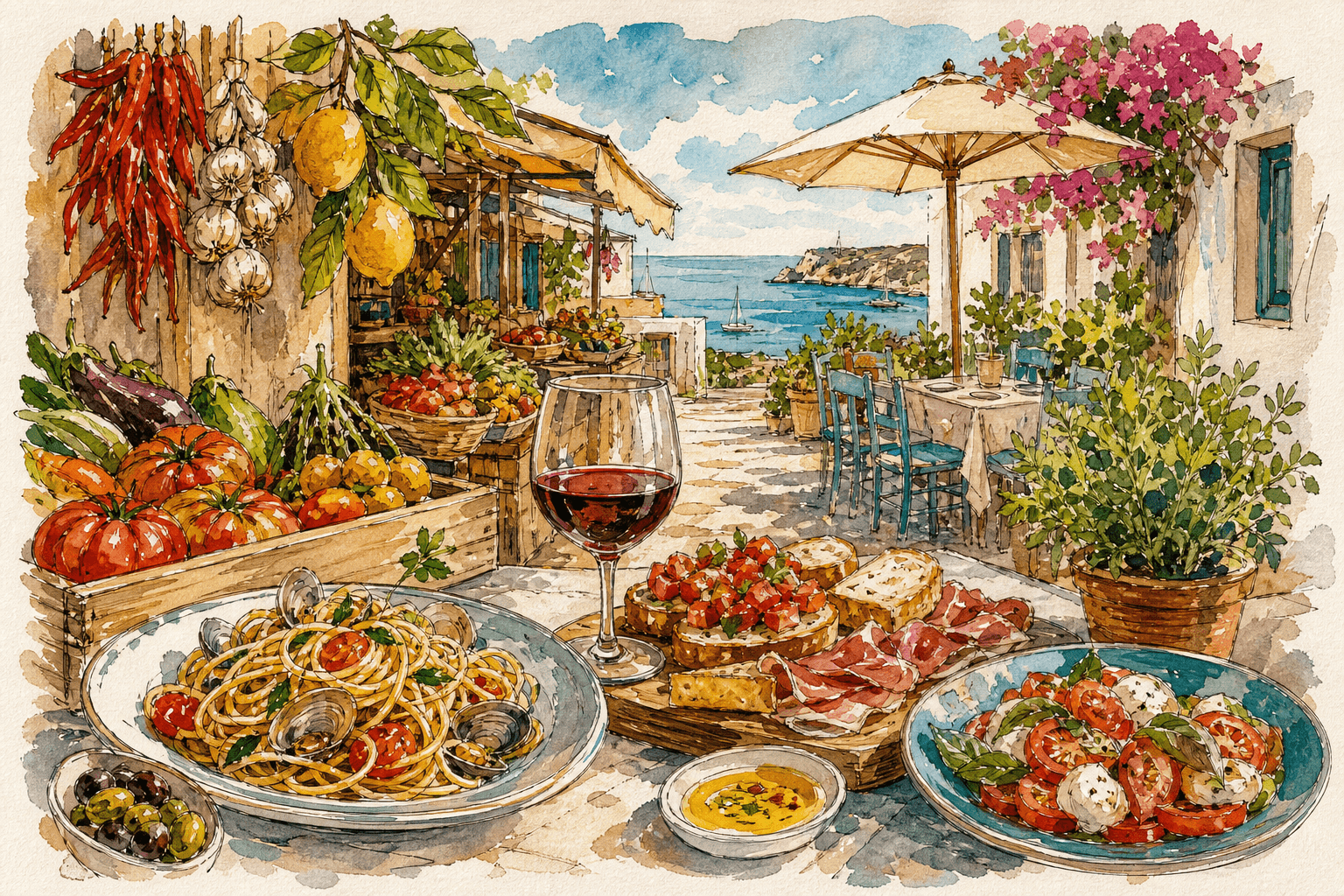
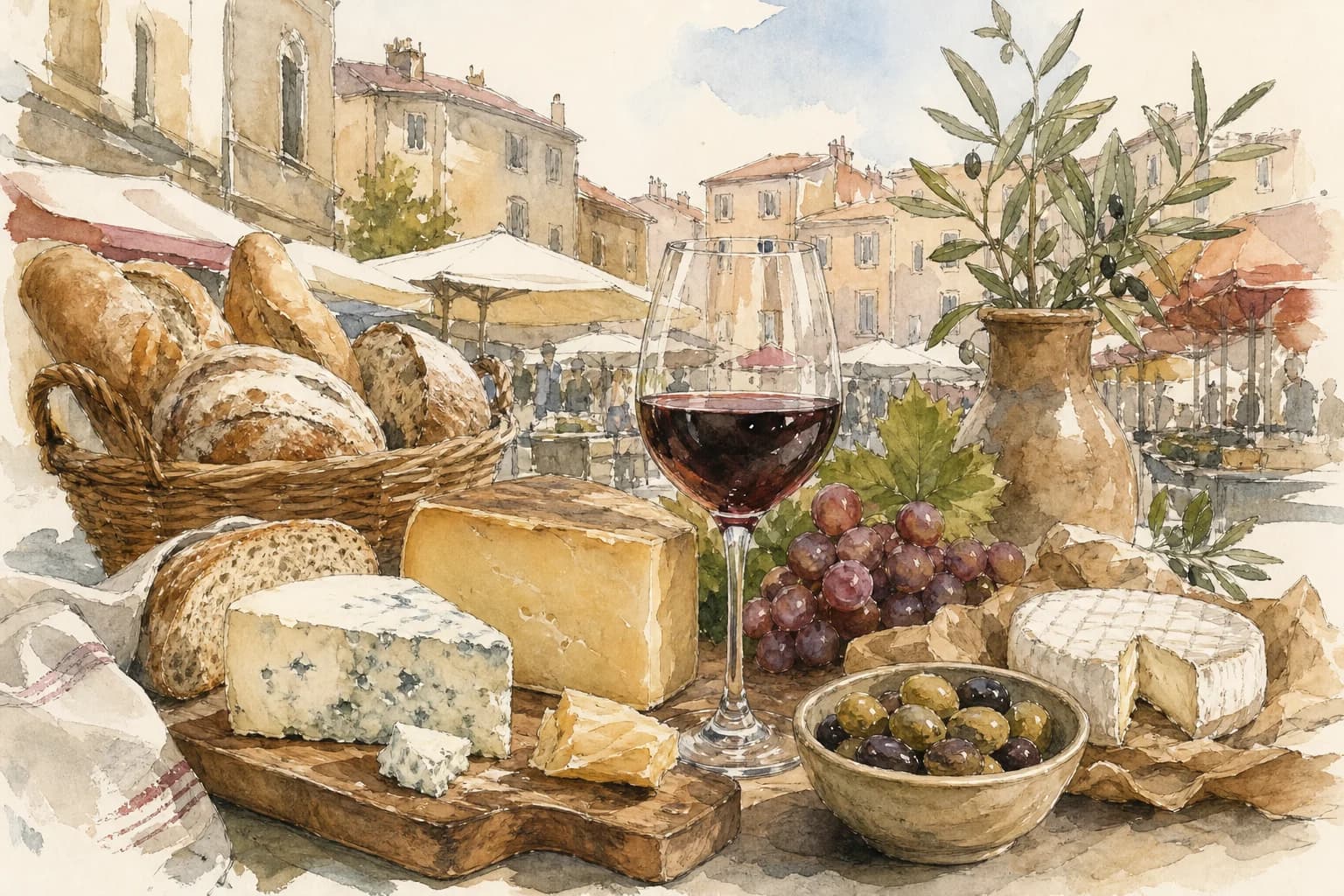
La Mancha gastronomy is a cuisine of shepherds and hunters, strong, forceful and with authentic flavors. It is based on local products, such as lamb, game meats, legumes and, of course, its world-famous cheese.
The most famous cheese in Spain, with Designation of Origin. Made exclusively with milk from La Mancha sheep. You will find it fresh, semi-cured, cured or in oil. An essential delicacy.
A humble and very energetic dish, traditional for cold days of slaughter. A type of porridge made with pea flour, garlic, paprika and pieces of fried bacon and chorizo.
A slow fry of garden vegetables, mainly peppers, tomatoes and zucchini. It is often served with a fried egg on top.
With Protected Geographical Indication. It is usually prepared roasted in the oven, a simple way that enhances the quality of the meat, or in stew, a tasty and traditional stew.
A typical game dish from Cuenca. A kind of hot and thick pâté, made with pork liver and small game meat (hare, partridge, rabbit), breadcrumbs and spices. It is spread on bread.
Another strong dish from the slaughter. Pork liver crushed and fried with bread, garlic, pine nuts and spices, until forming a spreadable paste.
Crumbled and moistened hard bread, which is fried slowly with garlic and is usually accompanied by chorizo, bacon or grapes.
Known as 'Europe's winery', it is the largest wine region in the world by extension. It produces a huge amount of wine, highlighting the reds from Tempranillo (Cencibel) and the whites from Airén.
A typical Cuenca coffee liqueur, often served at Holy Week. It is made with coffee, brandy, sugar, cinnamon and orange peel, and is served very cold.
A sweet of Arab origin with Protected Geographical Indication. A fine paste of ground raw almonds and sugar, which is baked into different shapes of 'figures'.
Some very thin and light puff pastries filled with cream and sprinkled with icing sugar. Originally from La Roda (Albacete), they are famous throughout Spain.
A fried, crunchy and delicate sweet, which is made with a flower-shaped iron mold. Typical of carnival and Holy Week.
A sweet of Arab origin, typical of the Serranía de Cuenca. A cake made with an almond paste, honey and breadcrumbs, all covered by two wafers.
An exceptional example of a city that has preserved the imprint of the three great medieval cultures: Christian, Jewish and Muslim.
An extraordinarily preserved medieval urban complex built in a spectacular natural location.
Several shelters and caves with important rock paintings in the provinces of Albacete and Cuenca are part of this group.
Recognition of the Almadén mercury mines, the largest in the world, which were in operation from Roman times until a few years ago.
Spring and Autumn are, by far, the best seasons, with an ideal climate for cultural and nature tourism. Winter is cold and dry, but perfect to enjoy the cities' heritage and their strong gastronomy. Summer is very hot and dry throughout the region, with temperatures frequently exceeding 40°C, so outdoor activities should be limited to the early and late hours of the day.
The climate is extreme continental, with cold winters and very hot summers. Prepare for large thermal fluctuations. To explore the Don Quixote Route and the natural landscapes, a car is essential. La Mancha is a very extensive plain, distances can be greater than they seem.
Start planning your perfect trip to this amazing region