
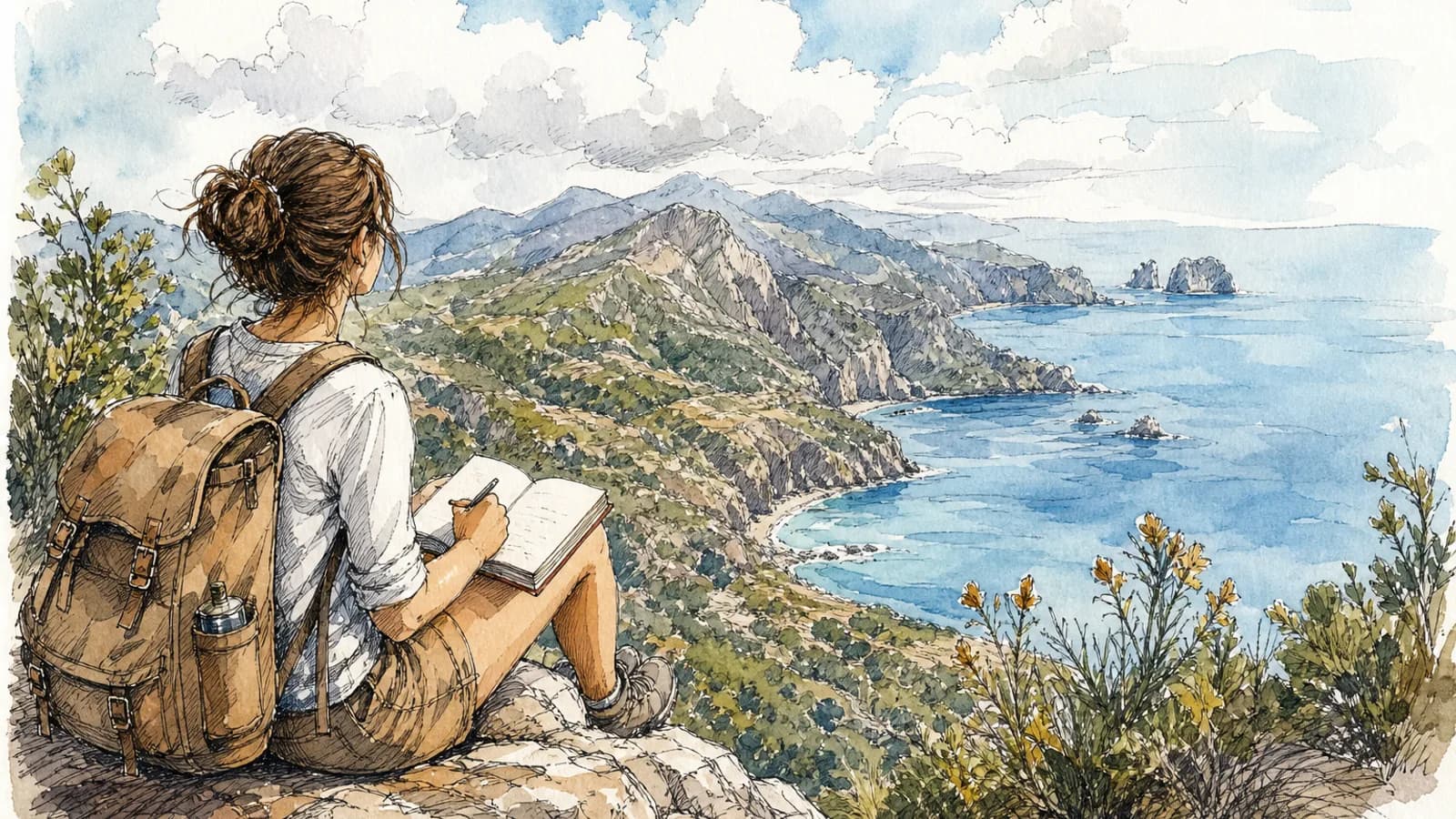
Practical guide · solo travel
Solo travel basics
Solo travel basics: practical safety, your own pace, where to stay and how not to burn out on your first solo trip.
Solo doesn’t mean isolated
You may want quiet or people: design the stay (social hostel vs quiet hotel), one short tour and cafés where solo is normal. First solo trip: one city or a small country, not five hubs.
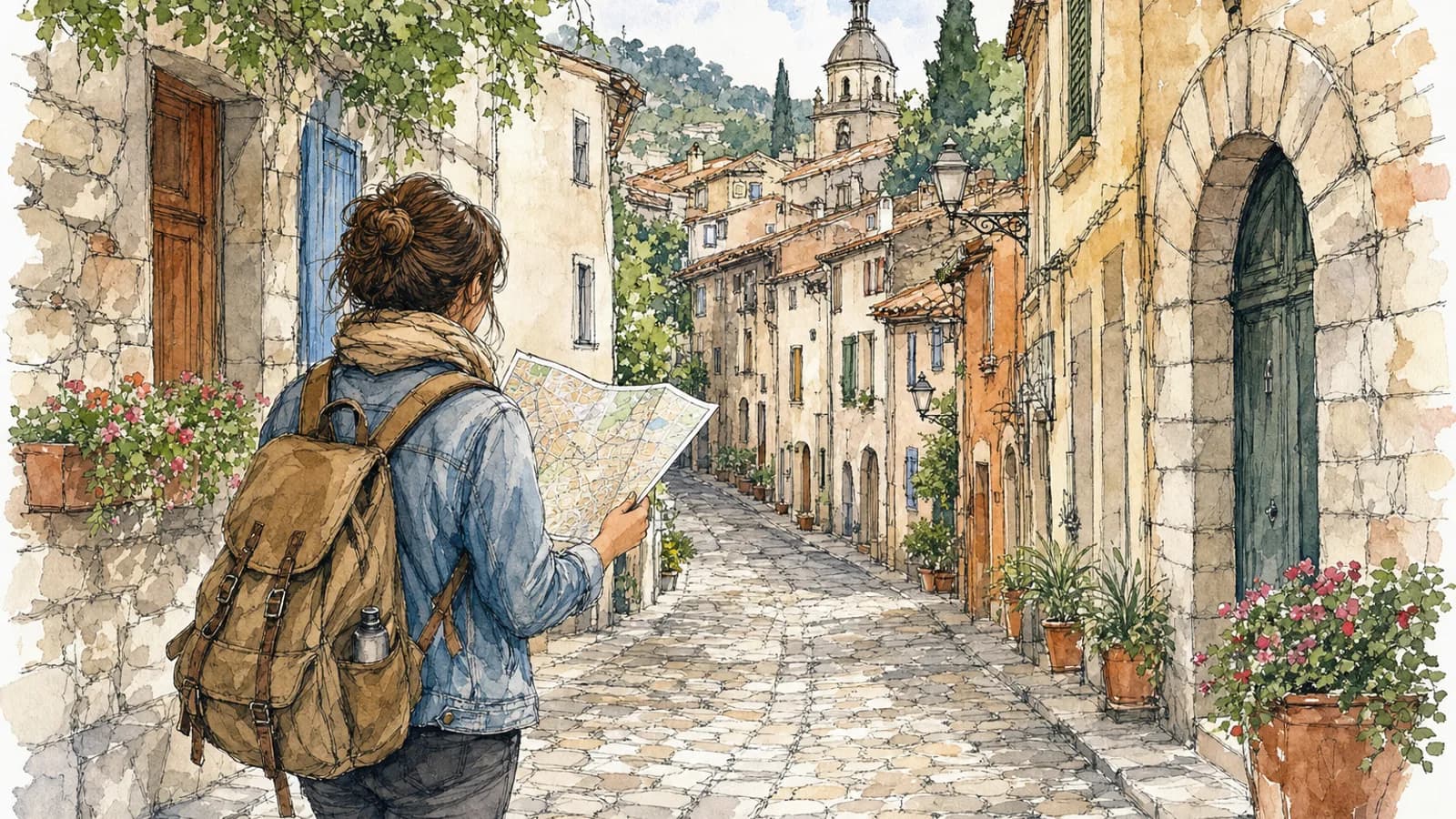
When to start
First time
City with good transit, manageable language or wide English, 4–7 nights.
Peak season
More people = more eyes and more queues. Book a central stay early.
Nights & arrival
Avoid landing late night with no taxi/transfer plan. First night paid + offline map.
Solo vs couple (idea)
+30–70%
Single room
Similar
Food / local
Hostel dorm
Social save
Flexible
Your time
5 steps for your first solo
Step 1Pick the anchor destination
One walkable city or a compact country. Ask: can I get back to my stay on public transit at night with light?
- Read recent neighbourhood reviews, not just “views”.
 Step 2
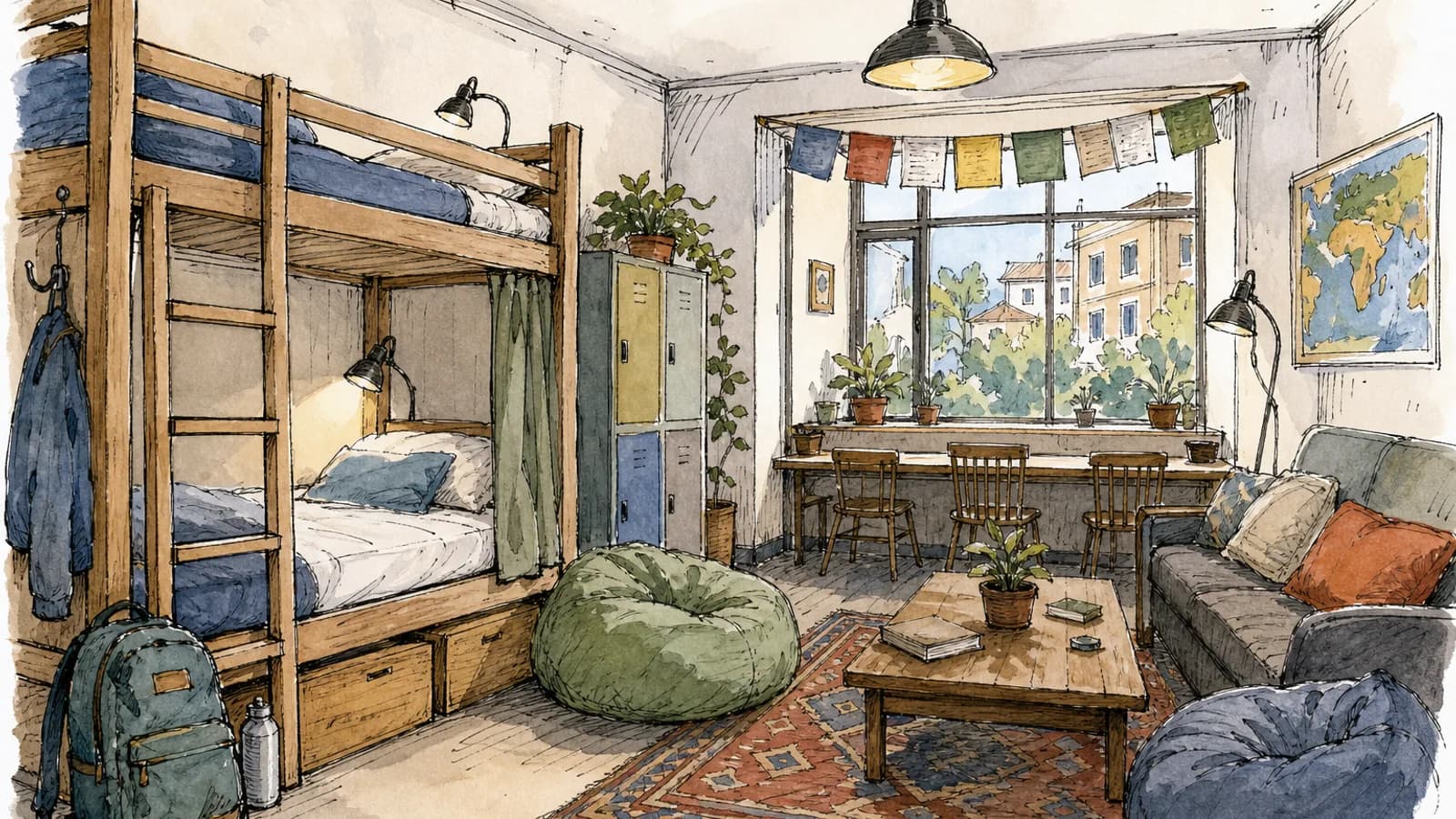
Where to stay
Hostel with commons if you want people; hotel/apartment if you want control. Prioritise location and solid locks over the lowest price.
- First and last night near arrival/departure cuts solo stress.
 Step 3
Everyday safety
Share location with someone trusted, use a safe/locked bag, don’t broadcast plans to strangers, trust discomfort.
- Alcohol: one drink less than at home when alone in a new city.
Step 4Pace & loneliness
Productive mornings, flexible afternoons. A “café + walk only” day is valid. If it weighs: walking tour, cooking class, or text a friend.
- Eat at bars or terraces — less awkward “table for one”.
Step 5After: what you learned
Note which kind of day filled you up. The second solo trip is usually shorter on doubt and longer on joy.
- On TripMatches you can save the trip and return to it — or open it to friends later.
Practical
Backups & access
Passport photo in the cloud, backup card, memorised PIN, emergency contacts on phone and paper.
Night mobility
Official taxi/ride apps, lit routes, skip empty shortcuts. If unsure, pay for the transfer.
Money solo
Don’t flash cash; split it. Tell your bank. Tips and bills: carry small change.
Connect without pressure
One tour, a cowork café, or nothing. You don’t owe “make friends every night” for the trip to count.
Tips
Tell someone the plan
Brief daily check-in > total silence “because I’m independent”.
Couple itinerary ×2
Don’t copy a couple’s pace — you’re allowed fewer sights and more air.
Rings & signals
Some people use a ring or headphones to filter. Choose what makes you feel in charge of the space.
Live-post your room
Stories with door numbers or “alone here now” can wait until you’ve left.
Checklist
Your solo trip on TripMatches
Build the route at your pace, save nights and decide later whether to open it to friends.
Create my tripYou may also like
 PlanPractical guide · first trip
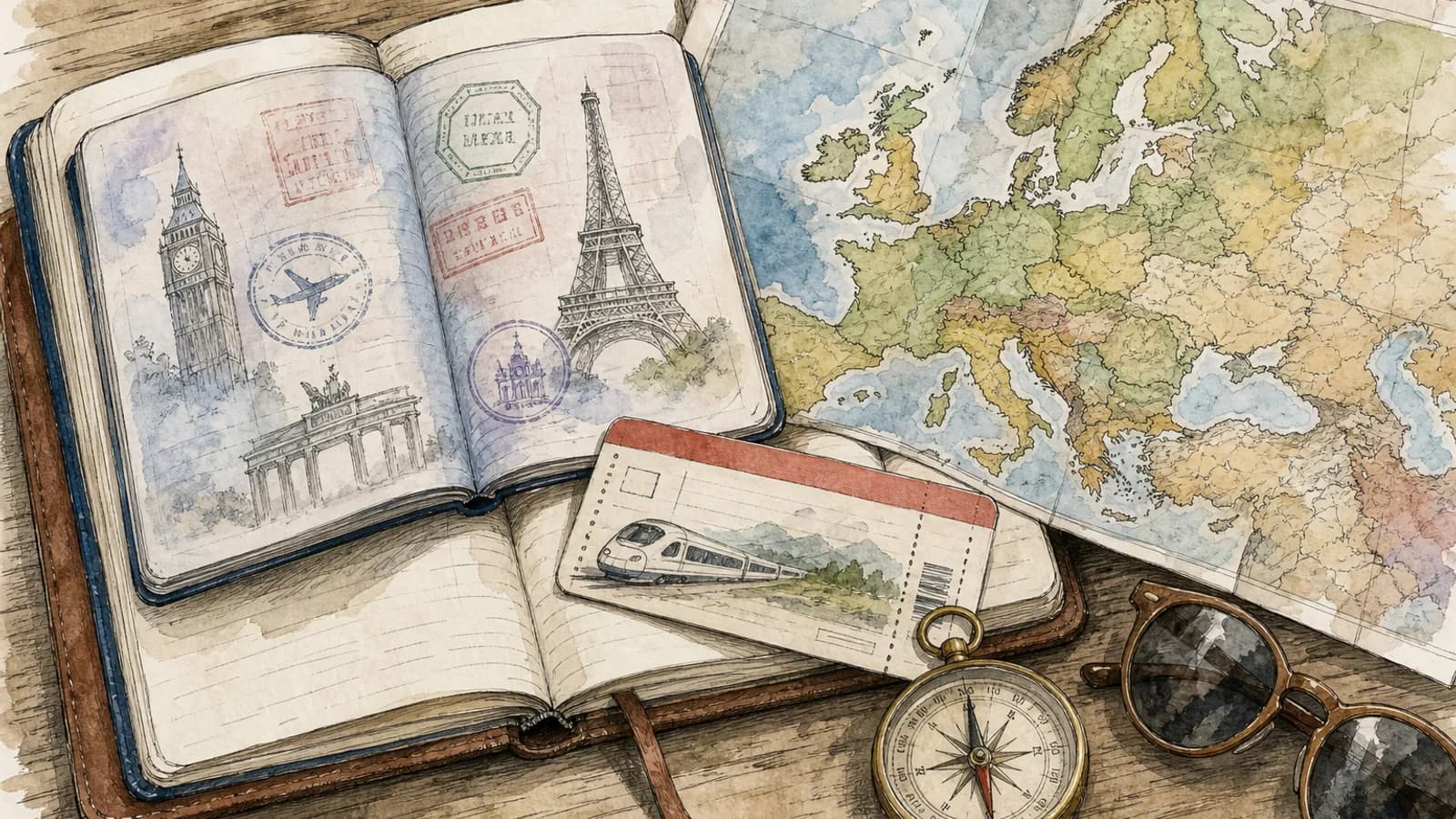
Your first trip to Europe
Your first trip to Europe: how to pick 2–3 bases, avoid map overload and land with a plan that survives day one.
View → PlanPractical guide · carry-on only
Carry-on only packing
Carry-on only packing: what to bring, what to skip and how to clear security without drama on 5–14 day trips.
View → Plan2–4 weeks · Europe by train
The definitive Interrail guide
Pick one axis (north, Alps or south), understand the pass and avoid a new city every night.
View →