Loading destination...
Loading destination...
Loading destination...
Loading destination...
Loading destination...
Loading destination...
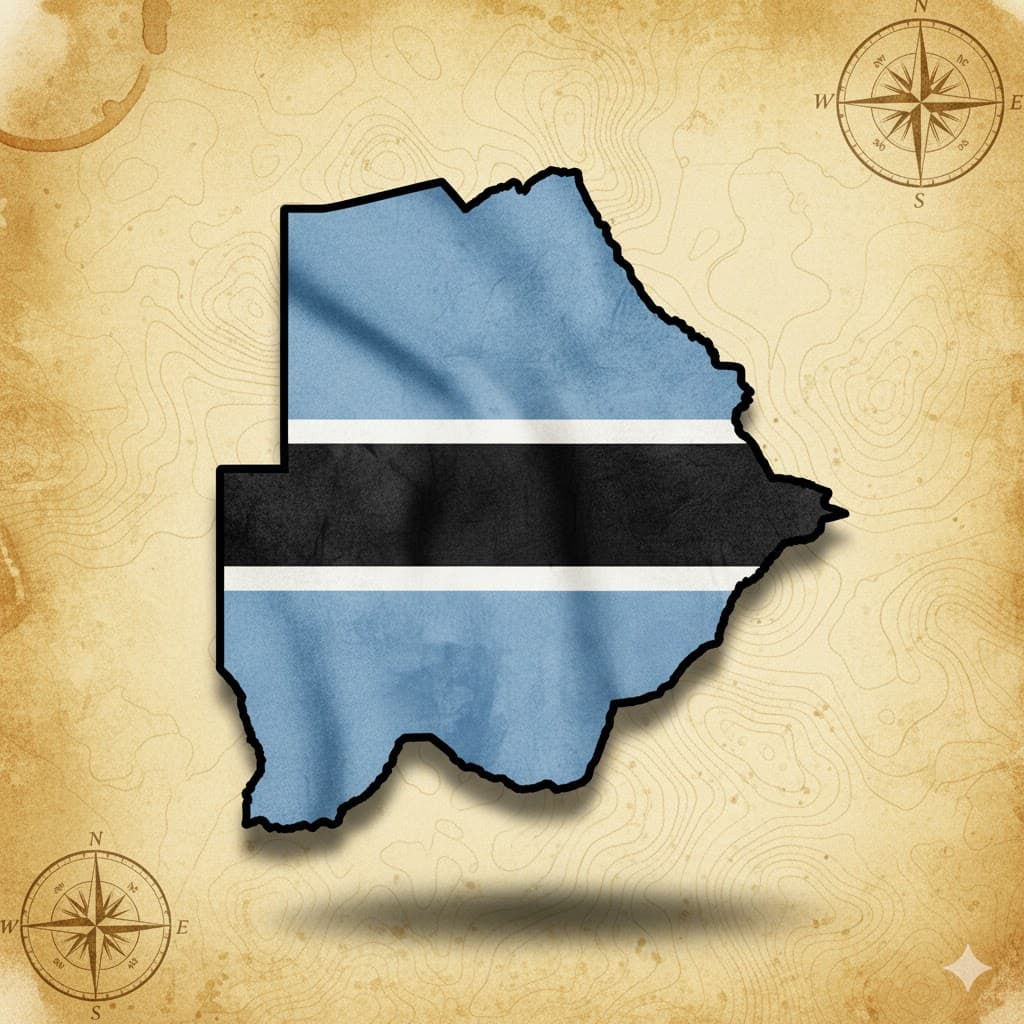
Descubre cómo visitar Botswana con poco presupuesto sin sacrificar la experiencia.
Botswana is an extraordinary landlocked country located in the heart of Southern Africa. It is world famous for its pioneering model of conservation and low-impact ecotourism, home to the legendary Okavango Delta (a unique river oasis in the desert), the gigantic elephant herds of Chobe National Park, the arid vastness of the Kalahari and the prehistoric salt flats of Makgadikgadi.
TripMatches · Remember · Plan
Been to Botswana or still want to go? Pick one and we'll take you straight to it.
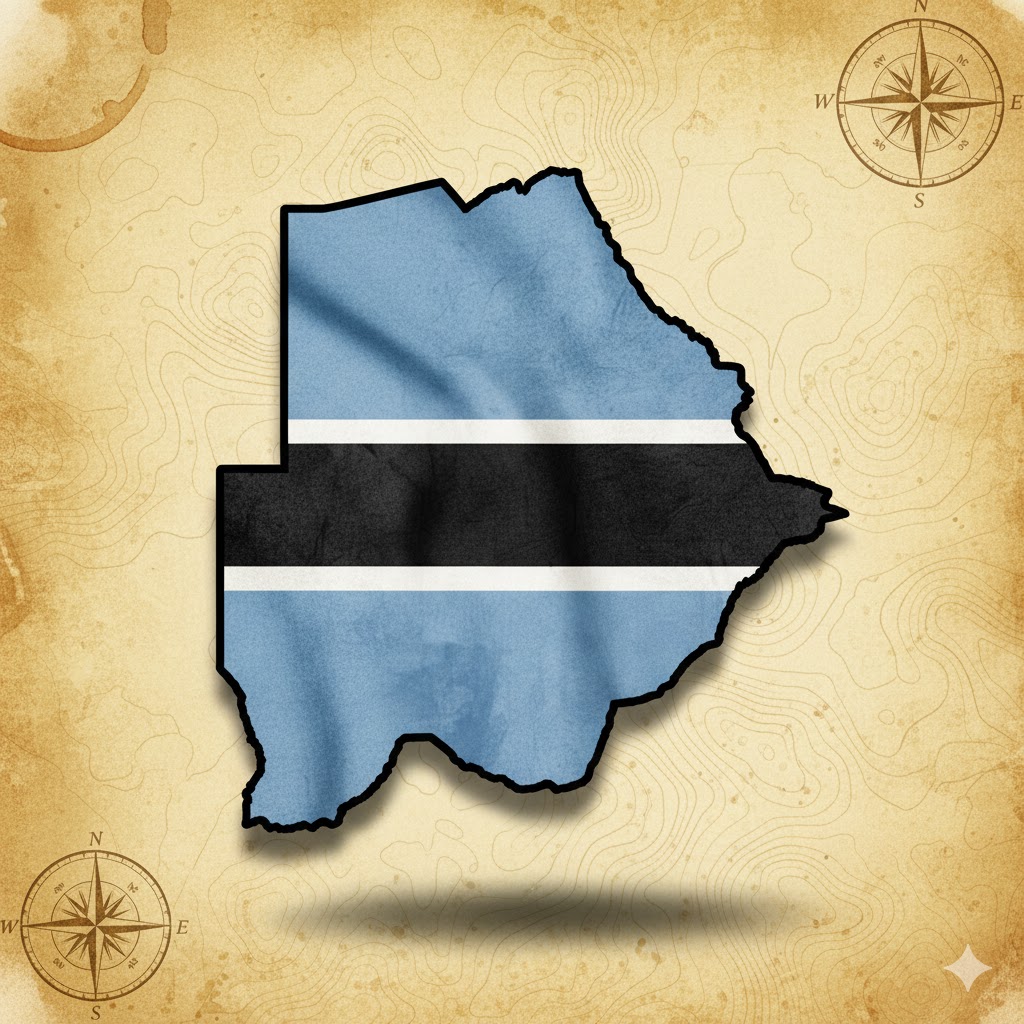
Discover Botswana without overspending
Botswana is an extraordinary landlocked country located in the heart of Southern Africa. It is world famous for its pioneering model of conservation and low-impact ecotourism, home to the legendary Okavango Delta (a unique river oasis in the desert), the gigantic elephant herds of Chobe National Park, the arid vastness of the Kalahari and the prehistoric salt flats of Makgadikgadi.
Tourism Model and Budget: Botswana consciously applies a 'high value, low ecological impact' policy to avoid overcrowding. The lodges and safari camps in the Okavango and Moremi are top-notch and operate on exclusive private concessions, making costs higher than in other African countries. For tighter budgets, 4x4 safari with a roof tent or public camps in Chobe and Maun is an excellent alternative.
Light Plane Flights and Soft Luggage: Light bush planes are used to travel between the Okavango camps. These aircraft have strict weight limits (usually between 15 and 20 kg per person, including hand luggage) and require soft suitcases without a rigid structure or wheels to fit them into the small cargo compartments.
4x4 Driving and Deep Sand Rescue: You drive on the left. To travel on your own ('self-drive') in reserves such as Chobe, Moremi or Kalahari, an authentic 4x4 with a gearbox, air compressor, shovel, unblocking irons and satellite phone is essential. It is vital to reduce tire pressure when entering deep sand roads and not traveling with a single vehicle in remote areas.
Health, Vaccines and Malaria: The north of the country (Okavango Delta, Chobe and Moremi) presents a seasonal risk of malaria, especially between November and May. It is recommended to consult the international vaccination center to take antimalarial prophylaxis and use repellent with DEET at night. There are no mandatory vaccines, except for yellow fever if you come from an endemic country.
Discover the full guide with history, detailed itineraries, practical tips and all the information you need.
View full guideBotswana consciously applies a 'high value, low ecological impact' policy to avoid overcrowding. The lodges and safari camps in the Okavango and Moremi are top-notch and operate on exclusive private concessions, making costs higher than in other African countries. For tighter budgets, 4x4 safari with a roof tent or public camps in Chobe and Maun is an excellent alternative.
Light bush planes are used to travel between the Okavango camps. These aircraft have strict weight limits (usually between 15 and 20 kg per person, including hand luggage) and require soft suitcases without a rigid structure or wheels to fit them into the small cargo compartments.
You drive on the left. To travel on your own ('self-drive') in reserves such as Chobe, Moremi or Kalahari, an authentic 4x4 with a gearbox, air compressor, shovel, unblocking irons and satellite phone is essential. It is vital to reduce tire pressure when entering deep sand roads and not traveling with a single vehicle in remote areas.
TripMatches · Remember · Plan
Been to Botswana or still want to go? Pick one and we'll take you straight to it.
Access the full profile: attractions, weather, gastronomy, events and more.
Discover this destination in depth