Loading destination...
Loading destination...
Loading destination...
Loading destination...
Loading destination...
Loading destination...
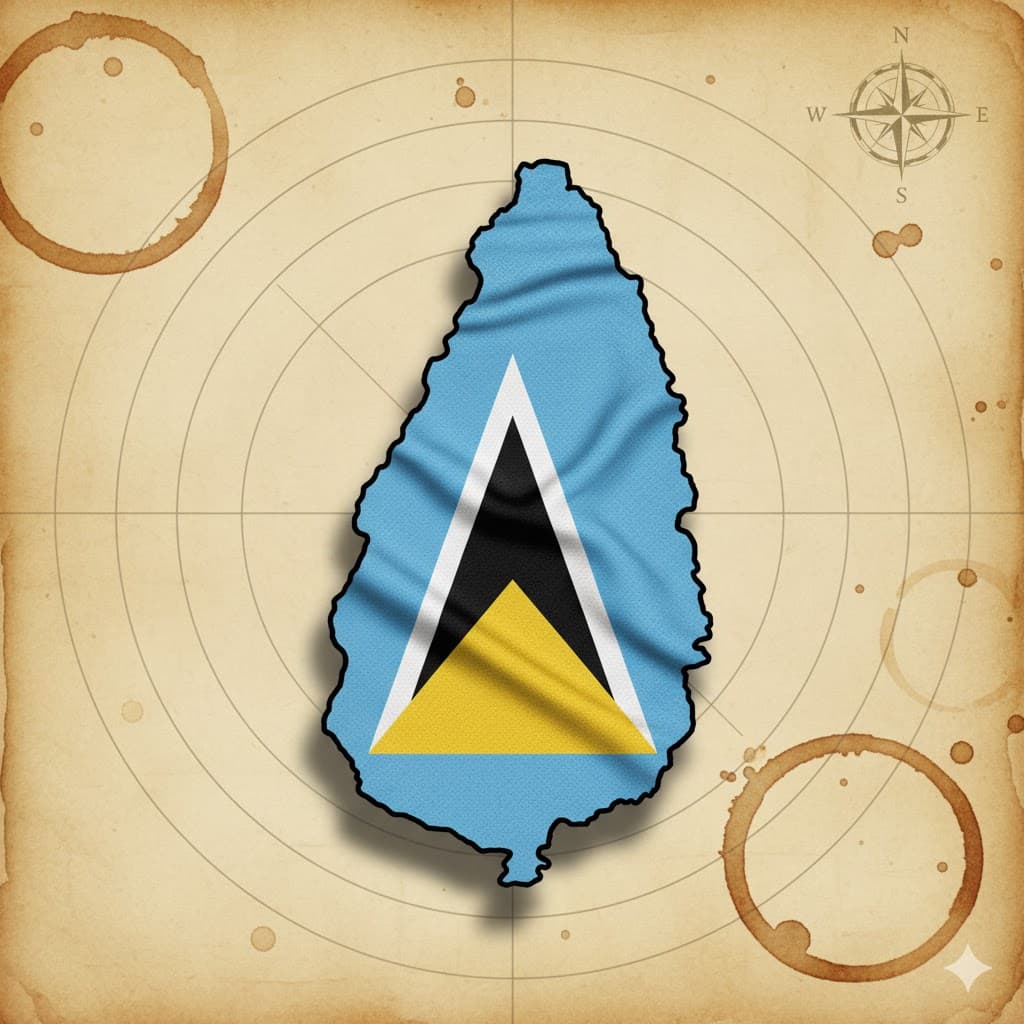
Descubre cómo visitar Saint Lucia con poco presupuesto sin sacrificar la experiencia.
Saint Lucia is a stunning sovereign island state located in the Lesser Antilles, in the waters of the eastern Caribbean Sea. It is world famous for the colossal twin volcanic cones of Los Pitons (a UNESCO World Heritage Site), its lush rainforest filled with waterfalls, the planet's only 'drive-in' volcano at Sulfur Springs, historic cocoa plantations and a captivating Creole cultural identity with French, British and African influences.
TripMatches · Remember · Plan
Been to Saint Lucia or still want to go? Pick one and we'll take you straight to it.
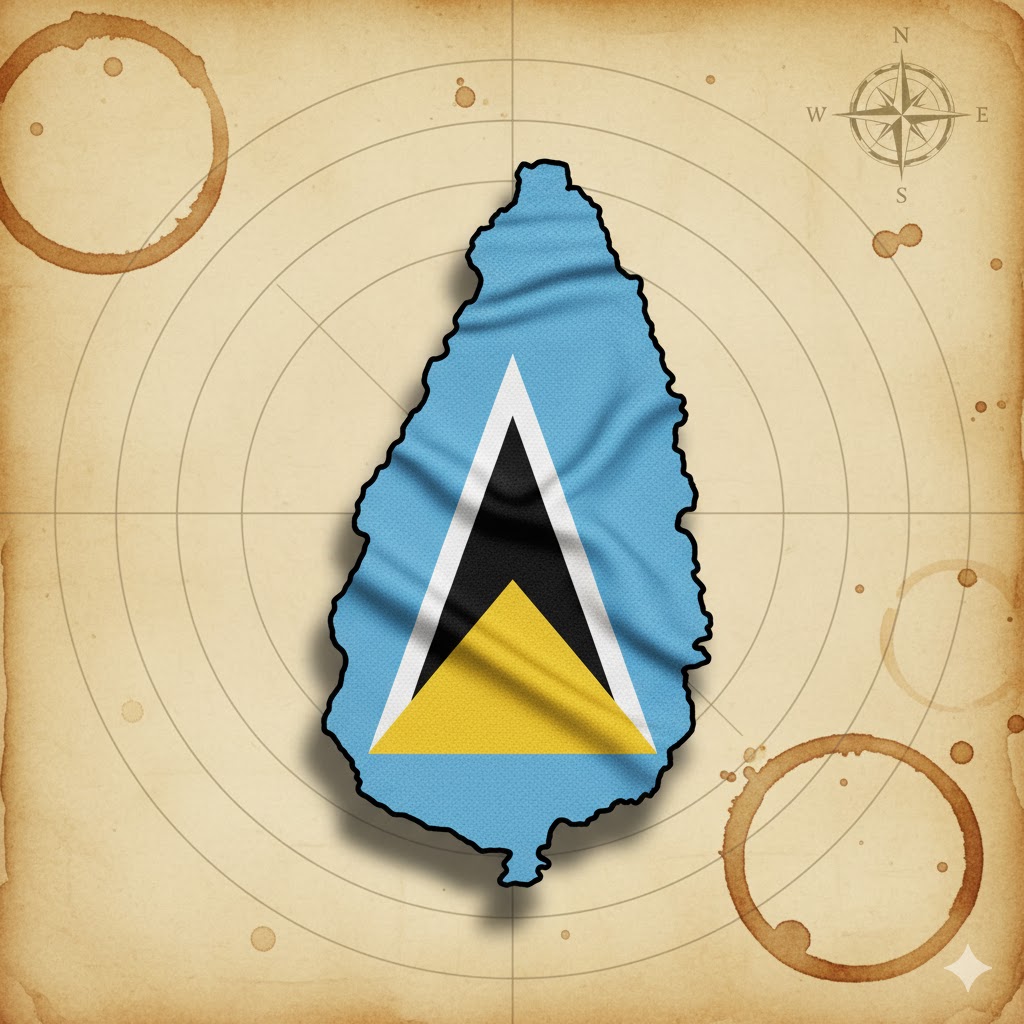
Discover Saint Lucia without overspending
Saint Lucia is a stunning sovereign island state located in the Lesser Antilles, in the waters of the eastern Caribbean Sea. It is world famous for the colossal twin volcanic cones of Los Pitons (a UNESCO World Heritage Site), its lush rainforest filled with waterfalls, the planet's only 'drive-in' volcano at Sulfur Springs, historic cocoa plantations and a captivating Creole cultural identity with French, British and African influences.
Strict Ban on Camouflage Clothing: As in other countries of the Caribbean Commonwealth, in Saint Lucia it is strictly prohibited by law for civilians (including children and tourists) to wear clothing, pants, caps or backpacks with a military camouflage print. Customs police will confiscate these items upon arrival at Hewanorra International Airport (UVF) or George F. L. Charles (SLU).
Driving on the Left and Mountain Roads: It drives on the left side. To rent a car you need to obtain a temporary Saint Lucia driving permit (provided by the rental agency). The roads between Castries and Soufrière cross mountains with steep slopes, sharp bends and ravines, so it is recommended to drive with caution or use boat 'water taxi' services between the north and south.
Currency and Payments (East Caribbean Dollar and USD): The official currency is the East Caribbean Dollar (XCD), with a fixed exchange rate linked to the US Dollar (1 USD ≈ 2.70 XCD). US dollars in cash are widely accepted throughout the island (in taxis, restaurants, and on tours), although change is usually returned in local currency. Credit cards are accepted in hotels, restaurants and diving centers.
Language and Communication: The official language is English, used in all administration, education and tourist services. However, in everyday life and in rural areas the vast majority of the local population speaks French-based Antillean Creole (*Kweyol* or *Patois*). Knowing polite phrases in English is enough to communicate completely fluently.
Discover the full guide with history, detailed itineraries, practical tips and all the information you need.
View full guideAs in other countries of the Caribbean Commonwealth, in Saint Lucia it is strictly prohibited by law for civilians (including children and tourists) to wear clothing, pants, caps or backpacks with a military camouflage print. Customs police will confiscate these items upon arrival at Hewanorra International Airport (UVF) or George F. L. Charles (SLU).
It drives on the left side. To rent a car you need to obtain a temporary Saint Lucia driving permit (provided by the rental agency). The roads between Castries and Soufrière cross mountains with steep slopes, sharp bends and ravines, so it is recommended to drive with caution or use boat 'water taxi' services between the north and south.
The official currency is the East Caribbean Dollar (XCD), with a fixed exchange rate linked to the US Dollar (1 USD ≈ 2.70 XCD). US dollars in cash are widely accepted throughout the island (in taxis, restaurants, and on tours), although change is usually returned in local currency. Credit cards are accepted in hotels, restaurants and diving centers.
TripMatches · Remember · Plan
Been to Saint Lucia or still want to go? Pick one and we'll take you straight to it.
Access the full profile: attractions, weather, gastronomy, events and more.
Discover this destination in depth