

Explora la cultura de Cape Verde: Tradición viva
Sumérgete en la rica historia y cultura de Cape Verde a través de sus museos y monumentos.
Cape Verde is a fascinating island state made up of ten volcanic islands and several islets located off the western coast of Africa, in the middle of the Atlantic Ocean. Famous for its sunny climate all year round, it stands out for the absolute contrast between the flat islands of dunes and turquoise beaches of Sal and Boa Vista, the green and steep valleys of Santo Antão, the colossal active volcano of Fogo and the inexhaustible musical and cultural wealth of São Vicente and Santiago.
TripMatches · Remember · Plan
What do you want to do with Cape Verde?
Been to Cape Verde or still want to go? Pick one and we'll take you straight to it.

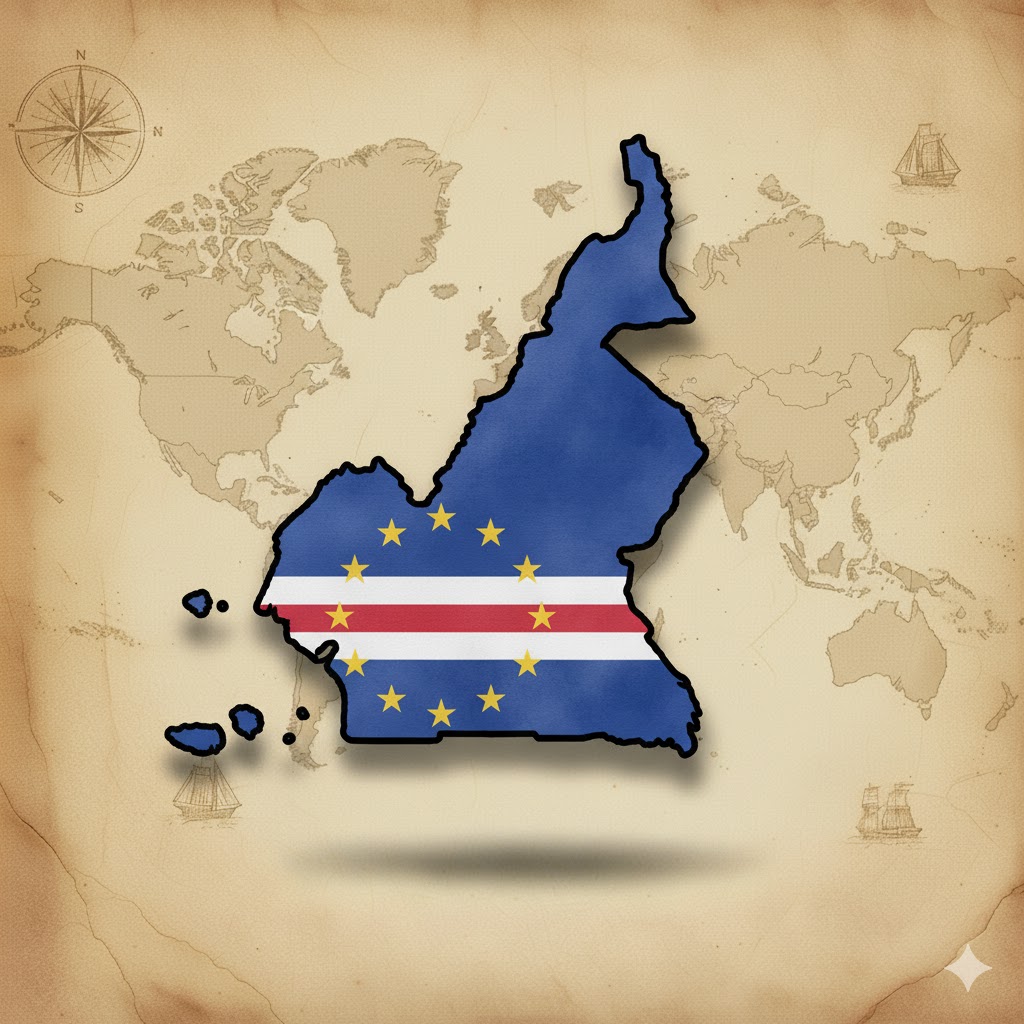
Culture & Heritage
Discover the rich history, art and traditions of Cape Verde
Cape Verde is a fascinating island state made up of ten volcanic islands and several islets located off the western coast of Africa, in the middle of the Atlantic Ocean. Famous for its sunny climate all year round, it stands out for the absolute contrast between the flat islands of dunes and turquoise beaches of Sal and Boa Vista, the green and steep valleys of Santo Antão, the colossal active volcano of Fogo and the inexhaustible musical and cultural wealth of São Vicente and Santiago.
Festivals & Events
Sal and Boa Vista are the kingdom of white sand and turquoise waters. In Sal, Ponta Preta and Kite Beach are world temples for kitesurfing and windsurfing, while the Pedra de Lume salt flats allow you to float in hypersaline waters inside a crater. In Boa Vista, the wreck of the shipwreck Cabo Santa Maria and the dunes of Praia da Chave offer wild maritime landscapes.
Santo Antão is the undisputed paradise of hiking with mythical routes such as the descent of Cova de Paúl or the coastal path from Cruzinha to Ponta do Sol. In São Nicolau, the Monte Gordo Natural Park and the landscapes of Carbeirinho with rocks sculpted by the wind and the sea provide absolute tranquility far from the tourist routes.
Fogo Island impresses with the perfect cone of Pico do Fogo and the black lava landscapes of Chã das Caldeiras, where basalt houses emerge from the ash. The small neighboring island of Brava, the 'Flower Island', captivates with its bougainvillea gardens, perpetual mists and colonial towns such as Nova Sintra.
Climb the Pico do Fogo Crater and Sleep in the Lava
Pico do Fogo rises imposingly to 2,829 meters above sea level. Climbing its volcanic ash slopes to the top and sliding down at full speed over the black peak is an unforgettable adventure. In the Chã das Caldeiras caldera, a resilient community lives surrounded by recent lava flows, growing centuries-old vines and fruit trees on volcanic soil.
Hiking through the Green Valleys of Santo Antão
Accessible only by ferry from São Vicente, Santo Antão is the mecca of Atlantic trekking. Cobblestone paths hand-carved into the rock descend through the Paul Valley, Ribeira Grande and Fontainhas (a village perched on the edge of a green cliff), passing waterfalls, sugar cane terraces, banana plantations and artisanal grogue distilleries.
Feel the Music and the Bohemian Night of Mindelo
Mindelo, on the island of São Vicente, is the artistic and musical heart of Cape Verde. Cesária Évora's hometown breathes culture around every corner: art galleries, colorful colonial mansions in Praça Nova and traditional bars where local musicians spontaneously gather to play mornas, coladeiras and vibrant funaná until late into the night.
Discover Creole History in Cidade Velha
Located on the island of Santiago and declared a World Heritage Site by UNESCO, Ribeira Grande (today Cidade Velha) was founded in 1462 as the first European colonial city in the tropics and a key stopover for transatlantic trade. Highlights include the Royal Fort of San Felipe, the stone pillory ('Pelourinho') facing the sea and the ruins of the oldest Cathedral in sub-Saharan Africa.
Disconnect on the Infinite Beaches of Sal and Boa Vista
For lovers of sun, sea and wind sports, Sal and Boa Vista offer postcard-perfect sandy beaches for miles. Santa María (in Sal) captivates with its lively fishing pontoon and crystal-clear waters, while Boa Vista displays the wild beach of Santa Monica (18 km of virgin sand) and the Saharan dunes of the Viana Desert.
Spot Sea Turtles and Humpback Whales
Cape Verde is the third most important loggerhead turtle (*Caretta caretta*) nesting sanctuary on the planet. Taking a guided and respectful night excursion between July and October on the beaches of Boa Vista or Sal to see the spawning is magical. Likewise, between March and May, the waters of the archipelago host groups of humpback whales during their breeding season.
Want to know more about Cape Verde?
Discover the full guide with history, detailed itineraries, practical tips and all the information you need.
View full guideTips for Culture & Heritage
Interisland Transportation (Flights and Ferries)
To travel between islands there are two options: regular domestic flights operated by the local airline (BestFly / TACV) or sea ferries (CV Interilhas). It is recommended to plan and book internal flights in advance and leave sufficient time margins in the itineraries, since maritime conditions or wind may cause delays or specific cancellations.
Airport Security Fee (EASE)
European Union citizens do not need a visa for short tourist stays (up to 30 days), but it is mandatory to register online before traveling through the official government platform (EASE) and pay the Airport Security Fee (TSA), which can also be processed upon arrival at the international airport.
Currency and Payments (Cape Verdean Escudo and Euros)
The official currency is the Cape Verde Escudo (CVE), which has a fixed exchange rate linked to the Euro (1 EUR ≈ 110,265 CVE). On tourist islands such as Sal, Boa Vista and São Vicente, the Euro in cash is widely accepted in shops and taxis (often at the exchange rate of €1 = 100 CVE). Credit cards are accepted in hotels and main restaurants, but it is essential to bring cash for the less touristy islands and everyday payments.
TripMatches · Remember · Plan
What do you want to do with Cape Verde?
Been to Cape Verde or still want to go? Pick one and we'll take you straight to it.
Quick info
Full destination guide
Access the full profile: attractions, weather, gastronomy, events and more.
Discover this destination in depthExplore more nearby
Discover Cape Verde in a different way
Explore different ways to experience this destination based on your travel style