

Explora la cultura de Mozambique: Tradición viva
Sumérgete en la rica historia y cultura de Mozambique a través de sus museos y monumentos.
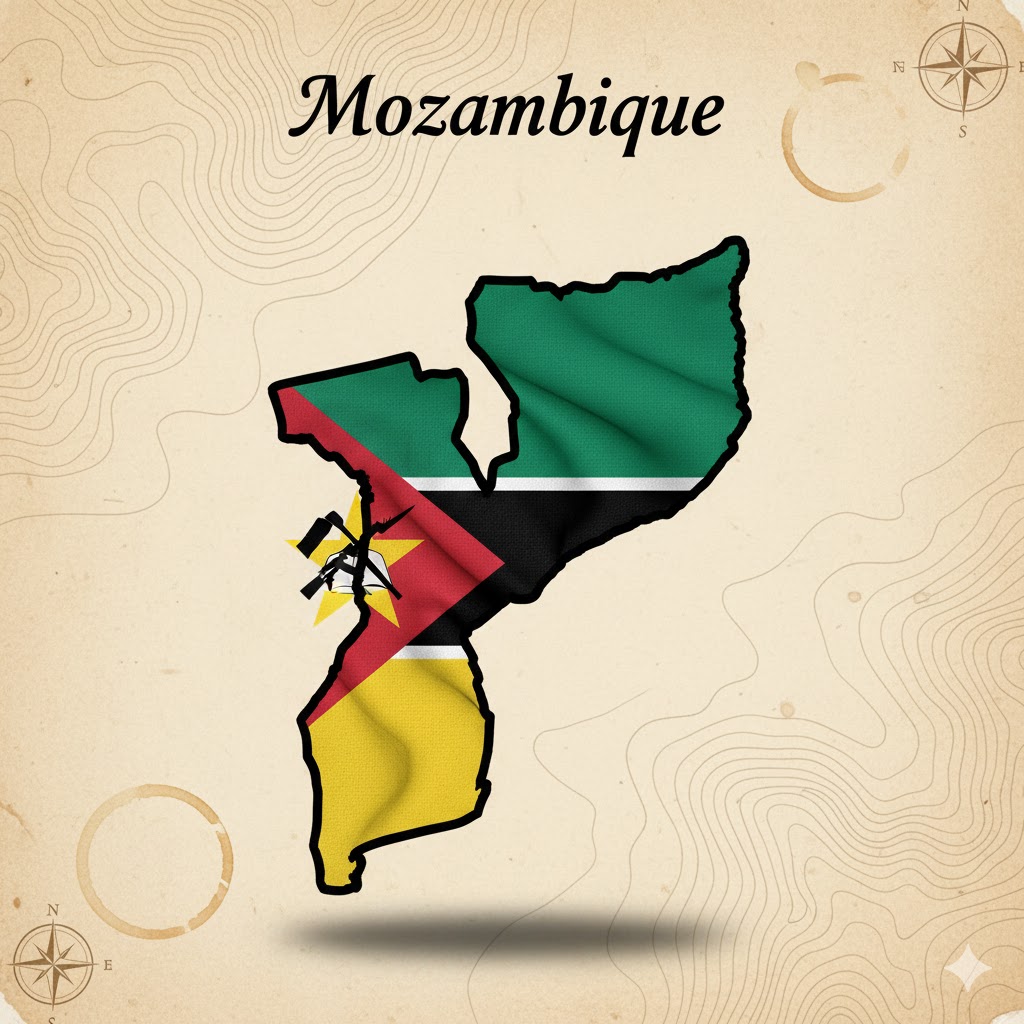
Mozambique is a captivating nation located in southeastern Africa, with more than 2,500 kilometers of pristine coastline washed by the warm waters of the Mozambique Channel in the Indian Ocean. It stands out for the paradisiacal archipelagos of Bazaruto and Quirimbas, marine sanctuaries of whale sharks, giant manta rays and dugongs in Praia do Tofo, the epic history of conservation and recovery of fauna in the Gorongosa National Park, the historic Ilha de Moçambique (UNESCO) and an exquisite gastronomy based on fresh seafood and fiery piri-piri sauce.
TripMatches · Remember · Plan
What do you want to do with Mozambique?
Been to Mozambique or still want to go? Pick one and we'll take you straight to it.
Culture & Heritage
Discover the rich history, art and traditions of Mozambique
Mozambique is a captivating nation located in southeastern Africa, with more than 2,500 kilometers of pristine coastline washed by the warm waters of the Mozambique Channel in the Indian Ocean. It stands out for the paradisiacal archipelagos of Bazaruto and Quirimbas, marine sanctuaries of whale sharks, giant manta rays and dugongs in Praia do Tofo, the epic history of conservation and recovery of fauna in the Gorongosa National Park, the historic Ilha de Moçambique (UNESCO) and an exquisite gastronomy based on fresh seafood and fiery piri-piri sauce.
Festivals & Events
The Bazaruto Archipelago (off Vilankulo) offers a maritime landscape of golden dunes falling into the sea, reefs teeming with life and eco-chic accommodation. In the far north, the Quirimbas Archipelago captivates with its 32 pristine coral islands, intact mangroves and the historic fortified island of Ibo with its silver filigree workshops.
Praia do Tofo and Pomene are world destinations for swimming with whale sharks, giant manta rays and turtles. In the south, Ponta do Ouro and Ponta Malongane combine deep reef diving camps with outings to swim with free-ranging dolphins and ocean surf beaches.
Gorongosa National Park is the great jewel of African ecotourism with open 4x4 safaris, waterfalls on Mount Gorongosa and community coffee projects. In the south, the Maputo Special Reserve (Maputo National Park) combines savanna with coastal lagoons and seaside elephant herds.
Sail on a Dhow and Climb the Bazaruto Dunes
The Bazaruto Archipelago National Marine Park is a set of six protected islands surrounded by postcard-perfect crystal clear waters. Embarking on a traditional dhow sailboat allows you to explore sandbanks that emerge at low tide, snorkel in the legendary Two Mile Reef among sea turtles and multicolored corals, and ascend the gigantic Bazaruto Dune to contemplate a hypnotic panorama of wavy white sand merging with the ocean.
Swim with Marine Megafauna in Praia do Tofo
Located on the Inhambane peninsula, Praia do Tofo is the world capital of encounters with marine giants. Known as the 'Corridor of the Giants', its plankton-rich currents attract dozens of whale sharks and giant reef and oceanic manta rays throughout the year. Equipped with fins and snorkel, diving alongside these docile colossi in the open sea is one of the most breathtaking nature experiences in the world.
Witness the Wild Rebirth of Gorongosa
Gorongosa National Park, located at the end of the Great Rift Valley, has been the protagonist of one of the greatest conservation feats of the 21st century after being devastated by the civil war. Today, safaris through its floodplains and acacia forests allow you to spot flourishing herds of elephants, tree-climbing lions, warthogs, dense troops of oribi antelopes, and successfully reintroduced wild dogs (African wild dogs).
Travel to the Past on Ilha de Moçambique
Linked to the mainland by a narrow 3km bridge, this small UNESCO World Heritage island was the colonial capital for almost four centuries. Its northern half, 'Stone Town', preserves the imposing São Sebastião Fortress (16th century), the Chapel of Our Lady of the Baluarte and peeling colonial palaces with interior gardens, while local women wear the traditional 'mussiro' (white protective tree bark face mask).
Diving and Dolphin Encounter in Ponta do Ouro
In the extreme south, next to the South African border, Ponta do Ouro is a paradise for diving lovers. Its protected marine reserve is home to deep reefs where you can spot bull, hammerhead and leopard sharks, as well as providing the opportunity to participate in regulated and ethical open-ocean snorkeling programs with pods of wild bottlenose dolphins accustomed to respectful interaction.
Immerse yourself in the Art, Architecture and Night of Maputo
The Mozambican capital is a vibrant metropolis flanked by avenues of flowering jacarandas and acacias. Highlights include the monumental Central Railway Station (CFM), the futuristic Casa de Ferro designed by Gustave Eiffel, the Central Market full of spices and fruits, and the lively nightclubs in the historic Mafalala neighborhood, birthplace of poets and the Marrabenta dance.
Want to know more about Mozambique?
Discover the full guide with history, detailed itineraries, practical tips and all the information you need.
View full guideTips for Culture & Heritage
Electronic Tourist Visa (eVisa)
Mozambique has an official online electronic visa system (eVisa) through its government portal for most tourist nationalities. It is recommended to request online pre-registration weeks in advance to present the digital confirmation upon arrival at international airports or land border crossings where the fee is paid and the biometric visa is formalized.
Driving on the Left and 4x4 Vehicle
You drive on the left side of the road (inheritance of regional integration with neighboring countries in southern Africa). While the main coastal road (EN1) is mostly paved, to access deep sandy beaches such as Ponta do Ouro, Tofo, Pomene or the inland slopes of Gorongosa it is strictly mandatory to have a genuine 4x4 off-road vehicle with a gearbox.
Currency and Payments (Mozambican Metical and Rand)
The official currency is the Mozambican Metical (MZN). In the south of the country (Ponta do Ouro, Maputo, Vilankulo) the South African Rand (ZAR) and the US Dollar (USD) in cash are widely accepted. Automatic teller machines (ATMs) work well in major cities to withdraw Meticals with international cards, but it is essential to carry enough cash to pay tolls, local markets and fuel in rural areas.
TripMatches · Remember · Plan
What do you want to do with Mozambique?
Been to Mozambique or still want to go? Pick one and we'll take you straight to it.
Quick info
Full destination guide
Access the full profile: attractions, weather, gastronomy, events and more.
Discover this destination in depthExplore more nearby
You might also like
Discover Mozambique in a different way
Explore different ways to experience this destination based on your travel style