

Explora la cultura de Palau: Tradición viva
Sumérgete en la rica historia y cultura de Palau a través de sus museos y monumentos.
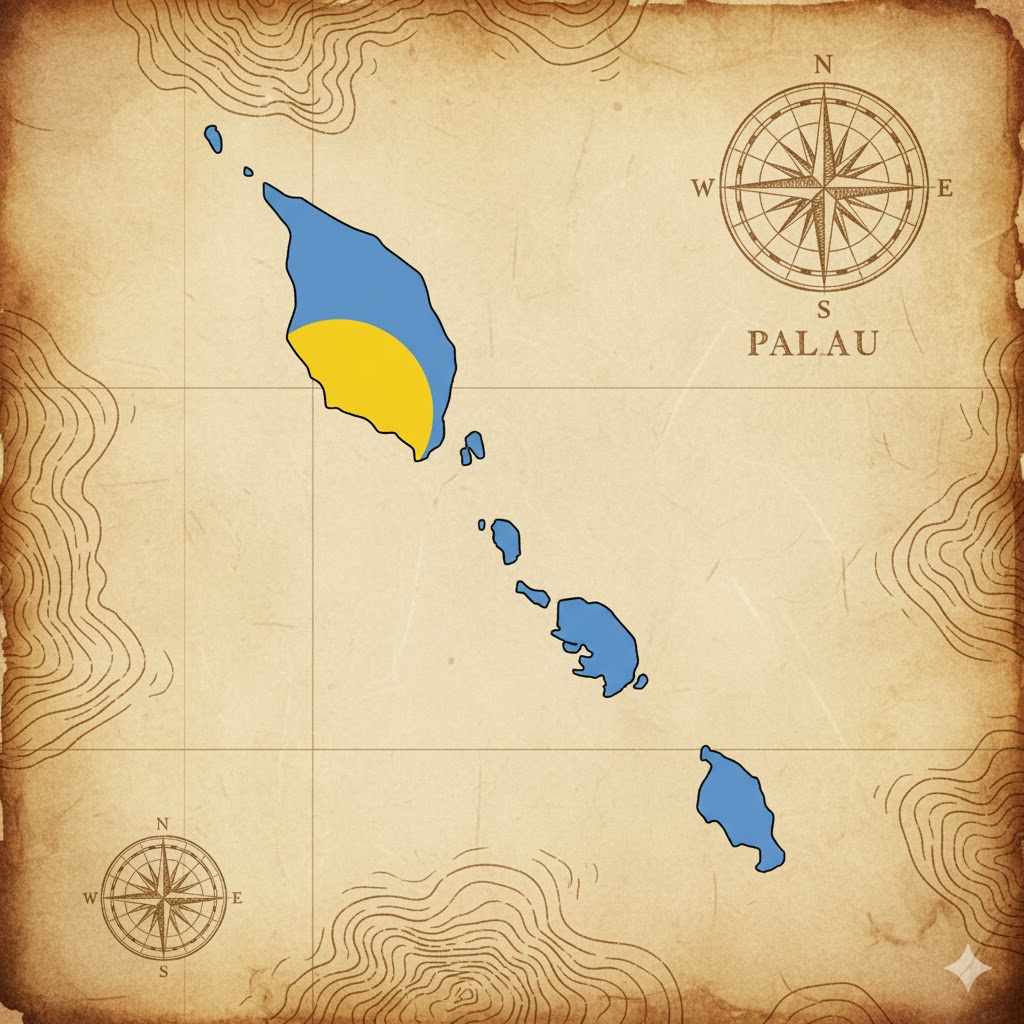
Palau is an extraordinary sovereign island state located in the western Pacific Ocean, in the region of Micronesia. Made up of more than 340 islands and islets of volcanic and coral origin, it is a world reference in marine conservation. It stands out for the emblematic Chelbacheb Islands (Rock Islands), declared a World Heritage Site by UNESCO, its internationally renowned diving spots with manta rays and sharks, marine lakes with harmless jellyfish and a traditional matriarchal society where the protection of nature is a sacred duty.
TripMatches · Remember · Plan
What do you want to do with Palau?
Been to Palau or still want to go? Pick one and we'll take you straight to it.
Culture & Heritage
Discover the rich history, art and traditions of Palau
Palau is an extraordinary sovereign island state located in the western Pacific Ocean, in the region of Micronesia. Made up of more than 340 islands and islets of volcanic and coral origin, it is a world reference in marine conservation. It stands out for the emblematic Chelbacheb Islands (Rock Islands), declared a World Heritage Site by UNESCO, its internationally renowned diving spots with manta rays and sharks, marine lakes with harmless jellyfish and a traditional matriarchal society where the protection of nature is a sacred duty.
Festivals & Events
A UNESCO Joint World Heritage Site, the Rock Islands are home to more than 50 secluded marine lakes, tropical forest-covered limestone formations, and wonders like the stalactite cave of Chandelier Cave, where divers can emerge in four underground air chambers.
Palau is a pioneering underwater paradise. Enclaves such as Blue Holes (four vertical shafts descending into a colossal cavern), Siaes Tunnel, Ulong Channel (famous for its lettuce coral gardens and gray sharks) and Shark City offer unforgettable encounters with marine fauna in crystal clear currents.
The large island of Babeldaob surprises with the Ngardmau Waterfall (accessible after a hike through the jungle or by zip line), the Palau Capitol Monument in Ngerulmud (a monumental neoclassical structure built in the middle of green hills facing the sea) and the prehistoric agricultural terraces of Melekeok.
Swim among Golden Jellyfish at Jellyfish Lake
Located on the island of Eil Malk, Jellyfish Lake (Ongeim'l Tketau) is a marine lake isolated more than 12,000 years ago. Its waters are home to millions of golden jellyfish (*Mastigias papua etpisoni*) that, lacking natural predators, evolved by practically losing the ability to sting. Gently snorkeling while thousands of jellyfish pulse around you following the sunlight is one of the most peaceful and surreal underwater experiences on the planet.
Extreme Diving in Blue Corner and German Channel
Blue Corner is considered by divers from all over the world as one of the best diving spots on the planet. Hooked to the reef wall by means of a reef hook, divers watch, suspended, the incessant parade of dozens of gray reef sharks, gigantic schools of barracuda, horse mackerel and hawksbill turtles. In the nearby German Channel, cleaning stations attract giant oceanic manta rays feeding on plankton.
Immerse yourself in the White Sludge of Milky Way
Milky Way is a sheltered cove between the Rock Islands where the seabed is covered in extremely fine white volcanic limestone mud. Local guides dive to extract the mud from the bottom, with which travelers completely cover their bodies as a scrub and mineral mask before jumping into the warm turquoise waters to rinse off.
Explore the Historic Battlefields of Peleliu
Peleliu Island was the scene of one of the bloodiest battles in the Pacific during World War II in 1944. Touring the island with a local guide reveals rusty Sherman tanks among the vegetation, downed planes, coastal canyons hidden in rock caves and the emotional Peace Monument on Bloody Nose Ridge, where nature has healed the traces of history.
Kayak through the Rock Islands Labyrinth
Chelbacheb's more than 400 coral limestone islands and islets have water-eroded bases that give them a characteristic mushroom shape. Gliding in a touring kayak in absolute silence allows you to enter marine tunnels, hidden coves of jade-colored waters inaccessible to motor boats, and caves with stalactites where tropical seabirds nest.
Discover the Traditional 'Bai' Houses and Monoliths in Babeldaob
Babeldaob is the largest island in Palau. An authentic 'Bai', the centuries-old community gathering house built entirely of nailless bwaik wood, with steep thatched roofs and facades richly painted with geometric motifs and tribal legends, is preserved in Airai village. To the north, the 52 megalithic stone monoliths of Badrulchau continue to hold the mystery of the ancient Micronesian builders.
Want to know more about Palau?
Discover the full guide with history, detailed itineraries, practical tips and all the information you need.
View full guideTips for Culture & Heritage
The 'Palau Pledge' and Reef Protection
Upon entering the country, all visitors must sign a stamp stamped in their passport solemnly pledging to the children of Palau not to harm the environment, not to touch coral or marine life, not to collect shells, and not to litter. Additionally, Palau strictly prohibits by law the import and use of sunscreens that contain chemicals toxic to reefs (such as oxybenzone or octinoxate); Only the use of 100% biodegradable and safe protectors ('Reef-Safe') is allowed.
Rock Islands and Jellyfish Lake Environmental Permits
To boat, swim or dive in the protected areas of Koror State, it is mandatory to purchase government tourist passes in advance (the standard 'Rock Islands Permit' for USD 50 or the pass that includes Jellyfish Lake for USD 100, both valid for 10 days). These permits are usually arranged through authorized dive centers and tour operators.
Currency and Payments (US Dollar)
The official legal tender currency in Palau is the United States Dollar (USD). Major credit cards (Visa and Mastercard) are accepted in hotels, large restaurants and dive centers in Koror, but it is essential to carry enough cash to pay for eco-permits, purchases at small local shops, taxis and excursions to remote islands such as Peleliu or Kayangel.
TripMatches · Remember · Plan
What do you want to do with Palau?
Been to Palau or still want to go? Pick one and we'll take you straight to it.
Quick info
Full destination guide
Access the full profile: attractions, weather, gastronomy, events and more.
Discover this destination in depthExplore more nearby
You might also like
Discover Palau in a different way
Explore different ways to experience this destination based on your travel style