

Explora la cultura de Saint Lucia: Tradición viva
Sumérgete en la rica historia y cultura de Saint Lucia a través de sus museos y monumentos.
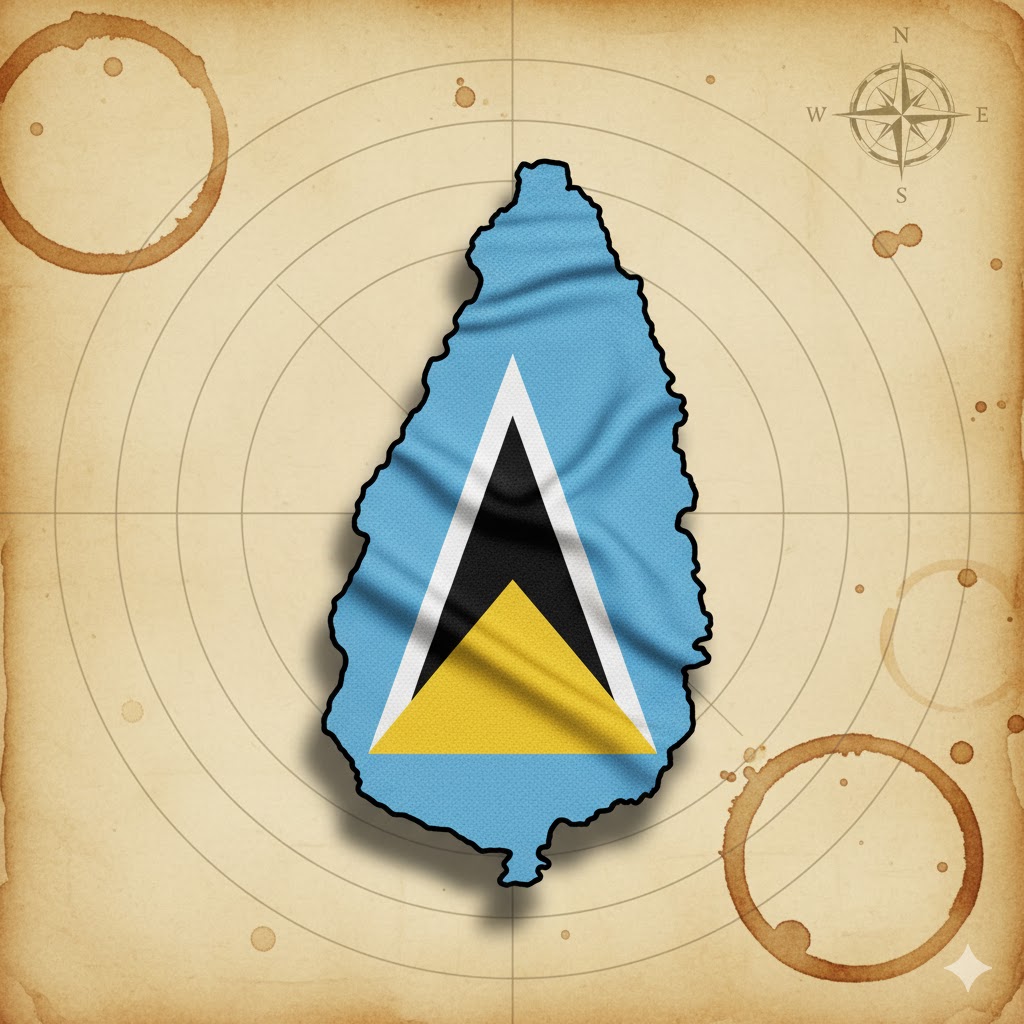
Saint Lucia is a stunning sovereign island state located in the Lesser Antilles, in the waters of the eastern Caribbean Sea. It is world famous for the colossal twin volcanic cones of Los Pitons (a UNESCO World Heritage Site), its lush rainforest filled with waterfalls, the planet's only 'drive-in' volcano at Sulfur Springs, historic cocoa plantations and a captivating Creole cultural identity with French, British and African influences.
TripMatches · Remember · Plan
What do you want to do with Saint Lucia?
Been to Saint Lucia or still want to go? Pick one and we'll take you straight to it.
Culture & Heritage
Discover the rich history, art and traditions of Saint Lucia
Saint Lucia is a stunning sovereign island state located in the Lesser Antilles, in the waters of the eastern Caribbean Sea. It is world famous for the colossal twin volcanic cones of Los Pitons (a UNESCO World Heritage Site), its lush rainforest filled with waterfalls, the planet's only 'drive-in' volcano at Sulfur Springs, historic cocoa plantations and a captivating Creole cultural identity with French, British and African influences.
Festivals & Events
The southwestern region of Soufrière is home to geological wonders: the twin peaks of Gros and Petit Piton rising from the coast, the active volcano of Sulfur Springs with its mineral mud pools, and the terraced gardens of Diamond Falls Botanical Gardens, with a mineral waterfall that changes color depending on the sediment.
Marigot Bay is one of the most beautiful and cinematic natural bays in the Caribbean, lined with palm trees and sailboats. In the north, Reduit Beach (Rodney Bay) offers a kilometer of golden sand and calm waters for water sports; while Anse Mamin and Sugar Beach dazzle nestled between the cliffs of the Pitons.
The mountainous interior of the Edmund Forest Reserve is home to hiking trails such as the Enbas Saut Waterfall Trail, hidden waterfalls such as Toraille Falls, and aerial cable car safaris above the canopies of giant trees inhabited by the endangered national bird of the St. Lucian Amazon Parrot (Jacquot).
Ascend or Behold the Colossal Pitons
Gros Piton (771 m) and Petit Piton (743 m) are the undisputed icon of the country. Experienced hikers can undertake the challenging guided hike to the summit of Gros Piton for breathtaking aerial views of the Caribbean Sea. For a more accessible panoramic perspective, the Tet Paul Nature Trail community route offers the 'Stairway to Heaven' viewpoint, framing both peaks between tropical flowers and crop fields.
Rejuvenate in the Muds of Sulfur Springs
Located in Soufrière, Sulfur Springs is famous for being the only volcano in the world accessible by vehicle ('drive-in volcano'). After observing the fumaroles and boiling mud calderas that give off sulfurous vapors, the experience continues in the lower thermal pools, where visitors cover their bodies with mineral-rich volcanic clay before submerging themselves in revitalizing hot waters.
Experience the Gros Islet Friday Night Street Party
Every Friday night, the quiet fishing village of Gros Islet, in the north of the island, closes its streets to traffic to host the most famous 'Jump Up' in the Caribbean. Massive speakers blast soca, reggae and dancehall beats while street stalls grill fresh lobster, spicy fish and jerk chicken amid bottles of Piton beer and rum punch.
Snorkeling and Diving in the Soufrière Marine Reserve
The Soufrière Marine Park (SMMA) protects coral reefs brimming with biodiversity at the foot of volcanic cliffs. Beaches like Anse Chastanet have a coastal reef accessible directly from the shore, where it is common to swim alongside parrotfish, spotted moray eels, hawksbill turtles, angelfish and seahorses in waters of extraordinary visibility.
Travel Back in Time at Pigeon Island National Landmark
Artificially linked to the north coast by a causeway, Pigeon Island is a national historic park that is home to the military ruins of Fort Rodney (18th century), stone barracks and cannon batteries used by the British to spy on the French fleet in Martinique. Climbing the hill offers a 360-degree panorama over Rodney Bay and the St. Lucia Channel.
From Cob to Tablet: The Cocoa Experience
Santa Lucía produces one of the most sought-after fine aroma cocoas in the world. Visiting century-old historic estates such as Rabot Estate (Hotel Chocolat) or Fond Doux Plantation allows you to collect mature cocoa pods, learn the traditional fermentation and drying process ('cacao dance') and grind roasted beans with a mortar and pestle to make your own artisanal chocolate bar.
Want to know more about Saint Lucia?
Discover the full guide with history, detailed itineraries, practical tips and all the information you need.
View full guideTips for Culture & Heritage
Strict Ban on Camouflage Clothing
As in other countries of the Caribbean Commonwealth, in Saint Lucia it is strictly prohibited by law for civilians (including children and tourists) to wear clothing, pants, caps or backpacks with a military camouflage print. Customs police will confiscate these items upon arrival at Hewanorra International Airport (UVF) or George F. L. Charles (SLU).
Driving on the Left and Mountain Roads
It drives on the left side. To rent a car you need to obtain a temporary Saint Lucia driving permit (provided by the rental agency). The roads between Castries and Soufrière cross mountains with steep slopes, sharp bends and ravines, so it is recommended to drive with caution or use boat 'water taxi' services between the north and south.
Currency and Payments (East Caribbean Dollar and USD)
The official currency is the East Caribbean Dollar (XCD), with a fixed exchange rate linked to the US Dollar (1 USD ≈ 2.70 XCD). US dollars in cash are widely accepted throughout the island (in taxis, restaurants, and on tours), although change is usually returned in local currency. Credit cards are accepted in hotels, restaurants and diving centers.
TripMatches · Remember · Plan
What do you want to do with Saint Lucia?
Been to Saint Lucia or still want to go? Pick one and we'll take you straight to it.
Quick info
Full destination guide
Access the full profile: attractions, weather, gastronomy, events and more.
Discover this destination in depthExplore more nearby
Discover Saint Lucia in a different way
Explore different ways to experience this destination based on your travel style