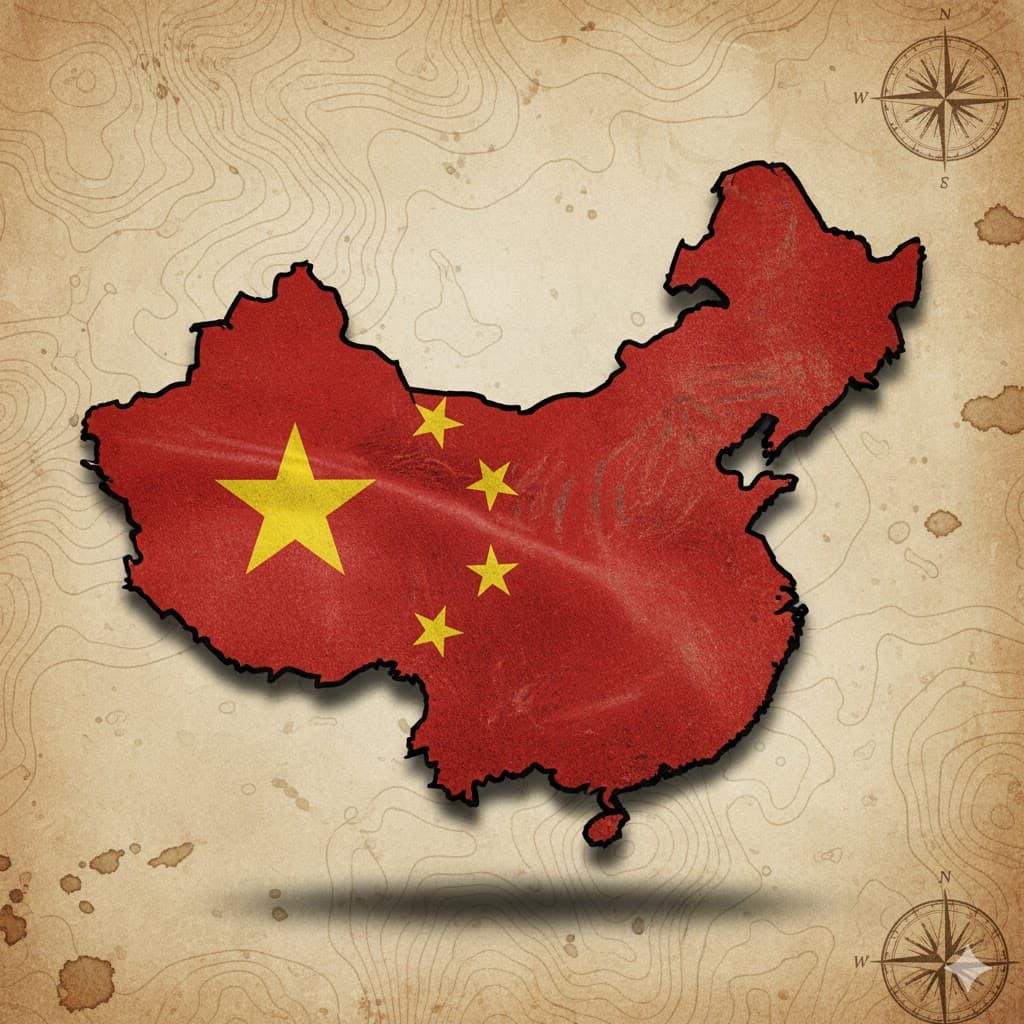
China
Descubre la cocina local, mercados tradicionales, bodegas y experiencias culinarias únicas.
Saborea China: Una aventura gastronómica única
Explora los sabores auténticos de China en una experiencia gastronómica inolvidable.
Gastronomía local
Talking about 'Chinese cuisine' is an extreme simplification. Chinese cuisine is actually a set of very diverse regional cuisines, each with its own ingredients, techniques and flavor profiles. Based on the philosophy of balance between yin and yang, it seeks to harmonize colors, aromas and flavors. Rice is the fundamental pillar, especially in the south. [35, 36]
Platos Icónicos
Peking Duck
An imperial dish and a ceremonial feast. The duck is roasted until the skin is incredibly crispy and the meat is tender. It is served in thin slices so that the diner can wrap them in small crepes with hoisin sauce, cucumber and chives. [24, 31]
Dumplings (Jiaozi)
Thin dough dumplings filled with meat (usually pork) and vegetables, which can be boiled, fried or steamed. They are a symbol of family unity and are especially eaten during Chinese New Year. They are dipped in a mixture of rice vinegar and soy sauce. [17, 31]
Gong Bao Chicken (Kung Pao Chicken)
A classic dish of Sichuan cuisine. They are diced chicken sautéed with peanuts, vegetables and chillies. The sauce is a perfect balance of salty, sweet, sour and spicy, with the characteristic numbing touch of Sichuan pepper. [17, 24]
Sweet and Sour Pork
A dish of Cantonese origin that has become popular throughout the world. Battered and fried pieces of pork, served with a bright red sweet and sour sauce made from vinegar, sugar and often pineapple, pepper and onion. [24]
Mapo Tofu
Another iconic Sichuan dish, not suitable for sensitive palates. It is a stew of soft tofu in a spicy, oily sauce made from fermented beans, chillies and minced pork or beef. Its flavor is complex and very powerful. [30]
Xiaolongbao
Originally from Shanghai, they are delicate steamed dumplings filled with meat and, most importantly, a hot and tasty broth. They are eaten carefully: you bite into the dough a little to sip the broth before eating the rest. They are served in bamboo baskets. [30]
Lo que destaca
- China is traditionally divided into eight major culinary traditions (Sichuan, Cantonese, Jiangsu, etc.). The Sichuan one is famous for its spicy and numbing (málà); the Cantonesa for its soft flavors and techniques such as steam; and Shandong for its seafood and soups.
- The wok is essential. The technique of sautéing over very high heat (stir-frying) is essential. Look for 'wok hei', which translates to 'breath of the wok', a smoky, complex flavor and aroma achieved by quickly cooking ingredients in a very hot wok.
A tener en cuenta
Conceptos Clave de la Gastronomía
The Eight Great Kitchens
China is traditionally divided into eight major culinary traditions (Sichuan, Cantonese, Jiangsu, etc.). The Sichuan one is famous for its spicy and numbing (málà); the Cantonesa for its soft flavors and techniques such as steam; and Shandong for its seafood and soups.
The Art of Stir-Frying (Wok Hei)
The wok is essential. The technique of sautéing over very high heat (stir-frying) is essential. Look for 'wok hei', which translates to 'breath of the wok', a smoky, complex flavor and aroma achieved by quickly cooking ingredients in a very hot wok.
Platos Nacionales Icónicos
Peking Duck
An imperial dish and a ceremonial feast. The duck is roasted until the skin is incredibly crispy and the meat is tender. It is served in thin slices so that the diner can wrap them in small crepes with hoisin sauce, cucumber and chives. [24, 31]
Dumplings (Jiaozi)
Thin dough dumplings filled with meat (usually pork) and vegetables, which can be boiled, fried or steamed. They are a symbol of family unity and are especially eaten during Chinese New Year. They are dipped in a mixture of rice vinegar and soy sauce. [17, 31]
Gong Bao Chicken (Kung Pao Chicken)
A classic dish of Sichuan cuisine. They are diced chicken sautéed with peanuts, vegetables and chillies. The sauce is a perfect balance of salty, sweet, sour and spicy, with the characteristic numbing touch of Sichuan pepper. [17, 24]
Sweet and Sour Pork
A dish of Cantonese origin that has become popular throughout the world. Battered and fried pieces of pork, served with a bright red sweet and sour sauce made from vinegar, sugar and often pineapple, pepper and onion. [24]
Mapo Tofu
Another iconic Sichuan dish, not suitable for sensitive palates. It is a stew of soft tofu in a spicy, oily sauce made from fermented beans, chillies and minced pork or beef. Its flavor is complex and very powerful. [30]
Xiaolongbao
Originally from Shanghai, they are delicate steamed dumplings filled with meat and, most importantly, a hot and tasty broth. They are eaten carefully: you bite into the dough a little to sip the broth before eating the rest. They are served in bamboo baskets. [30]
Postres Tradicionales
Mooncake
The emblematic sweet of the Mid-Autumn Festival. They are dense, round cakes, often filled with lotus seed or red bean paste, with a salted egg yolk in the center that symbolizes the full moon. [5, 10, 21]
Glutinous Rice Balls (Tangyuan)
Small balls of glutinous rice flour, which can be solid or filled with black sesame or peanut paste. They are served in a sweet or salty broth and are typical of the Lantern Festival, symbolizing family unity. [5, 10]
Tanghulu
A very popular street skewer, especially in winter. It consists of fruits, such as hawthorn or strawberries, covered with a crunchy, shiny caramel coating. It is visually appealing and deliciously sweet and tart. [5, 10]
Egg Tartlet (Dan Ta)
With a crispy puff pastry base and a creamy egg custard filling, this tart has its origins in Macau through Portuguese pastries de nata. It has become a very popular dessert throughout China, especially in Cantonese-style bakeries. [5]
Bebidas Típicas
Tea (Cha)
The national drink par excellence and an integral part of culture. There are countless varieties: green tea (the most consumed), oolong tea, black tea, puerh tea (fermented) and flower tea such as chrysanthemum. The tea ceremony is a refined art. [6, 9]
Baijiu
The most consumed liquor in the world, although little known outside of China. It is a powerful and transparent spirit distilled from sorghum or other grains, with a very high alcohol content (between 40% and 60%). It is the drink for toasts and banquets. [9, 38]
Tsingtao Beer
The most internationally famous Chinese beer brand. Founded by German settlers in the city of Qingdao, it is a light and refreshing lager beer, ideal to accompany food. [16]
Soy Milk (Doujiang)
A very popular breakfast drink, often served hot. It can be sweet or salty and is usually accompanied by 'youtiao' (fried churros) for dipping. [6]
¿Quieres saber más sobre China?
Descubre la guía completa con historia, itinerarios detallados, consejos prácticos y toda la información que necesitas.
Ver guía completa