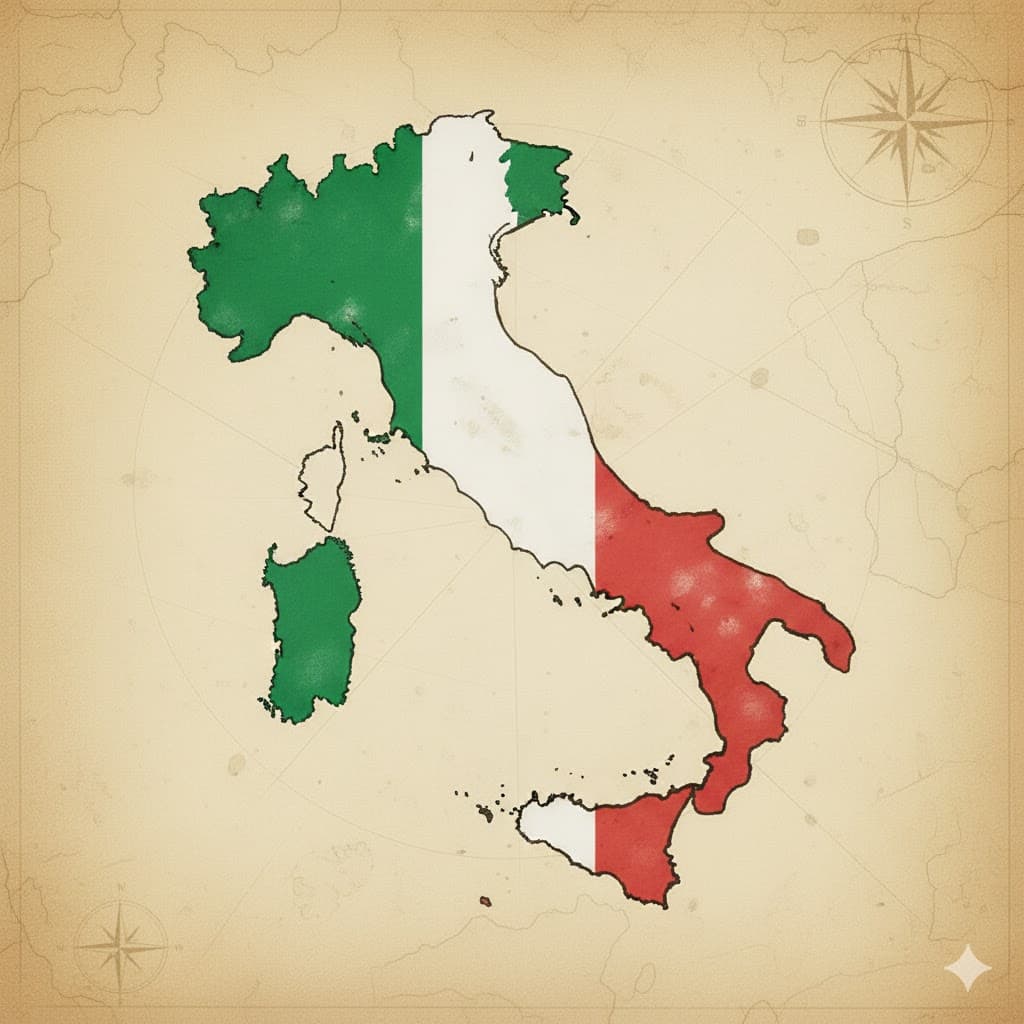
Italy
Descubre la cocina local, mercados tradicionales, bodegas y experiencias culinarias únicas.
Saborea Italy: Una aventura gastronómica única
Explora los sabores auténticos de Italy en una experiencia gastronómica inolvidable.
Gastronomía local
Italian cuisine is a universe of regional flavors, based on simplicity, the quality of fresh ingredients, and a love for tradition. It is much more than pizza and pasta; it is a philosophy of life where food brings people together. Each of Italy's 20 regions has its own culinary treasure.
Platos Icónicos
Neapolitan Pizza
The original pizza, a UNESCO World Heritage item. With a soft dough and puffy crust, it's topped with simple, high-quality ingredients like tomato, buffalo mozzarella, fresh basil, and olive oil. The Margherita is the undisputed queen.
Pasta alla Carbonara
A creamy and powerful Roman classic. The authentic recipe is made with guanciale (cured pork jowl), egg yolks, Pecorino Romano cheese, and freshly ground black pepper. No cream. An addictive dish.
Risotto alla Milanese
An elegant and comforting dish from the north. Carnaroli or Arborio rice is slow-cooked in broth, famous for its golden color and delicate saffron aroma, and made creamy at the end with butter and Parmigiano Reggiano.
Lasagne alla Bolognese
Layers of fresh pasta intertwined with a rich Bolognese sauce (ragù), creamy béchamel, and abundant Parmigiano Reggiano, baked until the surface is golden and crispy. The ultimate comfort food.
Bistecca alla Fiorentina
A meat lover's dream. A thick T-bone steak from Chianina cattle, grilled, seared on the outside, and very rare on the inside. It's seasoned simply with salt, pepper, and a drizzle of Tuscan olive oil.
Cacio e Pepe
The genius of Roman simplicity. A pasta dish (typically tonnarelli or spaghetti) with just three ingredients: pasta, Pecorino Romano cheese, and black pepper. The secret is to create a creamy emulsion with the pasta's cooking water.
Lo que destaca
- 'Italian cuisine' as a single entity doesn't really exist; there are the cuisines of Emilia-Romagna, Sicily, Tuscany, etc. A dish can vary drastically from one town to another. The real Italy is discovered by tasting the local specialties of each place.
- The secret of Italian cuisine is respect for high-quality ingredients. From San Marzano tomatoes for the sauce, to extra virgin olive oil, Parmigiano Reggiano cheese, or fresh basil. The technique seeks to enhance the natural flavor, not mask it.
A tener en cuenta
Conceptos Clave de la Gastronomía
Extreme Regionalism
'Italian cuisine' as a single entity doesn't really exist; there are the cuisines of Emilia-Romagna, Sicily, Tuscany, etc. A dish can vary drastically from one town to another. The real Italy is discovered by tasting the local specialties of each place.
The Sanctity of the Product
The secret of Italian cuisine is respect for high-quality ingredients. From San Marzano tomatoes for the sauce, to extra virgin olive oil, Parmigiano Reggiano cheese, or fresh basil. The technique seeks to enhance the natural flavor, not mask it.
Platos Nacionales Icónicos
Neapolitan Pizza
The original pizza, a UNESCO World Heritage item. With a soft dough and puffy crust, it's topped with simple, high-quality ingredients like tomato, buffalo mozzarella, fresh basil, and olive oil. The Margherita is the undisputed queen.
Pasta alla Carbonara
A creamy and powerful Roman classic. The authentic recipe is made with guanciale (cured pork jowl), egg yolks, Pecorino Romano cheese, and freshly ground black pepper. No cream. An addictive dish.
Risotto alla Milanese
An elegant and comforting dish from the north. Carnaroli or Arborio rice is slow-cooked in broth, famous for its golden color and delicate saffron aroma, and made creamy at the end with butter and Parmigiano Reggiano.
Lasagne alla Bolognese
Layers of fresh pasta intertwined with a rich Bolognese sauce (ragù), creamy béchamel, and abundant Parmigiano Reggiano, baked until the surface is golden and crispy. The ultimate comfort food.
Bistecca alla Fiorentina
A meat lover's dream. A thick T-bone steak from Chianina cattle, grilled, seared on the outside, and very rare on the inside. It's seasoned simply with salt, pepper, and a drizzle of Tuscan olive oil.
Cacio e Pepe
The genius of Roman simplicity. A pasta dish (typically tonnarelli or spaghetti) with just three ingredients: pasta, Pecorino Romano cheese, and black pepper. The secret is to create a creamy emulsion with the pasta's cooking water.
Postres Tradicionales
Tiramisù
Perhaps the most famous Italian dessert. Layers of ladyfingers soaked in strong coffee, alternated with a smooth cream of mascarpone cheese and eggs, and dusted with cocoa powder. Its name means 'pick me up'.
Gelato
It's not just ice cream. Artisanal Italian gelato is denser, creamier, and has a more intense flavor because it contains less air and fat. Trying classic flavors like pistachio from Bronte or hazelnut from Piedmont is a must.
Sicilian Cannoli
A gem of Sicilian pastry. They are tubes of fried, crispy dough filled at the last minute with a sweet ricotta cheese cream, often with chocolate chips, candied fruit, or pistachios at the ends.
Panna Cotta
An elegant and delicate dessert originating from Piedmont. Its name means 'cooked cream'. It is a kind of cream pudding, smooth and silky, traditionally served with a berry, caramel, or chocolate sauce.
Bebidas Típicas
Wine
Italy is the world's largest wine producer, with an astonishing diversity. From the robust red Chianti of Tuscany and Barolo of Piedmont, to the crisp white Pinot Grigio and the sparkling Prosecco of Veneto.
Coffee (Espresso, Cappuccino...)
Coffee is a ritual. An espresso is drunk quickly at the bar at any time. A cappuccino is strictly for breakfast (ordering it after 11 a.m. is a tourist eccentricity). A 'caffè macchiato' is an espresso with a drop of milk.
Aperol Spritz
The quintessential aperitivo drink, especially in the north. A refreshing mix of Aperol, Prosecco, and a splash of soda, garnished with an orange slice. Its bright orange color is the symbol of the Italian sunset.
Limoncello
A sweet and potent liqueur made from the zest of lemons from the Amalfi and Sorrento coasts. It is served chilled in small glasses after dinner as a 'digestivo' to aid digestion. It's like drinking liquid sunshine.
¿Quieres saber más sobre Italy?
Descubre la guía completa con historia, itinerarios detallados, consejos prácticos y toda la información que necesitas.
Ver guía completa