Loading destination...
Loading destination...
Loading destination...
Loading destination...
Loading destination...
Loading destination...
Explora los sabores auténticos de Fiji en una experiencia gastronómica inolvidable.
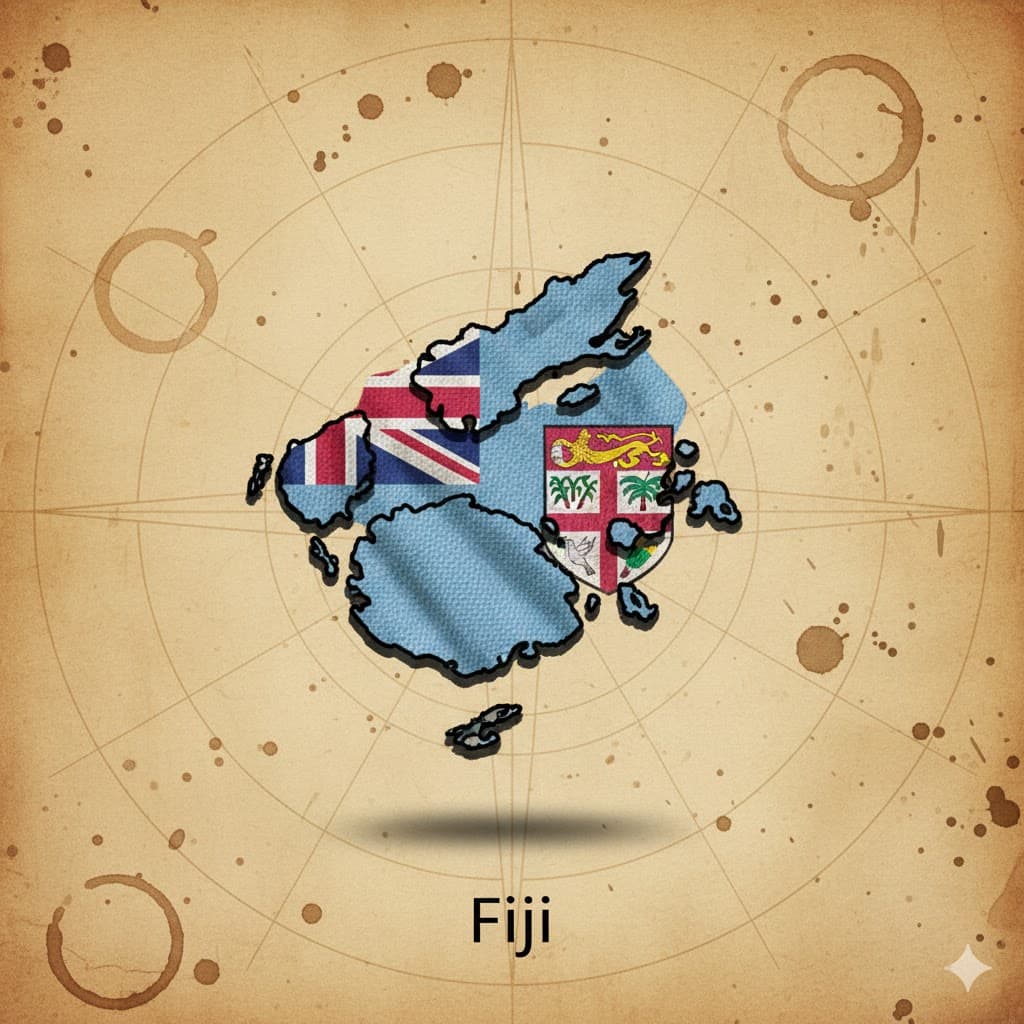
Fiji is an island country in Oceania made up of more than 300 islands. It is a dream destination known for its tropical landscapes, crystal-clear waters ideal for diving and a vibrant culture that mixes Melanesian, Polynesian and Indian traditions.
TripMatches · Remember · Plan
Been to Fiji or still want to go? Pick one and we'll take you straight to it.
Fijian cuisine is a vibrant fusion of fresh Pacific ingredients and Indian culinary influences. It is based on products from the land such as taro and cassava, and the abundance of the ocean, all harmonized with the generous use of coconut milk.
Fiji's most famous dish. It is a ceviche of fresh fish (usually walu or snapper) marinated in lime juice and then served in a rich coconut milk sauce with chopped onion, chilies and tomatoes. It is traditionally served in a coconut shell.
Taro leaves stuffed with a mixture of meat (sometimes corned beef), onion, and thick coconut cream, wrapped and cooked in steam or lovo until the leaves become tender and flavorful.
Unlike traditional Indian curries, Fiji curries often incorporate coconut milk and local products such as pumpkin or fish, resulting in a milder, creamier but equally spicy flavor.
Known as 'Fiji asparagus', it is the unopened flower of a sugar cane plant. It is mainly consumed in season (April-May) and is prepared in curries or cooked in coconut milk.
A simple and nutritious dish made with taro leaves cooked in coconut milk until they have a consistency similar to creamed spinach.
More than a drink, it is a social institution. It has an earthy flavor and produces a slight numbness in the mouth and a feeling of relaxation. It is drunk in wooden bowls called 'tanoa'.
Available on every corner and beach. It is the most natural and refreshing way to hydrate under the tropical sun.

The local beers par excellence. The Gold is lighter and softer, ideal for warm weather, while the Bitter is more robust.
A traditional dessert made of grated cassava and ginger, mixed with cane sugar and coconut milk, wrapped in banana leaves and steamed.
A dense, dark pudding made with coconut milk, flour and caramelized sugar. It is usually served hot with a little butter or coconut cream on top.
Fijian papaya, mango, pineapple and bananas have a rich, sweet flavor that beats any fancy dessert.
Discover the full guide with history, detailed itineraries, practical tips and all the information you need.
View full guideMore than a drink, it is a social institution. It has an earthy flavor and produces a slight numbness in the mouth and a feeling of relaxation. It is drunk in wooden bowls called 'tanoa'.
TripMatches · Remember · Plan
Been to Fiji or still want to go? Pick one and we'll take you straight to it.
Access the full profile: attractions, weather, gastronomy, events and more.
Discover this destination in depth