Loading destination...
Loading destination...
Loading destination...
Loading destination...
Loading destination...
Loading destination...
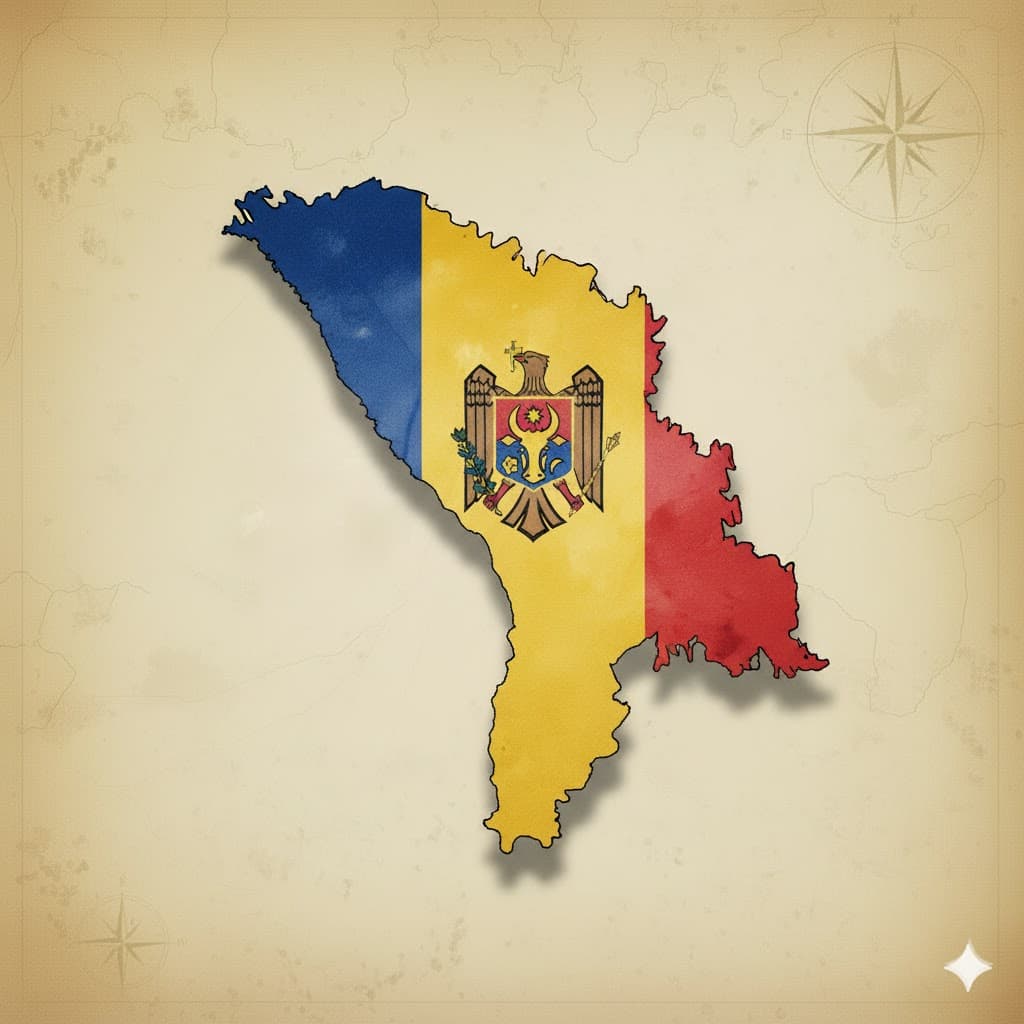
Explora los sabores auténticos de Moldova en una experiencia gastronómica inolvidable.
Moldova, officially the Republic of Moldova, is a country located between Romania and Ukraine. It is known for its vast vineyards and world-famous underground wineries. Its hilly terrain is home to centuries-old Orthodox monasteries and a rich cultural heritage with deep Latin roots, also marked by its Soviet history.
TripMatches · Remember · Plan
Been to Moldova or still want to go? Pick one and we'll take you straight to it.
Moldovan gastronomy is a faithful reflection of its history and its land: robust, tasty and generous. With strong influences from Romanian, Russian, Ukrainian and Balkan cuisine, it is based on the fresh products of its fertile fields. Corn, vegetables, dairy products and meat are the stars of home cooking full of soul.
The national dish par excellence. It is a corn flour polenta, similar to the Italian one, that serves as a base for many dishes. It is traditionally served with 'brânză' (a brined sheep's cheese), 'smântână' (sour cream) and often with a pork stew ('tocană').
Some empanadas or cakes, fried or baked, that are found everywhere. They can be salty, filled with cheese, potato or cabbage, or sweet, with pumpkin or cherries. They are the perfect appetizer at any time of the day.
Cabbage or grape leaf rolls filled with a mixture of minced pork, rice and vegetables. They are simmered for hours and are a must-have dish at any family celebration.
A light and aromatic chicken soup, considered the remedy for all ills. It is made with homemade chicken, thin noodles ('tăiței de casă') and 'borș acru' (a sour wheat bran liquid) is added, which gives it its characteristic flavour.
A salad or creamy pate of roasted and crushed eggplants, mixed with oil, onion and sometimes mayonnaise. It is served cold with bread and is a very popular starter ('zakuska').
Large, juicy meatballs, usually fried. Unlike other versions, they often have potato or breadcrumbs in the mixture, which makes them very tender. They are a very common comfort food.
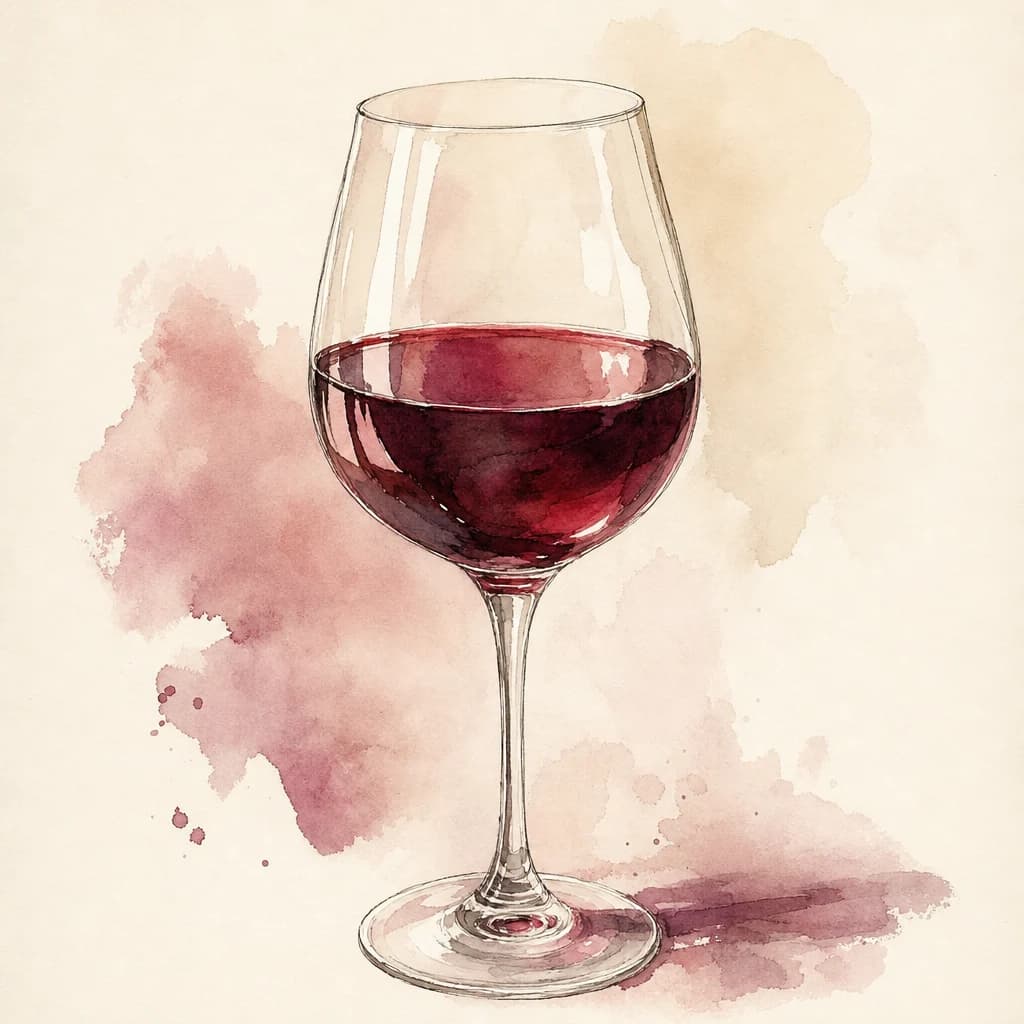
The national drink. Moldova is famous for its wines, both international varieties and indigenous grapes such as Fetească Albă, Fetească Neagră and Rară Neagră.
It is the local name for brandy or cognac, one of the most appreciated spirits in the country. Wineries like Kvint, in Tiraspol, are famous for their high quality.
A powerful homemade brandy, similar to Balkan rachia, which is made mainly from plums, but also from apples or apricots. It is a symbol of welcome in rural areas.
A very popular non-alcoholic drink, especially in homes. It is prepared by boiling fresh or dried fruits (such as cherries, apricots or apples) with sugar. It is served cold in summer and hot in winter.
A traditional and elegant dessert. It consists of pitted prunes that are stuffed with a walnut half and often served with sour cream ('smântână') on top.
A spongy, braided sweet bread, similar to panettone, that is prepared for big holidays like Easter and Christmas. It can be filled with nuts, cocoa or Turkish delight.
A traditional Easter cake. It is a round cake with a sweet dough base filled with a mixture of sweet fresh cheese ('brânză de vaci'), raisins and aromas.
A very original looking cake reminiscent of a winter hat. It is made with thin rolled crepes filled with cherries and stacked in a pyramid shape, all covered in sour cream and grated chocolate.
Discover the full guide with history, detailed itineraries, practical tips and all the information you need.
View full guideThe national drink. Moldova is famous for its wines, both international varieties and indigenous grapes such as Fetească Albă, Fetească Neagră and Rară Neagră.
TripMatches · Remember · Plan
Been to Moldova or still want to go? Pick one and we'll take you straight to it.
Access the full profile: attractions, weather, gastronomy, events and more.
Discover this destination in depth