

Guide de voyage général : l'essence atlantique du Cap-Vert
Surgissant des profondeurs de l'Atlantique tel un pont magique entre l'Afrique, l'Europe et l'Amérique, le Cap-Vert est un archipel de dix îles où chacune possède son univers propre et incomparable. Divisée en îles du Vent (au nord) et de Sotavento (au sud), cette mosaïque insulaire défie toute monotonie : les déserts de dunes dorées caressant les eaux turquoise de Sal et Boa Vista laissent place aux pics de basalte noir et aux paysages lunaires du volcan Fogo, ou aux gorges couvertes de plantations de canne à sucre et de café à Santo Antão. Mais au-delà de son étonnante diversité géologique, le Cap-Vert tombe amoureux de son âme : la chaleur spontanée de ses habitants - la célèbre « Morabeza » -, l'arôme du grogue fraîchement distillé et le rythme mélancolique d'une guitare qui chante une morna dans n'importe quelle taverne au crépuscule. Voyager au Cap Vert, c'est s'abandonner à un rythme lent, lumineux et profondément musical.
Capital
Plage
Population
555.987
Langue
Portugais
Sites du patrimoine de l'UNESCO
0
Indices de voyage
Scores basés sur des données réelles de 0 à 100
Le meilleur de Cap-Vert
Expériences uniques
Grimpez le cratère Pico do Fogo et dormez dans la lave
Le Pico do Fogo s'élève de façon imposante à 2 829 mètres d'altitude. Gravir ses pentes de cendres volcaniques jusqu'au sommet et glisser à toute vitesse sur le pic noir est une aventure inoubliable. Dans la caldeira de Chã das Caldeiras, une communauté résiliente vit entourée de récentes coulées de lave, cultivant des vignes et des arbres fruitiers centenaires sur un sol volcanique.
Randonnée à travers les vallées vertes de Santo Antão
Accessible uniquement par ferry depuis São Vicente, Santo Antão est la Mecque du trekking atlantique. Des sentiers pavés creusés à la main dans la roche descendent à travers la vallée de Paul, Ribeira Grande et Fontainhas (un village perché au bord d'une falaise verdoyante), en passant par des cascades, des terrasses de canne à sucre, des plantations de bananes et des distilleries artisanales de grogue.
Ressentez la musique et la nuit bohème de Mindelo
Mindelo, sur l'île de São Vicente, est le cœur artistique et musical du Cap-Vert. La ville natale de Cesária Évora respire la culture à chaque coin de rue : galeries d'art, demeures coloniales colorées de la Praça Nova et bars traditionnels où les musiciens locaux se réunissent spontanément pour jouer des mornas, des coladeiras et du funaná vibrant jusque tard dans la nuit.
Découvrez l’histoire créole à Cidade Velha
Située sur l'île de Santiago et déclarée site du patrimoine mondial par l'UNESCO, Ribeira Grande (aujourd'hui Cidade Velha) a été fondée en 1462 comme première ville coloniale européenne sous les tropiques et étape clé du commerce transatlantique. Les points forts incluent le fort royal de San Felipe, le pilori en pierre (« Pelourinho ») face à la mer et les ruines de la plus ancienne cathédrale d'Afrique subsaharienne.
Déconnectez-vous sur les plages infinies de Sal et Boa Vista
Pour les amateurs de sports de soleil, de mer et de vent, Sal et Boa Vista offrent des plages de sable fin dignes d'une carte postale sur des kilomètres. Santa María (à Sal) séduit par son ponton de pêche animé et ses eaux cristallines, tandis que Boa Vista affiche la plage sauvage de Santa Monica (18 km de sable vierge) et les dunes sahariennes du désert de Viana.
Repérez les tortues de mer et les baleines à bosse
Le Cap-Vert est le troisième sanctuaire de nidification de tortue caouanne (*Caretta caretta*) le plus important de la planète. Faire une excursion nocturne guidée et respectueuse entre juillet et octobre sur les plages de Boa Vista ou de Sal pour observer le frai est magique. De même, entre mars et mai, les eaux de l'archipel accueillent des groupes de baleines à bosse pendant leur saison de reproduction.
Saveurs créoles de la mer et de la terre volcanique
La gastronomie cap-verdienne est un savoureux reflet de son histoire métisse, basée sur des aliments simples, frais et réconfortants. Il s'articule autour du maïs, des légumineuses cultivées en terrasses de montagne, des pêches quotidiennes de l'Atlantique (thon frais, espadon, mérou, balanes et homards) et d'une délicieuse tradition pâtissière parfumée aux fruits tropicaux et au fromage de chèvre artisanal.
La Cachupa comme axe social et nutritionnel
La cachupa est l'âme des foyers capverdiens. Fabriqué à partir de maïs blanc concassé et de légumineuses, il est cuit à feu doux pendant des heures et partagé en famille ou entre amis lors de tout événement quotidien ou festif.
La fraîcheur de l'Atlantique et des fruits de mer de roche
L'océan fournit quotidiennement du thon rouge de première qualité, généralement servi grillé à l'ail ou en carpaccio mariné, ainsi que des spécialités marines telles que les balanes (« percebes de rocha ») et les patelles cuites dans leur coquille.
Plats Iconiques
Cachupa riche
Le plat national incontesté du Cap-Vert. Un ragoût patiemment cuit à feu doux qui associe plusieurs types de maïs décortiqué, des haricots, du manioc, de la patate douce, du potiron, du chou et un assortiment de viandes (porc, poulet, bœuf) et de saucisses locales (linguiça et chouriço).
Cachupa mijotée (Refogada)
La version matinale de la cachupa restante de la veille. Il est sauté à la poêle avec de l'oignon poché et du beurre jusqu'à ce qu'il soit légèrement sec et grillé, servi avec un œuf au plat dessus et des tranches de linguiça frite pour un petit-déjeuner plein d'énergie.
Steak Atoum au Cap-Vert
Filets épais de thon fraîchement pêché, marinés dans de l'ail frais, du laurier, du vin blanc, du citron vert et du paprika, grillés et servis avec de l'oignon poché caramélisé, du riz créole et des patates douces cuites.
Gâteau avec Diabo à l'intérieur
Quenelles croustillantes faites avec une pâte fine à base de farine de blé et de patate douce cuite, farcies d'un thon frais ou de maquereau haché juteux et très épicé avec de l'oignon, de la tomate et beaucoup de piment 'malagueta' épicé.
Modje de São Nicolau
Ragoût traditionnel et festif typique de l'île de São Nicolau, préparé avec de la tendre viande de chèvre cuite à feu doux avec du manioc, de la banane verte, de la patate douce et des herbes aromatiques, accompagné de riz blanc en vrac.
Bouillon de poisson à la Banane-Pão
Soupe de fruits de mer aromatique et réparatrice préparée à partir de la cuisson de poissons de roche frais entiers avec des pommes de terre, du manioc, des tomates, des poivrons et des tranches de plantain vert (« banane-pão ») qui donnent de la consistance au bouillon.
Boissons typiques
Grogue de Santo Antão
L'alcool national par excellence, distillé à la main dans des alambics en cuivre (« trapiches ») à partir du jus fermenté de canne à sucre pur sans additifs. Il est puissant, aromatique et fait la fierté des vallées de Santo Antão.
Poinçon Crioulo
Liqueur douce et traditionnelle élaborée en mélangeant du grogue artisanal avec du miel de canne à sucre pur (« mel de cana »), du jus de citron vert fraîchement pressé et souvent parfumée à la noix de coco, au café ou aux fruits de la passion.
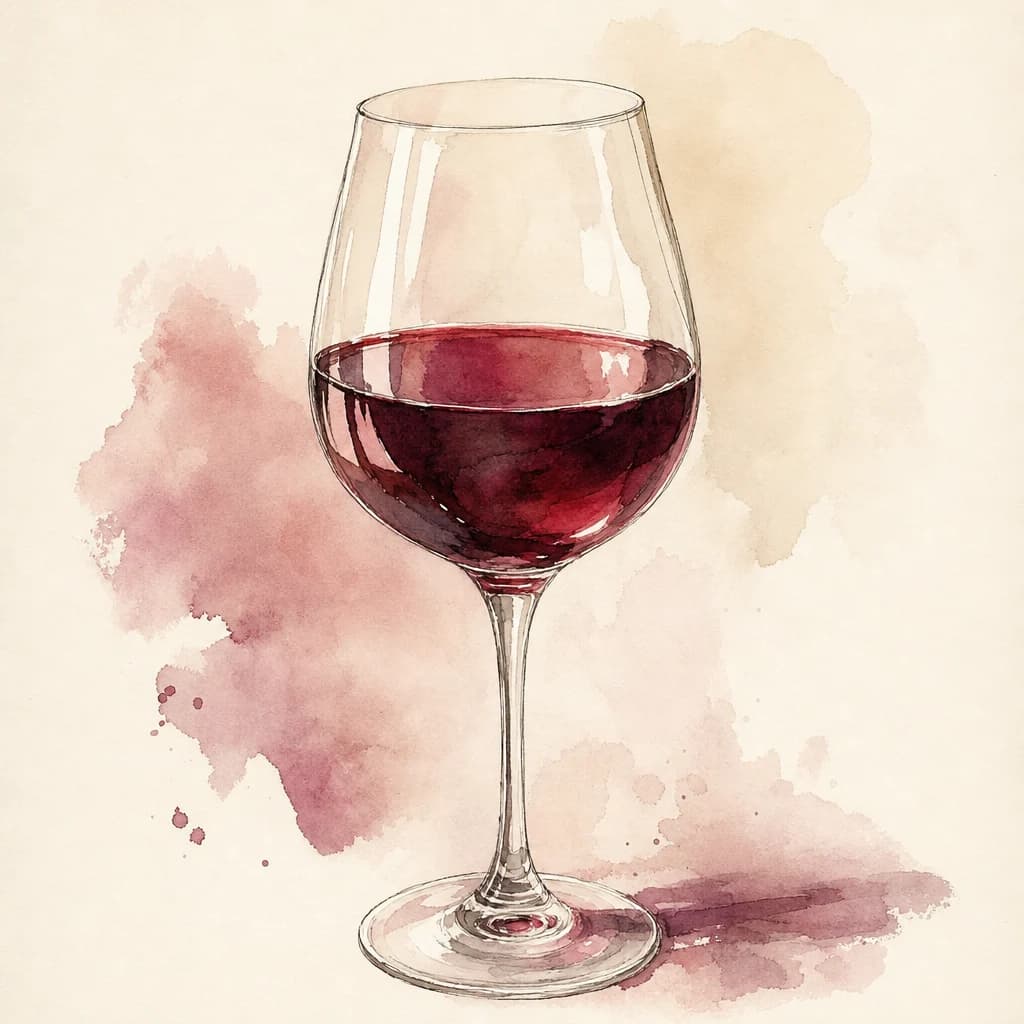
Vinho de Chã (Vin de Fogo)
Vin volcanique héroïque produit dans la caldeira de Chã das Caldeiras (Fogo) à partir de vignes cultivées sur du frêne noir à plus de 1 700 mètres d'altitude. Le 'Manecom' blanc (frais et minéral) et les rouges charpentés et volcaniques se démarquent.
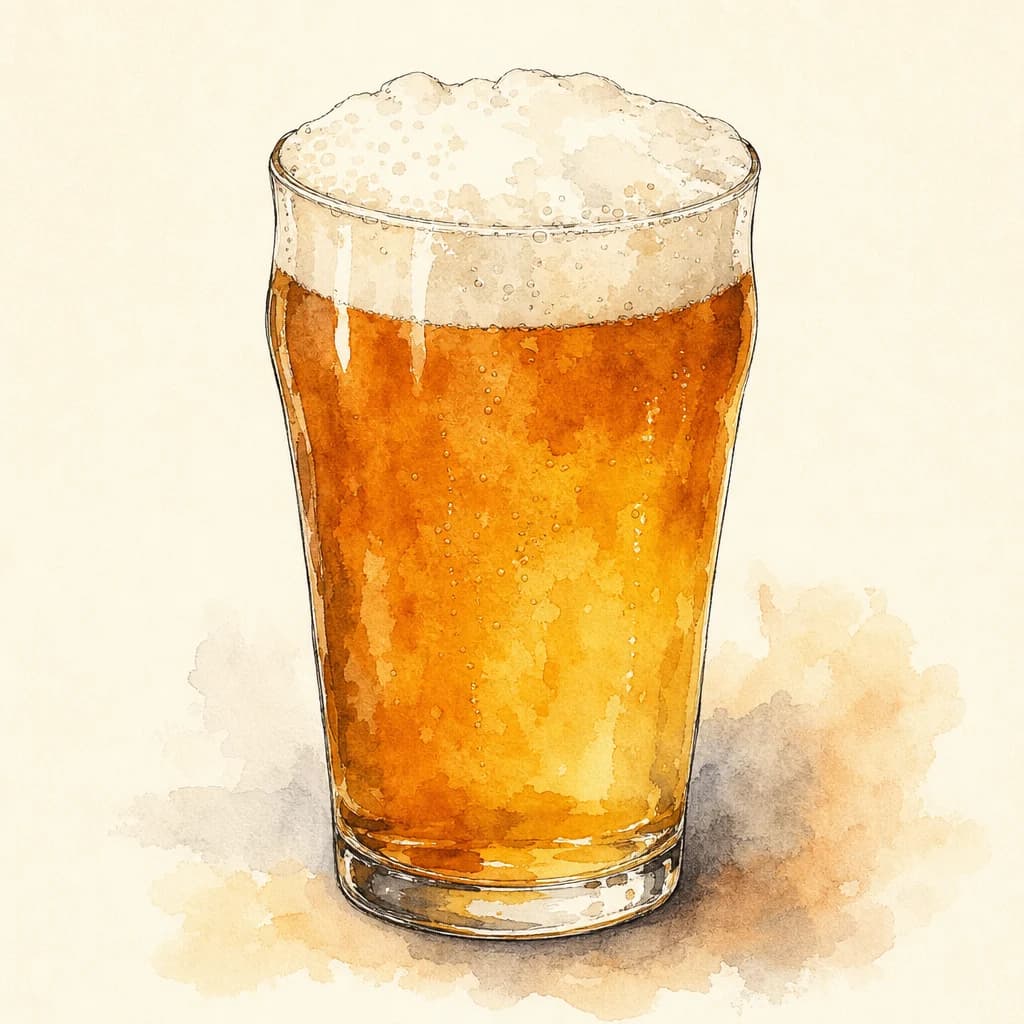
Bière Strela et café Fogo
La Strela est la bière blonde nationale, légère et rafraîchissante. De son côté, le café Arabica récolté sur les pentes volcaniques de Fogo est l'un des plus sélectionnés et rares au monde, caractérisé par sa faible acidité et son corps velouté.
Desserts traditionnels
Pudim de Queijo
Flan traditionnel dense et crémeux à base de fromage de chèvre frais local, de lait concentré, d'œufs frais et de sucre caramélisé, réalisant un sublime équilibre entre sucré et salé.
Doce de Papaia avec Queijo de Fogo
Le dessert quotidien par excellence : sucré artisanal de papaye verte râpée cuite lentement dans un sirop de cassonade, cannelle et zeste de citron, servi avec des tranches de fromage de chèvre affiné de Fogo.
Kuskus avec Manteiga et Mel de Cana
Gâteau traditionnel à la farine de maïs et de manioc cuit à la vapeur dans un pot en argile spécial (« binde »). Il se consomme chaud, fraîchement démoulé, arrosé de beurre fondu et de miel de canne à sucre.
Douze de Coco et Banane
Confiture rustique à base de pulpe de coco fraîche râpée cuite avec des bananes mûres locales, du sucre de canne et de la muscade, à consommer seule ou sur des crêpes traditionnelles.
Que voir par thème
Le Cap-Vert offre une diversité géographique et culturelle extraordinaire répartie sur ses dix îles : des plages désertes et des vagues mondiales aux volcans actifs, vallées agricoles et épicentres musicaux.
Plages paradisiaques et sports nautiques (Sal et Boa Vista)
Sal et Boa Vista sont le royaume du sable blanc et des eaux turquoise. À Sal, Ponta Preta et Kite Beach sont des temples mondiaux du kitesurf et de la planche à voile, tandis que les marais salants de Pedra de Lume permettent de flotter dans des eaux hypersalines à l'intérieur d'un cratère. A Boa Vista, l'épave du naufrage Cabo Santa Maria et les dunes de Praia da Chave offrent des paysages maritimes sauvages.
Trekking, Vallées Vertes et Nature (Santo Antão et São Nicolau)
Santo Antão est le paradis incontesté de la randonnée avec des itinéraires mythiques comme la descente de la Cova de Paúl ou le sentier côtier de Cruzinha à Ponta do Sol. À São Nicolau, le parc naturel de Monte Gordo et les paysages de Carbeirinho aux rochers sculptés par le vent et la mer offrent une tranquillité absolue loin des routes touristiques.
Volcans colossaux et paysages lunaires (Fogo et Brava)
L'île de Fogo impressionne par le cône parfait de Pico do Fogo et les paysages de lave noire de Chã das Caldeiras, où les maisons de basalte émergent des cendres. La petite île voisine de Brava, « l'Île aux Fleurs », séduit par ses jardins de bougainvilliers, ses brumes perpétuelles et ses villes coloniales comme Nova Sintra.
Musique, art et bohème (São Vicente)
São Vicente est la capitale culturelle de l'archipel. Mindelo combine son architecture coloniale pastel autour de la baie de Porto Grande avec son célèbre carnaval de février (au style brésilien marqué), des salles de concert live et la plage urbaine de Laginha aux eaux émeraude.
Histoire coloniale et racines africaines (Santiago et Maio)
Santiago est l'île la plus grande et la plus diversifiée. Outre la capitale Praia et l'historique Cidade Velha, l'intérieur montagneux de la Serra Malagueta cède la place à la côte nord de Tarrafal et aux communautés rabelados. L'île voisine de Maio séduit par ses paisibles villages de pêcheurs, ses marais salants et ses plages préservées et désertes.
Biodiversité marine et sanctuaires écologiques
Les eaux cap-verdiennes constituent un haut lieu de la biodiversité atlantique. Les colonies de tortues d'Ervatão (Boa Vista), les sanctuaires protégés d'oiseaux marins sur des îlots inhabités comme Ilhéu Raso et Ilhéu Branco (domicile de l'alouette de Raso), et les fonds marins de coraux et d'épaves attirent les plongeurs du monde entier.
Conseils de voyage
Transport inter-îles (vols et ferries)
Pour voyager entre les îles, il existe deux options : les vols intérieurs réguliers opérés par la compagnie aérienne locale (BestFly / TACV) ou les ferries maritimes (CV Interilhas). Il est recommandé de planifier et de réserver les vols internes à l'avance et de laisser des marges de temps suffisantes dans les itinéraires, car les conditions maritimes ou le vent peuvent entraîner des retards ou des annulations spécifiques.
Frais de sécurité aéroportuaire (EASE)
Les citoyens de l'Union européenne n'ont pas besoin de visa pour les courts séjours touristiques (jusqu'à 30 jours), mais il est obligatoire de s'inscrire en ligne avant de voyager via la plateforme officielle du gouvernement (EASE) et de payer les frais de sécurité aéroportuaire (TSA), qui peuvent également être traités à l'arrivée à l'aéroport international.
Monnaie et paiements (Escudo cap-verdien et euros)
La monnaie officielle est l'Escudo Cap-Vert (CVE), qui a un taux de change fixe lié à l'euro (1 EUR ≈ 110 265 CVE). Sur les îles touristiques comme Sal, Boa Vista et São Vicente, l'euro en espèces est largement accepté dans les magasins et les taxis (souvent au taux de change de 1 € = 100 CVE). Les cartes de crédit sont acceptées dans les hôtels et les principaux restaurants, mais il est indispensable d'apporter de l'argent liquide pour les îles les moins touristiques et pour les paiements courants.
L’esprit de Morabeza et le climat
Le Cap-Vert est l’un des pays les plus sûrs et politiquement stables d’Afrique. La « Morabeza » fait partie de la vie quotidienne : les relations avec les habitants sont toujours cordiales, respectueuses et bienveillantes. L'alizé souffle fort, surtout entre décembre et avril, il est donc conseillé de se munir d'un coupe-vent léger pour la nuit et d'une haute protection solaire toute l'année.
Ce guide est votre boussole pour découvrir l'âme unique et diversifiée du Cap-Vert. Chacune de ses îles garde un secret différent : du silence magique de ses volcans et de l'immensité de ses plages dorées au rythme d'une morna qui caresse le vent au coucher du soleil. Planifiez votre voyage d'île en île sans vous presser, laissez-vous envahir par la « Morabeza » et préparez-vous pour un voyage atlantique inoubliable. Boa viagem (Bon voyage) !
Chargement peut-être...
Explore Regions of Cap-Vert
Discover the most beautiful regions and plan your perfect trip
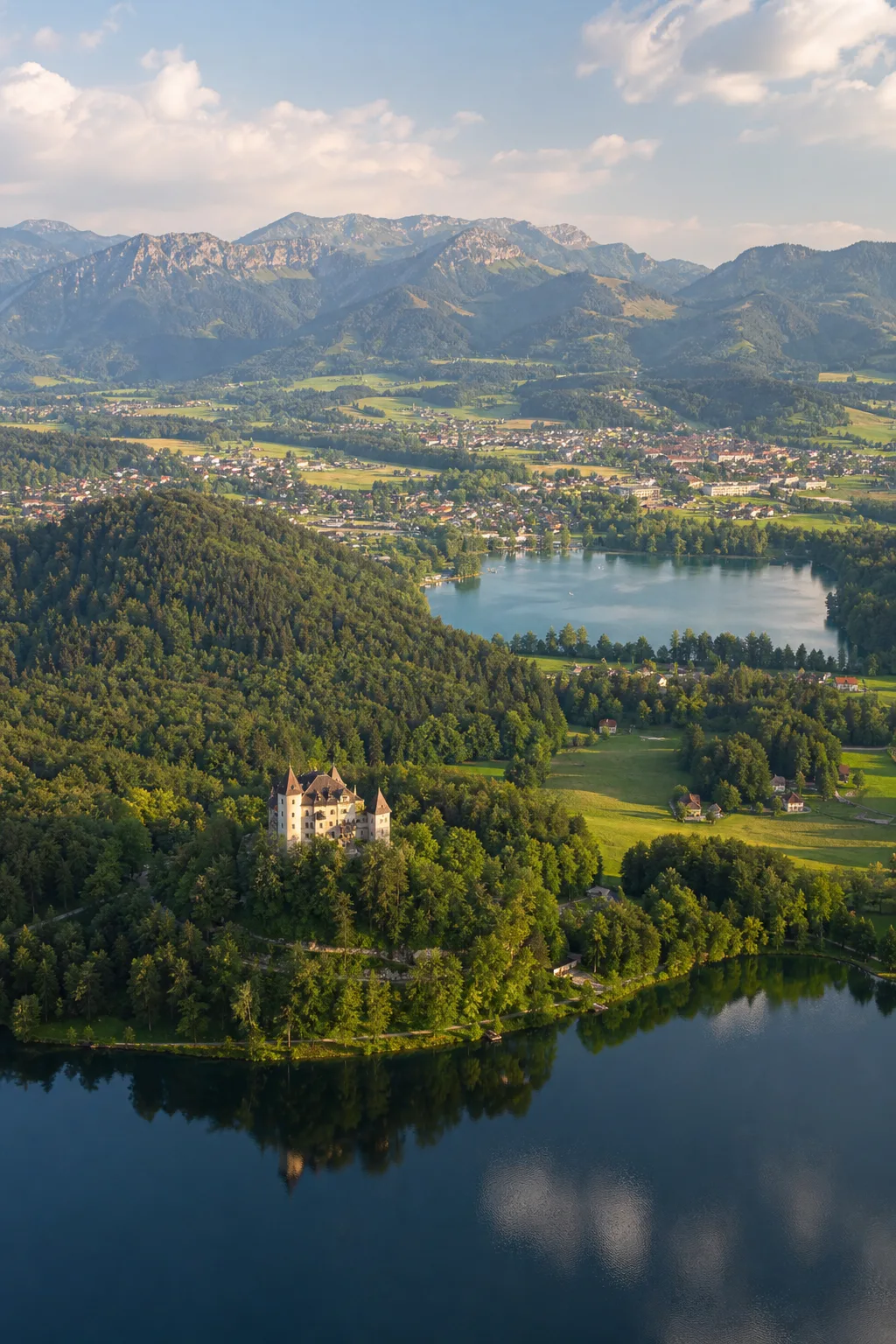
Barlavento Islands
Barlavento Islands offers distinctive landscapes, culture and experiences in Cap-Vert.
Boa Vista
Boa Vista offers distinctive landscapes, culture and experiences in Cap-Vert.
Fogo
Fogo offers distinctive landscapes, culture and experiences in Cap-Vert.
Sal
Sal offers distinctive landscapes, culture and experiences in Cap-Vert.
Avant de partir
Réponses rapides pour planifier votre voyage en toute confiance
Pourquoi cette destination
- Destination sûre : indice 80/100.
- 80Sécurité
- 60Abordable
Styles de voyage
TripPlanner
Créez votre itinéraire parfait
Chargement...
Votre profil de voyageur
Découvrez votre style de voyage
Chargement...