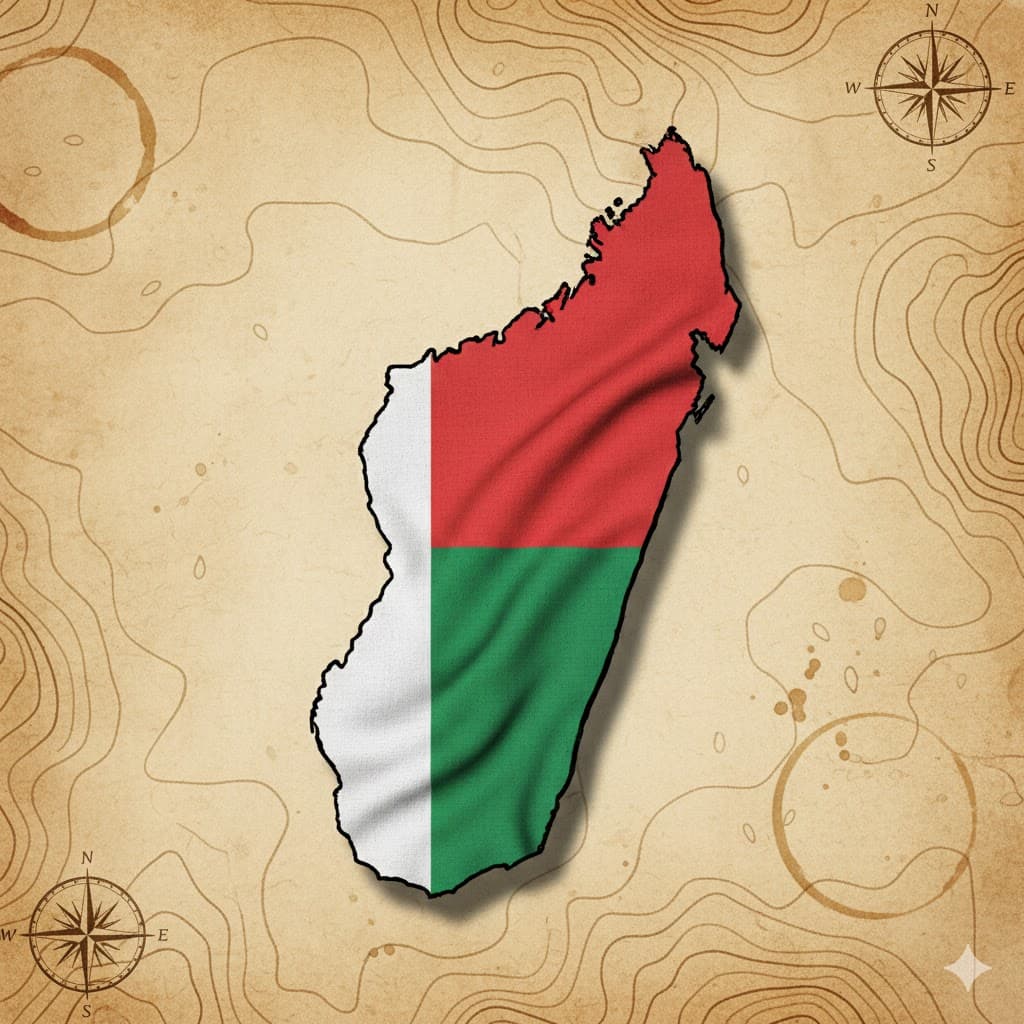
Guide de voyage général : le fascinant sanctuaire naturel de Madagascar
Madagascar est un univers à part, une arche de Noé flottant dans l'océan Indien dont l'évolution isolée sur des millions d'années lui a valu le surnom de « Huitième Continent ». Peu d'endroits sur Terre provoquent un sentiment d'émerveillement et de découverte aussi intense : ici vivent plus d'une centaine d'espèces de lémuriens aux yeux brillants et aux chants mystérieux, des caméléons allant de la taille d'un ongle à la taille d'un chat domestique, et des baobabs colossaux qui semblent plantés la tête en bas vers le ciel. Sa géographie défie les sens, alternant les plateaux rougeâtres des Hautes Terres avec des forêts tropicales primaires, des gorges de grès et des déserts d'épines, jusqu'à conduire aux flèches de pierre acérées des Tsingy et aux côtes turquoise de cartes postales. Mais la magie de la grande île rouge réside aussi dans son âme humaine : un peuple métis, lent et hospitalier qui vit en étroite communion spirituelle avec ses ancêtres et la nature environnante.
Capital
Antananarivo
Population
27.691.018
Langue
Français, MG
Sites du patrimoine de l'UNESCO
0
Indices de voyage
Scores basés sur des données réelles de 0 à 100
Le meilleur de Madagascar
Expériences uniques
Contempler le coucher de soleil sur l'avenue des Baobabs
Située près de Morondava, l’avenue des Baobabs est l’un des monuments naturels les plus photographiés d’Afrique. Un tronçon de chemin de terre flanqué de dizaines de baobabs monumentaux de l'espèce *Adansonia grandidieri*, âgés de plus de 800 ans et mesurant jusqu'à 30 mètres de haut. À la tombée de la nuit, les silhouettes cylindriques des géants de bois découpés sur un ciel éclairé dans des tons de violet, d'or et d'orange créent un spectacle visuel d'une beauté surréaliste.
Explorez les aiguilles rocheuses des Tsingy de Bemaraha
Les Tsingy de Bemaraha (site classé au patrimoine mondial de l'UNESCO) sont une forêt géologique colossale de calcaire karstique sculptée par l'eau et le vent en pinacles verticaux acérés comme des rasoirs. Equipé d'un harnais et de mousquetons à travers une via ferrata, le parcours se déroule à travers des passerelles suspendues au-dessus des gouffres, des grottes souterraines et des points de vue époustouflants où vivent les lémuriens de Decken et de rares rapaces.
Écoutez la chanson Indri à Andasibe-Mantadia
Le parc national Andasibe-Mantadia protège l'une des forêts tropicales humides les plus riches de l'île. Marcher à l'aube à travers des forêts denses de bambous, de fougères arborescentes et d'orchidées sauvages vous permet d'entendre le hurlement émouvant et perçant de l'Indri indri (le plus grand lémurien vivant du monde), un chant semblable à celui d'une sirène ou d'une baleine qui résonne sur des kilomètres dans le brouillard matinal.
Randonnée à travers les canyons et les piscines du parc national de l'Isalo
Isalo présente un paysage jurassique spectaculaire de plateaux érodés de grès rouge et jaune, de gorges profondes et de palmeraies rappelant un canyon du Far West. Des itinéraires de randonnée mènent à la « Piscine Naturelle » (un bassin d'eau cristalline alimenté par une cascade et ombragé par des palmiers pandanus), aux canyons où bondissent des troupes de lémuriens catta (*maki catta*) et à la « Fenêtre de l'Isalo » au coucher du soleil.
Déconnecter aux Îles Vierges de Nosy Be
Nosy Be, « l'Île aux Parfums » (du nom de ses vastes plantations de fleurs d'ylang-ylang, de vanille et de canne à sucre), est l'épicentre de la vie marine malgache. Depuis son port, vous pouvez accéder à des îles satellites idylliques : Nosy Komba (l'île aux lémuriens noirs), Nosy Tanikely (une réserve marine protégée idéale pour la plongée en apnée parmi les tortues imbriquées et les poissons perroquets) et les bancs de sable blanc immaculé de Nosy Iranja.
Observer les baleines à bosse à l'Île Sainte-Marie
Au large de la côte est, la longue et tranquille île Sainte-Marie (Nosy Boraha) conjugue une histoire légendaire d'ancien refuge des pirates du XVIIe siècle (avec son cimetière de pirates aux pierres tombales gravées de crânes) et l'un des plus grands sanctuaires de reproduction de baleines à bosse de la planète, qui se rassemblent par milliers dans ses eaux calmes entre juillet et septembre pour mettre bas et faire leur cour avec des sauts acrobatiques.
Saveurs de Terre Rouge, Vanille Bourbon et Arômes de l'Océan Indien
La cuisine malgache est un pont culinaire entre l'Asie du Sud-Est et l'Afrique de l'Est, avec de subtiles touches d'influence française. Il s'articule autour du riz (consommé au petit-déjeuner, au déjeuner et au dîner), complété par de copieux ragoûts à base de viande tendre de zébu (« omby »), de poissons et fruits de mer frais de récif, de feuilles vertes aromatiques cuites, de lait de coco et de la très recherchée vanille Bourbon récoltée dans la région de la Sava.
Le riz (variable) comme nourriture quotidienne sacrée
Madagascar est l'un des plus gros consommateurs de riz par habitant au monde. Pour un Malgache, un repas sans « Varier » n'est pas considéré comme un repas. Il est cuit dans une grande cocotte et accompagne tous les ragoûts ou « laoka » (accompagnements de viande, de poisson ou de légumes).
Viande de Zébu et feuilles de 'Brède Mafana'
Le zébu est l'animal d'élevage et le symbole de statut par excellence, dont la viande savoureuse et maigre est préparée sur des brochettes grillées ou en ragoût. La cuisine utilise fréquemment la feuille de 'brède mafana' (acmella oleracea), qui produit une légère et stimulante sensation de picotement et d'engourdissement sur la langue.
Plats Iconiques
Romazava
Le plat national incontesté de Madagascar. Un ragoût de bouillon mijoté avec des morceaux de viande tendre de zébu, de porc ou de poulet, du gingembre, de la tomate, de l'ail et un mélange de feuilles vertes sauvages (« brèdes »), dont des fleurs de « brède mafana », servi chaud sur un tas de riz blanc avec une pâte de piment « sakay » épicée.
Ravitoto et Henakisoa
L'un des plats les plus appréciés de la cuisine traditionnelle. Les jeunes feuilles de manioc pilées dans un mortier en bois en une fine pâte vert foncé, cuites pendant des heures à feu doux avec des morceaux juteux de porc gras ou de zébu et souvent du lait de coco frais, servies avec du riz blanc.
Masikita (brochettes de zébu grillées)
La cuisine de rue la plus populaire du pays après la tombée de la nuit. Brochettes de cubes de viande de zébu marinés dans de l'ail, du gingembre, de la sauce soja et des épices locales, grillés à feu vif sur de petites grilles au charbon de bois, servis avec une sauce épicée aux cacahuètes ou du piment « sakay ».
Kitoza
De fines lanières de viande de zébu ou de porc séchées au soleil ou patiemment fumées au feu de bois de la cuisine, légèrement salées et épicées, sont brièvement frites avant d'être servies comme petit-déjeuner traditionnel avec de la bouillie de riz («Vary sosoa»).
Crevettes et Homards à la Vanille Bourbon
Plat raffiné typique des régions côtières et de Nosy Be. Grosses crevettes tigrées ou queues de homard fraîchement pêchées sautées avec du beurre frais, des échalotes et une réduction crémeuse de lait de coco infusée d'une gousse ouverte d'authentique vanille Bourbon malgache.
Henakisoa et Voanjobory
Ragoût classique du dimanche des Highlands combinant des morceaux de porc mijotés avec du « voanjobory » (pois bambara ou cacahuètes rondes moulues), de l'oignon poché et des épices douces pour une texture crémeuse.
Boissons typiques
Ranon'ampango (Ranovola)
La boisson traditionnelle et quotidienne par excellence. Après la cuisson du riz, laissez griller la couche collée au fond de la poêle jusqu'à ce qu'elle brûle légèrement ; De l'eau bouillante est ajoutée pour gratter le pain grillé et filtrée, obtenant une infusion chaude de couleur ambrée au goût fumé, exempte de bactéries et digestive.
Rhum Arrangé (Rhum Macéré)
Rhum artisanal de canne à sucre de Madagascar dans lequel on laisse macérer pendant des mois des fruits tropicaux frais, des épices locales (vanille Bourbon entière, cannelle, clous de girofle, gingembre, café) ou des écorces de plantes médicinales, consommé en digestif.
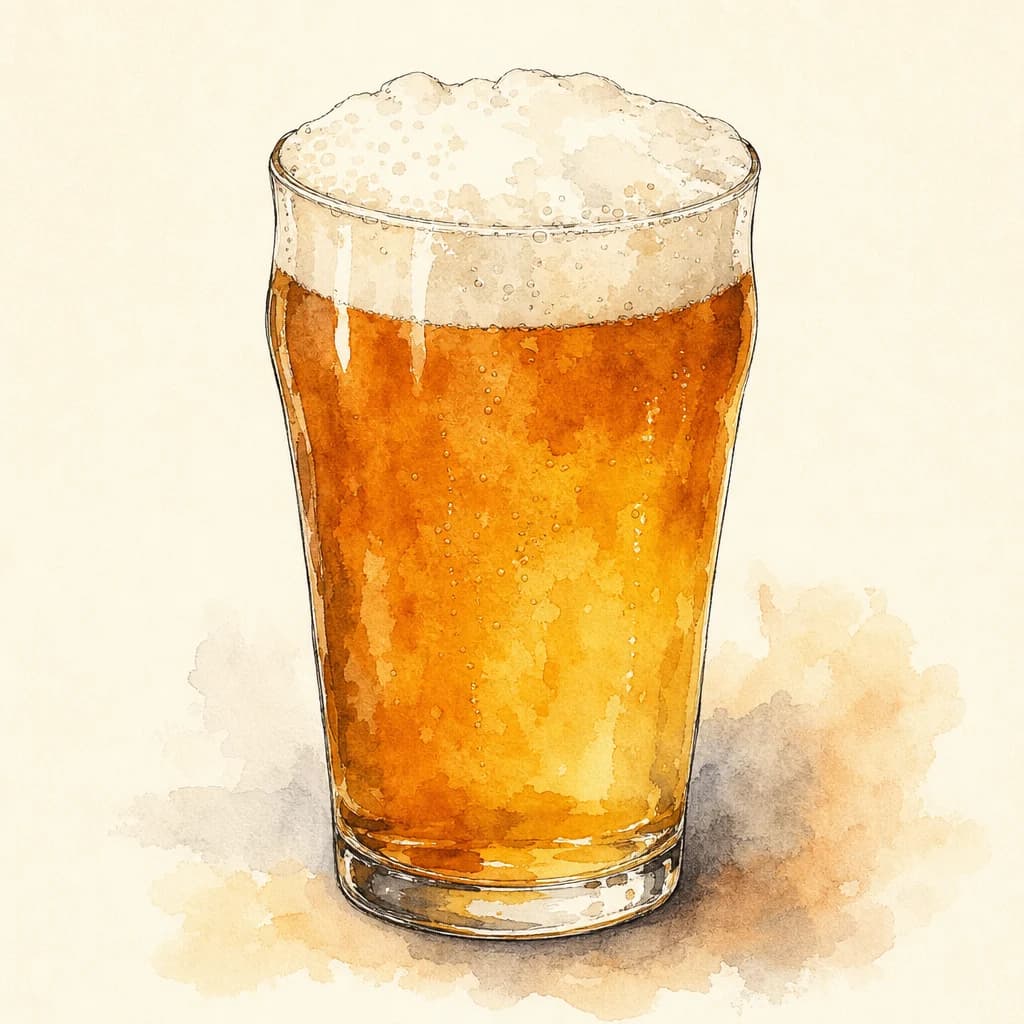
Bière des Trois Chevaux (THB)
La bière nationale la plus emblématique et la plus appréciée de l'île depuis 1958. Une bière blonde de style « pilsener » légère, douce et rafraîchissante, identifiable par son étiquette à trois têtes de cheval, omniprésente dans tous les coins du pays.
Jus tropicaux naturels
Jus de fruits exotiques mûrs fraîchement pressés : corossol (« corossol »), fruit de la passion acidulé, mangue douce, tamarin frais battu avec de l'eau et du sucre de canne, et eau de coco verte fraîchement ouverte à la machette.
Desserts traditionnels
Koba Akondro (Koba Ravina)
La confiserie traditionnelle la plus connue du pays. Il se compose d'un cylindre dense composé de farine de riz, de bananes mûres écrasées, de jaggery et de cacahuètes grillées écrasées au centre, étroitement enveloppées dans des feuilles de bananier et cuites à la vapeur pendant des heures, vendues en tranches sur les étals en bord de route.
Mofo Gasy et Ramanonaka
Petits pains ronds spongieux à base de farine de riz fermentée et de pâte au lait de coco, cuits sur des plaques de fer avec des moules hémisphériques sur des charbons ardents. Le « Mofo Gasy » est sucré avec du sucre et de la vanille ; « Ramanonaka » est sa version salée du matin.
Mofo Akondro (Beignets de Banane)
Bananes sucrées locales entières ou hachées, enrobées d'une pâte légère à base de farine de riz parfumée à la vanille et frites dans l'huile chaude jusqu'à ce qu'elles soient dorées et croustillantes à l'extérieur et tendres à l'intérieur.
Mokary à la noix de coco
Crêpes traditionnelles moelleuses et moelleuses à base de farine de riz blanc, de lait de coco épais et de sucre de canne, fraîchement cuites dans une poêle pour accompagner votre café ou thé du matin.
Que voir par thème
Madagascar concentre une variété de paysages et une biodiversité sans précédent : des jungles tropicales brumeuses et canyons karstiques aux déserts d'épines, en passant par les avenues de baobabs et les îles aux eaux turquoise.
Sanctuaires de lémuriens et forêts tropicales primaires
Andasibe-Mantadia est la patrie incontestée de la chanson Indri et du caméléon de Parson. Dans le parc national de Ranomafana, des cascades montagneuses et des jungles protègent l'insaisissable lémurien bambou doré et lémurien huppé noir et blanc. Au nord, le parc national de la Montagne d'Ambre offre des forêts de nuages avec leur propre microclimat et des cascades volcaniques.
Forêts de baobabs et Far West
La région du Menabe et Morondava abrite la célèbre Avenue des Baobabs et les entrelacés « Baobabs amoureux ». Au sud, dans le parc national de Kirindy Mitea et la forêt sèche de Kirindy, vous pourrez traquer des prédateurs nocturnes comme le fossa (*Cryptoprocta ferox*), le lémurien sauteur et les rats sauteurs géants.
Formations Karst et Tsingys (Nord et Ouest)
Outre les colossaux Grands et Petits Tsingy du Bemaraha à l'ouest, à l'extrême nord se trouve le parc national de l'Ankarana avec ses ponts rocheux naturels et ses rivières souterraines habitées par des crocodiles aveugles, ainsi que les surprenants Tsingy Rouges (Tsingy Rouge), formations fragiles de grès et d'argile rougeâtre sculptées par l'érosion.
Canyons, Plateaux et la Mythique Route RN7
La route nationale 7 (RN7) est l'axe de déplacement classique : elle traverse la ville coloniale d'Antsirabe (capitale du pousse-pousse), les ateliers de marqueterie d'Ambositra, les terrasses agricoles de Fianarantsoa, la réserve communautaire d'Anja (célèbre pour ses troupes habituées de lémuriens catta) et le parc national de l'Isalo, pour aboutir au port de Toliara.
Îles tropicales, récifs et plages paradisiaques
Nosy Be et ses archipels voisins du canal du Mozambique offrent des plongées de classe mondiale, du snorkeling dans des récifs coralliens immaculés et des plages dorées. Sur la côte est, l'île Sainte-Marie et la petite île aux Nattes séduisent par leur atmosphère caribéenne sans voiture, leurs lagons tranquilles bordés de cocotiers et l'observation des baleines à bosse.
Culture malgache, Antananarivo et la forêt d'épines
La capitale Antananarivo (Tana) séduit par ses collines escarpées, ses maisons traditionnelles en briques rouges et son Palais de la Reine (Rova). Dans l'extrême sud aride, près d'Ifaty et d'Anakao, la forêt épineuse présente une végétation endémique extraterrestre de plantes de la famille des Didiereaceae adaptées à l'extrême sécheresse.
Conseils de voyage
Respect des « Fady » (tabous ancestraux)
Dans la culture malgache, les « Fady » sont des interdits sacrés et des tabous dictés par les ancêtres qui varient selon chaque région, forêt ou village (par exemple : ne pas montrer les tombes avec l'index tendu, ne pas emmener certains aliments comme le porc dans des lieux sacrés ou encore ne pas toucher certaines espèces de lémuriens ou de caméléons). Il est essentiel de toujours respecter les consignes du guide local afin de ne pas heurter les croyances des communautés.
Conditions routières et location de 4x4 avec chauffeur
Les distances à Madagascar ne se mesurent pas en kilomètres mais en heures. Hormis la RN7 goudronnée, de nombreuses routes et pistes (comme l'accès aux Tsingy de Bemaraha ou à la côte ouest) sont en mauvais état et nécessitent des traversées en barge. Pour plus de sécurité et de confort, la règle générale pour les voyageurs est de louer un véhicule tout terrain 4x4, qui inclut obligatoirement un chauffeur-guide local expérimenté.
Monnaie, paiements (Ariary malgache) et espèces
La monnaie officielle est l'Ariary Malgache (MGA). Les cartes de crédit internationales ne sont acceptées que dans les hôtels haut de gamme d'Antananarivo et de Nosy Be. Dans le reste du pays, pour payer les hôtels locaux, les entrées aux parcs nationaux (MNP), les restaurants en bordure de route et les pourboires aux traqueurs de la faune, il est obligatoire d'avoir beaucoup d'argent liquide en Ariary (obtenu en changeant des euros ou en retirant aux distributeurs automatiques des banques comme la BNI ou la BMOI dans les grandes villes).
Santé, vaccins et prévention du paludisme
Il existe un risque de paludisme tout au long de l'année sur tout le territoire de Madagascar (avec une incidence plus élevée dans les zones côtières et humides). Il est indispensable de consulter un centre de médecine tropicale pour prendre une prophylaxie antipaludique, porter des manches longues la nuit et appliquer un répulsif au DEET. Un certificat international de vaccination contre la fièvre jaune est requis si vous venez d'un pays d'endémie et vous ne devez boire que de l'eau en bouteille et scellée.
Ce guide est votre passeport pour entrer dans l'un des coins les plus fascinants, uniques et émouvants de notre planète. Madagascar vous captivera par le regard curieux de ses lémuriens à travers la brume, la silhouette éternelle de ses baobabs au coucher du soleil et le sourire bienveillant et sincère de ses habitants dans chaque village du chemin. Planifiez patiemment vos voyages, voyagez à cœur ouvert à ses traditions et préparez-vous pour une expédition dont vous vous souviendrez toute votre vie. Tonga soa eto Madagasikara (Bienvenue à Madagascar) !
Chargement peut-être...
Explore Regions of Madagascar
Discover the most beautiful regions and plan your perfect trip
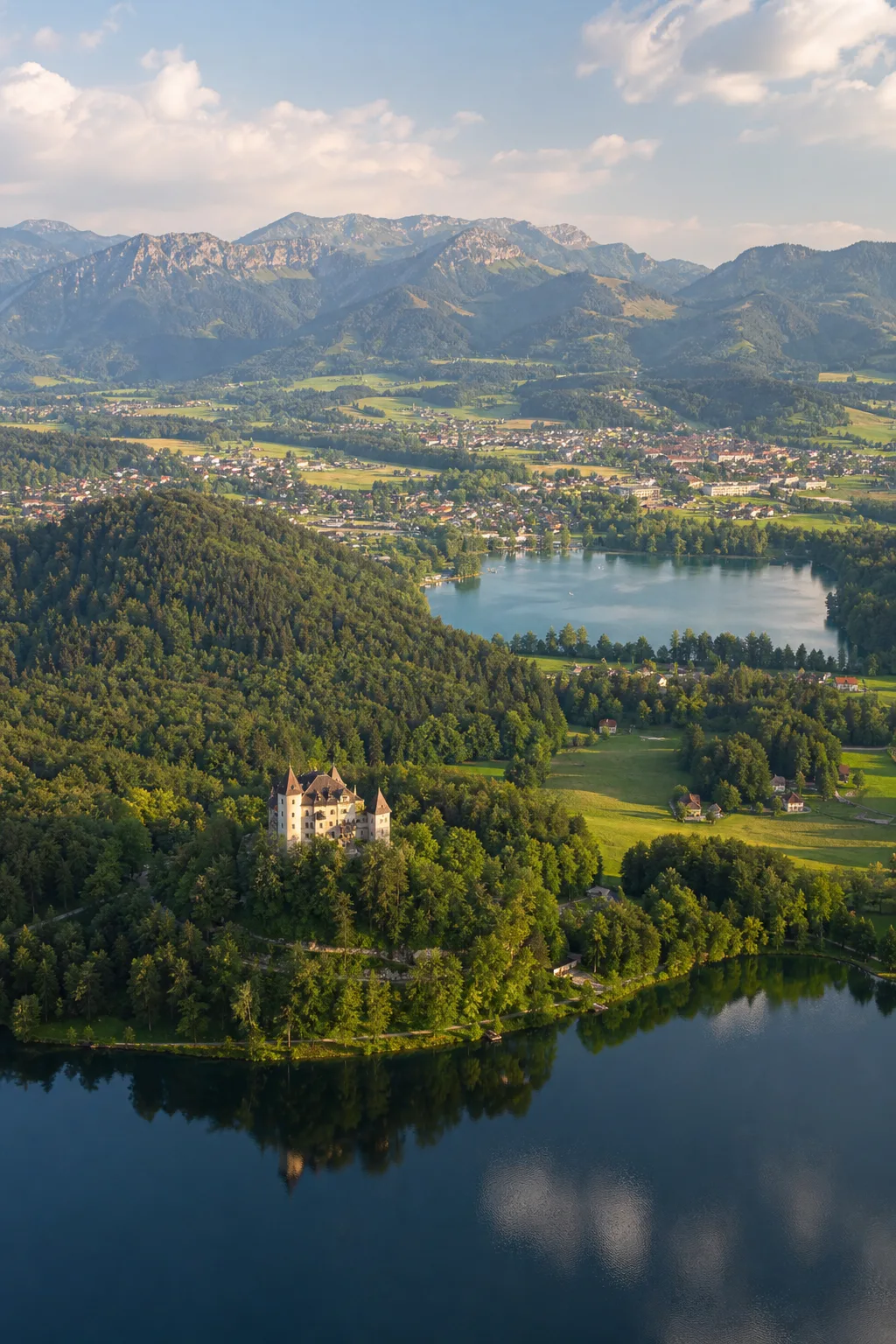
Analamanga (Central Highlands)
Analamanga (Central Highlands) offers distinctive landscapes, culture and experiences in Madagascar.
Atsimo-Andrefana (Southwest)
Atsimo-Andrefana (Southwest) offers distinctive landscapes, culture and experiences in Madagascar.
Atsinanana (East Coast)
Atsinanana (East Coast) offers distinctive landscapes, culture and experiences in Madagascar.
Diana (Northern Tip)
Diana (Northern Tip) offers distinctive landscapes, culture and experiences in Madagascar.
Avant de partir
Réponses rapides pour planifier votre voyage en toute confiance
- 58Sécurité
- 45Abordable
TripPlanner
Créez votre itinéraire parfait
Chargement...
Votre profil de voyageur
Découvrez votre style de voyage
Chargement...