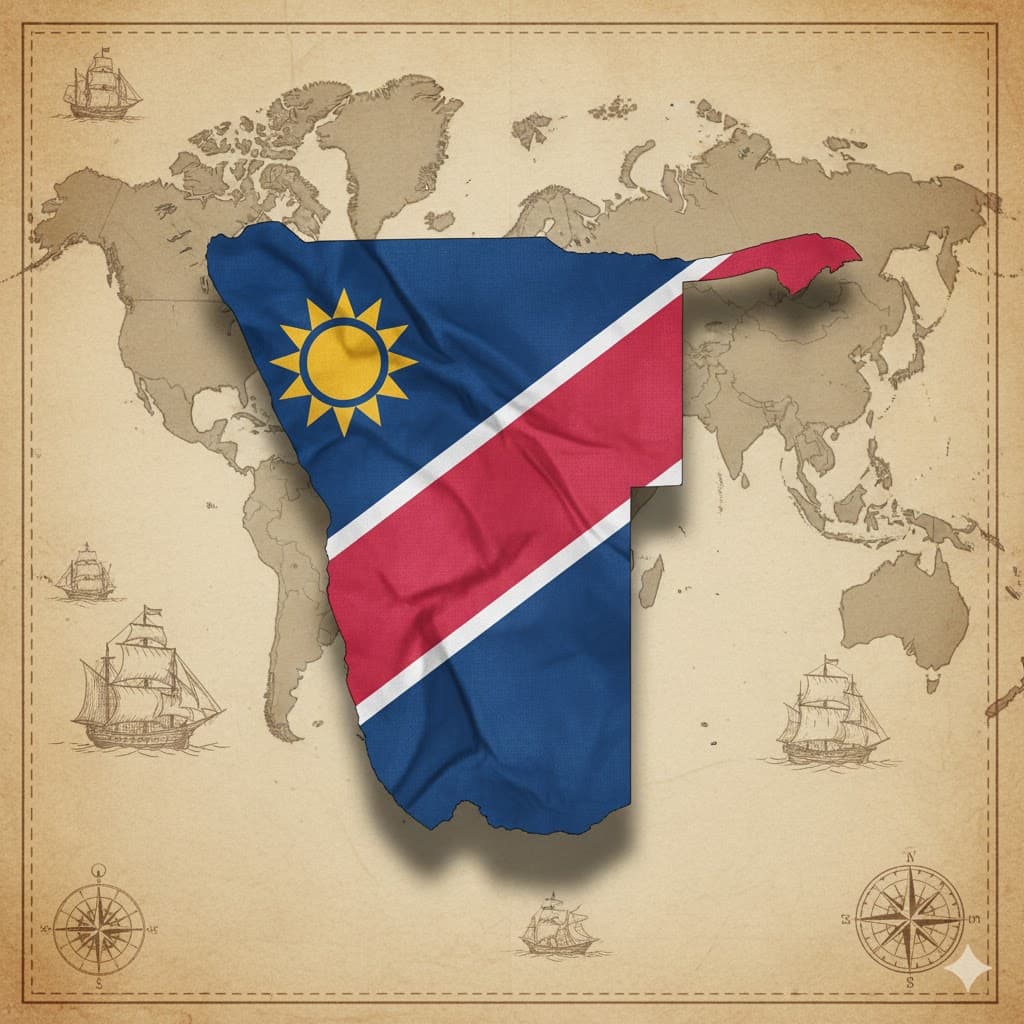
Guide de voyage général : l'immensité sauvage de la Namibie
La Namibie est le royaume de l'espace, du silence et de la lumière. Avec l'une des plus faibles densités de population au monde, ce coin du sud-ouest de l'Afrique transporte le voyageur dans un paysage presque extraterrestre où la nature sauvage s'exprime à une échelle colossale. Des dunes pourpres les plus hautes du monde dans le désert du Namib aux plaines calcaires et aux étangs regorgeant d'éléphants, de lions et de rhinocéros à Etosha, chaque kilomètre de route de gravier est une aventure inoubliable. Sa côte atlantique, enveloppée de brumes mystérieuses et parsemée d'épaves, contraste avec les massifs rocheux du Damaraland et les traditions vivantes de peuples comme les Himba ou les San. La Namibie n'est pas seulement une destination de safari ; C'est un voyage de déconnexion absolue qui redéfinit le concept de liberté.
Capital
Windhoek
Population
2.540.905
Langue
Anglais
Sites du patrimoine de l'UNESCO
0
Indices de voyage
Scores basés sur des données réelles de 0 à 100
Le meilleur de Namibie
Expériences uniques
Grimpez la Dune 45 et traversez Deadvlei au lever du soleil
Au cœur du parc national Namib-Naukluft, le lever du soleil transforme les dunes géantes de Sossusvlei en nuances ardentes d'orange et de rouge. Marcher sur l'argile blanche et craquelée de Deadvlei parmi les squelettes sombres d'acacias pétrifiés vieux de plus de 900 ans, entourés de l'imposante dune Big Daddy, est l'une des expériences visuelles les plus saisissantes d'Afrique.
Partez en safari dans les étangs d'Etosha
Le parc national d’Etosha s’articule autour de son immense étendue de sel blanc visible depuis l’espace. Pendant la saison sèche, la meilleure stratégie de safari est de garer votre véhicule à côté d'étangs naturels et artificiels (comme Okaukuejo ou Olifantsrus) et d'observer des troupeaux de zèbres, de girafes, d'oryx, des troupeaux d'éléphants et des lions et léopards furtifs défiler pour boire.
Explorez la ville fantôme de Kolmanskop
Près de Lüderitz, au cœur de la zone diamantifère interdite (Sperrgebiet), Kolmanskop était une ville minière prospère dotée d'un casino, d'un hôpital et d'un théâtre au début du XXe siècle. Abandonné dans les années 1950, le sable du désert a aujourd'hui envahi l'intérieur des demeures coloniales, créant une atmosphère surréaliste et photogénique figée dans le temps.
Suivez la faune adaptée au désert au Damaraland
Les canaux asséchés des rivières éphémères Huab et Aba Huab, dans le Damaraland, abritent des animaux extraordinaires qui ont appris à survivre sans eau pendant des semaines : éléphants du désert, rhinocéros noirs en liberté et lions adaptés à l'aridité. Parcourir ces plaines volcaniques en 4x4 à la recherche de leurs empreintes est une pure aventure d'expédition.
Jetant un coup d’œil dans les abysses du Fish River Canyon
Au sud du pays, ce gigantesque canyon, long de 160 km et pouvant atteindre 550 mètres de profondeur, traverse le plateau rocheux telle une plaie colossale dans la terre. Des points de vue comme Hobas offrent des vues vertigineuses sur les méandres du canyon, notamment au crépuscule lorsque les parois de calcaire et de basalte s'illuminent de tons cuivrés.
Connaître la culture Himba de manière respectueuse
Dans les terres arides du Kaokoland, au nord-ouest de la Namibie, le peuple semi-nomade Himba préserve ses traditions ancestrales. Visiter un village local avec un guide autochtone permet de comprendre leur organisation communautaire, le culte du feu sacré (« Okuruwo ») et l'utilisation de « l'otjize » (un mélange de beurre de lait et de poudre d'ocre rouge avec lequel ils protègent leur peau et sculptent leurs coiffures).
Saveurs de chasse, tradition barbare-allemande et rôti au feu
La cuisine namibienne reflète à la fois les conditions difficiles de sa géographie et son mélange culturel. C'est un paradis pour les amateurs de viande de gibier sauvage de première qualité, combinée à la culture afrikaner profondément enracinée du barbecue au feu de bois (« Braai »), aux influences allemandes d'Europe centrale (pâtisserie, charcuterie et bières) et aux produits frais du riche écosystème marin de l'Atlantique.
La culture sacrée du Braai
Le « Braai » est bien plus qu'un barbecue ; C'est l'événement social par excellence en Namibie. Un feu est allumé avec du bois d'acacia aromatique (camelthorn) et diverses coupes de viande fraîche, des saucisses et du pain de calamar sont rôties lentement, toujours accompagnées de bière fraîche et de rassemblements en plein air.
Viande de gibier sauvage
La viande de gibier provenant d'animaux qui paissent librement dans les savanes constitue la base de leurs recettes : oryx (gemsbok), koudou, springbok, élan et zèbre. Ce sont des viandes extrêmement maigres, tendres et saines avec une saveur aromatique incomparable.
Plats Iconiques
Viande de gibier Braaivleis
Assortiment de coupes nobles (longes, côtelettes et filets) de koudou, springbok et oryx marinés aux épices et rôtis à point sur des braises de bois d'acacia, conservant toute leur jutosité.
Potjiekos
Ragoût traditionnel afrikaner cuit lentement pendant des heures à l'extérieur dans une marmite en fonte à trois pieds sur du charbon de bois. Étalez du gibier ou de l'agneau avec des légumes racines, des pommes de terre, du vin et des épices, sans remuer pendant la cuisson.
Kapana
La cuisine de rue la plus populaire de Windhoek, originaire du quartier de Katutura. Il se compose de fines lanières de bœuf ou de gibier cuites à feu vif sur des grilles métalliques, servies chaudes avec de la poudre de chili séchée (« épice kapana ») et une salade de tomates et d'oignons hachés.
Biltong et Droëwors
Snack national omniprésent lors de tout voyage. Les biltong sont des lanières de viande salée et séchée à l'air assaisonnées de coriandre grillée, de poivre noir, de vinaigre et de sel ; Droëwors est la version fine du saucisson sec et épicé.
Huîtres de Walvis Bay et de Swakopmund
Élevées dans les eaux riches et glaciales du courant de Benguela, les huîtres namibiennes sont mondialement connues pour leur texture charnue, leur fraîcheur et leur saveur sucrée et saline, servies crues avec du citron et du Tabasco.
Oshifima avec Omagungu
Plat traditionnel Ovambo composé d'une bouillie épaisse de millet perlé (mahangu) servie avec un copieux ragoût de viande, de légumes ou de vers mopane croustillants sautés ('omagungu'), riches en protéines.
Boissons typiques
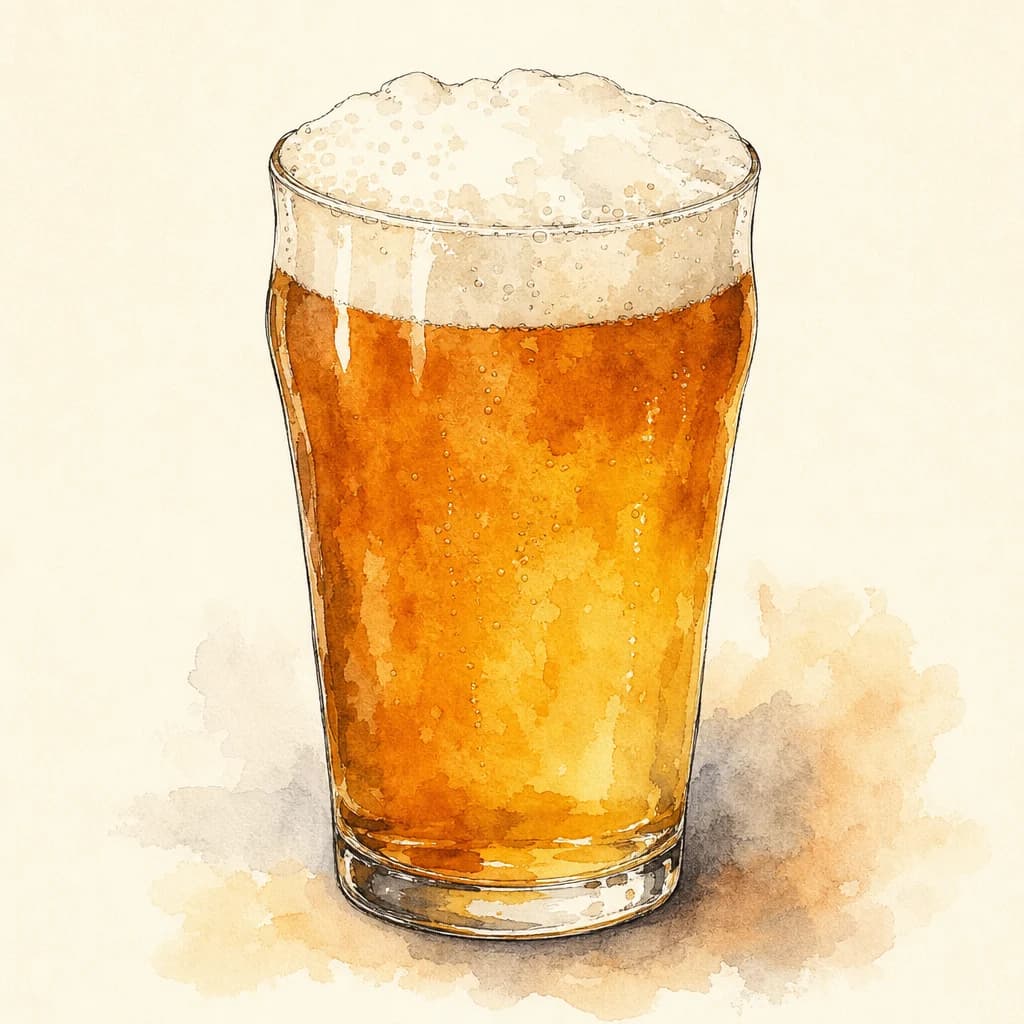
Bières namibiennes (Windhoek et Tafel Lager)
Brassée strictement selon la loi historique allemande sur la pureté de 1516 (Reinheitsgebot), en utilisant uniquement du malt, du houblon et de l'eau ultra pure. Windhoek Lager et Tafel sont la bière fière du pays.
Rock Shandy
La boisson rafraîchissante par excellence pour lutter contre la chaleur du désert. Mélangez à parts égales de l'eau gazeuse et de la limonade ou du soda au citron, garnis de glace, d'une tranche de citron et de quelques gouttes d'Angostura bitter.
Oshikundu/Mataku
Boisson traditionnelle de fermentation courte élaborée par les communautés rurales à base de farine de mil mahangu, de malt de sorgho et d'eau tiède, consommée fraîche le jour même.
Liqueur Amarula et spiritueux locaux
Liqueur crémeuse et sucrée à base de fruits sauvages de l'arbre marula. Ils fabriquent également des spiritueux de palme artisanaux et des gins infusés de plantes du désert du Namib.
Desserts traditionnels
Swakopmund Apfelstrudel
Le dessert star de la côte, héritage direct allemand. Pâte feuilletée fine fourrée aux pommes au four avec raisins secs, cannelle et noix, servie chaude avec de la crème fouettée ou de la glace à la vanille dans les cafés coloniaux.
Melktert (gâteau au lait)
Gâteau afrikaner classique composé d'un fond de pâte brisée croustillant fourré d'une crème moelleuse et légère à base de lait, d'œufs et de farine, généreusement saupoudrée de cannelle moulue.
Koeksœurs
Bonbons traditionnels en forme de tresse frits jusqu'à ce qu'ils soient dorés et croustillants à l'extérieur, et immédiatement trempés dans un sirop glacé de sucre, de gingembre et de citron pour qu'ils soient juteux à l'intérieur.
Pudding à la Malva
Gâteau moelleux et réconfortant cuit avec de la confiture d'abricots, qui à la sortie du four est imbibé d'une sauce piquante à base de crème, de beurre et de sucre, servi avec de la crème anglaise.
Que voir par thème
Malgré son image de désert sans fin, la Namibie abrite une étonnante variété de paysages : dunes rouges, côtes maritimes immaculées, gorges préhistoriques et plaines regorgeant de faune sauvage.
Déserts et dunes géantes du Namib
Le parc national Namib-Naukluft est l'épicentre du plus ancien désert de la planète. Les dunes de Sossusvlei, comme la célèbre Dune 45, Big Daddy et Elim Dune, contrastent avec les bassins blancs de Deadvlei et le canyon creusé par la rivière Sesriem. Plus au sud, la réserve naturelle de NamibRand offre des plaines dorées et des safaris étoilés exclusifs.
Safaris animaliers à Etosha et dans le Nord
Le parc national d'Etosha est l'une des meilleures réserves fauniques d'Afrique pour les safaris sans chauffeur. À l'extrême nord-est, la bande de Caprivi (Zambezi) transforme le désert en puissants fleuves (Okavango, Zambezi, Chobe) peuplés d'hippopotames, de crocodiles, de buffles et d'une végétation tropicale dense.
Paysages géologiques, fossiles et art rupestre
Le Damaraland séduit par ses formations de granit rouge à Spitzkoppe (le « Cervin de l'Afrique ») et ses pétroglyphes préhistoriques sculptés par les chasseurs Bushman il y a des milliers d'années à Twyfelfontein. A proximité se trouvent la forêt pétrifiée et les étranges colonnes de basalte des tuyaux d'orgue.
La Côte des Squelettes et l'Aventure Marine
La côte atlantique est sauvage et mystérieuse. De la colonie de plus de 100 000 otaries à fourrure de Cape Cross aux épaves rouillées échouées dans le sable de la Skeleton Coast. A Walvis Bay, son lagon protégé abrite des milliers de flamants roses et propose des excursions en catamaran parmi les dauphins et les pélicans.
Villes fantômes et villes coloniales
Swakopmund combine architecture germanique, promenades en bois et sports d'aventure dans les dunes (quads, sandboard). Au sud, la ville portuaire isolée de Lüderitz et la ville minière abandonnée de Kolmanskop offrent une fenêtre unique sur la ruée vers le diamant du début du XXe siècle.
Le Grand Sud et le Fish River Canyon
La pointe sud de la Namibie abrite le magnifique Fish River Canyon, idéal pour les randonnées aventure, la curieuse forêt de Quiver Tree près de Keetmanshoop et la fascinante région désertique du Kalahari avec ses dunes rouges parallèles et ses suricates.
Conseils de voyage
Location et conduite de véhicules 4x4
La plupart des routes du pays sont des routes en gravier. Vous conduisez à gauche. Il est fortement recommandé de louer un véhicule tout terrain 4x4 (beaucoup équipés d'une tente de toit pour camper gratuitement). Il est crucial de vérifier la pression des pneus en fonction du terrain, d'emporter deux roues de secours et de ne pas dépasser 70-80 km/h sur les chemins de terre pour éviter les dérapages.
Planification et réservations des mois à l'avance
Les infrastructures hôtelières et les campings au sein des parcs nationaux (en particulier dans les camps de Sesriem/Sossusvlei et d'Etosha comme Okaukuejo) sont limités et très demandés. Il est recommandé de réserver l'hébergement et le véhicule 4x4 entre 6 et 12 mois à l'avance en haute saison.
Monnaie et paiements (dollar namibien et rand sud-africain)
La monnaie officielle est le dollar namibien (NAD), qui est rattaché à 1:1 au rand sud-africain (ZAR). Les deux monnaies sont acceptées de manière interchangeable dans tout le pays. Les cartes de crédit sont acceptées dans les stations-service, les hôtels et les grands supermarchés, mais il est obligatoire d'avoir sur soi suffisamment d'argent liquide pour les pourboires, les péages et les magasins éloignés.
Santé, climat et vaccins
La Namibie est l’un des pays les plus sûrs et avec le plus faible risque sanitaire d’Afrique. Il n'y a pas de vaccins obligatoires pour voyager depuis la plupart des pays (sauf la fièvre jaune si vous venez de zones endémiques). Dans le nord (Etosha et Caprivi), il existe un risque saisonnier de paludisme pendant la saison des pluies. Les différences thermiques entre la journée chaude et la nuit glaciale dans le désert nécessitent de s'habiller en plusieurs couches.
Ce guide n'est que le point de départ pour plonger dans la magie à couper le souffle de la Namibie. Conduire sur ses traces interminables, camper sous la Voie Lactée la plus brillante que vous ayez jamais vue et rencontrer des animaux en toute liberté laisseront une marque indélébile dans votre mémoire. Préparez votre 4x4, vérifiez votre itinéraire et préparez-vous à vivre l'une des plus grandes aventures que le continent africain puisse offrir. Mooi reis (Bon voyage) !
Chargement peut-être...
Avant de partir
Réponses rapides pour planifier votre voyage en toute confiance
Pourquoi cette destination
- Destination sûre : indice 80/100.
- 80Sécurité
- 72Abordable
Styles de voyage
Classements liés
Collections et routes
 80Villes les plus sûres d’EuropeDestinations où voyager plus sereinement.
 72Destinations les moins chères en EspagneVilles espagnoles où le budget va plus loin sans sacrifier l’expérience.
- 72Destinations les moins chères en EuropeVilles les plus abordables pour voyager sans sacrifier l’expérience.
 80Voyage en famille
 72Voyage petit budget
TripPlanner
Créez votre itinéraire parfait
Chargement...
Votre profil de voyageur
Découvrez votre style de voyage
Chargement...