

Guide de voyage général : L'Éden perdu et le chocolat de Sao Tomé et Principe
Perdue dans l’étreinte chaleureuse de l’Atlantique équatorial, Sao Tomé et Principe est l’un des secrets écologiques et humains les mieux gardés de la planète. Souvent surnommées les « îles Galapagos d'Afrique » pour leur nombre étonnant d'espèces d'oiseaux, d'orchidées et de plantes qui n'existent nulle part ailleurs sur Terre, ces deux îles volcaniques offrent une déconnexion totale du rythme du monde moderne. Ici, la nature règne avec une exubérance débordante : des crocs de basalte noir qui percent la canopée de la jungle primaire, des plantations coloniales de cacao où le temps semble s'être arrêté au XIXe siècle et des plages vierges de sable doré baignées par des eaux émeraude. Mais au-delà de ses cartes postales tropicales, le vrai charme de l'archipel réside dans son esprit : le « Leve-Leve », une philosophie de vie qui invite à respirer profondément, à sourire, à déguster le meilleur chocolat du monde et à se laisser envelopper par la gentillesse et la paix infinies de ses habitants.
Capital
Sao Tomé
Population
219.159
Langue
Portugais
Sites du patrimoine de l'UNESCO
0
Indices de voyage
Scores basés sur des données réelles de 0 à 100
Le meilleur de Sao Tomé et Principe
Expériences uniques
Émerveillez-vous devant le Monumental Pico Cão Grande
Au sud de l'île de São Tomé, au sein du parc naturel d'Obô, surgit brusquement le pic Cão Grande, une flèche colossale de roche volcanique avec un dénivelé de 370 mètres au-dessus de la base de la jungle (663 m d'altitude). Presque constamment enveloppé de volutes de brouillard et de nuages tropicaux, contempler ce monolithe basaltique depuis la route ou s'en approcher à pied à travers d'épaisses fougères et plantations de palmiers est une expérience visuelle à l'aura mystique et cinématographique.
Entrer au centre du monde à Ilhéu das Rolas
Naviguer dans un bateau de pêche traditionnel depuis Ponta Baleia vers le petit îlot inhabité d'Ilhéu das Rolas permet d'atteindre le monument qui marque le passage exact de la ligne de l'équateur (latitude 0° 0' 0''). Après avoir pris la photo classique avec un pied dans l'hémisphère nord et l'autre dans l'hémisphère sud, l'îlot offre des sentiers entre cocotiers, criques désertes aux eaux cristallines et la sauvage Praia Bateria.
Dormir et savourer l'histoire dans les Roças coloniales
À la fin du XIXe siècle, São Tomé devient le premier producteur mondial de cacao. Les « roças » étaient d'immenses villes de plantations autosuffisantes dotées d'hôpitaux, de chemins de fer et de demeures majestueuses. Séjourner à l'historique Roça Sundy à Príncipe (où Arthur Eddington a démontré la théorie de la relativité d'Einstein en 1919) ou profiter d'un menu dégustation de cuisine d'auteur guidé par le chef João Carlos Silva au Roça São João dos Angolares, c'est comme voyager au cœur culturel des îles.
Promenez-vous dans la forêt primaire de Lagoa Amélia
Le Parc Naturel d'Obô protège la forêt tropicale primaire de haute montagne. La route vers Lagoa Amélia monte entre feuillus géants, lianes, bégonias géants et orchidées endémiques jusqu'à atteindre le cratère d'un volcan éteint situé à 1 470 mètres d'altitude, aujourd'hui recouvert d'un faux plancher de tourbe végétale flottante sur lequel on peut marcher prudemment.
Baignade dans les eaux vierges de Praia Banana à Príncipe
Sur la côte nord de l'île Príncipe se trouve Praia Banana, une crique parfaite en forme de croissant flanquée de falaises couvertes d'une jungle dense qui touchent le sable doré. Avec des eaux calmes, transparentes et chaudes, c'est le paradigme de la plage tropicale vierge, idéale pour nager en toute solitude, faire du snorkeling sur les fonds rocheux volcaniques et se reposer à l'ombre des cocotiers.
Faites une dégustation de chocolat Claudio Corallo
Le maître chocolatier italien Claudio Corallo a révolutionné la production mondiale de cacao depuis Sao Tomé. Son atelier de la capitale propose l'une des dégustations guidées les plus prestigieuses de la planète, expliquant comment la culture de variétés pures de cacao Criollo et Forastero sans transformation industrielle permet de fabriquer des chocolats allant de 70% à 100% de pureté sans aucune trace d'amertume ou d'astringence.
Saveurs de la jungle médicinale, du cacao pur et de l'abondance marine
La gastronomie santoméenne est écologique, aromatique et profondément liée à sa végétation exubérante et à la richesse de l'Atlantique. Il se caractérise par l'utilisation indispensable d'herbes sauvages aromatiques et médicinales récoltées dans la jungle (« ervas da roça »), de poisson frais récemment débarqué de pirogues artisanales, de plantain en multiples préparations, de fruit à pain, d'huile de palme artisanale (« huile de palme ») et de cacao aux arômes fins.
Les 'Ervas da Roça' et l'alchimie des saveurs
Le secret de la cuisine locale réside dans la combinaison magistrale de feuilles aromatiques et d'herbes de la jungle : basilic sauvage, citronnelle (erva-prince), micocó, matruz, feuilles de patate douce et piment moustique, qui confèrent aux ragoûts un parfum herbacé et des propriétés digestives uniques.
Fruit à pain et banane pour la subsistance
Les fruits à pain (« fruta-pão ») rôtis sur des braises de charbon de bois et les plantains verts mûrs cuits ou frits (« banane frita » et « banane pão ») remplacent le pain et les pommes de terre comme garniture de base et indispensable à tout repas.
Plats Iconiques
Calulu de Peixe
Le plat national et cérémonial par excellence de Sao Tomé et Principe. Un ragoût préparé à feu très lent qui combine du poisson frais et du poisson séché ou fumé, cuit avec plus d'une douzaine d'herbes sauvages de la jungle, de l'huile de palme rouge, des feuilles tendres de taro, du gombo, de l'oignon, de l'ail et de la tomate, accompagné de riz blanc en vrac et de farine de manioc grillée (« farofa »).
Poisson Grelhado aux Fruits-Pão
Le plat quotidien par excellence : espadon, thon frais, mérou ou vivaneau fraîchement pêchés dans l'océan, marinés avec du citron, de l'ail émincé, du gros sel et du piment 'gindungo' épicé, rôtis entiers sur des charbons de bois et servis avec de tendres tranches de fruit à pain grillé et de plantain frit.
Feijoada à Santomense
Variation locale du ragoût de haricots créole classique, préparé en cuisant lentement des haricots rouges ou noirs avec du porc ou du poisson de roche, des crevettes, des feuilles vertes locales, de l'huile de palme, des tomates et des épices piquantes, servi sur du riz chaud.
Blimau / Molho no Fogo
Ragoût rustique de poisson de récif cuit avec une sauce épaisse à base de lait de coco frais, d'oignon poché, de feuilles de basilic sauvage et de jus de citron vert fraîchement pressé, avec une texture soyeuse qui fond dans la bouche.
Búzio et compote de poudre
Escargot de mer géant (« búzio ») ou poulpe de roche patiemment cuit dans un pot en argile avec des tomates mûres, de l'ail écrasé, des poivrons doux, du vin blanc et des herbes locales jusqu'à ce qu'ils soient extraordinairement tendres, servis en entrée ou en plat principal.
Ovos Chocos et Omelete Matabala
Omelette traditionnelle à base d'œufs frais et de feuilles de « matabala » (taro) sauvages sautées avec de l'oignon et du piment doux, accompagnée de chips croustillantes de racine de taro ou de manioc frit.
Boissons typiques
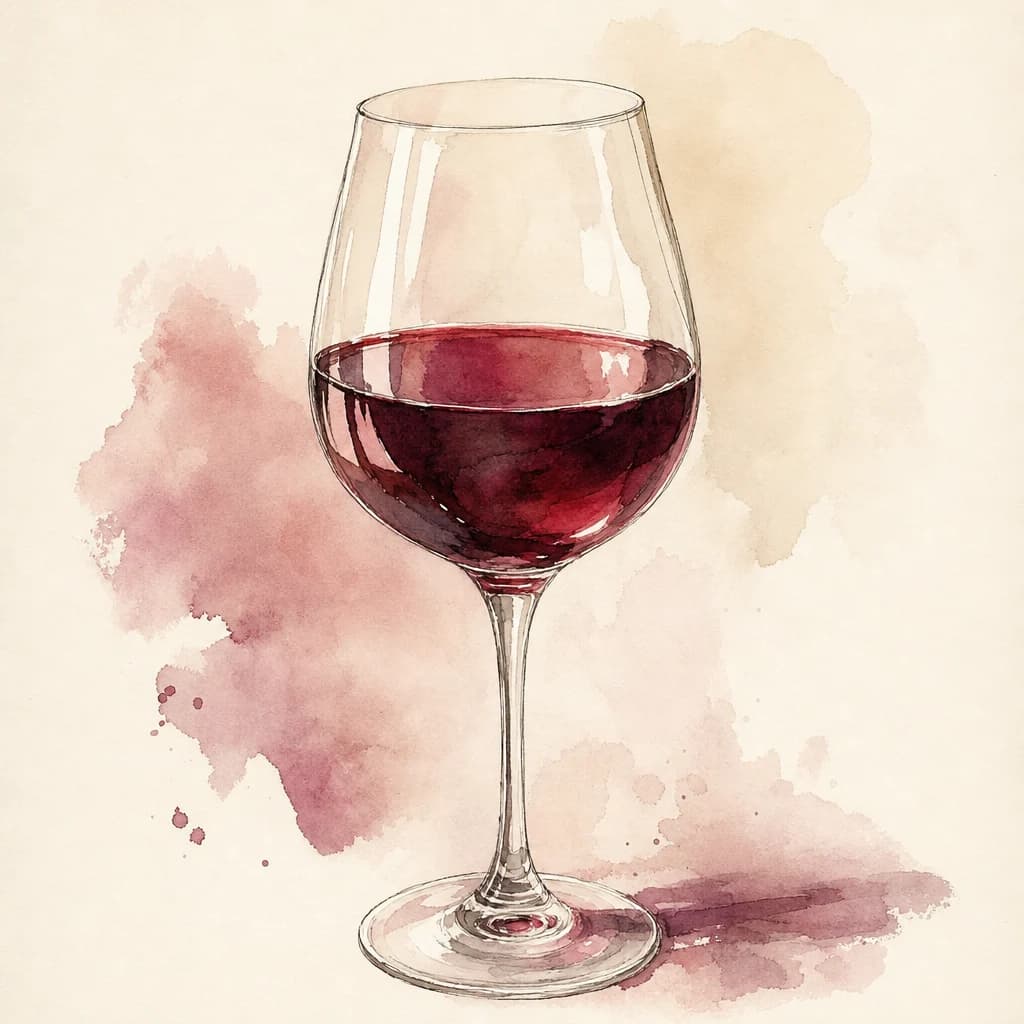
Vinho de Palma (Vin de Palme)
La boisson traditionnelle par excellence, récoltée chaque matin par les « tireurs de palmiers » grimpant au sommet des palmiers. A l'aube, il est sucré, lacté et sans alcool ; Au fil de la journée, il fermente naturellement au soleil, se transformant en une boisson mousseuse et alcoolisée.
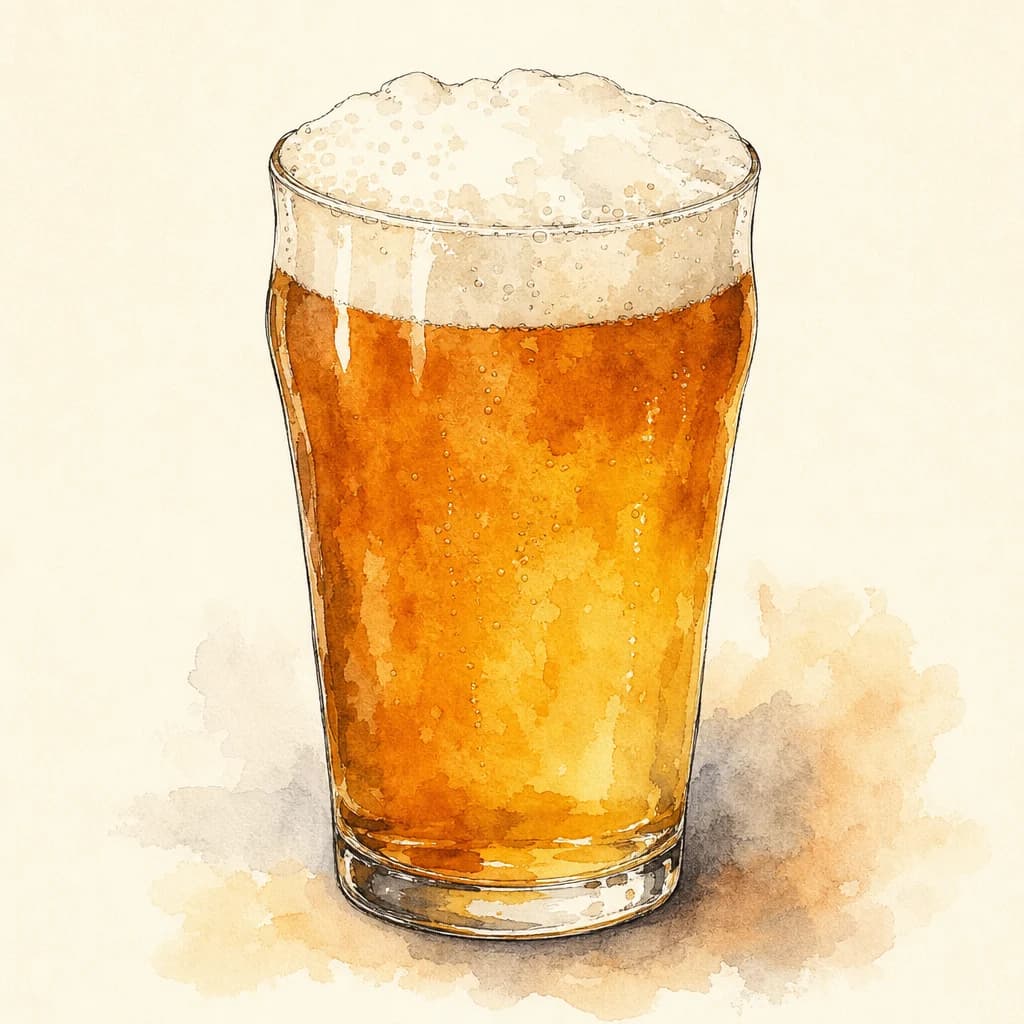
Bière Créole Rosema
La bière nationale de São Tomé, brassée dans la ville de Neves, au nord du pays. Il s'agit d'une bière blonde onctueuse et légère, célèbre pour être vendue dans des bouteilles en verre brun sans étiquette en papier (avec la marque en relief sur le verre).

Café Arabica Monte Café
Cultivé sur les pentes volcaniques de haute montagne depuis le 19ème siècle. Il s'agit d'un café de production très limitée, récolté à la main et séché au soleil, célèbre pour sa faible acidité, son arôme floral intense et son corps velouté aux notes de cacao.
Chá de Erva-Principe et Micocó
Infusions naturelles chaudes ou froides préparées avec des feuilles de citronnelle fraîche (herbe du prince) ou de micocó récoltées directement dans le jardin, très digestives et aromatiques.
Desserts traditionnels
Chocolat artisanal pur cacao fin
Le dessert suprême des îles. Dégustation de tablettes et napolitains de cacao pur Criollo récolté dans les roças, aromatisés à l'écorce d'orange confite, au gingembre frais, au café Arabica ou au grué de cacao grillé.
Douze de banane à la cannelle
Bonbon traditionnel fait maison obtenu en cuisant lentement des bananes mûres locales écrasées avec du sucre de canne roux, des bâtons de cannelle et du zeste de citron vert jusqu'à ce qu'elles acquièrent une texture brillante et caramélisée.
Bolo-Pão et Mandioca aux fruits
Gâteau traditionnel dense et moelleux cuit à partir de purée de fruit à pain mûr, de manioc râpé, de lait de coco épais, de beurre et de muscade moulue.
Fruits tropicaux indigènes (Sáfú et Fruta-Pão)
Le dessert parfait au quotidien : fruit de la passion (fruit de la passion sucré), mangues géantes, papayes saupoudrées de citron vert, corossol frais et « Sáfú » (un fruit violet huileux grillé avec du sel marin).
Que voir par thème
Malgré sa petite taille, l'archipel offre une concentration stupéfiante de merveilles écologiques : des volcans de la jungle et des cathédrales végétales aux plantations de cacao coloniales, en passant par les plages désertes des Caraïbes et les réserves de biosphère.
Forêts tropicales primaires, volcans et parc naturel d'Obô
Le Parc Naturel d'Obô couvre plus de 30% du territoire des deux îles. Il abrite le piton colossal du Pico Cão Grande, la caldeira inondée de Lagoa Amélia, la cascade de São Nicolau (qui tombe entre des fougères géantes) et des sentiers de randonnée de haute montagne qui montent jusqu'au Pico de Santo Tomé (2 024 m).
Île Principe : sanctuaire de la biosphère vierge
Príncipe est un paradis jurassique intact avec moins de 8 000 habitants. Les points forts incluent la capitale Santo António sur les rives du fleuve, les plages désertes de Praia Banana, Praia Macaco et Praia Burras, les points de vue sur les pitons phonolitiques jumeaux d'Oquê Pipi et les projets exclusifs d'écotourisme durable et régénérateur.
La Route Historique des Roças du Cacao et du Café
D'anciennes plantations coloniales structurent le paysage rural : Roça Agostinho Neto (complexe monumental avec le plus grand hôpital de l'époque), Roça Monte Café (avec son Musée du Café sur les hauts plateaux), Roça Água Izé (en bord de mer avec ses entrepôts de séchage de cacao) et Roça Sundy à Príncipe.
Plages paradisiaques et sanctuaires de tortues
À la pointe sud de São Tomé, Praia Jalé et Praia Inhame sont des hauts lieux mondiaux pour l'observation de la nidification des tortues marines (tortues luth, verte, imbriquée et caouanne). Au nord, Praia das Conchas et Lagoa Azul éblouissent avec leurs eaux turquoise entourées de baobabs qui poussent au bord de la mer.
Phénomènes côtiers et Ilhéu das Rolas
Boca do Inferno séduit par ses canaux de roche basaltique où les vagues de l'Atlantique se brisent avec fureur, soulevant des colonnes d'eau de mer sous pression. Plus au sud, une promenade en bateau mène à Ilhéu das Rolas pour visiter le monument à l'équateur et se déconnecter dans des criques isolées.
Ville de Santo Tomé : architecture et marchés vivants
La capitale coloniale conserve une allure lente et majestueuse face à la baie Ana Chaves. Les points forts incluent le fort de São Sebastião (XVIe siècle, actuel musée national), la cathédrale Notre-Dame de Grâce, le très animé Mercado Grande rempli de fruits et de tissus capuliens, ainsi que les ateliers d'artistes locaux tels que Neves e Silva.
Conseils de voyage
La philosophie « Levé-Levé »
À Sao Tomé-et-Principe, la devise « Leve-Leve » (lentement, calmement) n'est pas seulement une phrase, mais une règle sociale fondamentale. La précipitation, le stress ou l’impatience sont considérés comme déplacés. Le service dans les restaurants et les transports fonctionnent à un rythme calme ; Adopter ce calme dès le premier jour est le secret pour profiter pleinement du voyage.
Transport, location de 4x4 et liaison entre les îles
Pour explorer Santo Tomé par vos propres moyens, il est indispensable de louer un véhicule tout terrain 4x4, car les routes secondaires vers le sud et l'accès aux rochers et aux cascades sont des chemins de terre avec des nids-de-poule et de la boue. Pour voyager entre l'île de Sao Tomé et Principe, il existe des vols intérieurs réguliers opérés par STP Airways / Africa's Connection (environ 35 minutes de vol en petit avion) qu'il faut réserver longtemps à l'avance.
Monnaie et paiements (Dobra de Santo Tomense et espèces)
La monnaie officielle est le Dobra (STN), qui a un taux de change fixe lié à l'euro (1 EUR ≈ 24,50 STN). L'utilisation des cartes de crédit internationales est extrêmement restreinte (elles ne sont acceptées que dans certains hôtels de luxe de la capitale et de Príncipe). Il est obligatoire de voyager avec beaucoup d'argent liquide en euros (€), largement acceptés dans les restaurants, les hôtels et les taxis, ou de se changer en Dobras à l'arrivée.
Santé, vaccins et prévention du paludisme
Il existe un risque de paludisme sur les deux îles tout au long de l'année. Il est fortement recommandé de se rendre dans un centre de vaccination international pour prescrire une prophylaxie préventive antipaludique, d'utiliser un anti-moustique au DEET et de porter des vêtements légers à manches longues au crépuscule. Un certificat international de vaccination contre la fièvre jaune est exigé si vous venez d'un pays d'endémie, et il est indispensable de toujours boire de l'eau en bouteille.
Ce guide est votre passeport pour entrer dans l’un des édens les plus verts, les plus purs et les plus émouvants qui survivent sur notre planète. Sao Tomé et Principe vous captivera par la silhouette imposante du Pico Cão Grande parmi la brume, le murmure des vagues se brisant sur les plages désertes de cocotiers et le sourire franc d'un peuple qui vit en parfaite harmonie avec sa terre. Débranchez votre montre, laissez-vous bercer au rythme de « Leve-Leve » et préparez-vous pour un voyage inoubliable au cœur du Golfe de Guinée. Sejam bem-vindos à São Tomé e Príncipe !
Chargement peut-être...
Avant de partir
Réponses rapides pour planifier votre voyage en toute confiance
Pourquoi cette destination
- Destination sûre : indice 82/100.
- 82Sécurité
- 78Abordable
Styles de voyage
Classements liés
Collections et routes
 82Villes les plus sûres d’EuropeDestinations où voyager plus sereinement.
 78Destinations les moins chères en EspagneVilles espagnoles où le budget va plus loin sans sacrifier l’expérience.
- 78Destinations les moins chères en EuropeVilles les plus abordables pour voyager sans sacrifier l’expérience.
 82Voyage en famille
 78Voyage petit budget
TripPlanner
Créez votre itinéraire parfait
Chargement...
Votre profil de voyageur
Découvrez votre style de voyage
Chargement...