

Guide de voyage général : La grandeur éternelle du Zimbabwe
Le Zimbabwe est une terre de légende sculptée dans la pierre et baignée par les eaux sauvages du fleuve Zambèze. Son nom lui-même, dérivé du terme shona *Dzimba-dza-mabwe* (« Maisons en pierre »), rend hommage à une glorieuse civilisation médiévale dont les murs monumentaux émerveillent encore les archéologues du monde entier. Ici, la nature déroule un spectacle magnifique : de la chute tonitruante des chutes Victoria aux plaines infinies de Hwange et aux ombres poétiques des forêts de Mana Pools, où les éléphants se dressent sur deux pattes pour atteindre les plus hautes branches. Avec un peuple extraordinairement cultivé, chaleureux et fier de ses racines, et des guides de safari les plus rigoureusement formés d'Afrique, le Zimbabwe offre un voyage qui allie aventure pure, archéologie sacrée et communion intime et inoubliable avec la savane africaine.
Capital
Harare
Population
14.862.924
Langue
Anglais, SN, ND
Sites du patrimoine de l'UNESCO
0
Indices de voyage
Scores basés sur des données réelles de 0 à 100
Le meilleur de Zimbabwe
Expériences uniques
Ressentez la force de Mosi-oa-Tunya aux chutes Victoria
Connues localement sous le nom de Mosi-oa-Tunya (« La fumée qui gronde »), les chutes Victoria forment un mur d'eau de 1,7 km de large qui plonge dans les abysses du canyon de Batoka. Parcourir les sentiers de la forêt humide enveloppés dans une pluie perpétuelle de vapeur, admirer Danger Point et traverser le pont de fer historique de 1905 surplombant l'abîme est une expérience sensorielle bouleversante.
Promenez-vous parmi les éléphants aux piscines de Mana
Mana Pools (site du patrimoine mondial de l'UNESCO) est le sanctuaire ultime des safaris à pied. Situées au bord du fleuve Zambèze, ses forêts ouvertes d'acacias géants (*Faidherbia albida*) permettent d'approcher en toute sécurité des éléphants légendaires dressés sur leurs pattes arrière, des troupeaux de lycaons en chasse et des lions se reposant à l'ombre avec des guides professionnels à pied en toute sécurité.
Explorez les ruines médiévales du Grand Zimbabwe
Situé près de Masvingo, le monument national du Grand Zimbabwe fut la capitale du prospère royaume du Zimbabwe entre le XIe et le XVe siècle. En parcourant la Grande Enclosure avec son énigmatique tour conique et le complexe de collines, construit avec des millions de blocs de granit assemblés sans mortier, vous transportez jusqu'au berceau où ont été découverts les célèbres oiseaux du Zimbabwe sculptés dans la stéatite.
Suivez les rhinocéros et découvrez l'art rupestre à Matobo
Le parc national de Matobo Hills présente un paysage mystique dominé par des formations rocheuses granitiques colossales et équilibrées (« kopjes »). C'est un refuge protégé pour les rhinocéros noirs et blancs qui sont suivis à pied par des pisteurs experts. De plus, ses grottes abritent l'une des plus grandes collections de peintures rupestres du peuple San vieilles de plus de 10 000 ans, culminant avec le point de vue panoramique « World's View ».
Safari à grande échelle dans le parc national de Hwange
Hwange est le parc le plus grand et le plus emblématique du pays, abritant les « Big Five » et plus de 40 000 éléphants. S'asseoir sur les belvédères en bois cachés (« peaux ») devant des bassins d'eau comme Nyamandhlovu permet d'assister au défilé incessant de troupeaux de pachydermes, de girafes, de zèbres, de buffles et de fiertés de lions qui viennent se désaltérer au crépuscule.
Naviguez dans une péniche sur le mythique lac Kariba
Le lac Kariba est l'un des plus grands réservoirs artificiels au monde. La location d'une péniche traditionnelle vous permet de jeter l'ancre dans les baies isolées du parc national de Matusadona, de pêcher le poisson tigre combatif, d'observer des crocodiles et des hippopotames et de profiter de couchers de soleil pourpres parmi les silhouettes squelettiques d'arbres de plomb submergés.
Saveurs traditionnelles de la terre et feu de la savane
La cuisine zimbabwéenne est nutritive, simple et profondément enracinée dans la culture paysanne Shona et Ndebele. Il s'articule autour de la Sadza (le pilier sacré de l'alimentation quotidienne), associée à de savoureux ragoûts de viande mijotés, des ragoûts enrichis de beurre de cacahuète artisanal, de poisson du lac, de légumes à feuilles frais et de collations traditionnelles récoltées dans la nature.
Sadza comme base de la vie
Sadza est la reine incontestée de la table zimbabwéenne. Il s'agit d'une pâte dense et molle obtenue en cuisant de la farine de maïs blanc (« farine-repas ») avec de l'eau bouillante. On le prend toujours chaud avec la main droite, formant une boule que l'on presse avec le pouce pour recueillir les sauces et les viandes.
La magie de Dovi (beurre de cacahuète)
Les cacahuètes rôties et moulues à la main (« dovi ») sont un ingrédient essentiel dans les ménages zimbabwéens, utilisées pour enrichir et épaissir les ragoûts de viande, les ragoûts de poulet fermier et les plats traditionnels de légumes sauvages.
Plats Iconiques
Sadza neNyama yeMombe neMuriwo
Le plat national par excellence. Sadza blanche chaude servie avec un copieux ragoût de bœuf dans une épaisse sauce tomate et oignon, accompagnée de « muriwo » (feuilles de chou vert ou de moutarde sautées avec de l'oignon et de l'huile).
Huku neDovi (poulet aux arachides)
L'un des ragoûts les plus célèbres et les plus réconfortants du Zimbabwe. Morceaux de poulet fermier mijotés dans une sauce onctueuse et dense à base de beurre de cacahuète maison, tomates pochées, oignon, ail et poivrons.
Madora / Amacimbi (Vers Mopane)
Chenilles comestibles récoltées sur les mopanes pendant la saison des pluies. Ils sont nettoyés, bouillis et séchés au soleil ; Ils sont ensuite frits avec du sel, de la tomate, de l'oignon et du piment, pour obtenir une texture croquante et une saveur concentrée et terreuse très riche en protéines.
Daurade Kariba grillée
Daurade ou tilapia frais pêché dans les eaux du lac Kariba ou du fleuve Zambèze. Il est mariné avec du jus de citron frais, du sel, de l'ail et du paprika, et rôti entier sur des braises de charbon de bois jusqu'à ce que la peau soit croustillante et fumée.
Mutakura
Plat rustique et nutritif d'origine paysanne préparé en cuisant ensemble à feu très doux des grains entiers de maïs séché, des cacahuètes, des pois à œil noir («niébé») et des noix de bambara avec une pincée de sel.
Viande de gibier et Boerewors Braai
Le classique barbecue en plein air où coupes de bœuf, côtelettes d'agneau, saucisses boerewors épicées et viandes de gibier sauvage (koudou, élan ou impala) sont grillées sur du bois d'acacia, accompagnées de salades fraîches.
Boissons typiques
Lager Zambèze
La bière nationale la plus emblématique du Zimbabwe, surnommée « la bière nationale ». C'est une bière blonde dorée légère, croquante et rafraîchissante, parfaite à déguster après une journée de safari au soleil.
Chibuku Shake Shake
Bière commerciale traditionnelle à faible teneur en alcool à base de maïs et de sorgho malté fermenté. Vendu dans des cartons rayés bleus et rouges, il a un aspect trouble et nécessite une agitation vigoureuse avant de le boire.
Maheu
Boisson traditionnelle non alcoolisée très rafraîchissante et nutritive à base de farine de maïs fermentée avec une touche sucrée, à consommer froide tout au long de la journée pour refaire le plein d'énergie.
Thé Tanganda
Thé noir de haute qualité cultivé sur les pentes brumeuses de Chipinge et des Eastern Highlands. Il se prend très chaud, généralement avec du lait frais et du sucre.
Desserts traditionnels
Bonbons Mapopo
La confiserie traditionnelle la plus connue du pays. Il se compose de fines lamelles de papaye verte cuites lentement dans un sirop concentré de sucre de canne, de gingembre frais râpé et de zeste de citron jusqu'à cristallisation.
Nhopi
Dessert traditionnel doux et crémeux à base de purée de citrouille sucrée cuite avec de la farine de maïs, du beurre de cacahuète maison et une touche de sucre ou de miel sauvage.
Mutoho
Dessert semi-liquide traditionnel légèrement fermenté à base de farine de mil ou de sorgho cuisiné avec du jus de fruits sauvages locaux et sucré au miel de forêt.
Fruits tropicaux frais
Le dessert quotidien par excellence : des mangues sucrées de saison, des fruits de la passion aromatiques, des avocats géants, des papayes mûres et des fruits sauvages comme le « mazhanje » (un fruit sauvage Shona au doux goût de caramel).
Que voir par thème
Le Zimbabwe possède une extraordinaire variété d'attractions : des cascades monumentales et des forteresses médiévales en pierre aux parcs safari sauvages et aux chaînes de montagnes tempérées.
Chutes monumentales et Grand Canyon du Zambèze
La ville de Victoria Falls est l'épicentre de l'aventure : vols en hélicoptère au-dessus des chutes (« Vol des Anges »), rafting en eaux vives dans le canyon de Batoka, tyroliennes au-dessus des gorges et croisières fluviales de luxe au coucher du soleil le long du fleuve Zambèze pour observer les hippopotames et les oiseaux.
Grand Safari et Sanctuaires de Savane
Hwange éblouit avec ses immenses troupeaux d'éléphants et ses safaris ouverts en 4x4 ; Mana Pools séduit par le frisson unique des safaris à pied à travers les forêts d'acacias ; et le parc national de Gonarezhou au sud-est (« Place des éléphants ») offre une nature sauvage et préservée surmontée des imposantes falaises rouges de Chilojo.
Archéologie médiévale et villes de pierre
Le Grand Zimbabwe à Masvingo est le site pierreux le plus important d'Afrique australe, avec ses murs cyclopéens et ses tours mystérieuses. Tout près de Bulawayo, les ruines de Khami (UNESCO) témoignent de l'évolution de l'architecture murale à gradins de la dynastie Torwa après le déclin du Grand Zimbabwe.
Paysages sacrés et rhinocéros à Matobo
Les collines Matobo constituent un paysage culturel et spirituel suprême où de gigantesques blocs de granit défient la gravité. C’est une enclave vitale pour traquer à pied les rhinocéros noirs et blancs protégés et abrite des sanctuaires de pluie oraculaire tels que Njelele.
Montagnes, cascades et jungle dans les hautes terres de l'Est
À la frontière orientale avec le Mozambique, les hauts plateaux de l’Est troquent la savane contre des paysages alpins de forêts de pins et de nuages. Le parc national de Nyanga abrite le plus haut sommet du pays (le mont Nyangani, 2 592 m) et la cascade Mutarazi (avec sa passerelle de verre suspendue au-dessus du gouffre), tandis que les monts Bvumba séduisent par leurs jardins botaniques et leurs brumes constantes.
Le Grand Lac Kariba et le tourisme fluvial
Kariba combine pêche sportive, bateaux à cabines flottantes et safaris aquatiques dans le parc national de Matusadona, où des troupeaux d'éléphants et de lions descendent sur les rives couvertes d'herbe verte pour se nourrir au bord de l'eau.
Conseils de voyage
Système de devises et multidevises (USD en espèces)
L'économie touristique du Zimbabwe fonctionne presque entièrement grâce aux liquidités en dollars américains (USD). Il est essentiel d'avoir sur soi des billets en dollars américains en bon état (de préférence émis à partir de 2013, sans déchirures ni marques) et beaucoup de petite monnaie (billets de 1, 5, 10 et 20 dollars américains), car la monnaie est généralement rare dans les commerces locaux et les taxis. Les cartes de crédit internationales sont acceptées dans les grands lodges et hôtels des chutes Victoria et de Harare.
KAZA UniVisa et passage des frontières
Pour les voyageurs prévoyant de visiter les chutes Victoria et de traverser entre le Zimbabwe et la Zambie (ou de faire une excursion d'une journée au parc national de Chobe au Botswana), il est fortement recommandé de demander à l'arrivée le « KAZA UniVisa » (50 $), qui permet des entrées multiples entre les deux pays pendant 30 jours avec une seule procédure.
Excellence des guides professionnels
Les guides de safari zimbabwéens sont considérés parmi les meilleurs et les plus rigoureusement formés au monde grâce à un système d'examens théoriques et sur le terrain qui durent entre 4 et 7 ans. La location de safaris guidés à pied dans des endroits comme Mana Pools ou Hwange garantit un niveau de sécurité, de connaissances botaniques et de suivi de la faune de classe mondiale.
Santé, vaccins et paludisme
Il existe un risque de paludisme tout au long de l'année dans les zones de basse altitude et les parcs nationaux (notamment les chutes Victoria, Mana Pools, Hwange et Kariba). Il est indispensable de consulter un centre de médecine des voyages pour prendre une prophylaxie antipaludique et utiliser un insectifuge au DEET. Un certificat de vaccination contre la fièvre jaune est exigé si vous venez d'un pays d'endémie.
Ce guide est votre clé pour découvrir l'un des pays les plus fascinants, authentiques et impressionnants de tout le continent africain. Le Zimbabwe vous captivera par la force tonitruante de ses cascades, le silence respectueux de ses forteresses médiévales en pierre et le pur frisson de marcher aux côtés de la faune à Mana Pools. Planifiez votre itinéraire à l'avance, faites confiance à l'expertise de vos guides et préparez-vous pour un voyage qui touchera profondément votre esprit d'aventurier. Mauya ku Zimbabwe / Wamukelekile eZimbabwe (Bienvenue au Zimbabwe) !
Chargement peut-être...
Explore Regions of Zimbabwe
Discover the most beautiful regions and plan your perfect trip
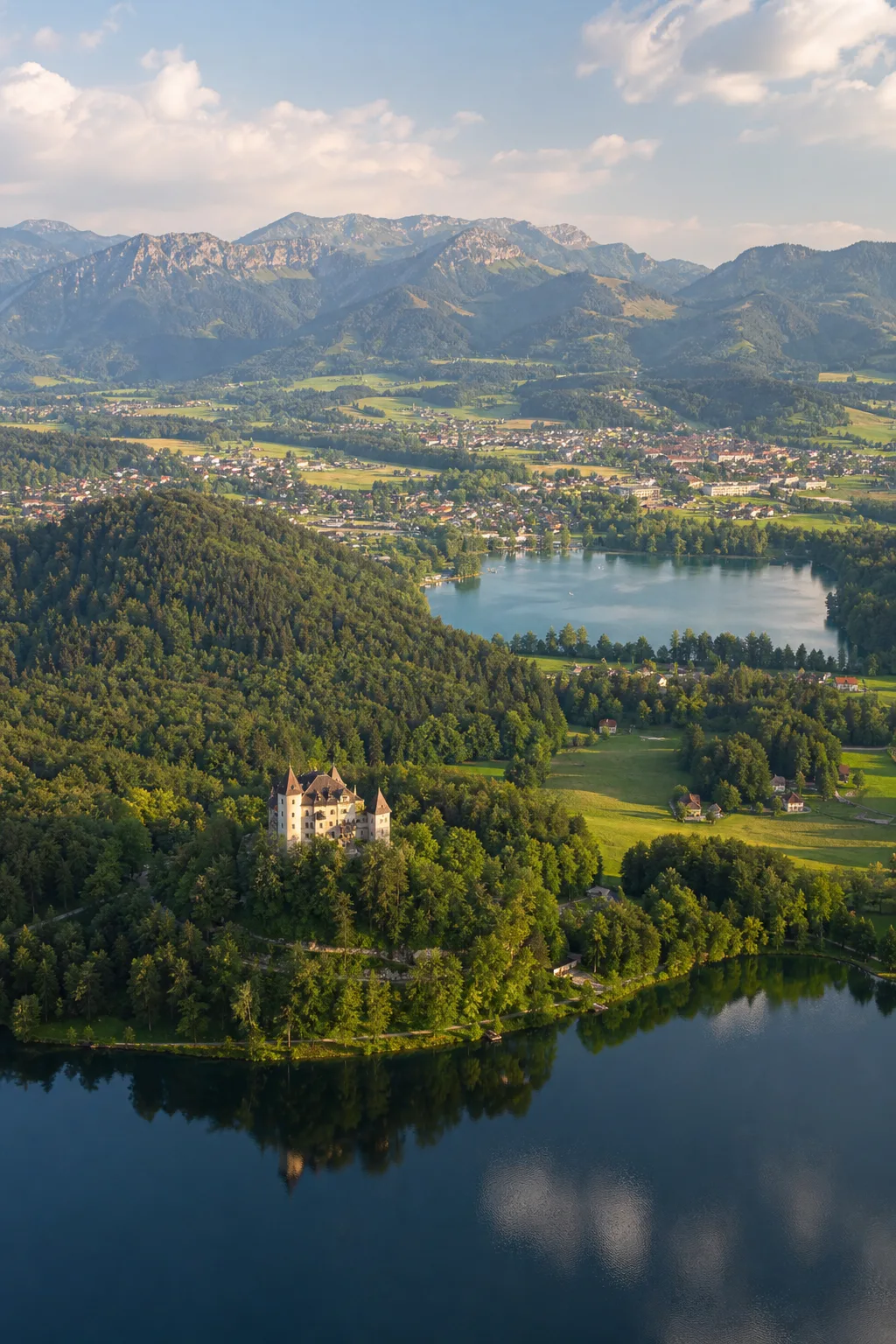
Bulawayo
Bulawayo offers distinctive landscapes, culture and experiences in Zimbabwe.
Harare
Harare offers distinctive landscapes, culture and experiences in Zimbabwe.
Manicalandia
Manicalandia offers distinctive landscapes, culture and experiences in Zimbabwe.
Mashonalandia Central
Mashonalandia Central offers distinctive landscapes, culture and experiences in Zimbabwe.
Avant de partir
Réponses rapides pour planifier votre voyage en toute confiance
- 60Sécurité
- 58Abordable
TripPlanner
Créez votre itinéraire parfait
Chargement...
Votre profil de voyageur
Découvrez votre style de voyage
Chargement...