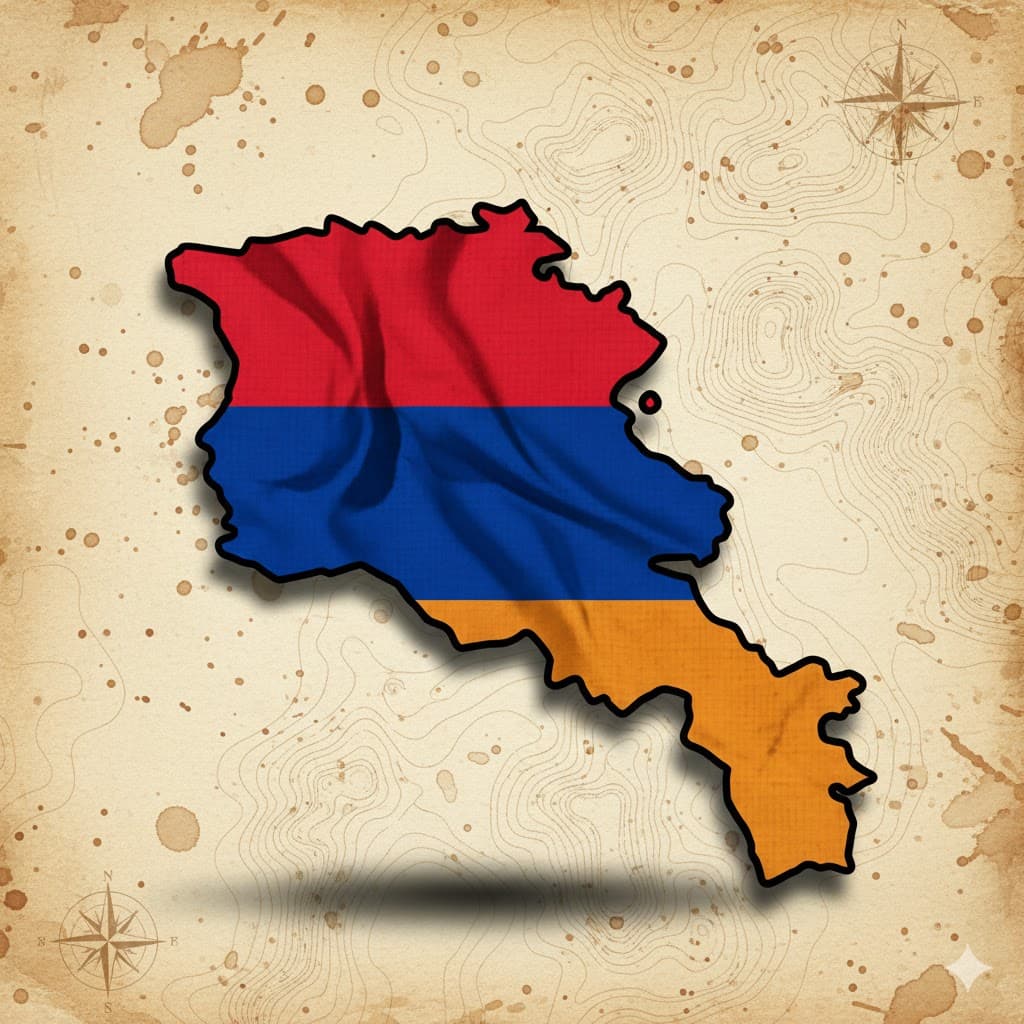
Guide de voyage général : le berceau ancestral du christianisme
L'Arménie est un voyage au cœur de l'histoire ancienne, une terre où les pierres parlent et où chaque monastère raconte une histoire de foi et de survie. Situé dans le paysage spectaculaire du Caucase, ce pays-musée en plein air vous invite à explorer certains des temples chrétiens les plus anciens du monde, à vous émerveiller devant le mont sacré Ararat et à déchiffrer les secrets de son alphabet unique. Au-delà de son patrimoine incomparable, l'Arménie est un pays de population chaleureuse et hospitalière, dont la générosité se reflète dans les tables remplies de plats délicieux et les verres d'eau-de-vie légendaire. Préparez-vous à découvrir une destination nourrissante pour l'âme, où la beauté des canyons et la sérénité des lacs de montagne sont la toile de fond d'une culture vibrante et d'un esprit indomptable.
Capital
Yerevan
Population
2.963.243
Langue
HY
Sites du patrimoine de l'UNESCO
0
Indices de voyage
Scores basés sur des données réelles de 0 à 100
Le meilleur de Arménie
Expériences uniques
Écoutez l'âme de Duduk
Le duduk, un instrument à vent en bois d'abricot, est l'âme sonore de l'Arménie. Sa sonorité mélancolique et évocatrice, déclarée patrimoine culturel immatériel de l'humanité par l'UNESCO, peut être entendue lors de concerts à Erevan ou lors de cérémonies religieuses. Assister à un spectacle live est une expérience profondément émouvante qui se connecte à l’essence de l’esprit arménien.
Survolez un canyon sur les « ailes de Tatev »
Prendre le téléphérique réversible le plus long du monde, les « Ailes de Tatev », n'est pas seulement un moyen de transport, c'est une expérience en soi. Le trajet de près de 6 kilomètres offre des vues spectaculaires sur le canyon de la rivière Vorotan avant d'atteindre l'impressionnant complexe monastique de Tatev, un centre spirituel et culturel du IXe siècle perché sur une falaise.
Cuire du pain lavash dans un « Tonir »
Le lavash est plus qu'un pain, c'est un symbole culturel. Participer à une démonstration de sa fabrication est passionnant. Regarder comment les femmes étirent la fine pâte et la collent aux parois d'un « tonir » (un four souterrain en argile) pour la cuire en quelques secondes est une délicieuse façon de se connecter avec une tradition ancienne reconnue par l'UNESCO.
Promenez-vous dans la cascade d'Erevan
Le complexe des cascades est le cœur artistique et social d'Erevan. Il s’agit d’un gigantesque escalier en pierre calcaire qui relie le centre-ville au monument de la Renaissance arménienne. Il est orné de jardins, de fontaines et d'une impressionnante collection de sculptures modernes réalisées par des artistes tels que Fernando Botero. Monter ses escaliers offre les meilleures vues de la ville avec le mont Ararat en arrière-plan.
Assistez à une liturgie à la cathédrale d'Echmiadzin
Visiter Etchmiadzine, le « Vatican » de l'Église apostolique arménienne et la plus ancienne cathédrale du monde, est un voyage vers l'épicentre spirituel du pays. Assister à l’une de leurs liturgies dominicales solennelles et chantées, remplie d’encens et de tradition, est une expérience puissante, quelles que soient les croyances personnelles.
Se perdre dans le Marché Vernissage
Chaque week-end, le marché en plein air Vernissage d'Erevan se transforme en un bazar animé. C'est l'endroit idéal pour découvrir l'artisanat local, des tapis et bijoux en argent aux « khachkars » en bois sculpté, en passant par la poterie et, bien sûr, les échiquiers, le sport national. C'est un régal pour les sens et idéal pour acheter des souvenirs uniques.
Un festin de saveurs caucasiennes
La cuisine arménienne est l'une des plus anciennes d'Asie et se caractérise par l'utilisation d'ingrédients frais, d'herbes aromatiques, de légumes, de légumineuses et, bien sûr, de pain lavash. Avec des plats cuisinés depuis des siècles, la nourriture est un pilier de l'hospitalité et une célébration des terres fertiles du pays.
Lavash : le pain qui est une assiette et une serviette
Le pain Lavash est la pierre angulaire de la table arménienne. Ce pain fin et plat est utilisé pour envelopper les viandes et les herbes, comme plat comestible ou pour recueillir les sauces. Sa préparation communale et son importance culturelle sont reconnues par l'UNESCO.
La Table, un acte de générosité
En Arménie, une table bien servie est un signe de respect et d'hospitalité. Les repas commencent généralement par une variété d'entrées, de salades et de fromages, suivis de soupes et du plat principal. Un hôte arménien veillera toujours à ce que ses invités mangent et boivent suffisamment.
Plats Iconiques
Khorovats
Le barbecue arménien, un rituel social autant qu'un plat. Il se compose de gros morceaux de viande (porc, agneau ou poulet) marinés et embrochés sur des brochettes (« shampoors »), souvent entrecoupés de légumes. Il est grillé lentement et est le roi de toute célébration.
Dolma (Tolma)
Un plat emblématique composé de feuilles de vigne (ou de légumes comme des poivrons, des tomates et des aubergines) farcies d'un mélange de viande hachée, de riz, d'herbes et d'épices. Ils sont cuits lentement et souvent servis avec du « matsun » à l'ail (yaourt arménien).
Harissa
Une bouillie épaisse et réconfortante à base de blé pelé (« korkot ») et de viande de poulet ou d'agneau, cuite à feu très doux pendant des heures jusqu'à ce que les deux ingrédients fondent en une pâte homogène. C'est un plat avec une grande charge symbolique, notamment commémorative.
Ghapama
Un plat festif et visuellement spectaculaire. C'est une citrouille vidée et farcie de riz bouilli, de noix (comme les amandes et les raisins secs), de pommes et de miel. Il est cuit jusqu'à ce que la citrouille soit tendre et servie en tranches. Il existe même une chanson populaire sur lui (« Hey Jan Ghapama »).
Spas
Une soupe crémeuse à base de « matsun » (yaourt), de grains de blé et d'herbes fraîches, principalement de coriandre. Il peut être servi chaud en hiver ou froid en été, étant très rafraîchissant et digestif.
Khash
Plus qu'un plat, c'est un rituel hivernal. Une soupe à base de pieds de vache cuits pendant la nuit, traditionnellement consommée tôt le matin, sans assaisonnement, juste avec du sel et de l'ail émincé au goût et accompagnée de lavash sec et de vodka. On dit qu’elle guérit tous les maux.
Boissons typiques
Brandy arménien
Le « cognac » arménien est une fierté nationale. Avec une histoire remontant à la fin du XIXe siècle, elle est célèbre dans le monde entier. On dit que c'était la boisson préférée de Winston Churchill. Visiter une distillerie à Erevan pour une dégustation est une expérience incontournable.
Oghi (vodka aux fruits)
Spiritueux faits maison ou commerciaux distillés à partir de divers fruits. Le plus célèbre est le « tsirani oghi », à base d'abricot, le fruit national, mais les mûres, les raisins et les prunes sont également populaires.
Donc
Une boisson rafraîchissante et saine à base de « matsun » (yaourt) dilué avec de l'eau et une pincée de sel. Il s'apparente à l'ayran et parfait pour accompagner des repas copieux ou pour étancher la soif en été.
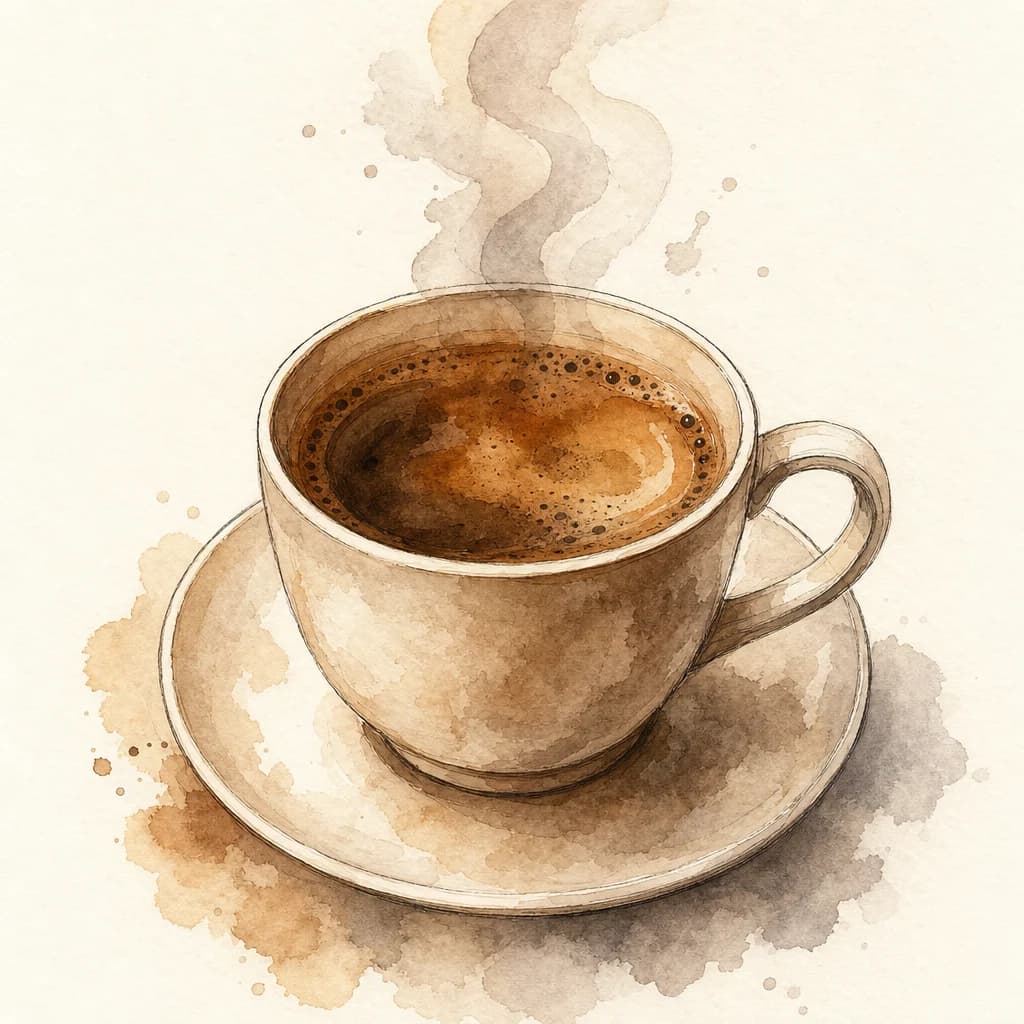
Café arménien (Soorj)
Fort, épais et aromatique, le café est préparé dans une « jazzve » (cafetière en cuivre à long manche). Il est servi dans de petites tasses et est souvent utilisé pour lire la bonne aventure sur les motifs laissés au fond.
Desserts traditionnels
Chat
Un gâteau ou un pain sucré avec une texture entre feuilletée et beurrée. Il existe de nombreuses variétés régionales, mais la plus courante est ronde et décorée. Il contient souvent une garniture sucrée appelée « khoriz ». Il est de tradition de cuire une pièce de monnaie à l'intérieur le soir du Nouvel An pour donner chance à celui qui la trouve.
Pakhlava
La version arménienne du baklava. Il se compose de fines couches de pâte filo remplies de noix hachées et d'épices, le tout baigné de miel ou d'un sirop de sucre. Il est souvent taillé en forme de diamant.
Alain
Un dessert traditionnel aux fruits secs. On utilise généralement des pêches ou des figues, qui sont évidées, remplies d'un mélange d'arachides et de sucre et séchées à nouveau.
Soujukh
Une friandise énergétique très populaire, souvent appelée « les ricanements arméniens ». Il se compose de rangées de noix enfilées sur un fil qui sont trempées à plusieurs reprises dans un moût de raisin épaissi ou du jus de fruit jusqu'à ce qu'elles forment une couche épaisse. On laisse ensuite sécher.
Que voir par thème
La richesse de l’Arménie réside dans son incroyable densité d’histoire, de culture et de nature sur un territoire compact. Nous vous proposons ensuite de découvrir le pays à travers différentes thématiques qui vous feront découvrir ses multiples facettes.
Route du Monastère
L'Arménie est un musée d'architecture religieuse à ciel ouvert. L'itinéraire incontournable comprend Khor Virap, avec Ararat en toile de fond ; Noravank, dans son canyon rougeâtre ; Geghard, creusé dans la roche ; et l'imposant Tatev. Chaque monastère possède une atmosphère et un environnement uniques qui submergent le visiteur.
Erevan : la capitale rose
Nommée d'après la couleur du tuf volcanique de ses bâtiments, Erevan est une ville sûre, compacte et agréable à explorer à pied. Ses principales attractions sont la Place de la République avec ses fontaines dansantes, l'Opéra, la Cascade, le Musée d'Histoire et l'émouvant Mémorial du Génocide Arménien.
Nature et paysages du Caucase
Le lac Seván, l'un des plus grands lacs de haute montagne du monde, est un incontournable. La région de Dilidjan, connue sous le nom de « Petite Suisse arménienne », offre des forêts luxuriantes et des spas. Pour les plus aventureux, les montagnes et les volcans éteints offrent d'innombrables possibilités de randonnées.
Vestiges païens et antiques
Avant d’être la première nation chrétienne, l’Arménie avait un riche passé païen. Le temple de Garni, joyau hellénistique du Ier siècle, en est le plus grand représentant. Non loin de là, le mystérieux observatoire mégalithique de Karahunj (ou Zorats Karer), souvent appelé le « Stonehenge arménien », remonte à l'âge du bronze.
Art et culture millénaires
Le Matenadaran d'Erevan abrite l'une des plus riches collections de manuscrits médiévaux au monde. Dans tout le pays, vous trouverez des « khachkars », des croix de pierre uniques et finement sculptées. La culture arménienne s'exprime aussi dans sa musique, sa danse et sa passion pour les échecs.
La route de la soie
L’Arménie était un carrefour important sur l’ancienne Route de la Soie. Le meilleur exemple survivant de cette époque est le caravansérail d'Orbelian, un caravansérail du XIVe siècle situé dans le col de Selim, où les marchands et leurs animaux se reposaient au cours de leurs longs voyages.
Conseils de voyage
Horaires
Les magasins et les musées d'Erevan sont généralement ouverts de 10h00 à 19h00. Les restaurants et les cafés ont des horaires plus longs, surtout en été. En dehors de la capitale, les horaires peuvent être moins prévisibles. De nombreux musées sont fermés le lundi.
Transport interne
Pour se déplacer à Erevan, le métro et les taxis (utilisant des applications comme Yandex ou GG) sont efficaces et économiques. Pour voyager entre les villes, l'option la plus courante est le minibus (« marshrutkas ») ou les taxis partagés. Louer une voiture offre plus de flexibilité, mais gardez à l'esprit que certaines routes en dehors des axes principaux peuvent être en mauvais état.
Langue
La langue officielle est l'arménien, qui possède son propre alphabet. Le russe est largement parlé et compris par la majorité de la population. À Erevan et dans les lieux touristiques, l'anglais est de plus en plus courant, notamment parmi les jeunes. Apprendre quelques mots en arménien, tels que « Barev » (Bonjour) et « Shnorhakalutyun » (Merci), sera grandement apprécié.
Conseils
Le pourboire n’est pas obligatoire, mais cela devient une pratique courante dans les restaurants et cafés d’Erevan. Si le service a été bon, il convient de laisser environ 10 % de la facture. Dans les taxis, le tarif est généralement arrondi.
Ce guide n'est que le début de tout ce que l'Arménie a à offrir. C'est un pays qui vous invite à explorer sans hâte, à discuter avec ses habitants et à vous plonger dans une histoire qui a façonné le paysage et le caractère de cette nation unique. Nous vous encourageons à explorer chaque monastère, à goûter chaque plat et à vous laisser émouvoir par la beauté et la profondeur de cette terre ancienne. DT (Bari chanaparh) ! (Bon voyage !)
Chargement peut-être...
Explore Regions of Arménie
Discover the most beautiful regions and plan your perfect trip
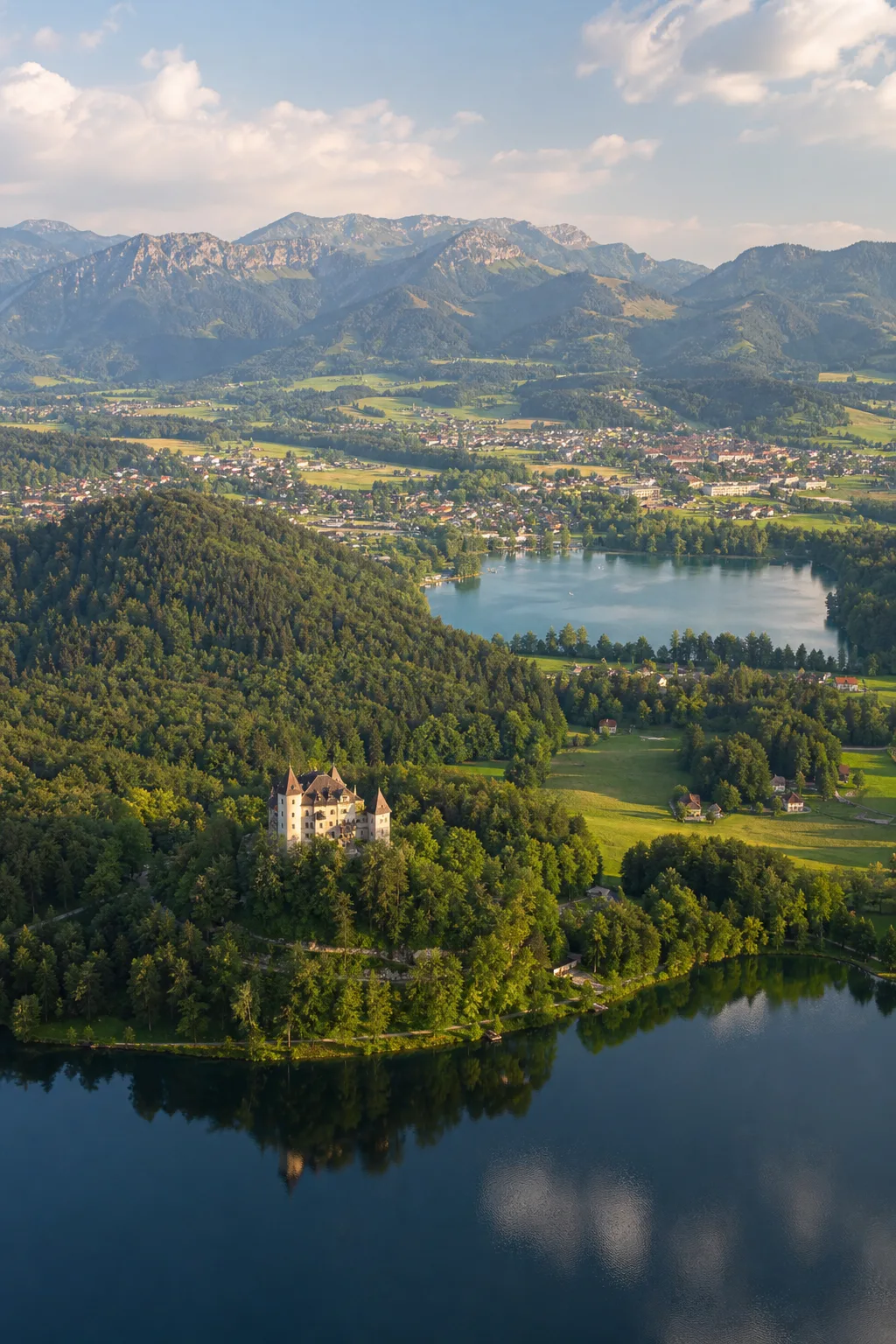
Aragatsotn
Aragatsotn offers distinctive landscapes, culture and experiences in Arménie.
Ararat
Ararat offers distinctive landscapes, culture and experiences in Arménie.
Armavir
Armavir offers distinctive landscapes, culture and experiences in Arménie.
Gegharkunik
Gegharkunik offers distinctive landscapes, culture and experiences in Arménie.
Avant de partir
Réponses rapides pour planifier votre voyage en toute confiance
Pourquoi cette destination
- Destination sûre : indice 81/100.
- 81Sécurité
- 36Abordable
Styles de voyage
TripPlanner
Créez votre itinéraire parfait
Chargement...
Votre profil de voyageur
Découvrez votre style de voyage
Chargement...