

Guide de voyage général : Le royaume mystique du bonheur au Bhoutan
Le Bhoutan est la dernière grande place forte du monde bouddhiste traditionnel de l'Himalaya, un royaume suspendu dans les nuages où la spiritualité dicte le rythme de la vie quotidienne. Resté volontairement fermé au monde extérieur pendant des siècles pour sauvegarder son identité et ses forêts vierges, le Bhoutan ne mesure pas sa richesse en termes économiques, mais plutôt en termes de bonheur national brut, plaçant la conservation de l'environnement et le bien-être culturel et spirituel de sa population avant l'exploitation matérielle. Ici, des sommets vierges jamais foulés par l'homme gardent des vallées couvertes de drapeaux de prières agités par le vent de la montagne, tandis que des forteresses de pierre et de bois (dzongs) dominent des rivières de fonte cristalline. Grimper à travers les forêts de pins jusqu'au mystique Nid du Tigre, écouter les cornes tibétaines des moines à l'aube et partager une tasse de thé au beurre dans un village rural transforme un voyage au Bhoutan en l'une des expériences humaines et spirituelles les plus transformatrices de la planète.
Capital
Thimphou
Population
771.608
Langue
DZ
Sites du patrimoine de l'UNESCO
0
Indices de voyage
Scores basés sur des données réelles de 0 à 100
Le meilleur de Bhoutan
Expériences uniques
Pèlerinage au Nid du Tigre (Paro Taktsang)
Construit en 1692 sur une corniche rocheuse verticale à 900 mètres au-dessus du fond de la vallée de Paro, Paro Taktsang est l'icône sacrée du pays. La tradition raconte que le grand maître Guru Padmasambhava est arrivé ici au 8ème siècle, volant sur le dos d'une tigresse, pour méditer dans une grotte et vaincre les mauvais esprits. La randonnée à travers des forêts denses de conifères couvertes de mousse et de drapeaux de prière offre l'une des vues les plus époustouflantes au monde lorsque vous traversez la cascade qui précède le monastère.
Admirez la majesté du Punakha Dzong
Situé dans une vallée subtropicale au climat tempéré au confluent des rivières « mère » (Mo Chhu) et « père » (Pho Chhu), le Punakha Dzong est unanimement considéré comme le plus beau du Bhoutan. Construit sans l'utilisation d'un seul clou métallique en 1637, ses cours blanchies à la chaux, ses sculptures complexes en bois doré et ses jacarandas en fleurs servent de résidence d'hiver au corps monastique central et de scène des couronnements royaux.
Soyez témoin du mysticisme d'un festival de Tshechu
Les Tshechus sont des fêtes religieuses annuelles qui célèbrent les actes sacrés de Guru Rinpoché dans les cours des dzongs. Des moines et des laïcs vêtus de somptueuses robes de soie et de masques sculptés exécutent des danses « Cham », des danses rituelles qui purifient les participants de leurs mauvais karmas et transmettent les enseignements bouddhistes. L'exposition d'un gigantesque « Thongdrel » (tapisserie sacrée brodée) à l'aube est le point culminant du festival.
Voir les grues à cou noir à Phobjikha
La vallée glaciaire de Phobjikha (Gangtey) est un sanctuaire naturel protégé d’une extraordinaire beauté. Chaque hiver (d'octobre à mars), des centaines de grues à cou noir, une espèce en voie de disparition, migrent du plateau tibétain. La croyance locale affirme que ces oiseaux sacrés volent trois fois en cercle au-dessus du monastère de Gangtey à leur arrivée et à leur départ en signe de dévotion et de respect bouddhistes.
Vivez le rituel du tir à l'arc et le bain Dotsho
Le tir à l'arc (« Dha ») est le sport national par excellence. Deux cibles situées à une distance étonnante de 145 mètres sont la cible des archers qui s'affrontent entre chants traditionnels, danses de célébration à chaque succès et plaisanteries entre équipes. Après la journée, rien ne vaut une immersion dans un « Dotsho » (bain traditionnel en bois où l'eau de source est chauffée en introduisant de grosses pierres de rivière chauffées au rouge imprégnées d'herbes médicinales aromatiques).
Traversez les 108 Chörtens du col de Dochula
Sur la route de montagne qui relie Thimphu à Punakha, le col de Dochula culmine à 3 100 mètres d'altitude. Par temps clair, le point de vue offre un panorama époustouflant sur l'Himalaya bhoutanais et le pic Gangkhar Puensum (7 570 m, la plus haute montagne non escaladée de la planète), encadré par les 108 chörtens commémoratifs dressés entre des collines de rhododendrons.
Saveurs épicées de l'Himalaya, fromage fondu et riz rouge
La gastronomie bhoutanaise est unique en Asie et extrêmement originale : les piments forts (« ema ») ne sont pas considérés comme un simple condiment ou une épice, mais comme le légume principal du repas. Il s'articule autour du fromage artisanal traditionnel (« datshi »), du riz rouge de haute montagne, des charcuteries à froid de l'Himalaya (yack, bœuf et porc) et des plantes sauvages récoltées dans les forêts comme les jeunes fougères et les champignons sauvages.
Le chili (Ema) comme aliment sacré
Au Bhoutan, un repas sans piment est considéré comme incomplet ou sans âme. Les piments verts, séchés au soleil ou fermentés sont l'ingrédient végétal central de presque tous les plats de tous les jours, conçus pour générer de la chaleur corporelle dans le climat montagnard.
Fromage Datshi et riz rouge de haute altitude
Le « Datshi » est un fromage frais et acide fabriqué artisanalement avec du lait de vache ou de yak. Lorsqu'il est cuit avec du beurre, il se fond dans une sauce crémeuse et consistante qui accompagne invariablement le riz rouge bhoutanais (« Chum Marp »), cultivé sur des terrasses irriguées par des eaux glaciaires riches en minéraux.
Plats Iconiques
Ema Datshi
Le plat national incontesté du Bhoutan, présent dans pratiquement tous les repas quotidiens. Il se compose d'une casserole bouillante de piments forts frais (verts ou rouges) coupés dans le sens de la longueur et cuits avec du fromage local fondu (datshi), du beurre clarifié, de l'ail et de la tomate, servis sur beaucoup de riz rouge.
Kewa Datshi et Shamu Datshi
Variations extrêmement populaires et quelque peu plus douces du plat national. Le Kewa Datshi est préparé en cuisant de jeunes pommes de terre de montagne dans une sauce crémeuse au fromage datshi et en tranches de piment ; Shamu Datshi utilise des champignons sauvages locaux récoltés dans les forêts humides de l'Himalaya.
Phaksha Paa
Ragoût de porc traditionnel mijoté avec des tranches de « Sikam » (bacon de montagne froid salé et séché à l'air), du radis blanc d'hiver (« daikon »), de gros piments rouges entiers séchés et des feuilles d'épinards sauvages verts.
Jasha Maroo
Plat réconfortant et épicé de poulet finement haché ou émincé, cuit dans un bouillon aromatique avec beaucoup de tomates mûres, de gingembre fraîchement râpé, d'ail, de ciboulette, de coriandre et de piments verts.
Momos bhoutanais avec Ezay
Grosses boulettes cuites à la vapeur ou frites, farcies de bœuf haché assaisonné, de porc ou de fromage frais au chou. Ils sont toujours consommés accompagnés d'Ezay, une sauce épicée maison très puissante obtenue en écrasant des piments séchés avec du fromage frais, de l'oignon, de la tomate et du poivre de Sichuan (tingye).
Nakay Datshi (fougères au fromage)
Spécialité saisonnière très appréciée à base de pousses tendres et frisées de fougères sauvages récoltées dans les forêts himalayennes, sautées et cuites avec une sauce crémeuse au fromage datshi et des piments frais.
Boissons typiques
Suja (thé au beurre et au sel)
La boisson traditionnelle par excellence de l'Himalaya. Il est obtenu en mélangeant des feuilles de thé noir pressées avec de l'eau bouillante, du gros sel et une généreuse portion de beurre de yack ou de vache frais, ce qui donne une boisson chaude, salée et très nutritive pour lutter contre le froid.
Ara
Spiritueux artisanal traditionnel obtenu à partir de la fermentation et de la distillation maison du riz, du blé, de l'orge ou du millet. Il est servi chaud, souvent lors d'occasions festives, enrichi de beurre clarifié et d'un œuf poché à l'intérieur.
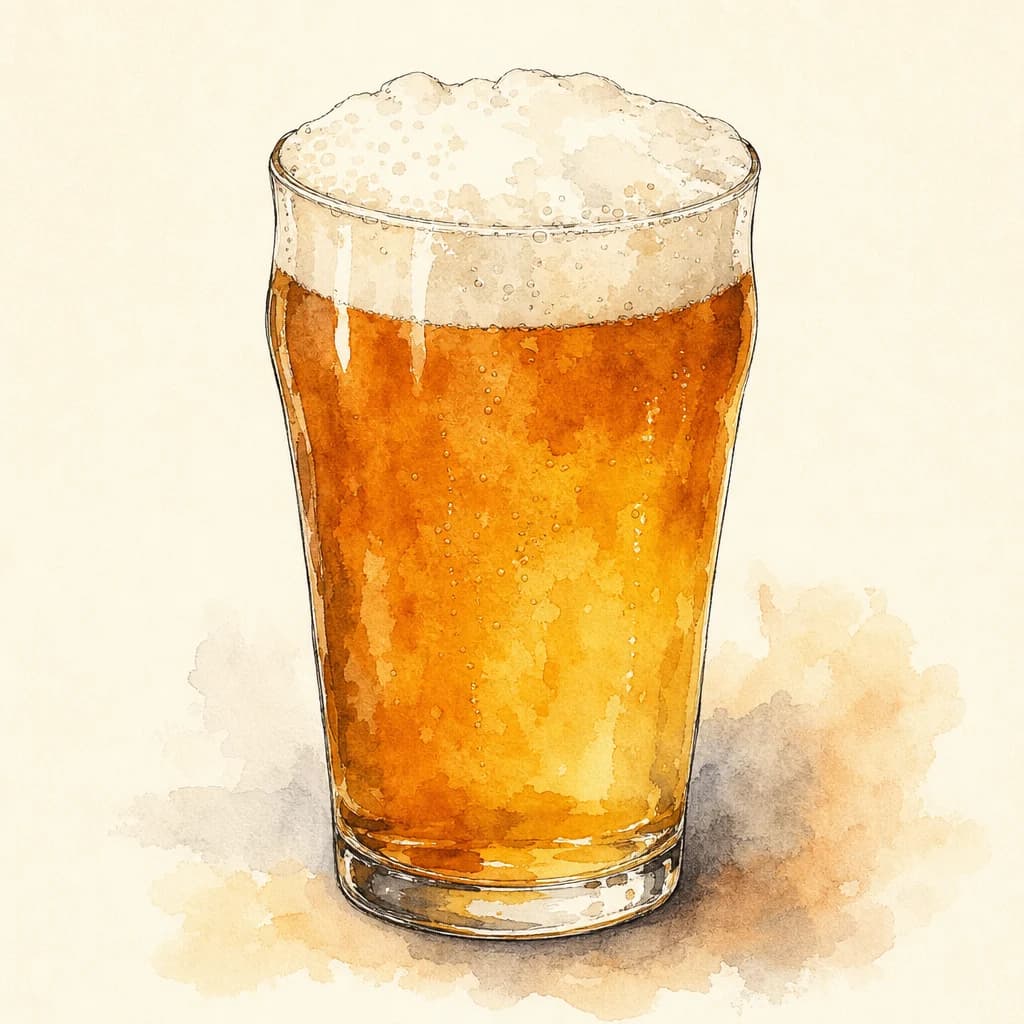
Bière artisanale bhoutanaise (Druk 11000 et Lager de riz rouge)
Fabriqué à Bumthang et Paro avec de l'eau pure provenant de sources glaciaires et des céréales locales. On distingue la Red Rice Lager (avec du riz rouge d'altitude) et la bière Druk 11000, très appréciées des locaux et des visiteurs.
Ngaja (thé sucré au lait)
Thé noir infusé de lait entier frais, de sucre de canne et de gousses de cardamome broyées, consommé dans les cafés et à la maison pendant les pauses de la journée.
Desserts traditionnels
Zow Shungo et riz rôti sucré
Le concept de dessert sucré occidental existe à peine dans la cuisine traditionnelle ; Au lieu de cela, des préparations cérémonielles telles que le Zow Shungo (riz rouge grillé croustillant mélangé avec du beurre frais, du sucre de palme et des fruits secs) sont dégustées.
Khabzeï
Biscuits secs et beignets traditionnels à base de farine de blé, de beurre et de sucre, moulés en figures géométriques ou florales complexes et frits jusqu'à ce qu'ils soient croustillants, typiques de la fête du Nouvel An (Losar).
Chhurpi / Tsi Tsi (fromage dur et sec)
Petits cubes de fromage de yak déshydratés et durcis dans la fumée de bois pendant des mois. Ils sont mâchés lentement pendant des heures comme collation énergisante lors des randonnées en montagne et des randonnées des bergers.
Pommes de Paro et miel sauvage
Les pommes biologiques récoltées dans les vergers de haute altitude de Paro sont réputées pour leur douceur et leur texture croquante, servies fraîches avec du miel sauvage pur provenant des abeilles de l'Himalaya.
Que voir par thème
Le Bhoutan offre un voyage mystique à travers des vallées immaculées, des forts médiévaux colossaux, des cols de haute montagne de l'Himalaya et des communautés où les traditions bouddhistes restent intactes.
Dzongs monumentaux et architecture sacrée
Les Dzongs constituent le cœur administratif et religieux du pays : Punakha Dzong au confluent des rivières ; Tashichho Dzong à Thimphu (siège du gouvernement et trône du Roi Dragon) ; Paro Rinpung Dzong avec son pont au toit de bois ; et Trongsa Dzong, la forteresse la plus colossale stratégiquement perchée au-dessus d'une gorge au centre du pays.
Monastères suspendus et temples sacrés
Outre le Nid du Tigre (Paro Taktsang), les points forts incluent Chimi Lhakhang (le célèbre temple de la fertilité de Drukpa Kunley, le « Divin Fou »), le monastère de Gangtey à Phobjikha et Kyichu Lhakhang à Paro, l'un des plus anciens temples du Bhoutan, fondé au 7ème siècle par le roi tibétain Songtsen Gampo.
Trekking en haute montagne dans l'Himalaya
Le Bhoutan protège jalousement ses sentiers de montagne. Le « Druk Path Trek » relie Paro et Thimphu en traversant des lacs glaciaires sacrés à plus de 4 000 mètres d'altitude ; Le « Jomolhari Trek » mène au camp de base du mont sacré Jomolhari (7 326 m) ; et le légendaire « Snowman Trek » est considéré comme l'une des expéditions de trekking les plus exigeantes de la planète, traversant des cols de plus de 5 000 mètres.
Vallées sacrées et tradition à Bumthang
Bumthang est l'épicentre spirituel du Bhoutan, composé de quatre vallées idylliques (Choekhor, Tang, Ura et Chumey). Il abrite des temples sacrés tels que Kurjey Lhakhang (où la silhouette du corps de Guru Rinpoché était imprimée sur le rocher), Jambay Lhakhang et le lac sacré Mebar Tsho (« Lac Brûlant »).
Thimphou : une capitale sans feux tricolores et sans artisanat sacré
La capitale Thimphu mêle tradition et vie contemporaine : la gigantesque statue dorée du Bouddha Dordenma (51 mètres de haut surplombant la vallée), l'Institut Zorig Chusum (où les étudiants apprennent les 13 arts traditionnels comme la peinture thangka, la broderie et la sculpture), le Mémorial Chörten et le marché fermier du Centenaire.
Virgin Nature, parcs nationaux et grues
Avec plus de 70 % de son territoire couvert de forêt protégée, le parc national Jigme Dorji et le parc national Royal Manas abritent des tigres du Bengale, des léopards des neiges, des ours noirs de l'Himalaya et le Takin (l'animal national unique du Bhoutan, qui ressemble quelque part entre une chèvre et une vache).
Conseils de voyage
Taxe de Développement Durable (SDF) et Visa Obligatoire
Le Bhoutan applique une politique touristique stricte de « haute valeur et faible impact ». Tous les touristes étrangers (à l'exception des citoyens de l'Inde et des Maldives) doivent obtenir un visa préalable et payer des frais de développement durable (SDF) quotidiens par personne pour financer les soins de santé publics gratuits, l'éducation et la conservation écologique du royaume.
Guide officiel et chauffeur obligatoires
Pour voyager au Bhoutan, la loi est obligatoire de faire appel aux services d'un guide touristique bhoutanais agréé et d'un chauffeur professionnel pour toute la durée de votre séjour. L'itinéraire doit être organisé par l'intermédiaire d'un voyagiste agréé ou sur le site officiel du département du tourisme du Bhoutan.
Code vestimentaire et respect dans les dzongs et les temples
Pour accéder à l'intérieur des Dzongs, temples et monastères actifs, il est obligatoire de s'habiller avec un maximum de décorum : manches longues, pantalons longs ou jupes en dessous du genou et chaussures fermées (les chaussures doivent être retirées en entrant dans les salles de prière). Photographier l’intérieur des sanctuaires sacrés et des statues bouddhistes est strictement interdit.
Monnaie (Ngultrum) et interdiction du tabac
La monnaie officielle est le Ngultrum bhoutanais (BTN), qui se négocie à une parité fixe de 1:1 avec la roupie indienne (INR), une monnaie qui est également largement acceptée pour les petits billets. Les cartes de crédit internationales ne fonctionnent que dans les hôtels haut de gamme et les boutiques d'artisanat de Thimphu et de Paro. Il est donc essentiel d'apporter suffisamment d'argent en dollars américains à échanger à l'arrivée. De plus, il est strictement interdit de fumer dans les lieux publics et la vente de tabac est fortement réglementée.
Ce guide est votre porte d'entrée vers le royaume mystérieux et sacré du Dragon Tonnerre. Le Bhoutan vous accueillera avec le bruissement de ses drapeaux de prières au vent, la grandeur silencieuse de ses anciennes forteresses et la paix contagieuse d'un peuple qui a fait du bonheur et du respect de la terre son plus grand trésor. Planifiez votre voyage à l'avance, ouvrez votre cœur à sa profonde spiritualité et préparez-vous à un voyage qui laissera une marque indélébile dans votre âme. Tashi Delek (Que la bénédiction et la bonne fortune soient avec vous) !
Chargement peut-être...
Avant de partir
Réponses rapides pour planifier votre voyage en toute confiance
Pourquoi cette destination
- Destination sûre : indice 92/100.
- 92Sécurité
- 97Abordable
Styles de voyage
Classements liés
Collections et routes
 97Destinations les moins chères en EspagneVilles espagnoles où le budget va plus loin sans sacrifier l’expérience.
- 97Destinations les moins chères en EuropeVilles les plus abordables pour voyager sans sacrifier l’expérience.
 92Villes les plus sûres d’EuropeDestinations où voyager plus sereinement.
 97Voyage petit budget
 92Voyage en famille
TripPlanner
Créez votre itinéraire parfait
Chargement...
Votre profil de voyageur
Découvrez votre style de voyage
Chargement...