

Guide de voyage général : Le paradis terrestre des Maldives
Les Maldives sont la destination de rêve par excellence, un collier de perles disséminées au cœur de l'Océan Indien. Au-delà d'être le refuge privilégié des lunes de miel, le pays a évolué pour offrir des expériences d'aventure, de bien-être et un véritable contact avec la culture locale. En 2026, les Maldives se positionnent comme leader du tourisme régénératif, où le luxe cohabite avec la stricte protection de ses écosystèmes fragiles. De la vibrante et dense capitale Malé aux atolls les plus reculés où le temps semble s'être arrêté, cet archipel vous invite à vous déconnecter du monde et à renouer avec la nature à l'état pur.
Capital
mâle
Population
521.021
Langue
DV
Sites du patrimoine de l'UNESCO
1
Indices de voyage
Scores basés sur des données réelles de 0 à 100
Le meilleur de Maldives
Expériences uniques
Dormir dans une villa sur l'eau
C'est l'expérience emblématique des Maldives. Ces structures vous permettent de vous réveiller au son des vagues sous vos pieds et d'accéder directement au récif depuis votre terrasse privée. De nombreux complexes hôteliers proposent des sols en verre pour observer la vie marine sans quitter la pièce, redéfinissant ainsi le concept d'intégration avec l'environnement.
Plongée à Baa Atoll (Réserve de Biosphère)
Déclaré réserve de biosphère par l'UNESCO, cet atoll est célèbre pour la baie de Hanifaru, où des centaines de raies manta et de requins baleines se rassemblent pour se nourrir entre mai et novembre. C’est l’un des meilleurs endroits au monde pour observer la mégafaune marine dans un environnement protégé.
Dîner sous le niveau de la mer
Les Maldives abritent plusieurs des rares restaurants sous-marins au monde. Dîner à cinq mètres sous la surface, entouré de parois de verre qui montrent le jardin de corail et le passage des poissons colorés, est une expérience sensorielle qui allie la haute cuisine aux merveilles de l'océan.
Découvrez la vie locale sur les îles habitées
Depuis que le tourisme est autorisé sur les îles locales, des destinations comme Maafushi, Dhigurah ou Thulusdhoo offrent un véritable aperçu de la vie maldivienne. Ici, vous pouvez séjourner dans des maisons d'hôtes, visiter des mosquées historiques, regarder des artisans travailler le bois et profiter de plages immaculées à des prix plus abordables.
Observez la « mer d'étoiles »
Sur des îles comme Vaadhoo, le phénomène de bioluminescence transforme les plages nocturnes en miroir du ciel étoilé. Le phytoplancton brille d’un bleu intense lorsqu’il est agité par les vagues, créant un spectacle naturel magique qui semble tout droit sorti d’un film fantastique.
Pique-nique sur un banc de sable
Être transporté en bateau vers un petit banc de sable blanc qui disparaît à marée haute est l'expression ultime de l'intimité. Les stations organisent des déjeuners gastronomiques privés où les seuls témoins sont le soleil et l'horizon infini.
Saveurs de l'Océan et de la Noix de Coco
La cuisine maldivienne, connue sous le nom de Dhivehi Kaana, est une cuisine de survie et de créativité basée sur ce qu'offre l'environnement : du poisson frais (principalement le thon), de la noix de coco sous toutes ses formes et des féculents comme le riz et le taro.
Le thon comme protagoniste
L'albacore et le listao constituent la base de l'alimentation. Il est consommé frais, séché (poisson des Maldives), fumé ou transformé en pâtes, apportant une saveur umami unique à presque tous les plats.
Influence des épices
En raison de son emplacement sur des routes commerciales historiques, la cuisine maldivienne intègre du curry, du gingembre, de la cannelle et du piment, créant des plats aromatiques et épicés similaires à ceux de l'Inde du Sud et du Sri Lanka.
Plats Iconiques
Mas Huni
Le petit-déjeuner traditionnel par excellence. C'est un mélange de thon râpé, de noix de coco râpée, d'oignon et de piment haché. Il est servi avec du Roshi (un pain plat semblable à un roti) et du thé chaud.
Garudhiya
Un bouillon de poisson clair et parfumé servi avec du riz, du citron vert, des piments frais et de la pâte de poisson (rihaakuru). C'est l'essence même de la cuisine familiale maldivienne.
Encore Keemiya
Une sorte de boulette ou de samosa farcie d'œuf dur, de chou sauté et d'oignons épicés. C'est une collation (hedhikaa) très populaire dans les cafés de Malé.
Kulhi Boakibaa
Galette de poisson épicée à base de thon fumé, de noix de coco, de riz et d'épices. Il est cuit jusqu'à ce qu'il ait une texture ferme et constitue un plat courant des fêtes.
Masroshi
Pain plat fourré au thon et à la pâte de noix de coco, grillé jusqu'à ce qu'il soit croustillant. Idéal comme collation en milieu d'après-midi.
Boissons typiques
Sai (Thé)
Le thé est la boisson sociale. Il se consomme noir ou avec du lait, très sucré, et accompagne tous les repas et réunions.
Kurumba (jeune noix de coco)
L'eau de coco fraîche est la boisson hydratante naturelle la plus répandue sur toutes les îles. Il est servi directement à partir du fruit.
Raa
Une boisson traditionnelle extraite des cocotiers. Il se consomme frais (doux) avant sa fermentation, l'alcool étant interdit à la population locale.
Desserts traditionnels
Addu Bondi
Un bonbon cylindrique à base de noix de coco râpée, de mélasse de palme et d'eau de rose. Il est originaire de l’atoll le plus au sud et constitue le souvenir comestible le plus célèbre.
Dhonkeyo Kajuru
Petits beignets de banane frits, parfumés à l'essence de vanille ou à l'eau de rose. Croustillant à l'extérieur et moelleux à l'intérieur.
Saagu Bondibaï
Un pudding au sagou cuit avec du lait de coco, de la cardamome et des roses, souvent servi lors de célébrations spéciales.
Que voir par thème
Les Maldives ne sont pas une seule destination, mais mille destinations en une. Chaque atoll a sa propre personnalité et ses attraits naturels.
Malé : la capitale la plus dense du monde
Une ville insulaire animée qui contraste avec la tranquillité des stations balnéaires. Les points forts incluent la mosquée du vendredi (Hukuru Miskiy) construite en corail sculpté en 1656, le marché aux poissons animé et le musée national, qui abrite des trésors de l'ère bouddhiste et islamique du pays.
Ari Atoll : paradis de la plongée
Divisée en Nord et Sud, elle est célèbre pour ses sites de plongée légendaires comme Maaya Thila. C'est le meilleur endroit pour observer les requins baleines toute l'année et possède certains des complexes hôteliers les plus établis et les plus luxueux.
Atoll de Kaafu : accessibilité et surf
C'est l'atoll qui entoure la capitale et l'aéroport. Il comprend des îles populaires telles que Maafushi et les meilleurs spots de surf du pays tels que Pasta Point et Sultans, qui attirent les surfeurs du monde entier entre mai et octobre.
Atoll de Vaavu : aventure sur les canaux
Connu pour avoir les canaux les plus profonds et les courants les plus forts, il est idéal pour les plongeurs expérimentés cherchant à observer de grands bancs de requins nourrices et la vie pélagique lors des plongées de nuit.
Atoll d'Addu : le sud historique
Située sous l'équateur, elle offre une géographie unique où les îles sont reliées par des ponts pouvant être parcourus à vélo. Elle bénéficie d'une forte influence britannique en raison d'une ancienne base de la RAF et de récifs coralliens qui n'ont pas souffert du blanchissement.
Conseils de voyage
Religion et normes
Les Maldives sont un pays musulman conservateur. L'alcool et le porc sont interdits en dehors des complexes privés. Sur les îles locales, vous devez vous habiller modestement (épaules et genoux couverts) et les bikinis ne sont autorisés que sur les « plages bikini » désignées.
Transport
Le transfert entre les îles se fait en hydravion (cher mais rapide et pittoresque), en hors-bord ou en ferry public (bon marché mais lent). Les hydravions volent uniquement pendant la journée (avant 16h00-17h00).
Durabilité
La collecte de coraux, coquillages ou sable est strictement interdite. Il est recommandé d'utiliser des crèmes solaires biodégradables « sans danger pour les récifs » pour éviter d'endommager les récifs et minimiser l'utilisation de plastiques à usage unique.
Devise et paiements
La monnaie officielle est le Rufiyaa (MVR), mais le dollar américain (USD) est accepté presque partout. Dans les resorts, tous les frais sont facturés à la chambre et payés par carte à la fin du séjour.
Les Maldives sont une destination qui redéfinit la beauté naturelle. Que vous recherchiez un isolement total dans un complexe ultra-luxueux ou une aventure culturelle sur une île locale, cet archipel changera votre perspective sur l'océan. Nous vous recommandons de planifier vos transferts à l'avance et de choisir l'atoll qui correspond le mieux à vos intérêts (plongée, surf ou détente). Le paradis vous attend !
Chargement peut-être...
Explore Regions of Maldives
Discover the most beautiful regions and plan your perfect trip
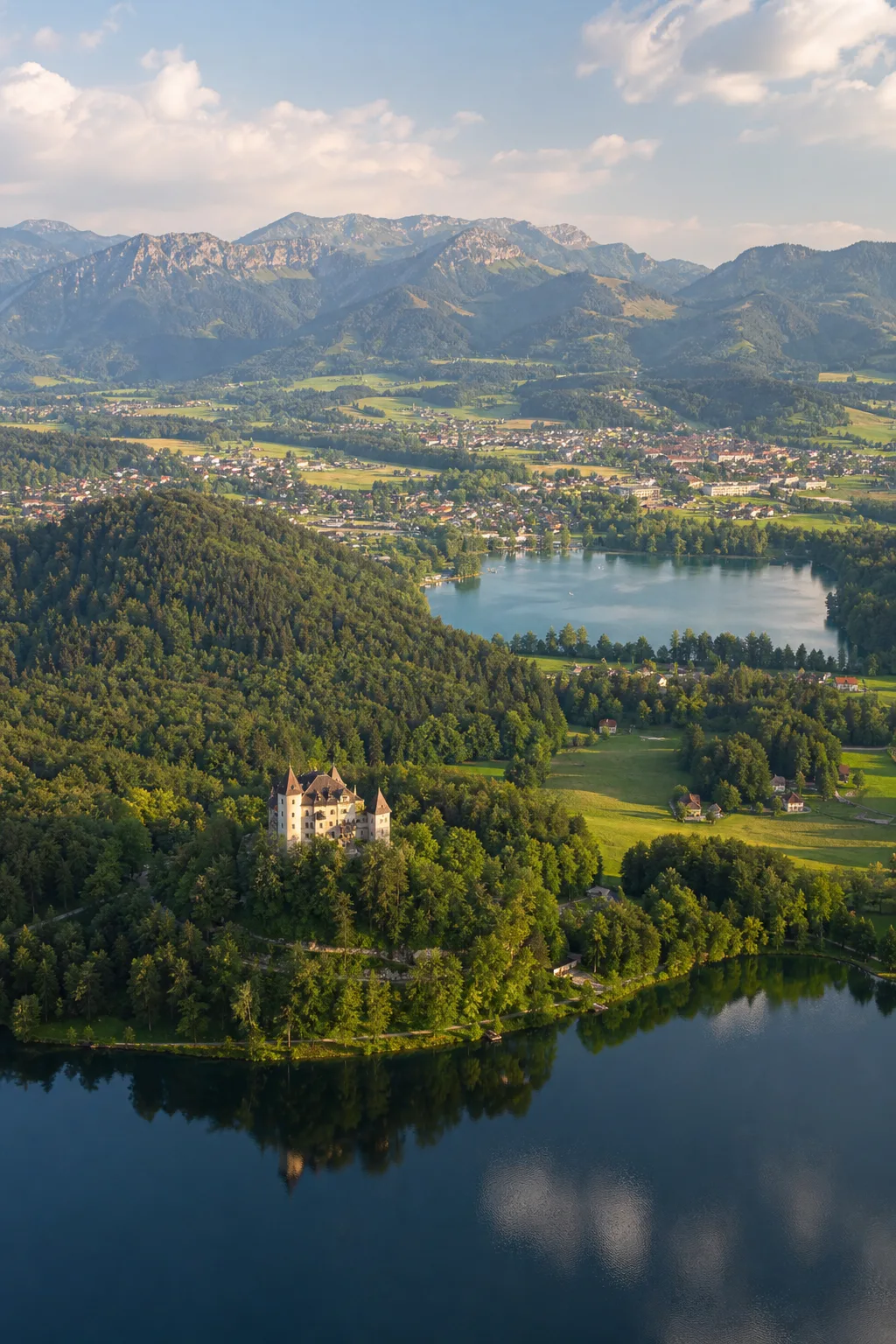
Central Atolls (incl. Malé)
Central Atolls (incl. Malé) offers distinctive landscapes, culture and experiences in Maldives.
Northern Atolls
Northern Atolls offers distinctive landscapes, culture and experiences in Maldives.
Southern Atolls
Southern Atolls offers distinctive landscapes, culture and experiences in Maldives.
Avant de partir
Réponses rapides pour planifier votre voyage en toute confiance
Pourquoi cette destination
- Maldives convient très bien aux familles (indice 85/100).
- Scène gastronomique au top : 80/100.
- Destination sûre : indice 80/100.
- 85Familles
- 80Gastronomie
- 80Sécurité
- 85Abordable
Styles de voyage
Classements liés
 85Destinations les moins chères en EspagneVilles espagnoles où le budget va plus loin sans sacrifier l’expérience.
- 85Destinations les moins chères en EuropeVilles les plus abordables pour voyager sans sacrifier l’expérience.
 85Meilleures villes d’Europe pour voyager en familleVilles pensées pour les familles : sécurité, rythme et activités enfants.
 80Villes les plus sûres d’EuropeDestinations où voyager plus sereinement.
 80Meilleures destinations gastronomiques d’EuropeVilles avec la meilleure scène gastronomique d’Europe.
Collections et routes
- 85Destinations les moins chères en EspagneVilles espagnoles où le budget va plus loin sans sacrifier l’expérience.
- 85Destinations les moins chères en EuropeVilles les plus abordables pour voyager sans sacrifier l’expérience.
- 85Meilleures villes d’Europe pour voyager en familleVilles pensées pour les familles : sécurité, rythme et activités enfants.
- 80Villes les plus sûres d’EuropeDestinations où voyager plus sereinement.
- 80Meilleures destinations gastronomiques d’EuropeVilles avec la meilleure scène gastronomique d’Europe.
 85Voyage petit budget
 85Voyage en famille
 80Voyage gastronomique
TripPlanner
Créez votre itinéraire parfait
Chargement...
Votre profil de voyageur
Découvrez votre style de voyage
Chargement...