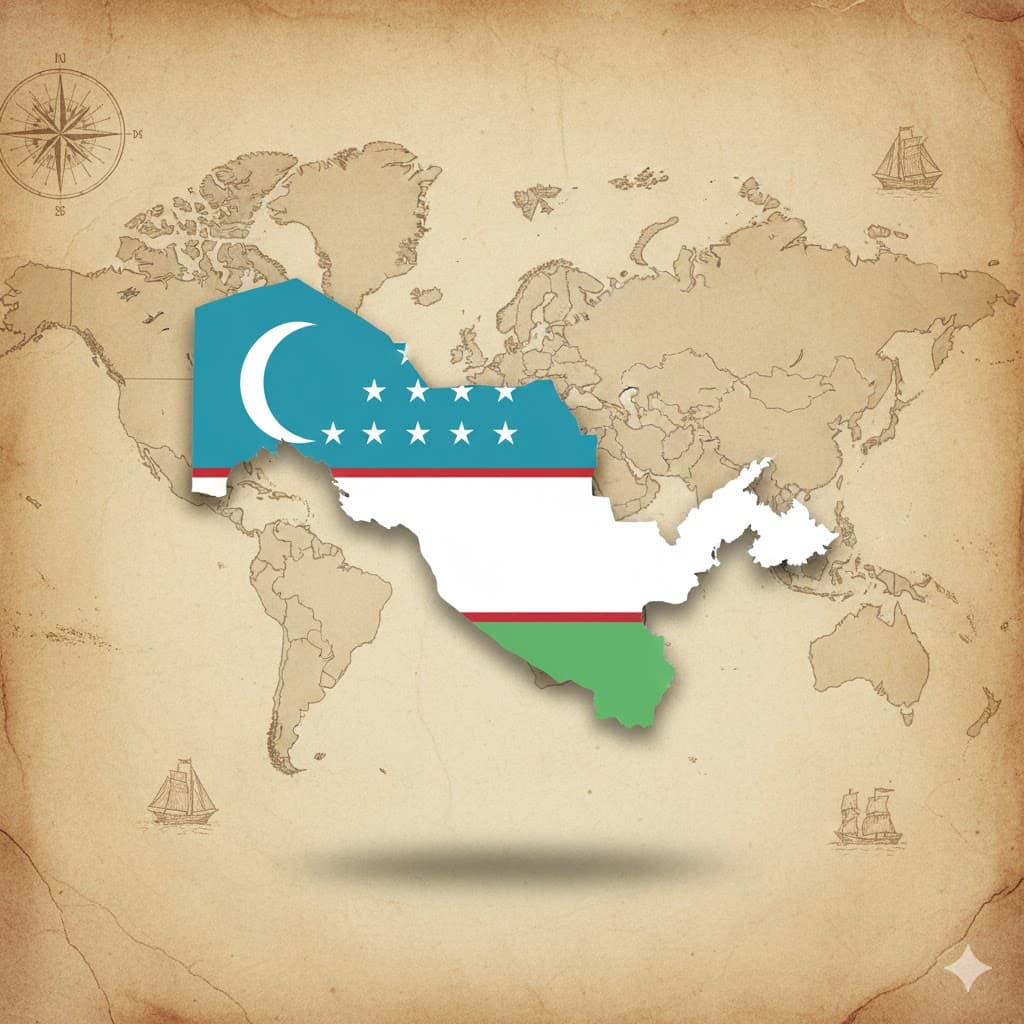
Guide de voyage général : L'essence de la Route de la Soie en Ouzbékistan
Voyager en Ouzbékistan, c'est franchir le seuil de l'une des époques les plus dorées et légendaires de l'humanité. Situé au carrefour stratégique de l’Asie centrale, ce pays a vu défiler sur ses routes marchands d’épices et de soie, caravanes de chameaux, astronomes célèbres et conquérants mythiques comme Alexandre le Grand et Tamburlaine. Aujourd'hui, ses villes oasis éblouissent par leur architecture monumentale composée de dômes célestes, de minarets sculptés de tuiles émaillées et de places pavées où le temps semble s'être arrêté. Au-delà de ses joyaux architecturaux, l'Ouzbékistan séduit par la gentillesse authentique de ses habitants, les arômes de cumin et de pain fraîchement sorti du four qui flottent dans ses bazars et la sérénité de ses maisons de thé traditionnelles. Une aventure inoubliable au cœur vivant de la Route de la Soie.
Capital
Tachkent
Population
33.469.203
Langue
UZ, Russe
Sites du patrimoine de l'UNESCO
0
Indices de voyage
Scores basés sur des données réelles de 0 à 100
Le meilleur de Ouzbékistan
Expériences uniques
Contemplez la majesté du Registan à Samarkand
Le Registan est l’un des complexes architecturaux les plus éblouissants au monde. Flanqué des monumentales madrassas d'Ulugh Beg, Sher-Dor et Tilya-Kori, ses gigantesques « iwans » (portails) recouverts de tuiles géométriques et de feuilles d'or vous laisseront sans voix. Le visiter à la fois dans la lumière dorée du coucher du soleil et sous l’éclairage nocturne est une expérience presque mystique.
Se perdre dans le temps à l'intérieur d'Itchan Kala à Jiva
Jiva est une véritable capsule temporelle. Sa citadelle intérieure, entourée de hauts murs d'adobe et de boue, est un musée à ciel ouvert parfaitement conservé. Se promener dans ses ruelles au crépuscule, gravir le minaret Islam Khodja pour contempler les toits de terre cuite et admirer le minaret mineur de Kalta inachevé et polychrome vous transportera directement au temps des grandes caravanes.
Boire du thé et vivre le calme de Lyabi-Hauz à Boukhara
Boukhara était la capitale religieuse et commerciale de l'Asie centrale. Le cœur de la vie sociale tourne autour de Lyabi-Hauz, un étang tranquille entouré de mûriers centenaires, de madrassas et de « chaajanas » (salons de thé). S'asseoir sur un divan traditionnel (« tapchan ») pour boire du thé vert et manger des noix est le plus grand plaisir pour se déconnecter de l'agitation.
Entrez dans le couloir céleste de Shah-i Zinda
Cette nécropole sacrée de Samarkand est une avenue en escalier de mausolées construits entre le XIe et le XVe siècle. Chaque façade et dôme sont recouverts des carreaux de majolique les plus parfaits et les plus riches, des mosaïques vernissées et des terres cuites vernissées dans les tons de bleu cobalt, turquoise et lapis-lazuli de toute l'Asie centrale.
Explorez les stations de métro Palace de Tachkent
Construit à l'époque soviétique et décoré de marbre, de granit, de lustres en cristal et de reliefs historiques, le métro de la capitale est une galerie d'art souterraine. Des stations comme Alisher Navoiy (avec des dômes rappelant une mosquée) ou Kosmonavtlar (dédiée à la course spatiale soviétique) sont des arrêts incontournables.
Soyez témoin du cimetière des navires de la mer d'Aral
À Moynaq, dans la république autonome du Karakalpakistan, les coques rouillées de vieux bateaux de pêche gisent sur le sable là où se trouvait autrefois l'un des quatre plus grands lacs du monde. C'est une visite émouvante qui témoigne directement du grand drame écologique du XXe siècle et offre un paysage désertique d'une beauté mélancolique.
Saveurs de la Route de la Soie et Tradition Culinaire
La cuisine ouzbèke est le cœur battant de sa culture. Avec ses racines dans les traditions nomades turques et les coutumes raffinées des colonies agricoles des oasis, sa cuisine est forte, aromatique et très sociale, où l'agneau, le riz, les épices comme le cumin et la coriandre et le pain cuit au four d'argile sont sacrés.
Le Culte du Chaudron (Kazan) et la Nourriture Communautaire
Le « kazan » (grand chaudron en fonte) est l'ustensile roi de toute maison ou restaurant ouzbek. Ici, le plat national est cuit au feu de bois, toujours conçu pour être partagé entre de grands groupes d'amis et de famille.
Le caractère sacré du pain et le rituel du thé
Le pain (« non ») n'est jamais coupé au couteau ni posé face contre terre par respect religieux et culturel ; on le brise avec les mains. De même, chaque repas est ouvert et clôturé avec du thé servi dans des bols en céramique (« piala ») après le rituel de trois oxygénations.
Plats Iconiques
Plov (Och)
Le roi incontesté de la cuisine ouzbèke, déclaré patrimoine culturel immatériel par l'UNESCO. Il est composé de riz aux grains spéciaux cuit lentement dans un bouillon (« zirvak ») d'agneau ou de bœuf tendre, de carottes jaunes et oranges, d'oignons, de cumin, de pois chiches, de raisins secs et souvent de têtes d'ail entières et d'œufs de caille.
Chachlik
Brochettes de viande marinée (agneau, bœuf, poulet ou viande hachée épicée appelée « lula ») enfilées sur de grandes brochettes en métal et grillées au charbon de bois. Ils sont toujours servis sur un lit d'oignons crus marinés dans du vinaigre et des herbes.
Samsa (Somsa)
Empanadas triangulaires ou arrondies faites de pâte feuilletée croustillante, collées aux parois intérieures des fours en argile (« tandir ») et cuites au four jusqu'à ce qu'elles soient dorées. Ils sont farcis d'agneau haché au couteau avec de l'oignon et du cumin, ou de potiron et de pomme de terre.
Lagman
Plat de nouilles longues étirées à la main d'influence ouïghoure et chinoise, servi dans une soupe aromatique et épicée avec des morceaux de viande, poivrons, tomate, ail, radis et herbes fraîches, ou dans sa version sautée au wok (« Goshnan » ou « Qovurma Lagman »).
Mante
De grosses boulettes de pâte fine cuites à la vapeur dans des cuiseurs à vapeur spéciaux à plusieurs niveaux (« kaskans »). Ils sont farcis de viande hachée assaisonnée avec beaucoup d'oignon et de graisse de queue d'agneau, servis avec de la crème sure (« smetana ») ou de la sauce tomate.
Non / Lepyoshka (pain traditionnel)
Pain rond et plat aux bords épais et au centre fin décoré de tampons traditionnels (« chekich ») et de graines de sésame ou de nigelle. Le pain dense et brillant de Samarkand et le pain feuilleté de Tachkent sont légendaires pour leur goût frais du tandir.
Boissons typiques
Kok-Chay (thé vert)
La boisson nationale par excellence. Il est servi bien chaud dans des théières en porcelaine accompagnées de bols (« pialas ») sans anses. En été, il contribue à réguler la température corporelle et accompagne chaque moment de conversation de la journée.
Chala / Ayran
Boisson rafraîchissante à base de yaourt fermenté dilué avec de l'eau froide, du sel et souvent parfumée d'herbes fraîches comme l'aneth, la coriandre ou la menthe, idéale pour accompagner les viandes grasses.
Sharbat et compotes maison
Boissons sucrées traditionnelles élaborées à partir de la cuisson de fruits locaux frais ou secs (abricots, cerises, pommes, coings) avec une légère touche de sucre, servies froides lors des journées chaudes.
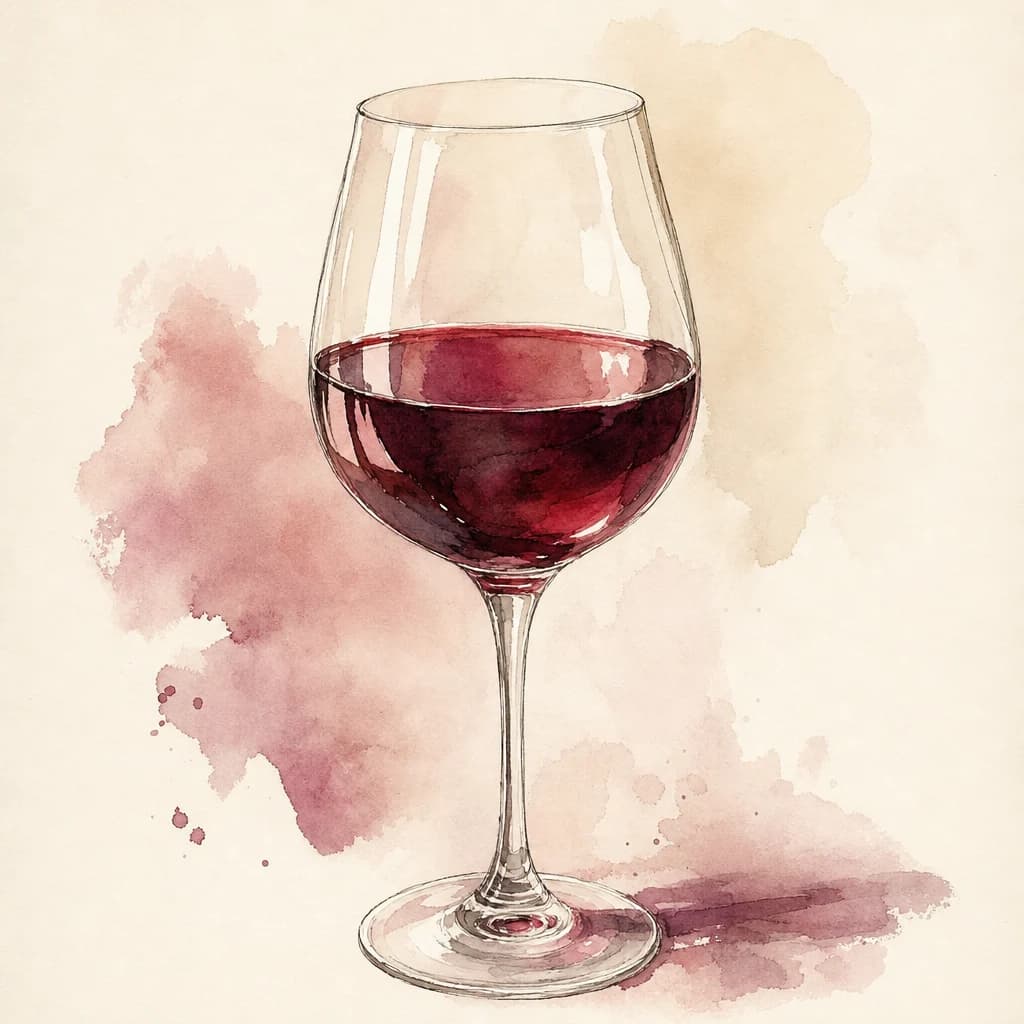
Vodka ouzbek et vins locaux
Héritée de la période soviétique, la vodka est toujours très appréciée dans les toasts et les célébrations. De plus, des régions comme Samarkand produisent des vins rouges et doux à partir de vignes cultivées dans leurs vallées ensoleillées.
Desserts traditionnels
Halva ouzbek
Bonbon traditionnel à base de farine, lait, beurre et sucre, enrichi de pistaches, d'amandes ou de graines de sésame. Samarkand et Kokand halva sont célèbres dans toute la région.
Navat
Sucre cristallisé traditionnel sous forme de gros noyaux ambrés obtenu à partir de sirop de raisin pur bouilli. Il est généralement pris lentement dissous dans du thé chaud comme édulcorant naturel aux propriétés digestives.
Melons sucrés et pastèques d'Ouzbékistan
Le dessert naturel le plus convoité. Les melons ouzbeks (en particulier la variété « Mirzachul ») sont célèbres depuis l'Antiquité pour leur douceur incomparable, leur texture juteuse et leur arôme intense.
Pashmac
Bonbon traditionnel composé de délicats écheveaux de caramel filés avec de la farine grillée qui ressemblent à de la barbe à papa mais avec une texture plus dense et croquante qui fond en bouche.
Que voir par thème
L'Ouzbékistan concentre le patrimoine monumental le plus impressionnant d'Asie centrale, mêlant villes mythiques de la Route de la Soie, déserts légendaires et richesses artisanales extraordinaires.
Villes oasis et sites du patrimoine de l'UNESCO
Samarkand éblouit avec le mausolée Gur-e-Amir (Tombeau de Tamerlan) et la mosquée Bibi Janum. Boukhara préserve une atmosphère médiévale unique avec sa forteresse Ark et le complexe Po-i-Kalyan. Khiva séduit comme un joyau intact du désert avec ses harems comme Tosh Hovli et ses madrassas labyrinthiques.
Architecture et mosaïques vernissées
L’art islamique timouride a atteint des sommets inégalés en Ouzbékistan. Les façades avec des muqarnas (« muqarnas »), des dômes turquoise intenses et une calligraphie coufique sculptée dans le lapis-lazuli et l'or transforment chaque madrasa et mosquée en un chef-d'œuvre de géométrie sacrée.
Déserts, caravansérails et forteresses millénaires
À travers les sables rouges du désert de Kyzylkum, vous pourrez explorer les ruines de plus de 50 anciennes forteresses de boue de Chorasmia (Elliq Qala), telles que Toprak Kala et Ayaz Kala, qui défendaient les oasis il y a plus de 2 000 ans, ainsi que dormir dans des camps de yourtes traditionnelles au bord du lac Aydarkul.
Bazars légendaires et commerce traditionnel
Les bazars restent le centre névralgique du pays. A Tachkent, le gigantesque dôme du bazar Chorsu regorge d'étals vendant des épices, des fruits secs, des fromages séchés (« qurt ») et des boucheries. À Boukhara, les célèbres dômes voûtés du XVIe siècle (Taqi Sarrofon, Taqi Telpak Furushon) abritent toujours des artisans du cuivre, des tapissiers et des bijoutiers.
Artisanat, céramique et route de la soie à Fergana
La fertile vallée de Fergana est le berceau de grands maîtres artisans. A Marguilan se trouve l'usine Yodgorlik, où la célèbre soie « Ikat » (Khan-Atlas) est tissée selon des méthodes anciennes. À Rishtan, les familles de potiers créent des céramiques uniques émaillées de couleur bleu minéral «ishkor».
Tachkent : avant-garde, musées et métro monumental
La capitale ouzbèke mêle modernité cosmopolite et architecture monumentale soviétique et islamique. Les points forts incluent le complexe Hazrati Imam (qui garde le célèbre Coran d'Uthman du 7ème siècle, l'un des plus anciens au monde), la tour de télévision et de larges avenues bordées d'arbres avec des fontaines monumentales.
Conseils de voyage
Inscription à l'hébergement (talons)
En Ouzbékistan, il est obligatoire pour les hôtels et les auberges d'enregistrer votre séjour auprès des autorités. Lors de votre départ, vous recevrez un reçu papier ou un code numérique (enregistrement de séjour). Il est indispensable de conserver tous les reçus jusqu'à la sortie du pays, car la police des douanes peut les demander au contrôle frontalier de l'aéroport.
Monnaie et paiements (Som ouzbek)
La monnaie officielle est le Som ouzbek (UZS). Même si les cartes de crédit internationales (Visa et Mastercard) sont de plus en plus acceptées dans les hôtels et restaurants haut de gamme de Tachkent et Samarkand, dans les bazars, les taxis, les échoppes locales et les monuments, le paiement en espèces est indispensable. Les distributeurs automatiques de billets abondent dans les villes touristiques.
Transport et train à grande vitesse (Afrosiyob)
Le moyen de transport le plus rapide, le plus confortable et le plus moderne entre Tachkent, Samarkand et Boukhara est le train à grande vitesse « Afrosiyob » (fabriqué par Talgo). Les billets sont mis en vente 45 jours à l'avance et se vendent très rapidement. Il est donc essentiel de les réserver en ligne longtemps à l'avance sur le site officiel des chemins de fer ouzbeks.
Code vestimentaire et respect culturel
L’Ouzbékistan est un pays laïc et très sûr avec une population majoritairement musulmane modérée et très tolérante. Dans les rues des villes, les gens s'habillent normalement, mais pour entrer dans les mosquées, les mausolées et les lieux sacrés en activité, il faut se couvrir les épaules et les genoux et, dans de nombreux cas, les femmes doivent se couvrir la tête avec un foulard.
Ce guide n’est que la porte d’entrée vers l’un des voyages culturels les plus fascinants que vous puissiez faire au monde. Les villes de Samarkand, Boukhara et Khiva vous éblouiront par leur grandeur architecturale, mais ce sera la chaleur de ses habitants et l'arôme de son thé qui resteront à jamais gravés dans votre mémoire. Nous vous encourageons à approfondir chacune de ses régions historiques et à vous perdre sans hâte dans les ruelles de la Route de la Soie. Oq yo'l (Bon voyage) !
Chargement peut-être...
Avant de partir
Réponses rapides pour planifier votre voyage en toute confiance
Pourquoi cette destination
- Destination sûre : indice 82/100.
- 82Sécurité
- 25Abordable
Styles de voyage
TripPlanner
Créez votre itinéraire parfait
Chargement...
Votre profil de voyageur
Découvrez votre style de voyage
Chargement...