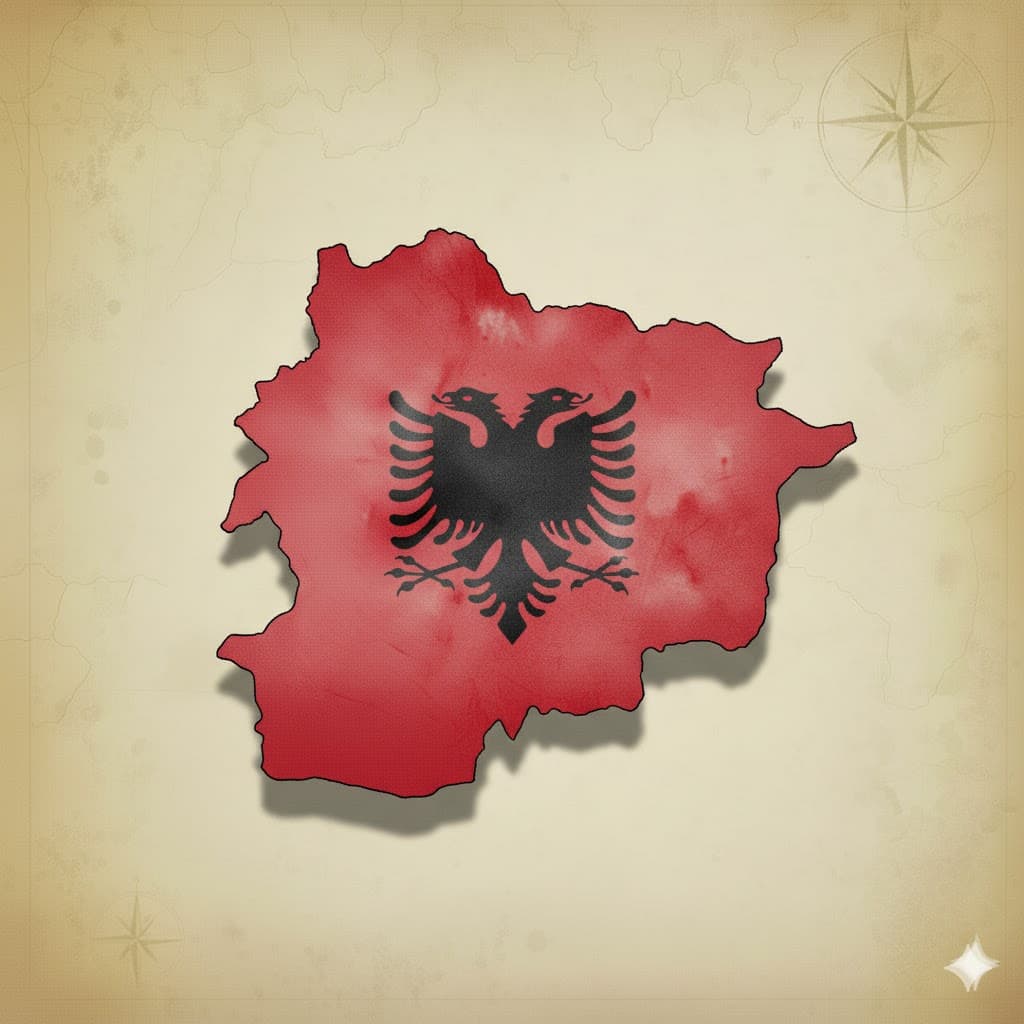
Guide de voyage général : La renaissance de l'Albanie
L'Albanie est l'un des secrets les mieux gardés et les plus fascinants d'Europe. Après des décennies d'isolement sous l'un des régimes communistes les plus secrets du XXe siècle, le pays renaît aujourd'hui comme une destination accueillante, dynamique et étonnamment diversifiée. Ici, les sommets escarpés des Alpes du Nord cèdent la place à des vallées verdoyantes, des lacs de carte postale et une côte ionienne avec des criques immaculées aux eaux cristallines qui rivalisent avec les meilleurs coins de la Méditerranée. Les villes-musées figées dans le temps telles que Berat et Gjirokastër coexistent avec l'énergie et les couleurs cosmopolites de Tirana. Tout cela enveloppé dans le légendaire « Besa » - le code d'honneur et d'hospitalité qui fait de chaque voyageur un invité d'honneur. L'Albanie est une terre d'exploration des âmes, un voyage vers l'authenticité qui captive et surprend à chaque étape.
Capital
Tyran
Population
2.832.439
Langue
SQ
Sites du patrimoine de l'UNESCO
4
Indices de voyage
Scores basés sur des données réelles de 0 à 100
Le meilleur de Albanie
Expériences uniques
Naviguez à travers le canyon du lac Koman
Considérée comme l'une des excursions en bateau les plus spectaculaires au monde, la traversée en ferry sur le lac artificiel de Koman s'étend entre d'imposantes parois rocheuses calcaires et des eaux vert émeraude. Le paysage rappelle les fjords norvégiens au cœur des Balkans et constitue une porte d'entrée idéale vers la vallée de Valbona.
Faites le Valbona à Theth Trek
La route reine des Alpes albanaises (Bjeshkët e Nemuna ou Montagnes Maudites) relie deux villages idylliques par le col de Valbona (1 795 m). C'est une promenade difficile mais inoubliable qui récompense par des vues panoramiques sur les sommets karstiques, les forêts de hêtres luxuriantes, les sources cristallines et l'emblématique église en bois debout de Theth.
Perdez-vous dans les rues de Berat et Gjirokastër
Les deux villes sont des joyaux ottomans déclarés sites du patrimoine mondial par l'UNESCO. Berat éblouit avec ses maisons blanches à gradins pleines de fenêtres donnant sur la rivière Osum et son château habité ; tandis que Gjirokastër séduit avec ses toits en dalles d'ardoise grise, son imposante forteresse militaire et son bazar pavé.
Explorez le parc archéologique de Butrint
Situé face à l'île grecque de Corfou et entouré d'un parc national lacustre, Butrint est un voyage dans le temps où cohabitent vestiges grecs, romains, byzantins et vénitiens. Son théâtre classique, son baptistère aux mosaïques, sa basilique paléochrétienne et ses murs cyclopéens émergent au milieu d'une végétation méditerranéenne luxuriante.
Profitez des criques de la Riviera albanaise
Du spectaculaire col de Llogara à la frontière avec la Grèce, la côte sud-ouest présente des plages paradisiaques aux galets blancs et aux eaux transparentes. Les points forts incluent les baies de Dhërmi, Jale, Himarë, la plage sauvage de Gjipe (accessible par un canyon) et les îlots de Ksamil face à la mer Ionienne.
Plongez dans la mémoire historique à Bunk'Art et Tirana
Tirana est une ville aux contrastes fascinants. Dans Bunk'Art 1 et Bunk'Art 2, d'immenses bunkers souterrains antinucléaires construits par le dictateur Enver Hoxha ont été transformés en musées d'art contemporain et d'histoire politique. À la tombée de la nuit, le quartier animé de Blloku – autrefois quartier résidentiel exclusif de l’élite communiste – vibre de terrasses, de cafés design et de restaurants modernes.
Saveurs des Balkans avec essence méditerranéenne
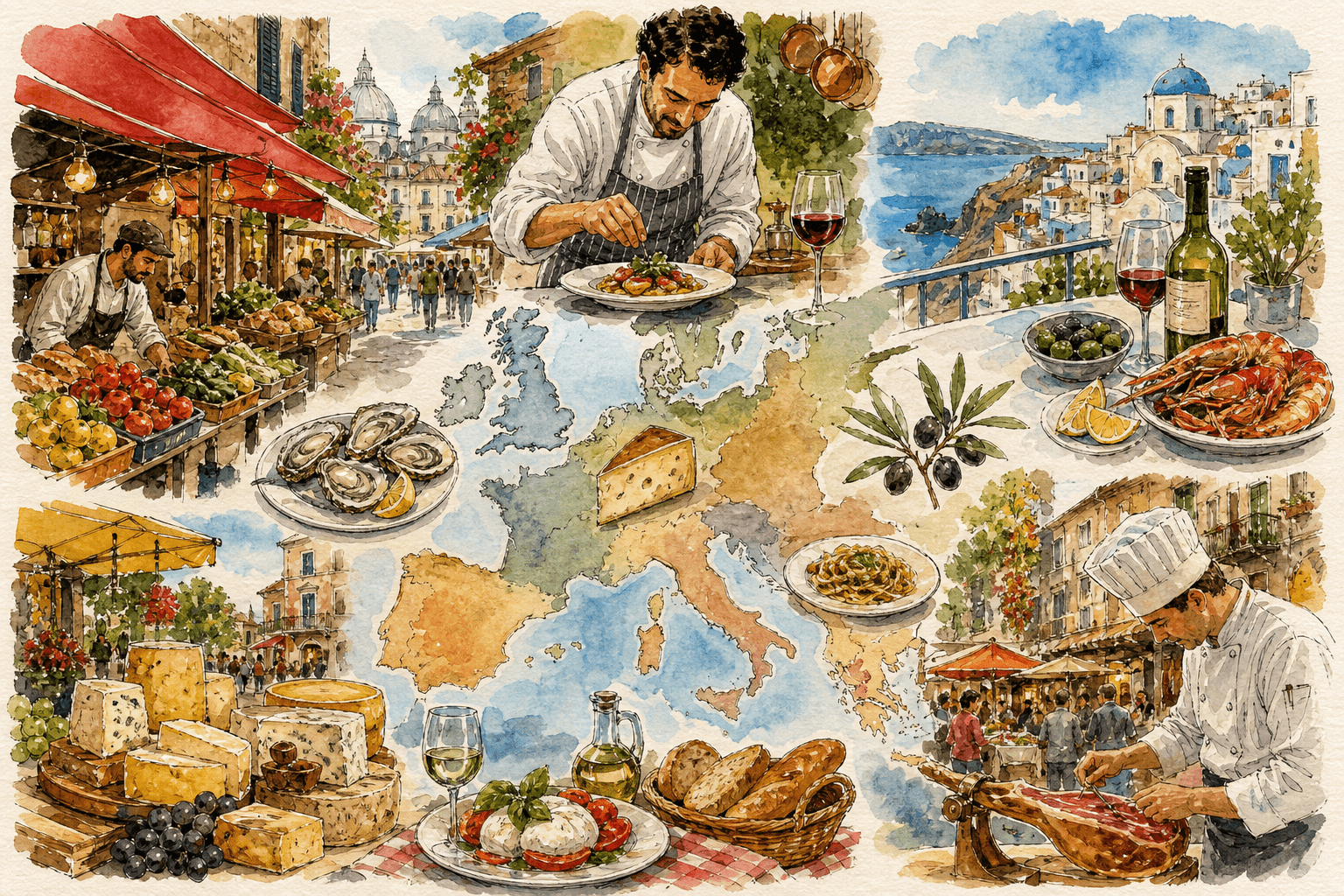
La cuisine albanaise est un savoureux carrefour entre la tradition de l'élevage des Balkans, l'héritage ottoman et la fraîcheur du régime méditerranéen. Il se distingue par la prédominance des viandes rôties lentement, des légumes des jardins locaux baignés de soleil, des fromages de chèvre et de brebis, de l'huile d'olive extra vierge et de la pâte filo artisanale.
Produit frais du jardin et des pâturages
La base des plats albanais est constituée d'ingrédients locaux crus : agneau et bœuf élevés dans les alpages, poivrons, aubergines, tomates mûres, huile d'olive et fromages frais salés fabriqués dans de petites fermes familiales.
La culture de Meze et l'après-repas
Manger en Albanie est un acte lent et social. Il est courant de commencer par un assortiment de meze (petites assiettes de fromage fondu, légumes rôtis, olives et sauces au yaourt à l'ail) servis au centre de la table accompagné d'un verre de raki.
Plats Iconiques
Tave Kosi
Le plat national le plus emblématique de l'Albanie, originaire d'Elbasan. Il se compose de tendres morceaux d'agneau rôti cuits dans un pot en argile avec du riz et une sauce crémeuse et moelleuse à base de yaourt aigre, d'œufs, de beurre et d'ail.
Byrek
Le roi de la street food et des petits déjeuners traditionnels. Gâteau croustillant avec plusieurs couches très fines de pâte filo, généralement fourré aux épinards et au fromage feta (« Byrek me spinaq »), de viande hachée épicée ou d'oignon et de tomate.
Fergesë Tirane
Ragoût rustique et délicieux typique de la capitale à base de poivrons rouges et verts rôtis, de tomates mûres et de fromage salé ('gjizë' ou fromage blanc), assaisonné d'ail et cuit dans un pot en terre cuite jusqu'à obtenir une texture épaisse et onctueuse.
Qofte Fërguara
Boulettes de viande traditionnelles de bœuf ou d'agneau hachées, pétries avec de l'oignon haché, de la menthe fraîche, de l'origan et de la chapelure, frites ou grillées et servies avec une salade fraîche et une sauce tzatziki.
Speca të Mbushura
Poivrons mûrs du jardin farcis d'un mélange aromatique de riz, de viande hachée épicée, d'oignon poché et d'herbes méditerranéennes, cuits lentement au four.
Peshk i Freskët du Fruit Deti
Dans toute la bande côtière de Saranda, Vlorë et Durrës, les poissons locaux (bar, dorade) et les crustacés (moules Butrint, calamars et crevettes) sont servis fraîchement pêchés, grillés avec de l'ail, du citron et du persil frais.
Boissons typiques
Raki Rrushi
L'alcool national par excellence, distillé principalement à partir de raisins (ou de prunes). Fort, aromatique et transparent, il se consomme en accueil, en digestif ou en apéritif lors de toute occasion sociale.
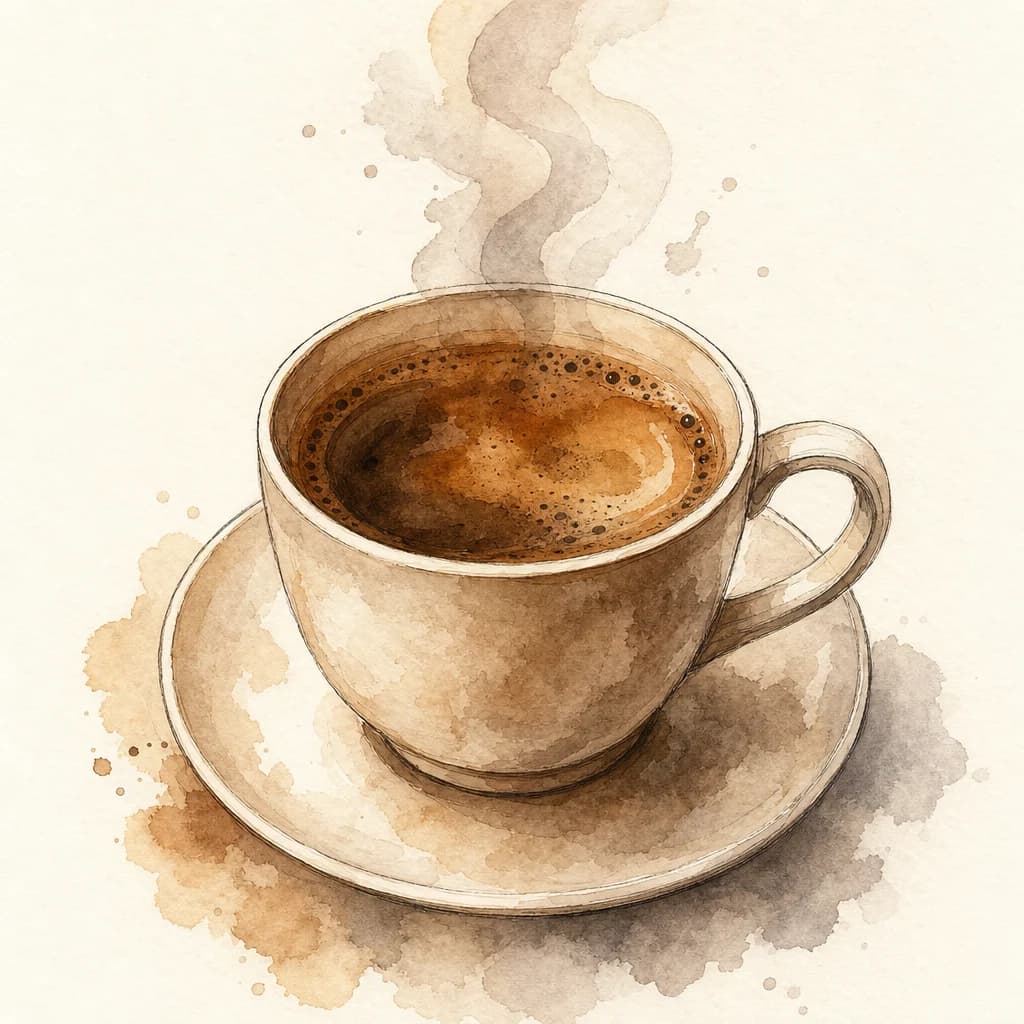
Café turc et expresso
La culture du café en Albanie est presque une religion. On peut boire du café à la turque (dense et aromatique avec le marc au fond de la tasse) ou d'excellents cafés expresso à l'italienne dans les innombrables cafés et terrasses du pays.
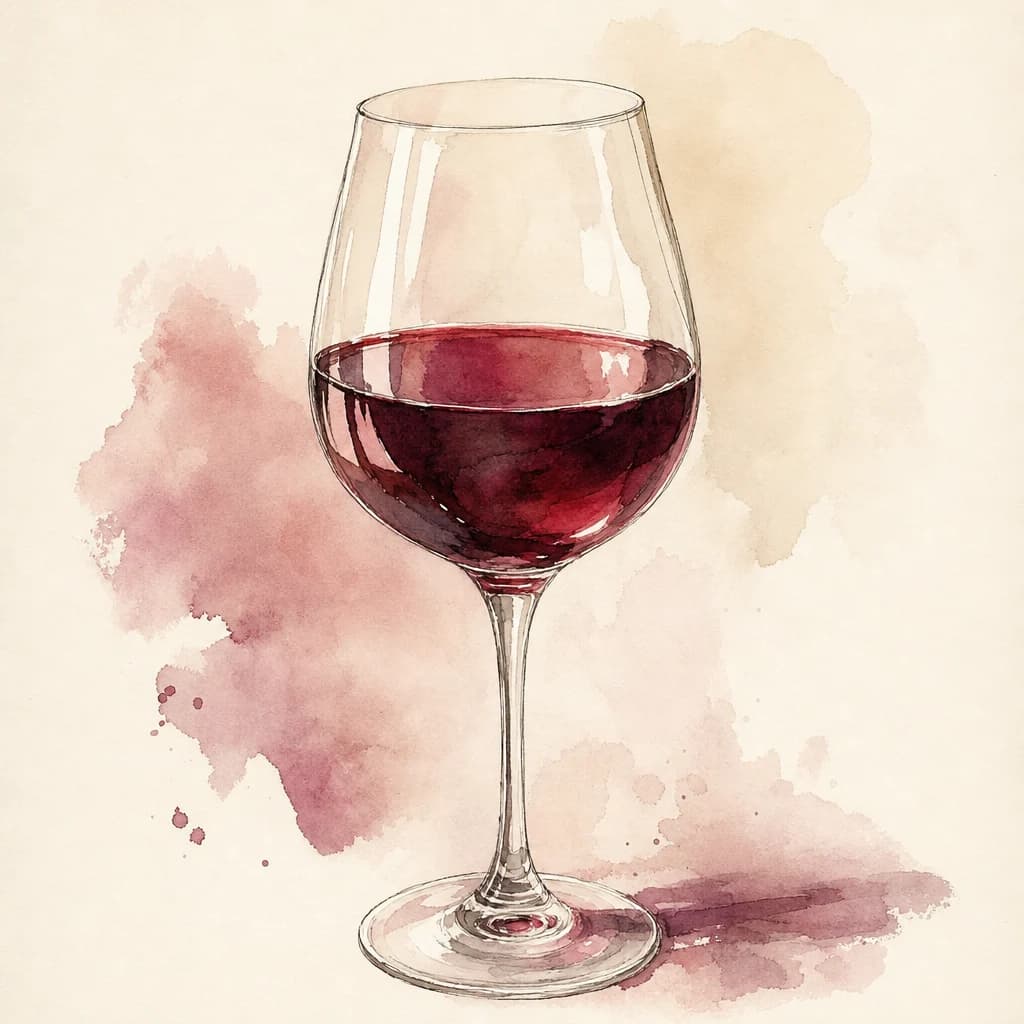
Vins autochtones albanais
L'Albanie a une ancienne tradition viticole qui remonte aux Illyriens. Les cépages autochtones se distinguent comme le Kallmet rouge (du nord de Shkodër) et le Shesh (i Bardhë en blanc et i Zi en rouge), avec d'excellentes caves familiales.
Dhallë
Boisson traditionnelle froide et très rafraîchissante, préparée en mélangeant du yaourt nature avec de l'eau et une pincée de sel. Il est parfait pour accompagner des plats forts ou se rafraîchir lors des chaudes journées d'été.
Desserts traditionnels
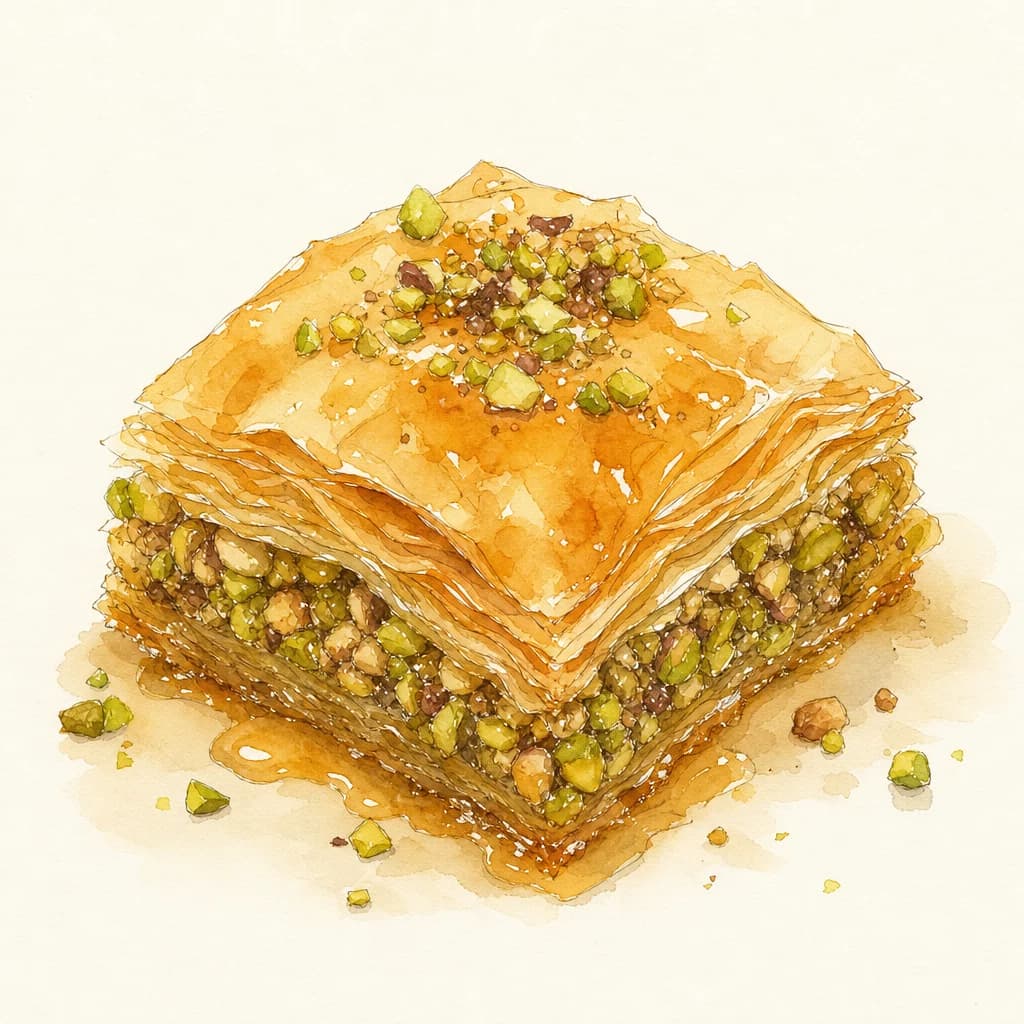
Baklava albanais
De fines couches croustillantes de pâte filo généreusement remplies de noix locales hachées et trempées dans un épais sirop de sucre parfumé au citron. C'est le dessert indispensable lors des fêtes et célébrations.
Trileçe
L'un des gâteaux les plus populaires des Balkans. Il s'agit d'un gâteau moelleux imbibé de trois types de lait (lait concentré, lait concentré et crème) et recouvert d'une couche brillante de caramel mou.
Shendetlie
Gâteau traditionnel et rustique à base de noix, de farine et de miel pur, cuit lentement puis baigné dans un sirop de sucre chaud qui lui donne une texture moelleuse et intense.
Kabuni
Un dessert historique et unique à base de riz grillé au beurre, de bouillon de viande sucré, de raisins secs, de sucre, de noix et de cannelle, héritage des tables de fête traditionnelles.
Que voir par thème
Malgré sa taille compacte, l'Albanie possède une étonnante diversité géographique et culturelle, allant de criques de rêve et de gorges karstiques aux citadelles médiévales et aux places animées des Balkans.
Plages paradisiaques et Riviera albanaise
La côte ionienne entre Vlorë et Saranda présente une succession de baies spectaculaires. La ville de Dhërmi allie tradition et ambiance plage, Himarë offre des criques tranquilles et une ambiance familiale, la plage de Gjipe éblouit nichée dans un canyon sauvage, et Ksamil séduit avec ses eaux turquoise des Caraïbes face à des îlots inhabités.
Villes historiques et sites du patrimoine de l'UNESCO
Berat et Gjirokastër sont les deux grandes bannières patrimoniales de l'Albanie. Berat éblouit avec ses quartiers historiques de Mangalem et Gorica et son château habité aux églises byzantines. Gjirokastër se distingue par ses maisons fortifiées en pierre de l'époque ottomane (comme la maison Zekate) et son bazar traditionnel.
Trekking aventure et les Alpes albanaises
Le nord de l'Albanie est l'Eden de la randonnée dans les Balkans. Les vallées glaciaires de Theth et Valbona offrent des paysages alpins immaculés avec des cascades (telles que la cascade de Grunas), des bassins d'eau gelée (l'Œil bleu de Theth) et des tours défensives traditionnelles (« kulla »).
Tirana : avant-garde, art urbain et mémoire historique
La capitale albanaise a connu une vibrante métamorphose. La place Skanderbeg abrite le musée historique national et la mosquée Et'hem Bey. La « Pyramide de Tirana » a été transformée en centre culturel ouvert, tandis que les musées Bunk'Art et House of Leaves offrent un regard époustouflant sur le passé de la dictature communiste.
Parcs archéologiques et châteaux médiévaux
Pour les passionnés d'archéologie, Butrint est un incontournable. A côté, se détachent les ruines d'Apollonia d'Illyrie, l'imposant château de Rozafa à Shkodër qui surplombe le lac et les rivières Buna et Drin, et le château de Krujë, bastion du héros national Skanderbeg contre l'Empire ottoman.
Rivières, canyons et merveilles naturelles
Déclarée l'un des premiers parcs nationaux de Wild River d'Europe, la rivière Vjosa coule librement sans barrages. Le canyon de la rivière Osum offre des gorges impressionnantes pour le rafting, tandis que les sources karstiques comme le Blue Eye (Syri i Kaltër) près de Saranda captivent par la pureté et la profondeur de leurs eaux.
Conseils de voyage
Itinérance et données mobiles
L'Albanie ne fait pas partie de l'Union européenne ni de l'Espace économique européen, de sorte que les tarifs d'itinérance gratuite de l'UE ne s'appliquent pas à la plupart des opérateurs. Il est indispensable de désactiver les données mobiles avant d'atterrir ou de traverser la frontière et d'acheter une eSIM virtuelle ou une carte SIM prépayée locale (Vodafone ou One Albany) à un très bon prix.
Paiements en devises et en espèces
La monnaie officielle est le lek albanais (ALL). Même si les euros sont souvent acceptés dans les hôtels et les excursions, le taux de change appliqué est souvent défavorable. De plus, dans les restaurants familiaux, les cafés, les transports et les petits commerces, le paiement par carte n'est pas toujours disponible, il est donc essentiel d'avoir toujours suffisamment d'argent sur soi.
Transport et conduite
Pour explorer librement le pays, il est préférable de louer une voiture. La conduite locale peut être imprévisible et les routes de montagne présentent des virages serrés qui nécessitent de la patience. Pour se déplacer en transports en commun, on utilise des « vans » (minibus partagés), qui n'ont pas d'horaires rigides et partent lorsqu'ils sont pleins.
Langue et hospitalité (Besa)
La langue officielle est l'albanais (Shqip), une langue indo-européenne possédant sa propre branche. Dans les zones touristiques, les plus jeunes parlent anglais et une grande partie de la population parle couramment italien en raison de la proximité culturelle et de la télévision. L'hospitalité envers l'étranger est un pilier sacré de la culture albanaise.
Ce guide n'est que le point de départ pour plonger dans la magie inexplorée de l'Albanie. Des sommets enneigés du nord aux eaux turquoise de la mer Ionienne et ses anciens villages de pierre, le pays vous attend à bras ouverts et avec une chaleur humaine inoubliable. Planifiez sereinement votre itinéraire, laissez-vous emporter par le rythme des Balkans et vivez l'une des dernières grandes aventures d'Europe. Rrugë të mbarë (Bon voyage) !
Chargement peut-être...
Explore Regions of Albanie
Discover the most beautiful regions and plan your perfect trip
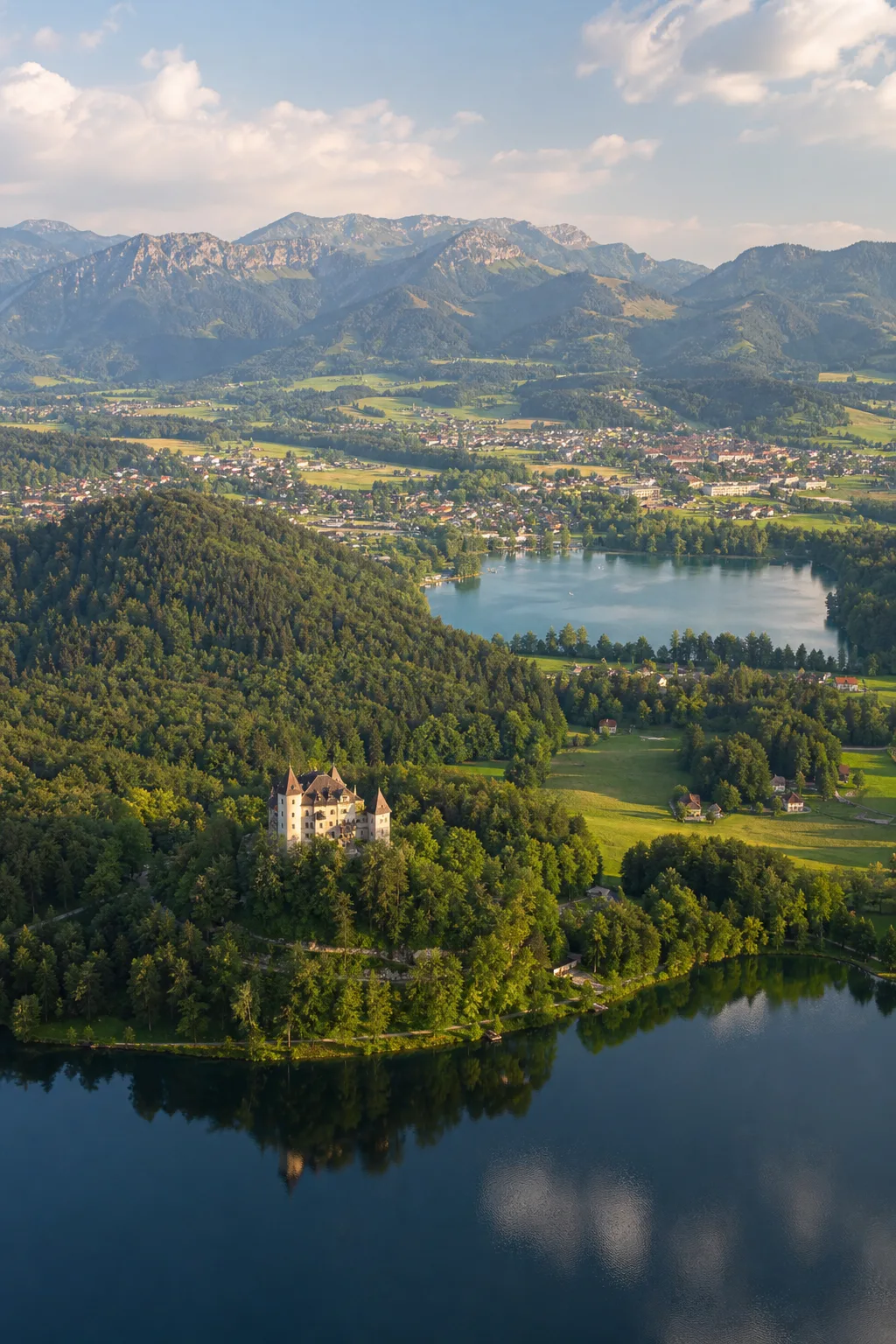
Berat County
Berat County offers distinctive landscapes, culture and experiences in Albanie.
Dibër County
Dibër County offers distinctive landscapes, culture and experiences in Albanie.
Durrës County
Durrës County offers distinctive landscapes, culture and experiences in Albanie.
Elbasan County
Elbasan County offers distinctive landscapes, culture and experiences in Albanie.
Avant de partir
Réponses rapides pour planifier votre voyage en toute confiance
- 69Familles
- 72Gastronomie
- 71Sécurité
- 40Abordable
Styles de voyage
TripPlanner
Créez votre itinéraire parfait
Chargement...
Votre profil de voyageur
Découvrez votre style de voyage
Chargement...