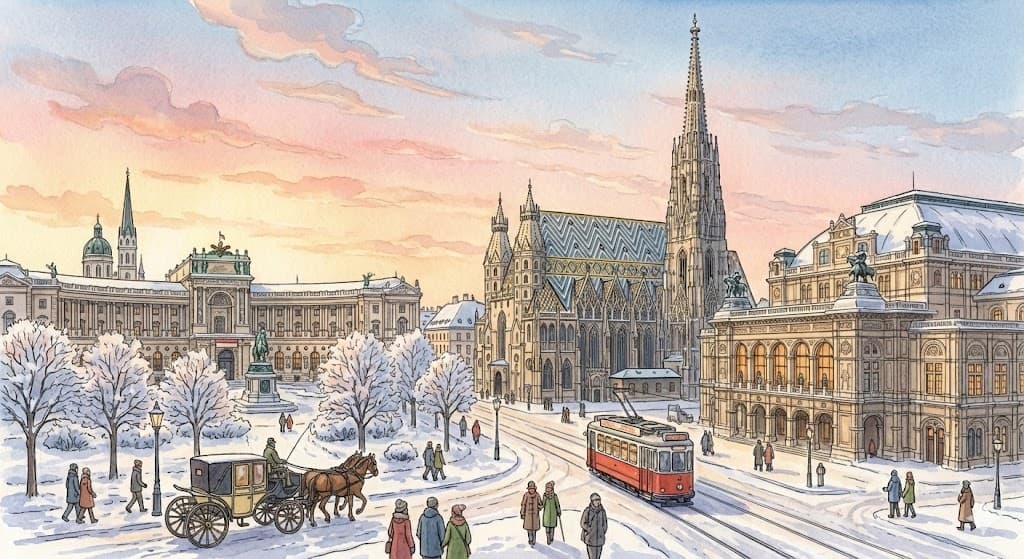
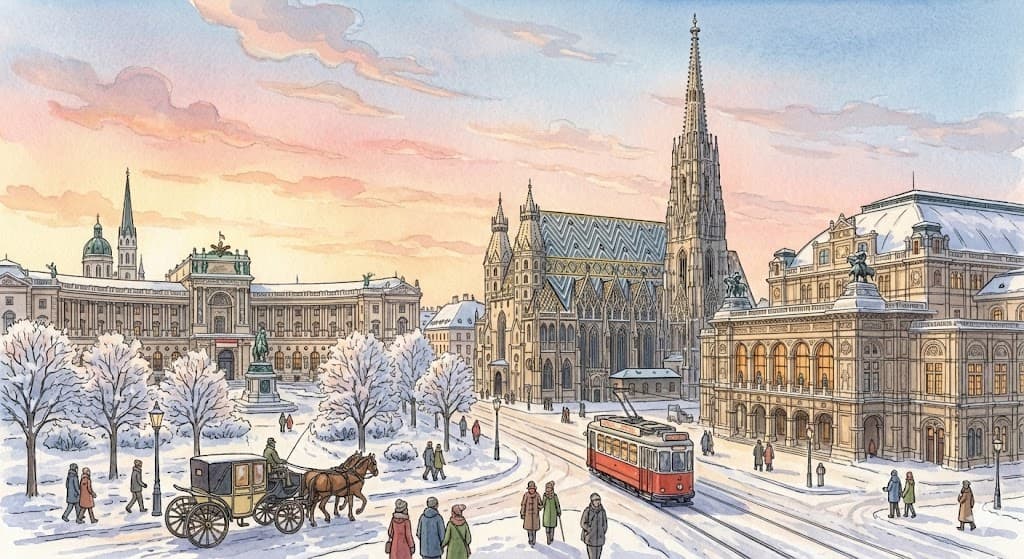
Guide de voyage général : Le cœur impérial de l'Europe
L'Autriche est une symphonie pour les sens, un pays où la grandeur de son passé impérial résonne dans les rues de Vienne et où la majesté des Alpes sert de toile de fond à des villes de conte de fées. C'est le pays de Mozart et des palais opulents, mais aussi des prairies verdoyantes parsemées de fermes et de lacs aux eaux pures qui invitent au calme. De l'élégance d'un café viennois à l'adrénaline de la descente d'une piste de ski au Tyrol, l'Autriche offre un voyage plein de contrastes. Préparez-vous à découvrir une culture riche et sophistiquée, une cuisine réconfortante et des paysages à couper le souffle. C'est une destination à explorer avec émerveillement, où chaque recoin raconte une histoire de musique, d'art et de nature.
Capital
Vienne
Population
9.042.267
Langue
Allemand
Sites du patrimoine de l'UNESCO
12
Indices de voyage
Scores basés sur des données réelles de 0 à 100
Le meilleur de Autriche
Expériences uniques
Assistez à un concert de musique classique à Vienne
Vivre la musique dans son berceau est une expérience obligatoire. Vienne, capitale mondiale de la musique, propose des concerts dans des lieux historiques comme l'Opéra national ou le Musikverein. Ecouter les œuvres de Mozart, Strauss ou Beethoven dans l'environnement pour lequel elles ont été composées est une immersion culturelle qui vous transporte à l'âge d'or de l'Empire austro-Hongrie.
Visitez un café viennois traditionnel
Plus qu'un simple café, le « Kaffeehaus » est une institution culturelle viennoise. C'est un endroit où l'on passe des heures à lire le journal, à discuter ou simplement à regarder la vie passer, tout en dégustant une tasse de café Melange et un morceau de gâteau, comme la célèbre Sachertorte. C'est le salon des Viennois, plein d'histoire et d'élégance.
Parcourez la route alpine du Grossglockner
Pour les amateurs de conduite automobile et de paysages spectaculaires, cette route panoramique est l’une des meilleures expériences d’Europe. Avec 48 kilomètres et 36 virages, il grimpe au pied du Grossglockner, la plus haute montagne d'Autriche, offrant des vues inoubliables sur les glaciers, les sommets et les vallées alpines.
Perdez-vous à Hallstatt, la ville des livres de contes
Située au bord d'un lac et entourée d'imposantes montagnes, Hallstatt est considérée comme l'une des plus belles villes du monde. Flâner dans ses ruelles étroites, admirer ses maisons en bois qui semblent pendre au-dessus de l'eau et gravir le belvédère « Skywalk » pour une vue panoramique est une expérience véritablement magique.
Explorez les palais impériaux des Habsbourg
L'histoire de l'Autriche est liée à la puissante dynastie des Habsbourg. Explorer ses résidences, c'est comme voyager dans le temps. Le château de Schönbrunn, la résidence d'été, et le palais de la Hofburg, le complexe résidentiel au cœur de Vienne, sont des visites incontournables pour comprendre l'opulence et la puissance de l'empire.
Vivez la magie des marchés de Noël
Pendant l'Avent, les places des villes autrichiennes se transforment en marchés de Noël magiques (« Christkindlmärkte »). Avec leurs lumières, leurs stands d'artisanat et leurs arômes de vin chaud (Glühwein) et de biscuits, ils offrent une atmosphère festive et chaleureuse unique.
Saveurs de l'Empire
La cuisine autrichienne est robuste, réconfortante et délicieuse, avec un fort héritage de l'ancien empire austro-Hongrie. Il va bien au-delà du célèbre Wiener Schnitzel, offrant une variété surprenante de plats de viande, de soupes copieuses et une culture de la pâtisserie qui est, en soi, une forme d'art.
Gemütlichkeit à table
Ce concept autrichien de chaleur et de convivialité se reflète dans sa gastronomie. Les repas sont des événements à savourer sans hâte, dans une ambiance cosy. Ils valorisent les produits locaux et les recettes traditionnelles transmises de génération en génération.
La culture du « Kaffeehaus »
Les cafés sont une extension de la maison et du bureau, lieux déclarés patrimoine culturel immatériel par l'UNESCO. Non seulement ils servent un excellent café, mais ils sont l’épicentre de la vie sociale et le temple des desserts les plus exquis du pays.
Plats Iconiques
Escalope viennoise
Le plat national par excellence. Il s'agit d'un filet de bœuf très fin, pané et frit dans du beurre clarifié jusqu'à ce qu'il soit doré et croustillant. Traditionnellement, il est servi avec une tranche de citron et une salade de pommes de terre ou des pommes de terre persillées.
Tafelspitz
Un plat raffiné et favori de l'empereur François-Joseph Ier. Il se compose de bœuf bouilli lentement dans un bouillon de légumes et d'épices. Il est traditionnellement servi en plusieurs parties : d'abord le bouillon sous forme de soupe, puis la viande tendre avec du raifort et de la compote de pommes, et des pommes de terre.
Goulache
Bien que d'origine Hongriee, le goulasch est un pilier de la cuisine autrichienne. Il s'agit d'un ragoût de bœuf épais au paprika et à l'oignon, souvent servi avec des « Knödel » (raviolis) ou du pain pour s'imprégner de la sauce savoureuse.
Käsespätzle
La réponse autrichienne aux macaronis au fromage. Il s'agit d'une sorte de pâte d'œuf irrégulière mélangée à beaucoup de fromage fondu et garnie d'oignons frits croustillants. C'est un plat copieux et délicieux, typique des régions alpines.
Tiroler Gröstl
Un plat rustique et savoureux originaire du Tyrol. Il s'agit d'une poêle composée de pommes de terre, de morceaux de porc ou de bœuf et d'oignons, le tout surmonté d'un œuf au plat. C'est le plat réconfortant parfait après une journée à la montagne.
Knödel
Il s'agit d'un type de boulettes de viande ou de boulettes de pâte qui peuvent être salées ou sucrées. Les salés (pain « Semmelknödel » ou pommes de terre « Kartoffelknödel ») accompagnent les ragoûts comme le goulasch, tandis que les sucrés (« Marillenknödel » fourré aux abricots) constituent un délicieux dessert.
Boissons typiques
Vin autrichien
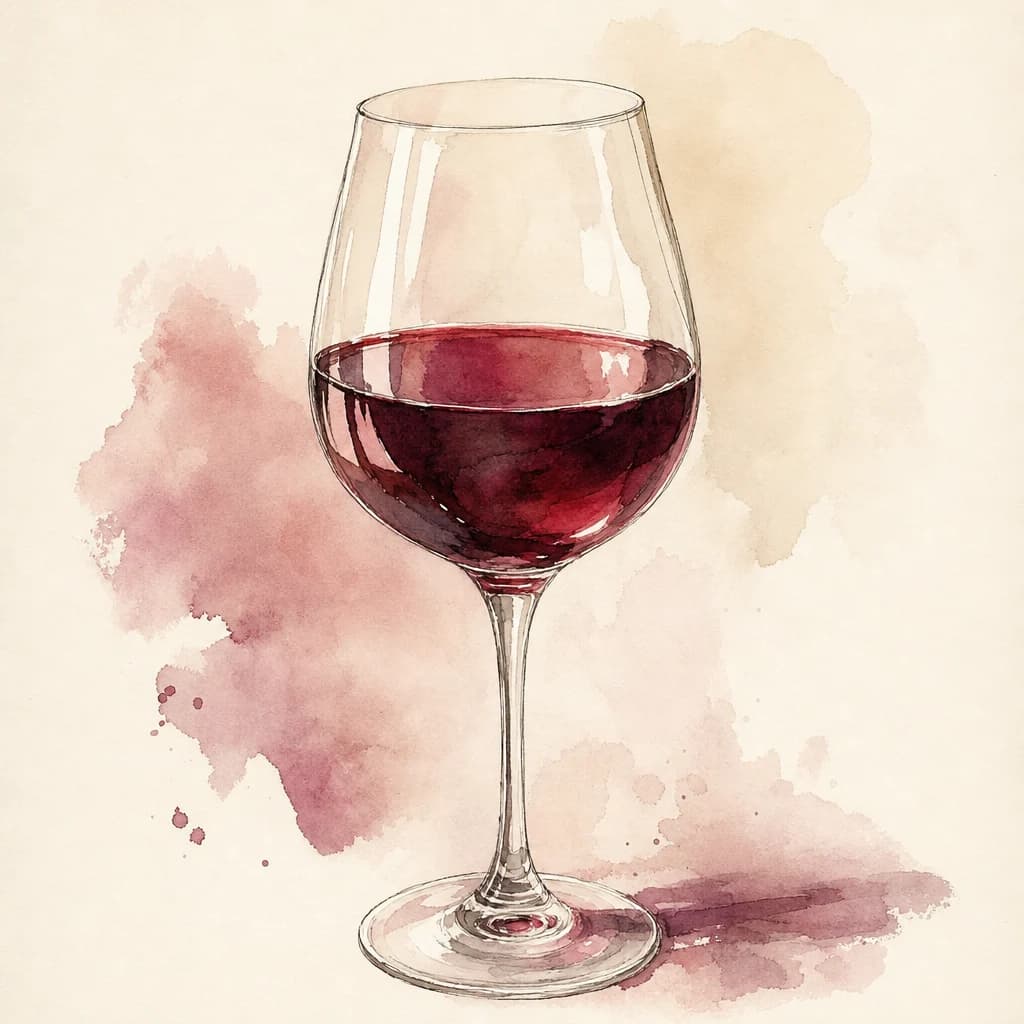
L'Autriche produit des vins blancs d'excellente qualité, notamment le Grüner Veltliner frais et épicé. Les régions viticoles situées le long du Danube, comme la Wachau, sont réputées. Le « Heuriger », un vin jeune servi dans les tavernes typiques, est également populaire.
Bière
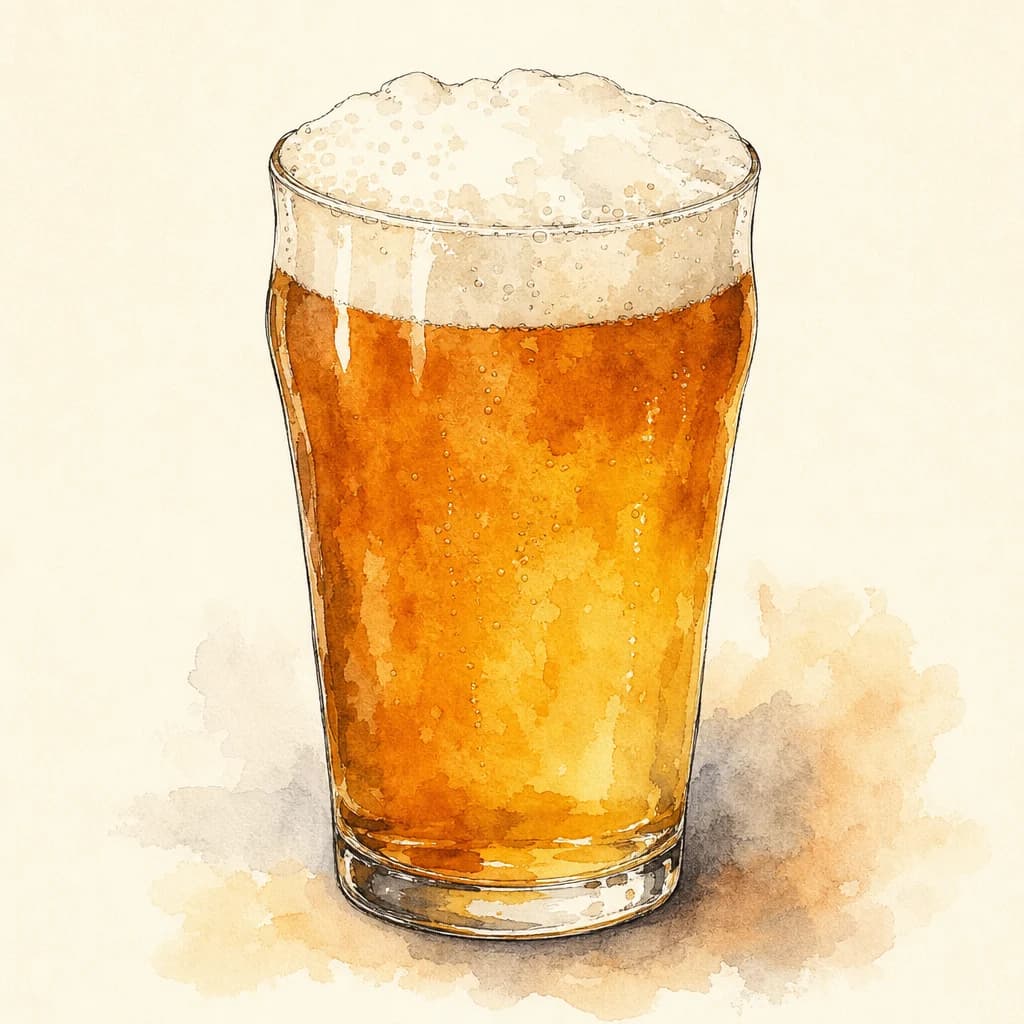
La bière est une boisson très appréciée, avec une grande tradition et de nombreuses brasseries locales et régionales. Des styles tels que la Märzen (semblable à une bière blonde) et la Weissbier (bière blanche) sont largement consommés dans tout le pays.
Almdudler
Considérée comme la boisson nationale non alcoolisée de l'Autriche, il s'agit d'une boisson gazeuse à base d'herbes alpines, au goût unique et rafraîchissant.
Schnaps
Cette eau-de-vie de fruits est le digestif par excellence. Il est distillé à partir de poires, d'abricots (Marillenschnaps) ou de prunes, entre autres fruits. C'est une boisson forte, idéale pour se réchauffer par une journée froide.
Desserts traditionnels
Apfelstrudel
Le Strudel aux pommes est un dessert emblématique. Il s'agit d'une pâte très fine et croustillante, roulée et fourrée de pommes, raisins secs, cannelle et chapelure grillée. Il est servi chaud, souvent saupoudré de sucre glace et accompagné d'une sauce vanille ou de glace.
Sachertorte (gâteau Sacher)
Le gâteau au chocolat le plus célèbre au monde. C'est un gâteau au chocolat dense avec une fine couche de confiture d'abricots, recouverte d'un glaçage au chocolat brillant. Il est traditionnellement servi avec de la crème fouettée non sucrée (« Schlagobers »).
Kaiserschmarrn
Cela signifie « le désordre de l’empereur ». Il s'agit d'une sorte de crêpe épaisse et spongieuse qui est émiettée dans la poêle, caramélisée et servie avec une compote de fruits, généralement des prunes ou des pommes. Il peut être consommé en dessert ou même en plat principal léger.
Salzbourgeois Nockerl
Un dessert spectaculaire typique de Salzbourg. C'est un soufflé sucré et très léger, composé de blancs d'œufs et de sucre, qui est cuit jusqu'à train trois grands pics dorés qui représentent les montagnes de la ville. Servi chaud avec une sauce aux fruits rouges.
Que voir par thème
La diversité de l'Autriche vous permet de l'explorer sous différents angles, de son grand passé impérial à sa nature alpine à couper le souffle.
Villes impériales : Vienne, Salzbourg et Innsbruck
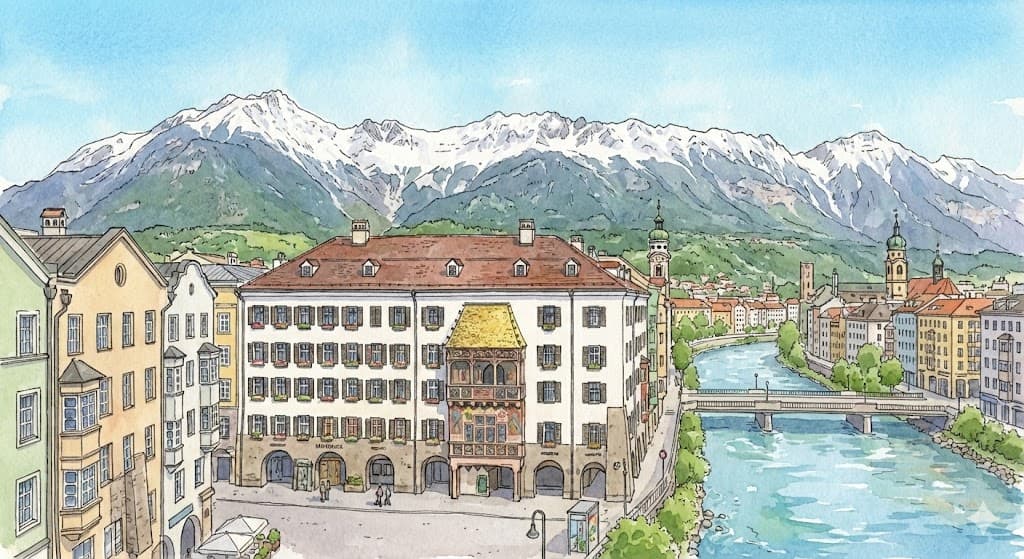
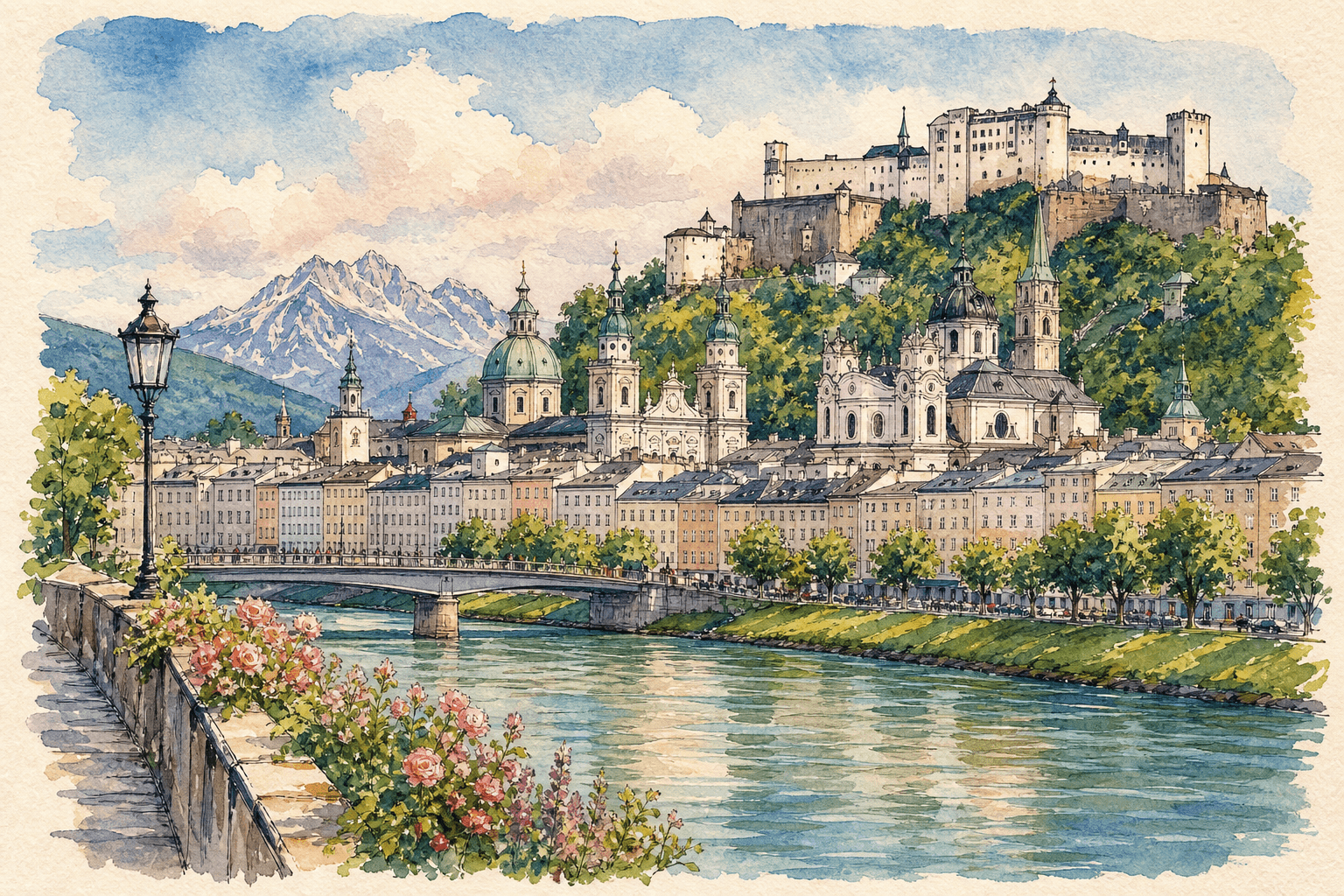
Ces trois villes constituent le cœur culturel de l'Autriche. Vienne, la capitale, éblouit avec ses palais, ses musées et son opéra. Salzbourg, ville natale de Mozart, est un joyau baroque au pied des Alpes, avec une imposante forteresse et une vieille ville de rêve. Innsbruck, la capitale du Tyrol, offre une image unique de bâtiments colorés avec des sommets enneigés en toile de fond.
Nature alpine : lacs et montagnes
L'Autriche est un paradis pour les amoureux de la nature. La région du Salzkammergut est parsemée de plus de 70 lacs spectaculaires, comme le Wolfgangsee et le Mondsee, parfaits pour la baignade et les sports nautiques. Les Alpes offrent d'innombrables sentiers de randonnée en été et certaines des meilleures stations de ski du monde en hiver, comme celles du Tyrol et de l'Arlberg.
Route romantique le long du Danube : la vallée de la Wachau
Classée au patrimoine mondial de l'UNESCO, la vallée de la Wachau est l'une des étendues les plus pittoresques du Danube. Vous pouvez l'explorer en bateau, en voiture ou à vélo, à la découverte de vignobles en terrasses, de châteaux en ruines, de charmantes villes comme Dürnstein et de majestueuses abbayes comme Melk.
Le berceau de la musique et de l'art
L'héritage artistique de l'Autriche est immense. Suivez les traces de Mozart à Salzbourg et à Vienne. Découvrez l'opulence du baroque dans des palais tels que le Belvédère de Vienne, où se trouve la célèbre œuvre de Gustav Klimt « Le Baiser ». Visitez l'abbaye d'Admont pour admirer la plus grande bibliothèque monastique du monde, chef-d'œuvre de l'art baroque.
Villes d'histoire et de tradition
Au-delà des villes, l'essence de l'Autriche réside dans ses villes. Hallstatt est la star, mais il existe d'autres joyaux comme Alpbach au Tyrol, élue plus belle ville d'Autriche, ou encore St. Wolfgang au bord du lac du même nom, avec son célèbre hôtel du Cheval Blanc.
Histoire du 20ème siècle
Pour une réflexion plus approfondie sur l'histoire européenne, une visite de l'ancien camp de concentration de Mauthausen, près de Linz, est une expérience émouvante et nécessaire. Il vous permet de voir de première main l’un des chapitres les plus sombres du 20e siècle.
Conseils de voyage
Transports publics
Le réseau ferroviaire (ÖBB) est extrêmement efficace, ponctuel et confortable, reliant les grandes villes et de nombreuses zones rurales. Pour les vallées et les villes plus reculées, les bus postaux (« Postbus ») constituent une option excellente et fiable.
Langue
La langue officielle est l'allemand. Dans les villes et zones touristiques, l’anglais est parlé par une grande partie de la population, notamment par les plus jeunes. Apprendre quelques phrases de base en allemand comme « Grüß Gott » (la salutation typique) ou « Danke » (merci) est toujours bien reçu.
Conseils
Le pourboire n’est pas strictement obligatoire puisque le service est inclus. Il est cependant d'usage d'arrondir l'addition à l'euro supérieur ou de laisser entre 5% et 10% dans les restaurants si le service a été satisfaisant. Le montant total à payer est généralement indiqué au serveur au lieu de laisser l'argent sur la table.
Vignette (Vignette routière)
Si vous voyagez en voiture, il est obligatoire d'acheter une vignette (« Vignette ») pour pouvoir circuler sur les autoroutes et voies rapides autrichiennes. Il peut être acheté dans les stations-service proches de la frontière ou sous forme numérique. Conduire sans cela entraîne des amendes élevées.
Ce guide n'est qu'une introduction à la richesse et à la diversité de l'Autriche. Chacun de ses neuf Länder (Bundesländer) a son propre caractère, de la Vienne cosmopolite au charme rural du Tyrol ou de la Carinthie ensoleillée. Nous vous encourageons à consulter des guides spécifiques à la région pour découvrir des sentiers de randonnée, des festivals locaux et des trésors cachés qui feront de votre voyage une expérience inoubliable. Bonne Reise!
Chargement peut-être...
Explore Regions of Autriche
Discover the most beautiful regions and plan your perfect trip
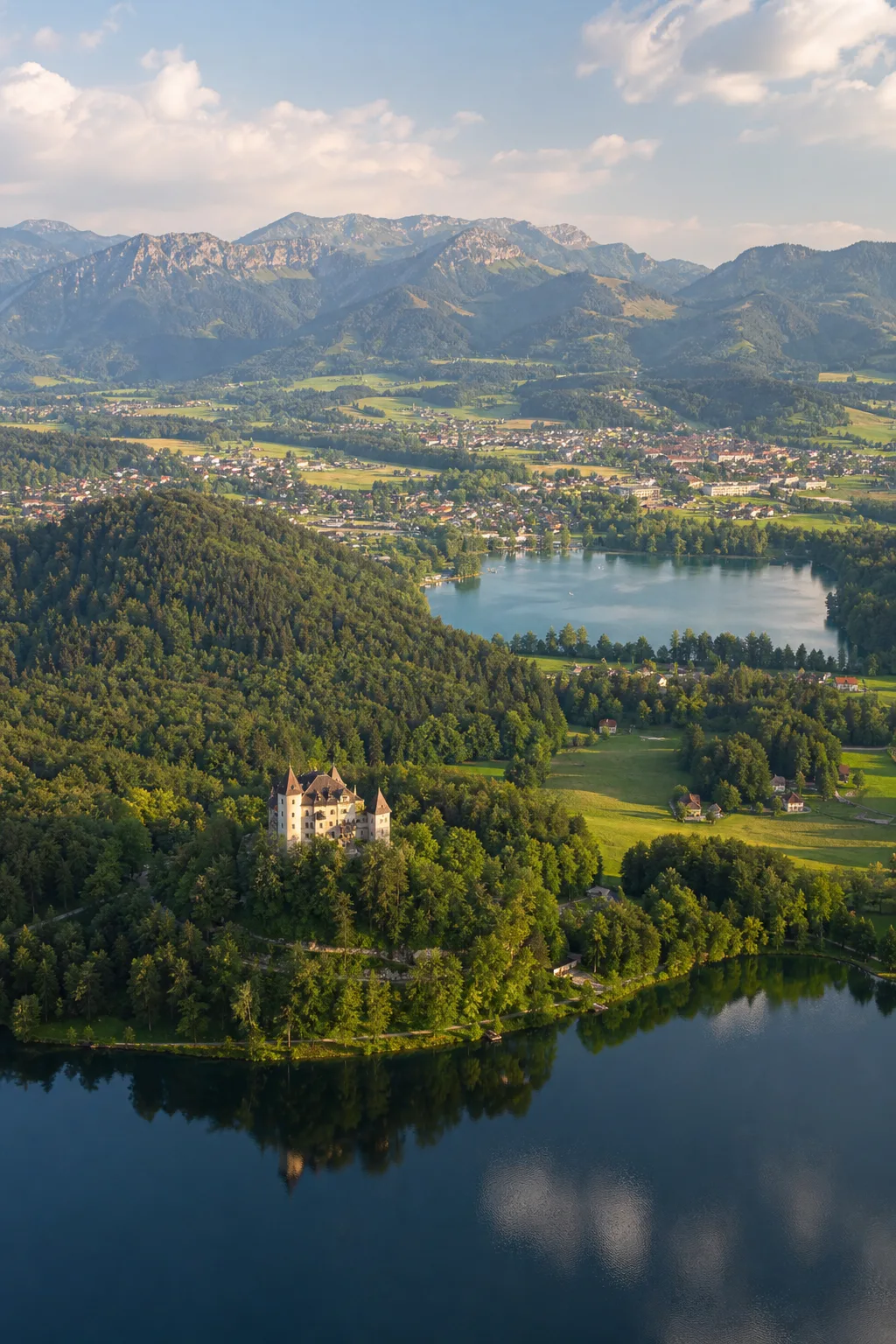
Burgenland
Burgenland offers distinctive landscapes, culture and experiences in Autriche.
Carinthia
Carinthia offers distinctive landscapes, culture and experiences in Autriche.
Lower Austria
Lower Austria offers distinctive landscapes, culture and experiences in Autriche.
Salzburg
Salzburg offers distinctive landscapes, culture and experiences in Autriche.
Avant de partir
Réponses rapides pour planifier votre voyage en toute confiance
Pourquoi cette destination
- Autriche convient très bien aux familles (indice 87/100).
- Scène gastronomique au top : 82/100.
- Destination sûre : indice 91/100.
- 87Familles
- 82Gastronomie
- 91Sécurité
- 75Abordable
Styles de voyage
Classements liés
 91Villes les plus sûres d’EuropeDestinations où voyager plus sereinement.
 87Meilleures villes d’Europe pour voyager en familleVilles pensées pour les familles : sécurité, rythme et activités enfants.
 82Meilleures destinations gastronomiques d’EuropeVilles avec la meilleure scène gastronomique d’Europe.
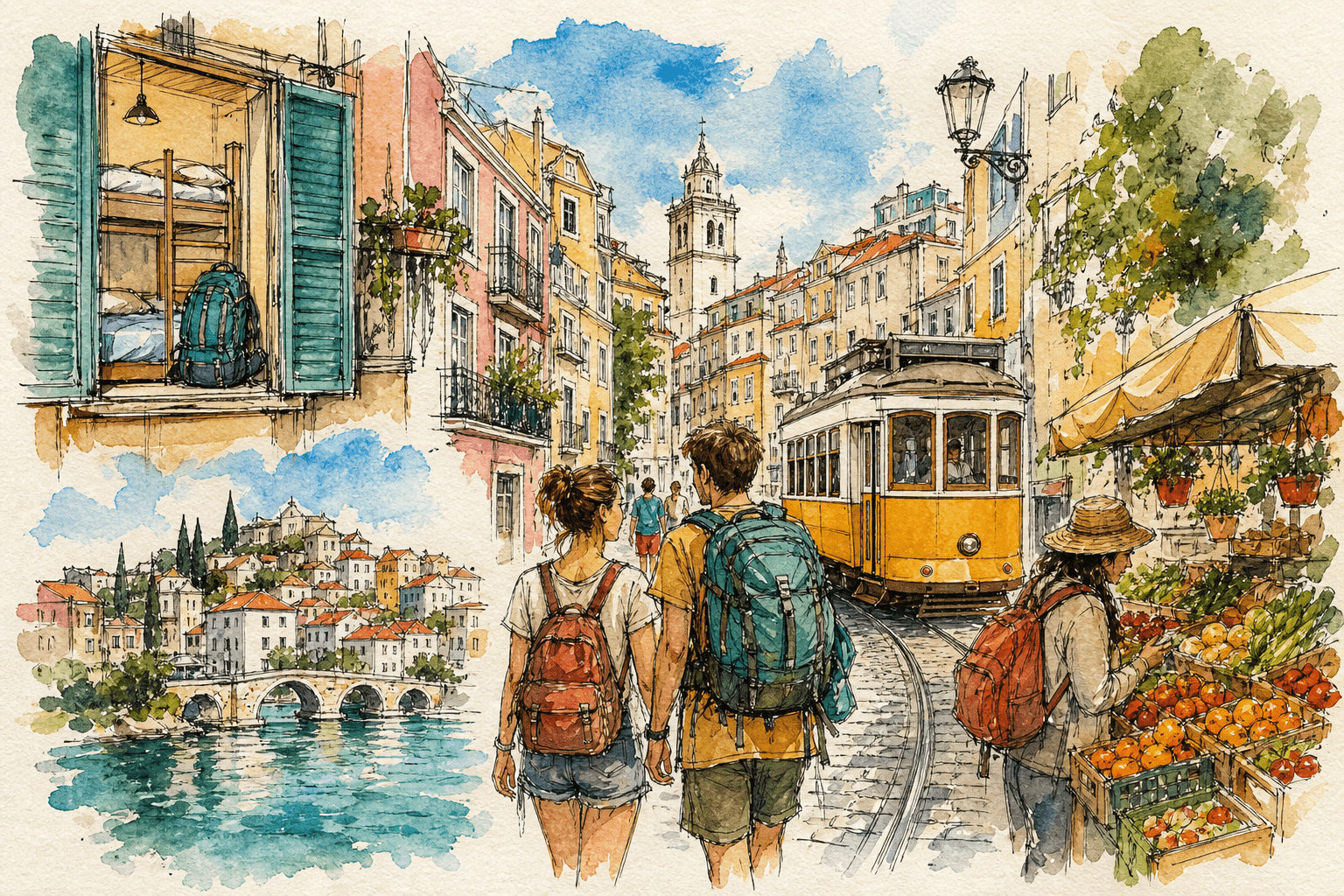 75Destinations les moins chères en EspagneVilles espagnoles où le budget va plus loin sans sacrifier l’expérience.
- 75Destinations les moins chères en EuropeVilles les plus abordables pour voyager sans sacrifier l’expérience.
Tout près d'ici
Escapades faciles et day trips pour prolonger votre itinéraire

Collections et routes
- 91Villes les plus sûres d’EuropeDestinations où voyager plus sereinement.
- 87Meilleures villes d’Europe pour voyager en familleVilles pensées pour les familles : sécurité, rythme et activités enfants.
- 82Meilleures destinations gastronomiques d’EuropeVilles avec la meilleure scène gastronomique d’Europe.
- 75Destinations les moins chères en EspagneVilles espagnoles où le budget va plus loin sans sacrifier l’expérience.
- 75Destinations les moins chères en EuropeVilles les plus abordables pour voyager sans sacrifier l’expérience.
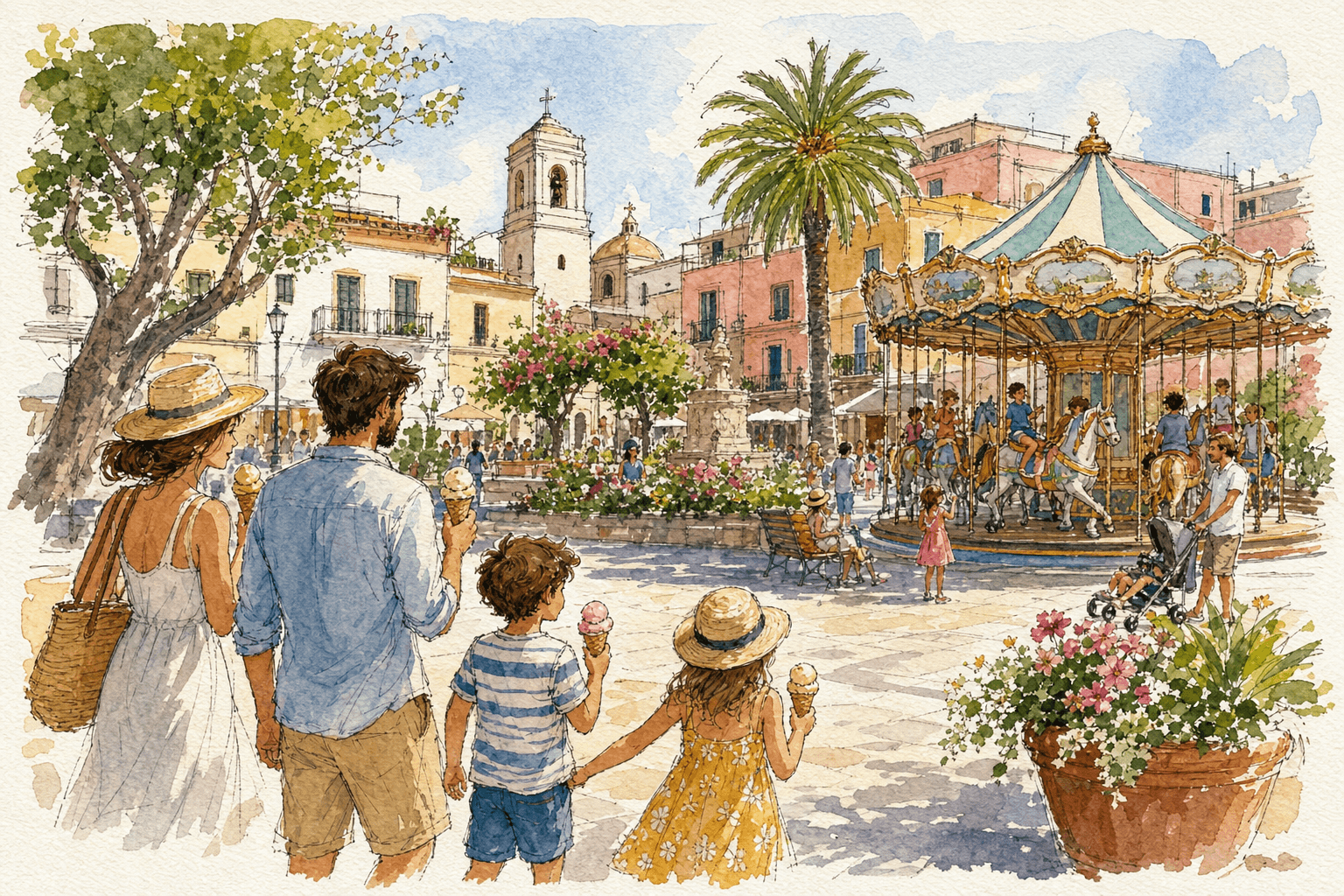 91Voyage en famille
 82Voyage gastronomique
 75Voyage petit budget
TripPlanner
Créez votre itinéraire parfait
Chargement...
Votre profil de voyageur
Découvrez votre style de voyage
Chargement...