

Guide de voyage général : un voyage dans une Europe moins explorée
La Biélorussie est une destination qui défie les attentes, une nation qui offre un voyage unique à travers l'histoire et la nature. Sa capitale, Minsk, se présente comme un musée vivant de l'urbanisme soviétique, avec des avenues imposantes et une propreté surprenante. Au-delà de la ville, le pays révèle une âme différente dans les élégants châteaux de la noblesse polono-lituanienne et dans l'impressionnante forteresse de Brest, symbole de la résistance pendant la Seconde Guerre mondiale. Mais le véritable cœur de la Biélorussie bat dans ses forêts vierges, où vit encore le bison d'Europe, et dans la sérénité de ses lacs cristallins. Préparez-vous à découvrir une terre de contrastes, où la monumentalité du XXe siècle rencontre la tranquillité de paysages intacts et une hospitalité discrète mais sincère.
Capital
Minsk
Population
9.255.524
Langue
BE, Russe
Sites du patrimoine de l'UNESCO
4
Indices de voyage
Scores basés sur des données réelles de 0 à 100
Le meilleur de Biélorussie
Expériences uniques
Promenez-vous le long de l'avenue de l'Indépendance à Minsk
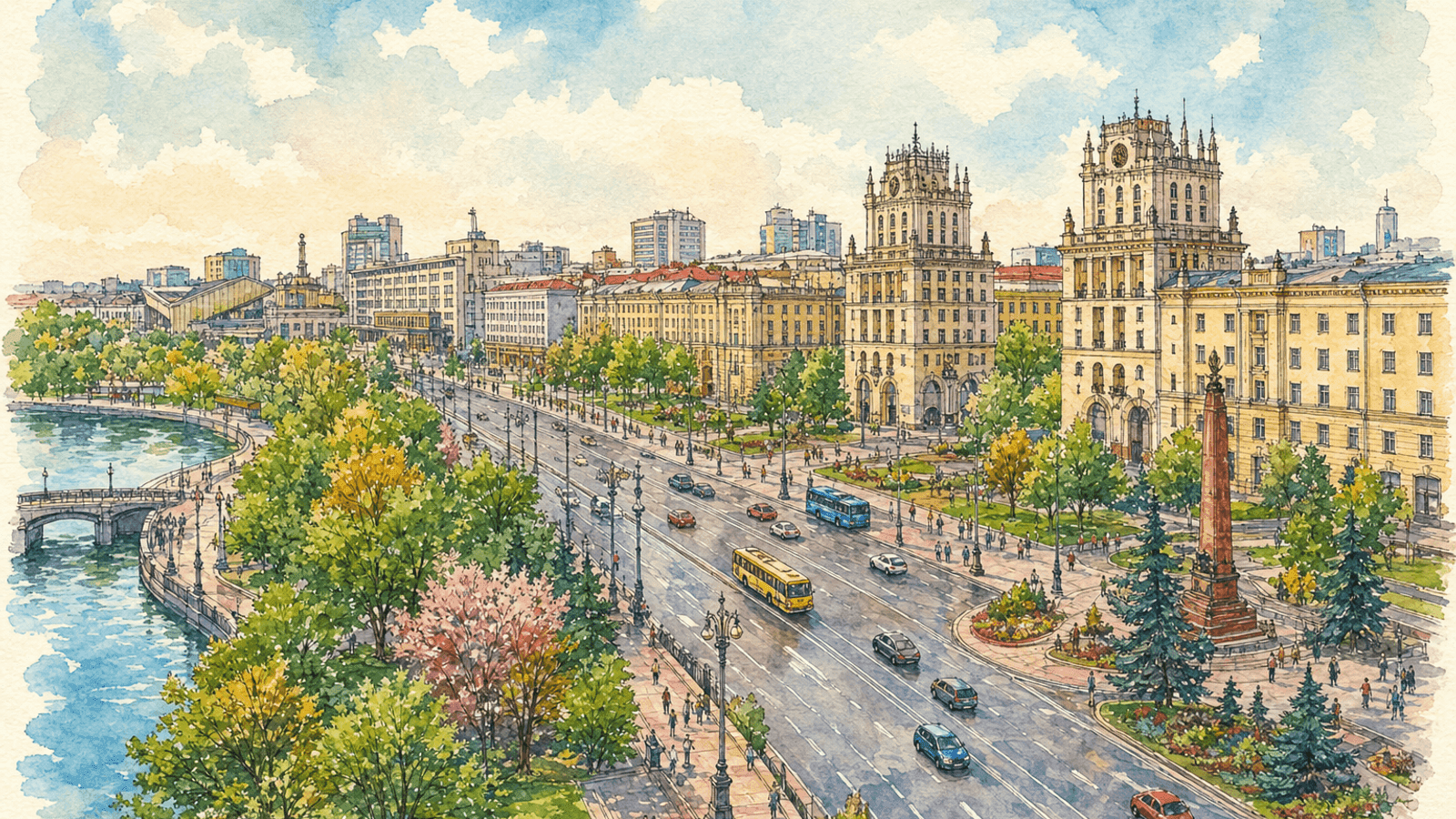
Se promener le long de l'avenue principale de Minsk est une leçon d'histoire et d'architecture. Avec ses 15 kilomètres, c'est l'une des plus longues avenues d'Europe et un parfait exemple du style Empire stalinien. Elle est flanquée de bâtiments gouvernementaux, d'universités et de places monumentales telles que la Plaza de la Victoria ou la Plaza de la Independencia, où se trouve la célèbre « Église Rouge ».
Revivez l'histoire à la forteresse de Brest
Visiter cet immense mémorial est une expérience profondément émouvante. La forteresse a été le théâtre d'une défense héroïque contre l'invasion nazie en 1941. Aujourd'hui, le complexe comprend des ruines originales, des sculptures monumentales de l'ère soviétique telles que « Courage » et « Soif », ainsi qu'un musée relatant l'histoire tragique du site. La musique et le son du métronome émanant des haut-parleurs créent une atmosphère solennelle.
Découvrez les Châteaux Royaux
Faire un voyage aux châteaux de Mir et de Nesvizh, sites classés au patrimoine mondial de l'UNESCO, c'est comme entrer dans un conte de fées. Le château de Mir est une impressionnante forteresse gothique, tandis que le palais de Nesvizh était la résidence opulente de la famille Radziwill, entourée de magnifiques parcs et jardins.
À la recherche du bison d'Europe
Explorez le parc national Belovezhskaya Pushcha, l'une des dernières et plus grandes forêts primaires d'Europe, à cheval sur la frontière avec la Pologne. Il abrite le bison d'Europe, le mammifère terrestre le plus lourd du continent. Faire un safari photo ou visiter des enclos pour animaux est la meilleure façon de voir cet animal majestueux.
Découvrez un « Banya » traditionnel (sauna)
Le « banya » fait partie intégrante de la culture slave. Il s'agit d'un sauna à vapeur chaude où il est d'usage de frapper doucement votre corps avec un « venik » (un fagot de branches de bouleau ou de chêne) pour améliorer la circulation. L'expérience se termine souvent par un plongeon dans l'eau froide et constitue un rituel à la fois de socialisation et de purification.
Monter à la Bibliothèque Nationale de Minsk
Le bâtiment de la Bibliothèque nationale est une icône de l’architecture biélorusse moderne, avec sa forme particulière de rhombicuboctaèdre. La nuit, sa façade s'illumine de motifs LED. Prendre l'ascenseur panoramique jusqu'à sa terrasse d'observation sur le toit offre l'une des meilleures vues à 360 degrés de la ville de Minsk.
Le royaume de la pomme de terre et les saveurs de la forêt
La gastronomie biélorusse est forte, rustique et délicieuse, profondément enracinée dans la vie paysanne. La pomme de terre (« bulbba ») est la reine incontestée de la cuisine, présente dans d'innombrables plats. Le porc, les produits laitiers, les champignons forestiers et les baies sauvages sont également les piliers d'une cuisine conçue pour réconforter et combattre le froid.
La pomme de terre est la reine (« Bulba »)
Les Biélorusses adorent les pommes de terre et les préparent d'innombrables façons. Du célèbre « draniki » aux ragoûts et ragoûts, le « bulba » est la base de l'alimentation et un élément de l'identité nationale.
Cadeaux de la forêt
L'abondance des forêts fait des champignons (« hriby ») et des baies sauvages (« yahady ») des ingrédients très courants. En automne, la cueillette des champignons est une activité nationale, qui est ensuite séchée, marinée ou utilisée fraîche dans les soupes et les ragoûts.
Plats Iconiques
Draniki
Le plat national par excellence. Ce sont des galettes de pommes de terre râpées, souvent avec de l'oignon, frites jusqu'à ce qu'elles soient dorées et croustillantes. Ils sont traditionnellement servis avec de la « smetana » (crème aigre).
Machanka
Un épais ragoût de porc (côtes, saucisses) cuit dans une sauce riche. La façon traditionnelle de le déguster n'est pas d'utiliser des couverts, mais de tremper directement des « blinis » (crêpes) ou des « draniki » dans la marmite.
Kholodnik
Une soupe froide d'été rafraîchissante, reconnaissable à sa couleur rose vif. Il est composé de betteraves, de concombre, d'œufs durs et d'herbes fraîches, le tout sur une base de kéfir ou de babeurre.
Kletski
Dumplings, semblables aux raviolis. Ils peuvent être préparés à partir de farine ou de pommes de terre râpées et sont souvent fourrés à la viande hachée. Ils sont servis avec de la crème sure ou des oignons frits.
Solianka
Une soupe épaisse, aigre et salée populaire dans toute l'Europe de l'Est. Il est préparé avec différents types de viande ou de poisson, des concombres marinés, des olives et du citron, ce qui lui donne sa saveur caractéristique.
Babka aux pommes de terre
Une cocotte de pommes de terre râpées, souvent mélangées avec de l'œuf, de l'oignon et des morceaux de bacon ou de saucisse, cuite au four jusqu'à ce qu'une croûte dorée se forme sur le dessus. C'est un plat fait maison très réconfortant.
Boissons typiques
Krambambula
Une liqueur traditionnelle à base de vodka ou de brandy, mélangée à du miel et des épices comme la cannelle, le clou de girofle et la muscade. Il peut être pris aussi bien chaud que froid et est très apprécié en hiver.
Kvas
La boisson fermentée sans alcool (ou à très faible teneur en alcool) la plus populaire de l'été. Il est fabriqué à partir de pain de seigle et a une saveur aigre-douce et rafraîchissante. Il est souvent vendu dans de grands tanks jaunes dans la rue.
Beryozoviy Sok (jus de bouleau)
Une boisson traditionnelle récoltée directement sur les bouleaux au début du printemps. C'est un liquide clair et légèrement sucré qui se boit comme tonique sain.
Harelka (Vodka)
La vodka est une boisson très populaire. Les marques locales comme Bulbash ou Minsk Kristall sont courantes. Le « samogon », une eau-de-vie distillée maison, est également populaire.
Desserts traditionnels
Koulaga
Un dessert ancien et simple à base de baies sauvages (comme les myrtilles ou les canneberges) cuites avec de la farine et un peu de miel ou de sucre jusqu'à train une gelée épaisse. Il se déguste froid.
Syrniki
Petites crêpes ou beignets à base de fromage frais (« tvorog »), frits jusqu'à ce qu'ils soient dorés. Ils constituent un petit-déjeuner ou un dessert très apprécié dans toute la région, servis avec de la crème sure, de la confiture ou du miel.
Nalewki (liqueurs de fruits)
Bien qu'elles ne constituent pas un dessert en soi, les liqueurs de fruits faites maison (nalewki) concluent souvent un repas. Ils sont fabriqués en faisant macérer des fruits comme des cerises, des myrtilles ou des framboises dans de la vodka avec du sucre.
Kissel
Une boisson/dessert épais à base de jus de baies sucré et épaissi avec de la fécule de pomme de terre. Sa consistance peut varier d'une sauce buvable à une gelée onctueuse.
Que voir par thème
La richesse de la Biélorussie réside dans sa combinaison unique d'histoire soviétique, d'héritage noble et de nature intacte. Ensuite, nous vous proposons de découvrir le pays à travers différents thèmes.
Minsk : capitale de l'empire soviétique
La ville est un livre ouvert sur l’urbanisme stalinien. Se promener sur l'Avenida de la Independencia, visiter la Plaza de la Victoria avec son obélisque et sa flamme éternelle et admirer la monumentalité de ses édifices gouvernementaux est essentiel pour comprendre le passé récent du pays.
L'héritage de la Seconde Guerre mondiale
La Biélorussie est l’un des pays qui a le plus souffert de la guerre. La forteresse de Brest est le mémorial le plus important, mais le complexe commémoratif de Khatyn, qui commémore les plus de 5 000 villages incendiés par les nazis, constitue une visite tout aussi époustouflante et essentielle pour comprendre le traumatisme national.
Nature, Lacs et Forêts
Le parc national des lacs Braslav, au nord, est un paradis pour les amoureux de la nature, avec plus de 300 lacs interconnectés, idéaux pour le kayak et le camping. Le parc national Belovezhskaya Pushcha offre la possibilité de se promener à travers la dernière forêt primaire d'Europe.
Art et culture de Vitebsk et Grodno
Vitebsk, ville natale de Marc Chagall, préserve une atmosphère bohème et accueille un célèbre festival d'art slave. Le musée Chagall est un incontournable. Grodno, près de la frontière polonaise, est peut-être la ville la plus « européenne » et la plus belle de Biélorussie, avec un centre historique bien conservé, des églises catholiques et orthodoxes et une atmosphère charmante.
Route des Châteaux
Au-delà des célèbres Mir et Nesvizh, la Biélorussie possède d'autres châteaux intéressants, comme le vieux château de Grodno, qui se dresse sur le fleuve Neman, ou les ruines du château de Navahrudak, première capitale du Grand-Duché de Lituanie.
Conseils de voyage
Avis de voyage important
En raison de la situation politique actuelle et de leur soutien à l’invasion russe de l’Ukraine, la plupart des gouvernements occidentaux déconseillent tout type de voyage en Biélorussie. Les options de voyage sont limitées, l’espace aérien est restreint pour de nombreuses compagnies aériennes et l’environnement politique est tendu. Ce guide est fourni à titre informatif et pour un avenir de voyage en toute sécurité.
Transport interne
Le réseau ferroviaire constitue le moyen le plus fiable et le plus économique pour voyager entre les grandes villes. Des bus et minibus (« marshrutkas ») couvrent le reste des itinéraires. Dans les villes, les transports publics (bus, trolleybus, tram et métro à Minsk) sont très efficaces et bon marché.
Langue
Les deux langues officielles sont le biélorusse et le russe, mais le russe prédomine dans la vie quotidienne et dans les villes. L'usage de l'anglais est très limité, même à Minsk. Il est très utile d’apprendre quelques phrases de base en russe et en alphabet cyrillique.
Conseils
Le pourboire n’est ni une tradition profondément enracinée ni obligatoire, mais dans les restaurants de Minsk et d’autres villes touristiques, il est devenu plus courant. Si le service a été bon, laisser 5 à 10 % est un geste apprécié.
Ce guide est une fenêtre sur un pays complexe et souvent incompris, plein d'histoire, de nature et de caractère unique. La Biélorussie attend avec impatience un avenir où elle pourra à nouveau accueillir les voyageurs en toute sécurité pour leur montrer ses trésors, de la grandeur soviétique à la tranquillité de ses forêts anciennes. Bien sûr! (Dobray darohi !) (Bon voyage !)
Chargement peut-être...
Explore Regions of Biélorussie
Discover the most beautiful regions and plan your perfect trip
Brest Region
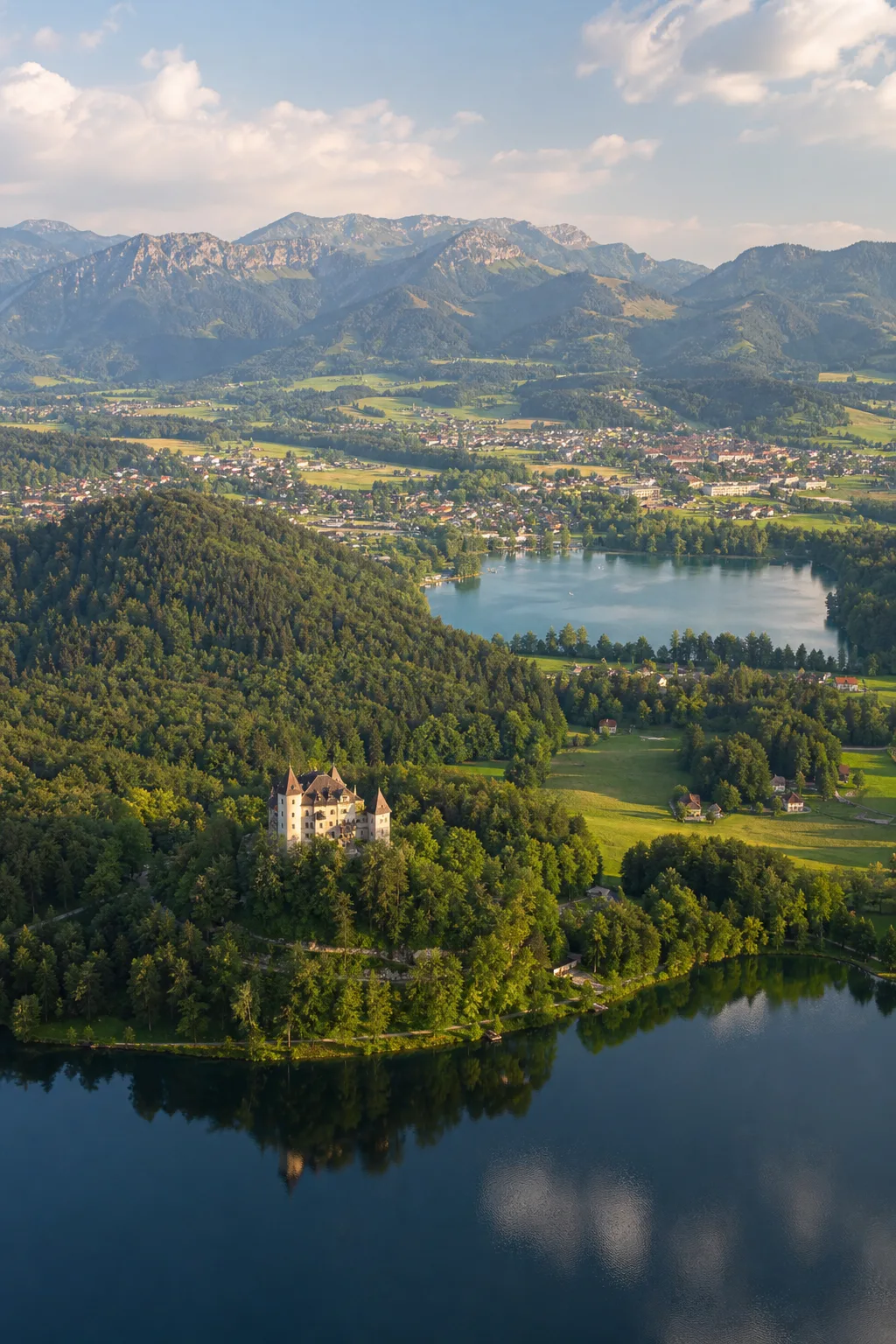
Brest Region offers distinctive landscapes, culture and experiences in Biélorussie.
Gomel Region
Gomel Region offers distinctive landscapes, culture and experiences in Biélorussie.
Grodno Region
Grodno Region offers distinctive landscapes, culture and experiences in Biélorussie.
Minsk City
Minsk City offers distinctive landscapes, culture and experiences in Biélorussie.
Avant de partir
Réponses rapides pour planifier votre voyage en toute confiance
- 70Familles
- 72Gastronomie
- 70Sécurité
- 35Abordable
Styles de voyage
Classements liés
 72Meilleures destinations gastronomiques d’EuropeVilles avec la meilleure scène gastronomique d’Europe.
 70Villes les plus sûres d’EuropeDestinations où voyager plus sereinement.
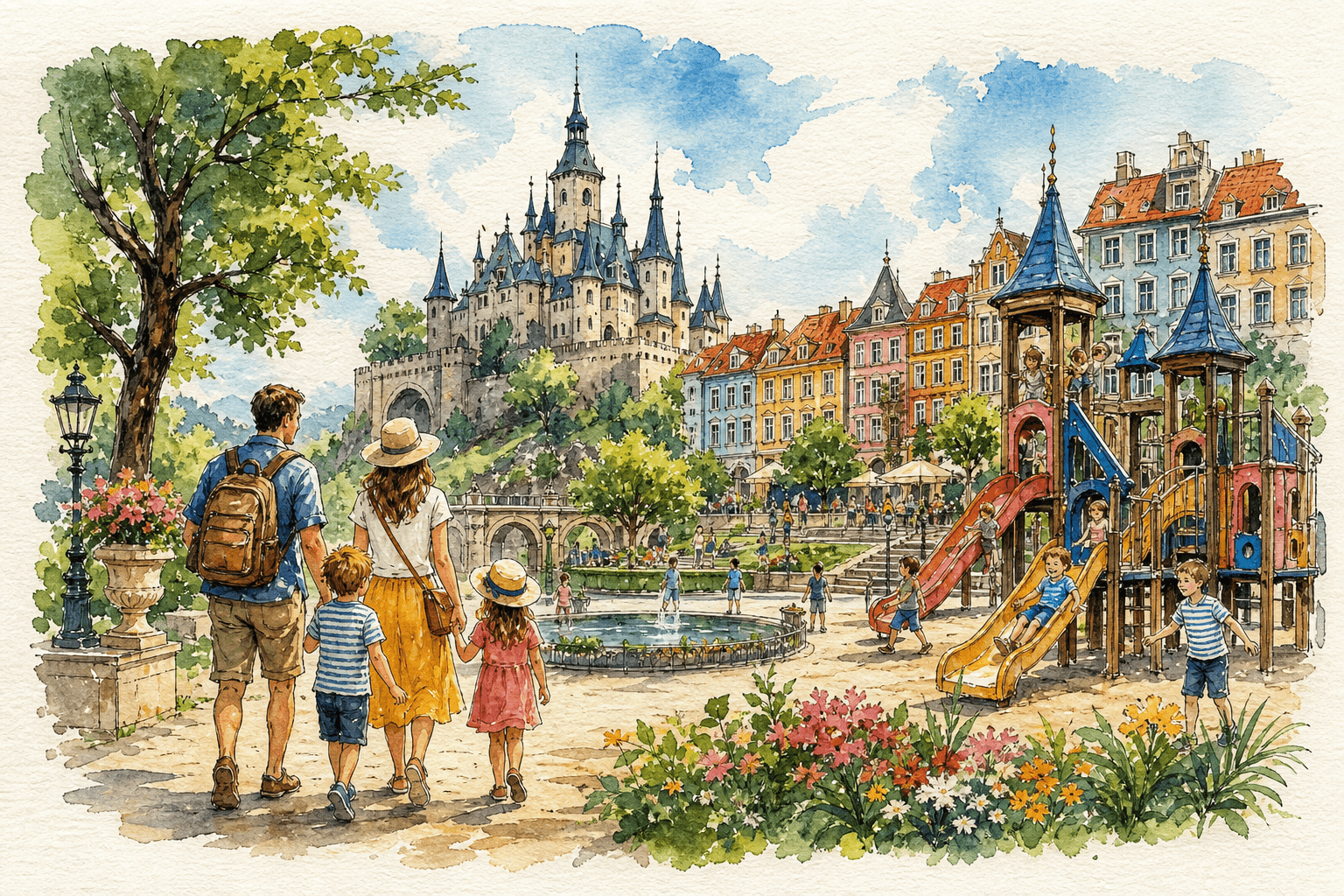 70Meilleures villes d’Europe pour voyager en familleVilles pensées pour les familles : sécurité, rythme et activités enfants.
Tout près d'ici
Escapades faciles et day trips pour prolonger votre itinéraire
Collections et routes
- 72Meilleures destinations gastronomiques d’EuropeVilles avec la meilleure scène gastronomique d’Europe.
- 70Villes les plus sûres d’EuropeDestinations où voyager plus sereinement.
- 70Meilleures villes d’Europe pour voyager en familleVilles pensées pour les familles : sécurité, rythme et activités enfants.
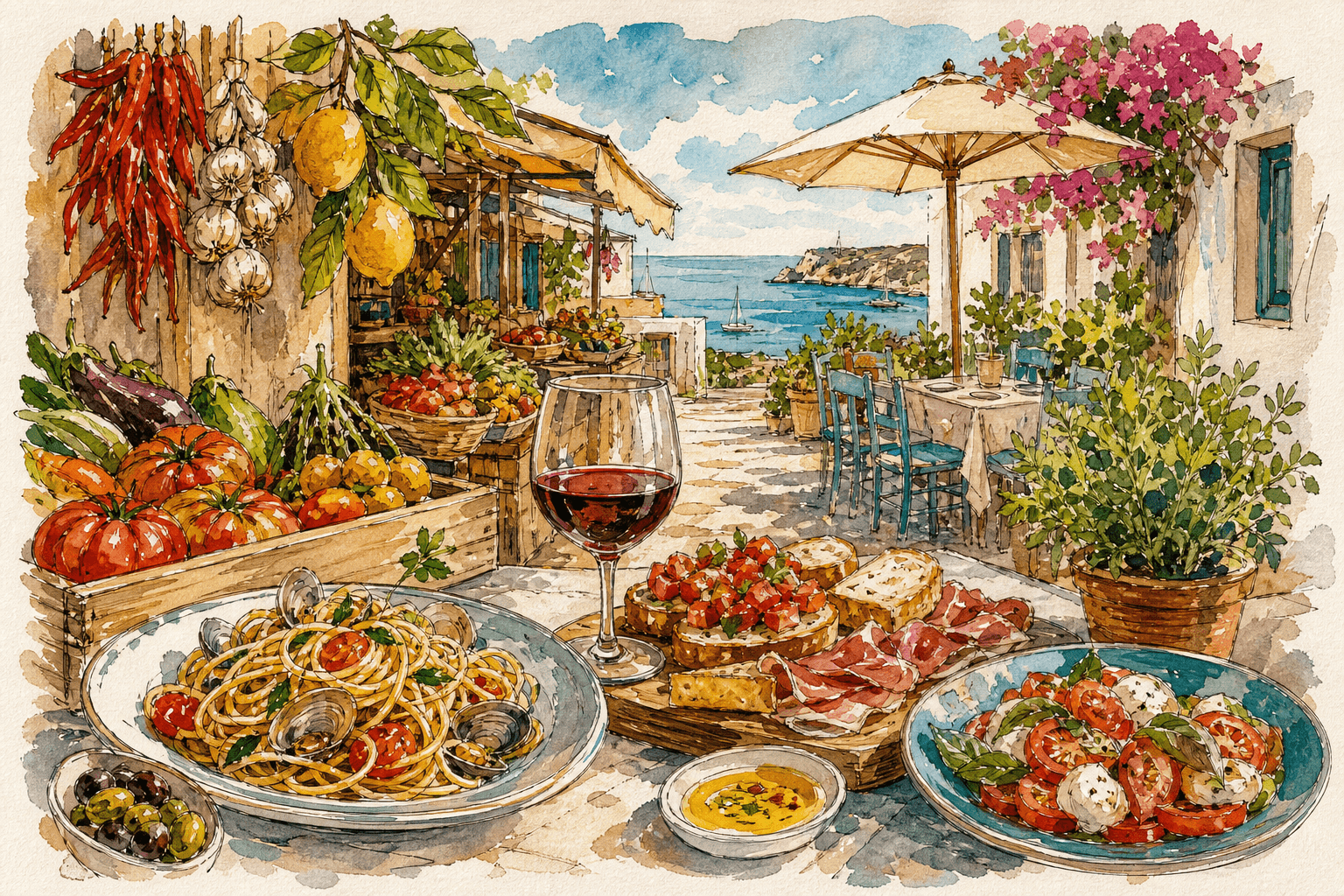 72Voyage gastronomique
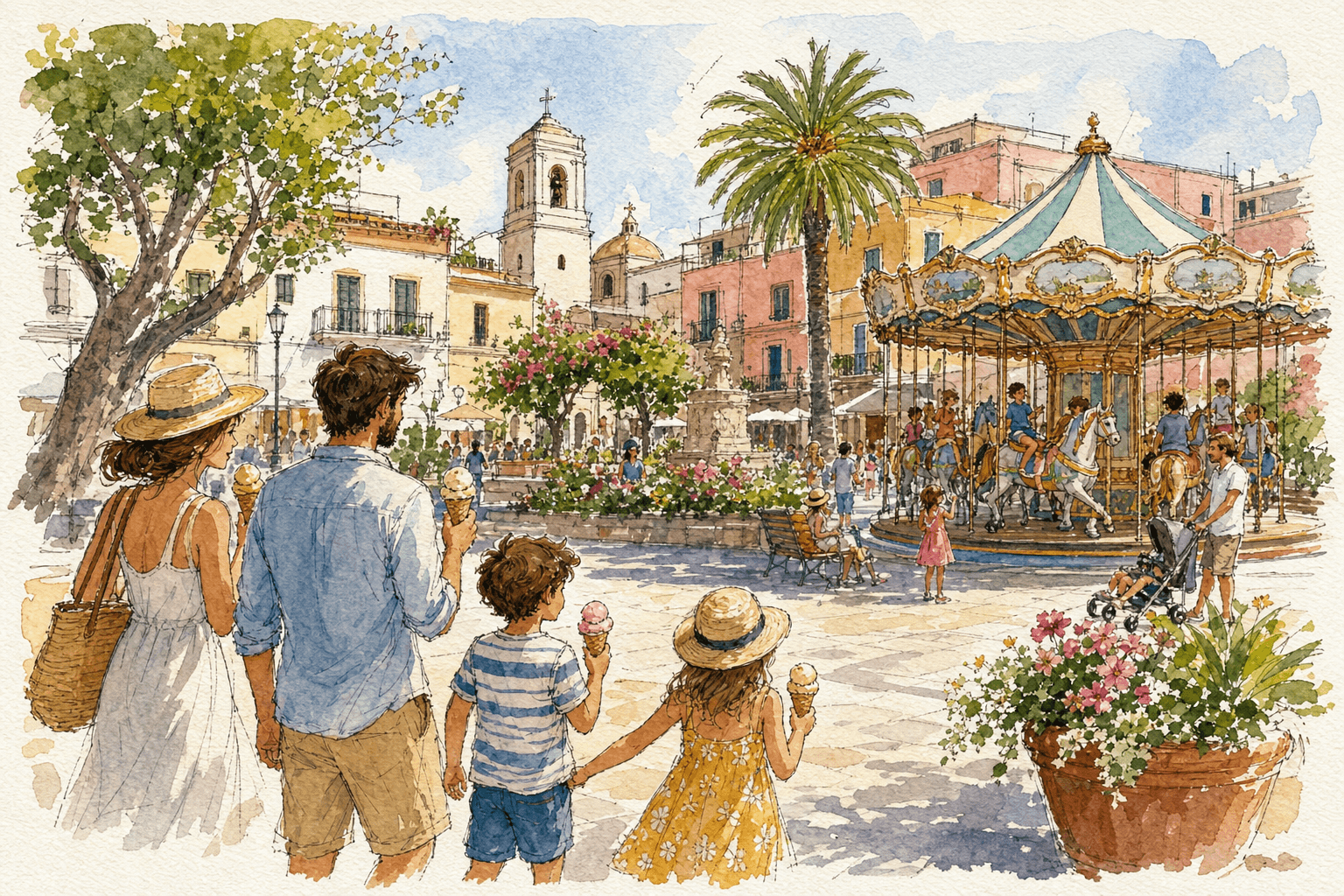 70Voyage en famille
TripPlanner
Créez votre itinéraire parfait
Chargement...
Votre profil de voyageur
Découvrez votre style de voyage
Chargement...