

Guide de voyage général : Le cœur résilient des Balkans
La Bosnie-Herzégovine n'est pas seulement une destination, c'est un voyage profond vers un pays où les cicatrices de l'histoire coexistent avec une beauté naturelle époustouflante. C’est ici que les minarets ottomans et les clochers catholiques et orthodoxes se partagent l’horizon, racontant l’histoire de siècles de coexistence. Des ruelles animées de Baščaršija à Sarajevo, où l'arôme du café et de la viande grillée emplit l'air, jusqu'au saut emblématique du Stari Most à Mostar, ce pays captive le voyageur. Préparez-vous à découvrir des rivières d'une irréelle couleur émeraude, des gens d'une immense chaleur et d'un esprit indomptable qui ont réussi à transtrain la tragédie en un émouvant témoignage d'espoir.
Capital
Sarajevo
Population
3.210.847
Langue
BS, Croate, Serbe
Sites du patrimoine de l'UNESCO
4
Indices de voyage
Scores basés sur des données réelles de 0 à 100
Le meilleur de Bosnie-Herzégovine
Expériences uniques
Prendre un café bosniaque avec 'ćejf'
Le café bosniaque (« bosanska kafa ») est une institution. Il est servi dans une « džezva » (une cafetière en cuivre) sur un plateau avec un sucrier et un verre d'eau. Le boire est un art qui consiste à profiter du moment présent sans se presser, un concept connu sous le nom de « ćejf ». Le faire dans l’un des cafés de Baščaršija est l’expérience sarajéviste par excellence.
Voir le saut depuis le Stari Most
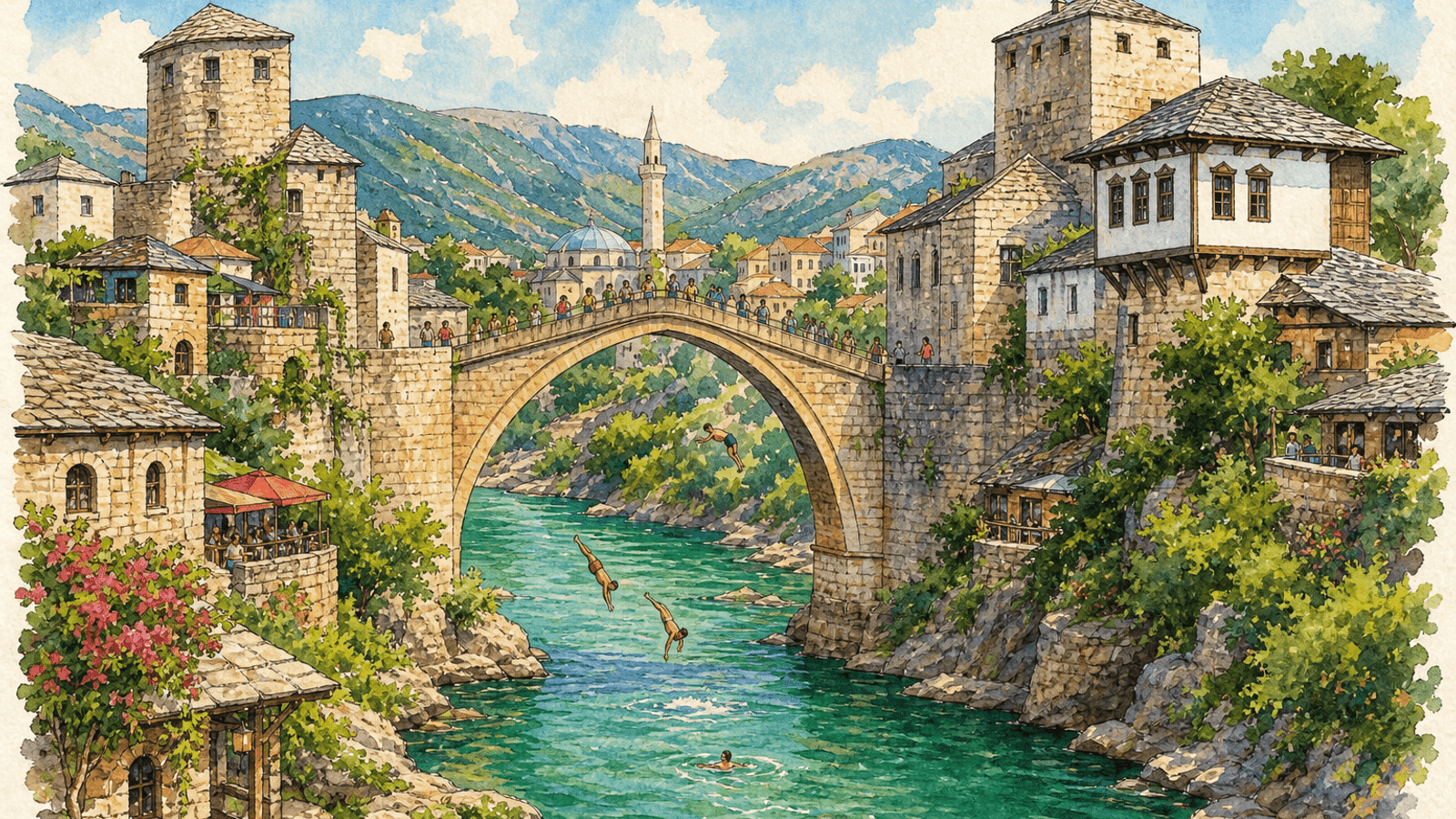
Le « vieux pont » de Mostar, reconstruit après la guerre, constitue l'âme de la ville. Regarder les membres du club de saut local sauter de 24 mètres de haut dans les eaux froides de la rivière Neretva est un spectacle impressionnant et une tradition qui remonte à plusieurs siècles.
Visitez le tunnel de l'espoir
Visite du fragment préservé du tunnel qui constituait la seule bouée de sauvetage de Sarajevo pendant le siège de près de quatre ans dans les années 1990. Se promener dans cette étroite galerie souterraine est une expérience puissante et humiliante qui donne un aperçu de la résilience des habitants de la ville.
Se baigner dans les cascades de Kravica
Par une chaude journée d’été, rien de tel que de visiter les spectaculaires cascades de Kravica. Cet amphithéâtre naturel de cascades tombant en cascade sur un lac aux eaux émeraude est l'endroit idéal pour se baigner, pique-niquer et se détendre dans un cadre paradisiaque.
Découvrez la paix du monastère de Blagaj
Visiter le « Tekija » (monastère derviche) de Blagaj est une expérience mystique. Cette bâtisse du XVIe siècle, nichée au pied d'une falaise de 200 mètres, surplombe la source de la rivière Buna, qui émerge d'une grotte avec une force incroyable. Le bruit de l'eau et la sérénité des lieux sont inoubliables.
Explorez le bobsleigh olympique abandonné
Dans les collines au-dessus de Sarajevo, la piste de bobsleigh des Jeux olympiques d'hiver de 1984 est abandonnée, couverte de graffitis. Se promener dans cette structure en béton qui serpente à travers la forêt est une expérience surréaliste et photogénique, vestige de la gloire olympique de la ville.
Un festin de saveurs ottomanes et balkaniques
La cuisine de Bosnie-Herzégovine est le résultat de siècles d'histoire : elle est copieuse, savoureuse et généreuse. Avec un héritage ottoman évident et des touches austro-Hongriees et slaves, il est à base de viandes grillées, de pâtisseries salées (« pita »), de ragoûts mijotés et de légumes frais. La nourriture est un élément fondamental de l’hospitalité.
La culture de « Roštilj » (grill)
La viande grillée est une religion. Les « ćevabdžinica » (restaurants ćevapi) et « aščinica » (restaurants de cuisine traditionnelle) constituent le cœur de la scène culinaire. Des plats comme le ćevapi ou le pljeskavica sont incontournables.
« Pita » : le roi des pâtisseries salées
Les fines pâtisseries phyllo (« jufka ») constituent un pilier de l'alimentation. Le « Burek » est le plus célèbre (farci à la viande), mais il en existe de nombreuses variétés : « sirnica » (fromage), « zeljanica » (épinards) et « krompiruša » (pomme de terre).
Plats Iconiques
Ćevapi (ou Ćevapčići)
Le plat national incontesté. Ce sont de petits rouleaux de bœuf haché grillé, servis dans un pain plat (« somun ») avec de l'oignon cru haché et parfois du « kajmak » (une crème épaisse).
Burek
Un gâteau en spirale ou en couches à base de pâte filo et rempli de viande hachée. Il se déguste à tout moment de la journée et est le roi de la street food. Les versions avec d'autres garnitures sont appelées génériquement « pita ».
Begova Čorba (soupe de Bey)
Une soupe riche et crémeuse au poulet et aux légumes, épaissie avec de l'œuf et souvent avec un soupçon de citron. C'est une entrée traditionnelle et délicieuse.
Bosanski Lonac (ragoût bosniaque)
Un ragoût copieux composé de gros morceaux de viande et de légumes (pommes de terre, carottes, choux) qui cuit lentement pendant des heures dans une mijoteuse. Chaque famille a sa propre version.
Sarma
Rouleaux de feuilles de chou aigre (choucroute) farcis de viande hachée et de riz, cuits à feu doux. C'est un plat d'hiver très populaire dans toute la région des Balkans.
Dolma
Le terme fait référence à des légumes farcis, comme des poivrons (« paprike punjene »), des oignons (« sogan dolma ») ou des courgettes, avec un mélange de viande et de riz.
Boissons typiques

Bosanska Kafa (café bosniaque)
Préparé dans une « džezva » et servi dans de petites tasses (« fildžani »), il est fort et se boit à petites gorgées. C'est le centre de la vie sociale.
Rakija
La puissante eau-de-vie de fruits des Balkans. La variété de prune (« šljivovica ») est la plus courante, mais il existe également des variétés de raisin, de poire ou de pomme. Il se boit en apéritif ou en digestif.
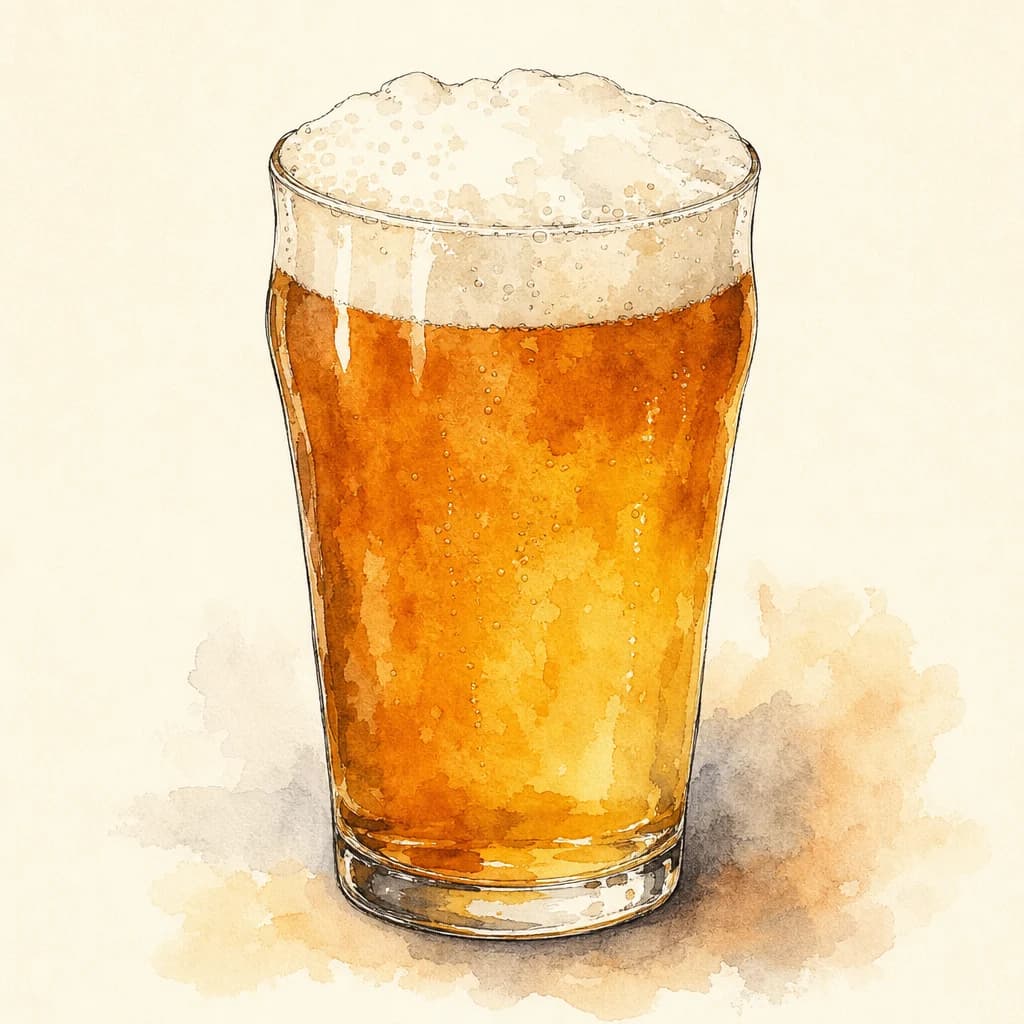
Pivo (bière)
Les bières locales comme la Sarajevsko Pivo sont des bières blondes légères et rafraîchissantes, parfaites pour accompagner le ćevapi.
Sok od Zove (jus de fleur de sureau)
Un sirop de fleur de sureau maison mélangé à de l'eau. C’est une boisson incroyablement populaire et rafraîchissante au printemps et en été.
Desserts traditionnels
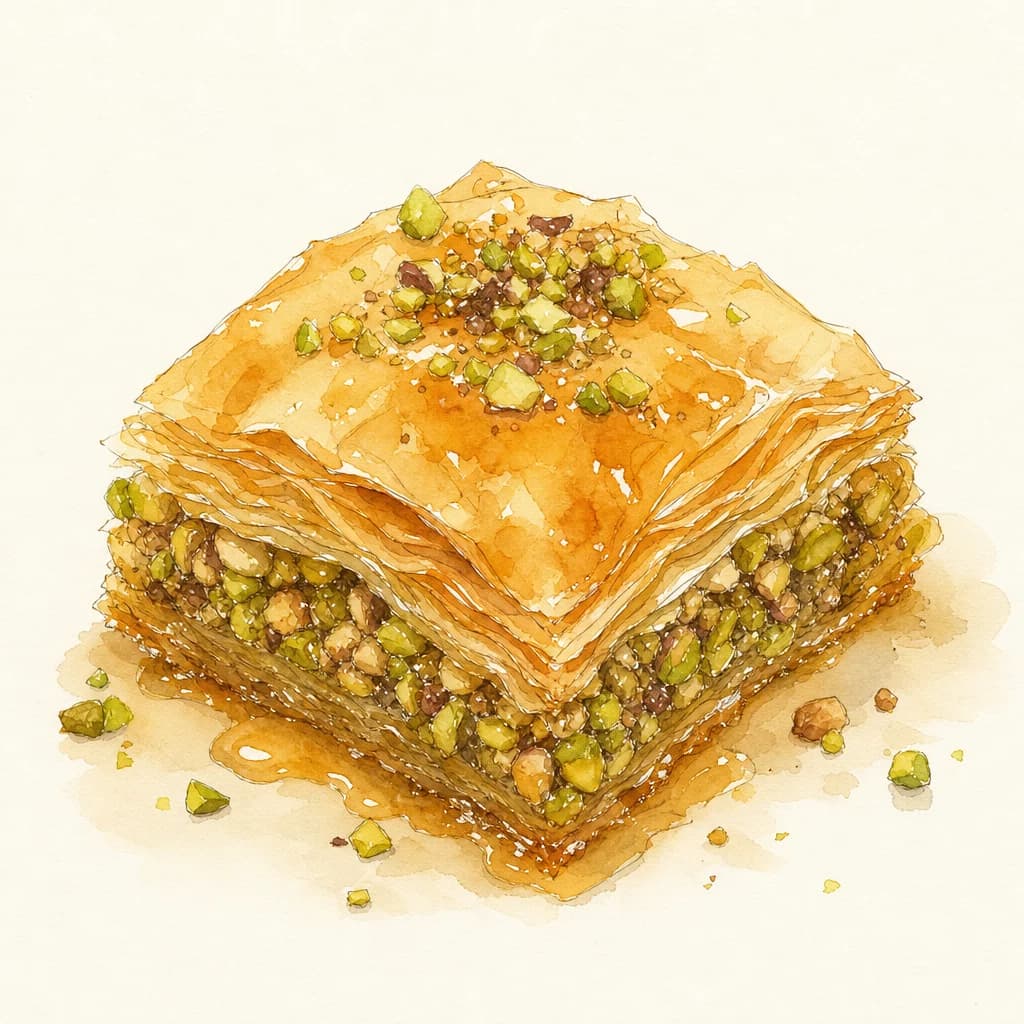
Baklavas
D'origine ottomane évidente, cette friandise se compose de fines couches de pâte filo remplies de noix concassées et baignées dans un sirop de sucre et de citron (« agda »).
Tufafille
Un dessert élégant et délicieux. Ce sont des pommes pochées dans de l'eau sucrée, fourrées d'une crème de noix et garnies de chantilly.
Hurmasique
Petits gâteaux moelleux, souvent en forme de dattes, que l'on trempe dans du sirop après cuisson. Ils fondent dans la bouche.
Jabukovača
Un gâteau en pâte filo, semblable au strudel, rempli de cubes de pomme, de sucre et de cannelle, et également baigné de sirop.
Que voir par thème
La richesse de la Bosnie-Herzégovine réside dans son incroyable mélange d’histoire, de culture et de nature. Ensuite, nous vous proposons de découvrir le pays à travers différents thèmes.
Sarajevo : la Jérusalem de l'Europe
La capitale est une ville où mosquées, églises orthodoxes, cathédrales catholiques et synagogues cohabitent à quelques mètres seulement. Explorez le bazar ottoman de Baščaršija, visitez le site de l'assassinat qui a déclenché la Première Guerre mondiale et ressentez le mélange dynamique des cultures.
Herzégovine : Soleil, Pierre et Eau
La région sud du pays a une atmosphère méditerranéenne. La visite incontournable comprend Mostar et son pont, l'oasis mystique de Blagaj, le village fortifié de Počitelj et les cascades rafraîchissantes de Kravica. Cette région est également connue pour ses vins.
L'héritage de la guerre et de l'espoir
Pour comprendre le pays, il est essentiel de connaître son histoire récente. Le Tunnel de l'Espoir et la Galerie du 11/07/95 à Sarajevo (sur le massacre de Srebrenica) sont des visites émouvantes. Les « roses de Sarajevo » (marques de mortier sur l'asphalte remplies de résine rouge) nous le rappellent constamment.
Aventure nature
La Bosnie est un paradis pour les amoureux de la nature. Le parc national d'Una est célèbre pour ses eaux cristallines et son rafting. Le parc national de Sutjeska abrite la dernière forêt primaire d'Europe et l'impressionnant monument de la bataille de Sutjeska. Les montagnes olympiques de Jahorina et de Bjelašnica offrent des randonnées en été et du ski en hiver.
Sur les traces des rois et des vizirs
Jajce, dernière capitale du royaume médiéval bosniaque, impressionne par sa forteresse et sa cascade au cœur de la ville. Travnik, l'ancienne capitale des vizirs ottomans, conserve son charme avec sa forteresse, ses mosquées colorées et le fait d'être le lieu de naissance du prix Nobel Ivo Andrić.
Le secret atomique de la Yougoslavie
Près de la ville de Konjic se cache le bunker Tito (ARK D-0), un immense complexe souterrain construit secrètement pour abriter les dirigeants yougoslaves en cas d'attaque nucléaire. C'est aujourd'hui un musée et un espace d'art contemporain.
Conseils de voyage
Devise
La monnaie officielle est le mark convertible bosniaque (BAM ou KM). Son taux de change est fixe avec l'euro (1 EUR = 1,95583 BAM). Les euros sont acceptés dans de nombreux lieux touristiques, mais il est conseillé d'utiliser la monnaie locale pour obtenir de meilleurs prix.
Transport interne
Le réseau de bus est le moyen le plus efficace et le plus répandu pour se déplacer entre les villes. Les trains sont moins fréquents mais peuvent être très pittoresques, comme la route de Sarajevo à Mostar. Louer une voiture offre plus de flexibilité pour explorer les zones rurales.
Langue
Les langues officielles sont le bosniaque, le serbe et le croate, qui sont mutuellement intelligibles. Dans les zones touristiques, notamment parmi les jeunes, il est courant de trouver des personnes qui parlent anglais. L'allemand est également relativement largement parlé.
Conseils
Le pourboire n’est pas obligatoire, mais est apprécié pour un bon service. Dans les restaurants, il est courant d'arrondir l'addition ou de laisser 10 %. Pour les guides touristiques et les chauffeurs de taxi, c’est aussi un geste bienvenu.
Ce guide n'est qu'une introduction à la complexité et à la beauté de la Bosnie-Herzégovine. C’est un pays qui vous défie, vous éduque et vous fait tomber amoureux à parts égales. Nous vous encourageons à explorer sans préjugés, à discuter avec ses habitants et à vous laisser emporter par le rythme d'une nation qui a beaucoup à raconter. Sretan mis! (Bon voyage !)
Chargement peut-être...
Explore Regions of Bosnie-Herzégovine
Discover the most beautiful regions and plan your perfect trip
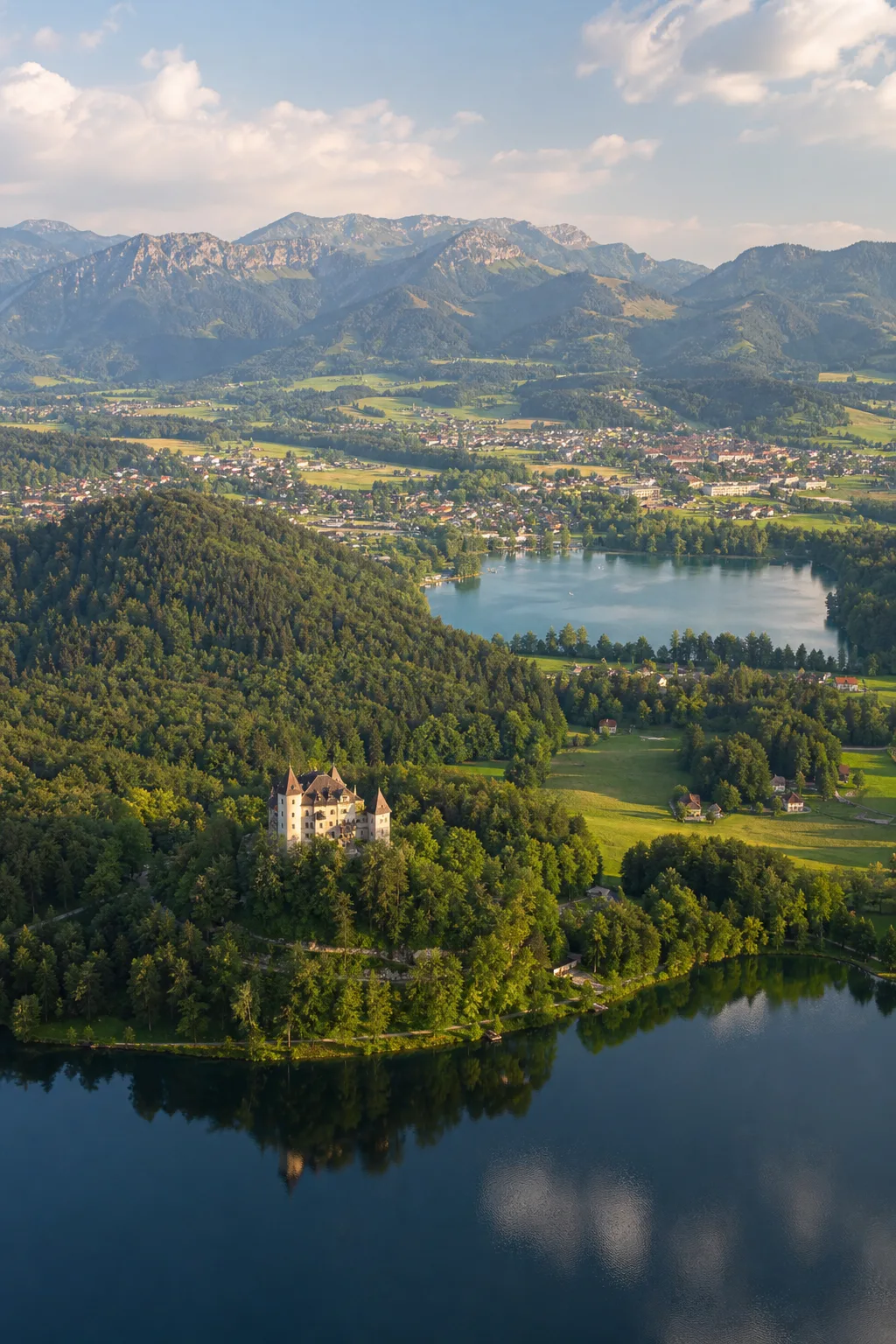
Brčko District
Brčko District offers distinctive landscapes, culture and experiences in Bosnie-Herzégovine.
Federation of Bosnia and Herzegovina
Federation of Bosnia and Herzegovina offers distinctive landscapes, culture and experiences in Bosnie-Herzégovine.
Republika Srpska
Republika Srpska offers distinctive landscapes, culture and experiences in Bosnie-Herzégovine.
Avant de partir
Réponses rapides pour planifier votre voyage en toute confiance
- 71Familles
- 73Gastronomie
- 73Sécurité
- 44Abordable
Styles de voyage
Classements liés
 73Villes les plus sûres d’EuropeDestinations où voyager plus sereinement.
 73Meilleures destinations gastronomiques d’EuropeVilles avec la meilleure scène gastronomique d’Europe.
 71Meilleures villes d’Europe pour voyager en familleVilles pensées pour les familles : sécurité, rythme et activités enfants.
Tout près d'ici
Escapades faciles et day trips pour prolonger votre itinéraire
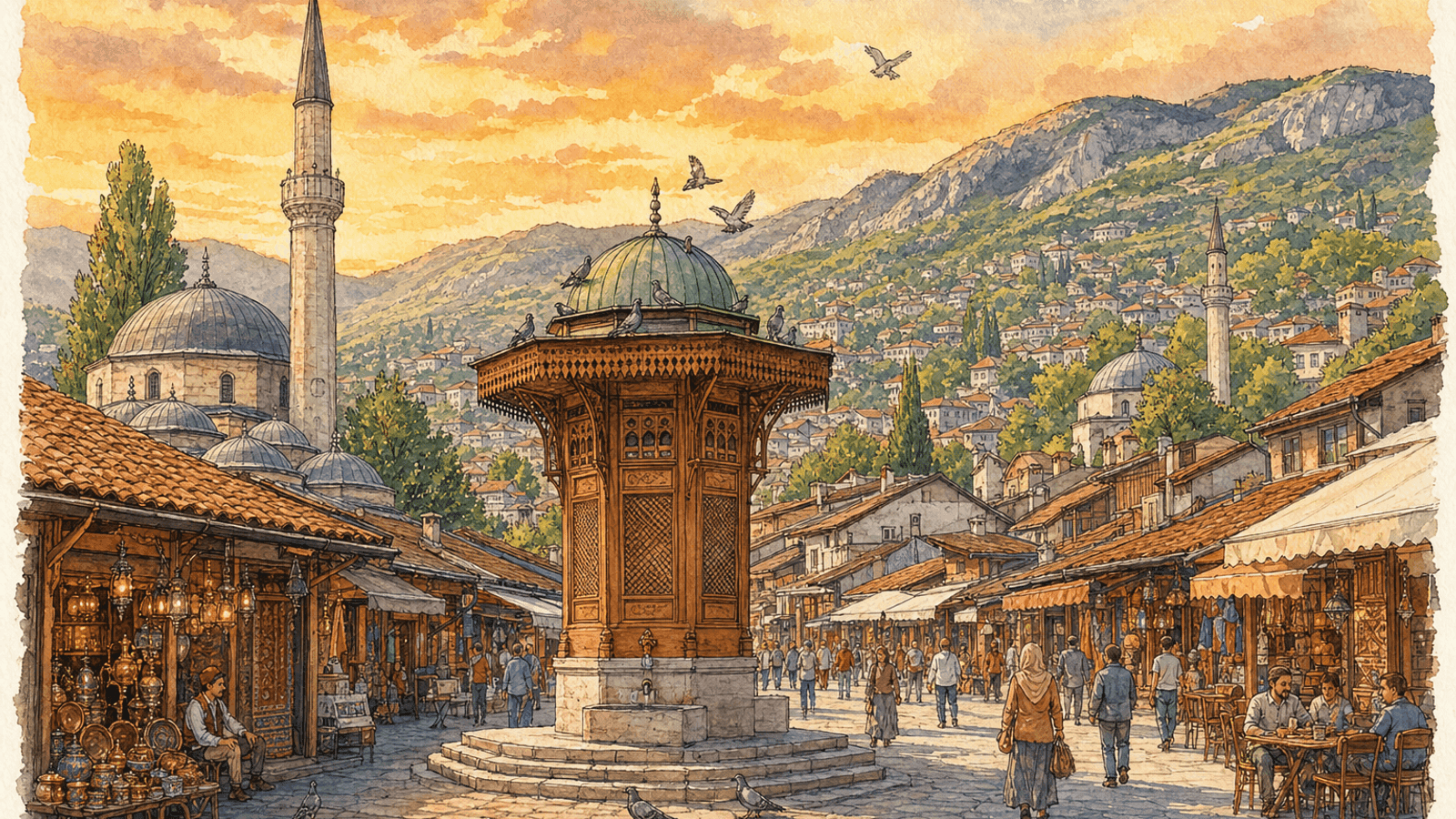
Collections et routes
- 73Villes les plus sûres d’EuropeDestinations où voyager plus sereinement.
- 73Meilleures destinations gastronomiques d’EuropeVilles avec la meilleure scène gastronomique d’Europe.
- 71Meilleures villes d’Europe pour voyager en familleVilles pensées pour les familles : sécurité, rythme et activités enfants.
 73Voyage en famille
 73Voyage gastronomique
TripPlanner
Créez votre itinéraire parfait
Chargement...
Votre profil de voyageur
Découvrez votre style de voyage
Chargement...