

Guide de voyage général : L'âme cachée des Balkans
La Bulgarie, le plus ancien pays d'Europe, est une terre de contrastes et de trésors méconnus, située à la croisée des civilisations. C'est une destination qui propose un voyage dans le temps, des mystérieux trésors d'or des Thraces aux fresques colorées de ses monastères médiévaux et aux vestiges de l'ère soviétique. Sa nature est tout aussi diversifiée, allant des rives ensoleillées de la mer Noire aux sommets enneigés des Balkans et aux vallées verdoyantes. Préparez-vous à explorer des villes dynamiques avec des ruines romaines, des villes à l'architecture unique de la Renaissance et une culture forgée par la fierté, l'hospitalité et les traditions anciennes. La Bulgarie est une invitation à surprendre, à savourer une gastronomie pleine de saveurs et à connaître une ville qui a su préserver son identité unique.
Capital
Sofia
Population
6.687.717
Langue
Bulgare
Sites du patrimoine de l'UNESCO
10
Indices de voyage
Scores basés sur des données réelles de 0 à 100
Le meilleur de Bulgarie
Expériences uniques
Visitez le monastère de Rila
Fondé au Xe siècle, le monastère de Rila est le symbole spirituel et architectural de la Bulgarie et un site du patrimoine mondial. Situé dans une vallée spectaculaire des montagnes de Rila, il impressionne par ses murs, ses arcades rayées noires et blanches et, surtout, les fresques vibrantes qui recouvrent son église principale, représentant des scènes bibliques avec des détails étonnants. C'est une visite incontournable pour comprendre l'âme du pays.
Se perdre dans la vieille ville de Plovdiv
Plovdiv, l'une des plus anciennes villes d'Europe, est un véritable régal pour les sens. Sa vieille ville est un labyrinthe de rues pavées flanquées de maisons colorées de la Renaissance nationale bulgare, avec leurs étages supérieurs en saillie caractéristiques. Outre son théâtre romain bien conservé, la ville vibre d'une ambiance bohème, notamment dans le quartier créatif de Kapana.
Célébrez le début du printemps avec Martenitsa
L’une des traditions les plus belles et les plus profondément enracinées de Bulgarie. Le 1er mars (jour de Baba Marta ou « Marche de grand-mère »), les Bulgares s'offrent des « martenitsi », de petites amulettes faites de fil rouge et blanc qui symbolisent la santé, la chance et l'arrivée du printemps. Ils sont portés attachés au poignet ou épinglés aux vêtements jusqu'à ce que la première cigogne ou l'arbre en fleurs soit aperçu, puis ils sont suspendus à un arbre pour faire un vœu.
Assistez au rituel Kukeri
Pour chasser les mauvais esprits de l'hiver et attirer une bonne récolte, des hommes vêtus de costumes de fourrure élaborés et terrifiants et de grands masques de bois dansent en rythme, faisant sonner de lourdes cloches attachées à leur taille. Cet impressionnant rituel païen, célébré principalement entre janvier et mars, est l'une des traditions les plus spectaculaires et les plus anciennes de Bulgarie.
Explorez la côte de la mer Noire
La côte bulgare offre bien plus que de grandes stations balnéaires. Des villes historiques comme Nessebar (site du patrimoine mondial), avec ses ruines et plus de 40 églises byzantines sur une petite péninsule, et Sozopol, avec sa charmante vieille ville de maisons en bois, offrent un mélange parfait de plage, d'histoire et d'ambiance bohème.
Découvrez les secrets du vin bulgare
La Bulgarie possède l'une des plus anciennes traditions viticoles au monde. La fête de Trifon Zarezan, le 14 février, célèbre le saint patron des vignerons avec des rituels de taille dans les vignes. Explorer les vignobles locaux, en particulier dans des régions comme Melnik, célèbre pour son raisin rouge local robuste, est un excellent moyen de goûter à la culture et aux saveurs du pays.
Un festin de saveurs balkaniques
La cuisine bulgare est savoureuse, fraîche et réconfortante. Aux influences turques, grecques et slaves, elle s'appuie sur des produits laitiers de grande qualité, comme son fameux yaourt et son sirène, des légumes frais, des viandes grillées et des épices aromatiques. Manger en Bulgarie est un acte social et généreux, avec des portions généreuses et des saveurs authentiques.
Yaourt (Kiselo Mlyako) et fromage Sirene
Le yaourt bulgare est légendaire pour sa saveur unique et ses propriétés probiotiques, grâce à la bactérie Lactobacillus bulgaricus. C'est la base de nombreux plats, comme le Tarator. Le « Sirene » est un fromage blanc en saumure, semblable à la feta, omniprésent dans la cuisine bulgare, notamment dans la célèbre salade Shopska.
Le 'Mekhaná' : le restaurant traditionnel
Pour une expérience authentique, mangez dans un « mekhaná », un restaurant traditionnel de style taverne. Avec une décoration rustique, des nappes aux couleurs vives et souvent une cheminée et de la musique folklorique live, ils sont l'endroit idéal pour déguster les plats les plus typiques du pays dans une ambiance chaleureuse.
Plats Iconiques
Salade Shopska
Considérée comme la salade nationale, ses couleurs (tomate, concombre, poivre et persil) rappellent le drapeau bulgare. Il se compose de tomates, de concombres, de poivrons rôtis et d'oignons finement hachés, généreusement garnis de fromage sirène râpé. C'est le début parfait pour n'importe quel repas.
Tarateur
La soupe froide par excellence pour les chaudes journées d'été. Il est composé de yaourt bulgare, de concombre, d'ail, d'aneth, de noix moulues et d'un peu d'huile de tournesol. C'est incroyablement rafraîchissant et délicieux.
Banitsa
Un gâteau en pâte feuilletée (pâte phyllo) incroyablement populaire qui se déguste à tout moment, notamment au petit-déjeuner. La version la plus courante est remplie d'un mélange de fromage sirene et d'œuf, mais il existe également des variantes aux épinards, à la citrouille (Tikvenik) ou à la viande.
Kavarma
Un ragoût traditionnel cuit lentement dans un pot individuel en argile appelé « gyuveche ». Il contient des morceaux de porc ou de poulet, beaucoup d'oignons, de poivrons, de tomates et un mélange d'herbes aromatiques. Il est souvent garni d'un œuf juste avant de servir.
Meshana Skara (Grill Mixte)
Le plat rêvé des amateurs de viande. Il s'agit d'un mélange de grillades généreux qui comprend généralement des « kyufte » (boulettes de viande épicées), des « kebapche » (saucisses à la viande hachée sans peau), des brochettes de porc et des steaks. C'est une fête à partager.
Sarmi
Petits rouleaux de feuilles de vigne ou de chou fourrés d'un mélange de riz, oignon, carotte et épices. Ils constituent une entrée très appréciée et un plat incontournable lors du dîner du réveillon de Noël.
Boissons typiques
Rakia
La boisson nationale de la Bulgarie. C'est une eau-de-vie de fruits puissante, généralement de raisin, de prune ou d'abricot. Il se déguste généralement froid à l'apéritif, accompagné de la salade Shopska, même si en hiver il se déguste également chaud avec du miel et du poivre (greyana rakia).
Est venu
La Bulgarie a une longue tradition viticole avec des cépages locaux très intéressants. L'encre Mavrud (dense et puissante), le Melnik à larges feuilles, le Gamza et le Dimyat blanc se démarquent. Le pays est un grand producteur et exportateur de vins de bonne qualité.
Ayran
Une boisson simple, saine et rafraîchissante, parfaite pour accompagner des plats forts ou pour étancher la soif. Il est préparé en mélangeant du yaourt bulgare, de l'eau et une pincée de sel.
Boza
Une boisson fermentée très particulière, à base de blé ou de millet. Il a une saveur légèrement aigre-douce, une consistance épaisse et une faible teneur en alcool. C'est une boisson traditionnelle pour accompagner la banitsa au petit-déjeuner.
Desserts traditionnels
Kozunak
Un pain tressé sucré, semblable à une brioche ou à un panettone, qui est le dessert traditionnel de Pâques, même s'il peut être trouvé toute l'année. Il est spongieux et contient souvent des raisins secs, des noix ou des délices turcs.
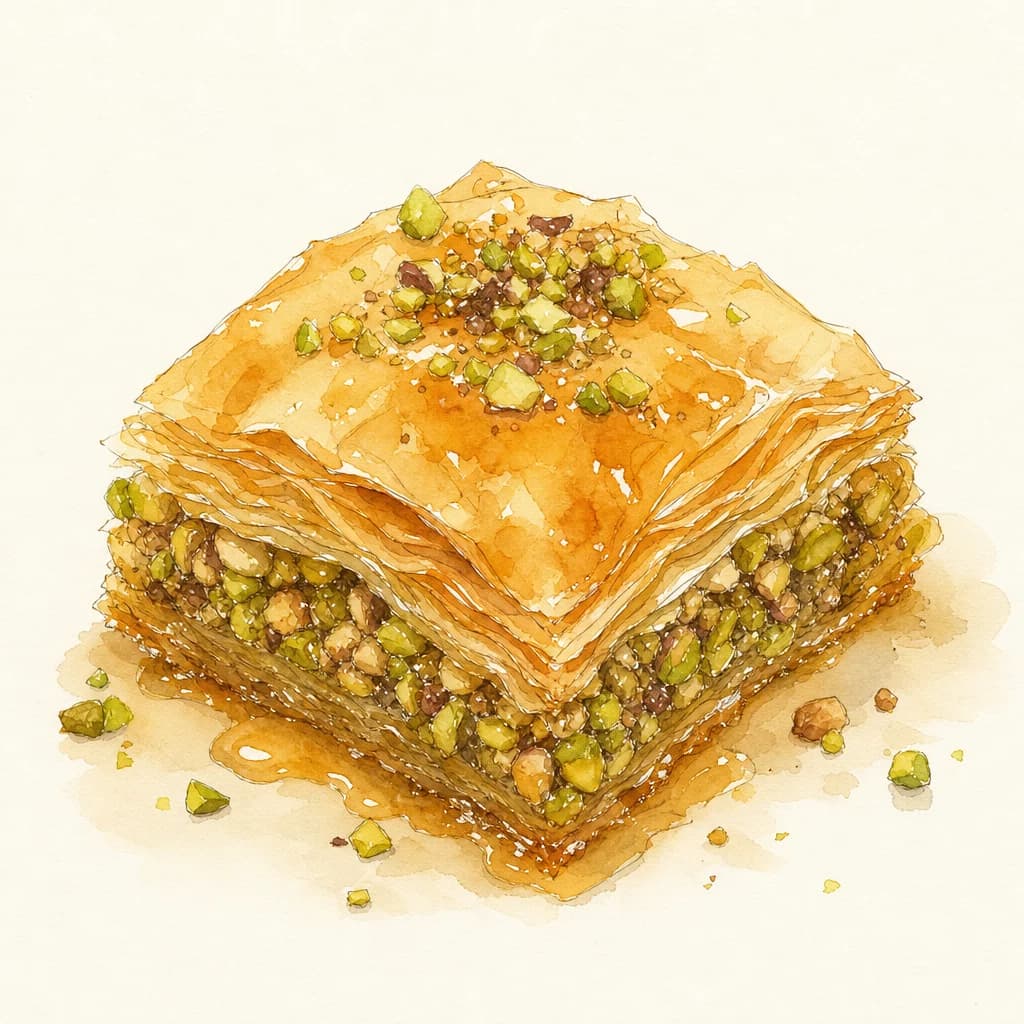
Baklavas
D'origine ottomane évidente, cette friandise se compose de fines couches de pâte filo remplies de noix concassées, le tout baigné dans un sirop de sucre ou de miel. C'est un dessert très sucré et apprécié, notamment lors des fêtes.
Tikvénik
C'est la version sucrée de la banitsa. Une pâte filo remplie de citrouille râpée, de sucre, de noix et de cannelle. C'est un dessert traditionnel du réveillon de Noël, mais délicieux à tout moment.
Mékitsi
Quelques délicieux gâteaux à la pâte frite à base de farine et de yaourt. Ils sont servis chauds, saupoudrés de sucre glace ou accompagnés de miel, de confiture ou de fromage sirène. Ils constituent un petit-déjeuner ou une collation très populaire et réconfortant.
Que voir par thème
La richesse de la Bulgarie réside dans son incroyable variété de paysages et d'histoire. Nous vous proposons ensuite de découvrir le pays à travers différentes thématiques qui vous feront découvrir ses multiples facettes.
Des villes avec histoire et charme
La Bulgarie regorge de villes qui sont des témoignages vivants de son passé. Sofia, la capitale, offre un mélange éclectique de ruines romaines, d'églises orthodoxes à dôme en bulbe et d'architecture de l'ère soviétique. Veliko Tarnovo, la capitale médiévale du Second Empire bulgare, séduit par sa forteresse Tsarevets et ses maisons suspendues au-dessus de la rivière Yantra. Plovdiv, quant à elle, est un trésor d'architecture de la Renaissance et de ruines romaines.
Côtes et plages de la mer Noire
La Riviera bulgare offre une combinaison de longues plages de sable fin, de vie nocturne animée et de vieilles villes côtières. Nessebar, une île-musée classée au patrimoine mondial de l'UNESCO, regorge d'églises médiévales. Sozopol séduit par sa vieille ville de maisons en bois et son ambiance artistique. Pour ceux qui recherchent le soleil et les stations balnéaires, Sunny Beach et Golden Sands sont les destinations les plus populaires.
Parcs naturels et nationaux
Près d'un tiers du territoire bulgare est couvert de forêts, avec plusieurs parcs nationaux protégeant sa biodiversité. Le parc national de Rila abrite le plus haut sommet des Balkans, Musala, et les célèbres sept lacs de Rila. Le parc national du Pirin (UNESCO) est un paradis pour la randonnée entre lacs glaciaires et forêts de pins séculaires. Les Balkans centraux offrent des paysages sauvages et des cascades spectaculaires comme celle de Raysko Praskalo.
Routes des monastères et trésors thraces
La Bulgarie est parsemée de monastères orthodoxes, souvent situés dans des lieux d'une incroyable beauté naturelle. Au-delà de Rila, se distinguent les monastères de Bachkovo, Troyan et Sokolski. Pour un voyage dans le passé le plus reculé, vous pourrez suivre les traces des Thraces, en explorant des tombeaux monumentaux comme Kazanlak et Sveshtari (tous deux inscrits au patrimoine mondial), qui émerveillent par leurs fresques et leurs sculptures.
Villages de charme Renaissance et ruraux
L’essence de l’identité bulgare se retrouve dans ses villes. Koprivchtitsa est un village-musée aux maisons aux couleurs vives qui ont joué un rôle clé dans le soulèvement contre les Ottomans. Tryavna est connue pour ses traditions de sculpture sur bois. Shiroka Laka, dans les montagnes des Rhodopes, fascine par ses maisons en pierre et sa musique folklorique. Ces villages offrent un aperçu authentique de la vie et de l’architecture de la Renaissance nationale bulgare.
Conseils de voyage
Horaires
Les heures d'ouverture sont généralement de 10h00 à 20h00 dans les grandes villes. Dans les restaurants, le déjeuner est servi de 12h00 à 15h00 et le dîner à partir de 19h00. Les Bulgares dînent généralement relativement tôt par rapport aux autres pays du sud de l’Europe.
Transport interne
La Bulgarie dispose d'un réseau de bus qui relie la plupart des villes et villages, généralement plus rapide et plus efficace que les trains. Le train est une option économique et panoramique pour certains itinéraires. La location d'une voiture offre une flexibilité maximale pour explorer les zones rurales et les monastères, même si certaines routes secondaires peuvent être en mauvais état.
Langue
La langue officielle est le bulgare, qui utilise l'alphabet cyrillique. Dans les zones touristiques, les hôtels et les restaurants, il est possible de communiquer en anglais, mais dans les zones plus rurales, cela peut s'avérer un défi. Apprendre quelques mots bulgares de base et se familiariser avec l’alphabet cyrillique est très utile et apprécié des locaux.
Conseils
Le pourboire n’est pas obligatoire, mais est considéré comme une bonne pratique si le service a été satisfaisant. Dans les restaurants, il est d'usage de laisser entre 5% et 10% de l'addition totale. L'argent n'est généralement pas laissé sur la table, mais est remis directement au serveur ou l'addition est arrondie au moment du paiement.
Ce guide n’est qu’une introduction à la Bulgarie étonnante et aux multiples facettes. Chaque région du pays, des plaines du Danube aux mystiques montagnes des Rhodopes, a sa propre identité, sa cuisine et ses trésors à découvrir. Nous vous encourageons à explorer des guides de villes et de régions spécifiques pour concevoir un voyage sur mesure et vous plonger dans l'histoire profonde et l'hospitalité chaleureuse de ce joyau des Balkans. Приятно пътуване! (Bon voyage !)
Chargement peut-être...
Explore Regions of Bulgarie
Discover the most beautiful regions and plan your perfect trip
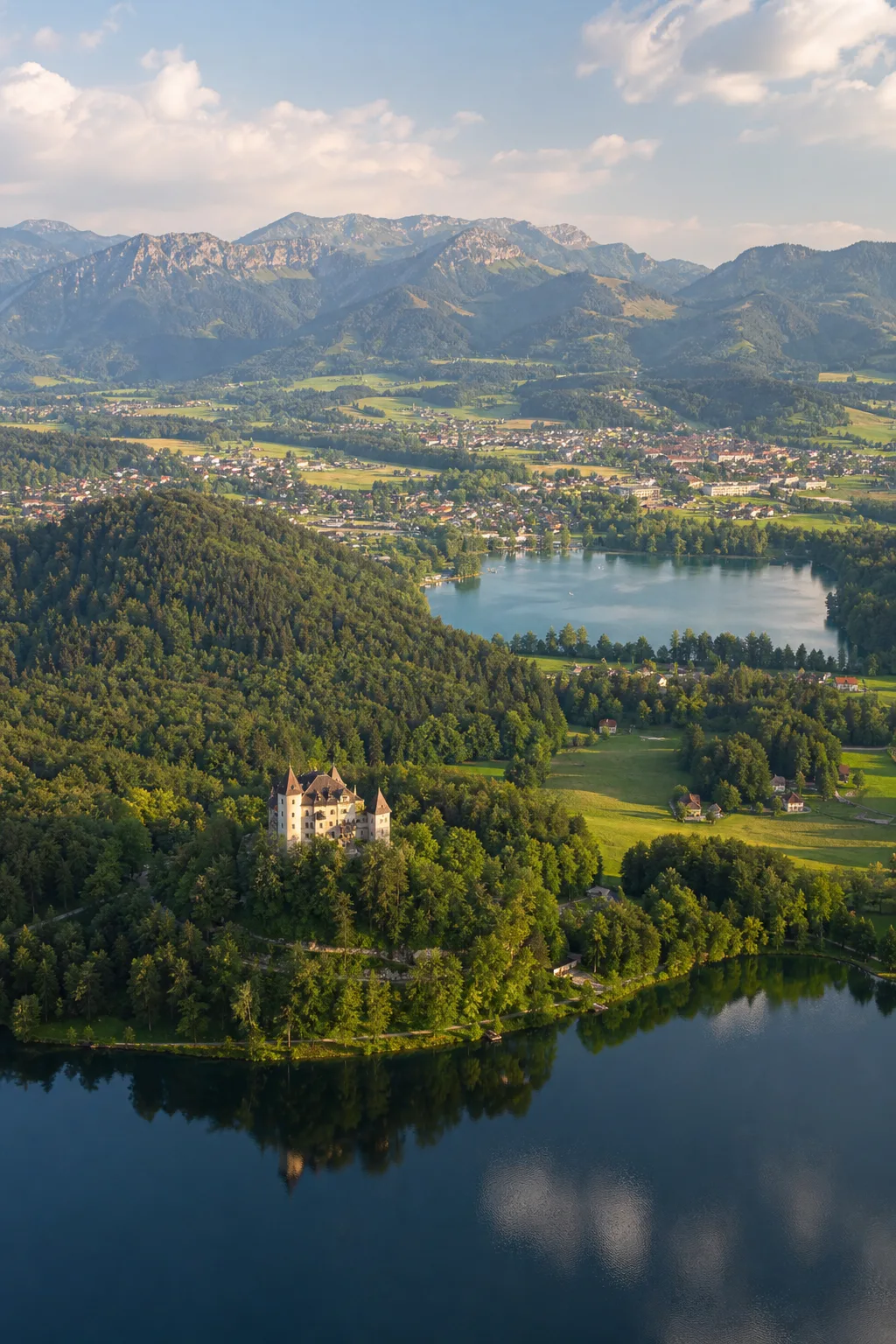
North Central Bulgaria
North Central Bulgaria offers distinctive landscapes, culture and experiences in Bulgarie.
Northeastern Bulgaria
Northeastern Bulgaria offers distinctive landscapes, culture and experiences in Bulgarie.
Northwestern Bulgaria
Northwestern Bulgaria offers distinctive landscapes, culture and experiences in Bulgarie.
South Central Bulgaria (Upper Thracian Plain)
South Central Bulgaria (Upper Thracian Plain) offers distinctive landscapes, culture and experiences in Bulgarie.
Avant de partir
Réponses rapides pour planifier votre voyage en toute confiance
- 73Familles
- 70Gastronomie
- 70Sécurité
- 42Abordable
Styles de voyage
Classements liés
 73Meilleures villes d’Europe pour voyager en familleVilles pensées pour les familles : sécurité, rythme et activités enfants.
 70Villes les plus sûres d’EuropeDestinations où voyager plus sereinement.
 70Meilleures destinations gastronomiques d’EuropeVilles avec la meilleure scène gastronomique d’Europe.
Tout près d'ici
Escapades faciles et day trips pour prolonger votre itinéraire


Collections et routes
- 73Meilleures villes d’Europe pour voyager en familleVilles pensées pour les familles : sécurité, rythme et activités enfants.
- 70Villes les plus sûres d’EuropeDestinations où voyager plus sereinement.
- 70Meilleures destinations gastronomiques d’EuropeVilles avec la meilleure scène gastronomique d’Europe.
 73Voyage en famille
 70Voyage gastronomique
TripPlanner
Créez votre itinéraire parfait
Chargement...
Votre profil de voyageur
Découvrez votre style de voyage
Chargement...