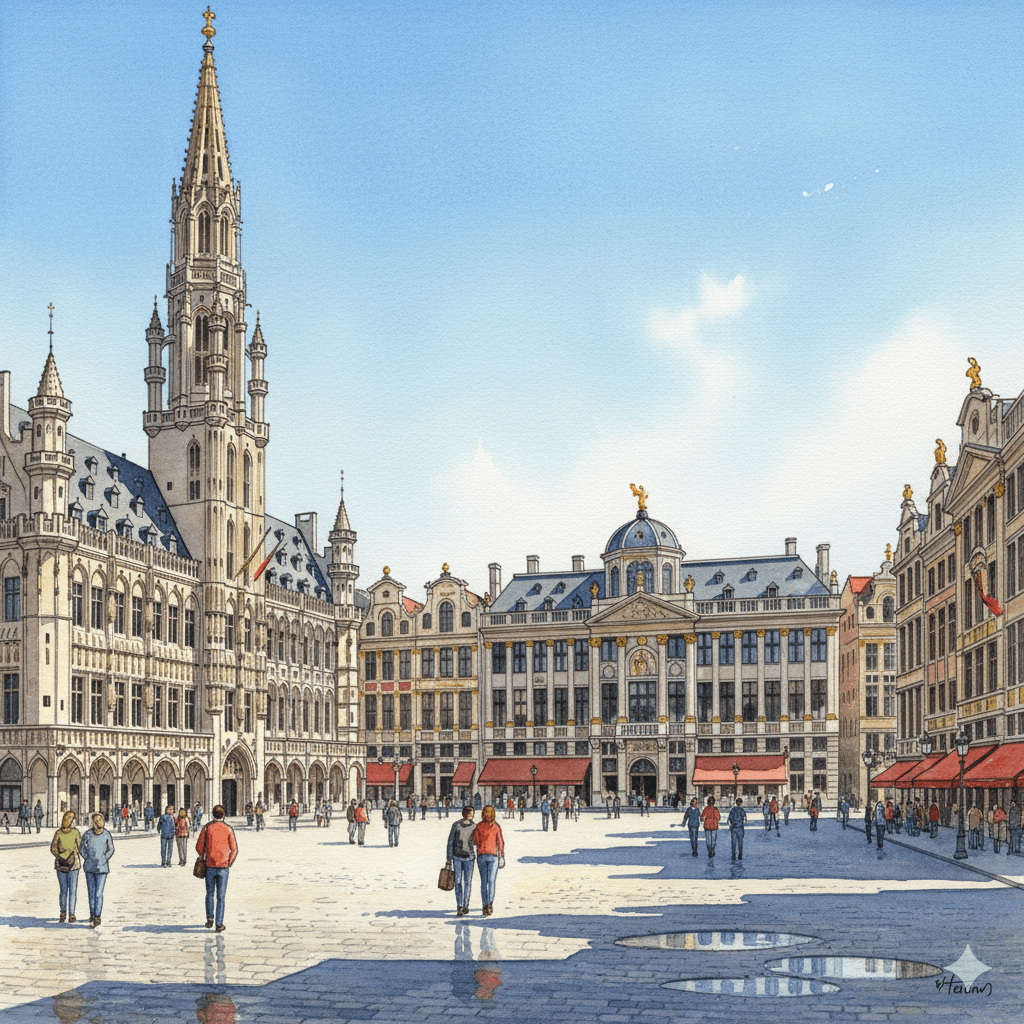
Guide de voyage général : La perle de l'Adriatique
La Croatie est le rêve méditerranéen devenu réalité. Une terre où le bleu le plus intense de la mer Adriatique embrasse un littoral accidenté, parsemé d'îles verdoyantes et de villes qui sont d'authentiques musées à ciel ouvert. C'est un pays où l'histoire des empereurs romains, des marins vénitiens et des rois slaves se ressent dans chaque pierre de ses murs et de ses palais. De la majesté de Dubrovnik à l'énergie vibrante de Split, en passant par la beauté naturelle à couper le souffle des lacs de Plitvice, la Croatie offre un voyage qui captive tous les sens. Préparez-vous à découvrir des criques cachées, à savourer une cuisine fraîche et délicieuse et à vous immerger dans un style de vie décontracté où le soleil et la mer rythment.
Capital
Zagreb
Population
3.855.641
Langue
Croate
Sites du patrimoine de l'UNESCO
10
Indices de voyage
Scores basés sur des données réelles de 0 à 100
Le meilleur de Croatie
Expériences uniques
Promenade sur les murs de Dubrovnik
Obtenez une perspective inoubliable sur la ville et l'Adriatique en parcourant les près de 2 kilomètres de remparts médiévaux qui entourent la vieille ville. Contempler la mer de toits en terre cuite, les tours imposantes et le bleu infini de la mer est l'expérience par excellence à Dubrovnik et vous donnera l'impression d'être dans « Game of Thrones ».
Promenez-vous le long des passerelles des lacs de Plitvice
Entrez dans un paradis d'eau et de végétation. Ce parc national, inscrit au patrimoine mondial, est un système de 16 lacs reliés entre eux par des cascades et des chutes d'eau. Se promener le long de ses sentiers et passerelles en bois au-dessus des eaux d'une incroyable couleur turquoise est une expérience magique et bouleversante.
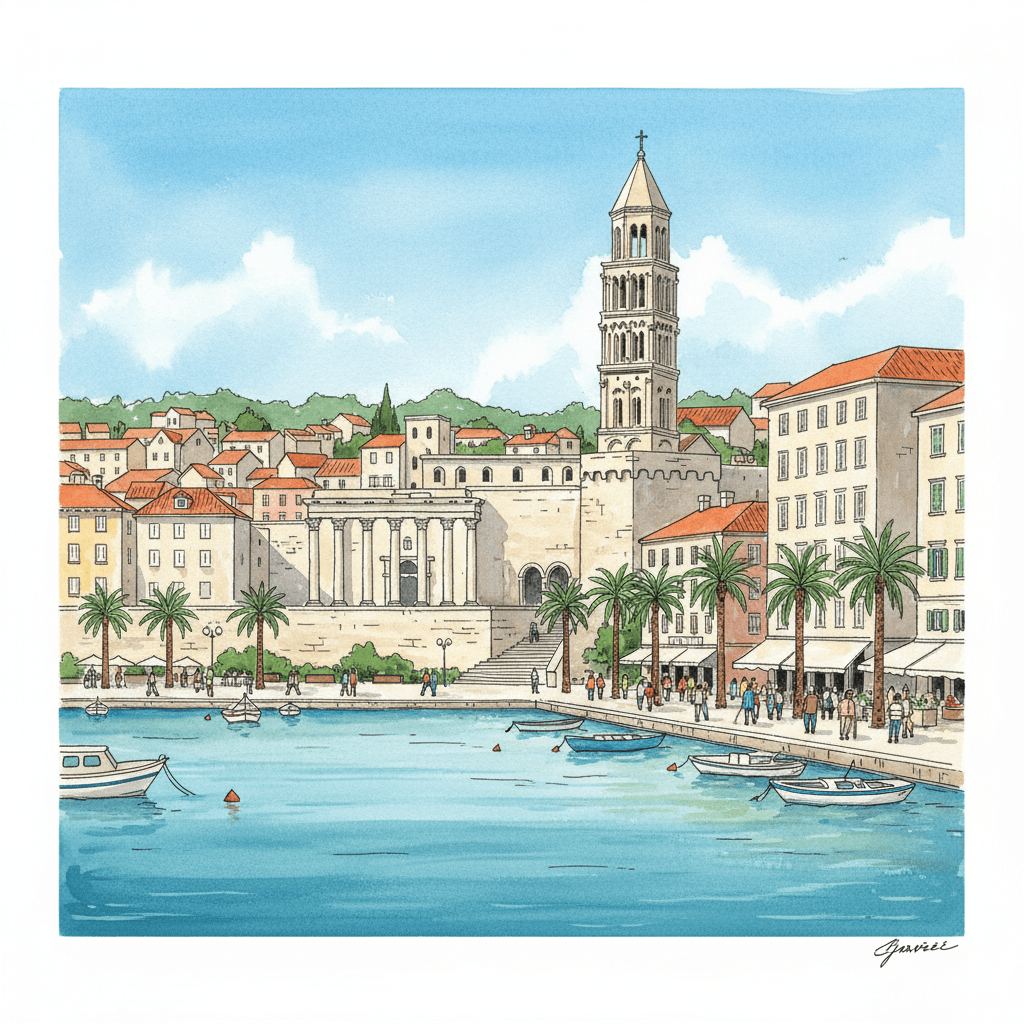
Vivre dans un palais romain à Split
Le cœur de Split est l'énorme palais de Dioclétien, construit au 4ème siècle. Ce n'est pas un musée fermé ; C'est le centre vivant de la ville, plein de bars, restaurants et boutiques qui occupent les anciens couloirs et patios du palais. Se perdre dans son sous-sol, son péristyle et ses ruelles étroites est un voyage dans le temps.
Naviguez entre les îles dalmates
Louez un bateau ou utilisez l'excellent réseau de ferry pour découvrir la magie des îles croates. Passez de la glamour Hvar, avec sa vie nocturne et ses champs de lavande, à l'historique Korčula, lieu de naissance réputé de Marco Polo, ou à Vis, calme et isolée, avec sa célèbre grotte bleue.
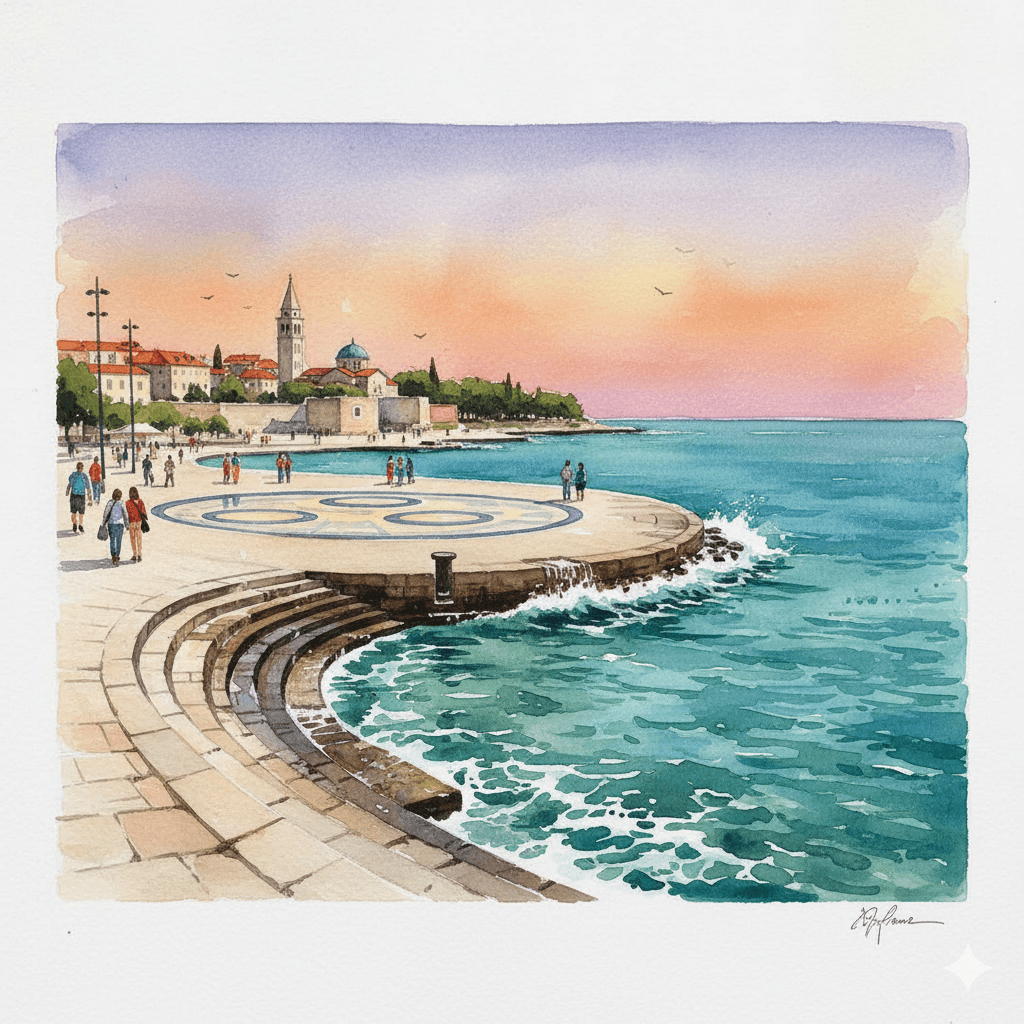
Écoutez la musique de la mer à Zadar
Asseyez-vous sur les marches de la promenade de Zadar et écoutez une mélodie unique. Le Sea Organ est une installation artistique qui utilise le mouvement des vagues pour créer des sons aléatoires et mélancoliques. C'est particulièrement magique au coucher du soleil, combiné au spectacle de lumière de la salutation au soleil.
Truffes à Istrie
La péninsule d'Istrie, aux accents italiens, est célèbre pour ses truffes. Participez à une excursion de « chasse » aux truffes avec des chiens dressés à travers les forêts de la région et couronnez l'expérience en dégustant ce délice dans une assiette de pâtes fraîches locales, comme le « fuži ».
Saveurs de l'Adriatique et de l'intérieur
La gastronomie croate est divisée en deux grands mondes : la cuisine côtière, avec une nette influence méditerranéenne (italienne), à base de poisson frais, de fruits de mer, d'huile d'olive et de vin ; et une cuisine continentale, plus robuste et aux influences d'Europe centrale (Hongriee et autrichienne), où dominent les viandes, les ragoûts et les saucisses.
Le Dalmatien 'Konoba'
La 'konoba' est la taverne traditionnelle de la côte. C'est le meilleur endroit pour déguster une cuisine locale authentique dans une ambiance rustique et familiale. Vous y trouverez des plats simples mais délicieux, à base de produits frais du jour, du poisson grillé au « peka ».
Huile d'olive et vin
Ce sont les piliers de la vie sur le littoral. L'Istrie, en particulier, est célèbre pour produire l'une des meilleures huiles d'olive extra vierge au monde. Le pays a également une longue tradition viticole, avec des cépages autochtones tels que le Plavac Mali (rouge) et le Malvasía (blanc).
Plats Iconiques

Crni Rižot (Risotto noir)
Un plat star de la côte dalmate. Il s'agit d'un risotto crémeux aux fruits de mer, généralement à base de seiche ou de calamar, qui acquiert sa couleur noire caractéristique et son intense saveur marine grâce à l'encre de calamar.
péka
Plus qu'un plat, c'est une façon de cuisiner. La viande (agneau ou bœuf) ou le poulpe est placé dans une marmite en fer avec des pommes de terre et des légumes, recouvert d'un couvercle en forme de dôme (« peka ») et cuit lentement sous les braises d'une cheminée pendant des heures. Le résultat est incroyablement tendre et savoureux.
Pasticada
Un ragoût festif typique de la Dalmatie. Il s'agit d'une rondelle de bœuf marinée pendant des heures (parfois des jours) dans du vinaigre et des épices, puis braisée lentement dans une sauce aigre-douce avec du vin, des pruneaux et des légumes. Il est traditionnellement servi avec des gnocchis.
Fuži aux truffes
Le plat le plus représentatif de l'Istrie. Les « Fuži » sont des pâtes fraîches roulées en forme de plume. Ils sont servis avec une sauce crémeuse et beaucoup de truffe noire ou, si c'est la saison, la précieuse truffe blanche, râpée dessus.
Paški Sir (fromage de Pag)
L'un des fromages les plus célèbres de Croatie, originaire de l'île de Pag. Il s'agit d'un fromage à pâte dure au lait de brebis, au goût salé et distinctif, dû au fait que les brebis paissent sur une végétation recouverte de sel transporté par le vent.
Poisson grillé (Riba na Gradele)
La simplicité à son meilleur. Poisson frais du jour (daurade, bar) grillé et assaisonné simplement avec de l'huile d'olive, de l'ail, du persil et du citron. La clé est la fraîcheur du produit.
Boissons typiques
Rakija
L'eau-de-vie de fruits nationale, présente dans toute la région des Balkans. Il peut s'agir de prune (šljivovica), de raisin (loza) ou d'herbes (travarica). Il se boit en apéritif ou en digestif, et est un symbole de bienvenue.
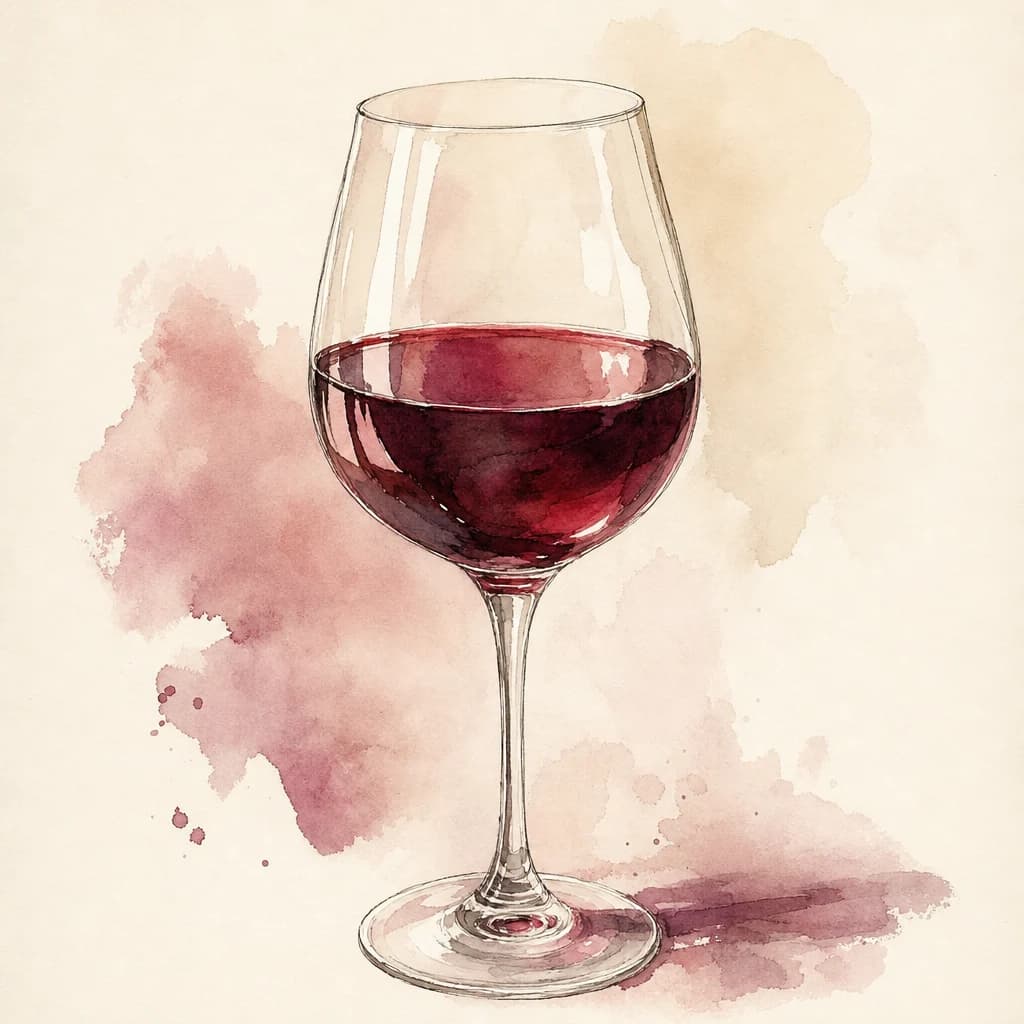
Vin croate (Vin)
La Croatie possède une scène viticole dynamique. Sur la côte, dégustez les rouges puissants de Plavac Mali ou les blancs aromatiques de Malvasía et Pošip. À l'intérieur, la Graševina est le blanc le plus populaire.
Gemicht et Bevanda
Deux façons populaires de boire du vin en été. Le « Gemišt » est du vin blanc mélangé à de l'eau gazeuse, tandis que la « bevanda » est du vin rouge mélangé à de l'eau plate. Ils sont rafraîchissants et légers.

Kava (Café)
La culture du café est essentielle. Les Croates peuvent passer des heures sur une terrasse avec un « expresso » ou un « kava s mlijekom » (café au lait), discuter et regarder la vie passer. C'est un acte social.
Desserts traditionnels
Rožata
Un dessert élégant et délicat, originaire de Dubrovnik. Il s'agit d'un flan aux œufs et au lait parfumé à la liqueur de rose ou de citron, et recouvert d'une couche de caramel liquide. Semblable à la crème brûlée ou à la crème brûlée.
Fritule
Petits beignets frits, très appréciés sur le littoral, notamment pendant les vacances de Noël. Ce sont des boules de pâte spongieuse, souvent parfumées au rhum et aux zestes d'agrumes, et saupoudrées de sucre glace.
Kremšnita
Un gâteau à la crème et à la pâte feuilletée. Il se compose d'un fond de pâte feuilletée croustillant, d'une couche très généreuse de crème pâtissière légère, d'une couche de chantilly et d'une autre couche de pâte feuilletée par dessus. Samobor est le plus célèbre.
Palačinke
La version locale des crêpes. Ils sont fins et servis roulés ou pliés, fourrés de confiture, de chocolat (comme le Nutella) ou d'arachides.
Que voir par thème
La diversité de la Croatie vous permet de l'explorer sous différents angles, de son éblouissant héritage romain à ses îles et paysages naturels idylliques.
Villes historiques de l'Adriatique
Plongez dans l'histoire en vous promenant dans les villes fortifiées. Dubrovnik est le joyau incontesté. Split palpite autour d’un palais romain. Zadar combine ruines romaines et installations modernes. Et les villes d'Istrie comme Rovinj et Poreč vous transporteront à l'époque de la République de Venise.
Îles paradisiaques : de la fête à la paix
Avec plus d’un millier d’îles, le choix est difficile. Hvar est la destination du glamour et de la fête. Korčula offre histoire et vignobles. Brač possède la célèbre plage de Zlatni Rat. Vis est un havre de paix et d'authenticité. Et les îles Kornati sont un paradis nautique d'une beauté aride.
Merveilles naturelles : parcs nationaux
La Croatie est un paradis pour les amoureux de la nature. Le parc national des lacs de Plitvice est un spectacle d'eau et de forêt. Dans le parc national de Krka, vous pourrez vous baigner près des cascades. L'archipel du parc national des Kornati est idéal pour la voile. Et l'île de Mljet est une oasis verte et calme.
Patrimoine romain et décors cinématographiques
Partez sur les traces de l'Empire romain à l'amphithéâtre de Pula, l'un des mieux conservés au monde, ou au palais de Dioclétien à Split. Pour les fans de « Game of Thrones », Dubrovnik (King's Landing), Split (Meereen) et d'autres lieux sont des arrêts obligatoires.
La péninsule d'Istrie : la « Toscane croate »
Découvrez cette région à forte influence italienne. Explorez des villes perchées comme Motovun, dégustez leurs vins et huiles d'olive et recherchez des truffes dans leurs forêts. Son littoral, avec des villes comme Rovinj et Poreč, est tout aussi charmant.
Conseils de voyage
Devise
Depuis le 1er janvier 2023, la monnaie officielle de la Croatie est l'euro (€), ce qui simplifie grandement les paiements pour les voyageurs de la zone euro. Les cartes de crédit sont largement acceptées.
Plages et chaussures aquatiques
La plupart des plages de Croatie ne sont pas constituées de sable fin, mais de galets ou de rochers. Il est fortement recommandé de porter des chaussures d'eau ou des chaussures d'eau pour marcher confortablement le long du rivage et dans l'eau, également pour se protéger des oursins.
Transport entre les îles
La principale compagnie de ferry et de catamaran est Jadrolinija. En haute saison (juillet-août), il est indispensable de réserver ses billets à l'avance, surtout si vous voyagez en voiture sur des itinéraires très fréquentés, car les places se remplissent vite.
Conseils
Le pourboire n’est pas obligatoire, mais c’est devenu une pratique courante si le service a été bon. Dans les restaurants, il est courant d'arrondir l'addition ou de laisser 10 %. Dans les bars et cafés, vous pouvez laisser de la monnaie.
Ce guide n'est que le point de départ de votre voyage dans la magnifique Croatie. Chaque île a sa propre personnalité et chaque ville côtière sa propre histoire. Nous vous encourageons à explorer au-delà des lieux les plus célèbres pour découvrir des criques isolées, des villages authentiques et la chaleureuse hospitalité croate. Uživajte! (Apprécier!)
Chargement peut-être...
Explore Regions of Croatie
Discover the most beautiful regions and plan your perfect trip
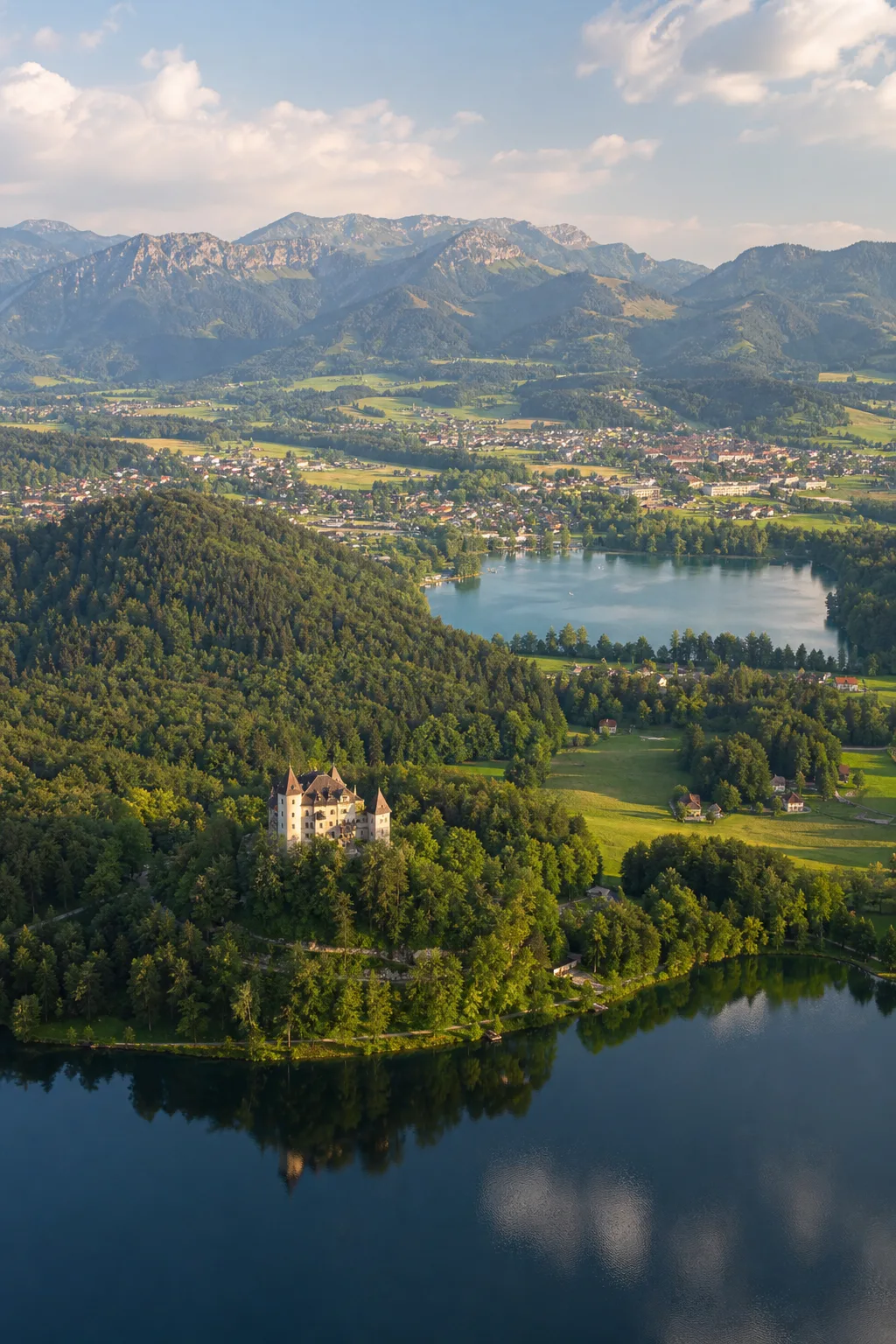
Central Croatia
Central Croatia offers distinctive landscapes, culture and experiences in Croatie.
Dalmatia
Dalmatia offers distinctive landscapes, culture and experiences in Croatie.
Istria and Kvarner
Istria and Kvarner offers distinctive landscapes, culture and experiences in Croatie.
Slavonia
Slavonia offers distinctive landscapes, culture and experiences in Croatie.
Avant de partir
Réponses rapides pour planifier votre voyage en toute confiance
Pourquoi cette destination
- Croatie convient très bien aux familles (indice 81/100).
- Scène gastronomique au top : 84/100.
- Destination sûre : indice 84/100.
- 81Familles
- 84Gastronomie
- 84Sécurité
- 63Abordable
Styles de voyage
Classements liés
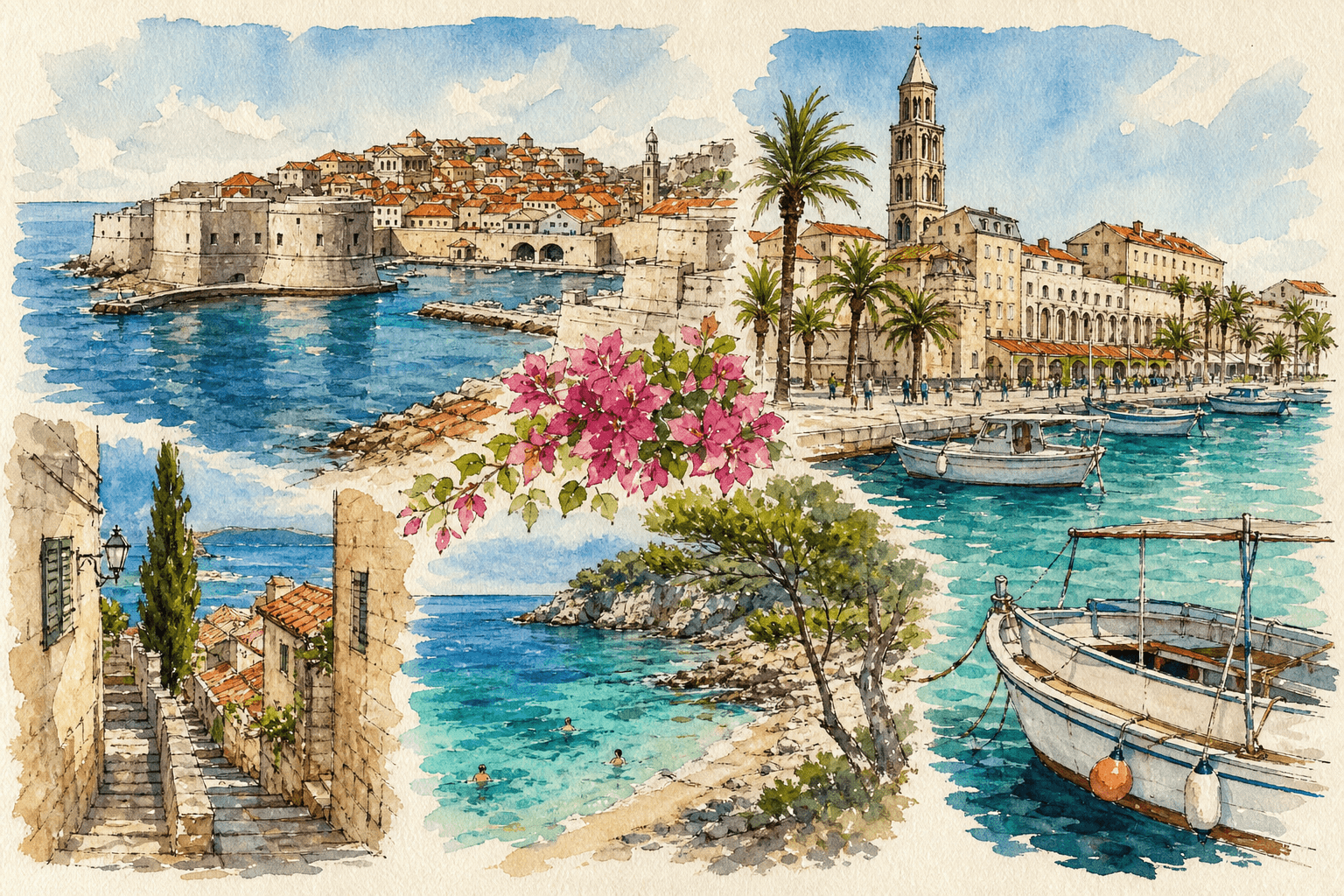 Meilleures villes à visiter en CroatieLes meilleures villes croates pour voyager.
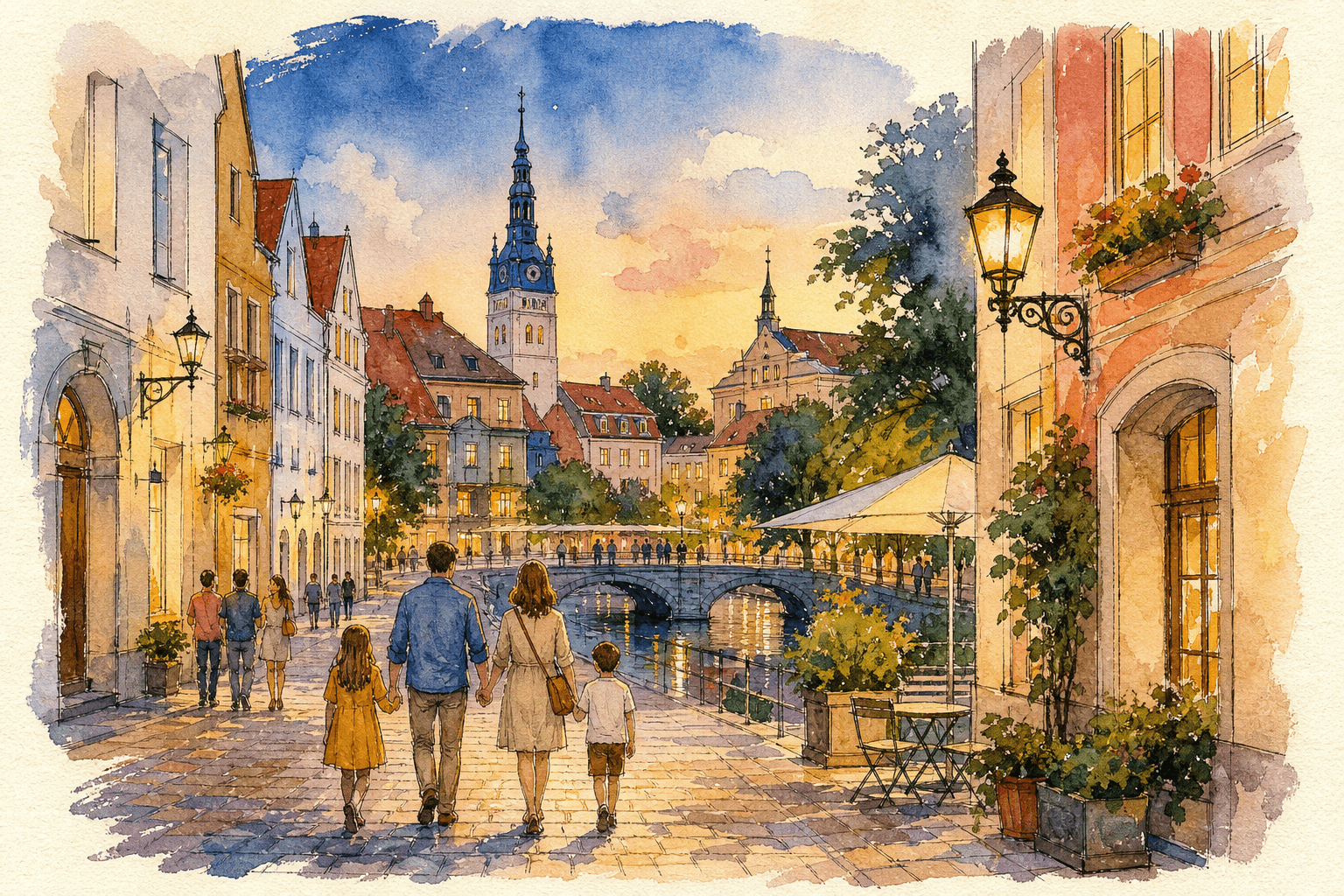 84Villes les plus sûres d’EuropeDestinations où voyager plus sereinement.
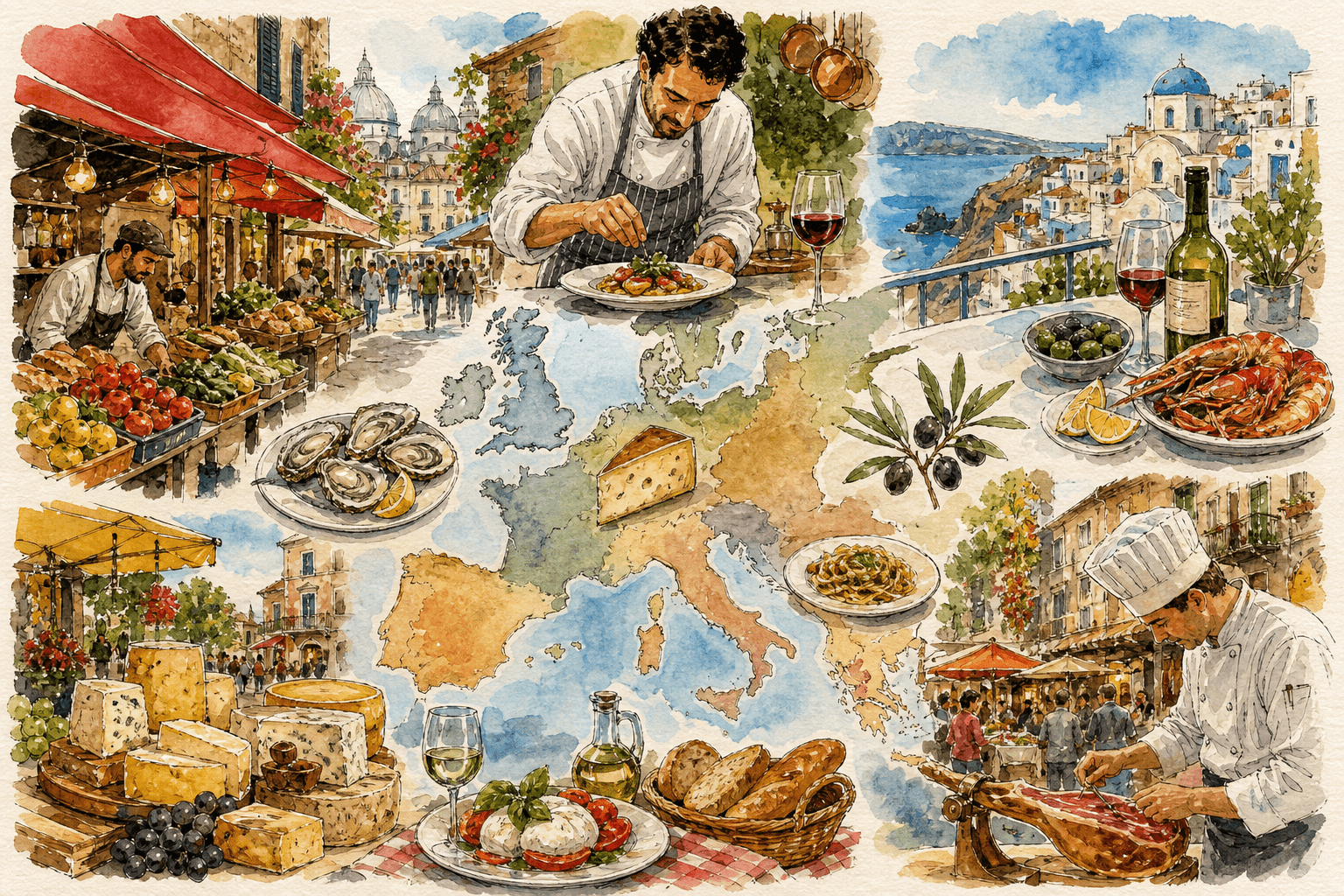 84Meilleures destinations gastronomiques d’EuropeVilles avec la meilleure scène gastronomique d’Europe.
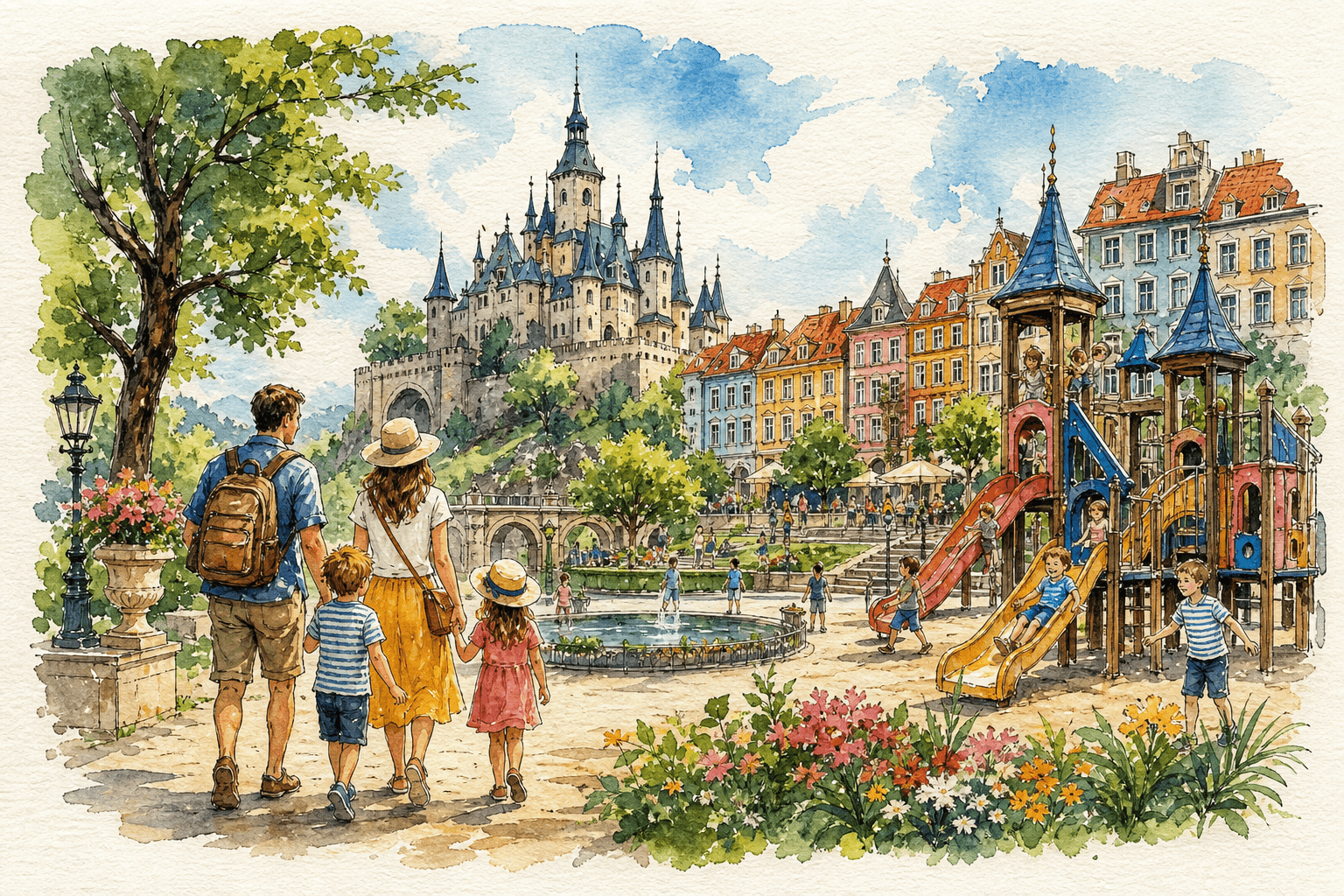 81Meilleures villes d’Europe pour voyager en familleVilles pensées pour les familles : sécurité, rythme et activités enfants.
Tout près d'ici
Escapades faciles et day trips pour prolonger votre itinéraire

Collections et routes
- Meilleures villes à visiter en CroatieLes meilleures villes croates pour voyager.
- 84Villes les plus sûres d’EuropeDestinations où voyager plus sereinement.
- 84Meilleures destinations gastronomiques d’EuropeVilles avec la meilleure scène gastronomique d’Europe.
- 81Meilleures villes d’Europe pour voyager en familleVilles pensées pour les familles : sécurité, rythme et activités enfants.
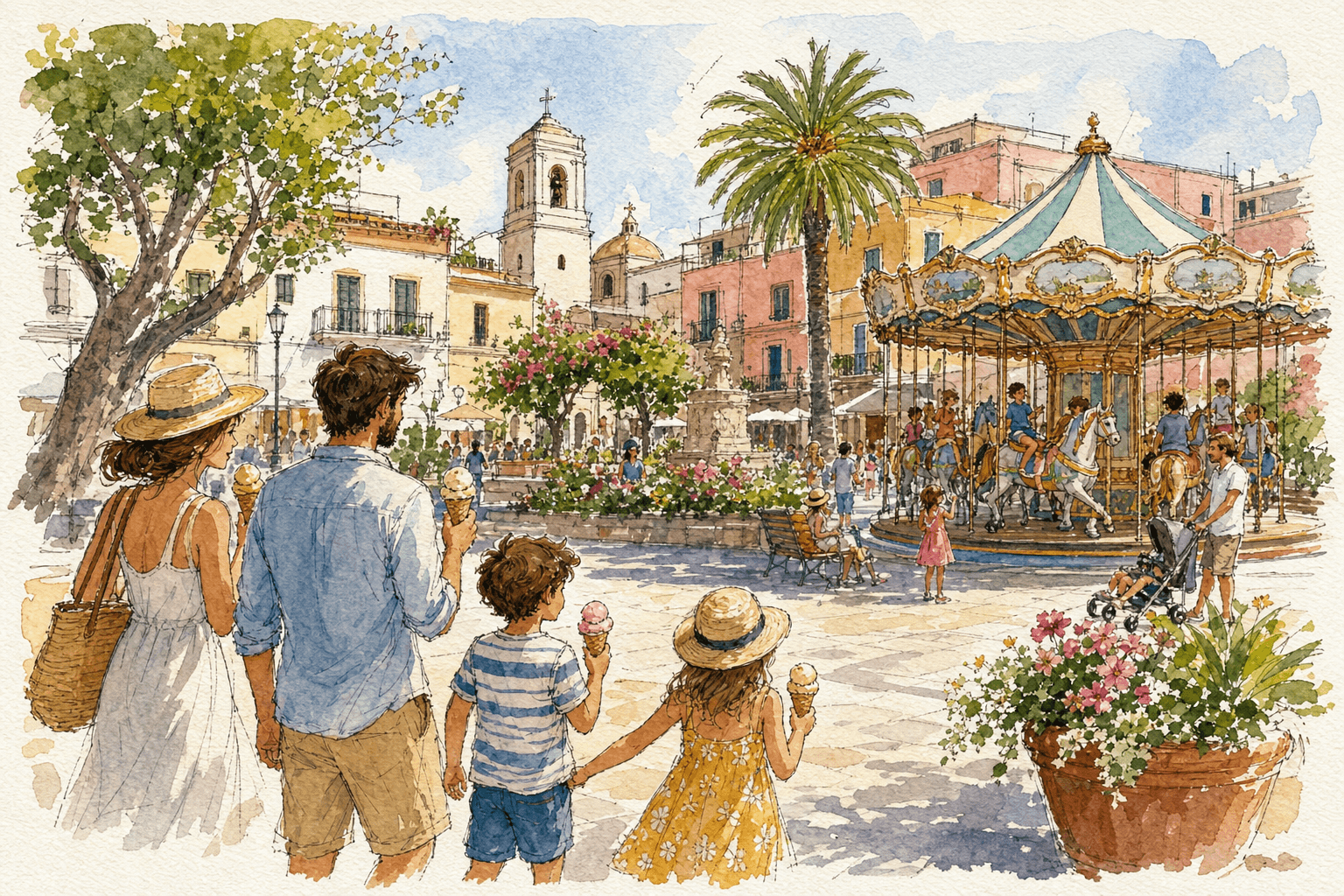 84Voyage en famille
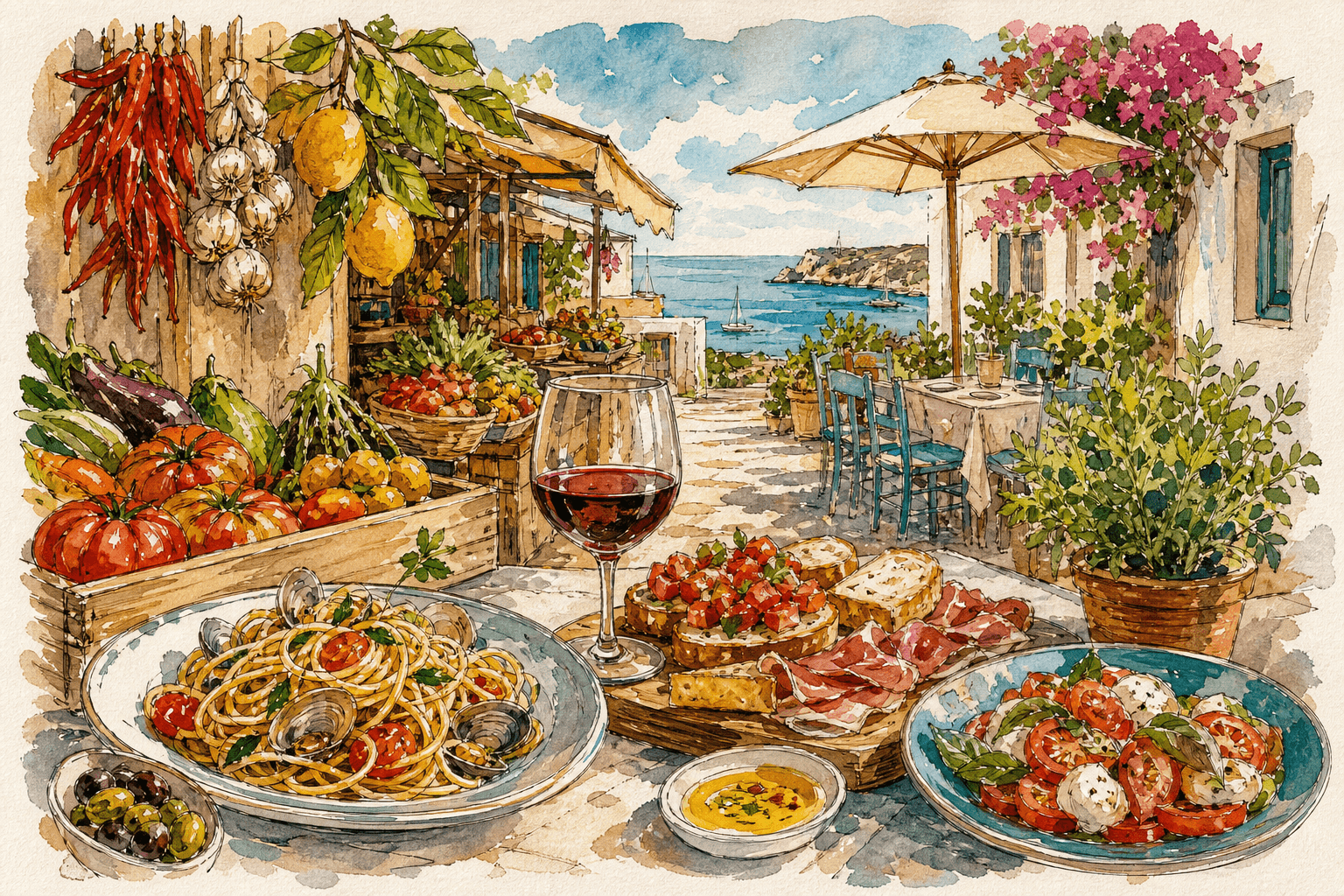 84Voyage gastronomique
TripPlanner
Créez votre itinéraire parfait
Chargement...
Votre profil de voyageur
Découvrez votre style de voyage
Chargement...