

Guide de voyage général : Le cœur de conte de fées de la Bohême
La République tchèque est un pays qui semble sorti des pages d’un livre de contes. Sa capitale, Prague, est l'une des villes les plus magiques et les mieux préservées d'Europe, un labyrinthe de rues pavées, de tours gothiques et de ponts légendaires qui vous transportent dans une autre époque. Mais au-delà de son éblouissante capitale se trouve une terre de forêts profondes, de châteaux imposants perchés sur des collines et de villes où le temps semble s'être arrêté. Préparez-vous à découvrir une nation avec une histoire complexe et fascinante, une gastronomie forte et délicieuse et une culture de la bière qui est, sans aucun doute, la meilleure au monde. C'est un voyage au cœur de la Bohême, un lieu de beauté, d'histoire et de caractère inoubliable.
Capital
Prague
Population
10.526.013
Langue
Tchèque
Sites du patrimoine de l'UNESCO
17
Indices de voyage
Scores basés sur des données réelles de 0 à 100
Le meilleur de République tchèque
Expériences uniques
Traverser le pont Charles à l'aube
Évitez les foules et découvrez la véritable magie de Prague en traversant le pont Charles au lever du soleil. Regarder les premières lueurs du jour illuminer les statues baroques et la silhouette du château de Prague est une expérience éthérée et inoubliable.
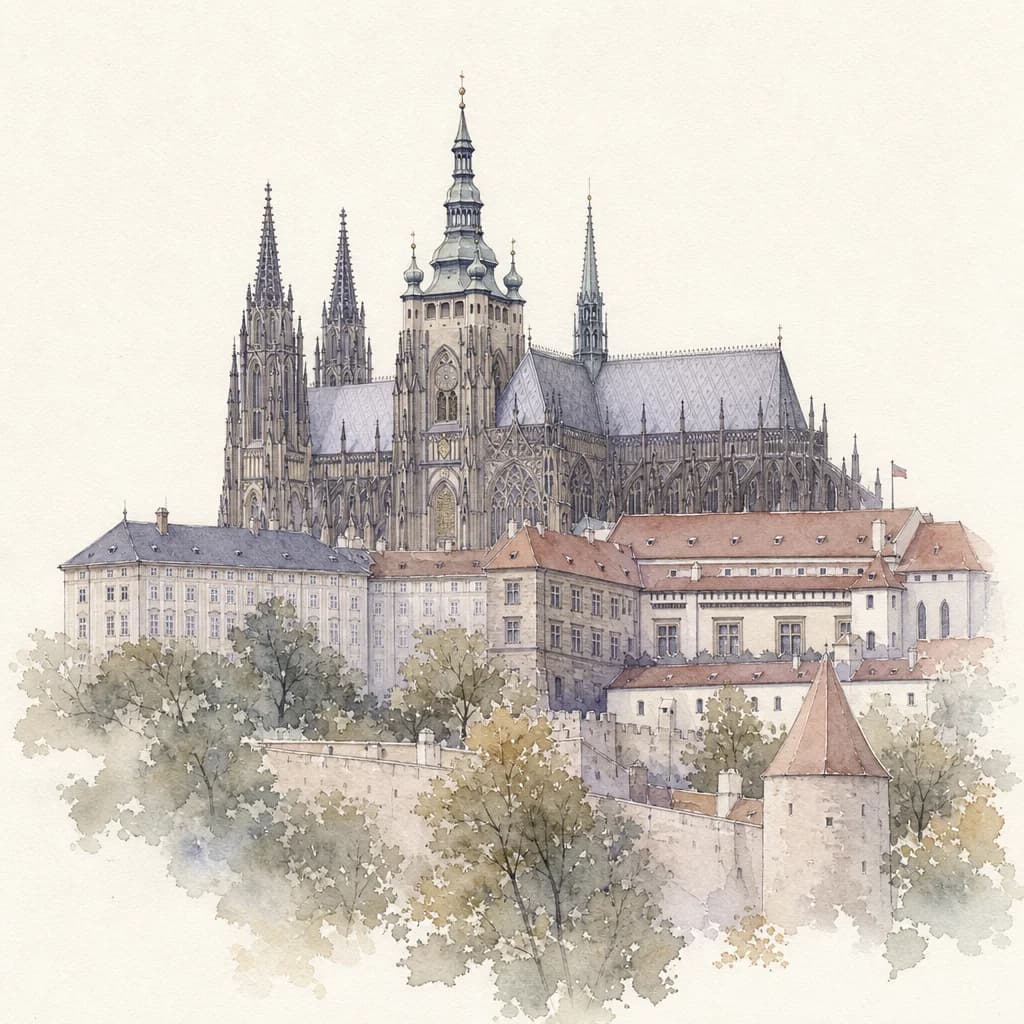
Perdez-vous au château de Prague
Plus qu'un château, c'est une citadelle qui traverse des siècles d'histoire. Explorez la majestueuse cathédrale Saint-Guy, promenez-vous dans la charmante Allée de l'Or, visitez l'Ancien Palais Royal et admirez la vue sur la ville depuis ses murs. Il vous faudra plusieurs heures pour en absorber toute la grandeur.
Boire de la bière dans une « Hospoda » traditionnelle
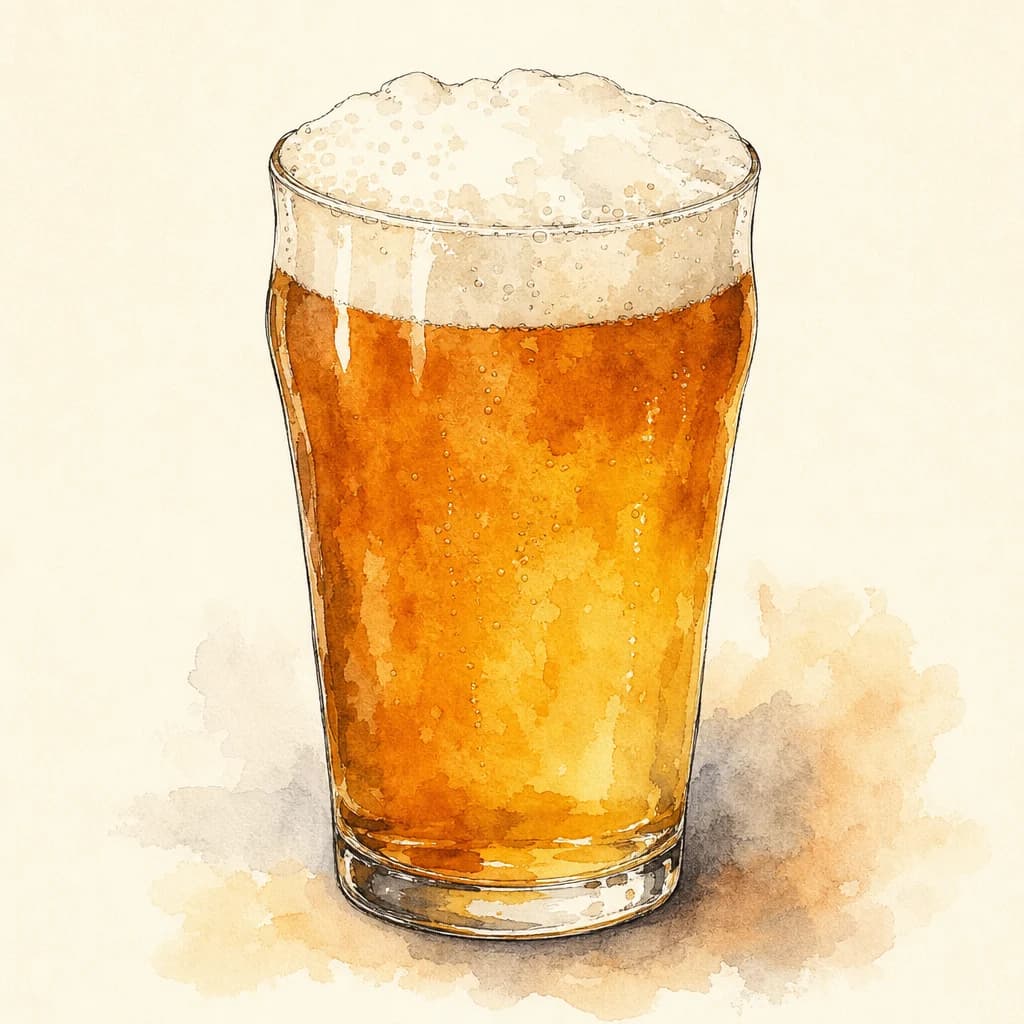
La bière («pivo») est la boisson nationale et une religion. Entrez dans un « hospoda » (pub/taverne), souvent un établissement simple et sans prétention, et commandez un « půllitr » (un demi-litre) de Pilsner Urquell ou une bière locale. C'est la meilleure façon de s'immerger dans la culture tchèque et de socialiser.
Voyagez dans le temps à Český Krumlov
Cette petite ville de Bohême du Sud, classée au patrimoine mondial, est un joyau. Sa vieille ville est entourée d'un méandre de la rivière Vltava et dominée par un impressionnant château. Se promener dans ses rues, c'est comme entrer dans un décor de cinéma médiéval.
Visitez l'église des ossements à Kutná Hora
L'Ossuaire de Sedlec est un lieu unique et macabre. Cette petite chapelle est décorée des ossements de plus de 40 000 personnes, disposés artistiquement pour train des lampes, des armoiries et des guirlandes. C’est une sombre réflexion sur la vie et la mort qui ne laisse personne indifférent.
Boire aux sources chaudes de Karlovy Vary
Flânez dans les élégantes colonnades de cette célèbre ville thermale et goûtez aux sources chaudes de ses différentes sources. Chacun a une température et une teneur en minéraux différentes. Achetez-vous une tasse en porcelaine traditionnelle (« lázeňský pohárek ») à boire pendant que vous explorez la ville.
Saveurs fortes de Bohême
La cuisine tchèque est robuste, savoureuse et conçue pour accompagner son excellente bière. Il s'agit d'une cuisine classique d'Europe centrale, fortement influencée par ses voisins autrichiens et allemands, où la viande, les sauces crémeuses et les « knedlíky » (raviolis) sont les rois de la table.
La Sainte Trinité : viande, raviolis et choucroute
Le plat « Vepřo-knedlo-zelo » (rôti de porc, raviolis et choucroute) résume l'essence de la cuisine tchèque. C'est une combinaison fondamentale que vous retrouverez dans presque tous les menus traditionnels.
La culture de l'Hospoda
La « hospoda » ou pub est l'épicentre de la vie sociale et gastronomique. C'est l'endroit où l'on mange des plats traditionnels copieux à des prix raisonnables, et où la bière coule à flots en permanence. La nourriture accompagne parfaitement la boisson nationale.
Plats Iconiques
Svíčková na smetaně
Considéré par beaucoup comme le plat national. Il s'agit d'un filet de bœuf mariné et grillé, servi tranché avec une délicieuse sauce crémeuse aux légumes racines. Il est accompagné de « knedlíky », une tranche de citron avec des myrtilles et un peu de crème.
Vepřo-knedlo-zelo
Le classique absolu de la cuisine tchèque. Rôti de porc tendre et juteux, servi avec des « knedlíky » (quenelles de pain) pour s'imprégner de la sauce et de la choucroute aigre-douce pour équilibrer le gras.

Gulas
La version tchèque du goulasch. Contrairement au Hongrie, il s'agit d'un ragoût de bœuf épais et savoureux, avec moins de légumes et servi avec du pain ou du « knedlíky » de pommes de terre. Ce n'est pas une soupe.
Smazený sýr
Un plaisir coupable très populaire. Il s'agit d'une épaisse tranche de fromage (généralement de l'Edam) panée et frite. Servi avec frites et sauce tartare. Une option végétarienne très courante.
Česnecka (soupe à l'ail)
Une soupe à l'ail forte et réconfortante, connue pour ses propriétés curatives contre la gueule de bois. Il est servi chaud avec des croûtons de pain frit et parfois avec du fromage et du jambon.
Knedlíky (raviolis)
Ils ne constituent pas un plat en soi, mais plutôt la garniture par excellence. Ce sont des tranches de pâte cuite à la vapeur, à base de pain (« houskové ») ou de pomme de terre (« bramborové »). Sa fonction principale est d'absorber les délicieuses sauces des ragoûts.
Boissons typiques
Pivo (bière)
La République tchèque a la consommation de bière par habitant la plus élevée au monde, et pour cause. C'est le berceau du style Pilsner (de la ville de Plzeň). Boire une Pilsner Urquell fraîche et non pasteurisée est une expérience révélatrice.
Becherovka
Une liqueur aux herbes douce-amère de Karlovy Vary. Il est préparé avec une recette secrète de plus de 20 types d’herbes et d’épices. Il se boit froid en digestif.
Slivovice
Une eau-de-vie de prune puissante, typique de la région morave. C'est une boisson forte qui se boit d'une seule gorgée pour célébrer ou comme remède maison.
Kofola
La réponse tchèque au Coca-Cola, né à l'époque communiste. C'est une boisson gazeuse au goût unique, un mélange d'herbes et de réglisse que l'on aime ou que l'on déteste. Très populaire auprès des locaux.
Desserts traditionnels
Trdelnik
Bien qu’il soit vendu comme une friandise traditionnelle, il s’agit plutôt d’une attraction touristique moderne. C'est une pâte sucrée roulée en cylindre, rôtie et recouverte de sucre et de noix. Il est souvent rempli de glace ou de chocolat.
Ovocné knedlíky (raviolis aux fruits)
Un plat qui peut être à la fois un dessert et un plat principal. Ce sont de grosses boulettes fourrées aux fruits de saison (fraises, abricots, prunes), bouillies et servies avec du beurre fondu, du sucre et parfois du fromage « tvaroh » ou des graines de pavot.
Medovnik
Un délicieux gâteau au miel composé de plusieurs étages. Il se compose de fines feuilles de génoise au miel entrecoupées d'une crème sucrée et recouvertes de noix moulues. Il est très apprécié dans les cafés.
Jablečný závin (Strudel aux pommes)
Avec une nette influence autrichienne, le strudel aux pommes est un dessert très apprécié. Une fine pâte roulée remplie de pommes, raisins secs, cannelle et noix, servie chaude et saupoudrée de sucre glace.
Que voir par thème
La République tchèque est bien plus que Prague. Ses régions de Bohême et de Moravie offrent une incroyable diversité de paysages, de villes historiques et de traditions.
Prague : la ville dorée
Explorez la capitale en profondeur. Outre le château et le pont Charles, perdez-vous dans le quartier de Malá Strana, découvrez l'histoire du quartier juif, admirez l'architecture Art nouveau de la Maison municipale et ressentez l'histoire du XXe siècle sur la place Venceslas.
Route des Châteaux de Bohême
Suivez un sentier de forteresses et de palais. Le château gothique de Karlštejn a été construit pour abriter les joyaux de la couronne. Le palais néo-gothique de Hluboká ressemble à un conte de Disney. Et le château de Konopiště était la résidence de François Ferdinand d'Autriche.
Villes UNESCO
Au-delà de Prague et de Český Krumlov, découvrez d'autres joyaux. Telč possède l'une des plus belles places Renaissance d'Europe. Kutná Hora était la ville d’argent qui rivalisait avec Prague. Et la ville morave d’Olomouc est une alternative charmante et moins touristique à Prague.
Triangle thermal de Bohême occidentale
Plongez dans l’élégance de l’âge d’or des spas. Karlovy Vary est la plus grande et la plus célèbre, mais Mariánské Lázně et Františkovy Lázně complètent ce triangle de santé et d'architecture opulente, entourés de forêts luxuriantes.
La route de la bière
Pour les amateurs de bière, c'est un pèlerinage incontournable. Visitez la brasserie Pilsner Urquell à Plzeň (Pilsen) pour déguster la bière non filtrée directement du fût. À České Budějovice (Budweis), vous pouvez visiter l'usine du Budweiser Budvar original.
Nature et paysages surprenants
Découvrez le côté naturel du pays. Le parc national de la Suisse bohémienne, à la frontière avec l'Allemagne, offre des formations de grès spectaculaires, comme l'arche de Pravčice. La région du Karst morave présente un impressionnant système de grottes et le gouffre de Macocha.
Conseils de voyage
Devise
La République tchèque appartient à l'UE mais n'utilise pas l'euro. La monnaie officielle est la couronne tchèque (CZK). Il est conseillé d'éviter les bureaux de change dans les zones très touristiques (aéroport, place de la Vieille Ville) et de rechercher 'Kantor' avec une commission de 0% et des taux de change clairs. Le paiement par carte est très répandu.
Transports publics à Prague
Le système de transport de Prague (métro, tramway et bus) est excellent, efficace et fonctionne 24 heures sur 24. Les billets s'achètent par durée (30 min, 90 min, etc.) et doivent être validés aux machines à l'entrée. Les pass 24 ou 72 heures sont très pratiques.
Langue
La langue officielle est le tchèque. À Prague et dans d’autres zones touristiques, de nombreuses personnes, notamment les jeunes, parlent anglais. En dehors de ces noyaux, cela peut être plus difficile. Apprendre quelques mots de base comme « Dobrý den » (Bonjour/Bonjour) et « Děkuji » (Merci) sera grandement apprécié.
Conseils
Dans les restaurants, il est d'usage de laisser un pourboire d'environ 10 % si vous êtes satisfait du service. L’argent n’est pas laissé sur la table ; Lors du paiement, indiquez au serveur le montant total que vous souhaitez payer (pourboire compris) ou demandez-lui d'arrondir la note.
Ce guide n'est que le point de départ pour explorer la fascinante République tchèque. Son véritable charme se révèle lorsque l'on regarde au-delà de Prague et que l'on découvre les trésors de la Bohême et de la Moravie. Nous vous encourageons à explorer ses châteaux, à déguster ses bières et à profiter de l'hospitalité de ses habitants. Šťastnou cestu! (Bon voyage !)
Chargement peut-être...
Avant de partir
Réponses rapides pour planifier votre voyage en toute confiance
Pourquoi cette destination
- République Tchèque convient très bien aux familles (indice 77/100).
- Destination sûre : indice 86/100.
- 77Familles
- 73Gastronomie
- 86Sécurité
- 55Abordable
Styles de voyage
Classements liés
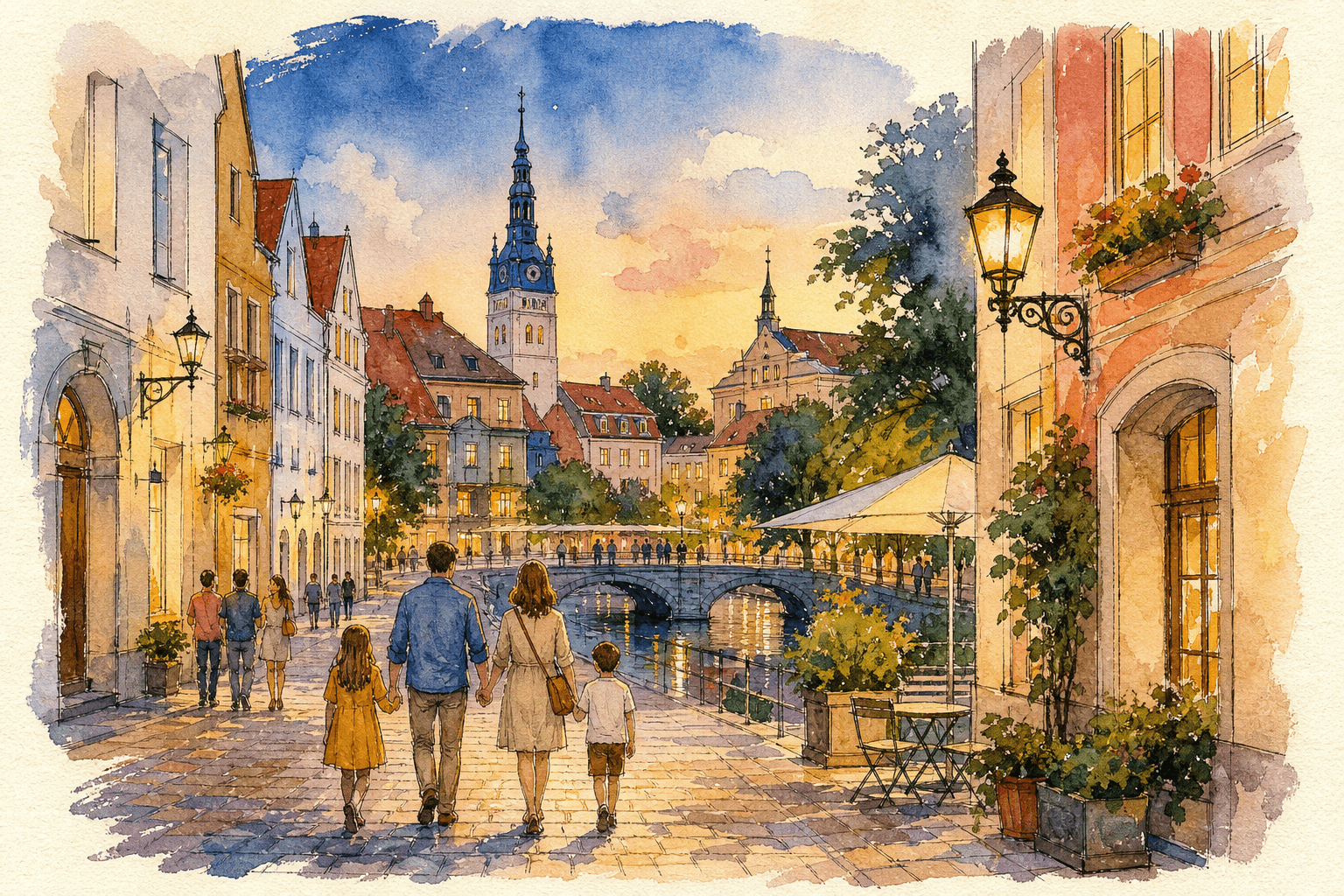 86Villes les plus sûres d’EuropeDestinations où voyager plus sereinement.
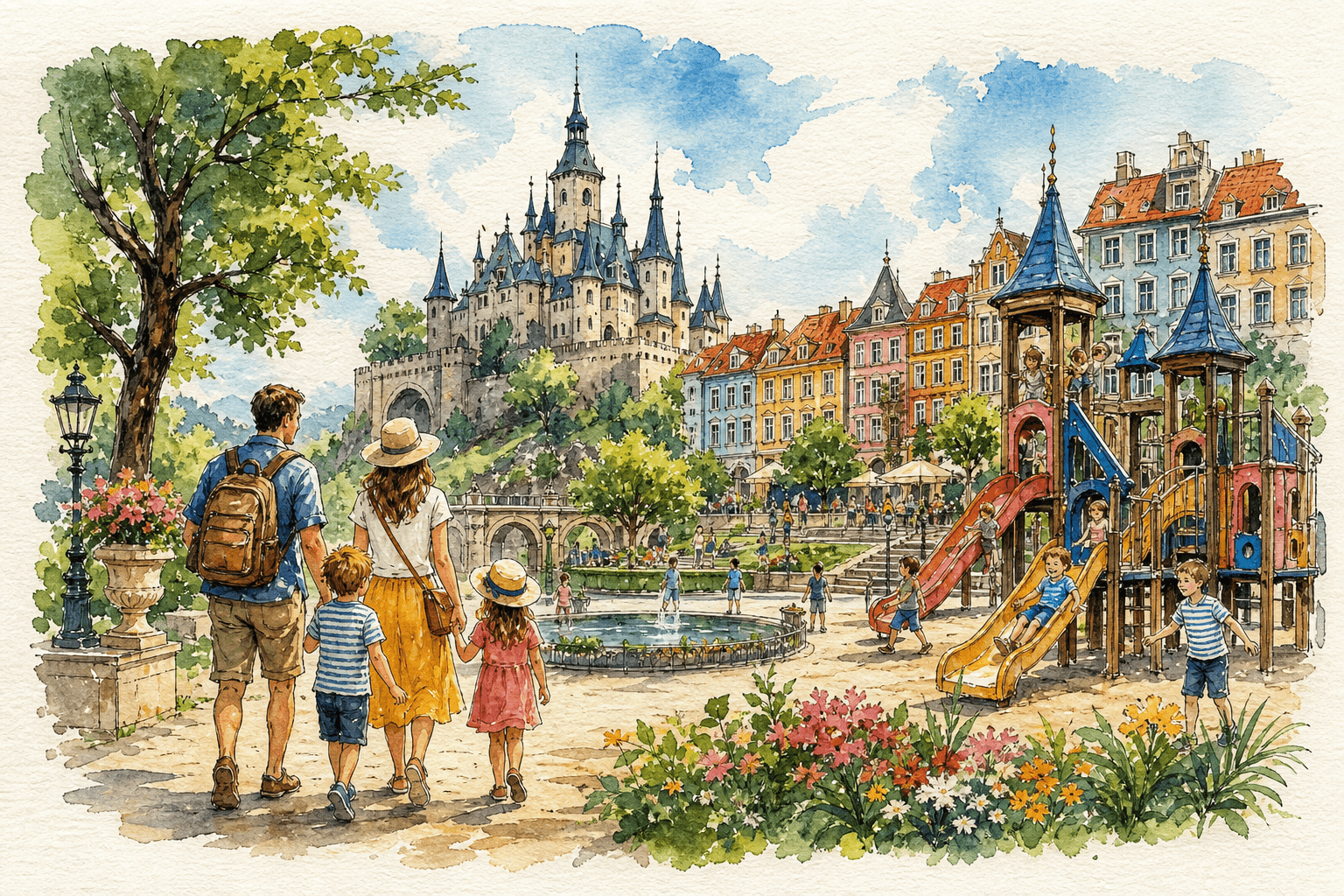 77Meilleures villes d’Europe pour voyager en familleVilles pensées pour les familles : sécurité, rythme et activités enfants.
 73Meilleures destinations gastronomiques d’EuropeVilles avec la meilleure scène gastronomique d’Europe.
Collections et routes
- 86Villes les plus sûres d’EuropeDestinations où voyager plus sereinement.
- 77Meilleures villes d’Europe pour voyager en familleVilles pensées pour les familles : sécurité, rythme et activités enfants.
- 73Meilleures destinations gastronomiques d’EuropeVilles avec la meilleure scène gastronomique d’Europe.
 86Voyage en famille
 73Voyage gastronomique
TripPlanner
Créez votre itinéraire parfait
Chargement...
Votre profil de voyageur
Découvrez votre style de voyage
Chargement...