

Guide de voyage général : le joyau médiéval et numérique de la Baltique
L'Estonie est un pays aux dualités fascinantes. Sa capitale, Tallinn, vous transporte dans un conte de fées avec ses murailles médiévales, ses tours pointues et ses rues pavées, tandis qu'en quelques clics, vous êtes immergé dans l'une des sociétés les plus avancées et connectées de la planète. C'est une terre où la technologie et la tradition ne se heurtent pas, mais coexistent. Au-delà des villes, l'Estonie se révèle comme un paradis naturel de forêts profondes, de marécages silencieux et d'îles tranquilles. Préparez-vous pour un voyage qui stimule à la fois l'intellect et l'esprit, où vous pourrez vous promener dans un marais le matin, explorer un château médiéval l'après-midi et profiter d'une scène culinaire animée le soir.
Capital
Tallinn
Population
1.365.884
Langue
Estonien
Sites du patrimoine de l'UNESCO
2
Indices de voyage
Scores basés sur des données réelles de 0 à 100
Le meilleur de Estonie
Expériences uniques
Traverser un marais
L'une des expériences les plus uniques de l'Estonie consiste à se promener dans ses marais mystiques, en particulier au lever ou au coucher du soleil. Les parcs nationaux tels que Lahemaa ou Soomaa disposent de passerelles en bois qui vous permettent d'entrer dans ce paysage d'un autre monde, plein de lacs sombres, de pins tordus et d'un silence étrange. Pour une immersion totale, vous pourrez vous essayer aux balades en raquettes dans les marais.
Découvrez un sauna à fumée traditionnel
Le sauna est un élément essentiel de la culture estonienne. L'expérience la plus authentique est le sauna à fumée («suitsusaun»), une tradition de la région de Võromaa, classée au patrimoine mondial. C'est un rituel qui dure plusieurs heures, mêlant la chaleur, l'arôme du bois brûlé, l'utilisation de branches de bouleau (« viht ») pour stimuler la peau et, pour les plus courageux, un dernier plongeon dans un lac gelé.
Perdez-vous dans la vieille ville de Tallinn
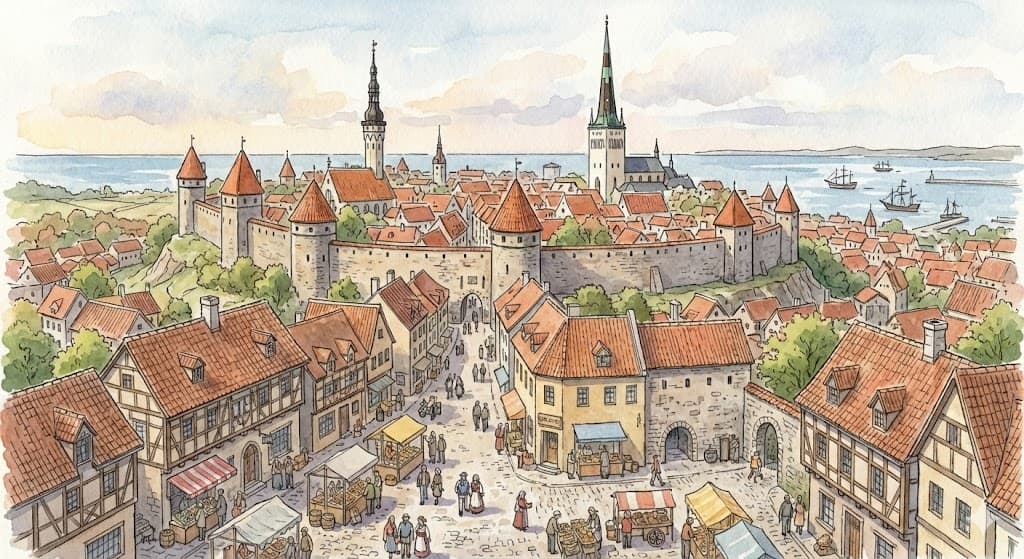
Classée au patrimoine mondial de l'UNESCO, la vieille ville de Tallinn est l'une des mieux préservées d'Europe. Escalader la colline de Toompea pour admirer des vues panoramiques, découvrir des cours cachées, admirer la place de l'hôtel de ville et se promener le long de ses imposants murs, c'est comme remonter le temps jusqu'à l'époque de la Ligue hanséatique.
Voyagez dans le temps jusqu'à l'ère soviétique
L'Estonie offre plusieurs fenêtres sur son passé soviétique. À Tallinn, l'hôtel Viru abrite au 23e étage un musée du KGB, d'où l'agence espionnait les clients. L'ancienne prison de Patarei, située en bord de mer, est un lieu sombre et puissant. Dans la ville frontalière de Narva, l'architecture soviétique contraste avec une imposante forteresse face à la Russie.
Sauter d'île en île
Explorer les plus grandes îles d'Estonie, Saaremaa et Hiiumaa, c'est découvrir un rythme de vie plus lent et plus traditionnel. Ici vous pouvez trouver des moulins à vent, des phares historiques, des maisons au toit de chaume, le cratère de météorite Kaali et l'imposant château épiscopal de Kuressaare.
Ressentez la force de la révolution chantée
Visiter l'Auditorium du Festival de la chanson de Tallinn (« Lauluväljak ») est essentiel pour comprendre l'esprit estonien. C'est ici que des centaines de milliers de personnes se sont rassemblées pour chanter des chants patriotiques, dans un acte de résistance pacifique qui a été essentiel pour retrouver l'indépendance de l'Union soviétique.
Saveurs de la forêt et de la mer Baltique
La cuisine estonienne est profondément liée à la nature et aux saisons. Traditionnellement simple et copieux, il est à base d'ingrédients locaux comme le porc, les pommes de terre, les poissons de la Baltique (hareng, sprat), les produits forestiers (champignons, baies) et surtout le pain de seigle. Aujourd’hui, une nouvelle génération de chefs réinterprète ces traditions avec une touche de modernité.
Pain de seigle noir (« Leib »)
Le « leib » est l'âme de la table estonienne. C'est un pain dense, foncé, légèrement sucré et acide. C'est si important que le mot estonien pour « au revoir » (« jätku leiba ») signifie littéralement « que ton pain dure ».
Le garde-manger de la forêt et du jardin
En raison des longs hivers, le décapage et la conservation sont indispensables. La choucroute (« hapukapsas »), les cornichons et les confitures de baies sauvages sont omniprésents. La cueillette des champignons et des baies en été et en automne est un passe-temps national.
Plats Iconiques
verivorst
Le boudin est le plat star de Noël. Il est traditionnellement servi avec des pommes de terre au four, de la choucroute (« hapukapsas ») et de la confiture d'airelles.
Kiluvõileib
Le sandwich ouvert le plus emblématique d'Estonie. Il se compose d'une tranche de pain de seigle noir tartiné de beurre, garnie d'un filet de sprat en saumure (« kilu »), d'œuf dur tranché et d'oignon vert.
Mulgipuder
Un plat rustique et réconfortant du sud de l'Estonie. Il s'agit d'une bouillie d'orge perlé et de purée de pommes de terre, traditionnellement servie garnie de bacon frit et d'oignons.
Sult
Viande en gelée, semblable à l'aspic. Il est préparé en faisant mijoter du porc (souvent des pieds et de la tête) jusqu'à ce que la gélatine naturelle soit libérée. Il se déguste froid, avec des pommes de terre et de la moutarde forte.
Hapukapsasupp
Une soupe de choucroute aigre, souvent cuisinée avec du porc et de l'orge perlé. C'est un plat d'hiver très populaire et savoureux.
Kama
Un produit estonien unique. C'est une farine fine moulue à partir d'un mélange de céréales torréfiées (seigle, blé, orge et pois). Il est traditionnellement mélangé avec du lait aigre ou du kéfir pour faire une sorte de dessert ou de smoothie.
Boissons typiques
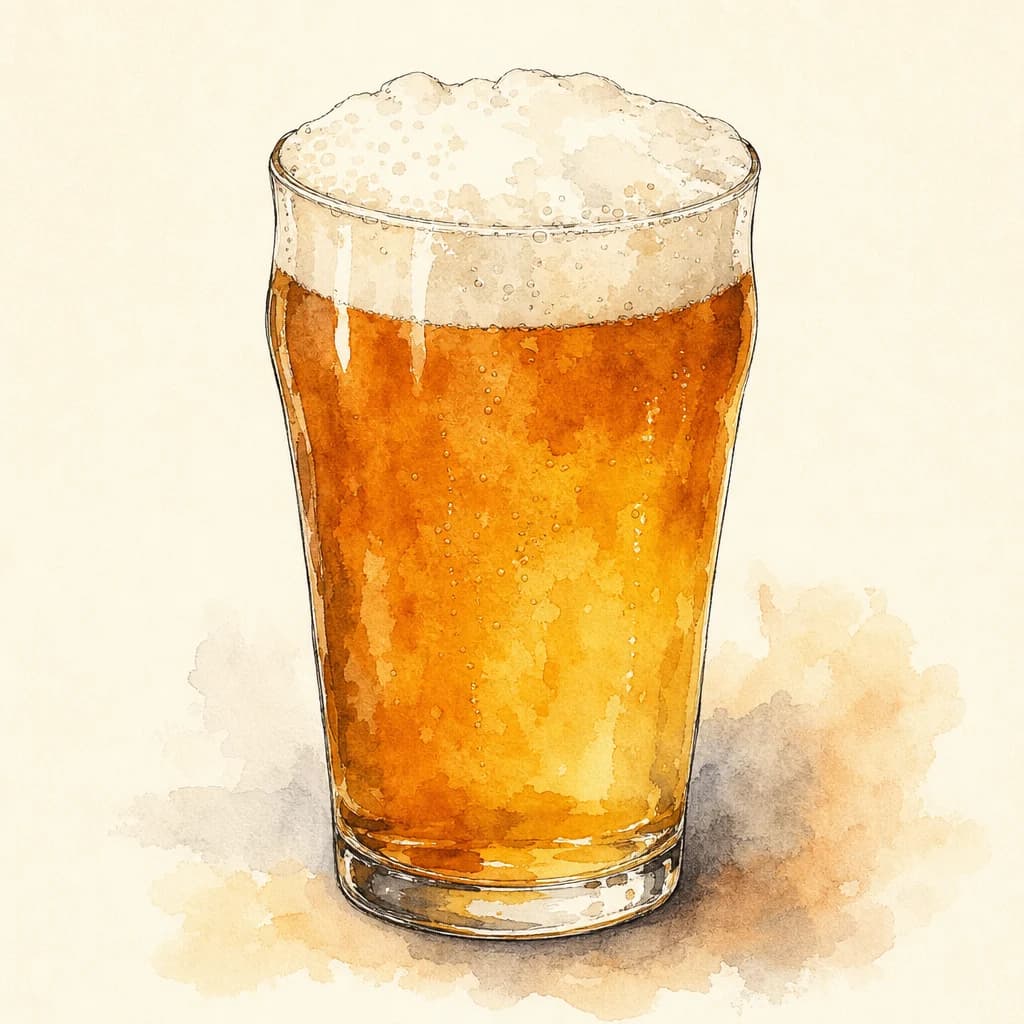
Õlu (Bière)
L'Estonie a une forte culture de la bière. Outre les grandes marques comme Saku et A. Le Coq, il existe une scène de brasserie artisanale florissante (« pruulikoda ») produisant des bières innovantes.
Vana Tallinn
La liqueur la plus connue du pays. C'est une liqueur douce et forte à base de rhum jamaïcain, parfumée à la vanille, à la cannelle et aux agrumes. Il peut être pris seul, avec de la glace ou dans du café.
Kali
La version estonienne de « kvass ». C'est une boisson fermentée peu alcoolisée à base de pain de seigle. C'est une boisson rafraîchissante très appréciée en été.
Siider (cidre)
Le cidre artisanal a gagné en popularité ces dernières années, les producteurs utilisant des pommes et des poires locales pour créer des cidres complexes et délicieux.
Desserts traditionnels
Kringel
Un pain tressé sucré, souvent garni d'une riche garniture de cannelle, de cardamome ou de fruits secs. C'est le gâteau par excellence pour les anniversaires et les fêtes.
Kohuke
Une collation sucrée très appréciée, notamment auprès des enfants. Il s'agit d'une barre de fromage cottage pressé, souvent fourrée à la confiture et recouverte de chocolat ou de glaçage.
Mannavaht
Une mousse légère et moelleuse à base de semoule et de jus de fruits, généralement des baies sauvages. Il est servi froid, souvent avec un peu de lait.
Vastlakukkel
Un bonbon spécifiquement consommé le mardi gras (« Vastlapäev »). Il s'agit d'un petit pain sucré à la cardamome dont le dessus est coupé et généreusement fourré de chantilly et parfois de confiture.
Que voir par thème
La richesse de l'Estonie réside dans sa surprenante diversité, allant de la technologie futuriste à la nature intacte. Ensuite, nous vous proposons de découvrir le pays à travers différents thèmes.
Villes médiévales et vie universitaire
Tallinn est le joyau médiéval par excellence. Tartu, la deuxième ville du pays, est la capitale intellectuelle, avec une université prestigieuse, une scène étudiante animée et un charmant centre néoclassique.
Virgin Nature : marécages et forêts
Plus de la moitié du territoire estonien est constitué de forêts. Les parcs nationaux de Lahemaa et Soomaa sont des incontournables pour découvrir les paysages de marécages et de tourbières. Le parc national de Matsalu est l'un des meilleurs endroits d'Europe pour l'observation des oiseaux.
Les îles baltes
La vie sur les îles estoniennes a son propre rythme. Saaremaa, la plus grande, abrite le château de Kuressaare et le cratère Kaali. Hiiumaa est plus sauvage et connue pour ses phares. Le petit Kihnu est un matriarcat vivant avec une culture traditionnelle reconnue par l'UNESCO.
Châteaux, forteresses et demeures seigneuriales
L'histoire mouvementée de l'Estonie a laissé un héritage de fortifications. Le château de Rakvere propose une expérience sur le thème médiéval. La forteresse d'Hermann à Narva se dresse avec défiance face à la forteresse russe d'Ivangorod. Le pays est également parsemé d'élégantes demeures seigneuriales de la noblesse allemande balte, comme Palmse ou Sagadi.
Cultures minoritaires et régions uniques
Dans la région de Setomaa, au sud-est, vit le peuple Seto, avec sa propre culture et dialecte et une tradition de chant polyphonique (« leelo »). Sur la côte du lac Peipus se trouvent des villages de vieux croyants russes qui préservent leurs traditions et leur mode de vie.
Conseils de voyage
Numérique par défaut
L'Estonie est une société hautement numérique. Le Wi-Fi public est omniprésent et de haute qualité. De nombreuses transactions s'effectuent sans espèces. Il est utile d'avoir des applications de transport et de paiement sur votre mobile.
Transport interne
Le réseau de bus est moderne, confortable et constitue le meilleur moyen de voyager entre les villes. Les trains sont également une bonne option pour certains itinéraires. Pour rejoindre les îles, il existe des services réguliers de ferry.
Langue
La langue officielle est l'estonien, une langue finno-ougrienne. L'anglais est largement parlé, notamment par les jeunes et dans le secteur du tourisme. De nombreuses personnes parlent également le russe et le finnois.
Conseils
Le pourboire n'est pas obligatoire et le service est inclus dans la facture. Cependant, si le service a été excellent, c'est un geste apprécié d'arrondir l'addition ou de laisser 5 à 10 % au restaurant.
Ce guide n'est que le début de votre voyage vers l'une des nations les plus surprenantes d'Europe. L'Estonie est un pays qui vous invite à regarder à la fois vers le passé et vers l'avenir, à profiter du silence de la nature et du dynamisme de sa société innovante. Nous vous encourageons à explorer ses coins, à parler à ses habitants et à découvrir son charme unique. Tête reisi ! (Bon voyage !)
Chargement peut-être...
Explore Regions of Estonie
Discover the most beautiful regions and plan your perfect trip
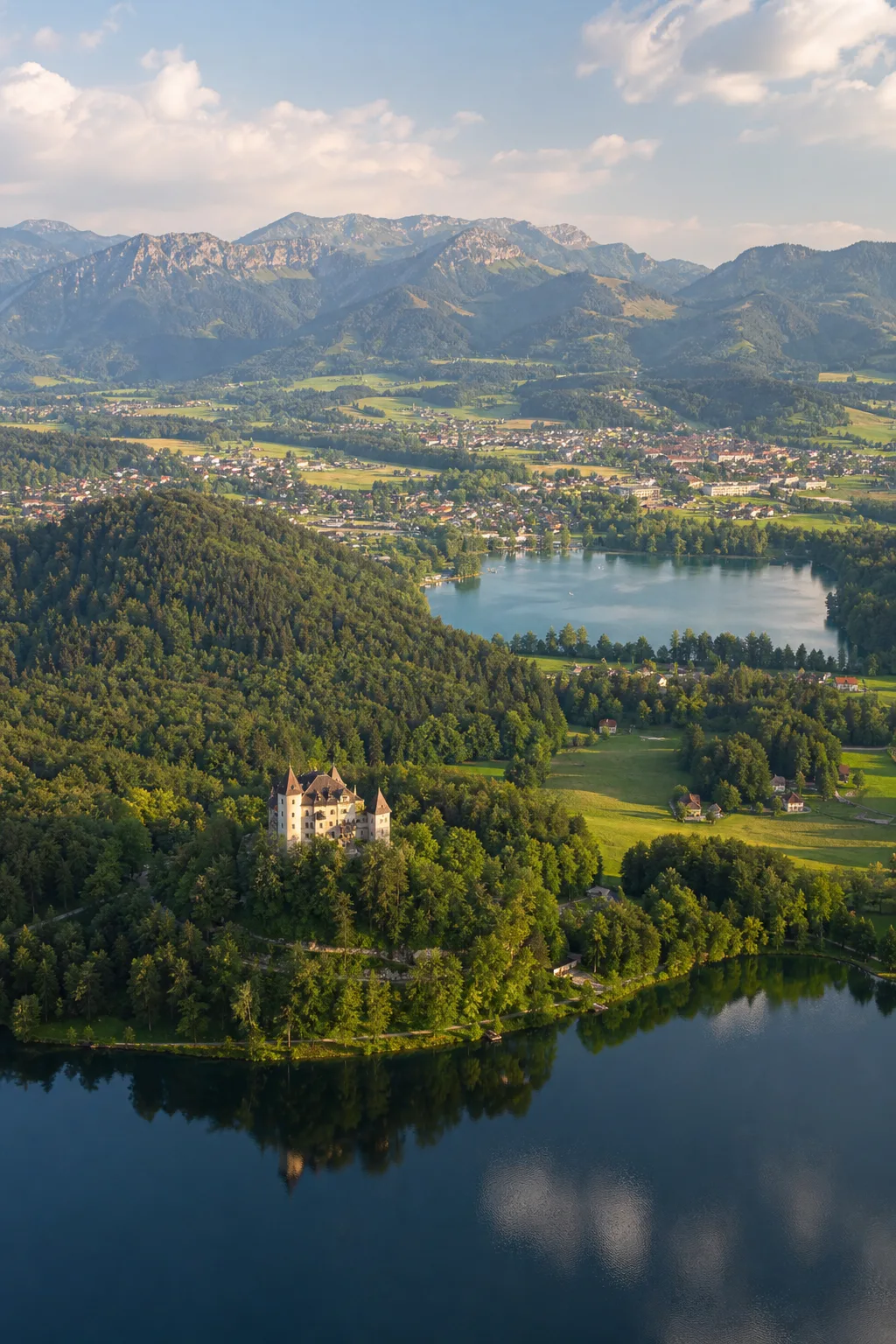
Harju County
Harju County offers distinctive landscapes, culture and experiences in Estonie.
Hiiu County
Hiiu County offers distinctive landscapes, culture and experiences in Estonie.
Ida-Viru County
Ida-Viru County offers distinctive landscapes, culture and experiences in Estonie.
Järva County
Järva County offers distinctive landscapes, culture and experiences in Estonie.
Avant de partir
Réponses rapides pour planifier votre voyage en toute confiance
Pourquoi cette destination
- Estonie convient très bien aux familles (indice 80/100).
- Destination sûre : indice 86/100.
- 80Familles
- 70Gastronomie
- 86Sécurité
- 66Abordable
Styles de voyage
Classements liés
 86Villes les plus sûres d’EuropeDestinations où voyager plus sereinement.
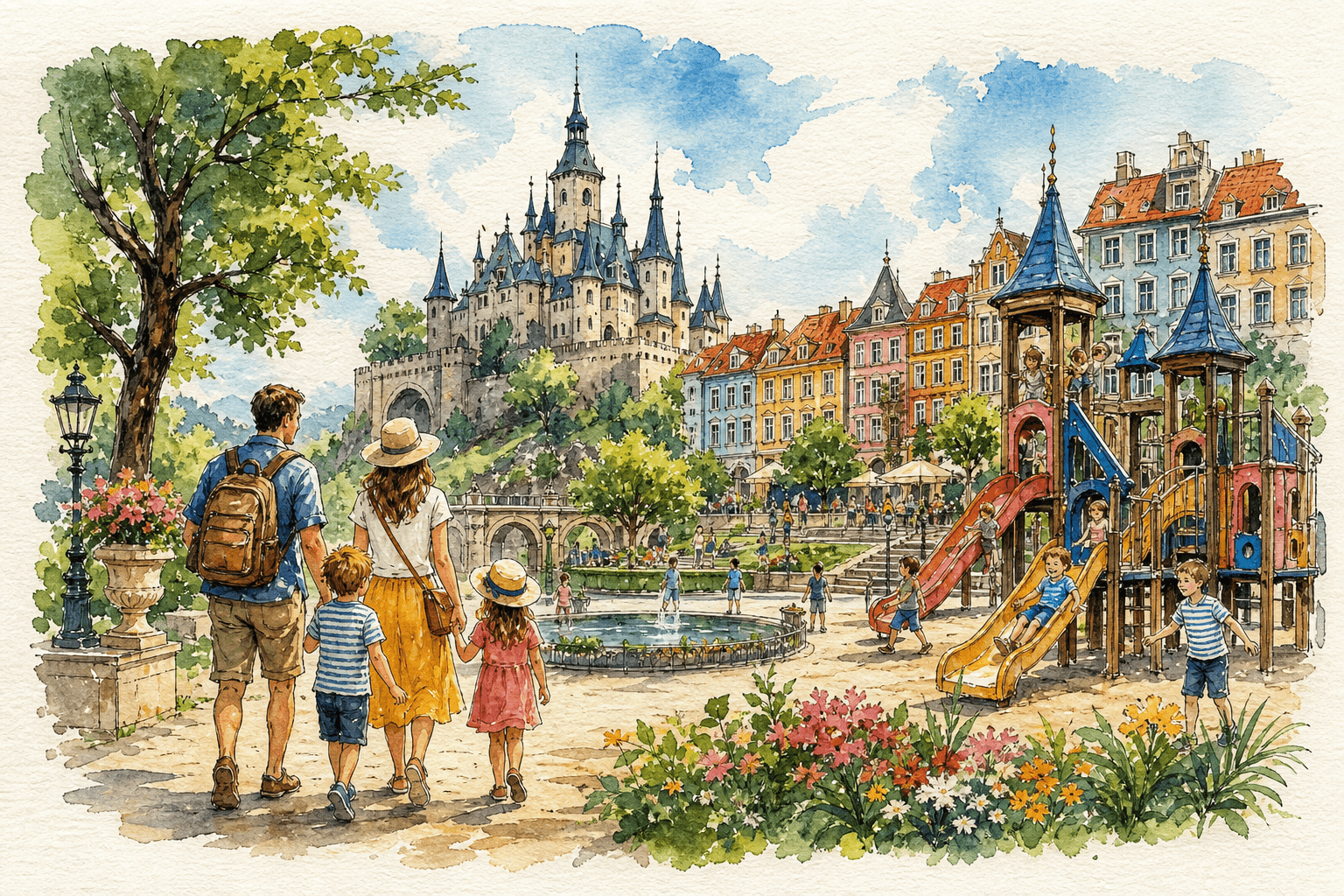 80Meilleures villes d’Europe pour voyager en familleVilles pensées pour les familles : sécurité, rythme et activités enfants.
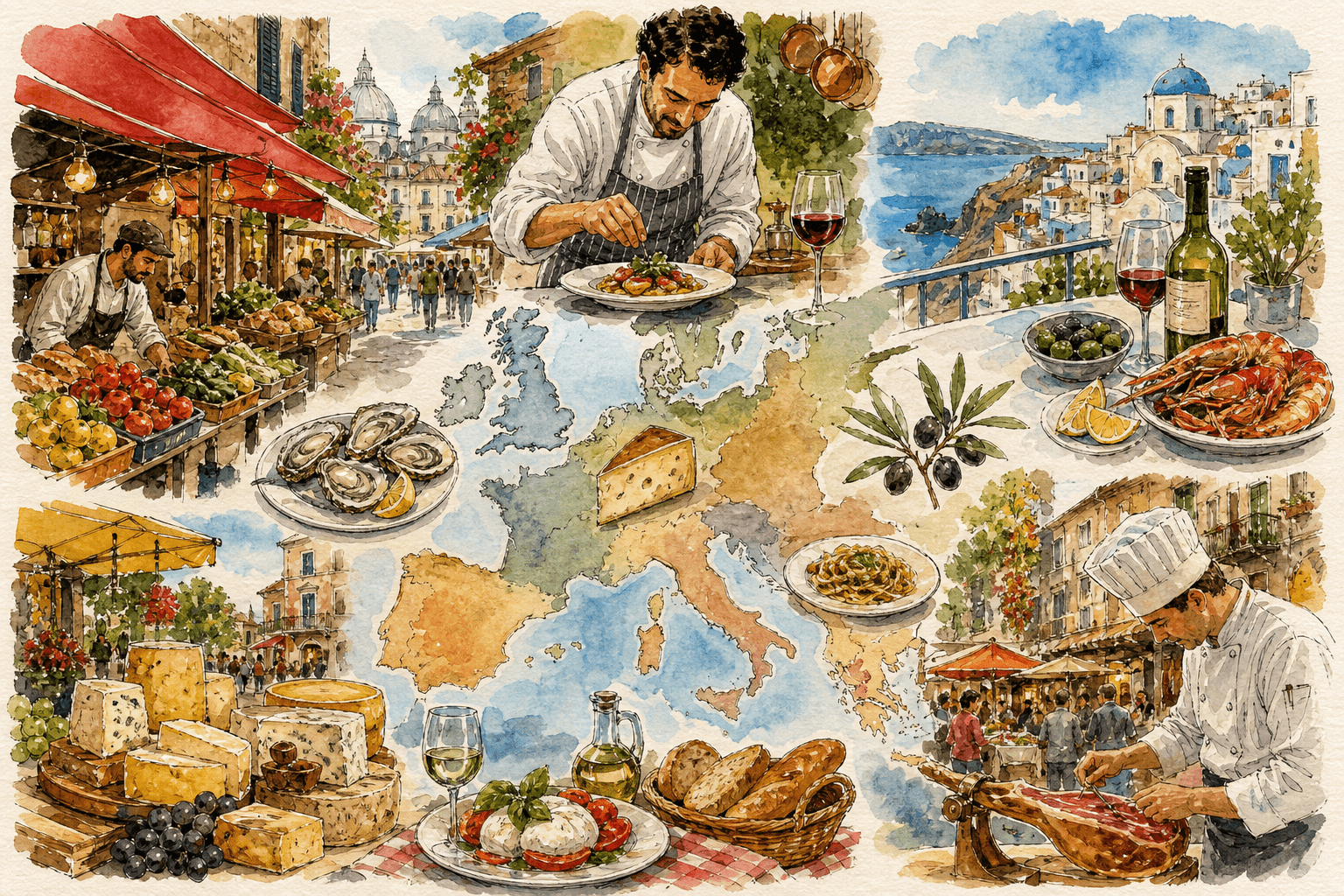 70Meilleures destinations gastronomiques d’EuropeVilles avec la meilleure scène gastronomique d’Europe.
Tout près d'ici
Escapades faciles et day trips pour prolonger votre itinéraire
Collections et routes
- 86Villes les plus sûres d’EuropeDestinations où voyager plus sereinement.
- 80Meilleures villes d’Europe pour voyager en familleVilles pensées pour les familles : sécurité, rythme et activités enfants.
- 70Meilleures destinations gastronomiques d’EuropeVilles avec la meilleure scène gastronomique d’Europe.
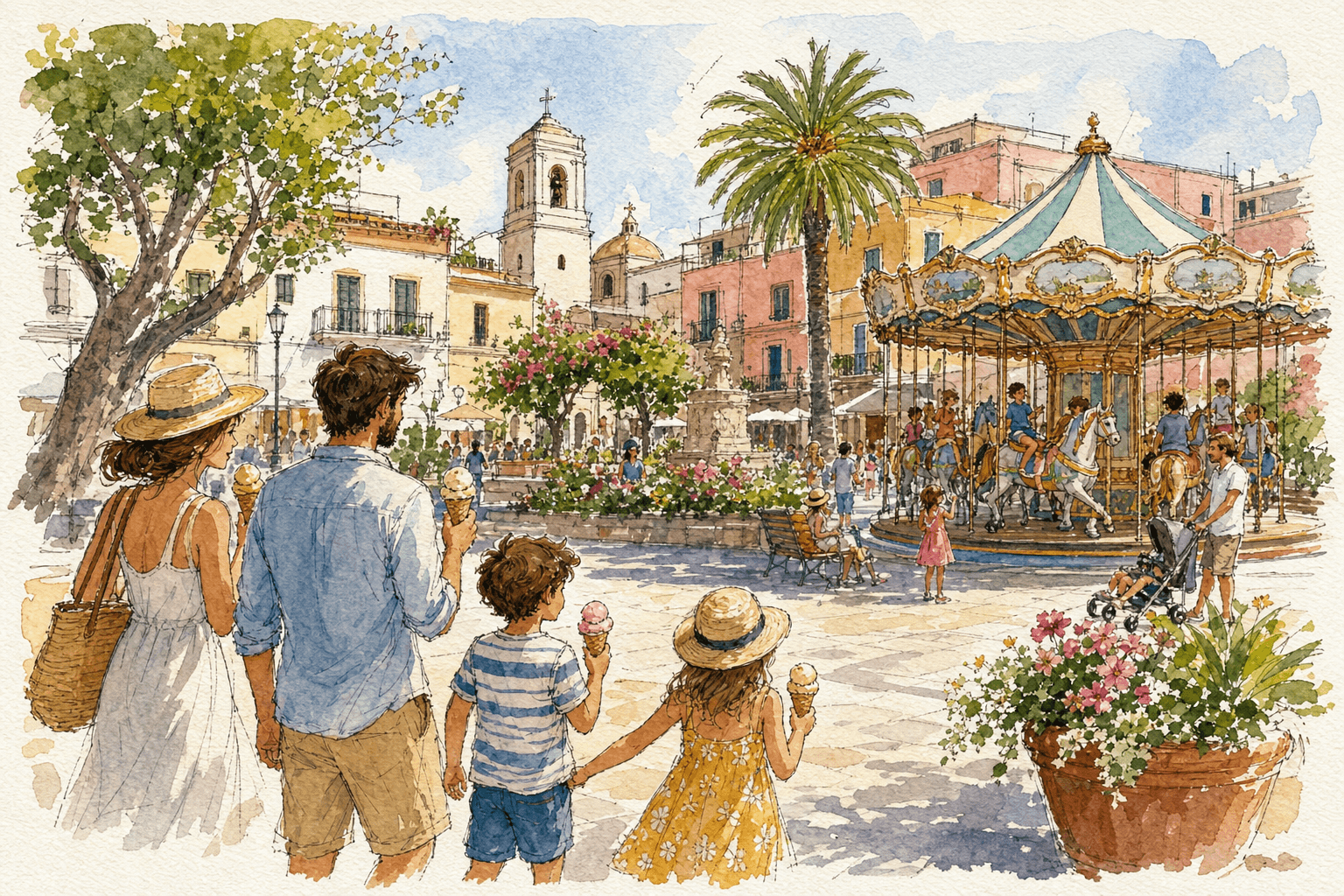 86Voyage en famille
 70Voyage gastronomique
TripPlanner
Créez votre itinéraire parfait
Chargement...
Votre profil de voyageur
Découvrez votre style de voyage
Chargement...