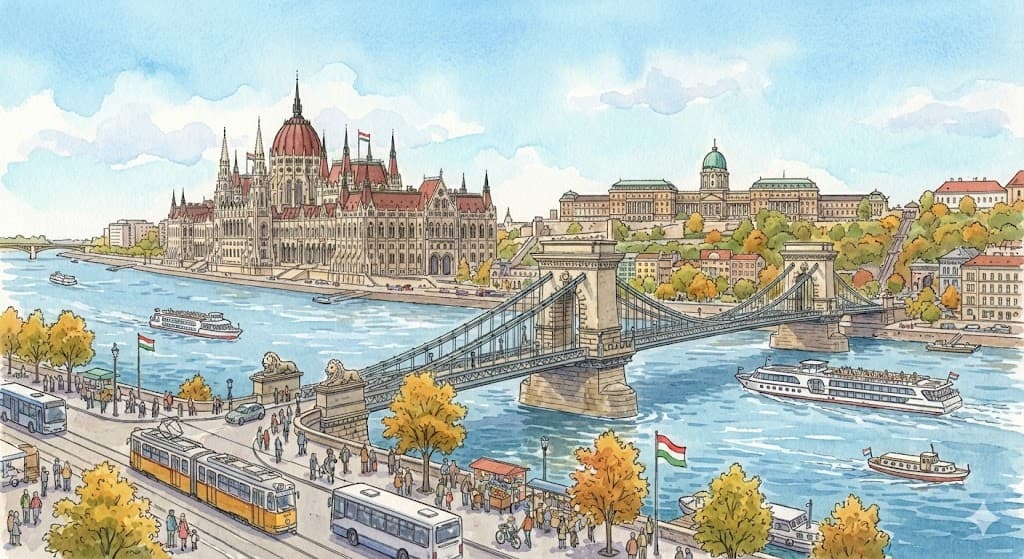
Guide de voyage général : Le cœur du Danube
La Hongrie est une terre de majesté et d'âme, un pays qui surprend les visiteurs par sa riche histoire et son présent vibrant. Sa capitale, Budapest, est l'une des plus belles villes d'Europe, une « Perle du Danube » où l'opulence de l'empire austro-Hongrie se confond avec l'énergie bohème de ses célèbres « bars en ruine ». Au-delà de la capitale, la Hongrie s'étend sur de vastes plaines, des collines couvertes de vignobles et de charmantes villes. Préparez-vous à vous immerger dans des sources chaudes curatives, à déguster une cuisine intense et réconfortante marquée par le paprika et à découvrir la chaleur d'une ville au caractère unique et à l'histoire fascinante. C'est un voyage au cœur de l'Europe centrale.
Capital
Budapest
Population
9.597.085
Langue
Hongrois
Sites du patrimoine de l'UNESCO
8
Indices de voyage
Scores basés sur des données réelles de 0 à 100
Le meilleur de Hongrie
Expériences uniques
Plongez dans un spa thermal de Budapest
Visiter un spa est une expérience par excellence à Budapest. Que ce soit dans les piscines extérieures du néo-baroque Széchenyi, même en hiver, ou dans l'élégance Art nouveau du Spa Gellért, se détendre dans ces eaux riches en minéraux est une tradition sociale et thérapeutique vieille de plusieurs siècles.
Naviguer sur le Danube au coucher du soleil
Voir les monuments les plus emblématiques de Budapest s'illuminer lors d'une croisière sur le Danube est un moment magique. Le Parlement Hongrie, le château de Buda et le Pont des Chaînes brillent d'une lumière spectaculaire, offrant une perspective inoubliable sur la ville.
Bar dans le quartier juif de Budapest
Le phénomène des « romkocsma » ou « bars en ruine » est unique à Budapest. Situés dans des bâtiments abandonnés et des cours intérieures, ces bars sont décorés de meubles de seconde main, d'objets éclectiques et de street art. Szimpla Kert est le pionnier et le plus célèbre, un labyrinthe de pièces et d'environnements à ne pas manquer.
Faites une excursion le long de la courbe du Danube
Évadez-vous de la ville pour explorer les trois joyaux de la courbe du Danube. Szentendre vous charmera par son atmosphère artistique et ses rues pavées. À Visegrád, gravissez la citadelle pour une vue panoramique sur la rivière. Et à Esztergom, émerveillez-vous devant la plus grande basilique de Hongrie, ancien siège du royaume.
Essayez le « Gâteau de la cheminée » (Kürtőskalács)
L’odeur de ce bonbon fraîchement préparé imprègne les rues de Hongrie. C'est une pâte sucrée roulée en cylindre, rôtie sur du charbon de bois et recouverte de sucre, de cannelle, de noix ou de cacao. Le manger chaud, en déroulant la spirale, est un plaisir simple et irrésistible.
Dégustation du « Vin des Rois » à Tokaj
Voyagez dans la région viticole de Tokaj, classée au patrimoine mondial, pour déguster son célèbre vin doux, Tokaji Aszú, que Louis XIV appelait « le vin des rois, le roi des vins ». Visitez ses caves centenaires creusées dans la roche et découvrez le processus de la « pourriture noble ».
Saveurs Magyar : Le Royaume du Paprika
La cuisine Hongriee est bien plus que du goulasch. C'est une cuisine robuste et savoureuse, chargée d'histoire, profondément enracinée dans les traditions magyares et les influences ottomanes et autrichiennes. Le paprika est la reine incontestée, apportant couleur et saveur (sucrée ou épicée) à d'innombrables plats. C'est une cuisine composée de ragoûts lents, de soupes copieuses et de desserts mémorables.
Le Trio Sacré : Paprika, Oignon et Graisse
La base de nombreux plats Hongrie commence par un oignon sauté dans de la graisse (généralement du saindoux ou de l'huile), à laquelle du paprika est généreusement ajouté. Ce sauté est l'âme des ragoûts comme le pörkölt et le goulasch.
L'omniprésence du « Tejföl »
Le « Tejföl » est une crème sure épaisse et légèrement acide qui est utilisée pour enrichir et adoucir les soupes, les ragoûts (comme le poulet au paprika) et pour accompagner des plats tels que les rouleaux de chou ou les lángos.
Plats Iconiques

Gulyás (Goulash)
Contrairement à la croyance populaire, l’authentique goulasch Hongrie est une soupe riche et copieuse, pas un ragoût. Il est composé de morceaux de bœuf, de pommes de terre, de légumes et d'une généreuse quantité de paprika. C'est le plat national par excellence.
Langos
Une cuisine de rue populaire. C'est une pâte frite, croustillante à l'extérieur et spongieuse à l'intérieur. La version classique se déguste tartinée d'ail, de crème sure (tejföl) et de fromage râpé.
Csirkepaprikás (poulet paprika)
Un plat classique fait maison. Cuisses de poulet mijotées dans une sauce crémeuse au paprika et à la crème sure. Il est traditionnellement servi avec des « nokedli », une sorte de pâtes ou de petits gnocchis.
Töltött Káposzta (chou farci)
Rouleaux de feuilles de chou fermentés (choucroute) farcis de viande hachée et de riz, cuits dans une sauce savoureuse et servis avec une cuillerée de crème sure. Un plat typique d'hiver et de fête.
Halászlé (soupe du pêcheur)
Une soupe de poisson de rivière (généralement de la carpe) de couleur rouge foncé en raison de la grande quantité de paprika épicé. C'est un plat traditionnel de la région du Danube et de la Tisza, particulièrement apprécié à Noël.
Porkölt
C'est le ragoût. Il s'agit d'un ragoût de viande épais (bœuf, porc ou poulet) avec une riche sauce à base d'oignons et de paprika, souvent servi avec du « nokedli » ou des pommes de terre.
Boissons typiques
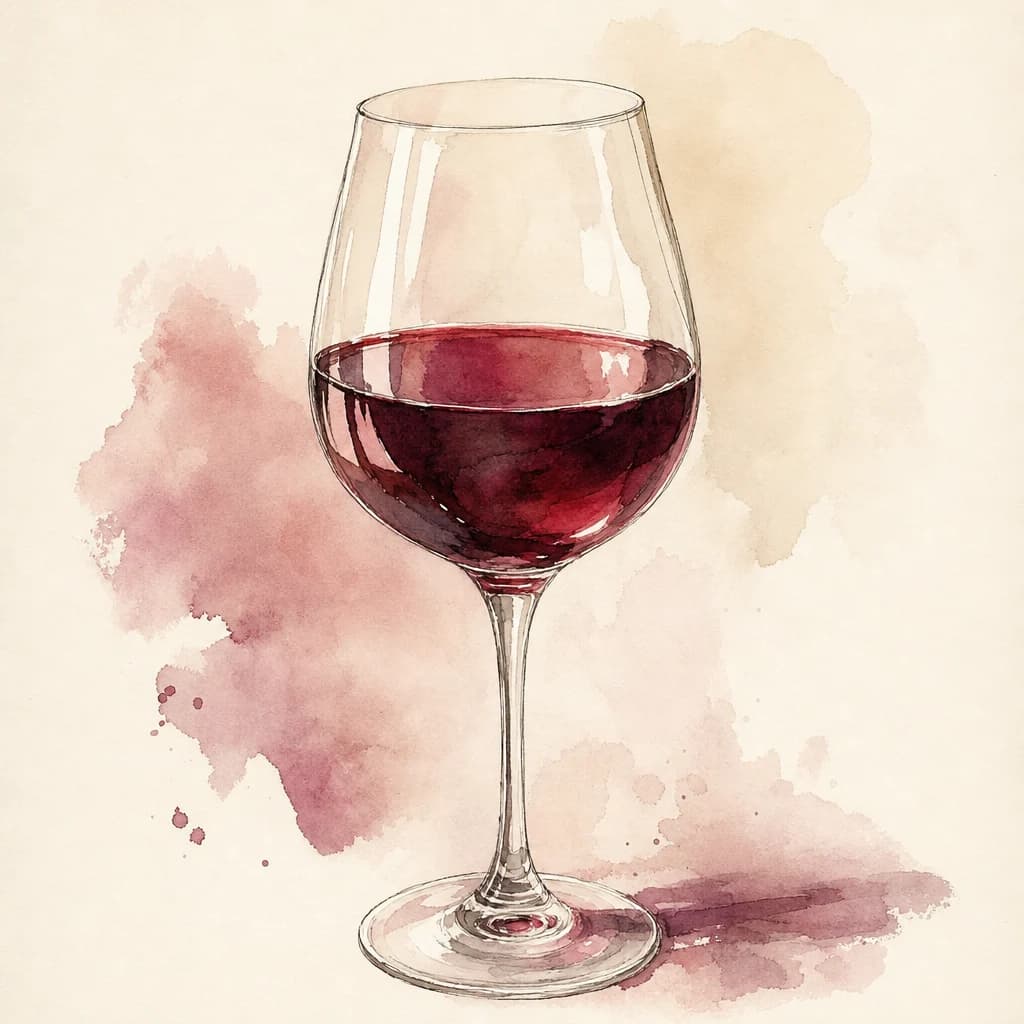
Vin (Bor)
La Hongrie a une longue tradition viticole. Outre le célèbre Tokaji Aszú, ne manquez pas le rouge robuste d'Eger, connu sous le nom de « Egri Bikavér » (sang de taureau d'Eger), ou les blancs frais de la région du lac Balaton.
Palinka
L'eau-de-vie nationale, un puissant distillat de fruits. Il peut s'agir d'abricot (barackpálinka), de poire, de prune ou de cerise. Il se boit d'une seule gorgée à l'apéritif ou en digestif, et est un symbole d'hospitalité.
Unicum
Une liqueur aux herbes sombre et amère, avec une recette secrète contenant plus de 40 herbes et épices. Il est vieilli en fûts de chêne et se boit en digestif. Son flacon rond est incomparable.
Fröccs
La boisson d'été. Il s'agit d'un spritzer de vin, un mélange de vin (généralement blanc ou rosé) et d'eau gazeuse. Il existe toute une culture autour des proportions, avec des noms différents pour chaque mélange.
Desserts traditionnels
Kürtőskalács (gâteau de cheminée)
Un cylindre de pâte levée sucrée rôtie sur du charbon de bois et saupoudrée de sucre, de cannelle ou d'arachides. Croustillant à l’extérieur et fondant à l’intérieur, il crée une dépendance.
Somloi Galuska
Un dessert fort et délicieux. Il se compose de morceaux de trois types de génoise, imbibés de rhum, avec des raisins secs, des noix, une sauce au chocolat et un généreux monticule de crème fouettée.
Gâteau Dobos (Gâteau Dobos)
Un gâteau Hongrie élégant. Ce sont de fines couches de génoise entrecoupées de chocolat et de crème au beurre, et surmontées d'une couche de caramel croquant. Un classique de la pâtisserie d'Europe centrale.
Gundel Palacsinta
Une célèbre crêpe créée au restaurant Gundel. Il est fourré d'un mélange d'arachides, de raisins secs et de rhum, et est servi flambé avec une sauce au chocolat noir et à l'orange.
Que voir par thème
Au-delà de sa magnifique capitale, la Hongrie offre une grande diversité de paysages et d'expériences, des plaines infinies aux villes historiques.
Budapest : la reine du Danube
Prenez le temps d'explorer les deux côtés de la capitale. La Buda montagneuse, avec le château, le bastion des pêcheurs et l'église Matthias. Et Pest, plat et animé, avec le Parlement, l'avenue Andrássy, l'Opéra et le quartier juif animé.
Patrimoine de l'Empire et de la Royauté
Suivez les traces de l'histoire Hongriee. Dans la courbe du Danube se trouvent les anciennes capitales royales d'Esztergom et de Visegrád. Près de Budapest, le château de Gödöllő, surnommé le « Versailles Hongrie », était la résidence d'été préférée de l'impératrice Sissi.
La mer Hongriee et ses environs
Le lac Balaton est la destination de vacances par excellence des Hongrois. La rive sud est idéale pour les familles, avec ses eaux peu profondes et ses plages. La rive nord est plus historique et viticole, avec des villes comme Tihany, qui abrite une belle abbaye bénédictine, et des vignobles sur les collines volcaniques.
La Grande Plaine Hongroise (Puszta)
Découvrez la vie traditionnelle des cavaliers magyars (« csikós ») dans la Puszta. Le parc national d'Hortobágy est le cœur de cette vaste steppe, où vous pourrez voir des spectacles équestres, des races d'animaux indigènes et profiter de la gastronomie des « csárdas » (ventes traditionnelles).
Villes historiques et culturelles
Découvrez les joyaux provinciaux. Eger, au nord, est une charmante ville baroque célèbre pour son château, son minaret turc et ses caves à vin rouge. Pécs, au sud, offre une délicieuse atmosphère méditerranéenne, une impressionnante cathédrale et des nécropoles paléochrétiennes déclarées site du patrimoine mondial.
Conseils de voyage
Devise
La Hongrie est membre de l'Union européenne mais n'utilise pas l'euro. La monnaie locale est le forint Hongrie (HUF). Bien que certains lieux touristiques acceptent les euros, le taux de change n'est généralement pas favorable. Il est préférable de payer par carte ou de changer de l'argent dans les bureaux (« pénzvált ») du centre.
Langue
Le Hongrie est une langue finno-ougrienne, sans rapport avec les langues de ses voisins. Il est considéré comme l’un des plus difficiles à apprendre. À Budapest et dans d'autres zones touristiques, l'anglais est parlé par les jeunes et dans le secteur des services, mais en dehors de ces zones, il peut être plus difficile de communiquer.
Transports publics à Budapest
Budapest dispose d'un excellent et vaste réseau de transports publics comprenant le métro, les tramways et les bus. Il est indispensable de valider le billet unique avant de voyager. Les pass multijours sont une option très pratique et rentable.
Conseils
Donner un pourboire est une pratique courante. Dans les restaurants et les bars, si le service a été bon, ils laissent généralement entre 10 et 15 %. Vérifiez votre facture, car des frais de service (« szervízdíj ») sont parfois inclus. Dans ce cas, il n’est pas nécessaire de laisser un pourboire supplémentaire.
Ce guide n'est que le début de ce que la Hongrie a à offrir. Sa véritable essence se découvre en explorant plus avant
Chargement peut-être...
Explore Regions of Hongrie
Discover the most beautiful regions and plan your perfect trip
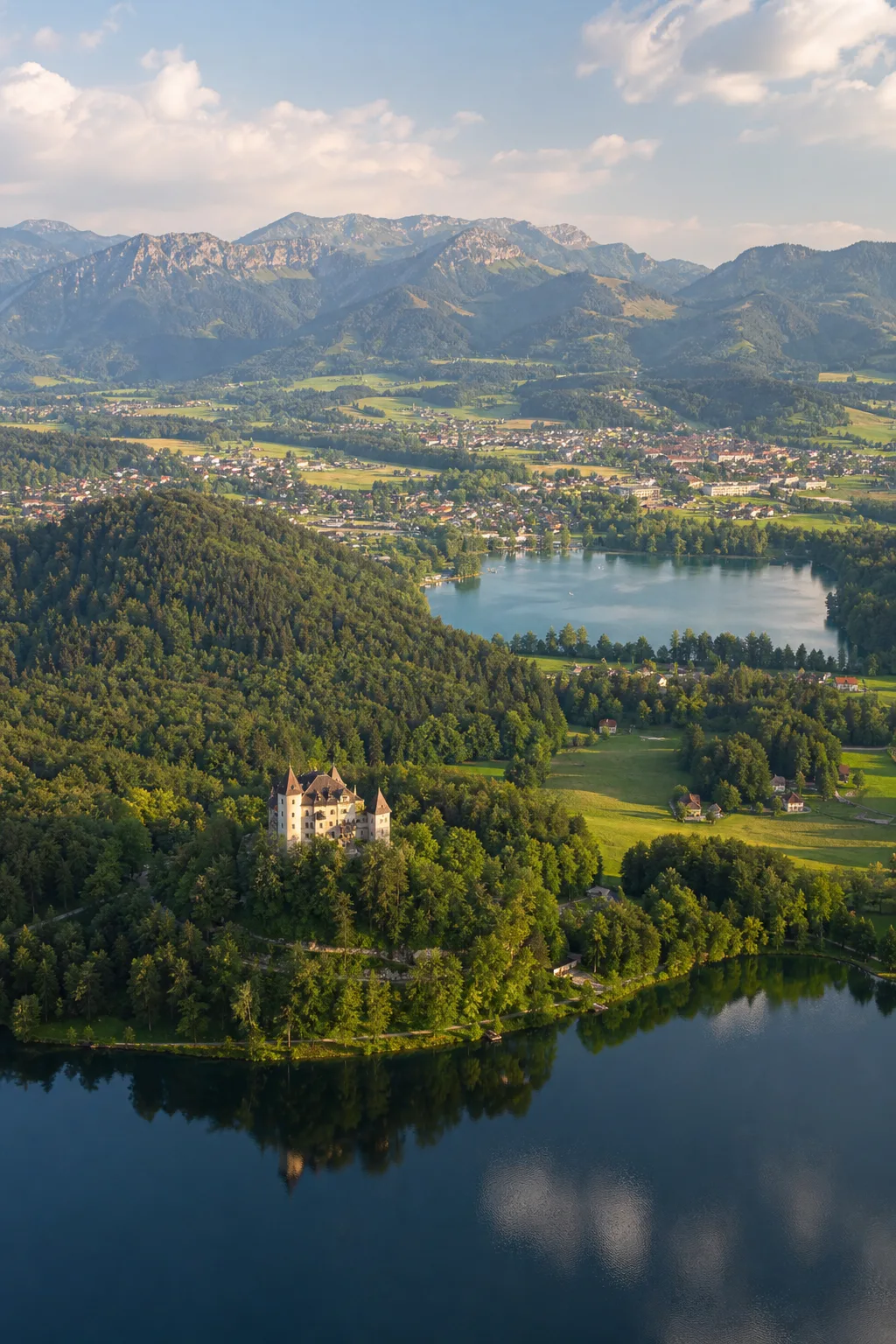
Central Hungary
Central Hungary offers distinctive landscapes, culture and experiences in Hongrie.
Central Transdanubia
Central Transdanubia offers distinctive landscapes, culture and experiences in Hongrie.
Great Hungarian Plain
Great Hungarian Plain offers distinctive landscapes, culture and experiences in Hongrie.
Lake Balaton
Lake Balaton offers distinctive landscapes, culture and experiences in Hongrie.
Avant de partir
Réponses rapides pour planifier votre voyage en toute confiance
Pourquoi cette destination
- Hongrie convient très bien aux familles (indice 76/100).
- 76Familles
- 77Gastronomie
- 79Sécurité
- 54Abordable
Styles de voyage
Classements liés
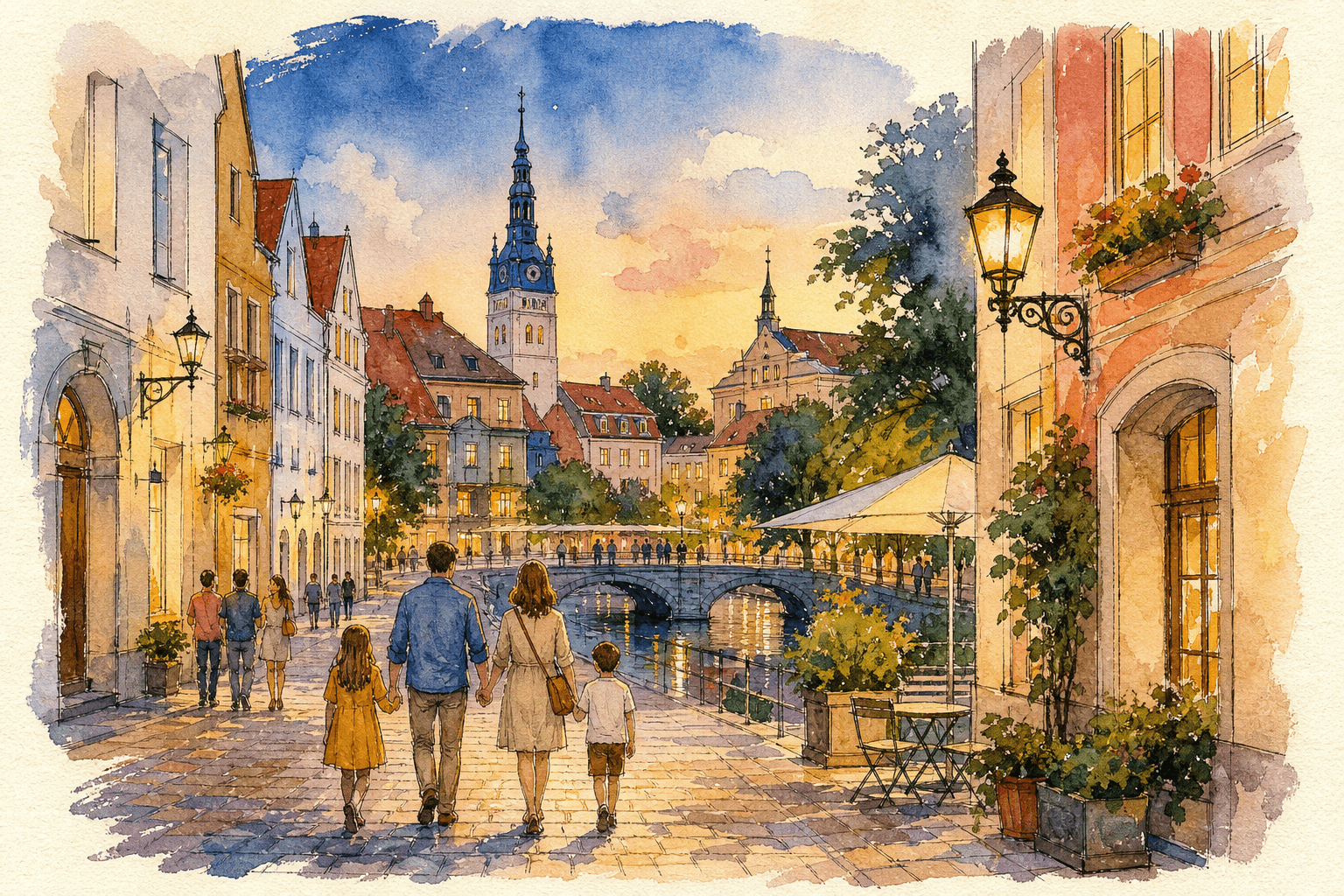 79Villes les plus sûres d’EuropeDestinations où voyager plus sereinement.
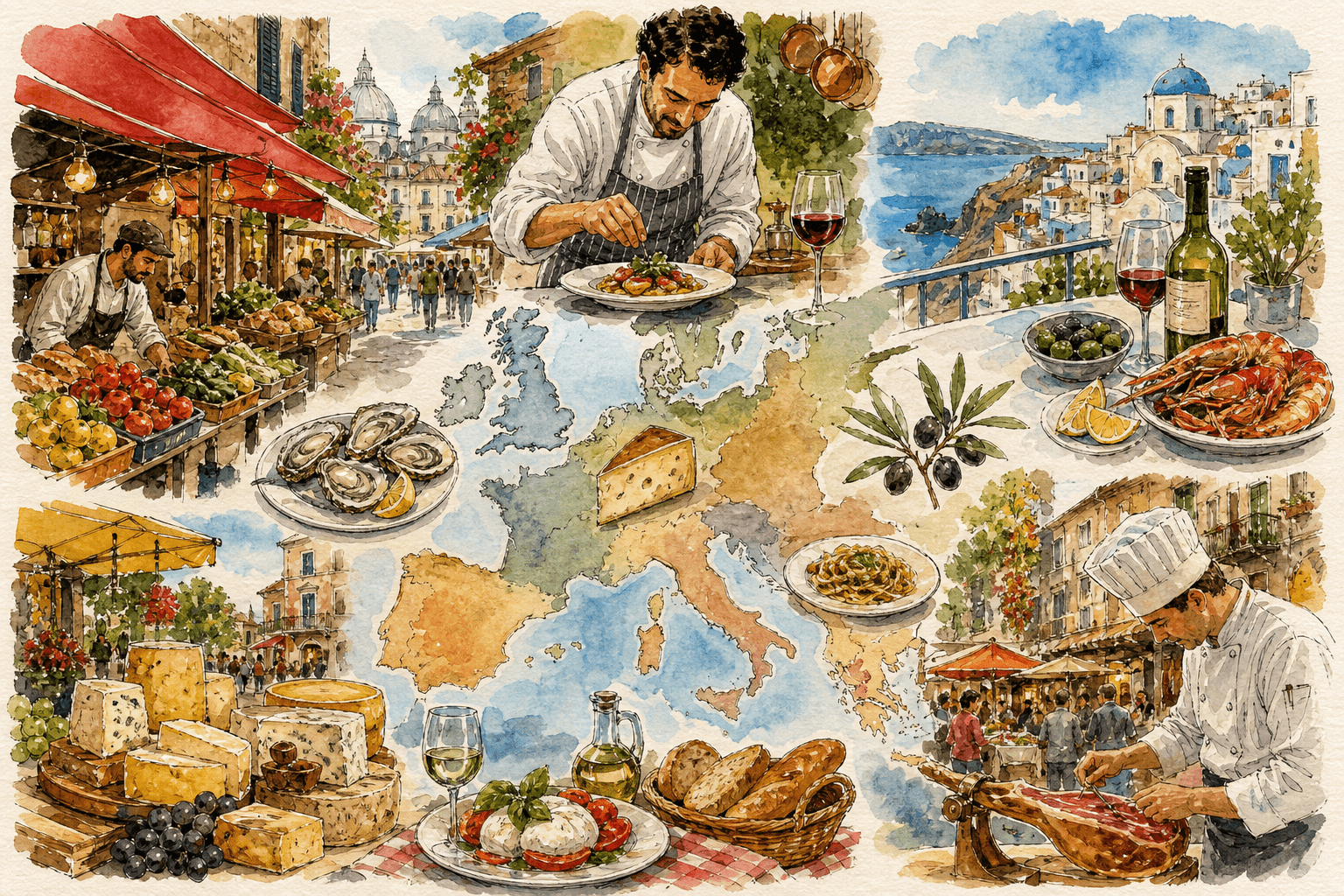 77Meilleures destinations gastronomiques d’EuropeVilles avec la meilleure scène gastronomique d’Europe.
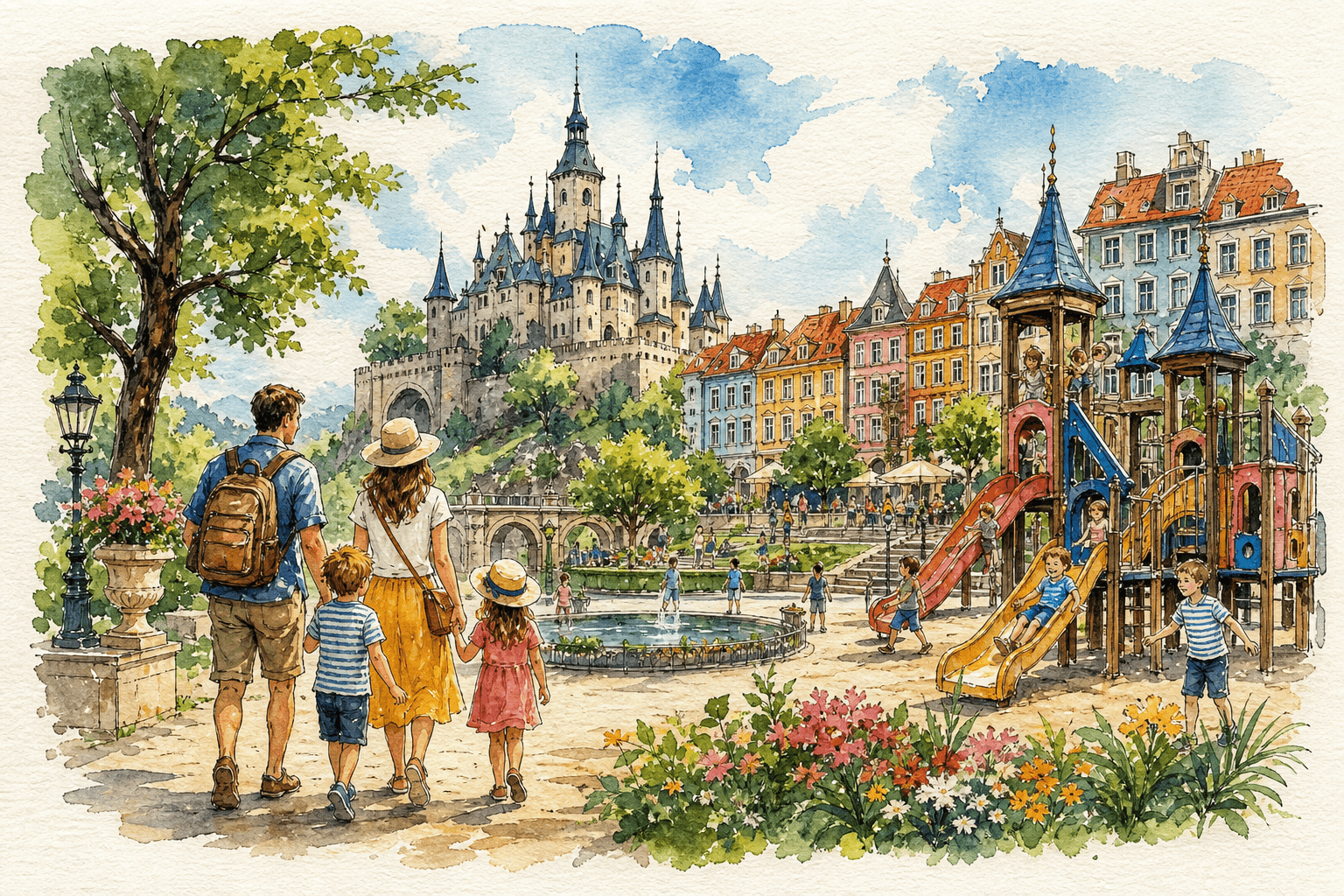 76Meilleures villes d’Europe pour voyager en familleVilles pensées pour les familles : sécurité, rythme et activités enfants.
Tout près d'ici
Escapades faciles et day trips pour prolonger votre itinéraire

Collections et routes
- 79Villes les plus sûres d’EuropeDestinations où voyager plus sereinement.
- 77Meilleures destinations gastronomiques d’EuropeVilles avec la meilleure scène gastronomique d’Europe.
- 76Meilleures villes d’Europe pour voyager en familleVilles pensées pour les familles : sécurité, rythme et activités enfants.
 79Voyage en famille
 77Voyage gastronomique
TripPlanner
Créez votre itinéraire parfait
Chargement...
Votre profil de voyageur
Découvrez votre style de voyage
Chargement...