

Guide général de voyage : Le cœur vert de l’Europe
Bienvenue au Luxembourg, un pays qui montre que la taille n'est pas incompatible avec la grandeur. Ce Grand-Duché est un microcosme de l’Europe, un lieu où histoire ancestrale et présent dynamique cohabitent en parfaite harmonie. Préparez-vous à explorer des forêts luxuriantes, des vallées de rêve et des châteaux qui semblent tout droit sortis d'un conte de fées. Parcourez les fortifications de sa capitale, classée au patrimoine mondial, laissez-vous surprendre par sa gastronomie, qui allie la force allemande à la finesse française, et découvrez une qualité de vie et un calme qui vous séduiront. Le Luxembourg est un trésor inconnu, un joyau inattendu au centre du continent.
Capital
Luxembourg
Population
660.809
Langue
Français, Allemand, LB
Sites du patrimoine de l'UNESCO
1
Indices de voyage
Scores basés sur des données réelles de 0 à 100
Le meilleur de Luxembourg
Expériences uniques
Parcourez la Route des Sept Châteaux
Embarquez pour un voyage dans le temps en visitant la « Vallée des Sept Châteaux ». Cet itinéraire vous fera traverser des paysages idylliques à la découverte d'une succession d'impressionnants châteaux médiévaux et Renaissance, certains en ruines et d'autres parfaitement conservés, qui racontent la riche histoire féodale du duché.
Randonnées dans la région Mullerthal
Enfilez vos bottes et explorez les plus de 100 kilomètres de sentiers du Mullerthal Trail. Traversez des forêts denses, découvrez des cascades cachées et admirez les formations de grès particulières qui ont valu à cette région le surnom de « Petite Suisse luxembourgeoise ». C'est une immersion totale dans la nature la plus spectaculaire du pays.
Visitez les vignobles de la vallée de la Moselle
Suivez le cours de la Moselle et découvrez la tradition viticole luxembourgeoise. Visitez des domaines viticoles familiaux, dont beaucoup offrent une vue imprenable sur la rivière, et dégustez leurs élégants vins blancs, notamment le Riesling, et les « Crémants » pétillants, qui ont acquis une reconnaissance internationale.
Explorez les casemates du Bock
Plongez dans l'histoire militaire de la Ville de Luxembourg en explorant ce labyrinthe de tunnels et de galeries souterraines. Ces fortifications, creusées dans la roche, ont joué un rôle clé dans la défense de la ville pendant des siècles et offrent une perspective fascinante et des vues uniques sur la ville basse.
Vivre la Schueberfouer
Si vous visitez le Luxembourg fin août ou début septembre, vous ne pouvez pas manquer cette gigantesque et traditionnelle foire d'attractions. Fondée au 14ème siècle, c'est l'une des festivités les plus importantes et les plus appréciées des Luxembourgeois, pleine d'attractions, de nourriture, de boissons et une ambiance festive sans égal.
Utilisez l'ascenseur panoramique Pfaffenthal
Il relie la ville haute au quartier de Pfaffenthal grâce à un ascenseur en verre moderne qui s'élève à 71 mètres. L'expérience n'est pas seulement pratique, mais offre gratuitement des vues panoramiques spectaculaires sur la vallée de l'Alzette et le pont rouge de la Grande-Duchesse Charlotte.
Fusion de saveurs au cœur de l'Europe
La cuisine luxembourgeoise est le reflet de sa position géographique et culturelle : généreuse et rustique comme l'allemande, mais avec la touche raffinée de la cuisine française et belge. Il s'appuie sur des produits locaux de qualité, avec des plats copieux qui réconfortent le corps et l'esprit.
Cuisine du terroir
La gastronomie est étroitement liée au terroir. Les plats à base de pommes de terre, de porc, de légumineuses et de produits fluviaux constituent la base d'une cuisine honnête et savoureuse qui reflète le passé rural du pays.
Influence franco-germanique
De nombreux plats combinent la puissance des portions et des ingrédients allemands (saucisses, pommes de terre) avec la sophistication des sauces et des techniques françaises (utilisation du vin Riesling, de la crème et des pâtes feuilletées).
Plats Iconiques
Judd mat Gaardebounen
Considéré comme le plat national. Il se compose d'un collier de porc fumé, cuit lentement pendant des heures jusqu'à ce qu'il soit tendre, et servi avec une sauce crémeuse aux fèves.
Bouneschlupp
Une soupe épaisse et réconfortante composée de haricots verts, de pommes de terre et souvent accompagnée de bacon ou de saucisses. C'est un plat très apprécié dans les foyers luxembourgeois, surtout pendant les mois les plus froids.
Gromperekichelcher
Crêpes croustillantes de pommes de terre râpées, d'oignons et de persil, frites jusqu'à ce qu'elles soient dorées. Ils sont un classique des marchés et des foires et se dégustent généralement chauds, souvent accompagnés de compote de pommes.
Kachkeis
Un fromage cuit local au goût prononcé et à la texture très crémeuse. Il est généralement servi chaud sur une tranche de pain, souvent avec de la moutarde, pour créer une bouchée puissante et unique.
Moselle Friture
Petits poissons de rivière, comme la perche ou la truite, farinés et frits jusqu'à ce qu'ils soient croustillants. Ils se dégustent avec les mains, assaisonnés d'un filet de citron et sont une spécialité du vignoble mosellan.
Paschtéit ou Bouchée à la Reine
Un volovan de pâte feuilletée fourré d'un mélange crémeux de poulet, de champignons et parfois de ris de veau, dans une sauce veloutée. Un plat élégant avec une nette influence française.
Boissons typiques
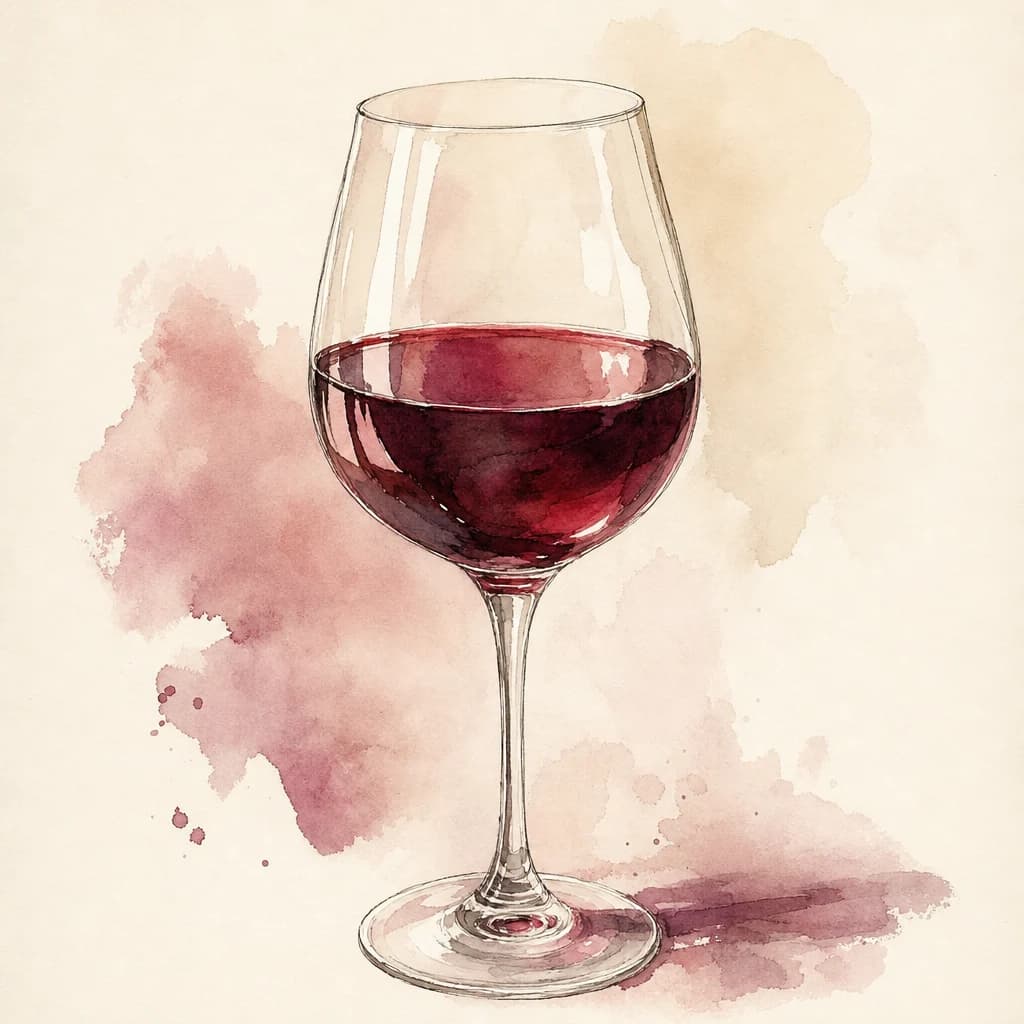
Vin Blanc et Crémant
Les vins de la Vallée de la Moselle font la fierté du pays, notamment les cépages blancs comme le Riesling, le Pinot Gris et l'Auxerrois. Le Crémant de Luxembourg, vin mousseux de grande qualité, est la boisson des fêtes.
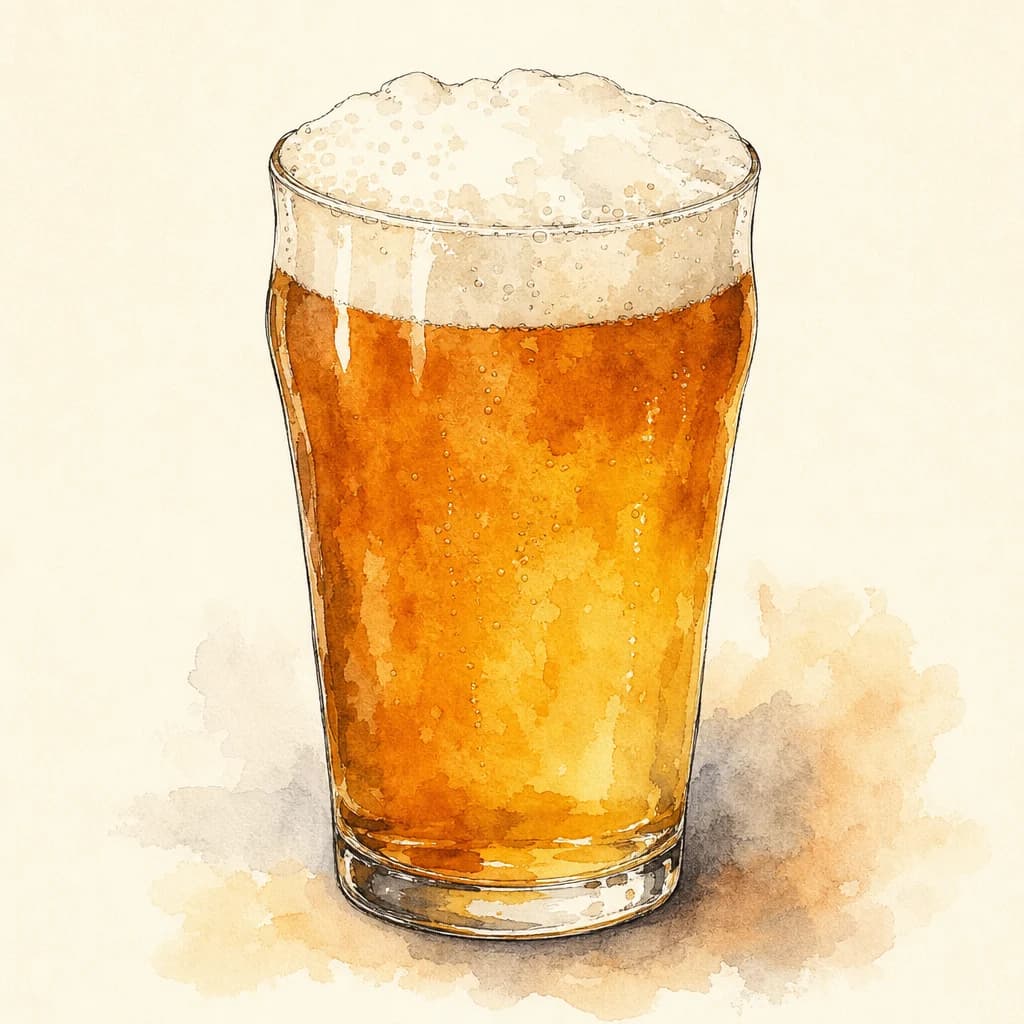
Bière
La bière est la boisson alcoolisée la plus consommée. Le Luxembourg compte plusieurs brasseries nationales établies de longue date, telles que Bofferding, Battin et Diekirch, qui produisent des bières blondes populaires.
Spiritueux aux fruits (Schnaps)
Après un repas copieux, il est de tradition de boire un « schnaps » ou une eau-de-vie distillée à partir de fruits locaux comme la prune (Quetsch) ou la poire (Williams). Il est considéré comme un digestif.
Jus de pomme (Viz)
Une boisson non alcoolisée très traditionnelle. Le « Viez » ou jus de pomme est une boisson rafraîchissante et populaire, reflétant l'importance des vergers de pommiers dans le paysage rural luxembourgeois.
Desserts traditionnels
Quetschentaart
La tarte aux prunes est un dessert de saison très apprécié, surtout à la fin de l'été. Il est réalisé avec une base de pâte et garni de prunes de Damas (« quesch ») avant la cuisson, créant un équilibre parfait entre l'aigre-doux.
Bamkuch
Connu comme le « roi des gâteaux », il s’agit d’un gâteau multicouche cuit à la broche rotative. Il est servi lors d'occasions spéciales comme les mariages ou les baptêmes et sa coupe révèle des anneaux qui rappellent ceux d'un arbre.
Appelle
Une tarte aux pommes rustique et faite maison, qui reflète l'influence de ses voisins. Avec des morceaux de pommes dans une pâte moelleuse, c'est un dessert réconfortant que l'on retrouve dans de nombreuses boulangeries locales.
Boxenmännchen
Quelques petits bonhommes briochés particulièrement appréciés lors de la fête de la Saint-Nicolas, le 6 décembre. Parfois recouverts de sucre ou de chocolat, ils font le bonheur des enfants.
Que voir par thème
Malgré sa petite taille, le Luxembourg offre une variété surprenante de paysages et d'expériences. De sa capitale animée à sa campagne tranquille, il existe un Luxembourg pour chaque type de voyageur.
Forteresses et centre historique
La Ville de Luxembourg est une forteresse en soi. Explorez les Casemates du Bock, flânez le long du Chemin de la Corniche et admirez les fortifications qui lui ont valu le surnom de « Gibraltar du Nord ». La vieille ville est un labyrinthe de places charmantes comme la Place d'Armes et la Place Guillaume II.
Nature et randonnée
Le nord du pays, avec la région des Ardennes, et l'est, avec la région Mullerthal (Petite Suisse luxembourgeoise), sont un paradis pour les amoureux de la nature. Ils offrent des forêts denses, des vallées profondes et un réseau de sentiers bien balisés pour la marche ou le vélo.
Route des Châteaux
Le Luxembourg est parsemé de plus d'une centaine de châteaux. Ne manquez pas l'imposant château de Vianden, le photogénique château de Bourscheid ou encore le charmant complexe de la Vallée des Sept Châteaux, qui vous transporteront au Moyen Âge.
Le Luxembourg moderne et européen
Visitez le quartier du Kirchberg dans la capitale pour découvrir le visage moderne du pays. Voici les institutions européennes, le musée d'art moderne MUDAM et la Philharmonie du Luxembourg, des bâtiments à l'architecture impressionnante qui contrastent avec le centre historique.
La route des vins de Moselle
Les rives de la Moselle, à la frontière avec l'Allemagne, constituent la région viticole du pays. C'est une région pittoresque de pentes abruptes couvertes de vignes, de charmants villages comme Remich et Grevenmacher, et de caves où vous pourrez déguster les célèbres vins blancs luxembourgeois.
Conseils de voyage
Transports publics gratuits
Depuis mars 2020, tous les transports publics (bus, trains et tramways) sur tout le territoire luxembourgeois sont totalement gratuits tant pour les résidents que pour les touristes. Profitez-en pour vous déplacer à travers le pays sans frais !
Multilinguisme
Ne soyez pas surpris d'entendre plusieurs langues. Le luxembourgeois, le français et l'allemand sont officiels. L'anglais est largement parlé, notamment dans la capitale et dans les lieux touristiques, ce qui facilite la communication.
Tarifs
Le Luxembourg est connu pour avoir un coût de la vie élevé, notamment dans la capitale. Les repas au restaurant et l'hébergement peuvent coûter cher. Planifiez votre budget à l'avance ou envisagez de séjourner en banlieue si vous voyagez en voiture.
Règles de circulation
Si vous conduisez, rappelez-vous que la priorité générale est accordée à ceux qui viennent de la droite, sauf indication contraire. En hiver, les pneus hiver sont obligatoires en cas de verglas ou de neige.
Ce guide vous donne un premier aperçu de ce que le Luxembourg a à offrir. C'est une destination qui surprend par sa richesse historique, sa beauté naturelle et son caractère cosmopolite. Nous vous invitons à utiliser ces informations comme point de départ pour explorer ses différentes régions, planifier vos itinéraires et vous laisser captiver par la beauté discrète mais profonde du seul Grand-Duché au monde. Gutt Rees!
Chargement peut-être...
Explore Regions of Luxembourg
Discover the most beautiful regions and plan your perfect trip
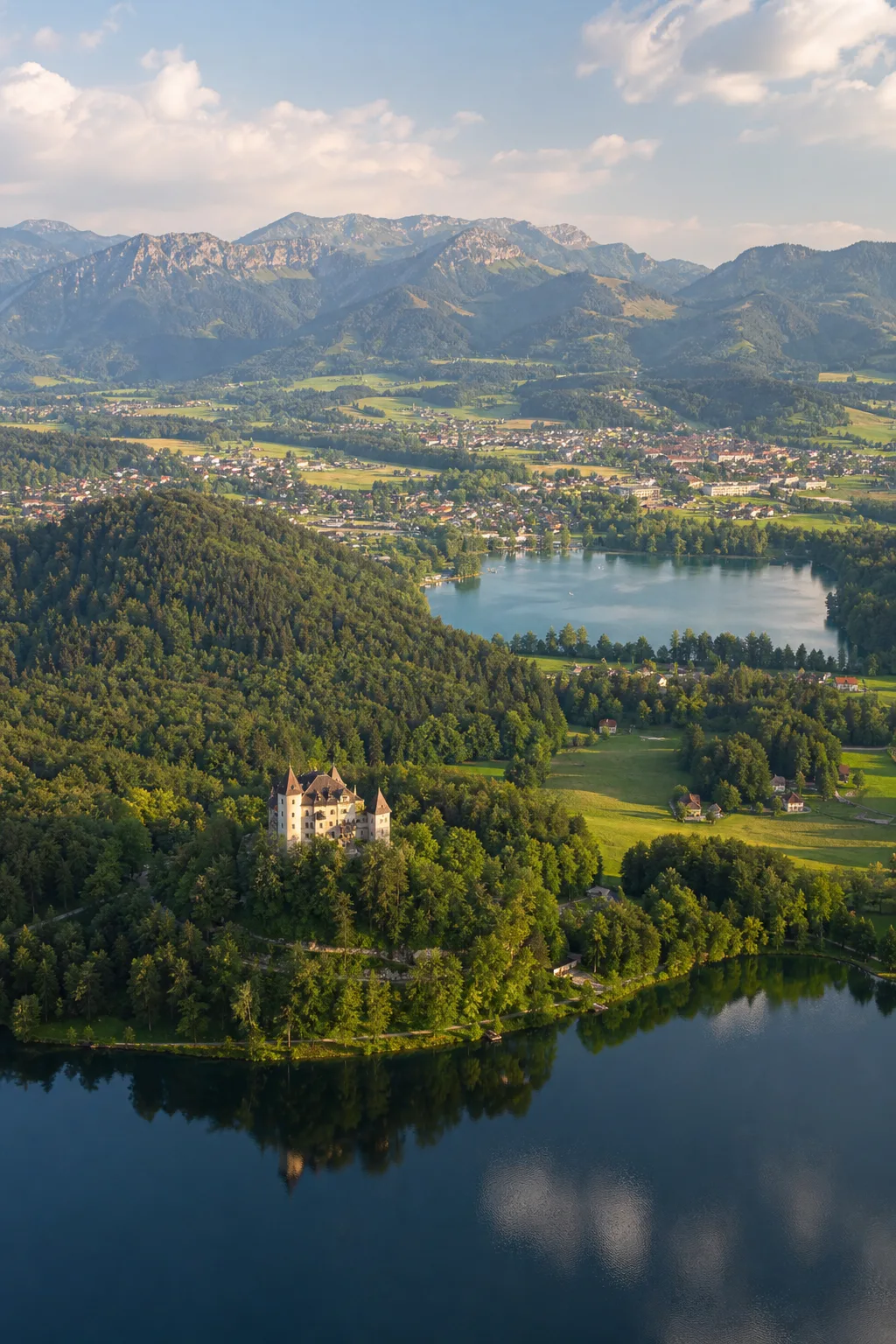
Clervaux
Clervaux offers distinctive landscapes, culture and experiences in Luxembourg.
Diekirch
Diekirch offers distinctive landscapes, culture and experiences in Luxembourg.
Echternach
Echternach offers distinctive landscapes, culture and experiences in Luxembourg.
Esch-sur-Alzette
Esch-sur-Alzette offers distinctive landscapes, culture and experiences in Luxembourg.
Avant de partir
Réponses rapides pour planifier votre voyage en toute confiance
Pourquoi cette destination
- Luxembourg convient très bien aux familles (indice 81/100).
- Scène gastronomique au top : 83/100.
- Destination sûre : indice 92/100.
- 81Familles
- 83Gastronomie
- 92Sécurité
- 80Abordable
Styles de voyage
Classements liés
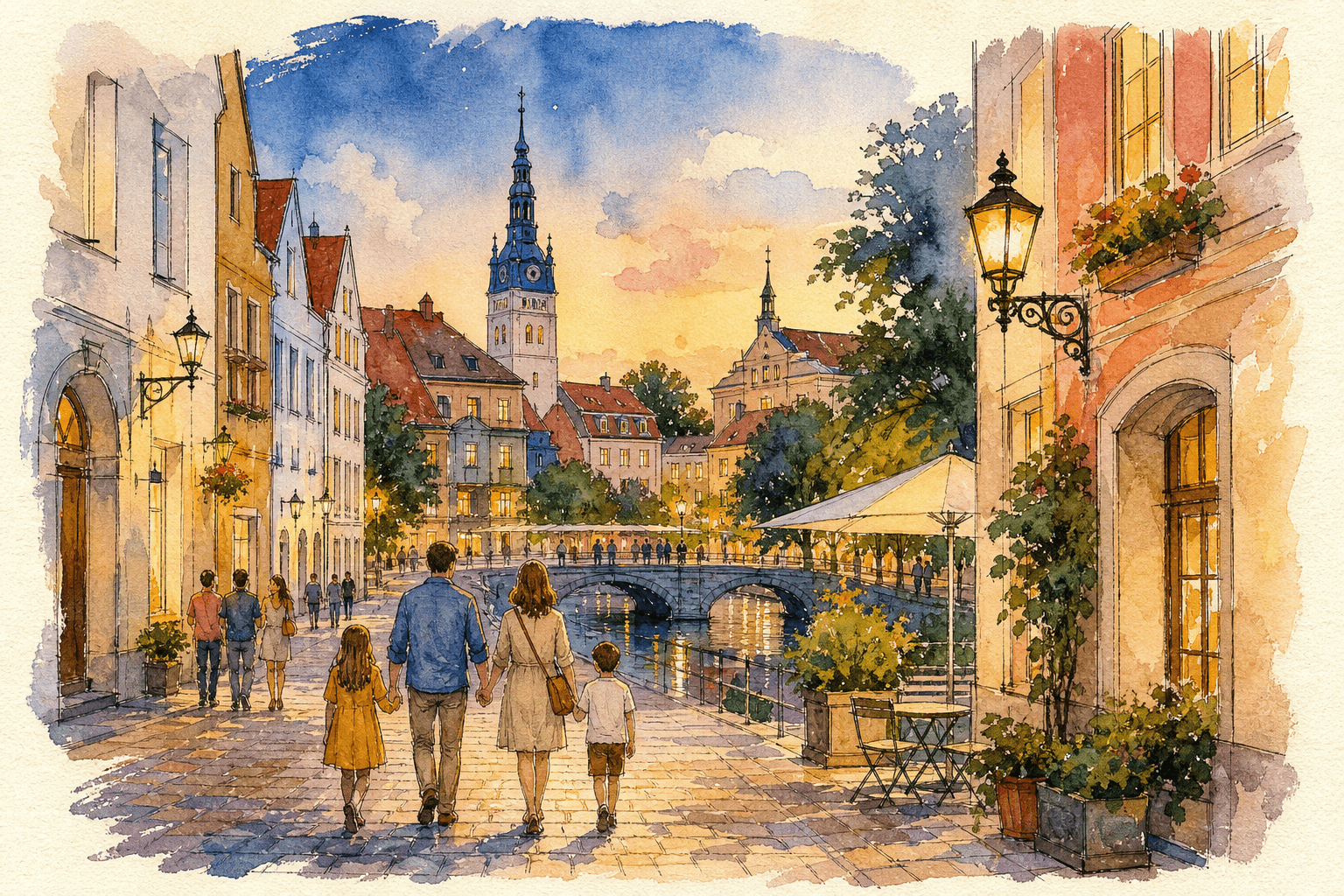 92Villes les plus sûres d’EuropeDestinations où voyager plus sereinement.
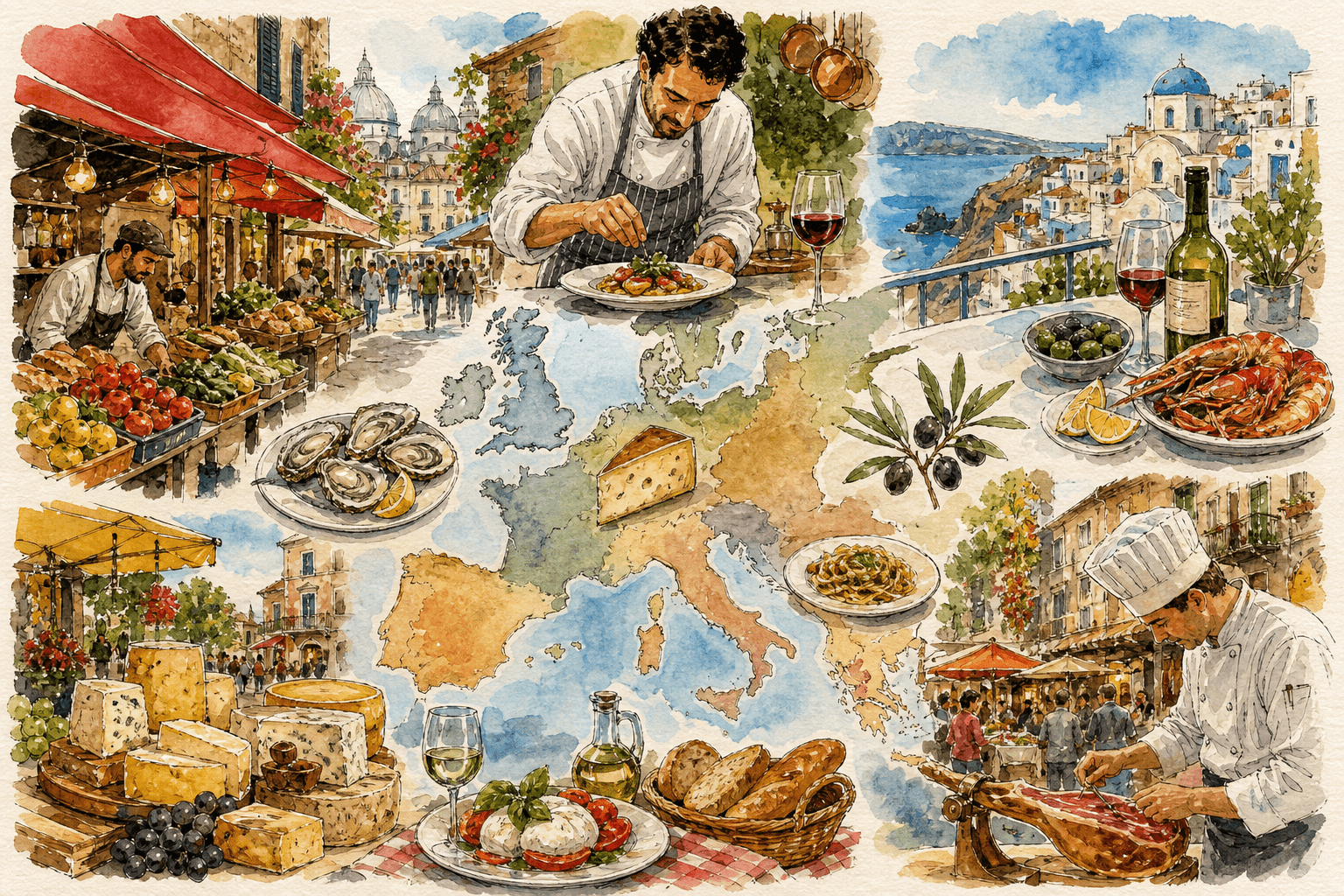 83Meilleures destinations gastronomiques d’EuropeVilles avec la meilleure scène gastronomique d’Europe.
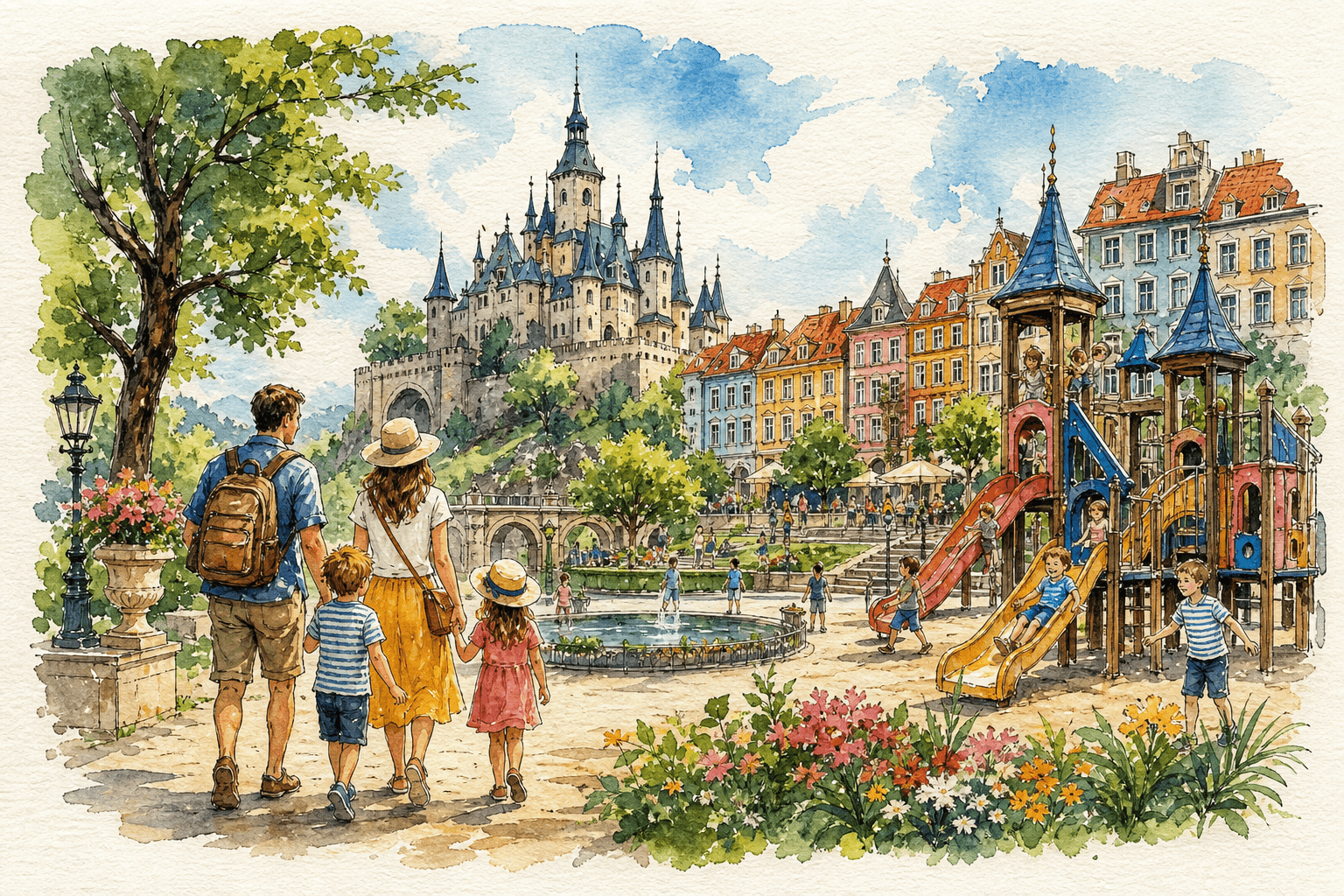 81Meilleures villes d’Europe pour voyager en familleVilles pensées pour les familles : sécurité, rythme et activités enfants.
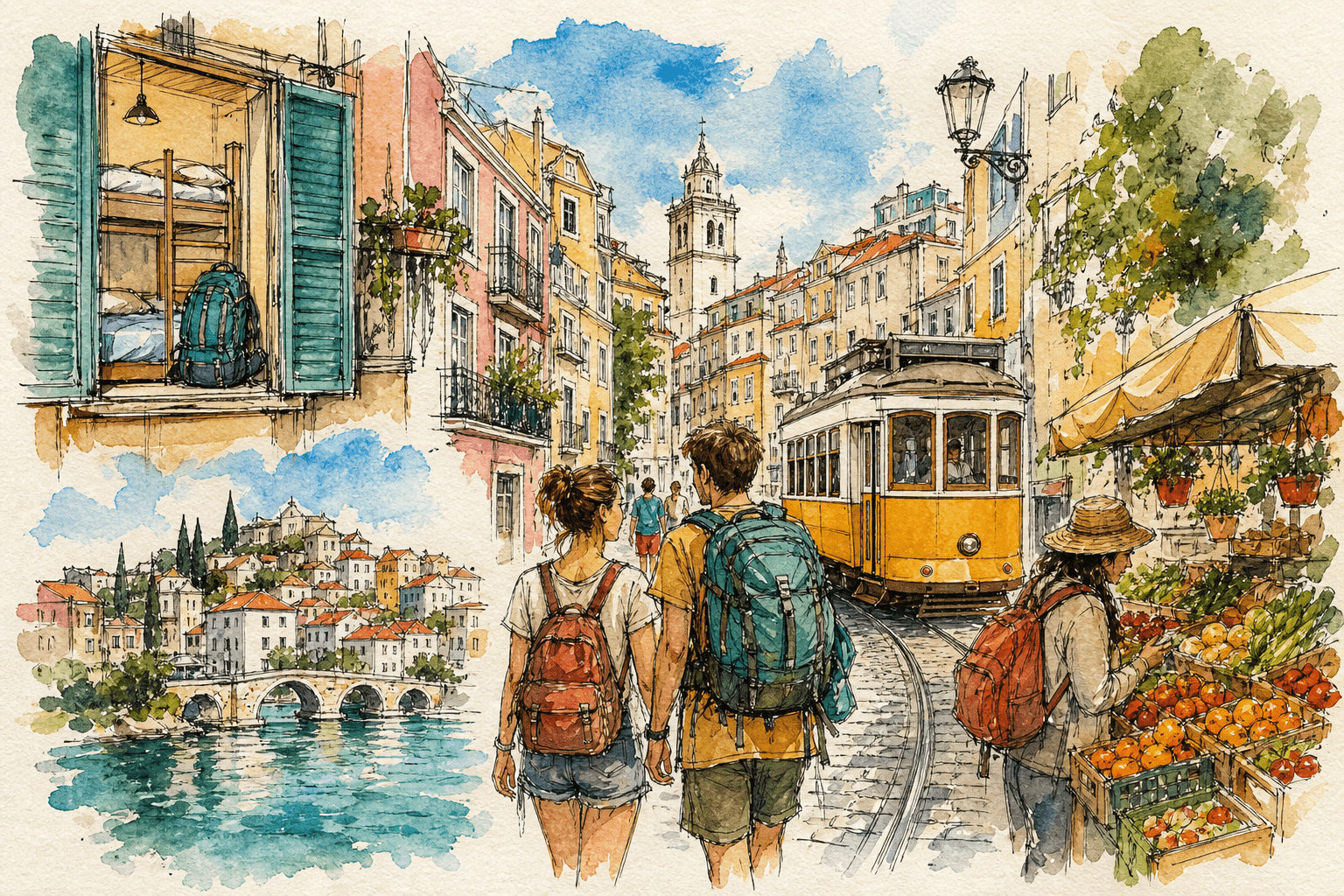 80Destinations les moins chères en EspagneVilles espagnoles où le budget va plus loin sans sacrifier l’expérience.
- 80Destinations les moins chères en EuropeVilles les plus abordables pour voyager sans sacrifier l’expérience.
Collections et routes
- 92Villes les plus sûres d’EuropeDestinations où voyager plus sereinement.
- 83Meilleures destinations gastronomiques d’EuropeVilles avec la meilleure scène gastronomique d’Europe.
- 81Meilleures villes d’Europe pour voyager en familleVilles pensées pour les familles : sécurité, rythme et activités enfants.
- 80Destinations les moins chères en EspagneVilles espagnoles où le budget va plus loin sans sacrifier l’expérience.
- 80Destinations les moins chères en EuropeVilles les plus abordables pour voyager sans sacrifier l’expérience.
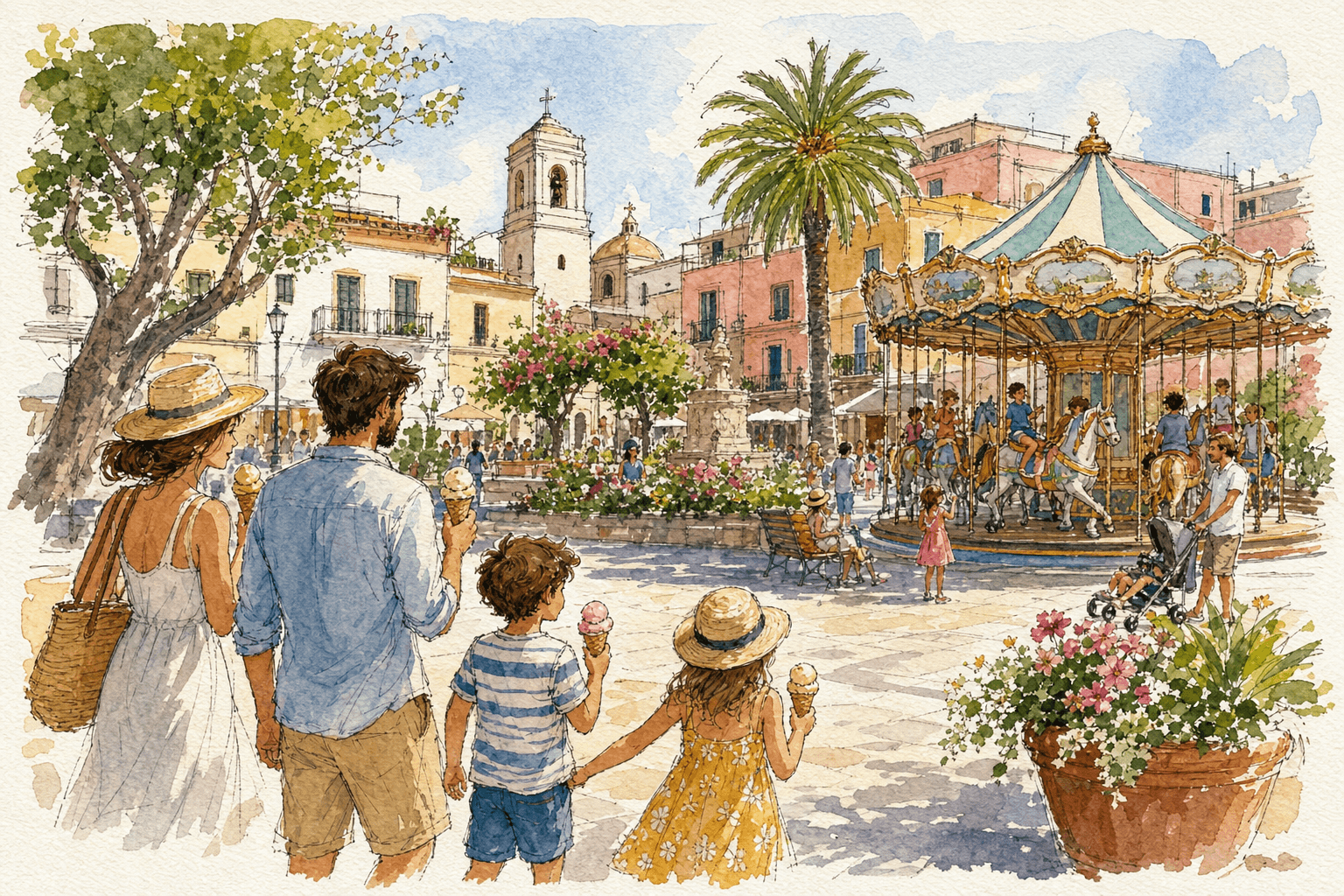 92Voyage en famille
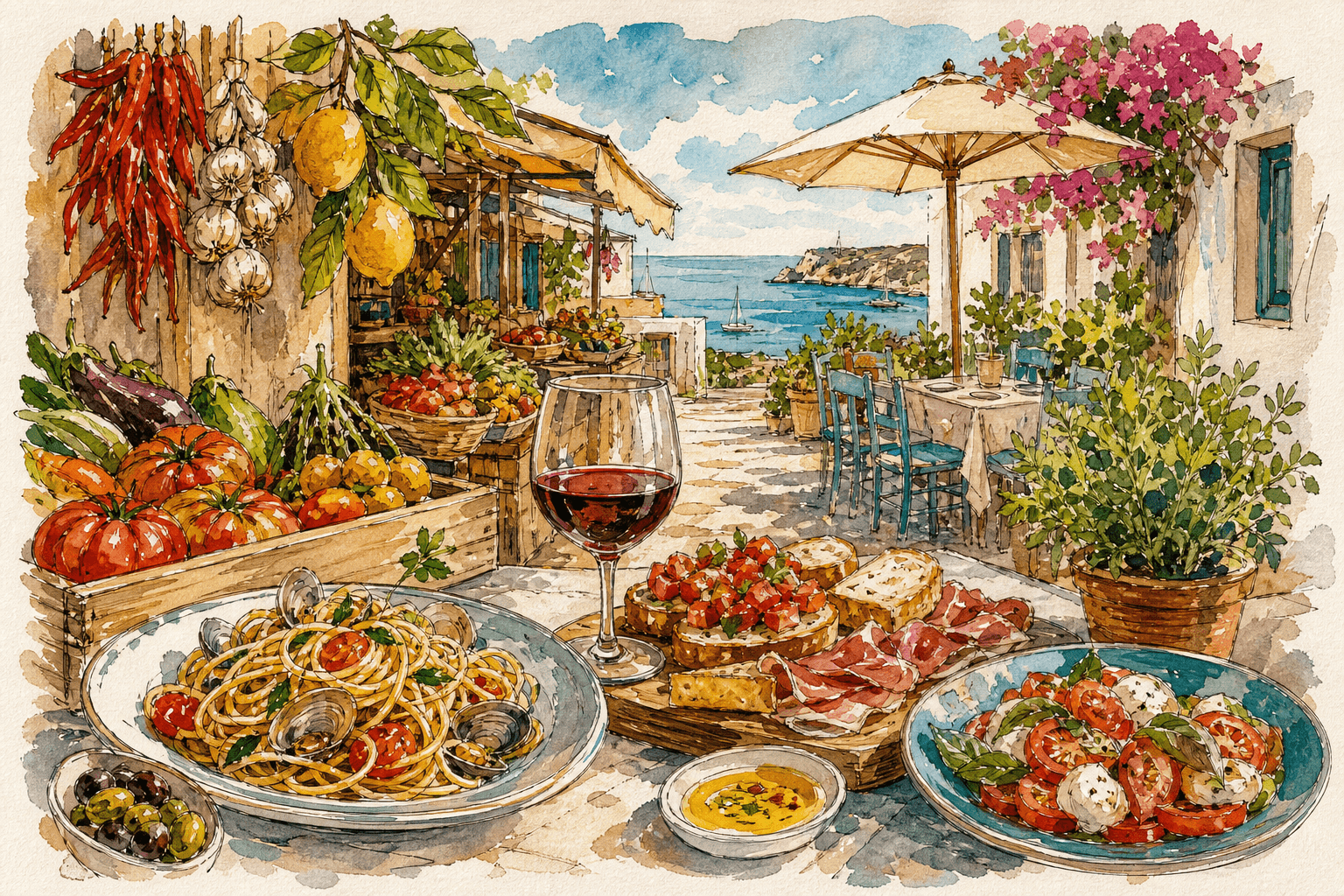 83Voyage gastronomique
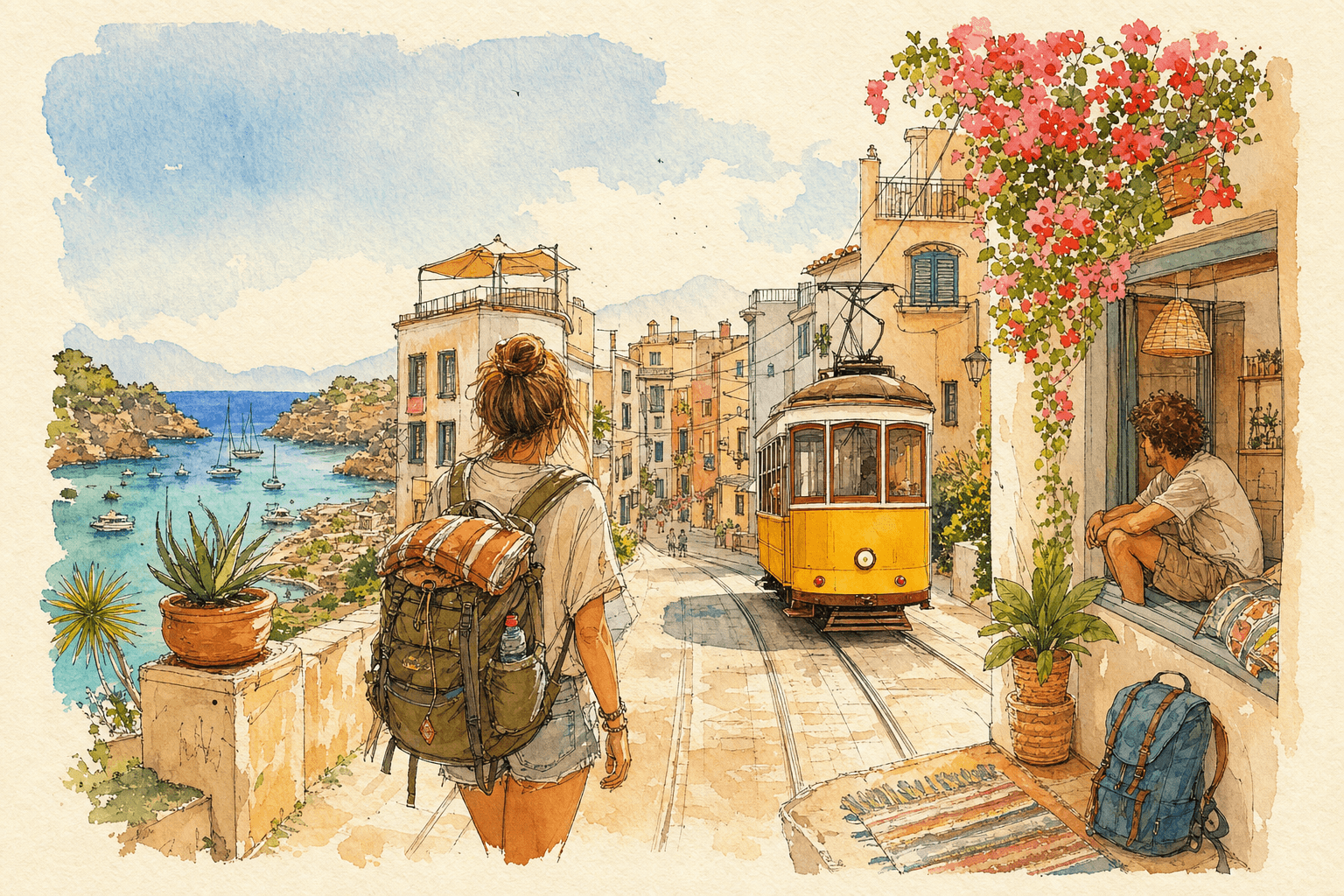 80Voyage petit budget
TripPlanner
Créez votre itinéraire parfait
Chargement...
Votre profil de voyageur
Découvrez votre style de voyage
Chargement...