

Guide général de voyage : Le cœur caché de la vigne
La Moldavie est l'un des derniers secrets bien gardés d'Europe, une destination pour les voyageurs curieux qui recherchent avant tout l'authenticité. C'est une terre définie par le vin, où les caves ne sont pas de simples bâtiments, mais des villes souterraines qui s'étendent sur des centaines de kilomètres. Son paysage vallonné, parsemé de monastères qui semblent suspendus aux falaises, vous invite à un voyage tranquille. L'histoire du pays est palpable dans l'architecture soviétique de sa capitale, Chisinau, et dans l'existence anormale de la Transnistrie. Mais la véritable richesse de la Moldavie réside dans sa population et dans son hospitalité qui transforme chaque repas en fête et chaque visiteur en ami. Préparez-vous à explorer un pays aux saveurs honnêtes, aux traditions vivantes et au cœur aussi chaleureux que son célèbre vin.
Capital
Chişinău
Population
2.512.799
Langue
Roumain
Sites du patrimoine de l'UNESCO
1
Indices de voyage
Scores basés sur des données réelles de 0 à 100
Le meilleur de Moldavie
Expériences uniques
Visitez une ville viticole souterraine
Visiter les caves Mileștii Mici (qui détient le record Guinness de la plus grande collection de vins au monde) ou Cricova est une expérience unique. Ces anciennes mines de calcaire sont devenues d'authentiques villes souterraines dont les rues portent le nom des cépages. Ils sont parcourus en voiture ou en train électrique, pour aboutir à une dégustation dans ses somptueuses salles.
Explorez le complexe Orheiul Vechi
Ce complexe archéologique spectaculaire est le lieu le plus emblématique de Moldavie. Situé dans une vallée rocheuse à côté de la rivière Răut, il abrite des vestiges de différentes civilisations, mais son plus grand attrait est le monastère orthodoxe creusé dans la roche calcaire au XIIIe siècle et qui est encore habité par un moine. Les vues depuis la falaise sont impressionnantes.
Voyagez dans le temps en Transnistrie
Traverser le fleuve Dniestr pour rejoindre la république autoproclamée de Transnistrie est une expérience surréaliste. Sa capitale, Tiraspol, ressemble à une capsule temporelle de l'URSS, avec des statues de Lénine, des bâtiments du gouvernement soviétique et sa propre monnaie. C’est un voyage fascinant dans une entité politique qui n’existe officiellement pas.
Célébrez la Journée nationale du vin
Le premier week-end d'octobre, Chisinau devient l'épicentre d'une grande fête nationale. Les principaux domaines viticoles du pays se sont installés sur la place centrale pour proposer des dégustations, tandis que musique folklorique, danses et stands de nourriture traditionnelle créent une atmosphère incroyablement festive.
Visitez la forteresse de Soroca
Cette forteresse médiévale parfaitement conservée se dresse sur les rives du fleuve Dniestr, marquant la frontière avec l'Ukraine. En plus de son importance historique, Soroca est connue pour être la « capitale non officielle des Tsiganes » de Moldavie. Sur la colline au-dessus de la forteresse, vous pouvez voir les demeures ostentatoires et éclectiques de l'élite gitane.
Séjourner dans une maison rurale (« Pensiune »)
Pour découvrir la Moldavie la plus authentique, l'une des meilleures options est de séjourner dans une « pensiune » ou une maison rurale. Il vous permet de découvrir par vous-même l'hospitalité légendaire de la région, de déguster de délicieux plats faits maison à base de produits du jardin et de participer aux activités quotidiennes de la campagne.
Saveurs d'une terre fertile
La gastronomie moldave est un reflet fidèle de son histoire et de son terroir : robuste, savoureuse et généreuse. Forte de fortes influences de la cuisine roumaine, russe, ukrainienne et balkanique, elle s'appuie sur les produits frais de ses champs fertiles. Le maïs, les légumes, les produits laitiers et la viande sont les stars d'une cuisine maison pleine d'âme.
Le vin comme nourriture
Le vin n’est pas seulement une boisson, il fait partie intégrante de la gastronomie et de la culture. Presque toutes les familles rurales produisent leur propre vin fait maison («vin de casă»). Un repas sans vin est presque impensable en Moldavie.
Le garde-manger de la nature
La cuisine est régie par les saisons. L’utilisation de légumes frais, de fruits, d’herbes et de cornichons est essentielle. Chaque famille prépare ses conserves (« murături » et « zacuscă ») en été et en automne pour avoir des provisions pendant l'hiver.
Plats Iconiques
Mamanliga
Le plat national par excellence. Il s'agit d'une polenta à base de farine de maïs, semblable à la polenta italienne, qui sert de base à de nombreux plats. Il est traditionnellement servi avec du « brânză » (un fromage de brebis en saumure), du « smântână » (crème aigre) et souvent avec un ragoût de porc (« tocană »).
Placinte
Certaines empanadas ou gâteaux, frits ou cuits au four, que l'on retrouve partout. Ils peuvent être salés, fourrés au fromage, aux pommes de terre ou au chou, ou sucrés, au potiron ou aux cerises. Ils constituent l'apéritif parfait à tout moment de la journée.
Sarmale
Rouleaux de chou ou de feuilles de vigne fourrés d'un mélange de porc haché, de riz et de légumes. Ils sont mijotés pendant des heures et constituent un plat incontournable de toute fête de famille.
Zeama
Une soupe au poulet légère et aromatique, considérée comme le remède à tous les maux. Il est fait avec du poulet fait maison, des nouilles fines (« tăiței de casă ») et du « borș acru » (un liquide de son de blé aigre) sont ajoutés, ce qui lui donne sa saveur caractéristique.
Salată de vinete
Une salade ou un pâté crémeux d'aubergines rôties et écrasées, mélangées à de l'huile, de l'oignon et parfois de la mayonnaise. Il est servi froid avec du pain et constitue une entrée très appréciée (« zakuska »).
Chiftele
Grosses boulettes de viande juteuses, généralement frites. Contrairement aux autres versions, ils contiennent souvent des pommes de terre ou de la chapelure dans le mélange, ce qui les rend très tendres. Ils constituent un aliment réconfortant très courant.
Boissons typiques
Vin (Vin)
La boisson nationale. La Moldavie est célèbre pour ses vins, tant de variétés internationales que de raisins indigènes tels que le Fetească Albă, le Fetească Neagră et le Rară Neagră.
Divin
C'est le nom local du brandy ou du cognac, l'un des spiritueux les plus appréciés du pays. Les établissements vinicoles comme Kvint, à Tiraspol, sont réputés pour leur grande qualité.
Țuică
Une eau-de-vie maison puissante, semblable au rachia des Balkans, qui est composée principalement de prunes, mais aussi de pommes ou d'abricots. C'est un symbole d'accueil dans les zones rurales.
Compote
Une boisson non alcoolisée très appréciée, notamment dans les foyers. Il est préparé en faisant bouillir des fruits frais ou secs (comme des cerises, des abricots ou des pommes) avec du sucre. Il est servi froid en été et chaud en hiver.
Desserts traditionnels
Tailler uscate umplute cu nuci
Un dessert traditionnel et élégant. Il se compose de pruneaux dénoyautés farcis d'une moitié de noix et souvent servis avec de la crème sure (« smântână ») sur le dessus.
Cozonac
Un pain sucré spongieux et tressé, semblable au panettone, préparé pour les grandes fêtes comme Pâques et Noël. Il peut être rempli de noix, de cacao ou de délices turcs.
Pâques
Un gâteau de Pâques traditionnel. Il s'agit d'un gâteau rond à base de pâte sucrée fourré d'un mélange de fromage frais doux (« brânză de vaci »), de raisins secs et d'arômes.
Cușma lui Guguță (Le chapeau de Guguță)
Un gâteau très original qui rappelle un chapeau d'hiver. Il est composé de fines crêpes roulées fourrées aux cerises et empilées en forme de pyramide, le tout recouvert de crème sure et de chocolat râpé.
Que voir par thème
La richesse de la Moldavie réside dans ses expériences uniques et son atmosphère authentique. Nous vous proposons ensuite de découvrir le pays à travers différentes thématiques qui vous feront découvrir ses multiples facettes.
La capitale verte : Chisinau
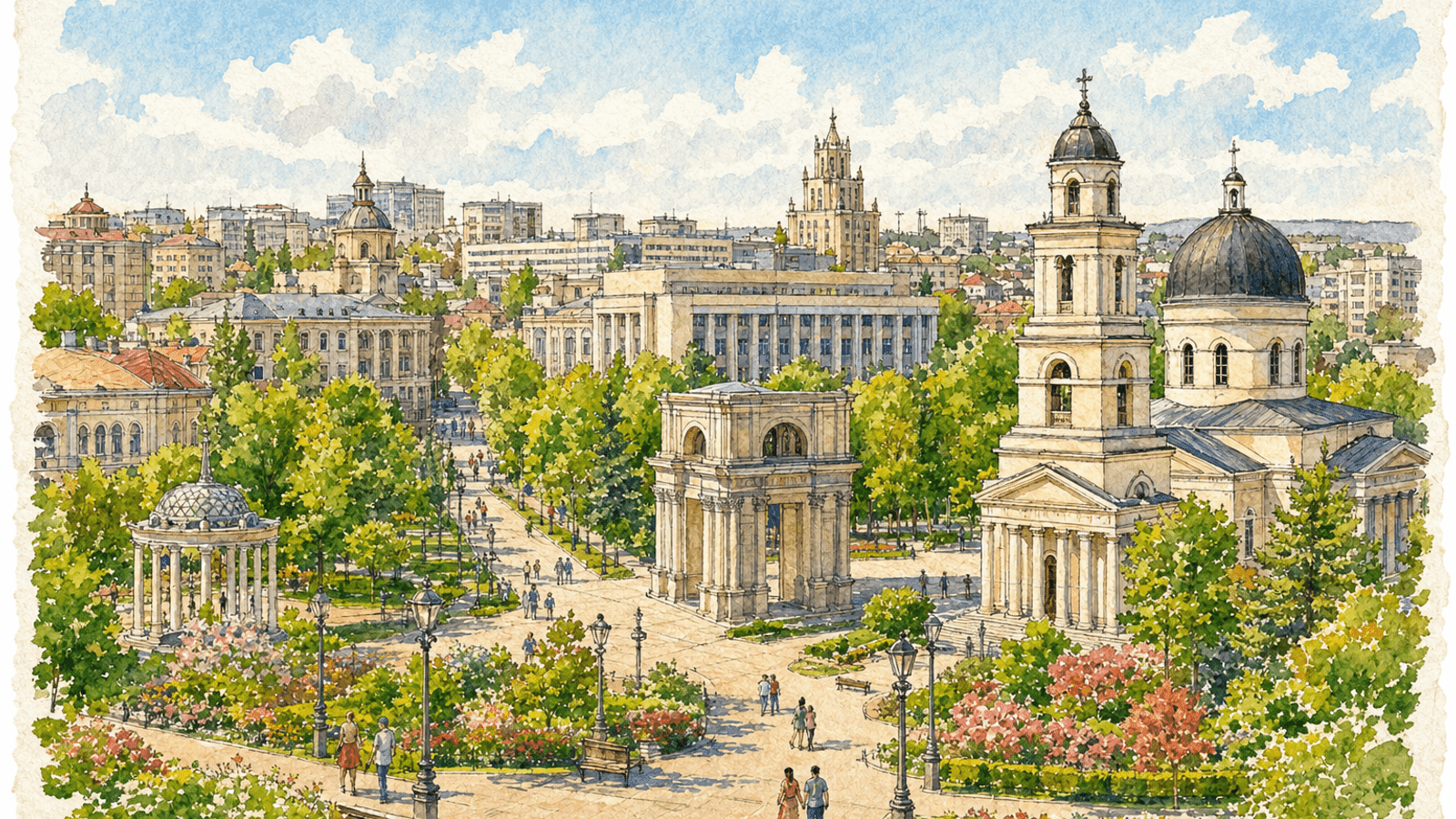
Chisinau (Chișinău) est une ville étonnamment verte, pleine de parcs et de larges boulevards bordés d'arbres. Son architecture est un mélange d'élégants bâtiments du XIXe siècle et de constructions monumentales de l'époque soviétique. L'Arc de Triomphe, la cathédrale orthodoxe et le marché central animé sont des incontournables.
Routes des vins et agrotourisme
La Moldavie est le paradis des amateurs de vin. Outre les gigantesques Cricova et Mileștii Mici, il existe des dizaines de charmants vignobles de charme, comme Purcari, Castel Mimi ou Asconi, proposant des dégustations, des restaurants et des hébergements de haute qualité. Beaucoup d’entre eux peuvent être visités lors d’une excursion d’une journée au départ de Chisinau.
Monastères et spiritualité
Le pays est parsemé de monastères orthodoxes situés dans des enclaves d’une grande beauté. En plus de l'emblématique Orheiul Vechi, les monastères Tipova et Saharna, également partiellement creusés dans la roche et situés à côté du fleuve Dniestr, offrent des sentiers, des cascades et une atmosphère de paix profonde. Le monastère de Capriana est l'un des plus anciens et des plus importants.
L'héritage soviétique et l'anomalie de la Transnistrie
Pour ceux qui s’intéressent à l’histoire récente, la Moldavie est une destination fascinante. Le voyage en Transnistrie, avec sa propre frontière, sa monnaie et son gouvernement non reconnu, est une immersion dans une relique vivante de l'URSS. A Chisinau, des bâtiments comme le Parlement ou le cirque abandonné sont les témoins de ce passé.
Le Nord rural et multiculturel
Le nord du pays offre une vision différente. À Soroca, vous pourrez visiter sa forteresse médiévale et la colline des gitans. Dans cette région, vous trouverez des villages habités par des minorités, comme les Ukrainiens et les Vieux-croyants russes, ce qui ajoute de la diversité culturelle au voyage.
Conseils de voyage
Horaires
Les horaires d'ouverture sont similaires à ceux du reste de l'Europe, d'environ 9h00 à 18h00. Les supermarchés et les centres commerciaux de Chisinau ont des horaires d'ouverture plus longs. Dans les zones rurales, les magasins peuvent avoir des horaires d'ouverture plus courts.
Transport interne
Le moyen le plus courant et le moins cher de se déplacer entre les villes sont les minibus, connus sous le nom de « rutieră » (pluriel : « rutiere »). Ils quittent les gares routières (« autogara ») lorsqu'elles sont pleines. Les trolleybus sont le principal moyen de transport public à Chisinau. Le réseau ferroviaire est limité et lent.
Langue
La langue officielle est le roumain. Le russe est également largement parlé et compris, notamment par les générations plus âgées. L'anglais gagne du terrain parmi les jeunes et dans le secteur touristique de Chisinau, mais son usage est limité dans les zones rurales.
Conseils
Le pourboire n’est pas obligatoire, mais c’est devenu une pratique courante et grandement appréciée. Dans les restaurants, si le service a été bon, il est d'usage de laisser entre 5 et 10 % de l'addition totale.
Ce guide n'est qu'une invitation à découvrir l'une des destinations les plus authentiques et les moins explorées d'Europe. La Moldavie est un pays qui se savoure lentement, comme ses vins. Chaque toast, chaque assiette de « mămăligă », chaque conversation dans une maison rurale vous rapprochera de l'âme de cette terre accueillante. Nous vous encourageons à explorer ses recoins et à vous laisser surprendre par son charme caché. Chignon tambour ! (Bon voyage !)
Chargement peut-être...
Explore Regions of Moldavie
Discover the most beautiful regions and plan your perfect trip
Center & Chișinău
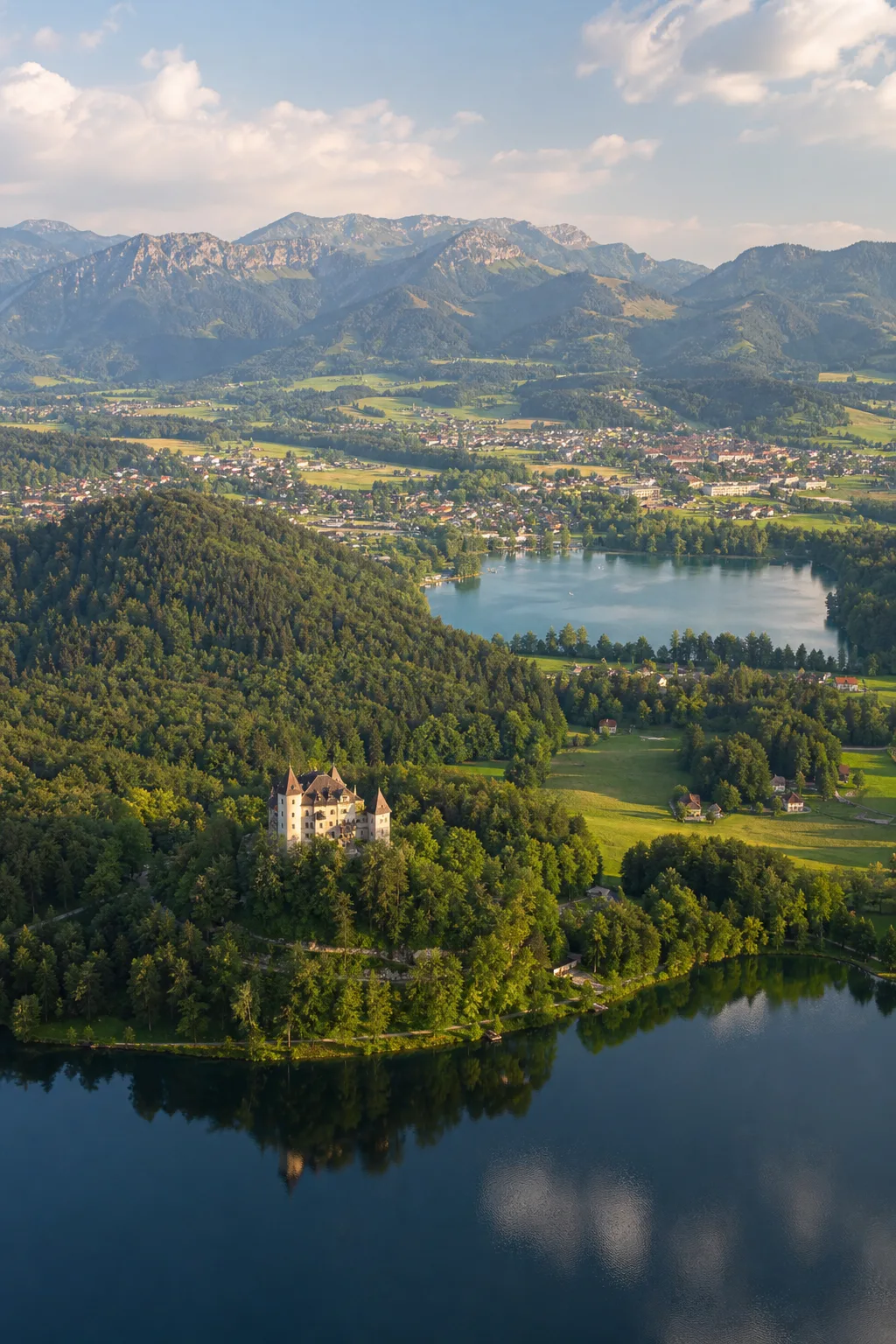
Center & Chișinău offers distinctive landscapes, culture and experiences in Moldavie.
Gagauzia
Gagauzia offers distinctive landscapes, culture and experiences in Moldavie.
North
North offers distinctive landscapes, culture and experiences in Moldavie.
South
South offers distinctive landscapes, culture and experiences in Moldavie.
Avant de partir
Réponses rapides pour planifier votre voyage en toute confiance
- 65Familles
- 69Gastronomie
- 68Sécurité
- 35Abordable
Tout près d'ici
Escapades faciles et day trips pour prolonger votre itinéraire
TripPlanner
Créez votre itinéraire parfait
Chargement...
Votre profil de voyageur
Découvrez votre style de voyage
Chargement...