

Guide de voyage général : La perle sauvage de l'Adriatique
Le Monténégro, dont le nom évoque des images de montagnes sombres et de paysages spectaculaires, est un pays qui dépasse toutes les attentes. Dans un territoire incroyablement compact, la « Perle de l'Adriatique » offre une étonnante diversité : d'un littoral étincelant parsemé de villes vénitiennes et de plages animées, à un intérieur sauvage et montagneux avec des canyons à couper le souffle et des lacs glaciaires d'un bleu profond. C'est un endroit où vous pouvez commencer la journée en rafting sur une rivière de montagne et la terminer en dégustant des fruits de mer frais au bord de la mer. Préparez-vous à découvrir un pays d’une beauté sauvage, d’une histoire fascinante et d’une hospitalité aussi chaleureuse que son soleil.
Capital
Podgorica
Population
616.695
Langue
Serbe, BS, SQ, Croate
Sites du patrimoine de l'UNESCO
4
Indices de voyage
Scores basés sur des données réelles de 0 à 100
Le meilleur de Monténégro
Expériences uniques
Escalader les murs de Kotor
Franchissez les 1 355 marches qui gravissent le flanc de la montagne Saint-Jean, au-dessus de la vieille ville de Kotor. L'effort est récompensé par des vues absolument inoubliables sur la ville et sur toute la baie de Kotor. C'est une expérience magique, surtout au lever ou au coucher du soleil.
Rafting dans le Canyon de Tara
Naviguer sur les eaux turquoise de la rivière Tara, à travers le canyon le plus profond d'Europe, est l'une des plus grandes aventures des Balkans. Le rafting offre une perspective unique sur les falaises spectaculaires et la nature préservée du parc national du Durmitor.
Navigation sur le lac Skadar
Prenez un bateau traditionnel en bois pour explorer le vaste et serein lac Skadar, un paradis couvert de nénuphars. C'est l'une des réserves ornithologiques les plus importantes d'Europe, où vous pourrez apercevoir des pélicans et des cormorans renfrognés. L'expérience se termine par une baignade dans ses eaux et une visite de petits villages de pêcheurs.
Ressentez la spiritualité du monastère d'Ostrog
Visiter cet impressionnant monastère orthodoxe serbe, construit dans une paroi rocheuse verticale, est une expérience qui étonne à la fois les pèlerins et les touristes. L’atmosphère de foi et l’incroyable prouesse de sa construction dans un lieu aussi inaccessible en font un lieu unique au monde.
Conduire le long de la Serpentine de Kotor
Pour les amateurs de routes panoramiques, l'ancienne route reliant Kotor à Cetinje constitue un défi inoubliable. Ses 25 virages en épingle à cheveux offrent à chaque détour une vue nouvelle et plus spectaculaire sur les bouches de Kotor. Ne convient pas aux conducteurs nerveux.
Visitez « Notre-Dame des Rochers »
Prenez un petit bateau depuis Perast pour visiter l'île artificielle de « Gospa od Škrpjela » (Notre-Dame des Rochers). La légende raconte que l'île a été créée par des marins locaux au fil des siècles, en jetant des pierres sur le site. La petite église baroque et son musée sont charmants.
Saveurs de la mer Adriatique et de la Montagne Noire
La cuisine monténégrine est clairement divisée en deux : celle de la côte, aux influences méditerranéennes, avec du poisson frais, des fruits de mer, de l'huile d'olive et des légumes ; et celui de l'intérieur montagneux, beaucoup plus robuste, à base de viandes fumées, de produits laitiers, de ragoûts et de plats à base de maïs et de pommes de terre.
Produits locaux et biologiques
La cuisine est fière d'utiliser des ingrédients frais, souvent biologiques par défaut. L'agneau fermier, les fromages faits maison et les légumes du jardin constituent la base de la plupart des plats.
L'hospitalité à table
L'hospitalité est sacrée. Il est de coutume d'accueillir les invités avec des « priganice » (beignets) et un shot de « rakija ». Un repas est toujours copieux et reflète la fierté de celui qui l'accueille.
Plats Iconiques
Njeguški pršut
Le célèbre jambon cru et fumé du village de Njeguši. Sa saveur unique est due à l'air de la montagne et au processus de séchage. Il est servi en tranches fines, souvent avec du fromage local (« Njeguški monsieur »).
Jagnjetina ispod saca
Agneau cuit « sous le sac », un grand couvercle métallique recouvert de braises. Cette méthode de cuisson lente rend la viande incroyablement tendre et juteuse, souvent cuite avec des pommes de terre.
Kačamak
Un plat montagnard très copieux, semblable à la polenta. Il est fait de farine de maïs et de pomme de terre et servi avec du fromage à la crème (« kajmak ») ou du yaourt aigre. Cela vous donnera de l'énergie pour toute la journée.
Bouzara
Un ragoût de fruits de mer (généralement des moules ou des crevettes) cuit dans une sauce au vin blanc, à l'ail, au persil et à la tomate. C'est un classique côtier.
Crni rizot
Le risotto noir, un plat populaire sur toute la côte dalmate. Sa couleur et son intense saveur marine proviennent de l'encre de seiche.
Riblji paprikaš / Riblja čorba
Une soupe ou un ragoût de poisson épicé, typique de la région du lac Skadar. Il est composé de poisson d'eau douce (généralement la carpe) et de paprika (« paprika »).
Boissons typiques
Rakija
Le brandy des Balkans. Le cépage (« Lozova rakija » ou « Loza ») est le plus populaire, suivi du cépage prune (« Šljivovica »). Il se boit à l'apéritif de bienvenue.
Vin (Vranac et Krstač)
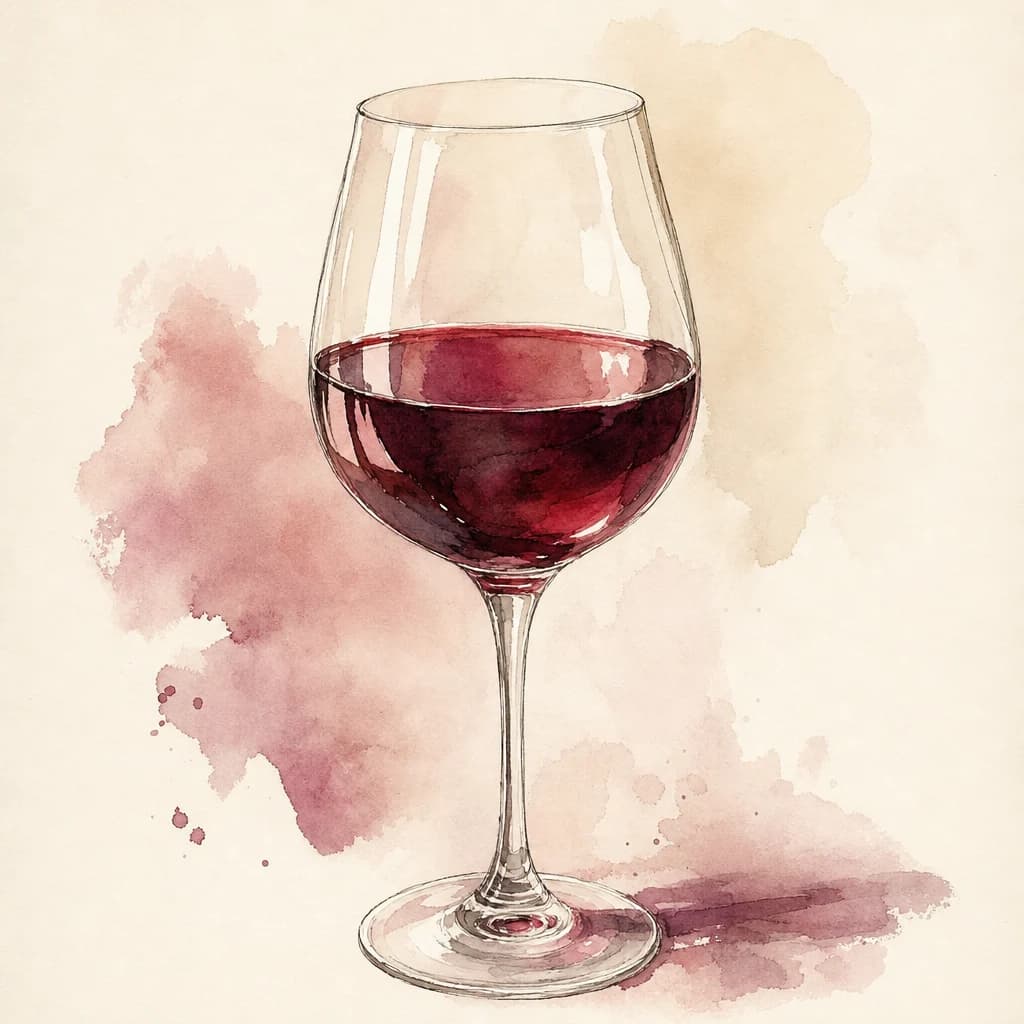
Le Monténégro a une longue tradition viticole. Le Vranac est le vin rouge phare, charpenté et puissant. Le « Krstač » est la principale variété de vin blanc, frais et indigène.
Nikšicko Pivo
La bière nationale par excellence, une bière blonde légère et rafraîchissante que l'on retrouve partout. C'est le compagnon idéal pour un repas informel.
Médovine
Hydromel, une boisson alcoolisée traditionnelle issue de la fermentation du miel. C'est doux et aromatique.
Que voir par thème
La richesse du Monténégro réside dans son incroyable capacité à offrir des paysages et des expériences radicalement différents dans un espace très réduit. Ensuite, nous vous proposons de découvrir le pays à travers différents thèmes.
La Baie de Kotor : Le Fjord Adriatique
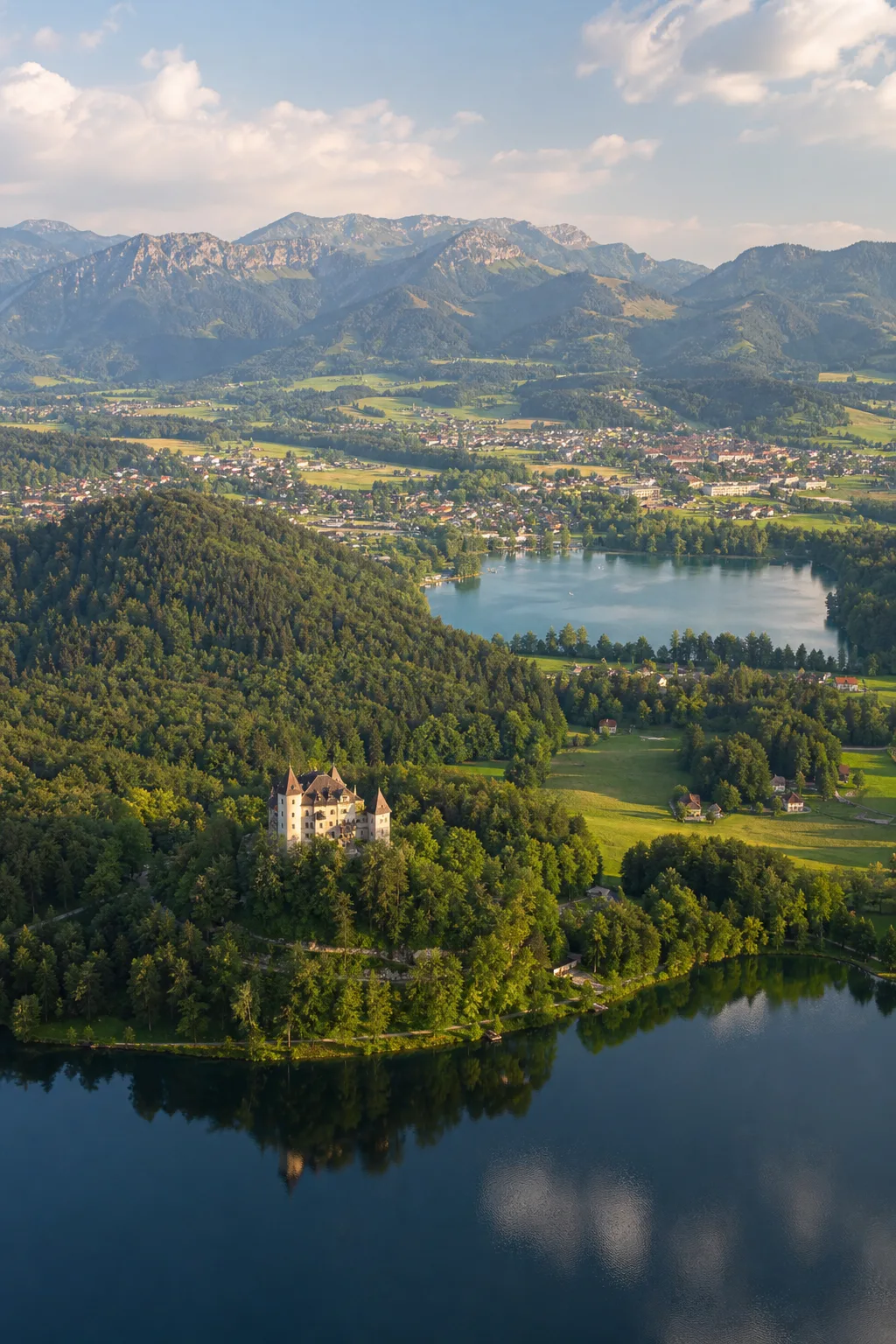
Classée au patrimoine mondial, cette baie est un spectacle en soi. L'itinéraire devrait inclure la ville fortifiée de Kotor, la charmante ville baroque de Perast avec ses îles et les villages de pêcheurs qui parsèment ses rives.
Le cœur de la montagne : les parcs nationaux
Le parc national de Durmitor est l'épicentre du tourisme d'aventure, avec le canyon de Tara, le lac Noir et les sommets de randonnée. Biogradska Gora abrite l'une des dernières forêts vierges d'Europe. Et le parc national de Lovćen est le cœur spirituel du Monténégro.
La Riviera : plages, glamour et fête
La côte de Budva est le centre touristique du pays. La ville de Budva offre une belle vieille ville et une vie nocturne animée. A proximité se trouvent la célèbre île de Sveti Stefan, la longue plage de Bečići et des criques plus calmes comme Jaz ou Mogren.
L'héritage royal et spirituel
Un voyage à l'intérieur des terres mène à Cetinje, l'ancienne capitale royale, remplie d'ambassades et de palais historiques. Le monastère d'Ostrog est le principal lieu de pèlerinage du pays, tandis que le mausolée de Njegoš au sommet du mont Lovćen offre des vues panoramiques et un profond sentiment d'identité nationale.
Le Grand Lac et le Vieux Sud
Le parc national du lac Skadar est un paradis pour l'observation des oiseaux et la détente. Au sud, la ville d'Ulcinj, à majorité albanaise et son passé pirate, et la longue plage de sable fin de Velika Plaža, offrent une toute autre ambiance.
Conseils de voyage
Devise
Le Monténégro utilise l'euro (€) comme monnaie, bien qu'il ne soit pas membre de l'Union européenne. Cela facilite les déplacements de nombreux visiteurs.
Transport interne
Louer une voiture est la meilleure option pour explorer le pays librement, mais préparez-vous à emprunter des routes de montagne étroites et sinueuses. Le réseau de bus est une alternative économique et efficace qui relie toutes les grandes villes.
Langue
La langue officielle est le monténégrin. Le serbe, le bosniaque, l'albanais et le croate sont également d'usage officiel. Dans les zones touristiques, l’anglais est largement parlé, notamment par les jeunes.
Conseils
Le pourboire n’est pas obligatoire mais est une pratique courante. Dans les restaurants, il est courant d'arrondir l'addition ou de laisser 10 % si vous êtes satisfait du service. Dans les taxis, le tarif peut être arrondi.
Ce guide n'est qu'une invitation à découvrir l'incroyable diversité de la « Perle sauvage de l'Adriatique ». Le Monténégro est un pays qui vous captivera par ses paysages, vous ravira par sa gastronomie et vous accueillera par sa chaleur. Nous vous encourageons à explorer à la fois ses célèbres côtes et ses montagnes secrètes. Srecan mis! (Bon voyage !)
Chargement peut-être...
Explore Regions of Monténégro
Discover the most beautiful regions and plan your perfect trip
Bay of Kotor
Bay of Kotor offers distinctive landscapes, culture and experiences in Monténégro.
Budva Riviera
Budva Riviera offers distinctive landscapes, culture and experiences in Monténégro.
Durmitor Region
Durmitor Region offers distinctive landscapes, culture and experiences in Monténégro.
Herceg Novi Municipality
Herceg Novi Municipality offers distinctive landscapes, culture and experiences in Monténégro.
Avant de partir
Réponses rapides pour planifier votre voyage en toute confiance
- 72Familles
- 74Gastronomie
- 78Sécurité
- 56Abordable
Styles de voyage
Classements liés
 78Villes les plus sûres d’EuropeDestinations où voyager plus sereinement.
 74Meilleures destinations gastronomiques d’EuropeVilles avec la meilleure scène gastronomique d’Europe.
 72Meilleures villes d’Europe pour voyager en familleVilles pensées pour les familles : sécurité, rythme et activités enfants.
Tout près d'ici
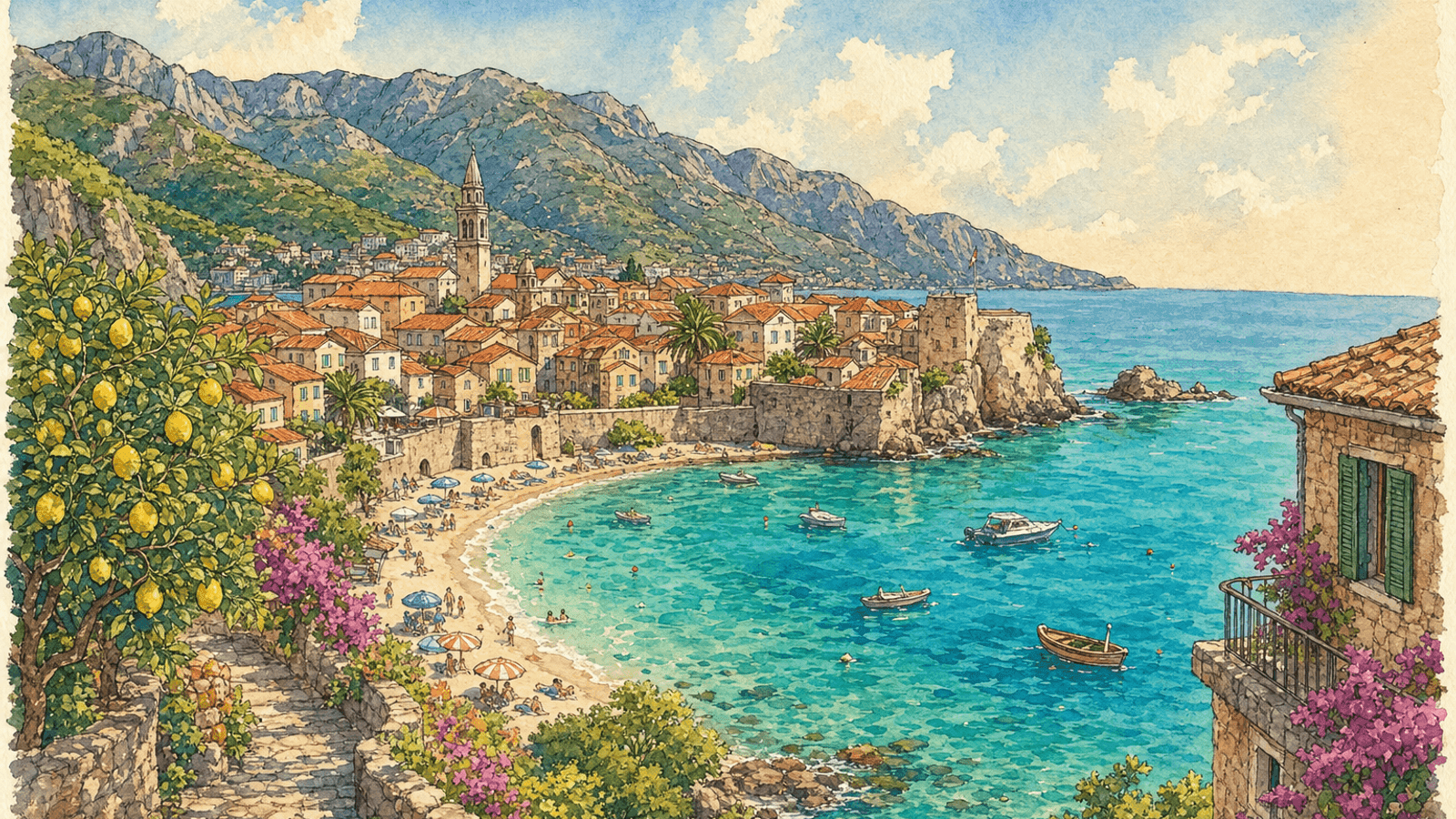
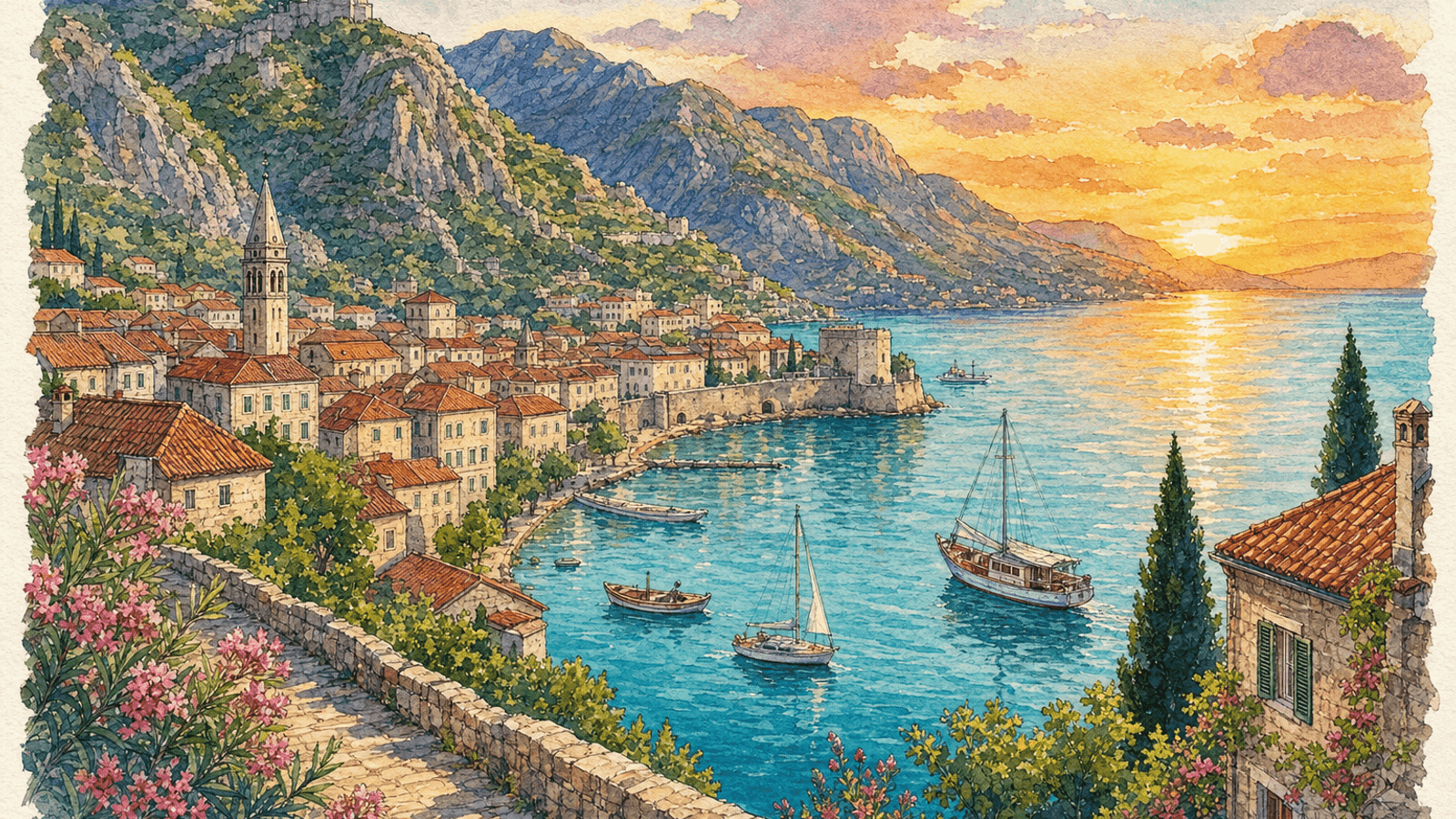
Escapades faciles et day trips pour prolonger votre itinéraire
Collections et routes
- 78Villes les plus sûres d’EuropeDestinations où voyager plus sereinement.
- 74Meilleures destinations gastronomiques d’EuropeVilles avec la meilleure scène gastronomique d’Europe.
- 72Meilleures villes d’Europe pour voyager en familleVilles pensées pour les familles : sécurité, rythme et activités enfants.
 78Voyage en famille
 74Voyage gastronomique
TripPlanner
Créez votre itinéraire parfait
Chargement...
Votre profil de voyageur
Découvrez votre style de voyage
Chargement...