

Guide de voyage général : Le berceau de l'histoire dans les Balkans
La Macédoine du Nord est un pays où le temps semble s’écouler à un rythme différent. C'est un pays qui vous plonge dans l'histoire, de l'ancien royaume d'Alexandre le Grand aux bazars animés de l'époque ottomane et aux monuments surréalistes du 21e siècle. Sa capitale, Skopje, est une ville aux contrastes audacieux, tandis qu'Ohrid, la « Jérusalem des Balkans », séduit par la sérénité de son lac et de ses innombrables églises. Mais la véritable âme du pays se trouve dans la chaleur de ses habitants, dans la saveur de sa cuisine faite maison et dans la beauté préservée de ses montagnes et de ses canyons. Préparez-vous pour un voyage authentique dans l'un des coins les plus fascinants et les moins explorés d'Europe.
Capital
Skopje
Population
1.836.713
Langue
MK, SQ
Sites du patrimoine de l'UNESCO
2
Indices de voyage
Scores basés sur des données réelles de 0 à 100
Le meilleur de Macédoine du Nord
Expériences uniques
Navigation sur le lac d'Ohrid
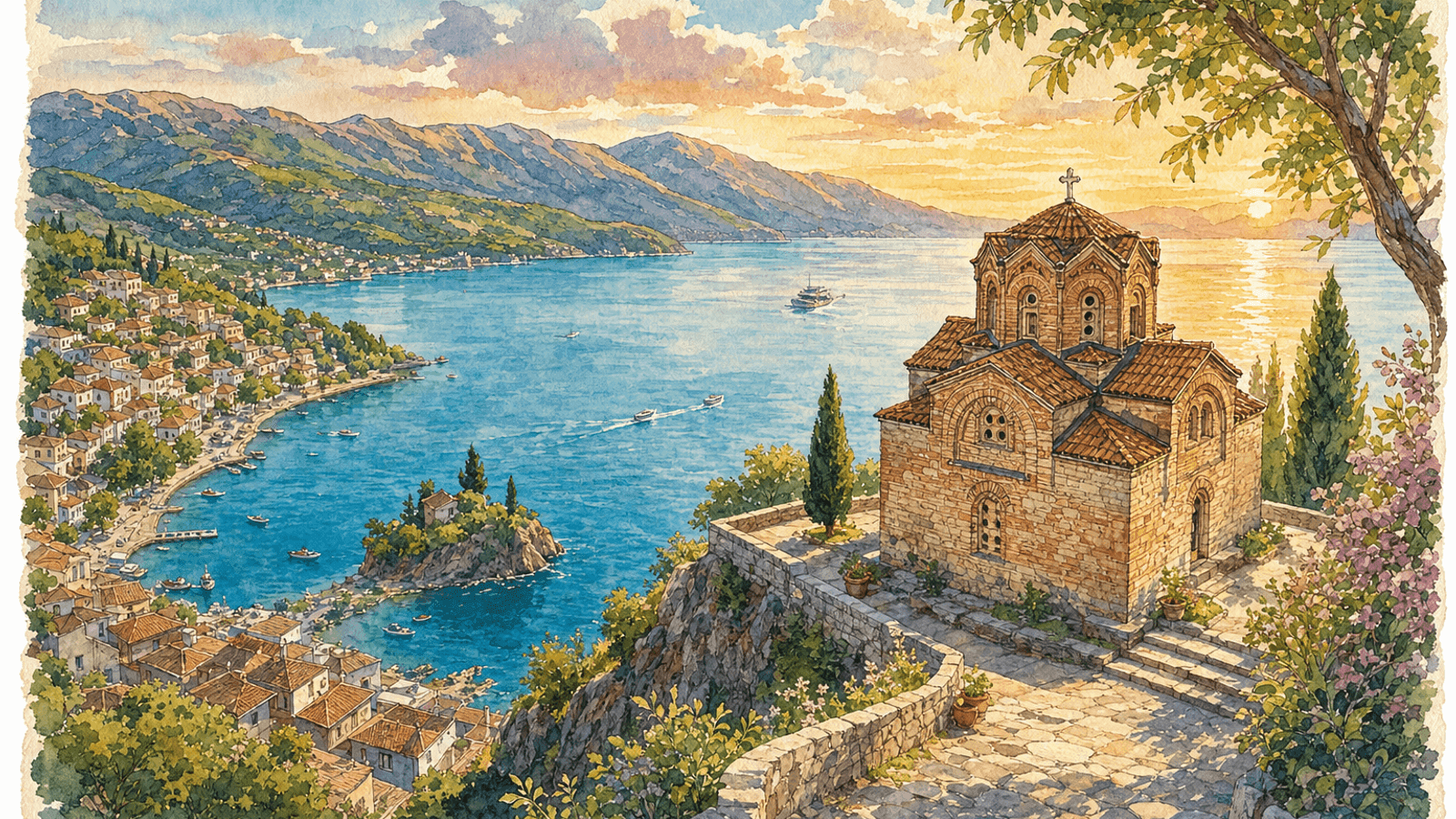
Prenez un bateau pour naviguer sur les eaux cristallines du lac d'Ohrid, l'un des plus anciens du monde. L'expérience culmine avec la vue depuis l'eau du monastère Saint-Jean (Sveti Jovan) à Kaneo, perché sur une falaise. C'est l'image la plus emblématique et la plus belle du pays.
Explorez le contraste de Skopje
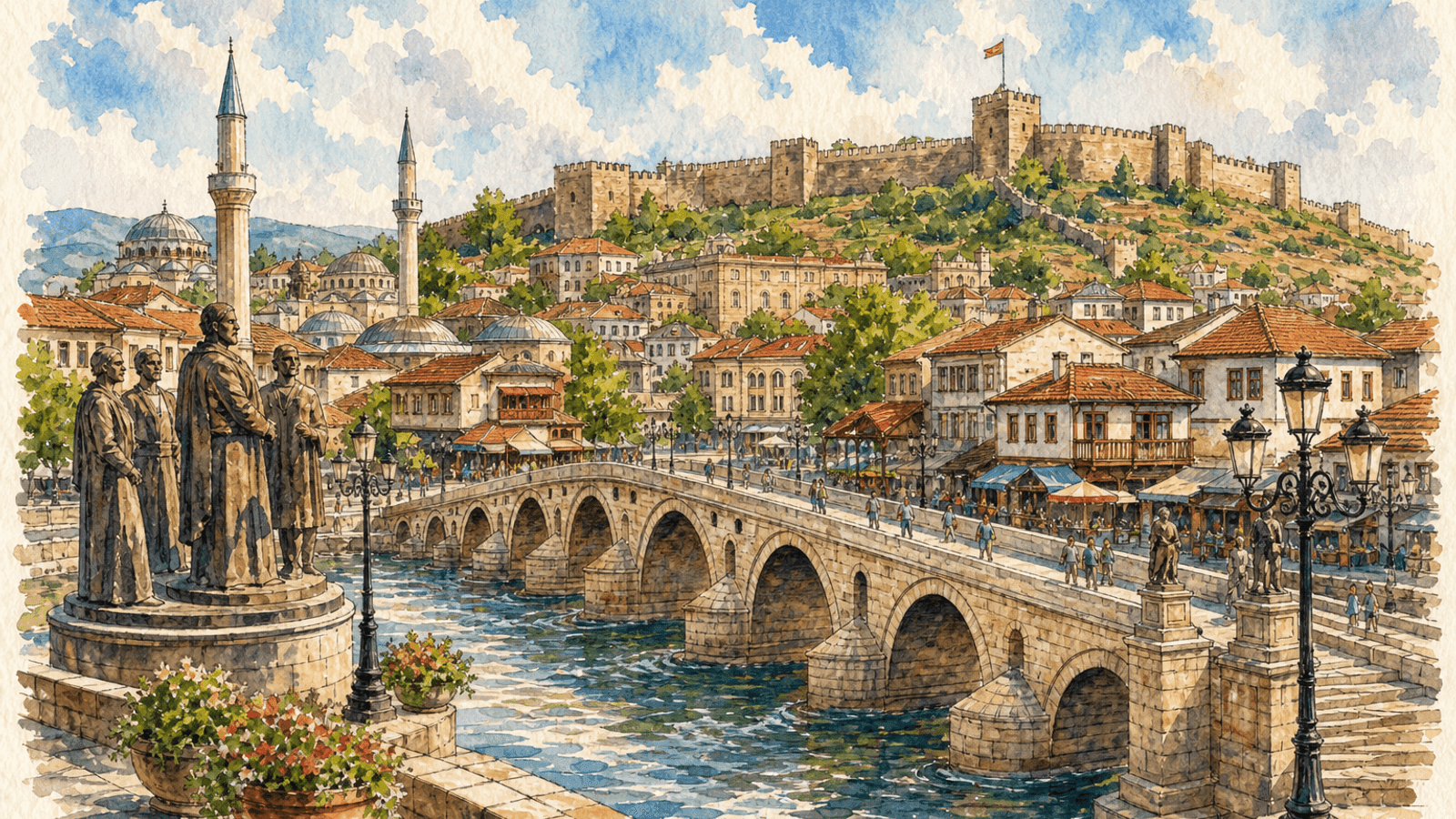
Perdez-vous dans les rues labyrinthiques du vieux bazar (Stara Čaršija), regorgeant de boutiques d'artisanat, de salons de thé et de mosquées. Traversez ensuite le pont de pierre pour vous retrouver dans un monde complètement différent : d'immenses statues de héros nationaux, des bâtiments néoclassiques et des arcs de triomphe, résultat du projet controversé « Skopje 2014 ».
Kayak dans le canyon de Matka
À une courte distance de Skopje se trouve cet impressionnant canyon. Louer un kayak et pagayer dans ses eaux calmes émeraude, entre des parois rocheuses verticales, est une escapade parfaite. Vous pouvez également visiter la grotte de Vrelo, l'une des grottes sous-marines les plus profondes du monde.
Visitez le monastère de Saint Naum
Sur la rive sud du lac d'Ohrid, ce magnifique monastère est une oasis de paix. Elle est célèbre pour les paons qui errent librement dans ses jardins et pour le tombeau de Saint Naum, où, selon la légende, on peut encore entendre les battements de son cœur si on pose son oreille dessus.
Ressentez l’atmosphère du Shirok Sokak à Bitola
Se promener dans l'élégante rue piétonne Shirok Sokak à Bitola, c'est comme remonter au « temps des consuls », lorsque la ville était un important centre diplomatique et culturel. Ses bâtiments néoclassiques et baroques, ses cafés et son ambiance décontractée en font l'une des villes les plus charmantes du pays.
Apprenez à fabriquer (ou du moins aimer) l'«Ajvar»
L'Ajvar, une pâte de poivrons rouges rôtis, est le condiment national. À l’automne, les familles se réunissent pour le rituel de rôtir les poivrons et d’en préparer de grandes quantités pour l’hiver. Goûter les différentes variétés faites maison est une délicieuse immersion dans la culture locale.
Un festin de saveurs balkaniques et ottomanes
La cuisine nord-macédonienne est au cœur de son hospitalité. Aux profondes racines ottomanes et balkaniques, c'est une gastronomie savoureuse et honnête à base de produits frais. Les légumes du jardin, notamment les poivrons et les tomates, les viandes grillées, les fromages et les légumineuses sont les protagonistes.
La Sainte Trinité : poivron, tomate et oignon
Presque tous les plats emblématiques de la cuisine macédonienne reposent sur la combinaison de ces trois ingrédients. Le poivron rouge, en particulier, est roi et constitue la base du bien-aimé « ajvar ».
La « Kafana » et la vie sociale
La « kafana » (taverne traditionnelle) est le centre de la vie sociale. C'est là que vous prenez des repas longs et généreux, écoutez de la musique traditionnelle et buvez du « rakija » jusqu'au petit matin, discutant de la vie, de la politique et du football.
Plats Iconiques
Tavče Gravče
Considéré comme le plat national. Il s'agit d'un ragoût de haricots blancs cuits lentement puis cuits dans un pot traditionnel en argile. Du poivron rouge séché et parfois des saucisses sont souvent ajoutés.
Ajvar
Une pâte ou un condiment composé principalement de poivrons rouges rôtis, d'aubergines et d'ail. Il est tartiné sur du pain, servi en accompagnement ou simplement consommé à la cuillerée. C'est la fierté de chaque foyer.
Shopska Salata
La salade par excellence des Balkans. Un mélange simple mais délicieux de tomate, concombre, poivron et oignon, généreusement garni de fromage blanc râpé (« sirenje »), semblable à la feta.
Kebapi (ou Ćevapi)
Petits rouleaux de viande hachée grillée, servis sur du pain plat avec de l'oignon cru. Un classique de la street food et des « kafanas ».
Pastrmajlija
Une sorte de pizza ovale ou de coca, garnie de petits morceaux de porc ou de poulet et parfois d'œuf. C'est une spécialité de la région de Shtip.
Polneti Piperki
Poivrons farcis, généralement avec un mélange de riz et de viande hachée, cuits dans une savoureuse sauce tomate. Un plat fait maison très apprécié.
Boissons typiques
Rakija
La puissante eau-de-vie de fruits des Balkans. Le cépage (« lozova ») est le plus répandu, mais on y trouve aussi des prunes et d'autres fruits. Il est servi à l'apéritif et est un symbole d'hospitalité.
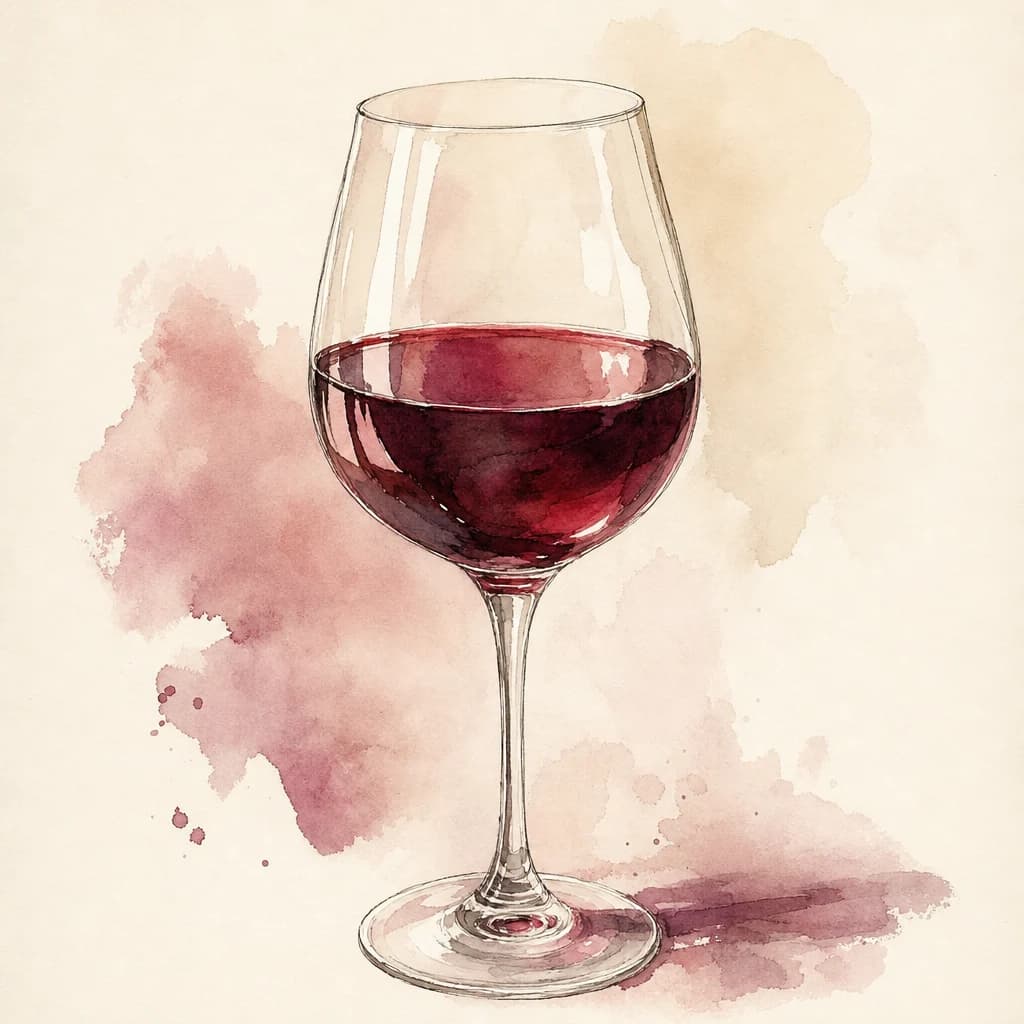
Vin macédonien (Vranec et Smederevka)
Le pays a une longue tradition viticole. Le Vranec est le cépage rouge phare, de couleur puissante et sombre. Smederevka est le cépage blanc le plus répandu, léger et frais.
Mastika
Une liqueur au fort goût anisé, semblable à l'ouzo grec. Il est particulièrement apprécié dans la région de Strumica et est servi froid à l'apéritif.
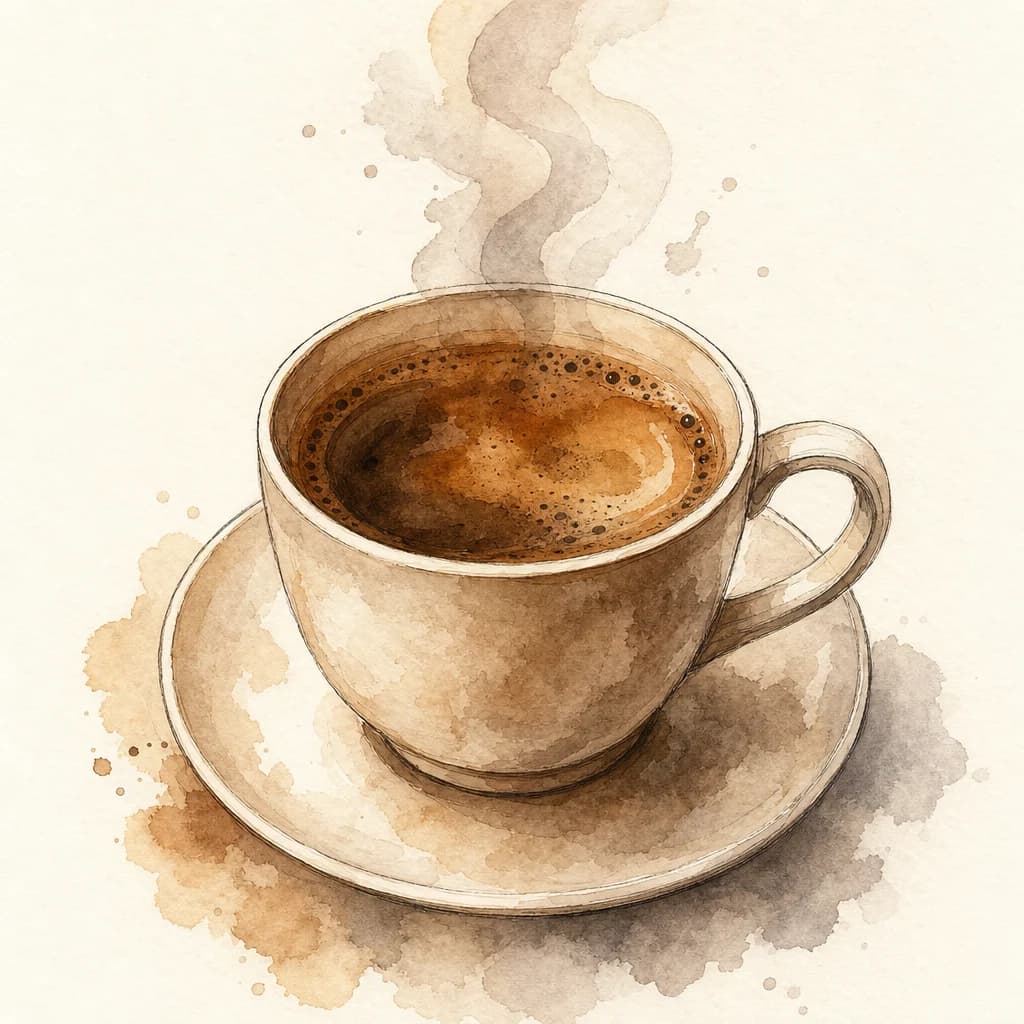
Tursko Kafe (café turc)
Café traditionnel, préparé dans un « gjezve » et servi fort et épais. C'est le centre de la vie sociale quotidienne.
Que voir par thème
La richesse de la Macédoine du Nord réside dans son incroyable mélange d'histoire ancienne, de culture balkanique dynamique et de nature spectaculaire. Ensuite, nous vous proposons de découvrir le pays à travers différents thèmes.
Ohrid : la perle des Balkans
Inscrit au patrimoine mondial pour sa nature et sa culture, le lac d'Ohrid et la ville du même nom sont le joyau du pays. Avec ses 365 églises (une pour chaque jour de l'année), sa forteresse et son amphithéâtre romain, c'est un lieu magique.
Skopje : une capitale de contrastes
La capitale est une expérience unique. Du labyrinthique bazar ottoman à la forteresse de Kale, en passant par la grandeur de ses nouveaux monuments et musées, Skopje ne laisse personne indifférent. C'est aussi la ville natale de Mère Teresa.
Aventure nature
Matka Canyon est idéal pour le kayak et la spéléologie. Le parc national de Mavrovo offre des paysages alpins, des randonnées et la célèbre église semi-immergée. Le parc national de Pelister est connu pour ses lacs glaciaires, les « Yeux de Pelister ».
Route archéologique
Suivez les traces des anciens royaumes. Visitez les ruines d'Héracléa Lyncestis près de Bitola, célèbre pour ses mosaïques, et le site de Stobi, une importante ville romaine sur la route de Thessalonique.
Des villes de charme et d'histoire
Bitola, la « ville des consuls », dégage un air d'élégance décadente. Kruševo est la ville la plus haute du pays, célèbre pour le monument « Makedonium » et son rôle dans l'histoire révolutionnaire.
Conseils de voyage
Devise
La monnaie officielle est le denar macédonien (MKD). Même si certains lieux touristiques acceptent les euros, il est préférable d'utiliser la monnaie locale pour les transactions quotidiennes. Le paiement par carte est courant dans les villes, mais il est bon d'avoir de l'argent liquide sur soi dans les zones rurales.
Transport interne
Le réseau de bus est le moyen le moins cher et le plus efficace de voyager à travers le pays, reliant toutes les villes. Les taxis sont également abordables, surtout dans les villes, mais il est conseillé de se mettre d'accord sur le prix au préalable ou de s'assurer qu'ils utilisent le compteur.
Langue
La langue officielle est le macédonien, une langue slave. L'Albanais est également co-officiel. L'anglais est assez courant chez les jeunes et dans le secteur du tourisme. Beaucoup comprennent également le serbe/croate.
Conseils
Les pourboires ne sont pas obligatoires, mais sont toujours appréciés. Dans les restaurants et cafés, il est d'usage d'arrondir l'addition ou de laisser environ 10 % si le service a été bon.
Ce guide n'est que le début de votre voyage dans un pays qui vous surprendra par son authenticité et sa chaleur. La Macédoine du Nord est une destination à explorer tranquillement, à discuter dans un café et à s'émerveiller devant un paysage témoin de millénaires d'histoire. Nous vous encourageons à découvrir chacun de ses recoins. Alors c'est vrai ! (Alors sreḱa !) (Bonne chance/Bon voyage !)
Chargement peut-être...
Explore Regions of Macédoine Du Nord
Discover the most beautiful regions and plan your perfect trip
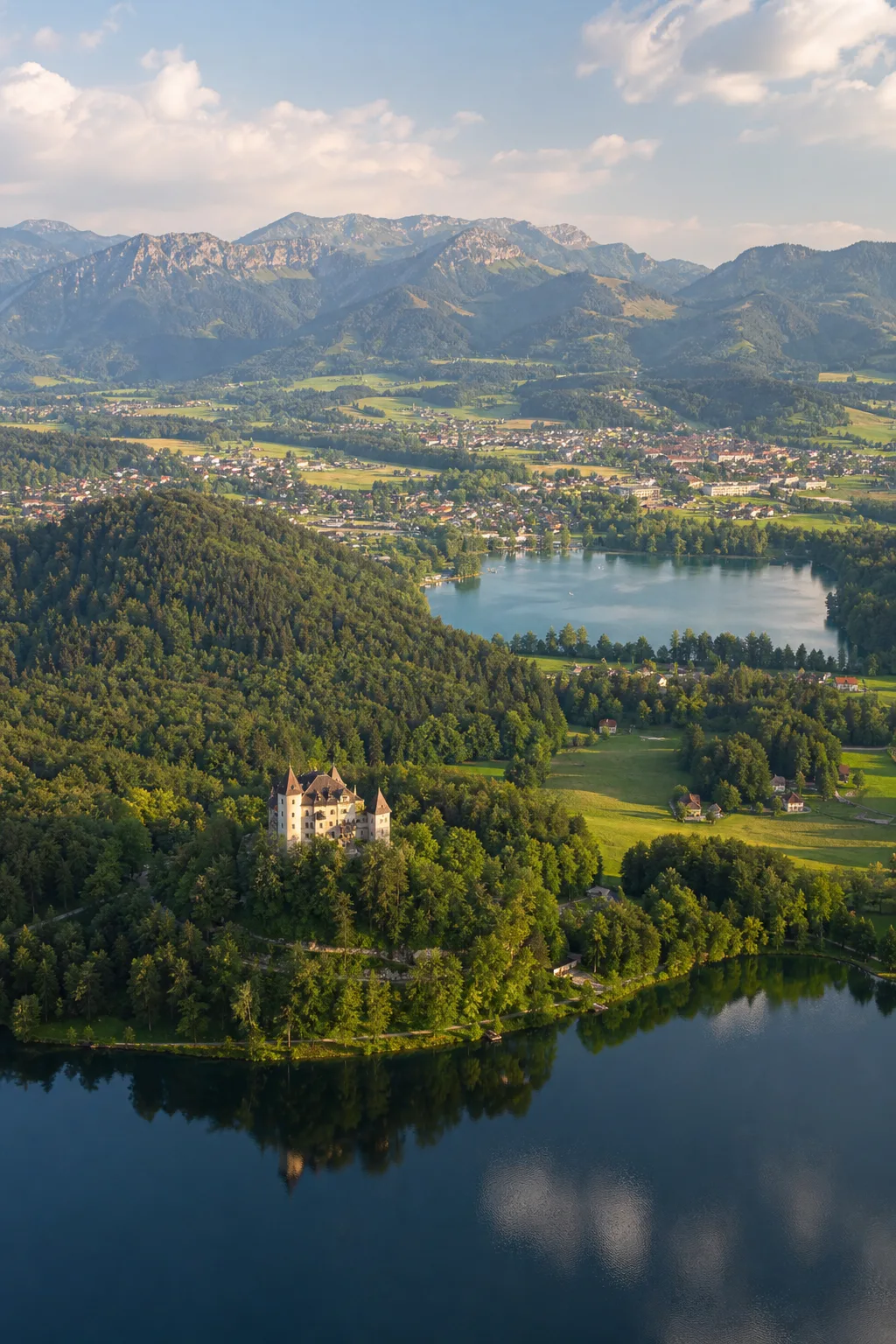
Eastern Statistical Region
Eastern Statistical Region offers distinctive landscapes, culture and experiences in Macédoine Du Nord.
Northeastern Statistical Region
Northeastern Statistical Region offers distinctive landscapes, culture and experiences in Macédoine Du Nord.
Pelagonia Statistical Region
Pelagonia Statistical Region offers distinctive landscapes, culture and experiences in Macédoine Du Nord.
Polog Statistical Region
Polog Statistical Region offers distinctive landscapes, culture and experiences in Macédoine Du Nord.
Avant de partir
Réponses rapides pour planifier votre voyage en toute confiance
- 68Familles
- 70Gastronomie
- 72Sécurité
- 38Abordable
Styles de voyage
Tout près d'ici
Escapades faciles et day trips pour prolonger votre itinéraire
TripPlanner
Créez votre itinéraire parfait
Chargement...
Votre profil de voyageur
Découvrez votre style de voyage
Chargement...