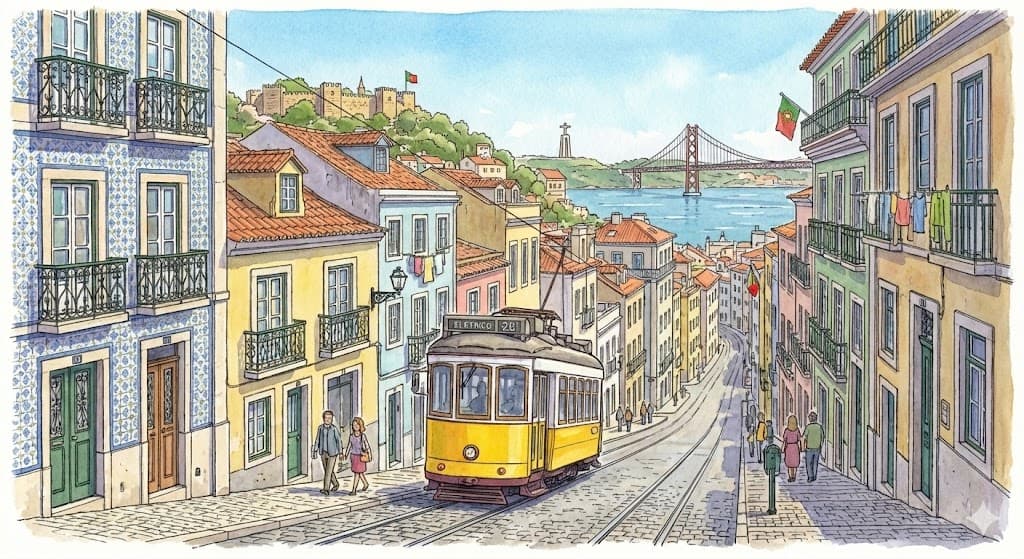
Guide de voyage général : L'âme de l'Atlantique
Le Portugal est une terre d'explorateurs qui vous invite à la découverte. Un pays qui regarde l'Atlantique avec un mélange de nostalgie et de modernité, où l'histoire résonne dans les rues pavées de ses villes et où la nature éblouit dans sa côte dorée et ses vallées verdoyantes. Du charme décadent de Lisbonne et des rives animées de Porto, aux paysages de rêve de Sintra et à la sérénité des plages de l'Algarve, le Portugal est un régal pour les sens. Préparez-vous à tomber amoureux de sa lumière unique, de sa gastronomie honnête et savoureuse, des sons mélancoliques du fado et, surtout, de l'accueil chaleureux de ses habitants. C'est un pays qui se déguste lentement, comme un bon porto.
Capital
Lisbonne
Population
10.270.865
Langue
Portugais
Sites du patrimoine de l'UNESCO
17
Indices de voyage
Scores basés sur des données réelles de 0 à 100
Le meilleur de Portugal
Expériences uniques
Écouter du Fado à Alfama ou Mouraria (Lisbonne)
Pour comprendre l'âme portugaise (« saudade »), il faut faire l'expérience du fado. Dans les quartiers historiques de Lisbonne, de petites maisons de fado proposent des soirées intimistes où une voix solitaire, accompagnée de la guitare portugaise, chante des histoires d'amour, de perte et de destin. C'est une expérience profondément émotionnelle et authentique.
Perdez-vous dans les palais de Sintra
À quelques minutes en voiture de Lisbonne, Sintra est un lieu magique de collines boisées parsemées de palais extravagants. Le palais de Pena, coloré et romantique, est le joyau de la couronne, mais la mystérieuse Quinta da Regaleira avec son puits d'initiation et l'ancien Castelo dos Mouros offrent une journée d'exploration fascinante.
Faites une route en bateau à travers l'Algarve
La côte de l'Algarve est célèbre pour ses formations rocheuses, ses grottes marines et ses plages cachées. Prendre un bateau depuis Lagos ou Portimão pour explorer des lieux comme la grotte de Benagil, une magnifique grotte avec une plage à l'intérieur, et la Ponta da Piedade avec ses arches et piliers dorés, est une expérience inoubliable.
Visitez une cave à vin de Porto
Traverser le pont Don Luis I à Porto en direction de Vila Nova de Gaia, c'est entrer dans le monde du vin de Porto. De nombreux domaines viticoles historiques proposent des visites guidées expliquant le processus d'élaboration de ce vin fortifié, culminant par une dégustation de ses différents cépages (Ruby, Tawny, White et Vintage).
Manger des Pasteis de Belém dans son lieu d'origine
Bien que les pastais de nata soient présents partout au Portugal, goûter l'original à la pâtisserie « Pasteis de Belém » à Lisbonne est un rituel. Servis chauds, avec leur pâte feuilletée croustillante et leur crème moelleuse, saupoudrés de cannelle et de sucre glace, ils sont un délice divin.
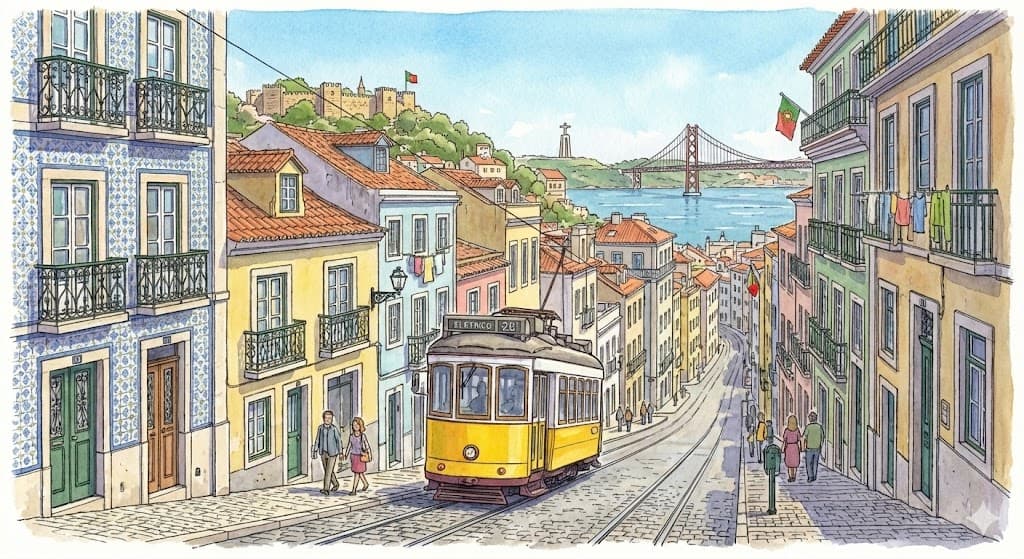
Prenez le tram 28 à Lisbonne
Ce n’est pas seulement un moyen de transport, mais une attraction touristique en soi. Ce tramway jaune historique grince et serpente dans les rues étroites des quartiers les plus pittoresques de Lisbonne, tels que Graça, Alfama et Baixa, offrant une façon charmante de découvrir la ville.
Saveurs de la Mer et de la Terre
La gastronomie portugaise est honnête, abondante et délicieuse, basée sur la qualité de ses produits frais, notamment les poissons et fruits de mer de l'Atlantique. L'huile d'olive, l'ail et la coriandre sont les piliers d'une cuisine aux saveurs marquées et aux recettes traditionnelles qui se transmettent de génération en génération. Chaque région a sa fierté culinaire, mais la passion de la bonne chère est un trait national.
La Passion pour Bacalhau (Morue)
On dit qu’il existe plus de 365 recettes pour cuisiner la morue, une pour chaque jour de l’année. Ce poisson salé est l'ingrédient national par excellence et se prépare d'innombrables façons : grillé, cuit au four, en beignets, en ragoûts... Il est le cœur de nombreuses tables portugaises.
Le rituel du café et du gâteau
Les « Pastelarias » (pâtisseries) et les cafés sont des institutions au Portugal. C'est l'endroit idéal pour un petit-déjeuner rapide, une pause en milieu de matinée avec un « bica » (expresso) ou une délicieuse douceur en milieu d'après-midi. La variété des gâteaux et des friandises est incroyable.
Plats Iconiques
Bacalhau à Brás
L'une des recettes de morue les plus populaires et les plus délicieuses. Il se compose de morue émiettée sautée avec de l'oignon, des pommes de terre en paille très fines, un œuf brouillé et des olives noires. Un plat réconfortant et plein de saveurs.
Assadas Sardinhas
L'arôme des sardines grillées est l'odeur de l'été au Portugal, notamment lors des festivités de la Saint-Antoine à Lisbonne. Ils sont rôtis entiers sur un grill au charbon de bois, servis sur une tranche de pain et dégustés avec les mains.
Bouillon Vert
Une soupe rustique et réconfortante du nord du Portugal. Il est composé d'une base de purée de pommes de terre, de chou de Galice coupé en julienne très fine et de tranches de chorizo, le tout arrosé d'un filet d'huile d'olive.
Francesinha
La réponse de Porto au croque-monsieur, mais poussée à l'extrême. Il s'agit d'un sandwich copieux rempli de diverses viandes (jambon, saucisse, steak), recouvert de fromage fondu et baigné d'une sauce tomate et bière savoureuse et légèrement épicée. Il est généralement servi avec des frites.
Cataplana aux fruits de mer
Typique de l'Algarve, il tire son nom du récipient en cuivre en forme de coquille dans lequel il est cuit à la vapeur. C'est un ragoût délicieux et aromatique de différents poissons et fruits de mer avec des tomates, des poivrons et des herbes.
Poudre de Lagareiro
Un plat de poulpe tendre et savoureux. Le poulpe est bouilli puis grillé ou cuit au four, arrosé généreusement d'huile d'olive et d'ail et servi avec des pommes de terre rôties pilées (« a murro »).
Boissons typiques
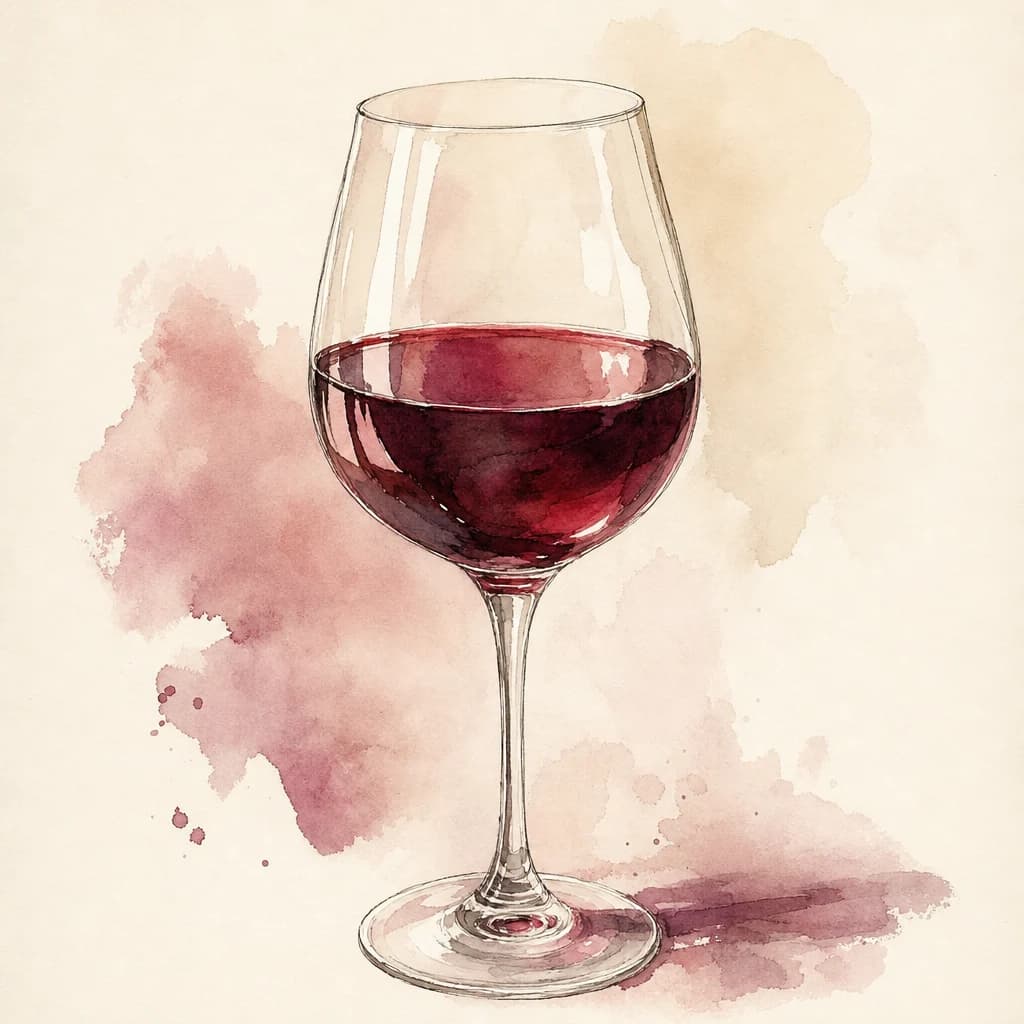
Vinho do Porto (vin de Porto)
Le vin fortifié le plus célèbre au monde, produit exclusivement dans la vallée du Douro. Idéal à l'apéritif (blanc ou rosé) ou en vin de dessert (Ruby ou Tawny). Déguster un Millésime issu d'un bon millésime est une expérience unique.
Vinho Verde (Vin Vert)
Il n'est pas de couleur verte, mais « jeune ». C'est un vin léger, frais et légèrement pétillant de la région du Minho au nord. Parfait pour accompagner du poisson, des fruits de mer ou pour boire par une chaude après-midi.
Ginjinha
Une liqueur douce à base de cerises (ginjas) macérées dans de l'eau-de-vie. Il est très populaire à Lisbonne, Óbidos et Alcobaça, où il est servi dans de petits verres, souvent avec ou sans le fruit (« com ou sem elas »).

Café (Bica ou Cimbalino)
Le café est un élément essentiel de la vie portugaise. Un café noir est appelé « bica » à Lisbonne et « cimbalino » à Porto. Il est fort, court et intense, et peut être dégusté à tout moment de la journée.
Desserts traditionnels
Pastel de Nata (ou Pastel de Belém)
Le joyau de la pâtisserie portugaise. Une petite tarte feuilletée croustillante fourrée d'une crème à base de jaune d'œuf, de lait et de sucre, souvent brûlée en surface. Dépendants.
Bals berlinois
Type de beignet frit ou beignet, sans trou, souvent vendu sur les plages pendant l'été. Il peut être fourré de crème pâtissière (« crème ») ou sans garniture (« sem crème »).
Sericaia
Un dessert typique de la région de l'Alentejo. C'est un pudding moelleux et crémeux à base d'œufs, de lait et de cannelle, qui craque à la cuisson. Il est traditionnellement servi avec une grosse prune Elvas au sirop.
Ovos Moles de Aveiro
Bonbons typiques de la ville d'Aveiro. Ils sont constitués d'une crème sucrée de jaune d'oeuf et de sucre enveloppée dans une fine galette aux formes marines, comme des coquillages ou du poisson. Ils furent les premiers bonbons portugais à obtenir la protection européenne.
Que voir par thème
La richesse du Portugal réside dans son incroyable diversité, allant des villes historiques aux côtes sauvages et à une culture profondément enracinée.
Des villes historiques pleines de charisme
Lisbonne, la capitale des sept collines, séduit par ses quartiers historiques, sa lumière et son ambiance bohème. Porto, sur les rives du Douro, enchante par son centre historique classé au patrimoine mondial et sa vie animée. Coimbra abrite l'une des plus anciennes universités d'Europe, tandis qu'Évora, dans l'Alentejo, est un musée à ciel ouvert avec son temple et ses murs romains.
Côtes, plages et vagues
Avec plus de 800 km de côtes, le Portugal est le paradis des amoureux de la mer. L'Algarve, au sud, est célèbre pour ses criques dorées et ses eaux calmes. La côte à l'ouest de Lisbonne, près de Cascais, et plus au nord à Peniche et Nazaré, est le paradis des surfeurs, avec certaines des plus grosses vagues du monde. La Côte Vicentine offre des paysages plus sauvages et vierges.
Routes des vins : Douro et Alentejo
Le Portugal est une destination viticole de premier ordre. La vallée du Douro, avec ses vignobles en terrasses plongeant vers le fleuve, constitue l'un des paysages viticoles les plus spectaculaires au monde et le berceau du vin de Porto. La région de l'Alentejo est connue pour ses vins rouges de plaine et charpentés, avec de nombreuses « herdades » (fermes) proposant des dégustations et de l'œnotourisme.
Villes médiévales et charmantes
L'essence du Portugal se retrouve également dans ses villes. Óbidos est une ville de contes parfaitement préservée dans ses murs. Marvão et Monsaraz sont des nids d'aigle de l'Alentejo offrant une vue imprenable. Au nord, les villages historiques de granit comme Piódão semblent figés dans le temps.
Nature exubérante : Açores et Madère
Les archipels portugais au milieu de l'Atlantique sont des paradis naturels. Les Açores sont un groupe de neuf îles volcaniques avec des lacs de cratère, des sources chaudes et une végétation luxuriante, idéales pour la randonnée et l'observation des baleines. Madère, la « perle de l'Atlantique », est célèbre pour ses jardins, ses impressionnantes falaises et ses « levadas » (canaux d'irrigation) transformés en itinéraires de randonnée uniques.
Patrimoine des Découvertes
L’ère des découvertes a laissé une marque indélébile. Dans le quartier de Belém à Lisbonne, le monastère des Hiéronymites et la tour de Belém sont les plus grands représentants du style manuélin, une variante riche et ornée du gothique qui célèbre les exploits maritimes du Portugal.
Conseils de voyage
Transports publics
Le réseau ferroviaire (Comboios de Portugal) relie efficacement les grandes villes comme Lisbonne, Porto et Faro. Pour rejoindre les petites villes et explorer des régions comme l'Algarve, le réseau de bus (comme Rede Expressos) est étendu et abordable. À Lisbonne et à Porto, les cartes de transport rechargeables sont l'option la moins chère.
Péages routiers
De nombreuses autoroutes portugaises sont dotées de péages électroniques (« portagens »). Si vous voyagez en voiture de location, demandez à l'entreprise l'appareil électronique (comme Via Verde) pour payer automatiquement. Sinon, le paiement pourrait être difficile pour les touristes sur certaines autoroutes.
Langue
La langue officielle est le portugais. Bien que dans les zones touristiques et chez les jeunes, l'anglais soit assez courant, l'apprentissage de quelques phrases de base telles que « Bom dia » (Bonjour), « Obrigado/a » (Merci) et « Por favor » (S'il vous plaît) sera grandement apprécié.
Pourboires (« Gorjetas »)
Le pourboire n’est pas obligatoire et le service n’est généralement pas inclus dans la facture. Dans les restaurants, si le service a été bon, il est d'usage de laisser entre 5 % et 10 %. Dans les cafés, il suffit d’arrondir l’addition ou de laisser quelques pièces.
Ce guide n'est que le début de votre voyage à travers le Portugal. Chaque région, du Minho vert au nord à l'Alentejo ensoleillé et aux îles volcaniques, offre un monde à découvrir. Nous vous encourageons à vous perdre dans ses rues, à parler avec ses habitants et à vous laisser emporter par le rythme calme de la vie portugaise. Faites un bon voyage!
Chargement peut-être...
Explore Regions of Portugal
Discover the most beautiful regions and plan your perfect trip
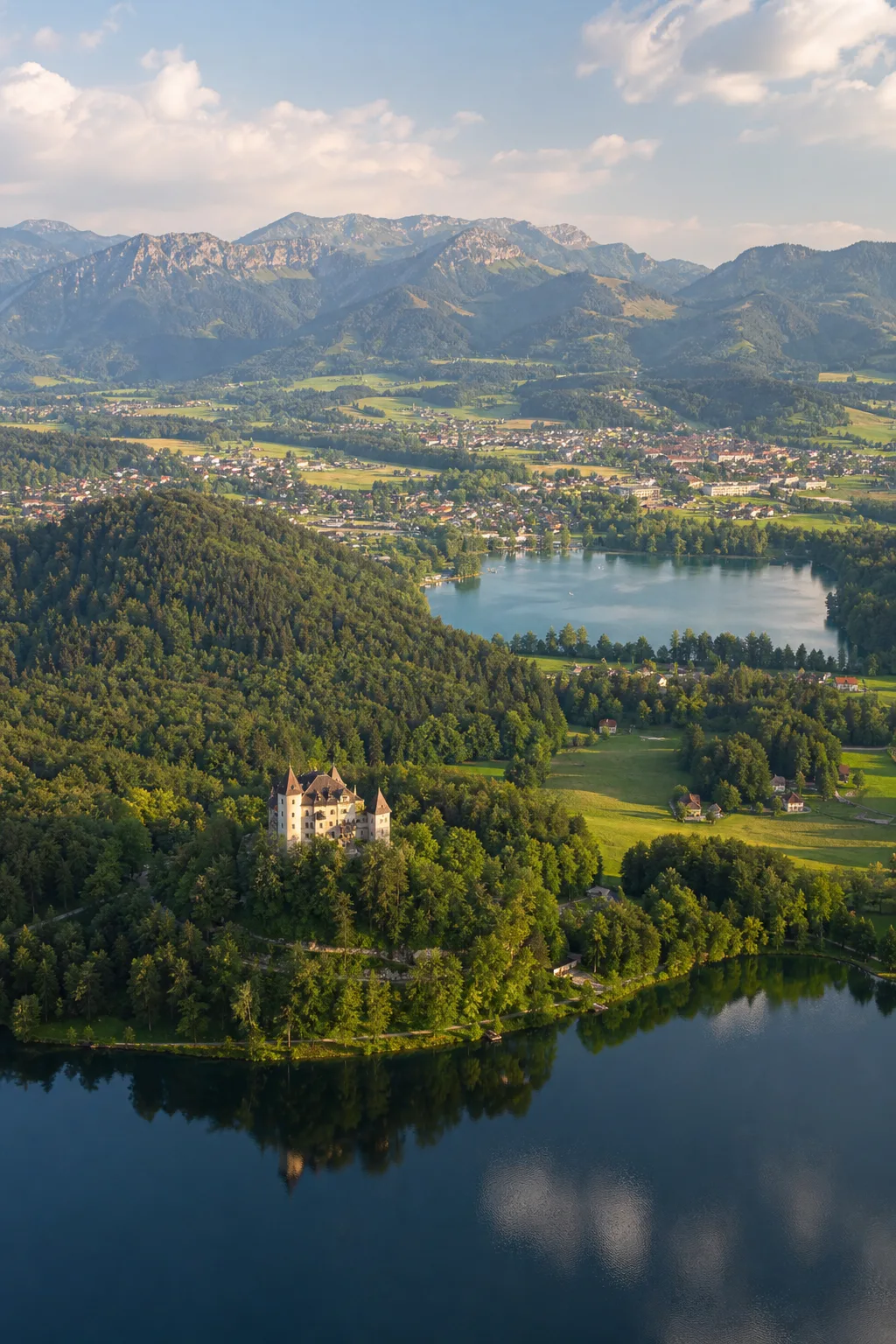
Alentejo
Alentejo offers distinctive landscapes, culture and experiences in Portugal.
Algarve
Algarve offers distinctive landscapes, culture and experiences in Portugal.
Azores
Azores offers distinctive landscapes, culture and experiences in Portugal.
Center
Center offers distinctive landscapes, culture and experiences in Portugal.
Avant de partir
Réponses rapides pour planifier votre voyage en toute confiance
Pourquoi cette destination
- Portugal convient très bien aux familles (indice 84/100).
- Scène gastronomique au top : 89/100.
- Destination sûre : indice 90/100.
- 84Familles
- 89Gastronomie
- 90Sécurité
- 60Abordable
Styles de voyage
Classements liés
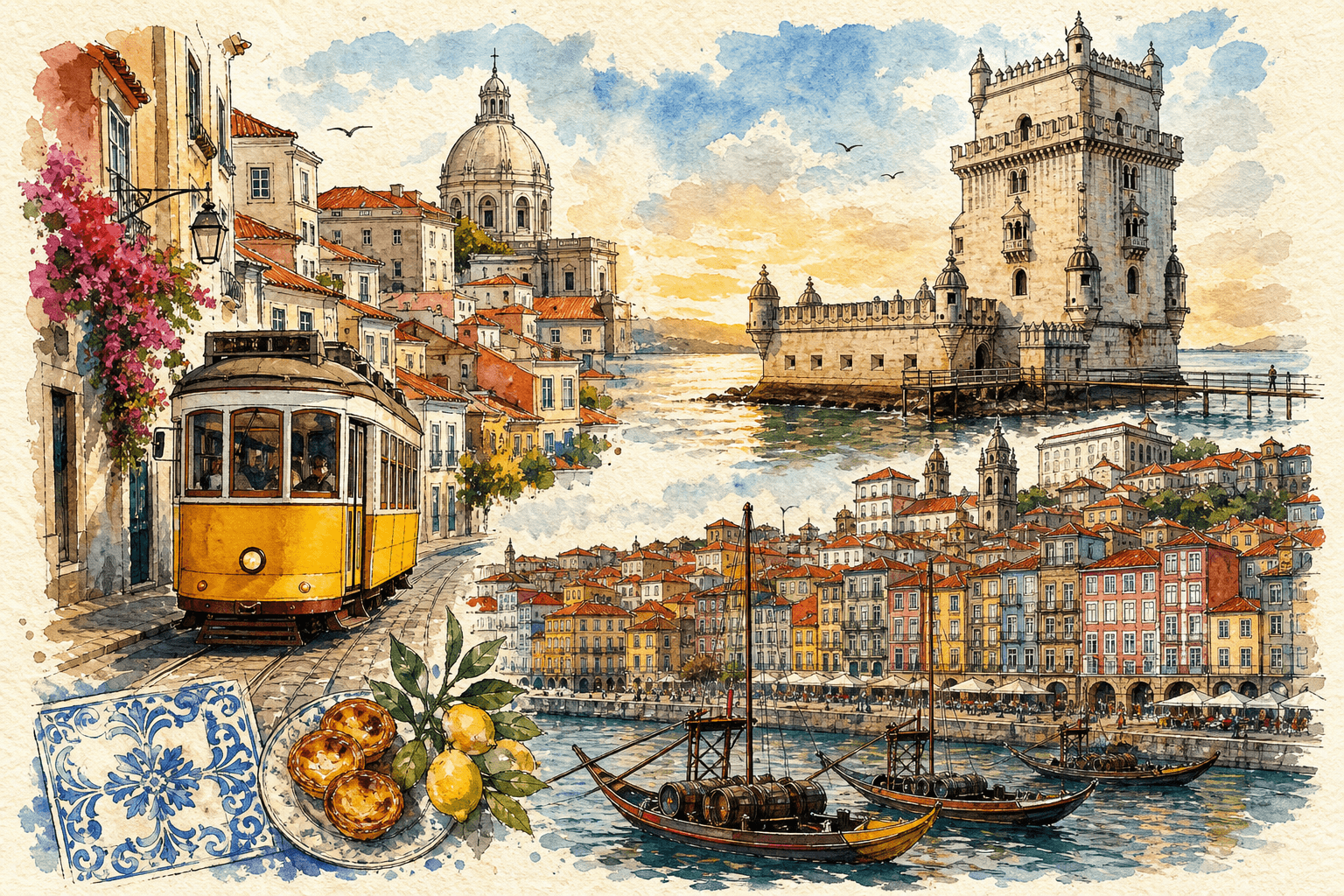 Meilleures villes à visiter au PortugalLes meilleures villes portugaises pour voyager.
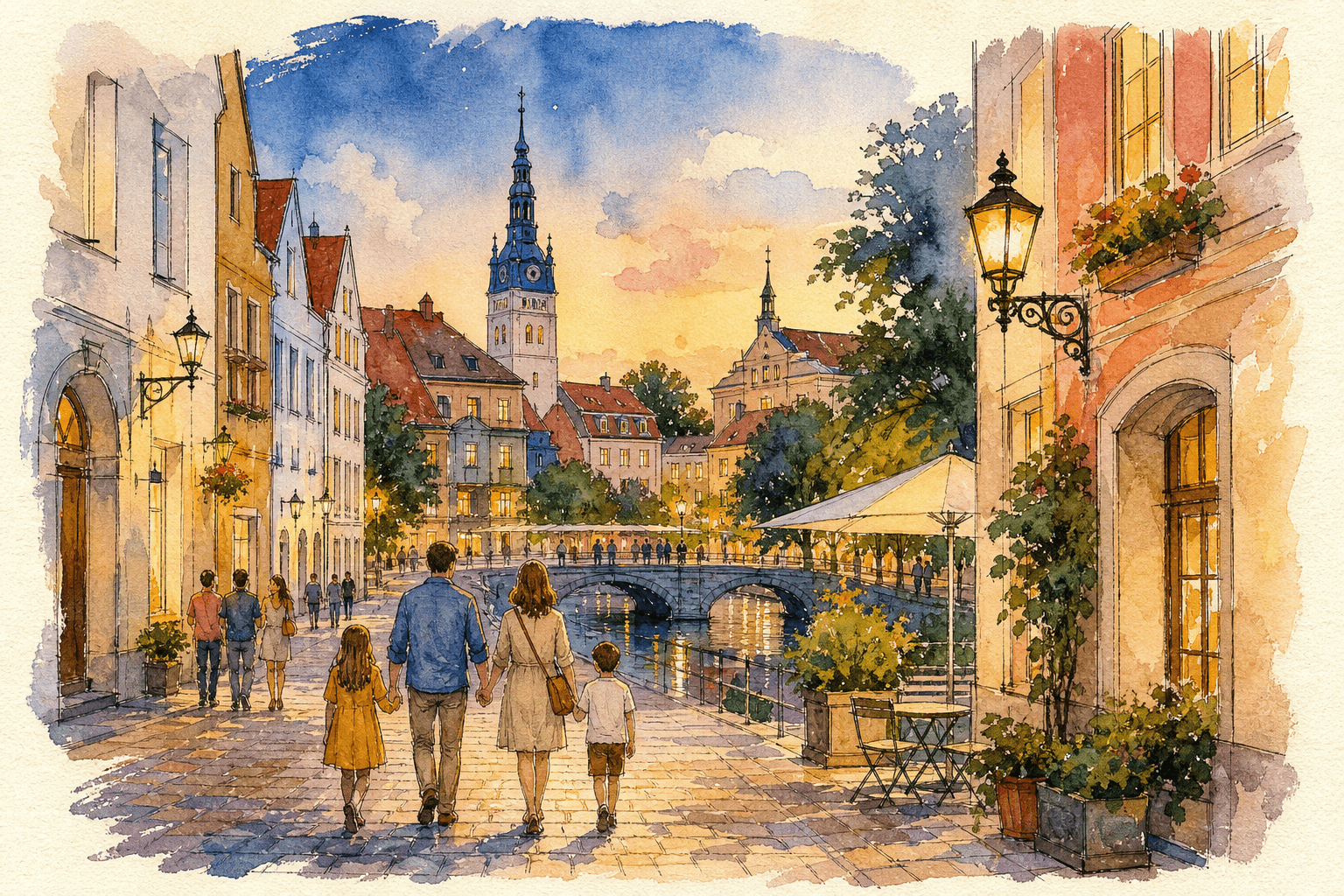 90Villes les plus sûres d’EuropeDestinations où voyager plus sereinement.
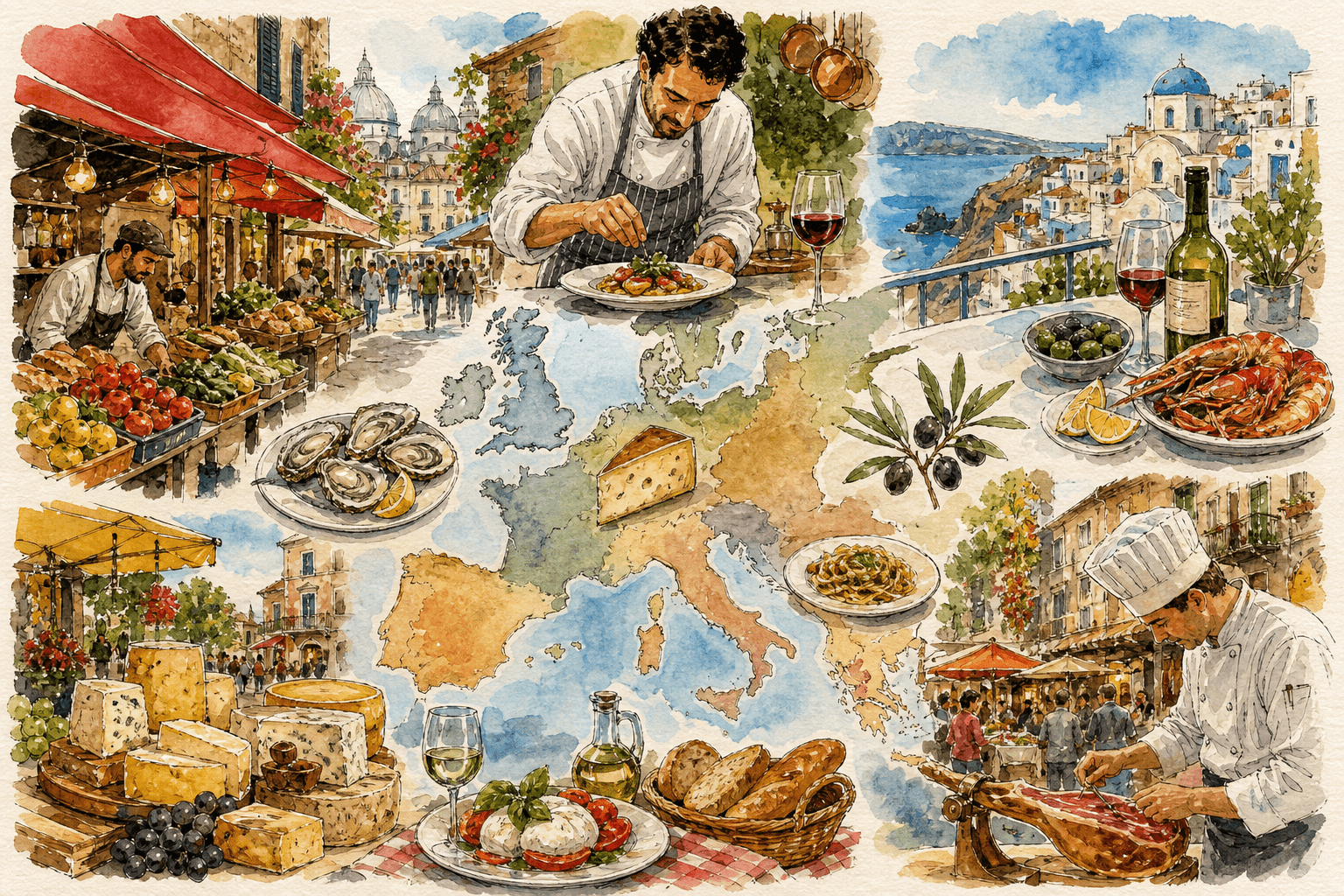 89Meilleures destinations gastronomiques d’EuropeVilles avec la meilleure scène gastronomique d’Europe.
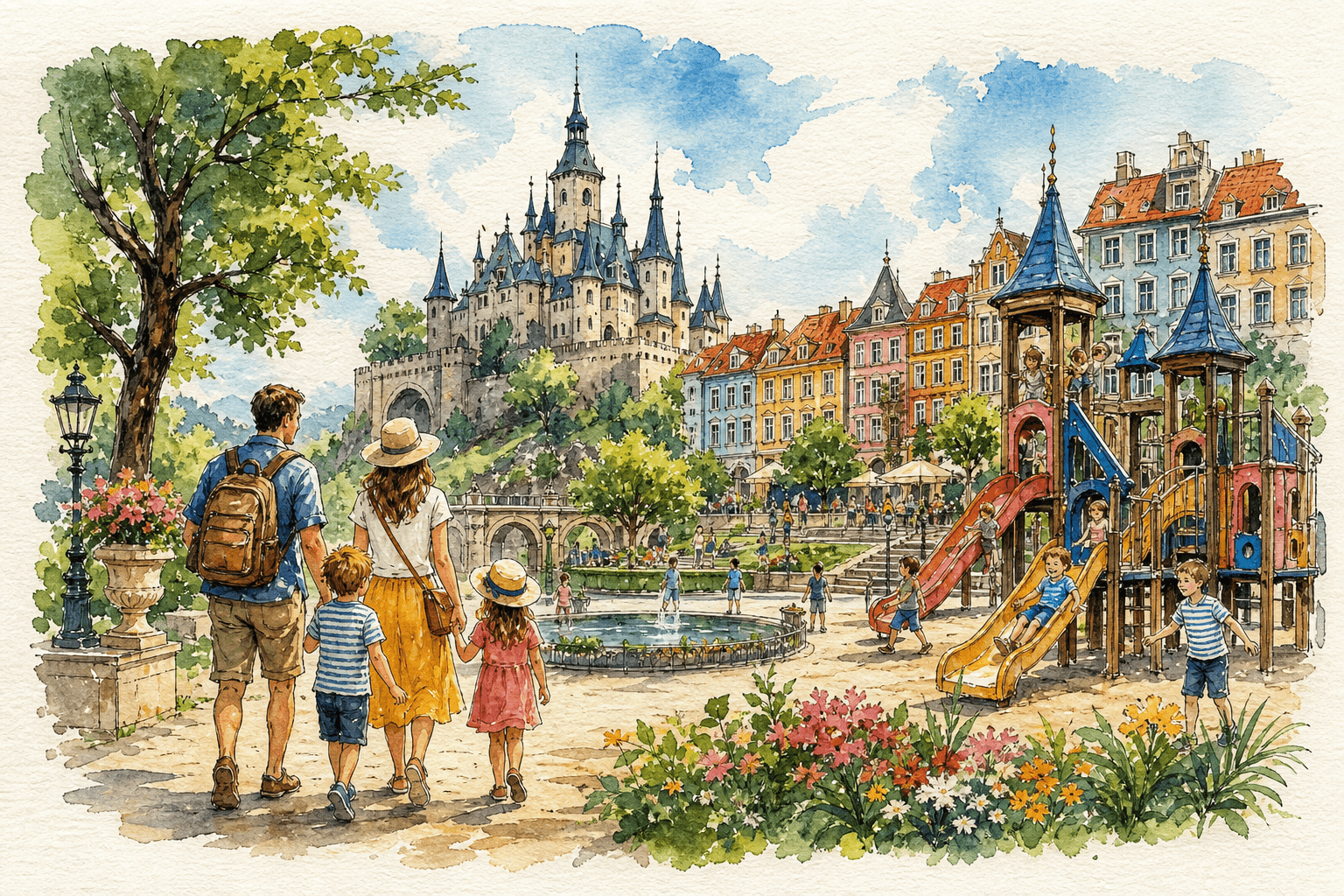 84Meilleures villes d’Europe pour voyager en familleVilles pensées pour les familles : sécurité, rythme et activités enfants.
Tout près d'ici
Escapades faciles et day trips pour prolonger votre itinéraire


Collections et routes
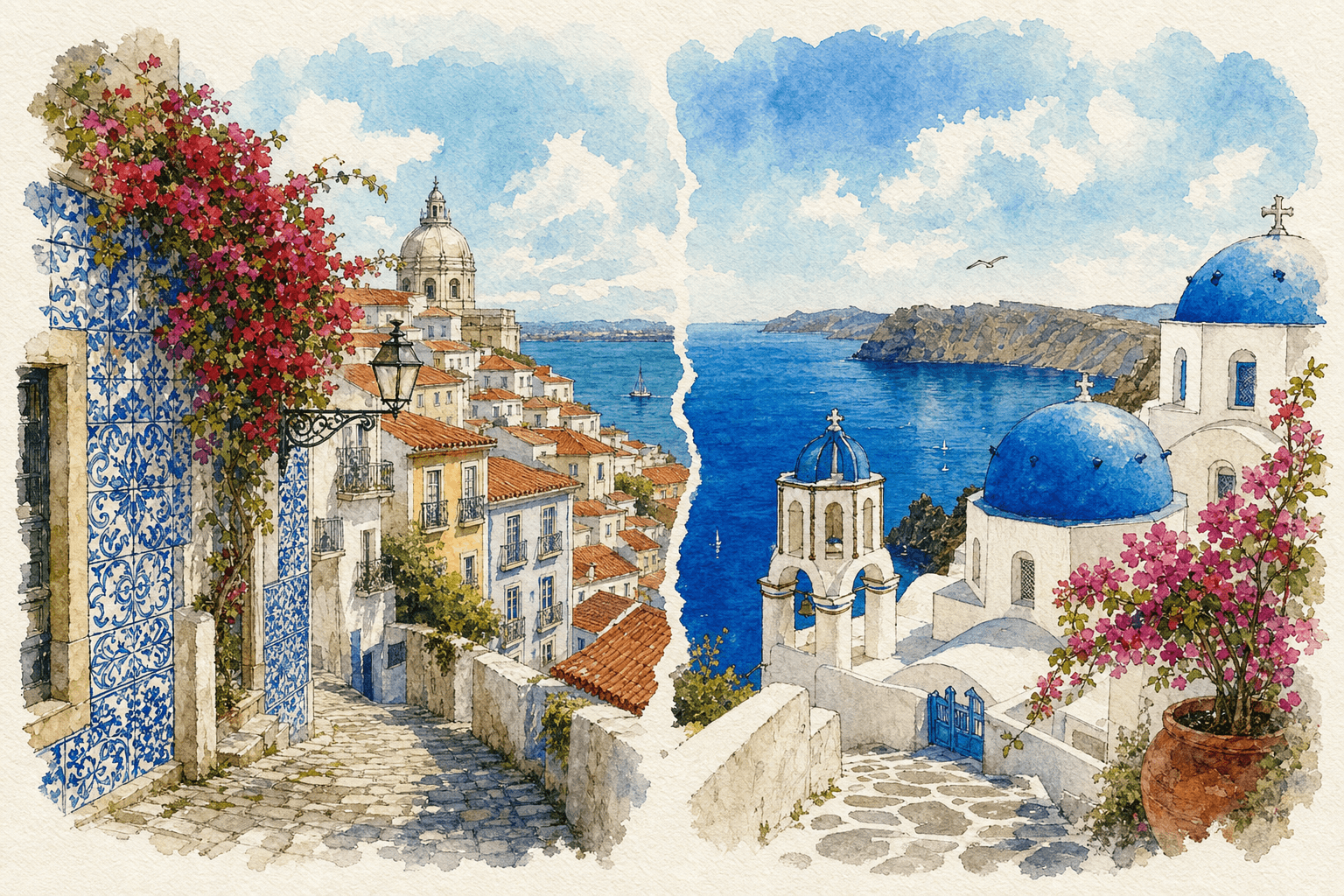 Portugal vs GrècePays pour escapades : plage, budget, sécurité et gastronomie.
- Meilleures villes à visiter au PortugalLes meilleures villes portugaises pour voyager.
- 90Villes les plus sûres d’EuropeDestinations où voyager plus sereinement.
- 89Meilleures destinations gastronomiques d’EuropeVilles avec la meilleure scène gastronomique d’Europe.
- 84Meilleures villes d’Europe pour voyager en familleVilles pensées pour les familles : sécurité, rythme et activités enfants.
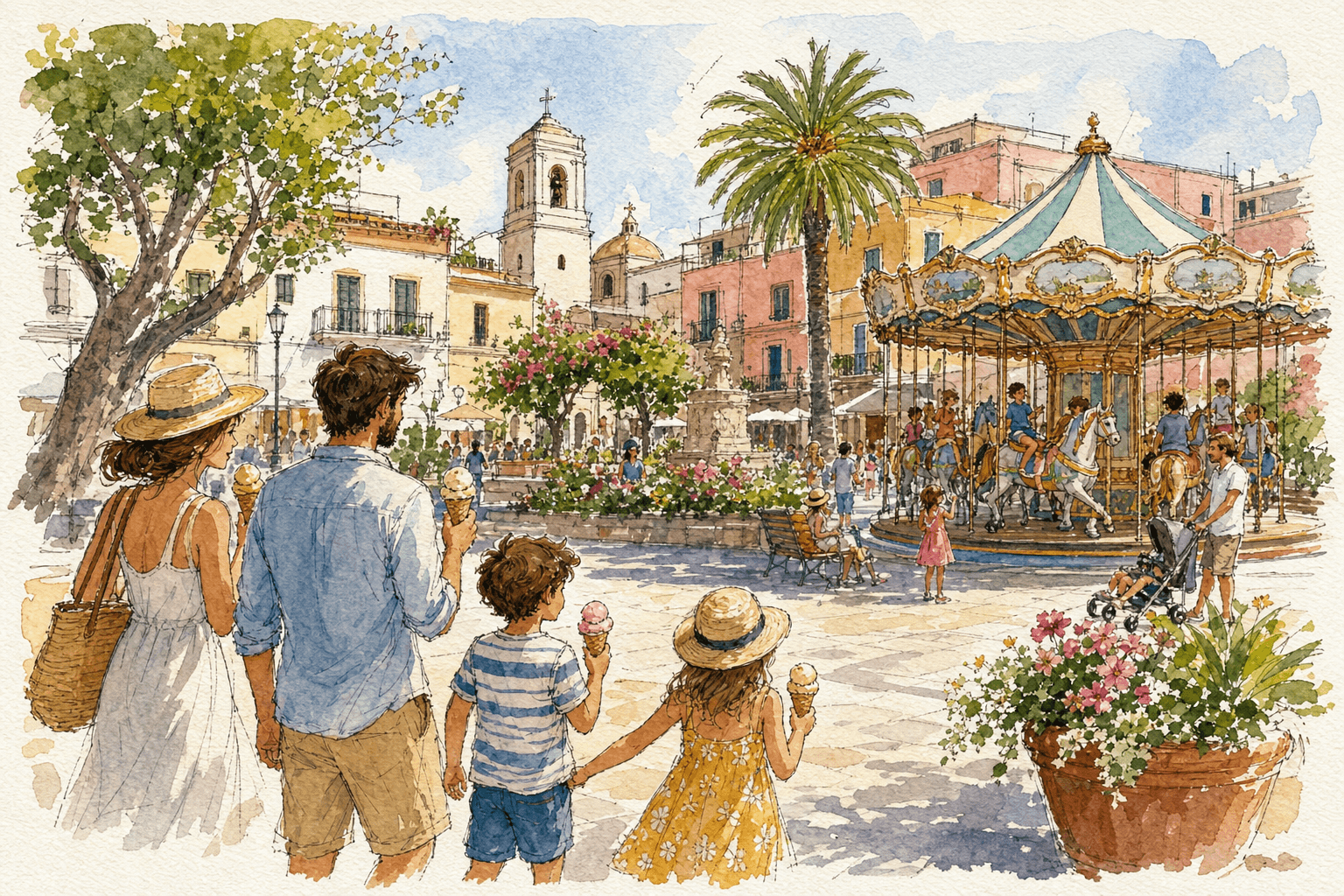 90Voyage en famille
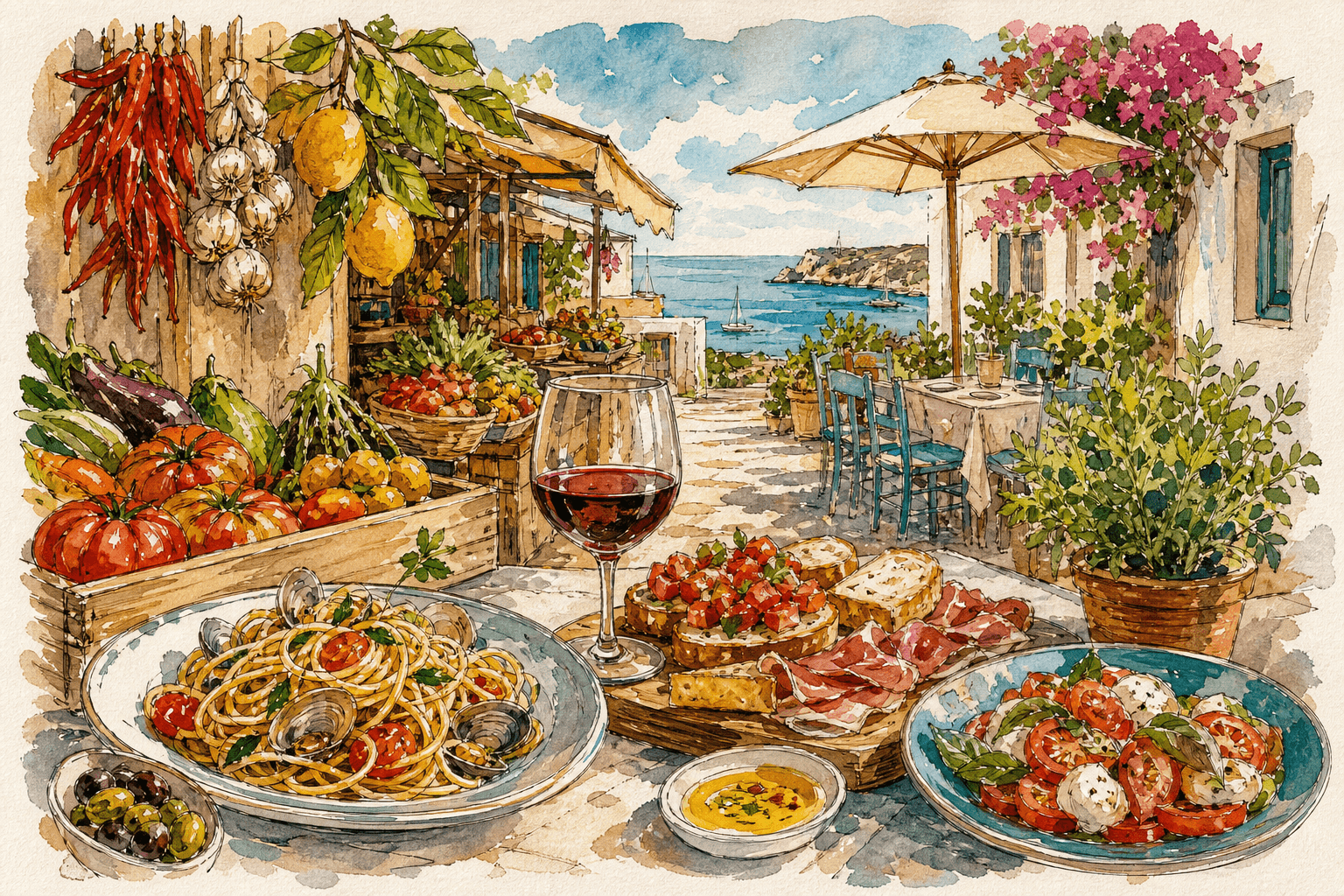 89Voyage gastronomique
TripPlanner
Créez votre itinéraire parfait
Chargement...
Votre profil de voyageur
Découvrez votre style de voyage
Chargement...